Comment les États-Unis sont finalement tombés amoureux du football
How the US finally fell in love with soccer
Listen to football historian John Sloop trace the history of soccer in the US on The Conversation Weekly podcast.
Écoutez l’historien du football John Sloop retracer l’histoire du soccer aux États-Unis sur le podcast The Conversation Weekly.
When Roberto Baggio missed a penalty in the 1994 Fifa World Cup final at the Rose Bowl in Pasadena, California, more than 94,000 people were there to watch Italian heartbreak and Brazilian ecstasy.
Lorsque Roberto Baggio manqua un penalty lors de la finale de la Coupe du Monde de la FIFA en 1994 au Rose Bowl à Pasadena, en Californie, plus de 94 000 personnes étaient présentes pour assister au chagrin italien et à l’extase brésilienne.
To this day, no other World Cup has been as well attended as the 1994 tournament. Tickets were cheap and abundant, and despite the relatively low profile of the game in the US compared to sports like baseball or basketball, people went along to see what it was all about.
À ce jour, aucune autre Coupe du Monde n’a été aussi bien fréquentée que le tournoi de 1994. Les billets étaient bon marché et abondants, et malgré le profil relativement bas du jeu aux États-Unis par rapport à des sports comme le baseball ou le basketball, les gens sont venus voir de quoi il s’agissait.
Now, three decades later, as the 2026 World Cup returns to North America with games across Mexico, Canada and the US, soccer has grown a much larger and more dedicated fan base in America.
Aujourd’hui, trois décennies plus tard, alors que la Coupe du Monde 2026 revient en Amérique du Nord avec des matchs au Mexique, au Canada et aux États-Unis, le football a développé une base de fans beaucoup plus grande et plus dévouée en Amérique.
In this episode of The Conversation Weekly podcast, we speak to John Sloop, a professor of communication studies at Vanderbilt University in Nashville, Tennessee, and historian of soccer and its fans in the United States, about what’s changed for the men’s game in the US and whether the popularity has staying power.
Dans cet épisode du podcast The Conversation Weekly, nous parlons à John Sloop, professeur d’études en communication à l’Université Vanderbilt à Nashville, Tennessee, et historien du football et de ses fans aux États-Unis, de ce qui a changé pour le jeu masculin aux États-Unis et si cette popularité a une pérennité.
From Pelé to Messi
De Pelé à Messi
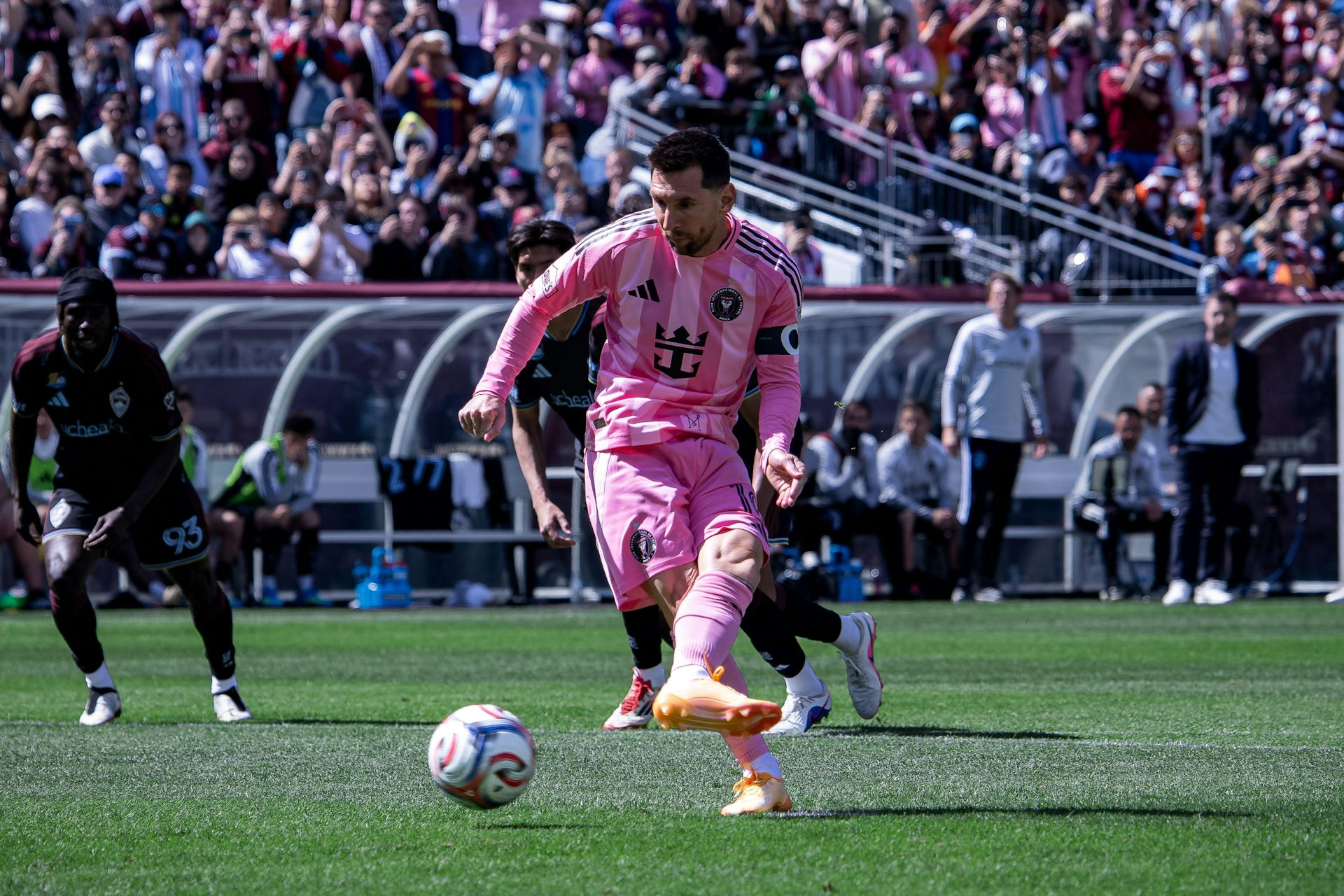
Part of the deal for Fifa choosing the US to host the 1994 World Cup was for the country to set up is own professional soccer league, Major League Soccer, which is now home to global football stars including Argentina’s Lionel Messi and Uruguay’s Luis Suárez.
Une partie de l’accord qui a conduit la FIFA à choisir les États-Unis pour accueillir la Coupe du Monde 1994 était que le pays devait créer sa propre ligue professionnelle de football, la Major League Soccer, qui abrite aujourd’hui des stars mondiales du football, dont Lionel Messi d’Argentine et Luis Suárez d’Uruguay.
But it wasn’t the first American professional league. In the 1960s, investors looking around for a new venture launched the North American Soccer League, which ran from 1968 to 1984. It originally struggled to get off the ground, but then in 1975, the New York Cosmos managed to lure Brazilian great Pelé out of retirement, reportedly for US$4 million. Other players followed, including Germany’s Franz Beckenbauer, Dutchman Johan Cruyff and England’s Bobby Moore.
Mais ce n’était pas la première ligue professionnelle américaine. Dans les années 1960, des investisseurs cherchant une nouvelle aventure ont lancé la North American Soccer League (NASL) , qui a fonctionné de 1968 à 1984. Elle a d’abord eu du mal à démarrer, mais en 1975, le New York Cosmos est parvenu à faire revenir la grande légende brésilienne Pelé à la retraite, apparemment pour 4 millions de dollars américains. D’autres joueurs ont suivi, dont Franz Beckenbauer de l’Allemagne, Johan Cruyff des Pays-Bas et Bobby Moore d’Angleterre.
“The league takes off in a very flashy way, starts getting very large viewership, not necessarily on TV, but they were selling out stadiums of 60-something thousand when Pelé shows up,” explains Sloop. But eventually the teams went bankrupt and the NASL began to fall apart. Sloop says that collapse was “somewhat heartbreaking for real international soccer fans”, who began to ask what kind of model could work in the US.
« La ligue décolle de manière très spectaculaire, commence à attirer un public énorme, pas nécessairement à la télévision, mais ils vendaient complets des stades de 60 quelque mille personnes quand Pelé est arrivé », explique Sloop. Mais finalement les équipes ont fait faillite et la NASL a commencé à s’effondrer. Sloop affirme que cet effondrement était « un peu déchirant pour les vrais fans internationaux de football », qui ont commencé à se demander quel modèle pourrait fonctionner aux États-Unis.
Listen to Sloop on The Conversation Weekly podcast to understand how the launch of MLS, the success of the US women’s team, and the greater availability of soccer on television, has changed views of the game in the US.
Écoutez Sloop dans le podcast The Conversation Weekly pour comprendre comment le lancement de la MLS, le succès de l’équipe féminine américaine et la plus grande disponibilité du football à la télévision ont changé les perceptions du jeu aux États-Unis.
This episode of The Conversation Weekly was written and produced by Gemma Ware, Katie Flood and Mend Mariwany. Mixing by Eleanor Brezzi and theme music by Neeta Sarl.
Cet épisode de The Conversation Weekly a été écrit et produit par Gemma Ware, Katie Flood et Mend Mariwany. Mixage par Eleanor Brezzi et musique thématique par Neeta Sarl.
Newsclips in this episode from FIFA, NASL 1968-1984 Soccer History, AP Archive, TODAY and Olympics.
Des reportages dans cet épisode provenant de FIFA, NASL 1968-1984 Histoire du football, AP Archive, TODAY et les Jeux Olympiques.
Listen to The Conversation Weekly via any of the apps listed above, download it directly via our RSS feed or find out how else to listen here. A transcript of this episode is available via the Apple Podcasts or Spotify apps.
Écoutez The Conversation Weekly via l’une des applications listées ci-dessus, téléchargez-le directement via notre flux RSS ou découvrez comment écouter autrement ici. Une transcription de cet épisode est disponible sur les applications Apple Podcasts ou Spotify.
John M Sloop does not work for, consult, own shares in or receive funding from any company or organisation that would benefit from this article, and has disclosed no relevant affiliations beyond their academic appointment.
John M Sloop ne travaille pour, ne consulte pas, ne détient pas d’actions ni ne reçoit de financement de la part d’aucune entreprise ou organisation qui bénéficierait de cet article, et n’a divulgué aucune affiliation pertinente au-delà de sa nomination universitaire.
Read more
-

Détrôner Keir Starmer est plus difficile qu’il n’y paraît – les règles du parti lui permettent de choisir de continuer à se battre
Ousting Keir Starmer is harder than it looks – party rules mean he can choose to keep fighting
-
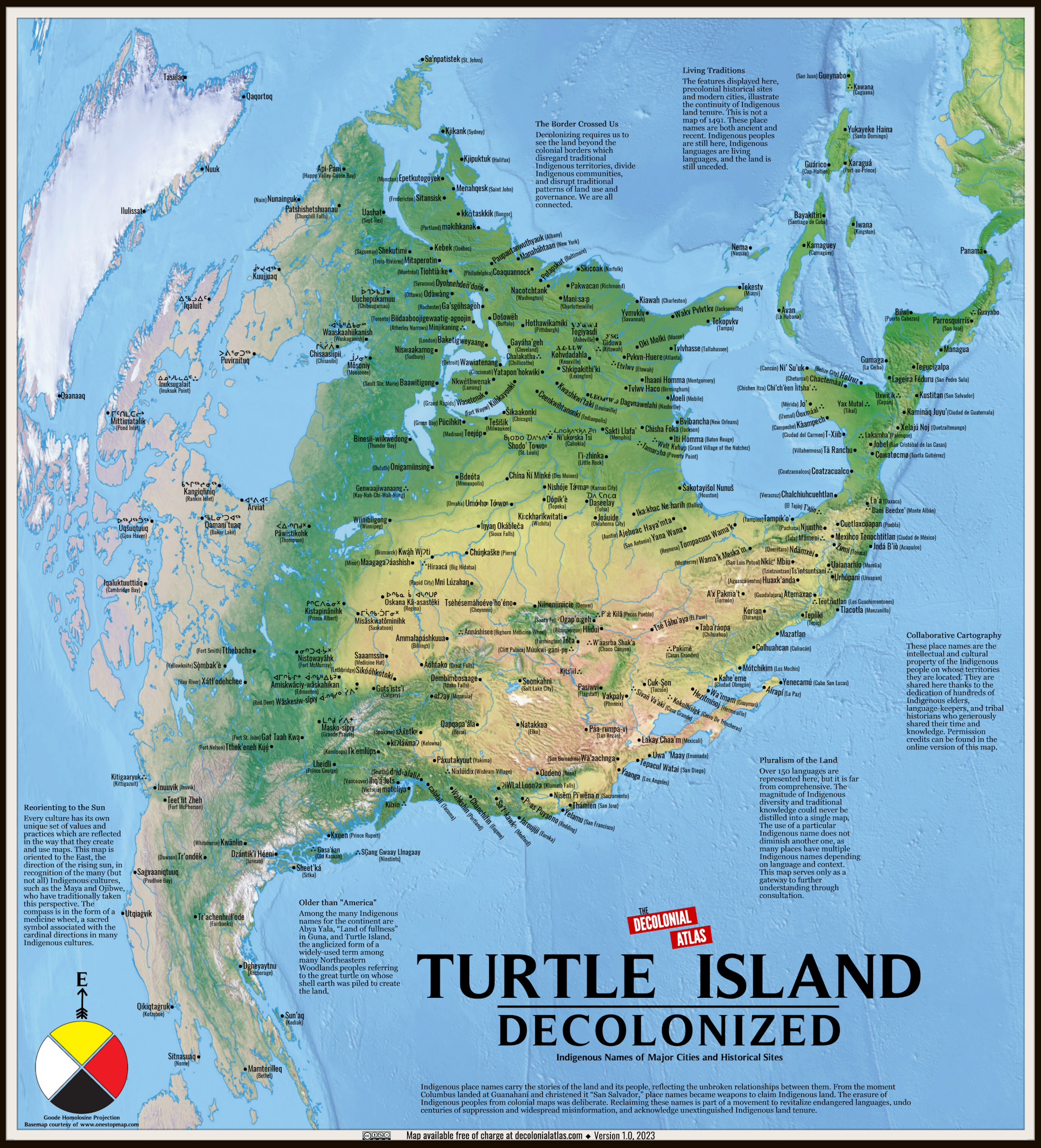
Les cartes sont des outils politiques puissants qui façonnent le passé, le présent et l’avenir d’une nation – les cartes alternatives permettent aux gens ordinaires de reprendre le récit.
Maps are powerful political tools shaping a nation’s past, present and future – counter maps allow everyday people to reclaim the narrative