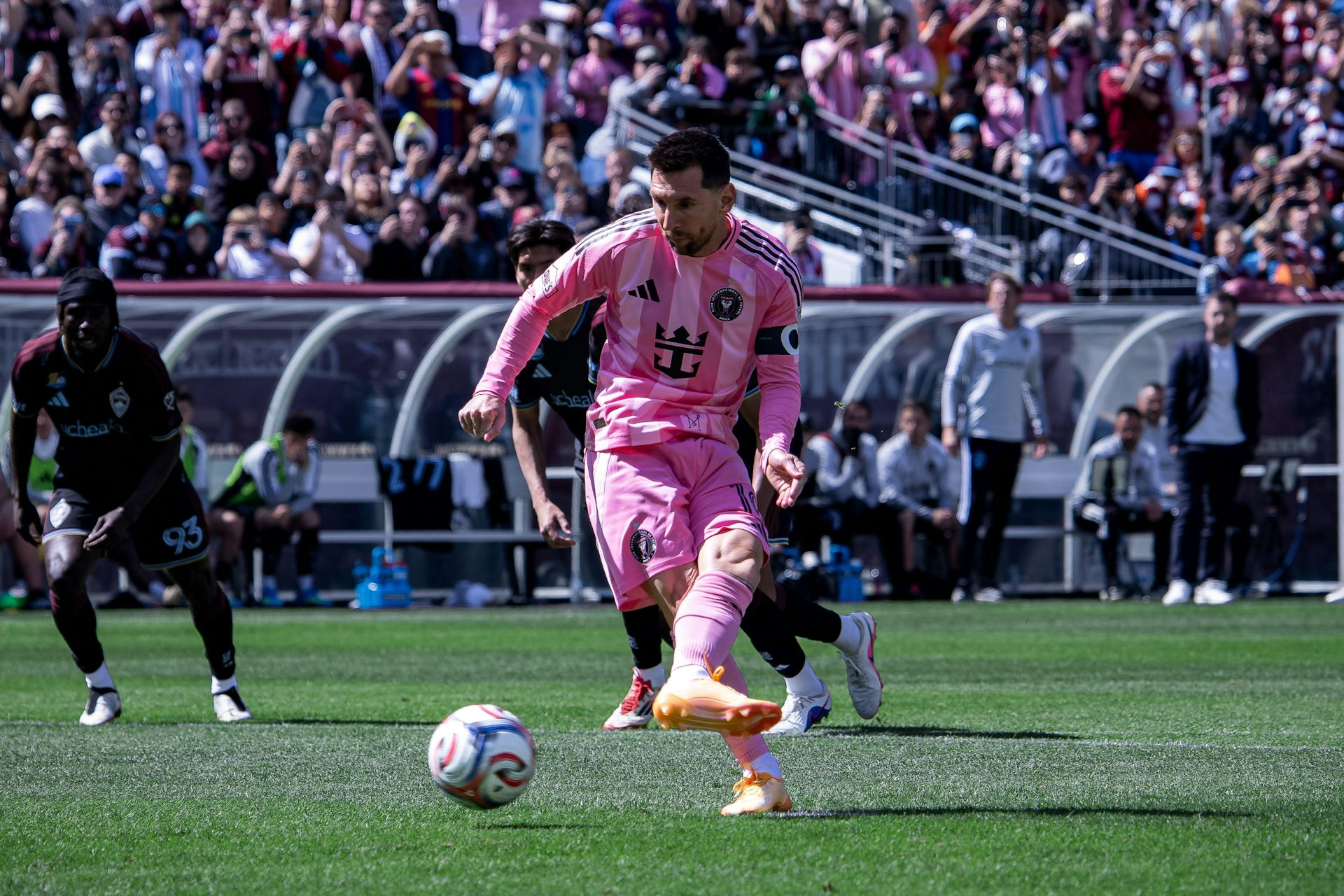
كيف وقعت الولايات المتحدة أخيراً في حب كرة القدم
How the US finally fell in love with soccer
Listen to football historian John Sloop trace the history of soccer in the US on The Conversation Weekly podcast.
استمع إلى مؤرخ كرة القدم جون سلووب وهو يتتبع تاريخ كرة القدم في الولايات المتحدة، وذلك في بودكاست “The Conversation Weekly”.
When Roberto Baggio missed a penalty in the 1994 Fifa World Cup final at the Rose Bowl in Pasadena, California, more than 94,000 people were there to watch Italian heartbreak and Brazilian ecstasy.
عندما أضاع روبرتو باجيو ركلة جزاء في نهائي كأس العالم لكرة القدم عام 1994 في ملعب روز بول بمدينة باسادينا، كاليفورنيا، كان هناك أكثر من 94,000 شخص لمشاهدة خيبة الأمل الإيطالية والنشوة البرازيلية.
To this day, no other World Cup has been as well attended as the 1994 tournament. Tickets were cheap and abundant, and despite the relatively low profile of the game in the US compared to sports like baseball or basketball, people went along to see what it was all about.
حتى يومنا هذا، لم تشهد أي بطولة كأس عالم أخرى مثل هذا الحضور الجماهيري الذي شهدته نسخة عام 1994. كانت التذاكر رخيصة ومتوفرة بكثرة، وعلى الرغم من المكانة المنخفضة نسبياً لهذه الرياضة في الولايات المتحدة مقارنة برياضات مثل البيسبول أو كرة السلة، ذهب الناس لمشاهدة ما يدور حوله الأمر.
Now, three decades later, as the 2026 World Cup returns to North America with games across Mexico, Canada and the US, soccer has grown a much larger and more dedicated fan base in America.
الآن، بعد ثلاثة عقود، ومع عودة كأس العالم 2026 إلى أمريكا الشمالية بمباريات في المكسيك وكندا والولايات المتحدة، نمت كرة القدم لتكتسب قاعدة جماهيرية أكبر وأكثر تفانيًا في أمريكا.
In this episode of The Conversation Weekly podcast, we speak to John Sloop, a professor of communication studies at Vanderbilt University in Nashville, Tennessee, and historian of soccer and its fans in the United States, about what’s changed for the men’s game in the US and whether the popularity has staying power.
في هذه الحلقة من بودكاست “ذا كونفرسيشن ويكلي”، نتحدث إلى جون سلوب، أستاذ دراسات الاتصال بجامعة فاندربيلت في ناشفيل بتينيسي ومؤرخ كرة القدم وجماهيرها في الولايات المتحدة، حول ما تغير بالنسبة للعبة الرجال في الولايات المتحدة وما إذا كانت شعبيتها قادرة على الاستمرار.
From Pelé to Messi
من بيليه إلى ميسي
Part of the deal for Fifa choosing the US to host the 1994 World Cup was for the country to set up is own professional soccer league, Major League Soccer, which is now home to global football stars including Argentina’s Lionel Messi and Uruguay’s Luis Suárez.
كان جزء من صفقة الفيفا لاختيار الولايات المتحدة استضافة كأس العالم عام 1994 هو أن تقوم الدولة بتأسيس دوري كرة قدم محترف خاص بها، وهو الدوري الأمريكي للمحترفين (Major League Soccer) ، الذي أصبح الآن موطناً لنجوم كرة القدم العالمية بما في ذلك ليونيل ميسي من الأرجنتين ولويس سواريز من أوروغواي.
But it wasn’t the first American professional league. In the 1960s, investors looking around for a new venture launched the North American Soccer League, which ran from 1968 to 1984. It originally struggled to get off the ground, but then in 1975, the New York Cosmos managed to lure Brazilian great Pelé out of retirement, reportedly for US$4 million. Other players followed, including Germany’s Franz Beckenbauer, Dutchman Johan Cruyff and England’s Bobby Moore.
لكنها لم تكن أول دوري أمريكي محترف. ففي الستينيات، أطلق مستثمرون يبحثون عن مشروع جديد الدوري الكروي لأمريكا الشمالية (North American Soccer League) ، الذي عمل في الفترة ما بين 1968 و 1984. وقد واجه الدوري صعوبات في البداية، ولكن في عام 1975، تمكن فريق نيويورك كوزموس من استقطاب الأسطورة البرازيلية بيليه من الاعتزال، وذلك على ما يقال إنه مقابل 4 ملايين دولار أمريكي. وتبعوه لاعبون آخرون، بمن فيهم فرانز بيكنباور الألماني، وهولندا جوهان كرويف، وبوبي مور الإنجليزي.
“The league takes off in a very flashy way, starts getting very large viewership, not necessarily on TV, but they were selling out stadiums of 60-something thousand when Pelé shows up,” explains Sloop. But eventually the teams went bankrupt and the NASL began to fall apart. Sloop says that collapse was “somewhat heartbreaking for real international soccer fans”, who began to ask what kind of model could work in the US.
يشرح سلووب قائلاً: “انطلق الدوري بطريقة مبهرة للغاية، وبدأ يحظى بمشاهدة كبيرة جداً، ليس بالضرورة على التلفزيون، لكنهم كانوا يبيعون تذاكر لملاعب تتسع لستين ألف شخص تقريباً عندما ظهر بيليه”. ولكن في نهاية المطاف، أفلست الفرق وبدأ الدوري الكروي لأمريكا الشمالية بالتفكك. ويقول سلووب إن هذا الانهيار كان “محبطاً بعض الشيء لعشاق كرة القدم الدوليين الحقيقيين”، الذين بدأوا يتساءلون عن نوع النموذج الذي يمكن أن ينجح في الولايات المتحدة.
Listen to Sloop on The Conversation Weekly podcast to understand how the launch of MLS, the success of the US women’s team, and the greater availability of soccer on television, has changed views of the game in the US.
استمع إلى سلووب في بودكاست The Conversation Weekly لفهم كيف أدى إطلاق الدوري الأمريكي للمحترفين (MLS) ، ونجاح المنتخب الأمريكي للسيدات، وتوافر كرة القدم بشكل أكبر على التلفزيون، إلى تغيير النظرة للعبة في الولايات المتحدة.
This episode of The Conversation Weekly was written and produced by Gemma Ware, Katie Flood and Mend Mariwany. Mixing by Eleanor Brezzi and theme music by Neeta Sarl.
تمت كتابة وإنتاج هذه الحلقة من برنامج The Conversation Weekly بواسطة جيما وير وكيتي فلود ومند مريواني. والمزج الصوتي بواسطة إليانور بريزي والموسيقى التصويرية بواسطة نيتا سارل.
Newsclips in this episode from FIFA, NASL 1968-1984 Soccer History, AP Archive, TODAY and Olympics.
مقاطع إخبارية في هذه الحلقة من الفيفا، وتاريخ كرة القدم (NASL 1968-1984) ، وأرشيف وكالة الأناضول (AP Archive) ، وTODAY، والألعاب الأولمبية.
Listen to The Conversation Weekly via any of the apps listed above, download it directly via our RSS feed or find out how else to listen here. A transcript of this episode is available via the Apple Podcasts or Spotify apps.
استمع إلى The Conversation Weekly عبر أي من التطبيقات المذكورة أعلاه، أو قم بتنزيله مباشرة عبر موجز RSS الخاص بنا، أو اكتشف طرق الاستماع الأخرى هنا. يتوفر نص هذه الحلقة عبر تطبيقات Apple Podcasts أو Spotify.
John M Sloop does not work for, consult, own shares in or receive funding from any company or organisation that would benefit from this article, and has disclosed no relevant affiliations beyond their academic appointment.
جون إم سلووب لا يعمل لدى، ولا يشارك في استشارات، ولا يمتلك أسهمًا في، أو يتلقى تمويلاً من أي شركة أو منظمة يمكن أن تستفيد من هذا المقال، ولم يفصح عن أي انتماءات ذات صلة تتجاوز تعيينه الأكاديمي.
Read more
-
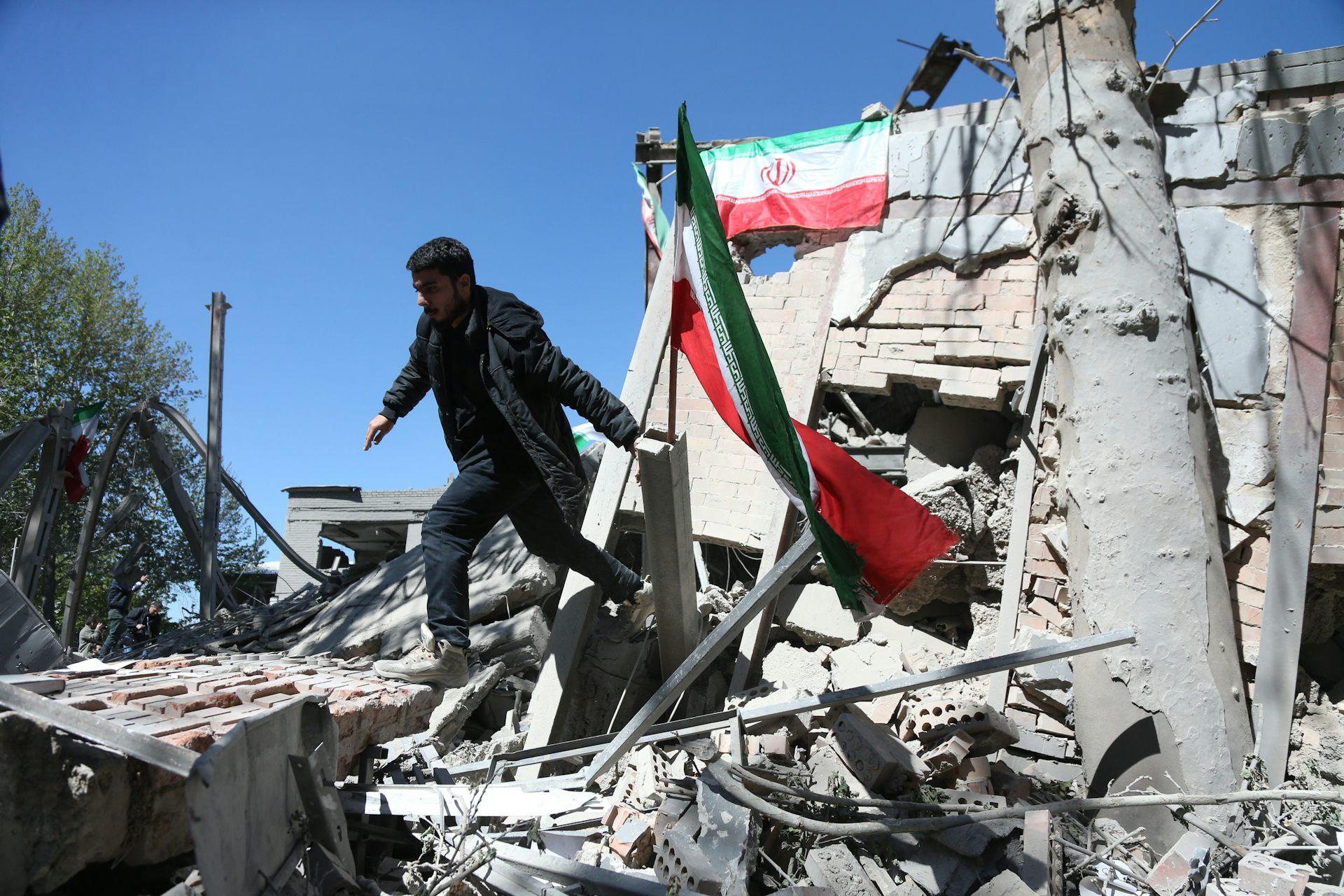
بعد وقف إطلاق النار، سيتطلب التفاوض على صفقة دائمة مع إيران التغلب على التنافسات الإقليمية والتضارب الاستراتيجي
After ceasefire, negotiating a lasting deal with Iran would require overcoming regional rivalries and strategic incoherence
-
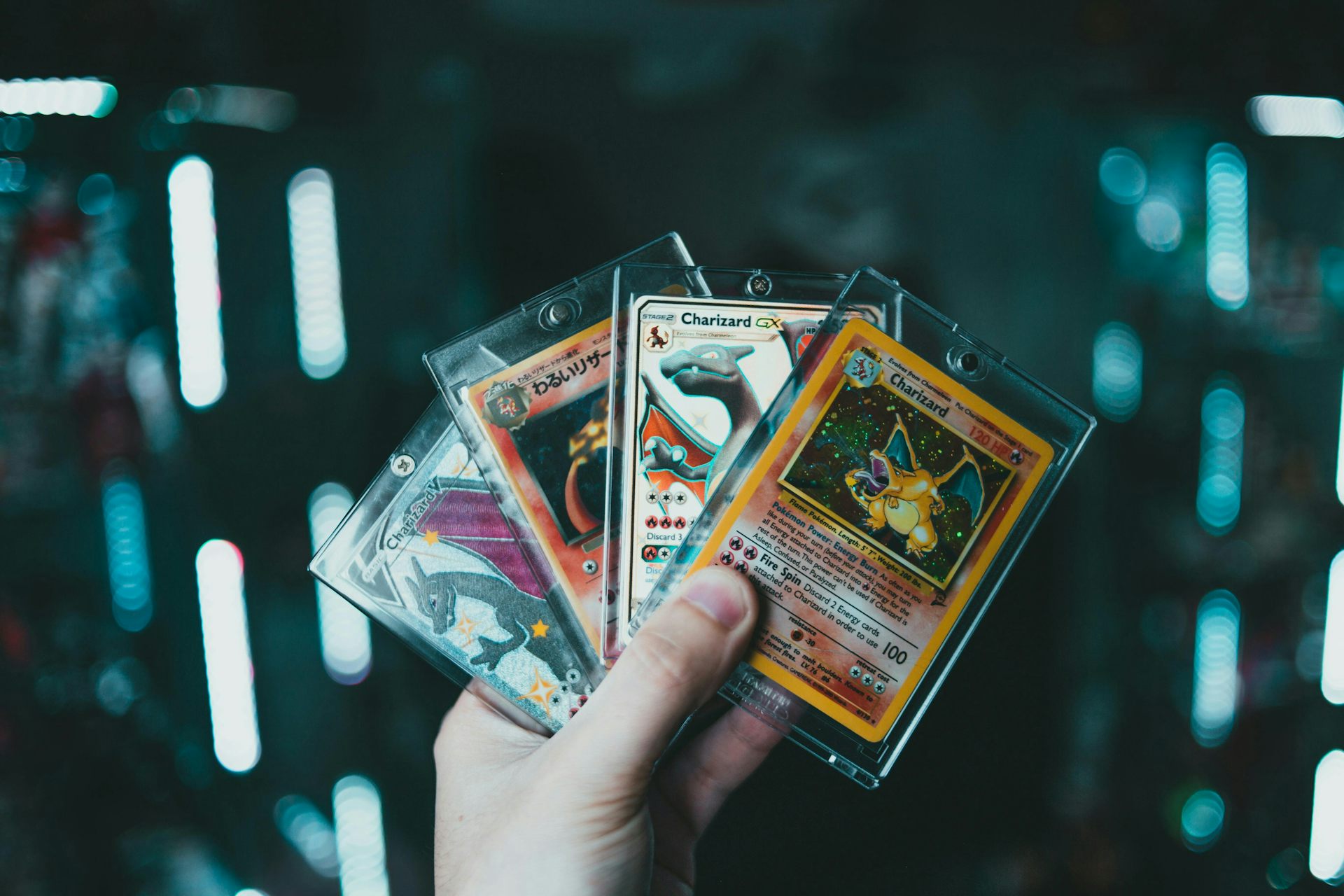
لماذا أصبح الناس مهووسين (وسارقين) بطاقات بوكيمون مرة أخرى؟
Why are people obsessed with (and stealing) Pokemon cards again?