Bagaimana AS akhirnya jatuh cinta pada sepak bola
How the US finally fell in love with soccer
Listen to football historian John Sloop trace the history of soccer in the US on The Conversation Weekly podcast.
Dengarkan sejarawan sepak bola John Sloop menelusuri sejarah sepak bola di AS dalam podcast The Conversation Weekly.
When Roberto Baggio missed a penalty in the 1994 Fifa World Cup final at the Rose Bowl in Pasadena, California, more than 94,000 people were there to watch Italian heartbreak and Brazilian ecstasy.
Ketika Roberto Baggio gagal menendang penalti di final Piala Dunia FIFA 1994 di Rose Bowl di Pasadena, California, lebih dari 94.000 orang hadir untuk menyaksikan patah hati Italia dan ekstasi Brasil.
To this day, no other World Cup has been as well attended as the 1994 tournament. Tickets were cheap and abundant, and despite the relatively low profile of the game in the US compared to sports like baseball or basketball, people went along to see what it was all about.
Hingga hari ini, tidak ada Piala Dunia lain yang dihadiri sebanyak turnamen tahun 1994. Tiketnya murah dan melimpah, dan meskipun profil permainan ini di AS relatif rendah dibandingkan olahraga seperti bisbol atau bola basket, orang-orang tetap datang untuk melihat apa sebenarnya acara itu.
Now, three decades later, as the 2026 World Cup returns to North America with games across Mexico, Canada and the US, soccer has grown a much larger and more dedicated fan base in America.
Kini, tiga dekade kemudian, saat Piala Dunia 2026 kembali ke Amerika Utara dengan pertandingan di Meksiko, Kanada, dan AS, sepak bola telah menumbuhkan basis penggemar yang jauh lebih besar dan lebih berdedikasi di Amerika.
In this episode of The Conversation Weekly podcast, we speak to John Sloop, a professor of communication studies at Vanderbilt University in Nashville, Tennessee, and historian of soccer and its fans in the United States, about what’s changed for the men’s game in the US and whether the popularity has staying power.
Dalam episode podcast The Conversation Weekly ini, kami berbicara dengan John Sloop, seorang profesor studi komunikasi di Vanderbilt University di Nashville, Tennessee, dan sejarawan sepak bola serta penggemarnya di Amerika Serikat, mengenai apa yang telah berubah bagi permainan pria di AS dan apakah popularitas itu memiliki daya tahan.
From Pelé to Messi
Dari Pelé hingga Messi
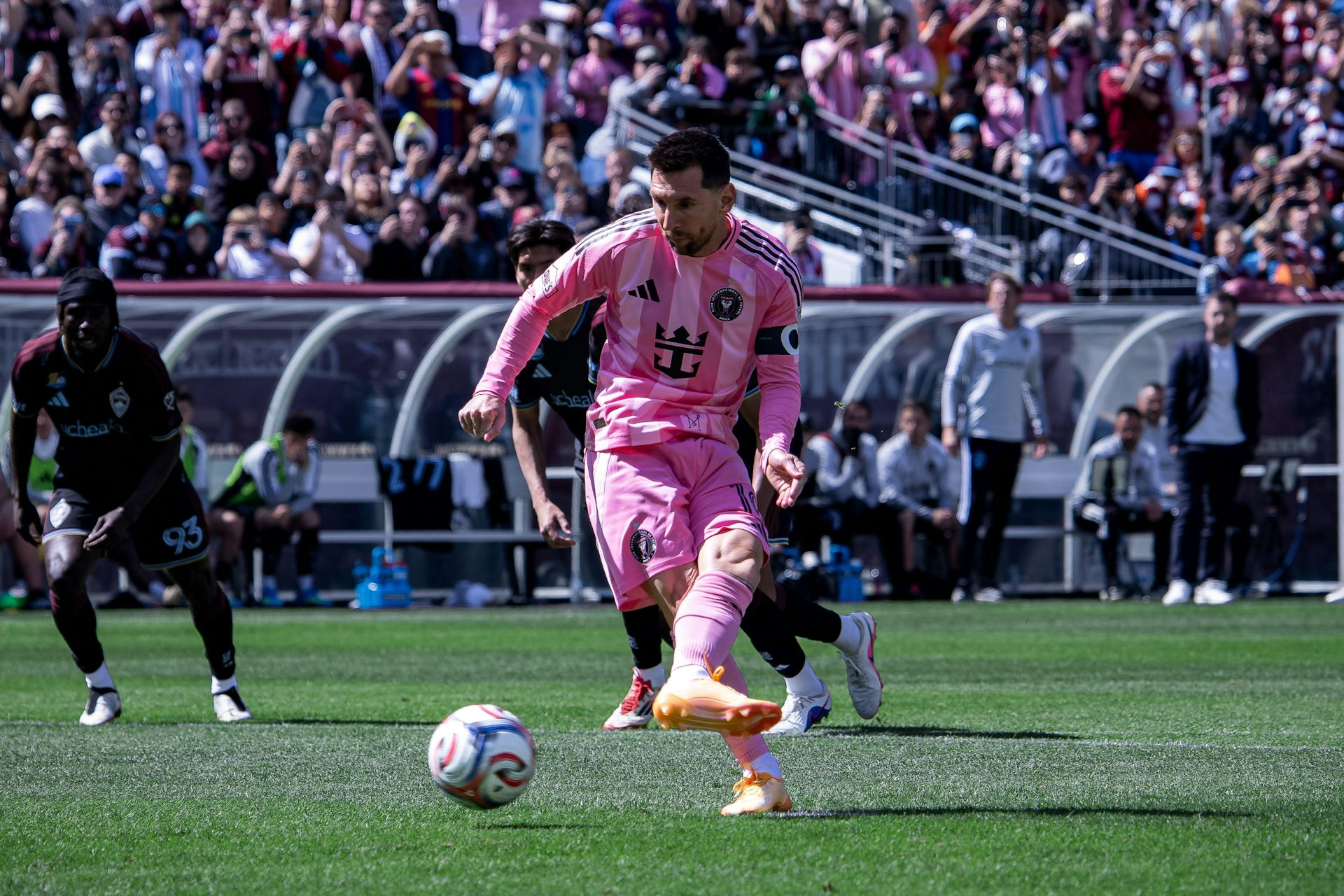
Part of the deal for Fifa choosing the US to host the 1994 World Cup was for the country to set up is own professional soccer league, Major League Soccer, which is now home to global football stars including Argentina’s Lionel Messi and Uruguay’s Luis Suárez.
Bagian dari kesepakatan FIFA memilih AS untuk menjadi tuan rumah Piala Dunia 1994 adalah agar negara itu mendirikan liga sepak bola profesionalnya sendiri, Major League Soccer, yang kini menjadi rumah bagi bintang sepak bola global termasuk Lionel Messi asal Argentina dan Luis Suárez asal Uruguay.
But it wasn’t the first American professional league. In the 1960s, investors looking around for a new venture launched the North American Soccer League, which ran from 1968 to 1984. It originally struggled to get off the ground, but then in 1975, the New York Cosmos managed to lure Brazilian great Pelé out of retirement, reportedly for US$4 million. Other players followed, including Germany’s Franz Beckenbauer, Dutchman Johan Cruyff and England’s Bobby Moore.
Namun, ini bukanlah liga profesional Amerika pertama. Pada tahun 1960-an, para investor yang mencari usaha baru meluncurkan North American Soccer League, yang berjalan dari tahun 1968 hingga 1984. Awalnya liga itu kesulitan untuk berdiri, tetapi kemudian pada tahun 1975, New York Cosmos berhasil menarik Pelé, legenda Brasil, keluar dari masa pensiun, dilaporkan dengan harga US$4 juta. Pemain lain menyusul, termasuk Franz Beckenbauer asal Jerman, Johan Cruyff asal Belanda, dan Bobby Moore asal Inggris.
“The league takes off in a very flashy way, starts getting very large viewership, not necessarily on TV, but they were selling out stadiums of 60-something thousand when Pelé shows up,” explains Sloop. But eventually the teams went bankrupt and the NASL began to fall apart. Sloop says that collapse was “somewhat heartbreaking for real international soccer fans”, who began to ask what kind of model could work in the US.
“Liga ini dimulai dengan cara yang sangat mencolok, mulai mendapatkan jumlah penonton yang sangat besar, tidak harus di TV, tetapi mereka menjual habis stadion berkapasitas 60-an ribu ketika Pelé muncul,” jelas Sloop. Tetapi akhirnya tim-tim itu bangkrut dan NASL mulai hancur. Sloop mengatakan bahwa keruntuhan itu “agak menyedihkan bagi penggemar sepak bola internasional sejati”, yang mulai bertanya model seperti apa yang bisa berhasil di AS.
Listen to Sloop on The Conversation Weekly podcast to understand how the launch of MLS, the success of the US women’s team, and the greater availability of soccer on television, has changed views of the game in the US.
Dengarkan Sloop di podcast The Conversation Weekly untuk memahami bagaimana peluncuran MLS, kesuksesan tim wanita AS, dan ketersediaan sepak bola yang lebih besar di televisi, telah mengubah pandangan tentang permainan ini di AS.
This episode of The Conversation Weekly was written and produced by Gemma Ware, Katie Flood and Mend Mariwany. Mixing by Eleanor Brezzi and theme music by Neeta Sarl.
Episode The Conversation Weekly ini ditulis dan diproduksi oleh Gemma Ware, Katie Flood, dan Mend Mariwany. Mixing oleh Eleanor Brezzi dan musik tema oleh Neeta Sarl.
Newsclips in this episode from FIFA, NASL 1968-1984 Soccer History, AP Archive, TODAY and Olympics.
Klip berita dalam episode ini dari FIFA, NASL 1968-1984 Soccer History, AP Archive, TODAY, dan Olimpiade.
Listen to The Conversation Weekly via any of the apps listed above, download it directly via our RSS feed or find out how else to listen here. A transcript of this episode is available via the Apple Podcasts or Spotify apps.
Dengarkan The Conversation Weekly melalui aplikasi apa pun yang terdaftar di atas, unduh langsung melalui RSS feed kami atau cari tahu cara mendengarkannya di sini. Transkrip episode ini tersedia melalui aplikasi Apple Podcasts atau Spotify.
John M Sloop does not work for, consult, own shares in or receive funding from any company or organisation that would benefit from this article, and has disclosed no relevant affiliations beyond their academic appointment.
John M Sloop tidak bekerja untuk, berkonsultasi dengan, memiliki saham di, atau menerima pendanaan dari perusahaan atau organisasi apa pun yang akan mendapat manfaat dari artikel ini, dan belum mengungkapkan afiliasi relevan selain jabatan akademiknya.
Read more
-

Kami menganalisis riwayat TikTok dari 142 pria. Inilah yang diajarkan kepada kami tentang manosphere
We analysed the TikTok history of 142 men. Here’s what it taught us about the manosphere
-

Saya telah menyelidiki wabah hantavirus. Inilah yang bisa saya beritahu Anda tentang klaster kapal pesiar
I’ve investigated a hantavirus outbreak. Here’s what I can tell you about the cruise ship cluster