Cómo se enamoró EE. UU. finalmente del fútbol
How the US finally fell in love with soccer
Listen to football historian John Sloop trace the history of soccer in the US on The Conversation Weekly podcast.
Escuche al historiador del fútbol John Sloop trazar la historia del fútbol en EE. UU. en el podcast The Conversation Weekly.
When Roberto Baggio missed a penalty in the 1994 Fifa World Cup final at the Rose Bowl in Pasadena, California, more than 94,000 people were there to watch Italian heartbreak and Brazilian ecstasy.
Cuando Roberto Baggio falló un penal en la final de la Copa Mundial de la FIFA de 1994 en el Rose Bowl de Pasadena, California, más de 94.000 personas estuvieron allí para presenciar el desgarro italiano y el éxtasis brasileño.
To this day, no other World Cup has been as well attended as the 1994 tournament. Tickets were cheap and abundant, and despite the relatively low profile of the game in the US compared to sports like baseball or basketball, people went along to see what it was all about.
Hasta el día de hoy, ninguna otra Copa Mundial ha tenido tanta asistencia como el torneo de 1994. Las entradas eran baratas y abundantes, y a pesar del perfil relativamente bajo del juego en EE. UU. en comparación con deportes como el béisbol o el baloncesto, la gente fue para ver de qué se trataba.
Now, three decades later, as the 2026 World Cup returns to North America with games across Mexico, Canada and the US, soccer has grown a much larger and more dedicated fan base in America.
Ahora, tres décadas después, mientras la Copa Mundial de 2026 regresa a América del Norte con partidos en México, Canadá y EE. UU., el fútbol ha crecido una base de aficionados mucho más grande y dedicada en América.
In this episode of The Conversation Weekly podcast, we speak to John Sloop, a professor of communication studies at Vanderbilt University in Nashville, Tennessee, and historian of soccer and its fans in the United States, about what’s changed for the men’s game in the US and whether the popularity has staying power.
En este episodio del podcast The Conversation Weekly, hablamos con John Sloop, profesor de estudios de comunicación en la Universidad Vanderbilt en Nashville, Tennessee, e historiador del fútbol y sus aficionados en los Estados Unidos, sobre lo que ha cambiado para el juego masculino en EE. UU. y si la popularidad tiene permanencia.
From Pelé to Messi
De Pelé a Messi
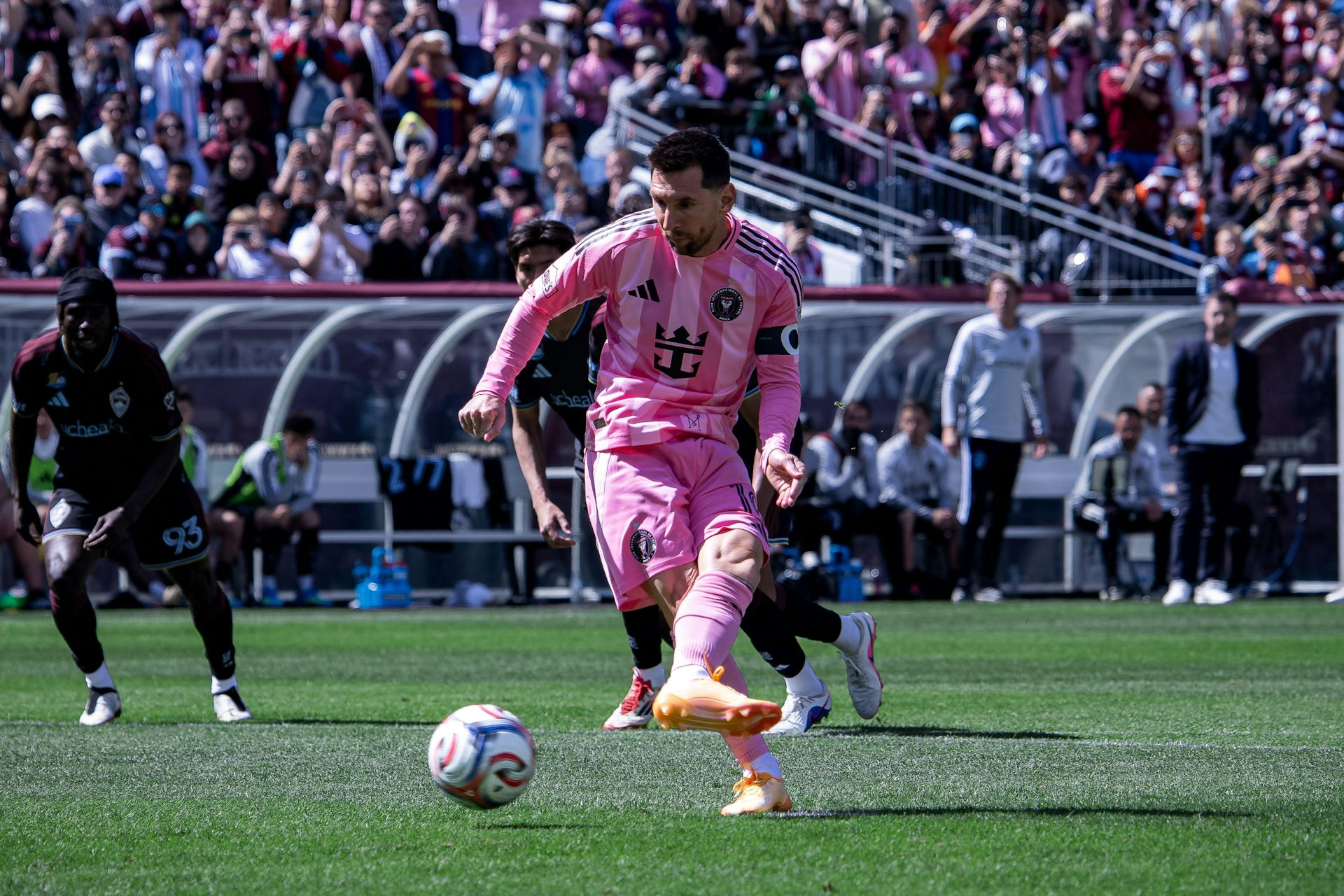
Part of the deal for Fifa choosing the US to host the 1994 World Cup was for the country to set up is own professional soccer league, Major League Soccer, which is now home to global football stars including Argentina’s Lionel Messi and Uruguay’s Luis Suárez.
Parte del acuerdo para que Fifa eligiera EE. UU. como sede de la Copa Mundial de 1994 fue que el país estableciera su propia liga profesional de fútbol, Major League Soccer, que ahora alberga a estrellas globales del fútbol, incluyendo al argentino Lionel Messi y al uruguayo Luis Suárez.
But it wasn’t the first American professional league. In the 1960s, investors looking around for a new venture launched the North American Soccer League, which ran from 1968 to 1984. It originally struggled to get off the ground, but then in 1975, the New York Cosmos managed to lure Brazilian great Pelé out of retirement, reportedly for US$4 million. Other players followed, including Germany’s Franz Beckenbauer, Dutchman Johan Cruyff and England’s Bobby Moore.
Pero no fue la primera liga profesional estadounidense. En la década de 1960, inversores en busca de una nueva empresa lanzaron la North American Soccer League, que estuvo activa desde 1968 hasta 1984. Originalmente tuvo dificultades para despegar, pero luego, en 1975, el New York Cosmos logró atraer al gran brasileño Pelé del retiro, supuestamente por US$4 millones. Otros jugadores lo siguieron, incluyendo al alemán Franz Beckenbauer, al holandés Johan Cruyff y al inglés Bobby Moore.
“The league takes off in a very flashy way, starts getting very large viewership, not necessarily on TV, but they were selling out stadiums of 60-something thousand when Pelé shows up,” explains Sloop. But eventually the teams went bankrupt and the NASL began to fall apart. Sloop says that collapse was “somewhat heartbreaking for real international soccer fans”, who began to ask what kind of model could work in the US.
“La liga despega de una manera muy llamativa, empieza a tener una audiencia enorme, no necesariamente en televisión, pero estaban agotando estadios de unos 60 mil espectadores cuando aparece Pelé”, explica Sloop. Pero eventualmente los equipos se declararon en bancarrota y la NASL comenzó a desmoronarse. Sloop dice que el colapso fue “algo desgarrador para los verdaderos aficionados internacionales del fútbol”, quienes empezaron a preguntarse qué tipo de modelo podría funcionar en EE. UU.
Listen to Sloop on The Conversation Weekly podcast to understand how the launch of MLS, the success of the US women’s team, and the greater availability of soccer on television, has changed views of the game in the US.
Escucha a Sloop en el pódcast The Conversation Weekly para entender cómo el lanzamiento de MLS, el éxito del equipo femenino estadounidense y la mayor disponibilidad de fútbol en televisión han cambiado las perspectivas del juego en EE. UU.
This episode of The Conversation Weekly was written and produced by Gemma Ware, Katie Flood and Mend Mariwany. Mixing by Eleanor Brezzi and theme music by Neeta Sarl.
Este episodio de The Conversation Weekly fue escrito y producido por Gemma Ware, Katie Flood y Mend Mariwany. Mezcla por Eleanor Brezzi y música temática por Neeta Sarl.
Newsclips in this episode from FIFA, NASL 1968-1984 Soccer History, AP Archive, TODAY and Olympics.
Clips de noticias en este episodio de FIFA, NASL 1968-1984 Historia del Fútbol, AP Archive, TODAY y los Juegos Olímpicos.
Listen to The Conversation Weekly via any of the apps listed above, download it directly via our RSS feed or find out how else to listen here. A transcript of this episode is available via the Apple Podcasts or Spotify apps.
Escucha The Conversation Weekly a través de cualquiera de las aplicaciones mencionadas anteriormente, descárgalo directamente a través de nuestro feed RSS o averigua cómo escucharlo de otra manera aquí. Una transcripción de este episodio está disponible a través de las aplicaciones Apple Podcasts o Spotify.
John M Sloop does not work for, consult, own shares in or receive funding from any company or organisation that would benefit from this article, and has disclosed no relevant affiliations beyond their academic appointment.
John M Sloop no trabaja para, asesora, posee acciones en o recibe financiación de ninguna empresa u organización que se beneficie de este artículo, y no ha revelado afiliaciones relevantes más allá de su cargo académico.
Read more
-
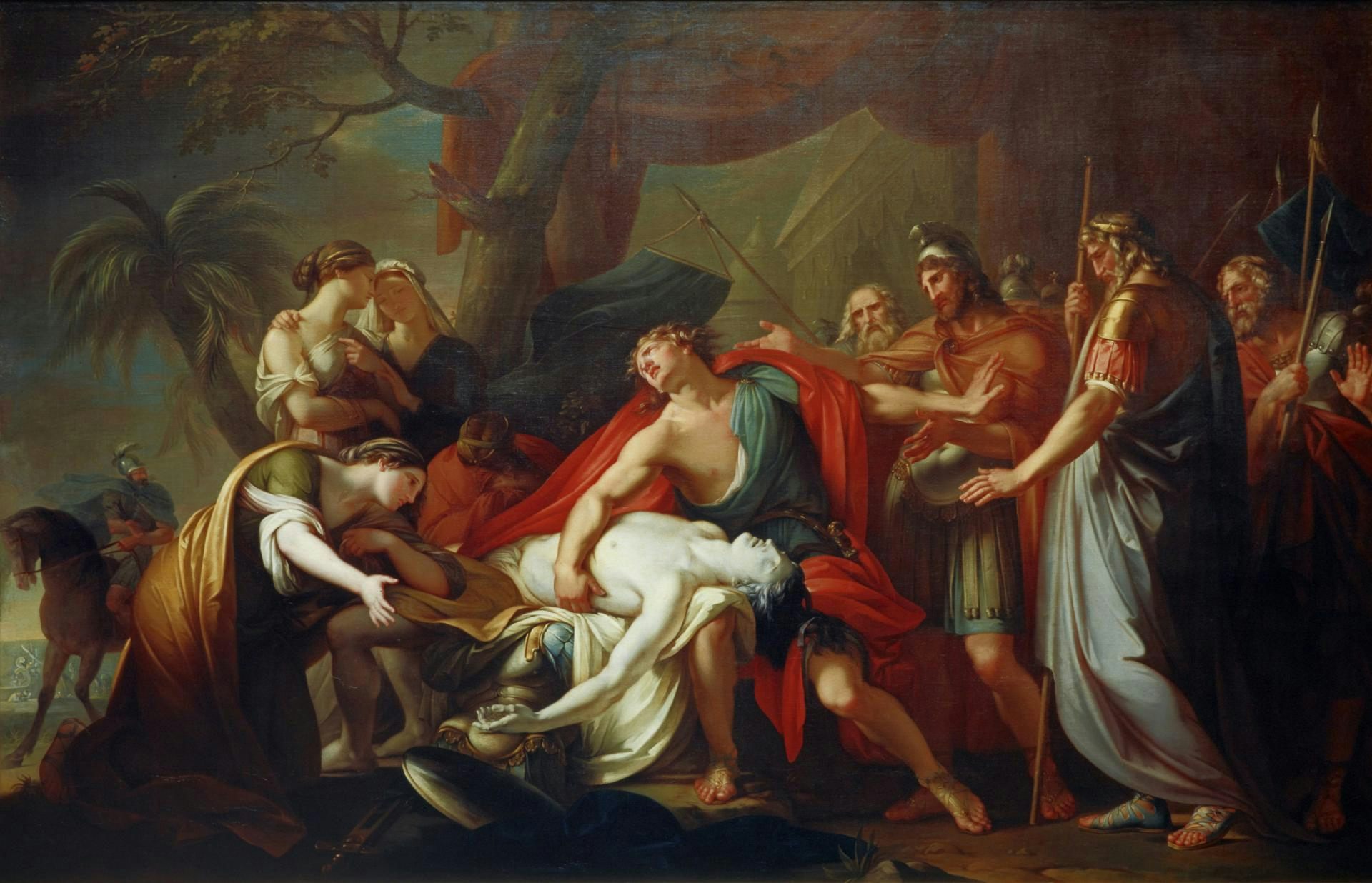
¿Por qué se metió un momia egipcio con un fragmento de la Ilíada de Homero?
Why was an Egyptian mummy stuffed with a fragment of Homer’s Iliad?
-

Al cumplir David Attenborough los 100 años, cuatro expertos exploran su legado, desde la ciencia hasta la narración de historias
As David Attenborough turns 100, four experts explore his legacy, from science to storytelling