
¿Podemos considerar el ‘juego’ como una religión? Bluey ciertamente lo piensa
Can we consider ‘play’ to be a religion? Bluey certainly thinks so
Bluey teaches us valuable life lessons, but what does it say about how we practise real-life religions, the positive and the detrimental?
Bluey nos enseña valiosas lecciones de vida, pero ¿qué dice sobre cómo practicamos las religiones de la vida real, lo positivo y lo perjudicial?
Most of us are used to thinking of “religion” in terms of a belief in God or gods. Perhaps the big hitters of world belief systems come to mind – Judaism, Christianity, Islam, Hinduism, Sikhism, Buddhism or, in Australia, the Dreamtime.
La mayoría de nosotros estamos acostumbrados a pensar en la «religión» en términos de una creencia en Dios o en dioses. Quizás vengan a la mente los grandes pilares de los sistemas de creencias mundiales: el judaísmo, el cristianismo, el islam, el hinduismo, el sijismo, el budismo o, en Australia, el Tiempo del Sueño (Dreamtime) .
But philosophers of religion and human belief systems tend to make it a bit more complicated for us. They like to expand what we think of as religious belief.
Pero los filósofos de la religión y los sistemas de creencias humanas tienden a complicárnoslo un poco. Les gusta expandir lo que consideramos creencia religiosa.
One philosopher, William James, defined religion as “the belief that there is an unseen order, and that our supreme good lies in harmoniously adjusting ourselves [to it]”.
Un filósofo, William James, definió la religión como «la creencia de que existe un orden invisible, y que nuestro bien supremo reside en ajustarnos armoniosamente [a él].»
When we think of religion this way, we can conceive of a lot more “unseen orders” or religions in the world than just the big, organised religions and belief in supernatural phenomena.
Cuando pensamos en la religión de esta manera, podemos concebir muchos más «órdenes invisibles» o religiones en el mundo que solo las grandes religiones organizadas y la creencia en fenómenos sobrenaturales.
For example, most of us believe in the unseen order of “queuing” and believe that our greater good comes from harmoniously adjusting ourselves to its rules. These might include “first come, first serve,” “no cuts,” “join at the end,” “leaving the queue forfeits your place” and more.
Por ejemplo, la mayoría de nosotros creemos en el orden invisible de «hacer cola» y creemos que nuestro mayor bien proviene de ajustarnos armoniosamente a sus reglas. Estas pueden incluir «el primero en llegar es el primero en ser atendido», «no cortes», «unirse al final», «abandonar la cola hace perder tu lugar» y más.
Other unseen orders we interact with daily might include “manners”, “tall-poppy-ism,” or even “civil law”. James helps us understand how these beliefs function cognitively and emotionally, and how they affect our behaviour just like a traditional religion.
Otros órdenes invisibles con los que interactuamos a diario pueden incluir las «buenas maneras», el «tall-poppy-ismo» o incluso el «derecho civil.» James nos ayuda a entender cómo funcionan cognitivo y emocionalmente estas creencias, y cómo afectan nuestro comportamiento al igual que una religión tradicional.
In Bluey, one of the most interesting religions is “Play”.
En Bluey, una de las religiones más interesantes es el «Juego.»
Play, religion and Bluey
El juego, la religión y Bluey
Play functions as a unifying unseen order all the characters align themselves to throughout the show.
El juego funciona como un orden invisible unificador al que todos los personajes se alinean a lo largo del programa.
The cast whole-heartedly believe in this unseen order of Play, with rules which ought to be harmoniously followed in order to reach the supreme good. This unifying belief centres the characters on the good of bonding, love and fun.
El elenco cree con fervor en este orden invisible del Juego, con reglas que deben seguirse armoniosamente para alcanzar el bien supremo. Esta creencia unificadora centra a los personajes en el bien de los lazos, el amor y la diversión.
The pursuit of these ideals is rewarded both within the show by the characters and metatextually as the “gods” of the show (Joe Brumm and the other writers) bend the world towards them.
La búsqueda de estos ideales es recompensada tanto dentro del programa por los personajes como metatextualmente, ya que los «dioses» del programa (Joe Brumm y los otros escritores) doblan el mundo hacia ellos.
So, what are the central beliefs of the religion of Play in Bluey? My research found four key rules which the characters consistently adjust themselves to.
Entonces, ¿cuáles son las creencias centrales de la religión del Juego en Bluey? Mi investigación encontró cuatro reglas clave a las que los personajes se ajustan constantemente.
1. Don’t interrupt or stop. No one in the show ever willingly interrupts or stops mid-game, best illustrated by the episode Stumpfest.
1. No interrumpir ni detenerse. Ningún personaje del programa interrumpe o detiene voluntariamente un juego, lo que queda mejor ilustrado por el episodio Stumpfest.
2. Follow the agreed rules. Rules and “playing properly” are very important to the characters, most aptly illustrated by the episodes Shadowlands and Library.
2. Seguir las reglas acordadas. Las reglas y «jugar correctamente» son muy importantes para los personajes, lo que queda mejor ilustrado por los episodios Shadowlands y Library.
3. Be enthusiastic. There are no half-measures or dissent allowed, illustrated by Octopus and Whale Watching.
3. Ser entusiasta. No se permiten medias tintas ni disidencia, lo que queda ilustrado por Octopus y Whale Watching.
4. Games should have happy endings, because the real world often doesn’t. This is the theme of the 2024 special The Sign.
4. Los juegos deben tener finales felices, porque el mundo real a menudo no lo tiene. Este es el tema del especial de 2024, The Sign.
‘Contextualising’ religions
‘Contextualizando’ las religiones
The religion of Play is not without difficulties. The show spends a surprising amount of time questioning and exploring these rules, especially when they harm or hinder rather than help the characters seek good.
La religión del juego no está exenta de dificultades. El programa dedica una cantidad sorprendente de tiempo a cuestionar y explorar estas reglas, especialmente cuando estas dañan o dificultan en lugar de ayudar a los personajes a buscar el bien.
This is parallel to the process of “contextualising” real-life organised religions. Contextualising is when the practices or beliefs of religions are explored and changed over time to better suit the time and place the religion finds itself in and allow more people to comfortably and positively engage with the greater good of the religion.
Esto es paralelo al proceso de «contextualizar» las religiones organizadas de la vida real. Contextualizar es cuando las prácticas o creencias de las religiones son exploradas y cambiadas con el tiempo para adaptarse mejor al tiempo y lugar en que se encuentra la religión y permitir que más personas se involucren de manera cómoda y positiva con el bien mayor de la religión.
For example, many houses of worship have adjusted standing and kneeling practices for prayer to accommodate folks with physical disabilities and an ageing population. Likewise, many religious services that were once performed in ceremonial languages (like Latin, Sanskrit or Classical Arabic) are now done in the contemporary language of the community.
Por ejemplo, muchas casas de culto han ajustado las prácticas de estar de pie y arrodillarse para rezar para acomodar a personas con discapacidades físicas y a una población envejecida. De manera similar, muchos servicios religiosos que antes se realizaban en lenguas ceremoniales (como el latín, el sánscrito o el árabe clásico) ahora se realizan en el idioma contemporáneo de la comunidad.
Bluey can offer us some lessons in contextualising our own religions, beliefs or non-religion.
Bluey puede ofrecernos algunas lecciones sobre cómo contextualizar nuestras propias religiones, creencias o no-religión.
In the episode Shop we see worrying too much about how the unseen order works (the rules of a game) can stop you from engaging in the unseen order (having fun) . Engaging is far more important than rules.
En el episodio Tienda vemos que preocuparse demasiado por cómo funciona el orden invisible (las reglas de un juego) puede impedirnos participar en el orden invisible (divertirse) . Participar es mucho más importante que las reglas.
Episodes Charades and Helicopter teach inclusion and flexibility in play. Modifying the rules is acceptable so that more people can join in.
Los episodios Mímica y Helicóptero enseñan inclusión y flexibilidad en el juego. Modificar las reglas es aceptable para que más personas puedan participar.
In Copycat we see the benefit of stories and playing out games with sad or unexpected endings. Different practices can illuminate more depth or diversity.
En Imitador vemos el beneficio de las historias y de jugar juegos con finales tristes o inesperados. Diferentes prácticas pueden iluminar más profundidad o diversidad.
In Driving, Chilli interrupts to understand the game better, and can then better align her enthusiasm to the game. Some rules are less important than others – breaking a minor rule might be necessary to follow a more important rule.
En Conducción, Chilli interrumpe para entender mejor el juego y luego puede alinear mejor su entusiasmo con él. Algunas reglas son menos importantes que otras: romper una regla menor podría ser necesario para seguir una regla más importante.
And in Pass the Parcel, a parent changes the practice of the game, back to how he played as a child with only one prize rather than a prize in every layer. This change to the unseen order is at first taken with great difficulty by the children and parents alike, but in the end is appreciated: the reward is greater than the growing pains.
Y en Pasar el Paquete, un padre cambia la práctica del juego, volviendo a cómo jugaba de niño con un solo premio en lugar de un premio en cada capa. Este cambio en el orden invisible es al principio recibido con gran dificultad por los niños y los padres por igual, pero al final es apreciado: la recompensa es mayor que el dolor del crecimiento.
Adjustment and contextualisation can be hard, but also rewarding.
El ajuste y la contextualización pueden ser difíciles, pero también gratificantes.
What we can learn about practicing religion
Lo que podemos aprender sobre practicar la religión
The rules of the belief system are only a means to an end. The rules are a way of aligning oneself with the unseen order for the greater good. The rules are not the greater good in and of themselves.
Las reglas del sistema de creencias son solo un medio para un fin. Las reglas son una forma de alinearse con el orden invisible para el bien mayor. Las reglas no son el bien mayor en sí mismas.
Bluey teaches us three important lessons about practicing religion through its depiction of the religion of play:
Bluey nos enseña tres lecciones importantes sobre la práctica religiosa a través de su representación de la religión del juego:
participation in the unseen order is more important than the specific rules
la participación en el orden invisible es más importante que las reglas específicas
extreme and rigid adherence to the rules can be harmful to those around us and ourselves
la adhesión extrema y rígida a las reglas puede ser perjudicial para quienes nos rodean y para nosotros mismos
there is more than one way to practice an unseen order without giving up the supreme good that we all seek.
hay más de una manera de practicar un orden invisible sin renunciar al bien supremo que todos buscamos.
There is more than one way to play a game, just as there is more than one way to practice a religion.
Hay más de una manera de jugar un juego, al igual que hay más de una manera de practicar una religión.
Sarah Lawson does not work for, consult, own shares in or receive funding from any company or organisation that would benefit from this article, and has disclosed no relevant affiliations beyond their academic appointment.
Sarah Lawson no trabaja para, asesora, posee acciones de, ni recibe financiación de ninguna empresa u organización que se beneficiaría de este artículo, y no ha revelado afiliaciones relevantes más allá de su nombramiento académico.
Read more
-

Spice Girls a los 30: cómo el poder femenino cambió el pop
Spice Girls at 30: how girl power changed pop
-
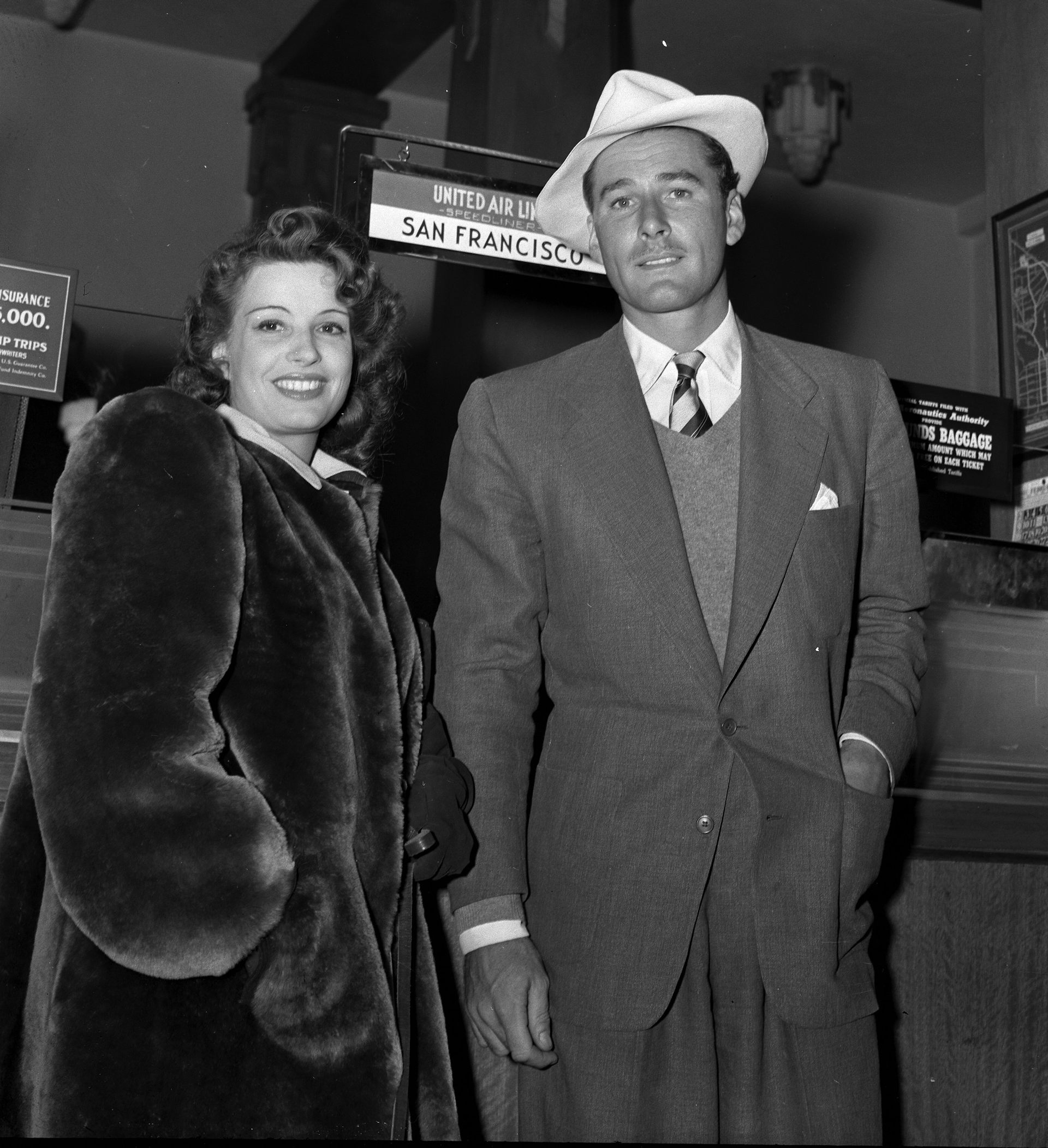
La biógrafa de Errol Flynn lo llama el mayor galán de su época, pero también racista y violador.
Errol Flynn’s biographer calls him the greatest heartthrob of his time – but racist and a rapist too