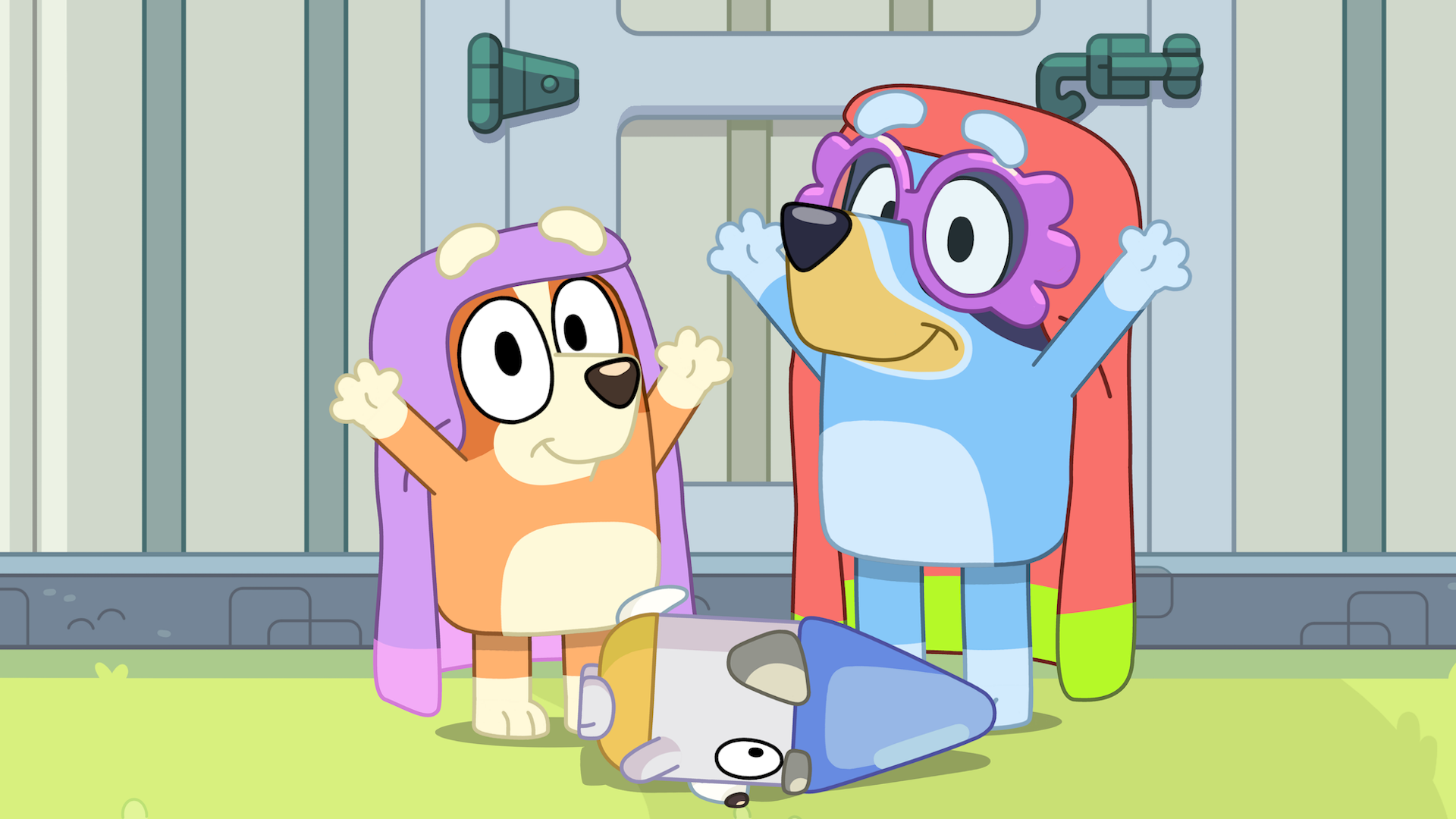
Peut-on considérer que le « jeu » est une religion ? Bluey le pense certainement.
Can we consider ‘play’ to be a religion? Bluey certainly thinks so
Bluey teaches us valuable life lessons, but what does it say about how we practise real-life religions, the positive and the detrimental?
Bluey nous apprend de précieuses leçons de vie, mais qu’est-ce que cela dit de la manière dont nous pratiquons les religions de la vie réelle, le positif et le préjudiciable ?
Most of us are used to thinking of “religion” in terms of a belief in God or gods. Perhaps the big hitters of world belief systems come to mind – Judaism, Christianity, Islam, Hinduism, Sikhism, Buddhism or, in Australia, the Dreamtime.
La plupart d’entre nous sont habitués à penser la « religion » en termes de croyance en Dieu ou en dieux. On pense peut-être aux grands systèmes de croyances mondiales – le judaïsme, le christianisme, l’islam, l’hindouisme, le sikhisme, le bouddhisme ou, en Australie, le Dreamtime.
But philosophers of religion and human belief systems tend to make it a bit more complicated for us. They like to expand what we think of as religious belief.
Mais les philosophes de la religion et des systèmes de croyances humaines ont tendance à nous compliquer un peu la vie. Ils aiment élargir ce que nous considérons comme une croyance religieuse.
One philosopher, William James, defined religion as “the belief that there is an unseen order, and that our supreme good lies in harmoniously adjusting ourselves [to it]”.
Un philosophe, William James, a défini la religion comme « la croyance qu’il existe un ordre invisible, et que notre bien suprême réside dans notre ajustement harmonieux [à cet ordre] ».
When we think of religion this way, we can conceive of a lot more “unseen orders” or religions in the world than just the big, organised religions and belief in supernatural phenomena.
Lorsque nous pensons à la religion de cette manière, nous pouvons concevoir beaucoup plus d’« ordres invisibles » ou de religions dans le monde que les seules grandes religions organisées et la croyance en des phénomènes surnaturels.
For example, most of us believe in the unseen order of “queuing” and believe that our greater good comes from harmoniously adjusting ourselves to its rules. These might include “first come, first serve,” “no cuts,” “join at the end,” “leaving the queue forfeits your place” and more.
Par exemple, la plupart d’entre nous croient à l’ordre invisible de « faire la queue » et pensent que notre plus grand bien provient de notre ajustement harmonieux à ses règles. Celles-ci peuvent inclure « premier arrivé, premier servi », « pas de coupures », « joindre à la fin », « quitter la file vous fait perdre votre place » et plus encore.
Other unseen orders we interact with daily might include “manners”, “tall-poppy-ism,” or even “civil law”. James helps us understand how these beliefs function cognitively and emotionally, and how they affect our behaviour just like a traditional religion.
D’autres ordres invisibles avec lesquels nous interagissons au quotidien peuvent inclure « les bonnes manières », « le respect des morts » ou même le « droit civil ». James nous aide à comprendre comment ces croyances fonctionnent cognitivement et émotionnellement, et comment elles affectent notre comportement tout comme une religion traditionnelle.
In Bluey, one of the most interesting religions is “Play”.
Dans Bluey, l’une des religions les plus intéressantes est le « jeu ».
Play, religion and Bluey
Le jeu, la religion et Bluey
Play functions as a unifying unseen order all the characters align themselves to throughout the show.
Le jeu fonctionne comme un ordre invisible unificateur auquel tous les personnages se conforment tout au long de l’émission.
The cast whole-heartedly believe in this unseen order of Play, with rules which ought to be harmoniously followed in order to reach the supreme good. This unifying belief centres the characters on the good of bonding, love and fun.
Le casting croit de tout cœur en cet ordre invisible du Jeu, avec des règles qui devraient être suivies harmonieusement afin d’atteindre le bien suprême. Cette croyance unificatrice centre les personnages sur le bien du lien, de l’amour et du plaisir.
The pursuit of these ideals is rewarded both within the show by the characters and metatextually as the “gods” of the show (Joe Brumm and the other writers) bend the world towards them.
La poursuite de ces idéaux est récompensée à la fois dans l’émission par les personnages et métatextuellement, car les « dieux » de l’émission (Joe Brumm et les autres auteurs) courbent le monde en leur faveur.
So, what are the central beliefs of the religion of Play in Bluey? My research found four key rules which the characters consistently adjust themselves to.
Alors, quelles sont les croyances centrales de la religion du Jeu dans Bluey? Mes recherches ont trouvé quatre règles clés auxquelles les personnages s’adaptent constamment.
1. Don’t interrupt or stop. No one in the show ever willingly interrupts or stops mid-game, best illustrated by the episode Stumpfest.
1. Ne pas interrompre ou arrêter. Personne dans l’émission n’interrompt ou n’arrête volontairement en pleine partie, ce qui est le mieux illustré par l’épisode Stumpfest.
2. Follow the agreed rules. Rules and “playing properly” are very important to the characters, most aptly illustrated by the episodes Shadowlands and Library.
2. Suivre les règles convenues. Les règles et le fait de « jouer correctement » sont très importants pour les personnages, ce qui est le mieux illustré par les épisodes Shadowlands et Library.
3. Be enthusiastic. There are no half-measures or dissent allowed, illustrated by Octopus and Whale Watching.
3. Être enthousiaste. Aucune demi-mesure ni dissidence n’est autorisée, comme l’illustrent Octopus et Whale Watching.
4. Games should have happy endings, because the real world often doesn’t. This is the theme of the 2024 special The Sign.
4. Les jeux devraient avoir des fins heureuses, car le monde réel ne l’a souvent pas. C’est le thème du spécial 2024 The Sign.
‘Contextualising’ religions
‘Contextualising’ religions
The religion of Play is not without difficulties. The show spends a surprising amount of time questioning and exploring these rules, especially when they harm or hinder rather than help the characters seek good.
The religion of Play is not without difficulties. The show spends a surprising amount of time questioning and exploring these rules, especially when they harm or hinder rather than help the characters seek good.
This is parallel to the process of “contextualising” real-life organised religions. Contextualising is when the practices or beliefs of religions are explored and changed over time to better suit the time and place the religion finds itself in and allow more people to comfortably and positively engage with the greater good of the religion.
This is parallel to the process of “contextualising” real-life organised religions. Contextualising is when the practices or beliefs of religions are explored and changed over time to better suit the time and place the religion finds itself in and allow more people to comfortably and positively engage with the greater good of the religion.
For example, many houses of worship have adjusted standing and kneeling practices for prayer to accommodate folks with physical disabilities and an ageing population. Likewise, many religious services that were once performed in ceremonial languages (like Latin, Sanskrit or Classical Arabic) are now done in the contemporary language of the community.
For example, many houses of worship have adjusted standing and kneeling practices for prayer to accommodate folks with physical disabilities and an ageing population. Likewise, many religious services that were once performed in ceremonial languages (like Latin, Sanskrit or Classical Arabic) are now done in the contemporary language of the community.
Bluey can offer us some lessons in contextualising our own religions, beliefs or non-religion.
Bluey can offer us some lessons in contextualising our own religions, beliefs or non-religion.
In the episode Shop we see worrying too much about how the unseen order works (the rules of a game) can stop you from engaging in the unseen order (having fun) . Engaging is far more important than rules.
In the episode Shop we see worrying too much about how the unseen order works (the rules of a game) can stop you from engaging in the unseen order (having fun) . Engaging is far more important than rules.
Episodes Charades and Helicopter teach inclusion and flexibility in play. Modifying the rules is acceptable so that more people can join in.
Episodes Charades and Helicopter teach inclusion and flexibility in play. Modifying the rules is acceptable so that more people can join in.
In Copycat we see the benefit of stories and playing out games with sad or unexpected endings. Different practices can illuminate more depth or diversity.
In Copycat we see the benefit of stories and playing out games with sad or unexpected endings. Different practices can illuminate more depth or diversity.
In Driving, Chilli interrupts to understand the game better, and can then better align her enthusiasm to the game. Some rules are less important than others – breaking a minor rule might be necessary to follow a more important rule.
In Driving, Chilli interrupts to understand the game better, and can then better align her enthusiasm to the game. Some rules are less important than others – breaking a minor rule might be necessary to follow a more important rule.
And in Pass the Parcel, a parent changes the practice of the game, back to how he played as a child with only one prize rather than a prize in every layer. This change to the unseen order is at first taken with great difficulty by the children and parents alike, but in the end is appreciated: the reward is greater than the growing pains.
And in Pass the Parcel, a parent changes the practice of the game, back to how he played as a child with only one prize rather than a prize in every layer. This change to the unseen order is at first taken with great difficulty by the children and parents alike, but in the end is appreciated: the reward is greater than the growing pains.
Adjustment and contextualisation can be hard, but also rewarding.
Adjustment and contextualisation can be hard, but also rewarding.
What we can learn about practicing religion
Ce que nous pouvons apprendre sur la pratique de la religion
The rules of the belief system are only a means to an end. The rules are a way of aligning oneself with the unseen order for the greater good. The rules are not the greater good in and of themselves.
Les règles du système de croyance ne sont qu’un moyen d’atteindre une fin. Les règles sont une manière de s’aligner sur l’ordre invisible pour le bien commun. Les règles ne constituent pas le bien commun en soi.
Bluey teaches us three important lessons about practicing religion through its depiction of the religion of play:
Bluey nous enseigne trois leçons importantes sur la pratique de la religion à travers sa représentation de la religion du jeu:
participation in the unseen order is more important than the specific rules
la participation à l’ordre invisible est plus importante que les règles spécifiques
extreme and rigid adherence to the rules can be harmful to those around us and ourselves
une adhésion extrême et rigide aux règles peut nuire à ceux qui nous entourent et à nous-mêmes
there is more than one way to practice an unseen order without giving up the supreme good that we all seek.
il existe plus d’une manière de pratiquer un ordre invisible sans renoncer au bien suprême que nous recherchons tous.
There is more than one way to play a game, just as there is more than one way to practice a religion.
Il y a plus d’une façon de jouer à un jeu, tout comme il y a plus d’une façon de pratiquer une religion.
Sarah Lawson does not work for, consult, own shares in or receive funding from any company or organisation that would benefit from this article, and has disclosed no relevant affiliations beyond their academic appointment.
Sarah Lawson ne travaille pour, ne consulte pas, ne détient pas d’actions ni ne reçoit de financement de la part d’aucune entreprise ou organisation qui bénéficierait de cet article, et n’a divulgué aucune affiliation pertinente au-delà de sa nomination universitaire.
Read more
-
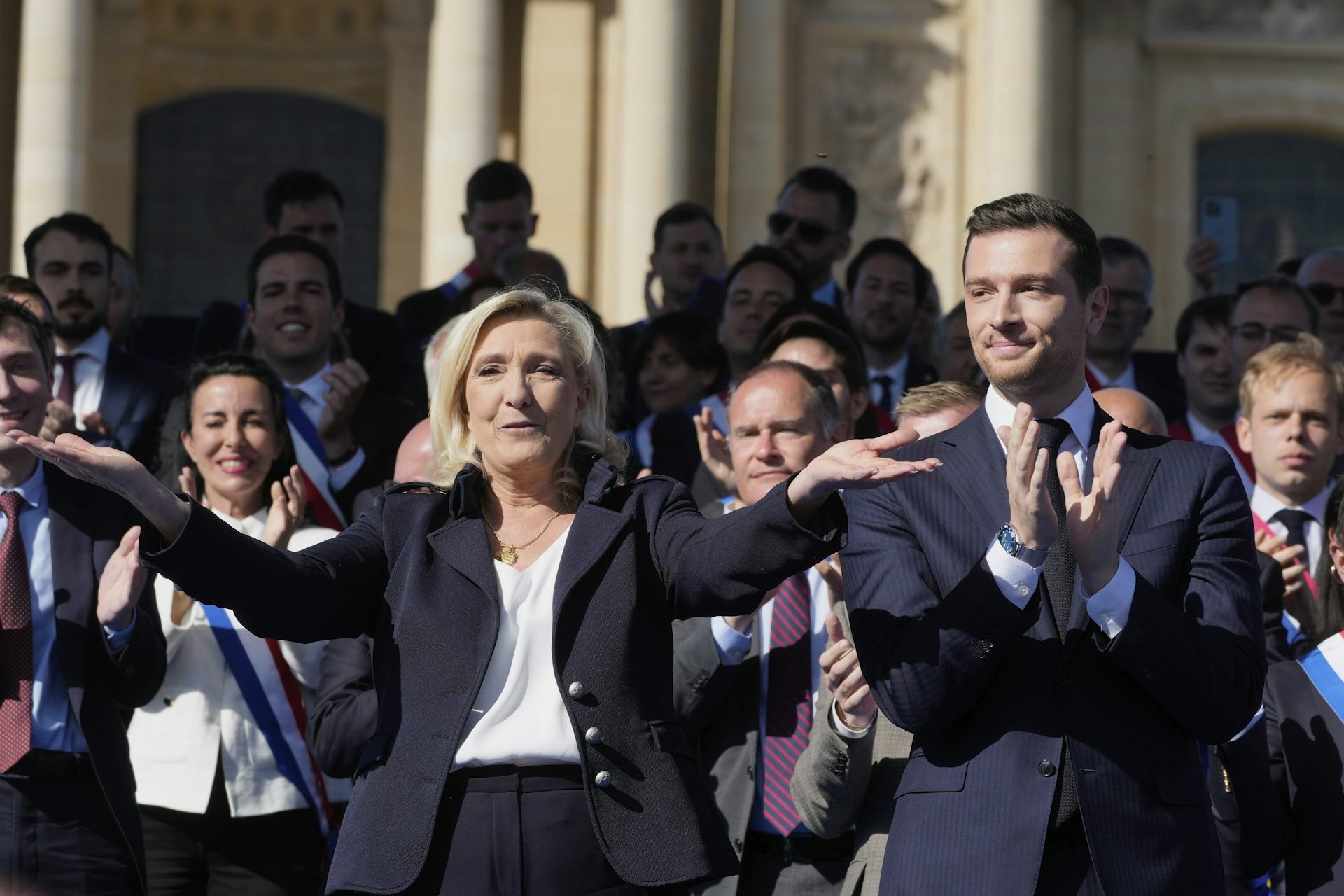
L’extrême droite est en pleine ascension en France, en Allemagne et dans certaines parties de l’Europe. Qu’est-ce que cela signifie pour l’Ukraine ?
The far right is surging in France, Germany and parts of Europe. What will this mean for Ukraine?
-
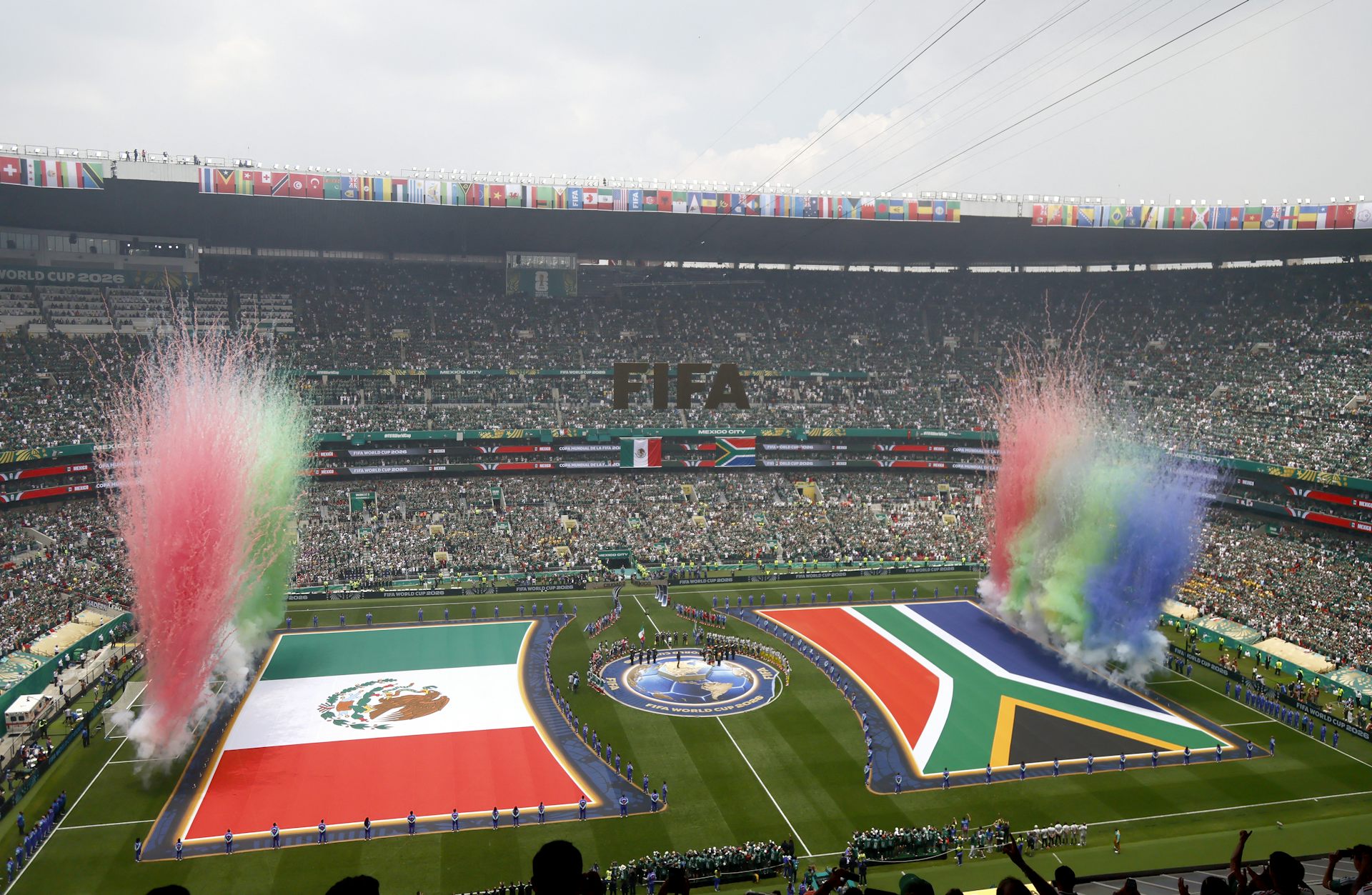
Pour les pays qui participent à la Coupe du Monde FIFA, la taille ne garantit pas toujours des buts et de la gloire.
For countries contesting the FIFA World Cup, size doesn’t always mean goals and glory