
क्या हम ‘खेल’ को एक धर्म मान सकते हैं? ब्लूई निश्चित रूप से ऐसा सोचती है
Can we consider ‘play’ to be a religion? Bluey certainly thinks so
Bluey teaches us valuable life lessons, but what does it say about how we practise real-life religions, the positive and the detrimental?
ब्लूई हमें जीवन के मूल्यवान सबक सिखाती है, लेकिन यह इस बारे में क्या बताती है कि हम वास्तविक जीवन के धर्मों का अभ्यास कैसे करते हैं, सकारात्मक और नकारात्मक दोनों तरह से?
Most of us are used to thinking of “religion” in terms of a belief in God or gods. Perhaps the big hitters of world belief systems come to mind – Judaism, Christianity, Islam, Hinduism, Sikhism, Buddhism or, in Australia, the Dreamtime.
हम में से अधिकांश लोग “धर्म” के बारे में ईश्वर या देवताओं में विश्वास के संदर्भ में सोचना अभ्यस्त हैं। शायद दुनिया की प्रमुख विश्वास प्रणालियाँ मन में आती हैं – यहूदी धर्म, ईसाई धर्म, इस्लाम, हिंदू धर्म, सिख धर्म, बौद्ध धर्म या, ऑस्ट्रेलिया में, ड्रीमटाइम।
But philosophers of religion and human belief systems tend to make it a bit more complicated for us. They like to expand what we think of as religious belief.
लेकिन धर्म और मानव विश्वास प्रणालियों के दार्शनिक इसे हमारे लिए थोड़ा और जटिल बनाने की प्रवृत्ति रखते हैं। वे उस चीज़ का विस्तार करना पसंद करते हैं जिसे हम धार्मिक विश्वास मानते हैं।
One philosopher, William James, defined religion as “the belief that there is an unseen order, and that our supreme good lies in harmoniously adjusting ourselves [to it]”.
एक दार्शनिक, विलियम जेम्स ने धर्म को “यह विश्वास कि एक अदृश्य व्यवस्था है, और कि हमारा सर्वोच्च भला स्वयं को [उसके] साथ सामंजस्यपूर्ण ढंग से समायोजित करने में निहित है” के रूप में परिभाषित किया।
When we think of religion this way, we can conceive of a lot more “unseen orders” or religions in the world than just the big, organised religions and belief in supernatural phenomena.
जब हम इस तरह धर्म के बारे में सोचते हैं, तो हम दुनिया में केवल बड़े, संगठित धर्मों और अलौकिक घटनाओं में विश्वास से कहीं अधिक “अदृश्य व्यवस्थाओं” की कल्पना कर सकते हैं।
For example, most of us believe in the unseen order of “queuing” and believe that our greater good comes from harmoniously adjusting ourselves to its rules. These might include “first come, first serve,” “no cuts,” “join at the end,” “leaving the queue forfeits your place” and more.
उदाहरण के लिए, हम में से अधिकांश लोग “कतारबद्ध होने” की अदृश्य व्यवस्था में विश्वास करते हैं और मानते हैं कि हमारा बड़ा भला स्वयं को इसके नियमों के साथ सामंजस्यपूर्ण ढंग से समायोजित करने से आता है। इनमें “पहले आओ, पहले पाओ,” “कोई कटौती नहीं,” “अंत में शामिल होना,” “कतार छोड़ना आपके स्थान को समाप्त करता है” और अन्य शामिल हो सकते हैं।
Other unseen orders we interact with daily might include “manners”, “tall-poppy-ism,” or even “civil law”. James helps us understand how these beliefs function cognitively and emotionally, and how they affect our behaviour just like a traditional religion.
अन्य अदृश्य व्यवस्थाओं के साथ हम दैनिक रूप से बातचीत करते हैं, जिनमें “शिष्टाचार,” “टॉल-पॉपी-इज़्म,” या यहाँ तक कि “सिविल लॉ” भी शामिल हो सकते हैं। जेम्स हमें यह समझने में मदद करते हैं कि ये विश्वास संज्ञानात्मक और भावनात्मक रूप से कैसे कार्य करते हैं, और ये जिस तरह एक पारंपरिक धर्म को प्रभावित करते हैं, उसी तरह हमारे व्यवहार को कैसे प्रभावित करते हैं।
In Bluey, one of the most interesting religions is “Play”.
ब्लूई में, सबसे दिलचस्प धर्मों में से एक “खेलना” है।
Play, religion and Bluey
खेल, धर्म और ब्लूई
Play functions as a unifying unseen order all the characters align themselves to throughout the show.
खेल एक एकीकृत अदृश्य व्यवस्था के रूप में कार्य करता है जिसके प्रति सभी पात्र पूरे शो में स्वयं को संरेखित करते हैं।
The cast whole-heartedly believe in this unseen order of Play, with rules which ought to be harmoniously followed in order to reach the supreme good. This unifying belief centres the characters on the good of bonding, love and fun.
कलाकार पूरे दिल से खेल की इस अदृश्य व्यवस्था में विश्वास करते हैं, जिसके नियम सर्वोच्च भलाई तक पहुंचने के लिए सामंजस्यपूर्ण ढंग से पालन किए जाने चाहिए। यह एकीकृत विश्वास पात्रों को बंधन, प्रेम और मज़े की भलाई पर केंद्रित करता है।
The pursuit of these ideals is rewarded both within the show by the characters and metatextually as the “gods” of the show (Joe Brumm and the other writers) bend the world towards them.
इन आदर्शों की खोज का फल पात्रों द्वारा शो के भीतर और मेटाटेक्स्टुअली भी मिलता है, क्योंकि शो के “देवता” (जो जो ब्रम और अन्य लेखक) दुनिया को उनकी ओर मोड़ देते हैं।
So, what are the central beliefs of the religion of Play in Bluey? My research found four key rules which the characters consistently adjust themselves to.
तो, ब्लूई में खेल के धर्म की केंद्रीय मान्यताएं क्या हैं? मेरे शोध में चार प्रमुख नियम मिले जिनका पात्र लगातार पालन करते हैं।
1. Don’t interrupt or stop. No one in the show ever willingly interrupts or stops mid-game, best illustrated by the episode Stumpfest.
1. बाधित न करें या रुकें नहीं। शो में कोई भी कभी भी स्वेच्छा से खेल के बीच में रुकावट नहीं करता या रुकता है, जो एपिसोड स्टम्पफेस्ट से सबसे अच्छी तरह स्पष्ट होता है।
2. Follow the agreed rules. Rules and “playing properly” are very important to the characters, most aptly illustrated by the episodes Shadowlands and Library.
2. सहमत नियमों का पालन करें। नियम और “ठीक से खेलना” पात्रों के लिए बहुत महत्वपूर्ण हैं, जो एपिसोड शैडोलैंड्स और लाइब्रेरी से सबसे उपयुक्त रूप से स्पष्ट होता है।
3. Be enthusiastic. There are no half-measures or dissent allowed, illustrated by Octopus and Whale Watching.
3. उत्साही रहें। कोई आधे-अधूरे उपाय या असहमति की अनुमति नहीं है, जैसा कि ऑक्टोपस और व्हेल वॉचिंग से स्पष्ट होता है।
4. Games should have happy endings, because the real world often doesn’t. This is the theme of the 2024 special The Sign.
4. खेलों का सुखद अंत होना चाहिए, क्योंकि वास्तविक दुनिया में अक्सर ऐसा नहीं होता। यह 2024 के विशेष एपिसोड द साइन का विषय है।
‘Contextualising’ religions
‘संदर्भित करना’ धर्मों के संदर्भ में
The religion of Play is not without difficulties. The show spends a surprising amount of time questioning and exploring these rules, especially when they harm or hinder rather than help the characters seek good.
खेल का धर्म भी कठिनाइयों से रहित नहीं है। यह शो इन नियमों पर सवाल उठाने और उनका पता लगाने में आश्चर्यजनक रूप से अधिक समय बिताता है, खासकर जब वे पात्रों को अच्छा खोजने में मदद करने के बजाय उन्हें नुकसान पहुँचाते या बाधा डालते हैं।
This is parallel to the process of “contextualising” real-life organised religions. Contextualising is when the practices or beliefs of religions are explored and changed over time to better suit the time and place the religion finds itself in and allow more people to comfortably and positively engage with the greater good of the religion.
यह वास्तविक जीवन के संगठित धर्मों को “संदर्भित करने” की प्रक्रिया के समानांतर है। संदर्भित करना वह समय होता है जब धर्मों के अभ्यास या विश्वास समय के साथ खोजे और बदले जाते हैं ताकि वे उस समय और स्थान के अनुरूप बेहतर ढंग से फिट हो सकें जहाँ धर्म खुद को पाता है और अधिक लोगों को धर्म की बड़ी भलाई के साथ सहज और सकारात्मक रूप से जुड़ने दें।
For example, many houses of worship have adjusted standing and kneeling practices for prayer to accommodate folks with physical disabilities and an ageing population. Likewise, many religious services that were once performed in ceremonial languages (like Latin, Sanskrit or Classical Arabic) are now done in the contemporary language of the community.
उदाहरण के लिए, कई पूजा स्थलों ने शारीरिक अक्षमता वाले लोगों और बढ़ती उम्र की आबादी को समायोजित करने के लिए प्रार्थना के लिए खड़े होने और घुटने टेकने के अभ्यासों को समायोजित किया है। इसी तरह, कई धार्मिक सेवाएँ जो कभी औपचारिक भाषाओं (जैसे लैटिन, संस्कृत या शास्त्रीय अरबी) में की जाती थीं, अब समुदाय की समकालीन भाषा में की जाती हैं।
Bluey can offer us some lessons in contextualising our own religions, beliefs or non-religion.
ब्लूई हमें अपने स्वयं के धर्मों, विश्वासों या गैर-धर्मों को संदर्भित करने में कुछ सबक दे सकती है।
In the episode Shop we see worrying too much about how the unseen order works (the rules of a game) can stop you from engaging in the unseen order (having fun) . Engaging is far more important than rules.
एपिसोड शॉप में हम देखते हैं कि अदृश्य व्यवस्था कैसे काम करती है (खेल के नियम) इसके बारे में बहुत अधिक चिंता करना आपको अदृश्य व्यवस्था में शामिल होने (मस्ती करने) से रोक सकता है। नियमों की तुलना में शामिल होना कहीं अधिक महत्वपूर्ण है।
Episodes Charades and Helicopter teach inclusion and flexibility in play. Modifying the rules is acceptable so that more people can join in.
एपिसोड कैराड्स और हेलीकॉप्टर खेल में समावेशन और लचीलापन सिखाते हैं। नियमों में संशोधन स्वीकार्य है ताकि अधिक लोग शामिल हो सकें।
In Copycat we see the benefit of stories and playing out games with sad or unexpected endings. Different practices can illuminate more depth or diversity.
कॉपीकैट में हम दुखद या अप्रत्याशित अंत वाले कहानियों और खेल खेलने के लाभ को देखते हैं। विभिन्न अभ्यास अधिक गहराई या विविधता को उजागर कर सकते हैं।
In Driving, Chilli interrupts to understand the game better, and can then better align her enthusiasm to the game. Some rules are less important than others – breaking a minor rule might be necessary to follow a more important rule.
ड्राइविंग में, चिल्ली खेल को बेहतर ढंग से समझने के लिए हस्तक्षेप करती है, और फिर अपने उत्साह को खेल के साथ बेहतर ढंग से संरेखित कर सकती है। कुछ नियम दूसरों की तुलना में कम महत्वपूर्ण होते हैं – एक छोटा नियम तोड़ना एक अधिक महत्वपूर्ण नियम का पालन करने के लिए आवश्यक हो सकता है।
And in Pass the Parcel, a parent changes the practice of the game, back to how he played as a child with only one prize rather than a prize in every layer. This change to the unseen order is at first taken with great difficulty by the children and parents alike, but in the end is appreciated: the reward is greater than the growing pains.
और पास द पार्सल में, एक माता-पिता खेल के अभ्यास को बदल देते हैं, उसे उस तरह वापस ले जाते हैं जैसे वह बचपन में केवल एक पुरस्कार के साथ खेलता था, न कि हर परत में एक पुरस्कार के साथ। अदृश्य व्यवस्था में यह परिवर्तन शुरू में बच्चों और माता-पिता दोनों द्वारा बहुत कठिनाई से लिया जाता है, लेकिन अंत में इसकी सराहना की जाती है: पुरस्कार विकास के दर्द से बड़ा होता है।
Adjustment and contextualisation can be hard, but also rewarding.
समायोजन और संदर्भण कठिन हो सकता है, लेकिन यह फायदेमंद भी होता है।
What we can learn about practicing religion
धर्म का पालन करने के बारे में हम क्या सीख सकते हैं
The rules of the belief system are only a means to an end. The rules are a way of aligning oneself with the unseen order for the greater good. The rules are not the greater good in and of themselves.
किसी भी विश्वास प्रणाली के नियम केवल एक साधन हैं, साध्य नहीं। ये नियम स्वयं को बड़े भले के लिए अदृश्य व्यवस्था के साथ संरेखित करने का एक तरीका हैं। नियम अपने आप में बड़ा भला नहीं हैं।
Bluey teaches us three important lessons about practicing religion through its depiction of the religion of play:
ब्लूई हमें खेल के धर्म के चित्रण के माध्यम से धर्म का पालन करने के बारे में तीन महत्वपूर्ण सबक सिखाती है:
participation in the unseen order is more important than the specific rules
अदृश्य व्यवस्था में भागीदारी विशिष्ट नियमों से अधिक महत्वपूर्ण है
extreme and rigid adherence to the rules can be harmful to those around us and ourselves
नियमों का अत्यधिक और कठोर पालन हमारे आस-पास के लोगों और स्वयं के लिए हानिकारक हो सकता है
there is more than one way to practice an unseen order without giving up the supreme good that we all seek.
हम सभी जो सर्वोच्च भलाई चाहते हैं, उसे छोड़े बिना अदृश्य व्यवस्था का पालन करने के कई तरीके हैं।
There is more than one way to play a game, just as there is more than one way to practice a religion.
खेलने के कई तरीके हैं, ठीक वैसे ही जैसे धर्म का पालन करने के कई तरीके हैं।
Sarah Lawson does not work for, consult, own shares in or receive funding from any company or organisation that would benefit from this article, and has disclosed no relevant affiliations beyond their academic appointment.
सारा लॉसन किसी भी कंपनी या संगठन के लिए काम नहीं करती हैं, न ही वह उनमें हिस्सेदारी रखती हैं या उन्हें फंडिंग प्राप्त करती हैं, जिससे इस लेख को लाभ होगा, और उन्होंने अपने अकादमिक पद से परे कोई प्रासंगिक जुड़ाव नहीं बताया है।
Read more
-

माली हमले: तुअरेग की शिकायतों का समाधान शांति की कुंजी है।
Mali attacks: Tuareg grievances hold the key to peace
-
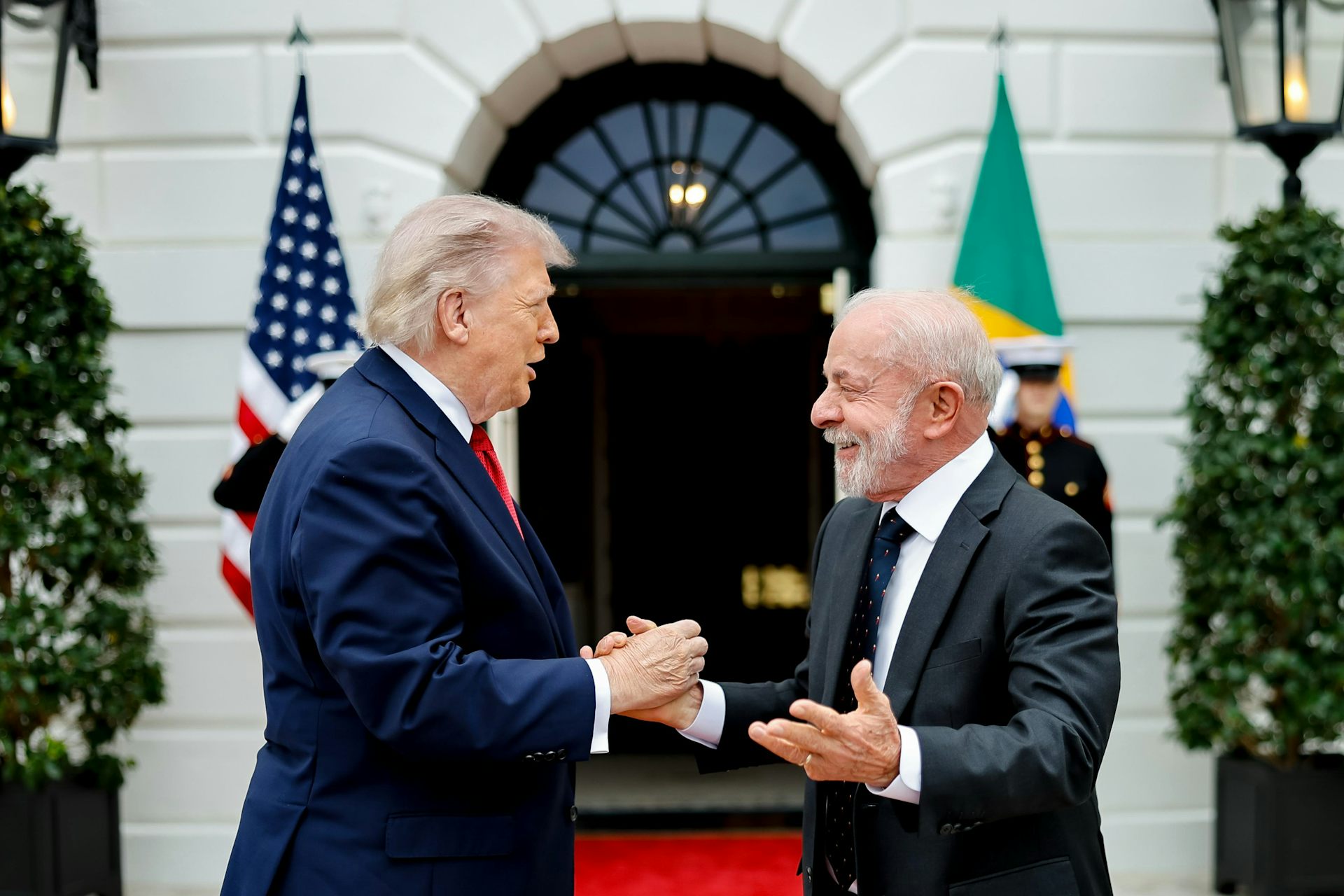
ट्रम्प और लूला व्हाइट हाउस में: एक ऐसा संबंध जो व्यावहारिकता और व्यापक क्षेत्रीय गणना पर आधारित है
Trump and Lula at the White House: a relationship built on pragmatism and a broader regional calculus