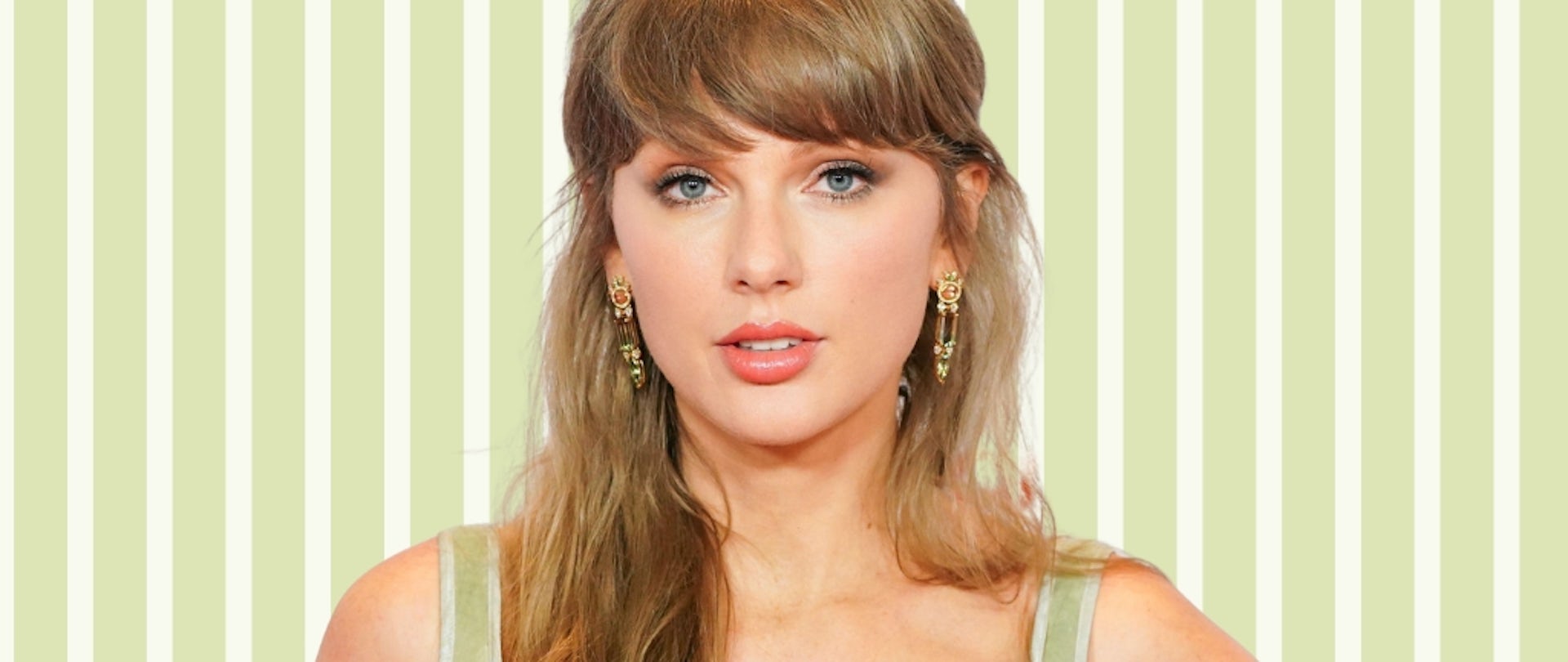
هل يمكن امتلاك صوت؟ خطوة تايلور سويفت القانونية الأخيرة تثير تساؤلات كبيرة حول الذكاء الاصطناعي وحقوق النشر
Can you own a voice? Taylor Swift’s latest legal move raises big questions for AI and copyright
Swift appears to be the first musician to take this step.
تبدو سويفت أول موسيقي يتخذ هذه الخطوة.
Taylor Swift has filed a trademark application covering her voice and stage image. It includes a photo of her performing in her distinctive bejewelled Eras Tour bodysuit and two voice recordings: “Hey, it’s Taylor” and “Hey, it’s Taylor Swift.”
قدمت تايلور سويفت طلب علامة تجارية يغطي صوتها وصورتها على المسرح. يتضمن الطلب صورة لها وهي تؤدي في زيها المميز المزود بالترتر لجولة “Eras Tour”، وتسجيلين صوتيين: “Hey, it’s Taylor” و “Hey, it’s Taylor Swift.”
It’s the latest example of the singer using her status and power to challenge industry norms and assert the rights of artists.
يمثل هذا أحدث مثال لمطربة تستخدم مكانتها وقوتها لتحدي الأعراف الصناعية وتأكيد حقوق الفنانين.
In 2014, Swift removed her entire catalogue from Spotify in protest at the low level of artist remuneration generated by the platform (later relenting in 2017) . In 2019, she began rerecording her previous albums in protest at the acquisition of her back catalogue by alleged industry foe Scooter Braun’s Ithaca Holdings, giving her back control over masters of her songs. The new “Taylor’s Versions” outperformed the original versions on streaming services.
في عام 2014، أزالت سويفت كتالوجها بالكامل من سبوتيفاي احتجاجاً على المستوى المنخفض لتعويض الفنانين الذي تولده المنصة (وقد تراجعت لاحقاً في عام 2017) . وفي عام 2019، بدأت بإعادة تسجيل ألبوماتها السابقة احتجاجاً على استحواذ منافس صناعي مزعوم، “إيثاكا هولدينغز” التابعة لـ “سكوتير براون”، على كتالوجها القديم، مما أعاد إليها السيطرة على تسجيلات أغانيها الأصلية. وتفوقت “إصدارات تايلور” الجديدة على الإصدارات الأصلية في خدمات البث.
Although the actor Matthew McConaughey beat Swift to the punch by successfully trademarking some of his famous spoken lines of movie dialogue earlier this year, she appears to be the first music artist of note to take the step. The move raises some interesting issues in terms of copyright law and the rights of music artists.
على الرغم من أن الممثل ماثيو ماكونهي سبق سويفت بتسجيل علامة تجارية لبعض مقاطع حوار الأفلام الشهيرة الخاصة به في وقت سابق من هذا العام، إلا أنها تبدو أول فنانة موسيقية بارزة تقوم بهذه الخطوة. تثير هذه الخطوة بعض القضايا المثيرة للاهتمام فيما يتعلق بقانون حقوق النشر وحقوق الفنانين الموسيقيين.
‘Passing off’ and deepfaking
التضليل التجاري والتزييف العميق
In music, both sound recordings and the songs which they embody are protected by copyright law. Much of the income generated by the music industry is based on the commercial exclusivity to exploit these forms of intellectual property (IP) , which that law ensures.
في الموسيقى، يتم حماية كل من التسجيلات الصوتية والأغاني التي تجسدها بموجب قانون حقوق النشر. يعتمد جزء كبير من الدخل الذي يولده صناعة الموسيقى على التفرد التجاري لاستغلال هذه الأشكال من الملكية الفكرية (IP) ، وهو ما يضمنه القانون.
All of Swift’s vocals are protected from copying in terms of being sampled without permission. But the question of whether or not a vocal being performed (or manufactured in the case of AI) to sound like Swift is a copyright infringement is less clear.
جميع أصوات سويفت محمية من النسخ من حيث أخذ عينات صوتية دون إذن. لكن مسألة ما إذا كان أداء صوتي (أو تصنيعه في حالة الذكاء الاصطناعي) ليبدو كصوت سويفت يشكل انتهاكًا لحقوق النشر هي مسألة أقل وضوحًا.
In 1988, Bette Midler successfully sued Ford Motor Company for using an impersonator to perform her songs in TV adverts. This case suggests that deliberately copying a singer’s voice, style and tone can amount to passing off. In UK law, passing off is a common law tort involving misrepresentation that causes reputational or financial damage. In the US, similar protection is provided under the Lanham Act, which also guards against misleading imitation.
في عام 1988، رفعت بيتي ميدلر دعوى قضائية ناجحة ضد شركة فورد للسيارات لاستخدام محاكي لأداء أغانيها في إعلانات تلفزيونية. تشير هذه القضية إلى أن النسخ المتعمد لصوت المغني، وأسلوبه، ونبرته يمكن أن يرقى إلى مستوى التضليل التجاري. في القانون البريطاني، يُعد التضليل التجاري ضررًا مدنيًا بموجب القانون العام يتضمن تحريفًا يسبب ضررًا بالسمعة أو ماليًا. وفي الولايات المتحدة، يتم توفير حماية مماثلة بموجب قانون لانام (Lanham Act) ، الذي يحمي أيضًا من التقليد المضلل.
This article is part of our State of the Arts series. These articles tackle the challenges of the arts and heritage industry – and celebrate the wins, too.
هذه المقالة هي جزء من سلسلتنا “حالة الفن” (State of the Arts) . تتناول هذه المقالات تحديات صناعة الفنون والتراث – وتحتفل بالانتصارات أيضًا.
Swift has also experienced the darker side of deepfakes, including fake pornographic images and AI-generated photos showing her wearing a “Swifties for Trump” T-shirt ahead of the last US presidential election.
واجهت سويفت أيضًا الجانب المظلم للتزييف العميق، بما في ذلك صور إباحية مزيفة وصور تم إنشاؤها بواسطة الذكاء الاصطناعي تظهرها وهي ترتدي قميصًا يحمل شعار “Swifties for Trump” قبل الانتخابات الرئاسية الأمريكية الأخيرة.
The US Take It Down Act, covering explicit deepfake content was passed into law in 2025. Similar protection is possible in the UK via the Data (Use and Access) Act 2025.
تم إقرار قانون “إزالة المحتوى” (Take It Down Act) في الولايات المتحدة، الذي يغطي محتوى التزييف العميق الصريح، كقانون في عام 2025. ومن الممكن توفير حماية مماثلة في المملكة المتحدة عبر قانون البيانات (الاستخدام والوصول) لعام 2025.
While further legislation is being developed in the US to address AI-generated impersonation more broadly, Swift’s move to trademark both her voice and visual likeness suggests a desire to retain stronger legal control over her identity. This may give her a basis for pursuing civil action under common law or intellectual property rights when objectionable AI-generated content appears. Given her significant wealth and influence, such legal routes may also allow for faster enforcement than relying solely on the criminal justice system.
وفي حين يجري تطوير تشريعات إضافية في الولايات المتحدة لمعالجة انتحال الشخصية الناتج عن الذكاء الاصطناعي بشكل أوسع، فإن تحرك سويفت لتسجيل علامات تجارية لكل من صوتها وشبهها البصري يشير إلى رغبتها في الاحتفاظ بتحكم قانوني أقوى في هويتها. وقد يمنحها هذا أساسًا لمتابعة إجراء مدني بموجب القانون العام أو حقوق الملكية الفكرية عند ظهور محتوى مزعج تم إنشاؤه بواسطة الذكاء الاصطناعي. ونظرًا لثروتها ونفوذها الكبيرين، قد تسمح لها مثل هذه المسارات القانونية أيضًا بتنفيذ أسرع من الاعتماد فقط على نظام العدالة الجنائية.
The trademarks registered both by McConaughey and Swift arguably only offer protection for exactly what has been registered on the basis of the scope of a trademark being “what you see is what you get”.
إن العلامات التجارية المسجلة لكل من ماكوناغي وسويفت لا توفر، من المحتمل، الحماية إلا لما تم تسجيله بالضبط، بناءً على أن نطاق العلامة التجارية هو “ما تراه هو ما تحصل عليه.”
However, the fact that many platforms require proof of IP registration before taking down potentially infringing content suggests that having these trademarks in place will act as a powerful deterrent against future fakes at the very least.
ومع ذلك، فإن حقيقة أن العديد من المنصات تتطلب إثبات تسجيل الملكية الفكرية قبل إزالة المحتوى الذي قد ينتهك القانون تشير إلى أن وجود هذه العلامات التجارية سيعمل، على أقل تقدير، كرادع قوي ضد التزييف المستقبلي.
Training data
بيانات التدريب
A more complex issue for Swift and artists in general is the use of their existing works as data by AIs to create new works. For example, I could prompt an AI to write a song for me in the style of Fearless-era Swift but performed by a voice that is a cross between Norah Jones and Diana Krall. It would be very hard to prove that any particular piece of IP had been infringed, as the AI would be synthesising dozens of songs and performances to achieve its creation.
تتمثل القضية الأكثر تعقيدًا بالنسبة لـ “سويفت” والفنانين بشكل عام في استخدام أعمالهم الحالية كبيانات للذكاء الاصطناعي لإنشاء أعمال جديدة. على سبيل المثال، يمكنني أن أطلب من ذكاء اصطناعي كتابة أغنية لي بأسلوب “سويفت” في حقبة “Fearless” ولكن يؤديها صوت يمزج بين نورا جونز وديانا كرال. سيكون من الصعب للغاية إثبات أن أي قطعة فكرية معينة قد تعرضت للتعدي، لأن الذكاء الاصطناعي سيقوم بتوليف عشرات الأغاني والأداءات لتحقيق إبداعه.
However, new content would have been created via the mining of existing IP; a songwriter’s moral right of integrity protects against adaptation of their works without permission, and musicians and songwriters have become increasingly concerned that they are not being recompensed sufficiently, or indeed even consulted about AI using their work.
ومع ذلك، فإن المحتوى الجديد سيكون قد تم إنشاؤه عبر التنقيب في الملكية الفكرية الموجودة؛ يحمي الحق الأخلاقي للمؤلف في السلامة من تكييف أعماله دون إذن، وأصبح الموسيقيون وكتاب الأغاني قلقين بشكل متزايد من أنهم لا يتلقون تعويضًا كافيًا، أو حتى أنهم لا يُستشارون بشأن استخدام الذكاء الاصطناعي لأعمالهم.
In the UK, the Musicians Union has launched an initiative demanding consent and remuneration for AI training and AI-generated music. The UK government has pulled back from its previous line of allowing an exemption for AI training on copyrighted works in favour of more creator control after strong opposition to this stance from the creative industries.
في المملكة المتحدة، أطلقت نقابة الموسيقيين مبادرة تطالب بالموافقة والمقابل المادي لتدريب الذكاء الاصطناعي والموسيقى التي يولدها الذكاء الاصطناعي. وقد تراجعت حكومة المملكة المتحدة عن موقفها السابق الذي كان يسمح بإعفاء لتدريب الذكاء الاصطناعي على الأعمال المحمية بحقوق النشر، مفضلةً بدلاً من ذلك المزيد من سيطرة المبدعين بعد المعارضة الشديدة لهذا الموقف من الصناعات الإبداعية.
The UK Performing Rights Society, which collects royalties from around the globe for its songwriter and composer members (and their publishing companies) when their work is performed live, broadcast or streamed, has declared that it will not register AI-generated works. However, it will register works which it classes as AI-assisted. This leads to the question of how much human input needs to be evidenced for a piece of music to be copyright-able.
أعلنت جمعية الحقوق الأدائية في المملكة المتحدة، التي تجمع الإتاوات من جميع أنحاء العالم لأعضائها من كتاب الأغاني والملحنين (وشركات النشر الخاصة بهم) عندما يتم أداء أعمالهم مباشرة أو بثها أو بثها عبر الإنترنت، أنها لن تسجل الأعمال التي يولدها الذكاء الاصطناعي. ومع ذلك، ستقوم بتسجيل الأعمال التي تصنفها على أنها بمساعدة الذكاء الاصطناعي. ويؤدي هذا إلى التساؤل عن مقدار المدخل البشري الذي يجب إثباته لكي تكون قطعة موسيقية قابلة لحقوق النشر.
In UK copyright law, the Copyright, Design and Patents Act allows for recordings “generated by computer” but a song or composition needs to display originality to acquire the law’s protection – a product of skill, judgement and labour which should arguably involve significant human involvement, but how much?
في قانون حقوق النشر في المملكة المتحدة، يسمح قانون حقوق النشر والتصميم وبراءات الاختراع بالتسجيلات “التي يولدها الكمبيوتر”، ولكن يجب أن تُظهر الأغنية أو التكوين أصالة لاكتساب حماية القانون – وهو نتاج مهارة وحكم وعمل، والذي ينبغي أن يتضمن بلا شك مشاركة بشرية كبيرة، ولكن إلى أي مدى؟
There have been some positive developments for artists’ earnings, with certain AI companies recently reaching settlements with major music rights holders over the use of training data in music generation. However, artists such as Swift may still need stronger protection to prevent the unauthorised use, imitation and commercial exploitation of their distinctive vocal styles.
كانت هناك بعض التطورات الإيجابية لأرباح الفنانين، حيث توصلت بعض شركات الذكاء الاصطناعي مؤخرًا إلى تسويات مع كبار أصحاب حقوق الموسيقى بشأن استخدام بيانات التدريب في توليد الموسيقى. ومع ذلك، قد لا تزال الفنانات مثل “سويفت” بحاجة إلى حماية أقوى لمنع الاستخدام غير المصرح به، أو التقليد، أو الاستغلال التجاري لأنماطها الصوتية المميزة.
The current regulatory grey areas around AI’s use of IP have been likened to the wild west. With her trademarking initiative, Swift has donned her Stetson, pinned on her five-point star badge and declared herself the new sheriff in town.
شُبّهت المناطق الرمادية التنظيمية الحالية حول استخدام الذكاء الاصطناعي للملكية الفكرية بالغرب المتوحش. وبمبادرتها التجارية، ارتدت “سويفت” قبعة “ستيتسون” الخاصة بها، وثبّتت شارة النجمة الخماسية، وأعلنت نفسها المحقق الجديد في المدينة.
Justin Morey does not work for, consult, own shares in or receive funding from any company or organisation that would benefit from this article, and has disclosed no relevant affiliations beyond their academic appointment.
جاستن موري لا يعمل لدى، ولا يستشير، ولا يمتلك حصصًا في، ولا يتلقى تمويلاً من أي شركة أو منظمة يمكن أن تستفيد من هذه المقالة، وقد أفصح عن عدم وجود أي انتماءات ذات صلة تتجاوز تعيينه الأكاديمي.
Read more
-
كيف جعلت الحرب في إيران الدول الأوروبية أقرب لبعضها – بدون ترامب
How the war in Iran has brought European countries closer together – without Trump
-

قد يقوي الهجوم الإسرائيلي على لبنان حزب الله – في الوقت الذي يكون فيه في أضعف حالاته
Israel’s onslaught against Lebanon may strengthen Hezbollah – just when it’s at its weakest