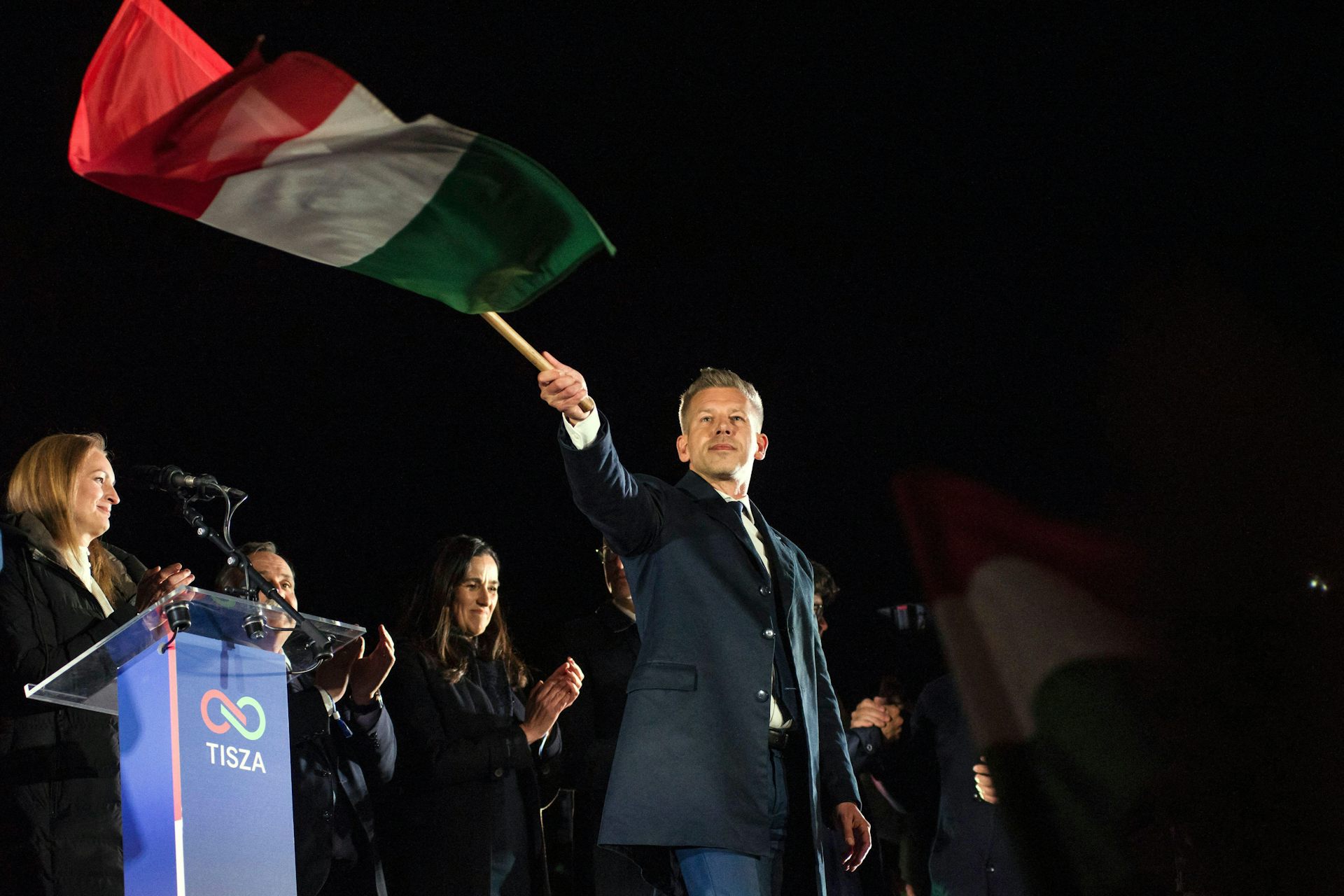
من هو بيتر ماغيار المجري وكيف أطاح بالديمقراطية غير الليبرالية لفيكتور أوربان
Who is Hungary’s Péter Magyar and how he overturned Viktor Orbán’s illiberal democracy
Hungarian political scientist Zsolt Enyedi speaks to The Conversation Weekly podcast about how Viktor Orbán lost power to Péter Magyar and what the result means for the European Union.
يتحدث عالم السياسة المجري زولت إنييدي إلى بودكاست “ذا كونفرسيشن ويكلي” عن كيفية فقد فيكتور أوربان للسلطة لصالح بيتر ماغيار وماذا تعني هذه النتيجة بالنسبة للاتحاد الأوروبي.
The day after Péter Magyar ousted Victor Orbán as prime minister of Hungary, he gave a combative press conference. He spoke in Hungarian, but was talking to the world – and particularly to Europe.
في اليوم التالي لإطاحة بيتر ماغيار بفيكتور أوربان من منصب رئيس وزراء المجر، ألقى مؤتمراً صحفياً هجومياً. تحدث باللغة المجرية، لكنه كان يخاطب العالم – وخاصة أوروبا.
“We will do everything to restore the rule of law, plural democracy, and the system of checks and balances,” Magyar said, calling his election a historic moment for Hungary.
“سنفعل كل شيء لاستعادة سيادة القانون، والديمقراطية التعددية، ونظام الضوابط والتوازنات”، قال ماغيار، واصفاً انتخابه بلحظة تاريخية لحنغالى.
During 16 years in power, Orbán and his Fidesz party managed to take control of many of Hungary’s levers of power, from the judiciary to state-owned media, and weakened the institutions that could keep them accountable. Orbán liked to call it an illiberal democracy.
في اليوم التالي لطرد بيتر ماجار لفيكتور أوربان كرئيس وزراء المجر، ألقى مؤتمراً صحفياً هجومياً. تحدث باللغة المجرية، لكنه كان يتحدث إلى العالم – وخاصة إلى أوروبا.
Magyar also urged the Hungarian president to move swiftly to install him as prime minister, before any more damage could be done by Orbán’s loyalists. “We know that people have been destroying documents, just like in the old communist age, that shredders are working full time,” he said.
“سنفعل كل شيء لاستعادة سيادة القانون، والديمقراطية التعددية، ونظام الضوابط والتوازنات،” قال ماغيار، واصفاً انتخابه بلحظة تاريخية لحنغالى.
In this episode of The Conversation Weekly podcast, Zsolt Enyedi, professor of political science at the Central European University and an expert in Hungarian politics, explains how Magyar, a former member of Fidesz, manage to beat Orbán, his former boss.
خلال 16 عامًا في السلطة، تمكن أوربان وحزبه فيديز من السيطرة على العديد من روافع القوة في المجر، بدءًا من القضاء وصولاً إلى وسائل الإعلام المملوكة للدولة، وأضعفوا المؤسسات التي يمكن أن تحاسبهم. وأحب أوربان أن يسمي ذلك ديمقراطية غير ليبرالية.
Magyar’s moment
كما حثّ ماغيار الرئيس المجري على التحرك بسرعة لتنصيبه رئيسًا للوزراء، قبل أن يلحق الموالون لأوربان المزيد من الضرر. وقال: “نحن نعلم أن الناس كانوا يدمرون الوثائق، تمامًا كما في العصر الشيوعي القديم، وأن آلات التقطيع تعمل بكامل طاقتها.”
Enyedi describes Magyar as a centre-right figure with some nationalistic attributes, who is a bit eurosceptic with “some reservations against progressive way of speaking”. However, Enyedi says Magyar changed since first entering politics in 2024, when he gave an explosive interview criticising Orbán’s regime.
في هذه الحلقة من بودكاست “ذا كونفرسيشن ويكلي”، يشرح زولت إنييدي، أستاذ العلوم السياسية في الجامعة الأوروبية الوسطى وخبير في السياسة المجرية، كيف تمكن ماجار، وهو عضو سابق في فيدز، من التغلب على أوربان، رئيسه السابق.
Back then he was “clearly someone who reproduced many of the ideological panels of this Orbánist regime, but he was very critical of the corruption that exists in the regime”. He was likened to a clean, young version of Orbán himself.
لحظة ماغيار
Since then, Magyar has spent two years travelling around Hungary speaking to people across the country on the campaign trail. “He started to understand better the enormous harm done by the Fidesz regime, and he also became more pro-European in his rhetoric, embracing the democratisation agenda,” says Enyedi.
يصف إنييدي ماغيار بأنه شخصية يمين الوسط ذات سمات قومية إلى حد ما، وأنه يميل إلى عدم الثقة بالاتحاد الأوروبي مع “بعض التحفظات ضد أسلوب الخطاب التقدمي.” ومع ذلك، يقول إنييدي إن ماغيار قد تغير منذ دخوله السياسة لأول مرة في عام 2024، عندما قدم مقابلة مثيرة للجدل ينتقد فيها نظام أوربان.
Magyar is now able to “provide the lowest common denominator for all pro-democratic forces,” says Enyedi. “In that sense, he’s more than simply representative of one political ideological current.”
في ذلك الوقت، كان “بوضوح شخصًا يكرر العديد من الأطر الأيديولوجية لهذا النظام الأورباني، لكنه كان ينتقد بشدة الفساد الموجود في النظام.” وقد شُبّه بأنه نسخة شابة ونظيفة من أوربان نفسه.
As European leaders breathe a sign of relief at Magyar’s victory, Enyedi says although Europe has not gained an “enthusiastic partner”, he will be a much more constructive one. “Partly out of conviction, partly because he needs EU money and he needs that money soon. So he cannot play games. He has to make a deal with the EU leadership.”
منذ ذلك الحين، قضى ماغيار عامين يتنقل في جميع أنحاء المجر ويتحدث إلى الناس في جميع أنحاء البلاد خلال الحملة الانتخابية. ويقول إنييدي: “لقد بدأ يفهم بشكل أفضل الضرر الهائل الذي يسببه نظام فيديز، وأصبح أيضًا أكثر تصديًا لأوروبا في خطابه، واحتضن أجندة إضفاء الطابع الديمقراطي.”
Listen to the interview with Zsolt Enyedi on The Conversation Weekly podcast. This episode was written and produced by Gemma Ware, Mend Mariwany and Katie Flood. Mixing by Eleanor Brezzi and theme music by Neeta Sarl.
يقول إنييدي إن ماغيار الآن قادر على “توفير الحد الأدنى المشترك لجميع القوى المؤيدة للديمقراطية.” ويضيف: “بهذا المعنى، فهو أكثر من مجرد ممثل لتيار أيديولوجي سياسي واحد.”
Newsclips in this episode from CNN, CRM News, euro news and Partizán.
بينما يتنفس القادة الأوروبيون الصعداء بفوز ماغيار، يقول إنييدي أنه على الرغم من أن أوروبا لم تحصل على “شريك متحمس”، إلا أنه سيكون شريكًا أكثر بناءً. ويقول: “جزئيًا قناعة، وجزئيًا لأنه يحتاج أموال الاتحاد الأوروبي ويحتاج هذه الأموال قريبًا. لذلك لا يمكنه اللعب. يجب أن يبرم صفقة مع قيادة الاتحاد الأوروبي.”
Listen to The Conversation Weekly via any of the apps listed above, download it directly via our RSS feed or find out how else to listen here. A transcript of this episode is available via the Apple Podcasts or Spotify apps.
استمع إلى المقابلة مع زولت إنييدي على بودكاست The Conversation Weekly. كتبت وأنتجت هذه الحلقة جيما وير، وميند ماريواني، وكيتي فلود. الميكساج بواسطة إليانور بريتسي والموسيقى التصويرية بواسطة نيتا سارل.
Zsolt Enyedi has received EU Horizon funding.
مقاطع إخبارية في هذه الحلقة من CNN وCRM News وeuro news وPartizán.
Listen to The Conversation Weekly via any of the apps listed above, download it directly via our RSS feed or find out how else to listen here. A transcript of this episode is available via the Apple Podcasts or Spotify apps.
استمع إلى The Conversation Weekly عبر أي من التطبيقات المذكورة أعلاه، أو قم بتنزيله مباشرة عبر موجز RSS الخاص بنا، أو اكتشف كيف تستمع إليه بطرق أخرى هنا. يتوفر نص هذه الحلقة عبر تطبيقات Apple Podcasts أو Spotify.
Zsolt Enyedi has received EU Horizon funding.
حصل زولت إنييدي على تمويل من أفق الاتحاد الأوروبي (EU Horizon) .
Read more
-

من فليباغ إلى فلاديمير: لماذا أصبح كسر الجدار الرابع شائعًا جدًا؟
From Fleabag to Vladimir: why has breaking the fourth wall has become so common?
-

نظريات المؤامرة التي نشأت من حادث إطلاق نار لحقوق المدنيين قبل ٦٠ عاماً ما زالت تتردد أصداؤها حتى اليوم.
Conspiracy theories that emerged from a civil rights shooting 60 years ago resonate today