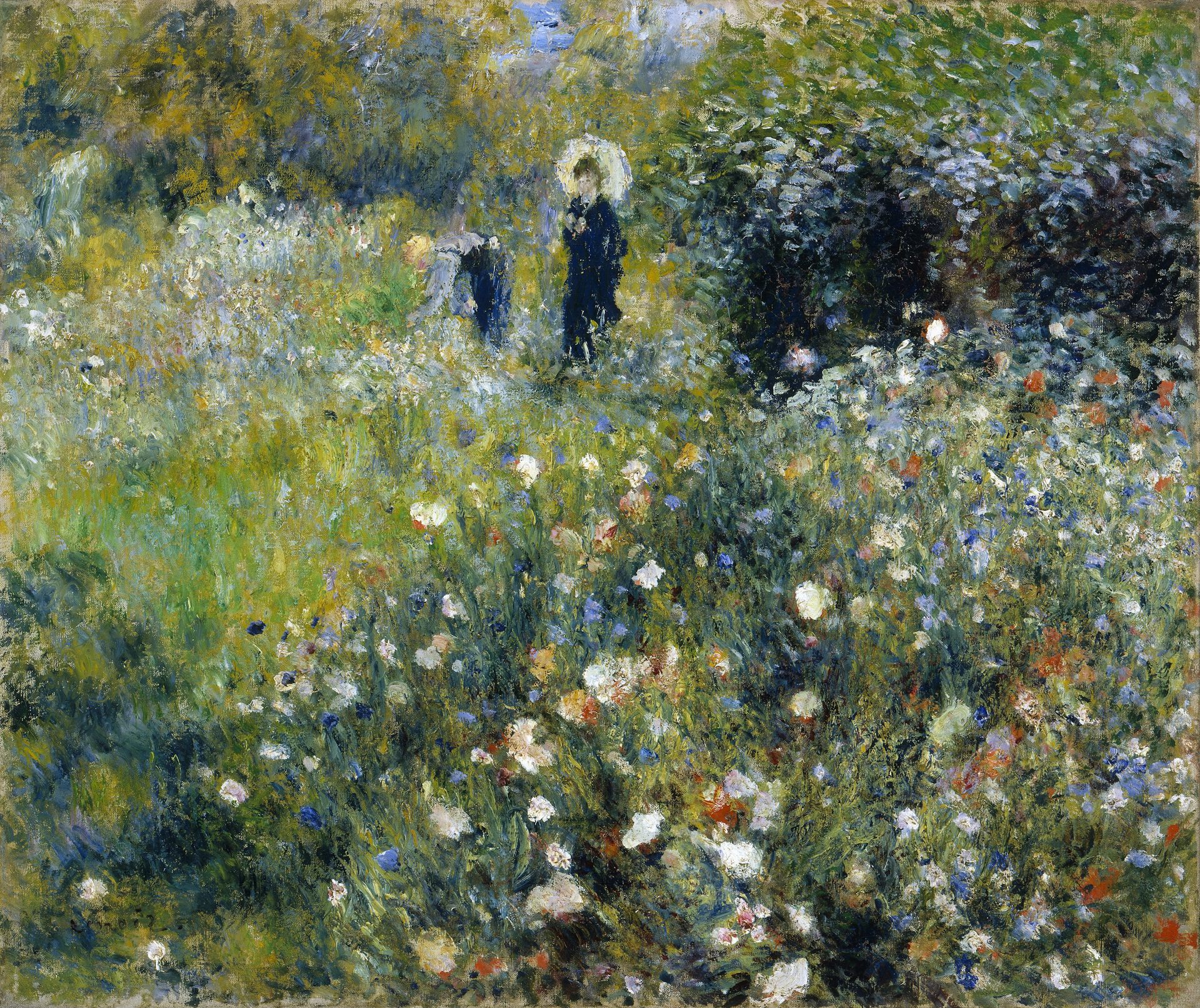
Social change made leisure gardens accessible to all – not just kings and aristocrats – at the same time as ‘the great horticultural movement’.
جعل التغير الاجتماعي الحدائق الترفيهية في متناول الجميع – وليس فقط الملوك والأرستقراطيين – بالتزامن مع “الحركة البستانية العظيمة”.
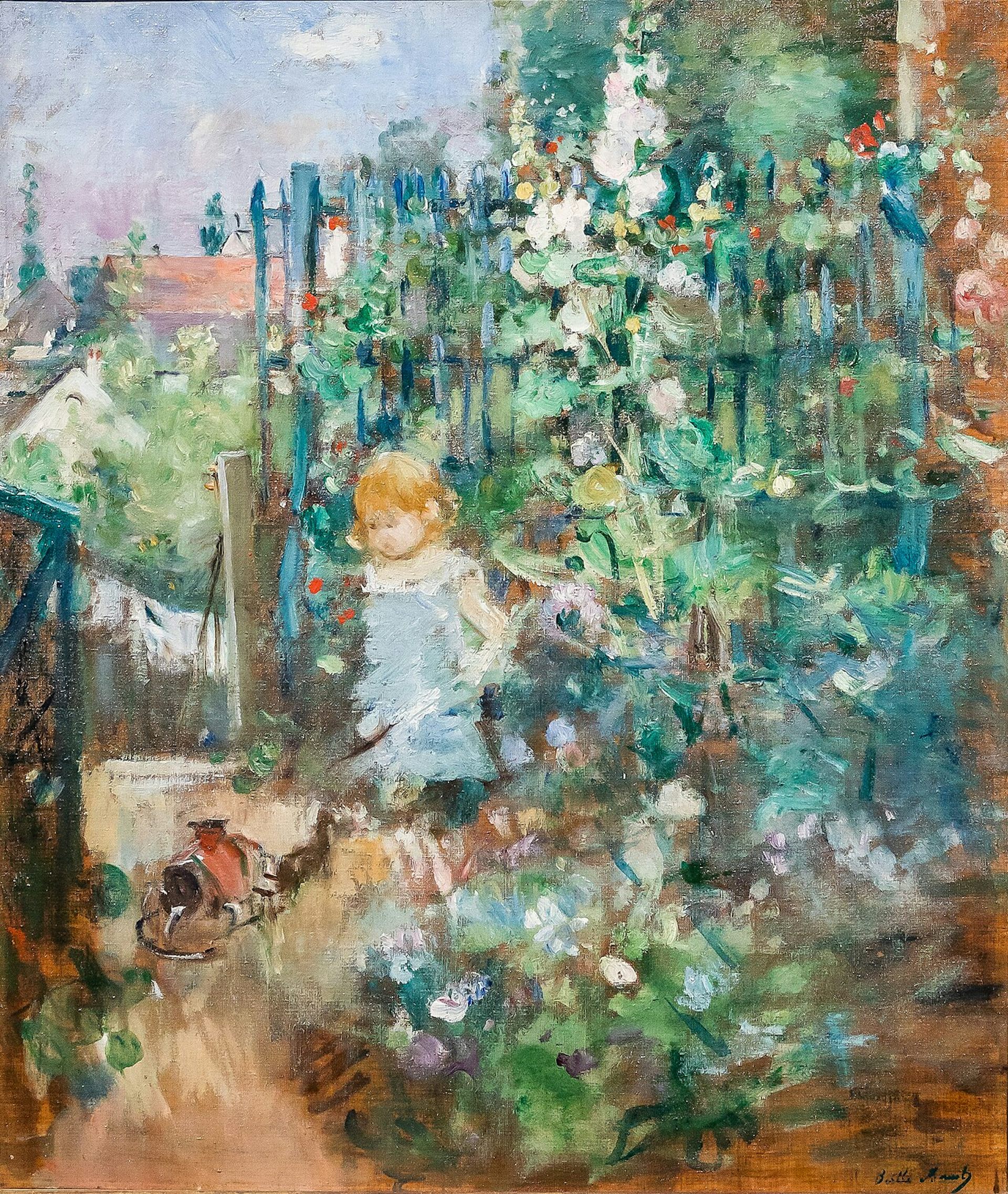
Dahlias thrust their colours skywards; hollyhocks frame a child at play; peasants tend cabbages; water lilies dot the surface of a pond. The “impressionist garden” captures all of these moments and more.
تطلق زهور الداهليا ألوانها نحو السماء؛ وتؤطر نباتات الهولي هوكس طفلاً يلعب؛ ويقوم الفلاحون برعاية محاصيل الكرنب؛ وتتناثر زنابق الماء على سطح البركة. تلتقط “الحديقة الانطباعية” كل هذه اللحظات وأكثر.
But why were Monet, Renoir, Morisot, Pissarro and their colleagues so attracted to gardens? It’s a subject I sought to answer in my book In the Gardens of Impressionism.
ولكن لماذا انجذب مونيه ورينوار وموريسو وبيسارو وزملائهم إلى الحدائق؟ إنه موضوع سعيت للإجابة عنه في كتابي: في حدائق الانطباعية.
One answer lies in the sheer ubiquity and sensory intensity of gardens by the second half of the 19th century, when impressionism came into being. Social change that made leisure gardens accessible to all (no longer just kings and aristocrats) combined with “the great horticultural movement” – the introduction of new and exotic plants, trees and flowers as a result of imperial expansion, international trade and developments in technology.
تكمن إحدى الإجابات في الانتشار الهائل والكثافة الحسية للحدائق بحلول النصف الثاني من القرن التاسع عشر، عندما ظهر الانطباعية. فقد اقترن التغير الاجتماعي الذي جعل الحدائق الترفيهية متاحة للجميع (ولم يعد مقتصراً على الملوك والأرستقراطيين) مع “الحركة البستانية العظيمة” – التي تمثلت في إدخال نباتات وأشجار وزهور جديدة وغريبة نتيجة للتوسع الإمبراطوري والتجارة الدولية وتطور التكنولوجيا.
“Ward cases”, named after their British inventor, botanist Nathaniel Bagshaw Ward, facilitated the transportation of live plants across the world. Glass and iron construction gave rise to greenhouses that allowed exotic and tender plants to be overwintered. New understanding of hybridisation, fuelled by Charles Darwin’s discoveries, made flowers ever bigger, more scented or overtly decorative, while also boosting commercial vegetable growing.
سهّلت “صناديق وارد” (Ward cases) ، التي سُميت على اسم مخترعها البريطاني وعالم النبات ناثانيال باغشو وارد، نقل النباتات الحية عبر العالم. وأدت التشييدات الزجاجية والحديدية إلى ظهور البيوت الزجاجية التي سمحت بقضاء الشتاء للنباتات الغريبة والحساسة. كما أن الفهم الجديد للهجنة، الذي غذته اكتشافات تشارلز داروين، جعل الأزهار أكبر حجماً وأكثر عطوراً أو زخرفة بشكل واضح، بينما عزز أيضاً زراعة الخضروات التجارية.
Gardens, in short, were central to the “modern life” that the impressionists radically pursued – answering powerfully their desire to capture the sensations of the present moment in spontaneous brushwork and vibrant palette.
باختصار، كانت الحدائق محورية في “الحياة الحديثة” التي سعى إليها الانطباعيون جذرياً – مجيبين بقوة عن رغبتهم في التقاط أحاسيس اللحظة الحاضرة بضربات الفرشاة العفوية ولوحة الألوان النابضة بالحياة.
Green lungs
الرئات الخضراء
In Paris, the new parks introduced by Napoleon III from the 1850s were essential to public hygiene: green lungs above ground complementing the new sewer-arteries below ground, as part of France’s fight against cholera.
في باريس، كانت الحدائق الجديدة التي أدخلها نابليون الثالث منذ الخمسينيات من القرن التاسع عشر ضرورية للصحة العامة: رئات خضراء فوق الأرض تكمل شرايين الصرف الصحي الجديدة تحت الأرض، كجزء من صراع فرنسا ضد الكوليرا.
The city’s trees and lavish corbeilles (floral display beds) were also undeniably alluring. Yet the impressionists’ response was highly selective and often trod a delicate balance between the old and new.
كما أن أشجار المدينة وأحواض الزهور الفخمة كانت جذابة بلا شك. ومع ذلك، كان رد فعل الانطباعيين انتقائياً للغاية وغالباً ما سار على توازن دقيق بين القديم والجديد.
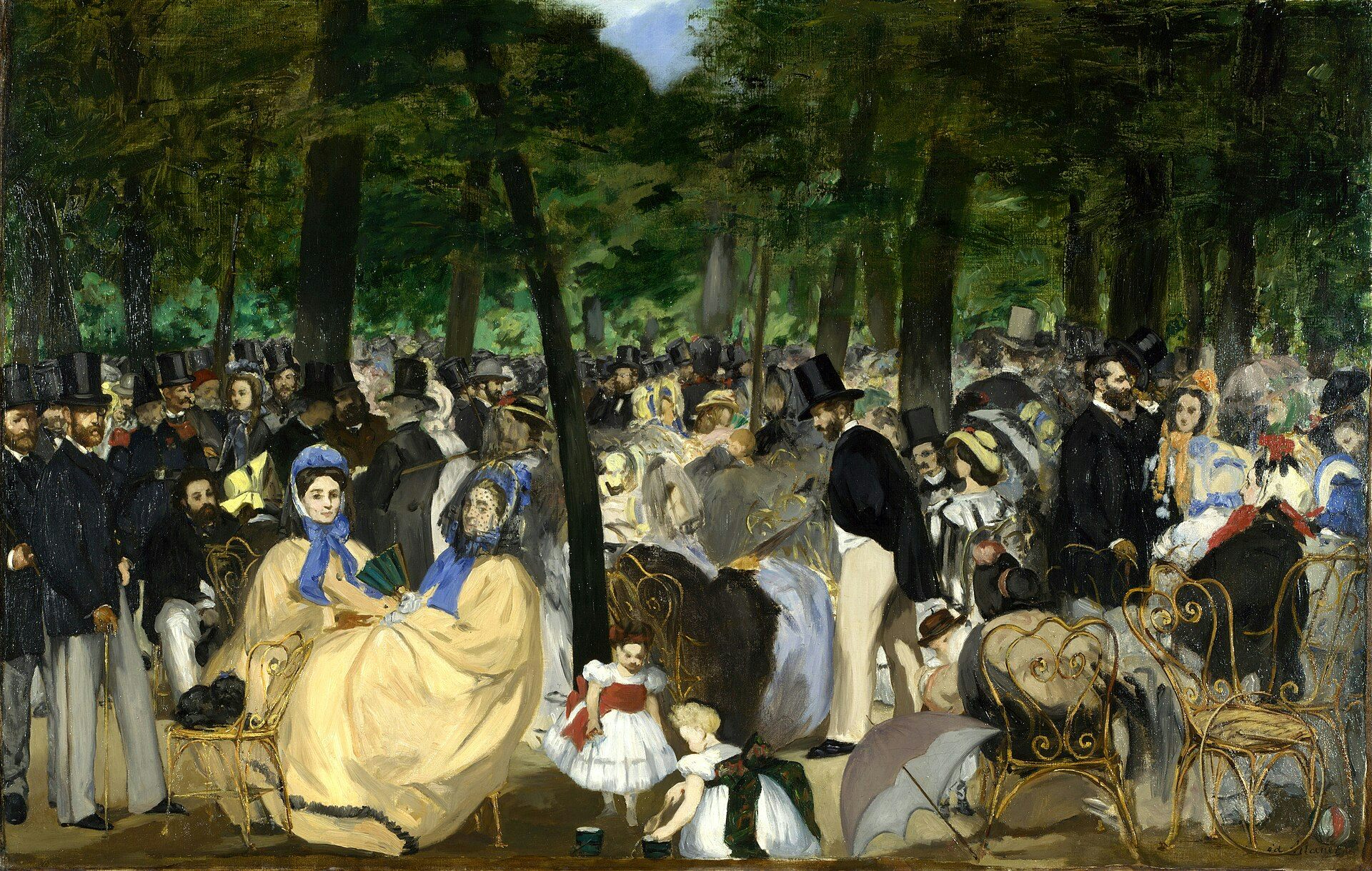
Édouard Manet subversively chose an old park, the Tuileries Gardens, for his pioneering depiction of modern life in 1863. Its fashionable figures listening to an off-scene band recede into a mass of trees that seems more like primal forest than cultivated green space.
اختار إدوارد مانيه بشكل متمرد حديقة قديمة، وهي حدائق التويلرييه، لتصويره الرائد للحياة العصرية عام 1863. تتراجع شخصياته الأنيقة التي تستمع إلى فرقة موسيقية خارج المشهد في كتلة من الأشجار تبدو أشبه بغابة بدائية منها بمساحة خضراء مزروعة.
And Pierre-Auguste Renoir recalled in old age how, before the modern tree-lined boulevards, manicured squares and English-style parks, there was “behind every house … a garden … Plenty of people still knew the pleasure of eating freshly-picked lettuce.”
وتذكر بيير-أوغست رينوار في شيخوخته كيف أنه قبل البوليفاردات الحديثة المزدانة بالأشجار، والساحات المُصففة، والحدائق على الطراز الإنجليزي، كان هناك “خلف كل منزل… حديقة… ولا يزال الكثير من الناس يعرفون متعة أكل الخس المقطوف حديثاً.”
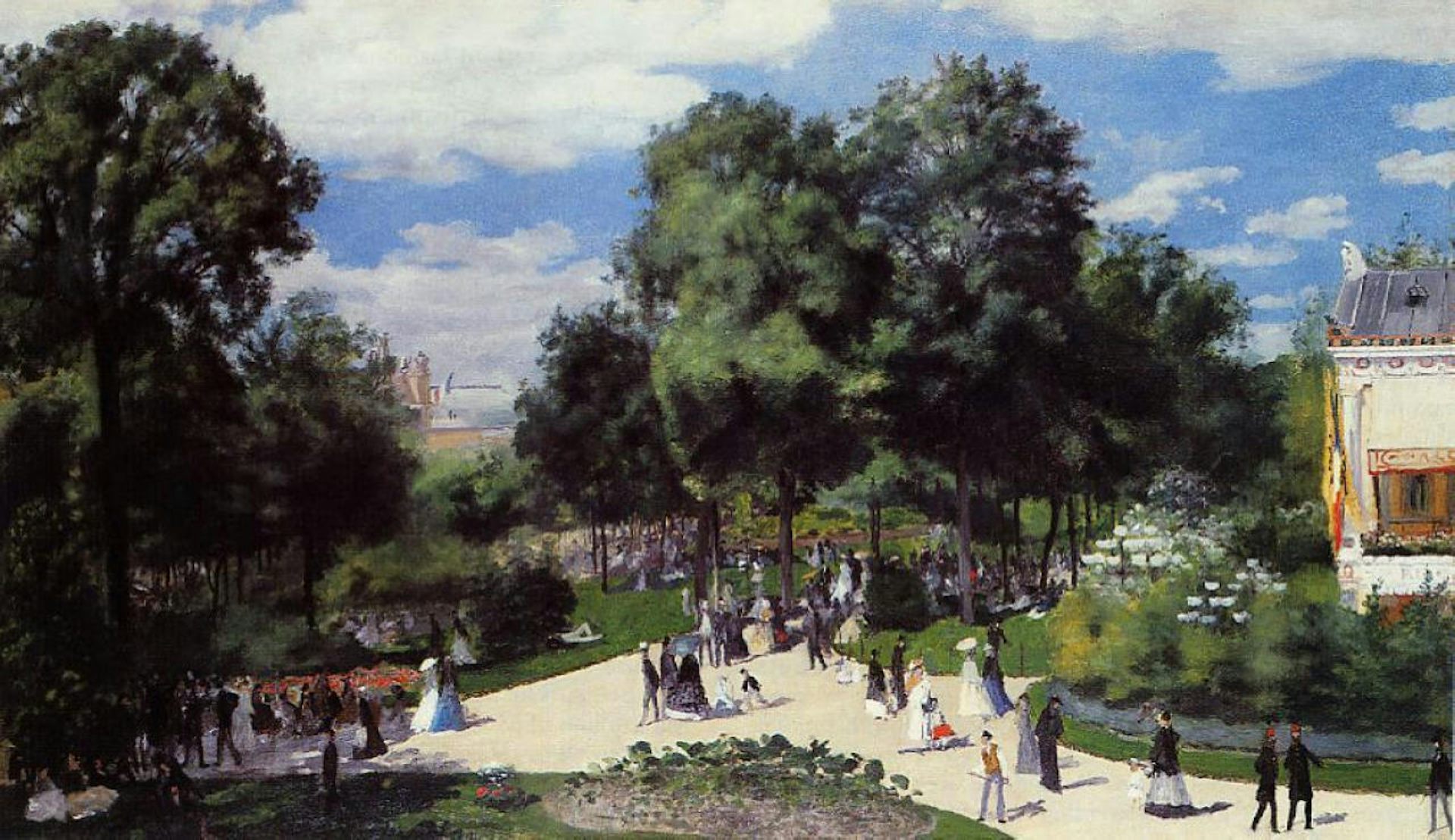
Evicted in childhood to make way for the “new Paris”, Renoir had reason for his regret. Already in 1867, he had naughtily plonked a not-yet-in-bloom corbeille in the foreground of his painting of the Champs-Élysées. Napoleon’s prefect Baron Haussmann’s famous “bedding out” regime, intended to ensure continuous floral colour, here experiences an embarrassing glitch.
أُجبر رينوار على النزوح في طفولته لإفساح المجال لـ “باريس الجديدة”، وكان لديه سبب لحزنه. ففي عام 1867، وضع بمكر حوض زهور لم يزهر بعد في مقدمة لوحته لشامب دي مارسيه. وهنا، يتعرض نظام “التنسيق الزهري” الشهير للبارون هوسمان، والوالي التابع لنابليون، الذي كان يهدف إلى ضمان اللون الزهري المستمر، لعطل محرج.
In 1875, Renoir made an old, overgrown garden in Montmartre, full of “poppies, convolvulus and daisies”, the subject of Woman with a Parasol in a Garden, in which nature seems to return to its original, uncultivated state.
في عام 1875، رسم رينوار حديقة قديمة ومُهملة في مونمارتر، مليئة بـ “الخشخاش والزهرة اللولبية وزهور الأقحوان”، وهي موضوع لوحة المرأة بالمظلة في الحديقة، حيث يبدو أن الطبيعة تعود إلى حالتها الأصلية غير المزروعة.
Claude Monet likewise eschewed the arterial path newly driven through the Parc Monceau, capturing instead the play of light and shade on figures chatting under tall trees in a secluded corner of the former aristocratic garden appropriated by Haussmann for public use and speculative building.
وبالمثل، تجنب كلود مونيه المسار الشرياني الذي شُيّد حديثاً عبر حديقة مونسو، ليصوّر بدلاً من ذلك تلاعب الضوء والظل على شخصيات تتحدث تحت الأشجار الطويلة في زاوية منعزلة من الحديقة الأرستقراطية السابقة التي استولى عليها هوسمان للاستخدام العام والبناء المضاربي.
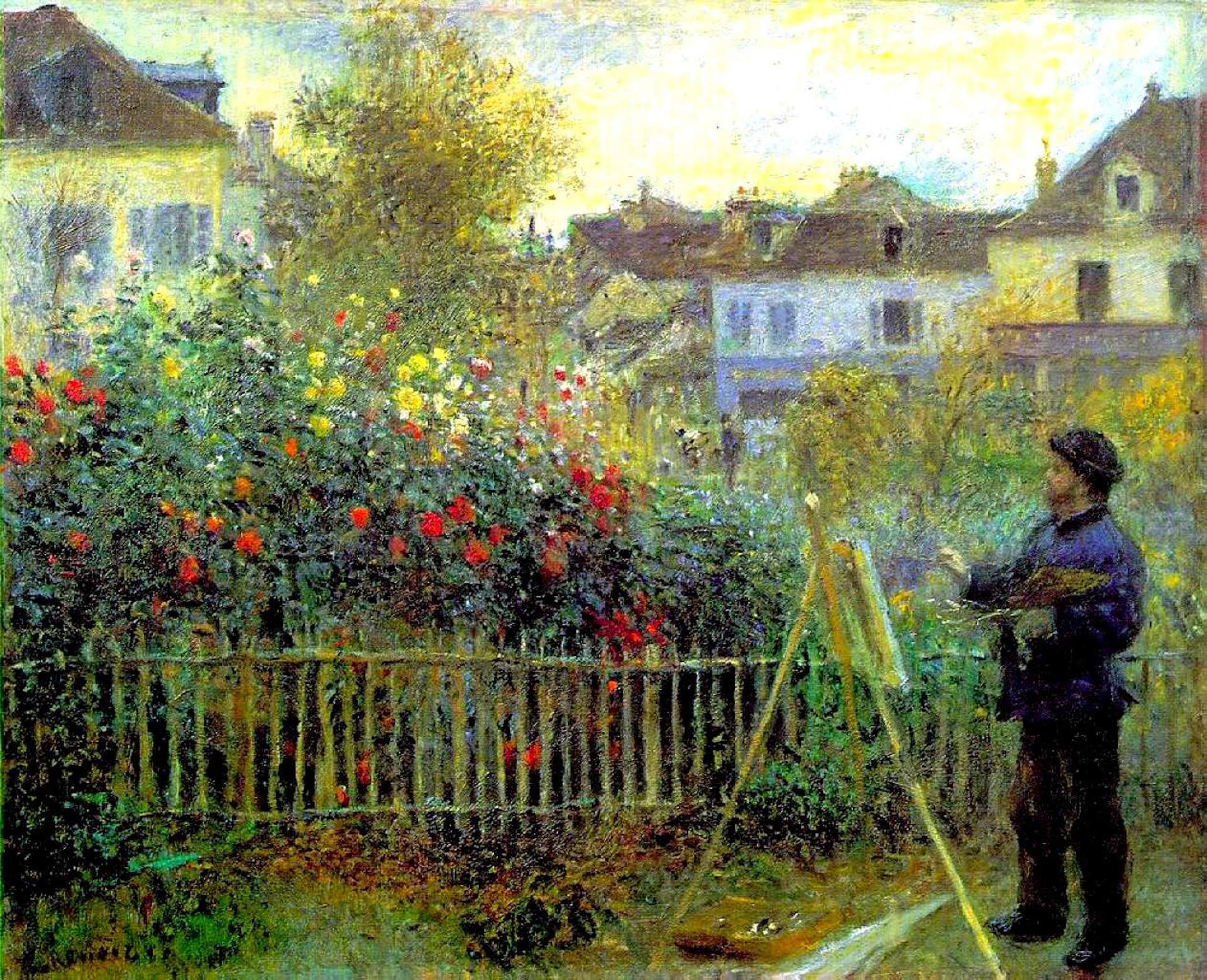
It was, rather, in his private gardens at Argenteuil in the 1870s that Monet seemed – at least to some extent – to have echoed Haussmannian horticulture, by cultivating display beds and trying out new flowers. But even here, in the 1873 painting The Artist’s Garden in Argenteuil, his novelty giant dahlias surge across the picture surface like some colourful, organic riptide.
بل كان الأمر يتعلق، بالأحرى، بحدائقه الخاصة في أرجانتوي في السبعينيات من القرن التاسع عشر حيث بدا مونيه – على الأقل إلى حد ما – أنه يردد البستنة الهوسمانية، من خلال زراعة أحواض العرض وتجربة الزهور الجديدة. ولكن حتى هنا، في لوحة عام 1873 بعنوان حديقة الفنان في أرجانتوي، تتدفق زنابق الداليا العملاقة الغريبة عبر سطح اللوحة كتيار مدّي عضوي ملون.
The private garden
الحديقة الخاصة
If the impressionist garden was both outdoor studio and motif, what strikes the viewer in images like this is the evocation of what art experts nowadays call an attachment environment – a place imbued with personal significance, because it was cultivated by the artist himself.
إذا كانت الحديقة الانطباعية استوديو خارجي وموضوعاً فنياً في آن واحد، فإن ما يثير دهشة المشاهد في صور كهذه هو استحضار ما يسميه خبراء الفن اليوم “بيئة التعلق” – وهو مكان مشبع بأهمية شخصية لأنه زرعه الفنان بنفسه.
Monet often inscribed his wife and young son within his Argenteuil artist’s garden. These paintings project familial pride and even hope for national renewal.
كان مونيه غالبًا ما يصور زوجته وابنه الصغير ضمن حديقته الفنية في أرجانتوي. تعكس هذه اللوحات الفخر العائلي، بل وتظهر حتى الأمل في التجديد الوطني.
After the horror of the Franco-Prussian war and Paris Commune of 1870-1, when Monet and Camille Pissarro had taken refuge with their young families in London, the very act of growing a garden was inherently symbolic. It was a celebration of French soil following the loss of Alsace-Lorraine to Germany.
بعد فظائع الحرب الفرنسية البروسية وكومونة باريس عام 1870-1، عندما لجأ مونيه وكاميل بيسارو مع عائلاتهم الصغيرة إلى لندن، كان مجرد زراعة حديقة بحد ذاتها عملاً رمزياً جوهرياً. لقد كان احتفالاً بالتربة الفرنسية في أعقاب خسارة الألزاس واللورين لألمانيا.
Pissarro’s multiple depictions of kitchen gardens near his home at Pontoise, meanwhile, asserted his utopian socialist vision of a better future based on working off the land – just as Berthe Morisot’s airily brushed images conflate the growth of her young child with that of cultivated nature.
أما تصويرات بيسارو المتعددة لحدائق المطبخ بالقرب من منزله في بونتواز، فقد أكدت، في الوقت نفسه، رؤيته الاشتراكية الطوباوية لمستقبل أفضل قائم على العمل الزراعي – تماماً كما تخلط صور بيرت موريسو المرسومة بضربات فرشاة خفيفة بين نمو طفلها الصغير ونمو الطبيعة المزروعة.
Such images suggest that, for all their modernity, the impressionists shared the nostalgia for rural existence that accompanied urban expansion and industrialisation.
تشير مثل هذه الصور إلى أنه، بالرغم من حداثتها، فقد شارك الانطباعيون الحنين إلى الحياة الريفية الذي رافق التوسع الحضري والتصنيع.
At rural Vétheuil, where he lived from 1879-81, Monet planted sunflowers almost obsessively in his steep, terraced garden overlooking the Seine. Their late-summer gold and yellow seems almost elegiac after Monet’s wife Camille’s tragic death in 187.
في فيثوي الريفية، حيث عاش هناك من عام ١٨٧٩ إلى ١٨٨١، زرع مونيه زهور دوار الشمس بشكل شبه مهووس في حديقته المنحدرة والمتدرجة المطلة على نهر السين. يبدو ذهبها وأصفرارها في أواخر الصيف وكأنهما رثائي بعد الوفاة المأساوية لزوجة مونيه، كامي، عام ١٨٧.
Monet’s most ambitious garden was in turn at Giverny in Normandy, his near-sole painting motif for the last third of his life.
كانت أجمل حدائق مونيه وأكثرها طموحاً في جيفيرني بنورماندي، وكانت الموضوع شبه الوحيد لرسمه خلال الثلث الأخير من حياته.
The new, scented and coloured hybrid water lilies he grew there were showpieces of modern horticultural invention – yet his serial paintings of his pond, capturing successive effects of light and atmosphere, construct a profoundly poetic vision of nature as a perpetually unfolding harmony. Coordinates disappear leaving only water, flowers and the reflected sky; the garden now embraces the cosmic.
كان زنابق الماء الهجينة الجديدة المعطرة والمُلوَّنة التي زرعها هناك تحفاً من الابتكار البستاني الحديث – ومع ذلك، فإن لوحاته المتسلسلة لحوض السمك الخاص به، والتي تلتقط تأثيرات متتالية للضوء والجو، تبني رؤية شعرية عميقة للطبيعة كوئام يتكشف باستمرار. تختفي الإحداثيات ولا يبقى سوى الماء والأزهار والسماء المنعكسة؛ وأصبح البستان الآن يحتضن الكوني.
It was only logical that Monet used this motif for his Paris Orangerie murals, which he gave to France as a first world war memorial. Water lilies open to the light, defeating darkness.
كان من المنطقي أن يستخدم مونيه هذا الزخرف لجدارياته في الأورنجيري بباريس، والتي أهداها لفرنسا كتذكار للحرب العالمية الأولى. زنابق الماء تفتح على النور، مهزومةً الظلام.
Though often called precursors of abstraction, the Orangerie’s Water Lilies offer the ultimate logic of the garden as attachment environment – encircling the viewer, placing us physically within the impressionist garden’s better world.
على الرغم من أن زنابق الماء في الأورنجيري تُسمى غالبًا سوابق التجريد، إلا أنها تقدم المنطق المطلق للحديقة كبيئة ارتباط – حيث تحيط بالناظر وتضعنا جسديًا داخل العالم الأفضل للحديقة الانطباعية.
Do you have a favourite impressionist garden painting? Let us know in the comments below.
هل لديك لوحة مفضلة لحديقة انطباعية؟ أخبرنا في التعليقات أدناه.
This article features references to books that have been included for editorial reasons, and may contain links to bookshop.org. If you click on one of the links and go on to buy something, The Conversation UK may earn a commission.
تتضمن هذه المقالة إشارات إلى كتب أُدرجت لأسباب تحريرية، وقد تحتوي على روابط لموقع bookshop.org. وفي حال النقر على أي من الروابط وإتمام عملية شراء، قد تحصل The Conversation UK على عمولة.
Clare Willsdon does not work for, consult, own shares in or receive funding from any company or organisation that would benefit from this article, and has disclosed no relevant affiliations beyond their academic appointment.
كلير ويلسدون لا تعمل لدى، ولا تستشير، ولا تمتلك أسهمًا في، أو تتلقى تمويلاً من أي شركة أو منظمة قد تستفيد من هذه المقالة، ولم تكشف عن أي انتماءات ذات صلة بخلاف منصبها الأكاديمي.
Read more
-

ترامب ولولا في البيت الأبيض: علاقة مبنية على البراغماتية وحساب إقليمي أوسع
Trump and Lula at the White House: a relationship built on pragmatism and a broader regional calculus
-

نهاية النفط؟ مع تتابع صدمات الوقود، تجتمع 53 دولة لتخطيط التخلص التدريجي من الوقود الأحفوري
The end of oil? As fuel shocks cascade, 53 nations gather to plan a fossil fuel phaseout