كيف أصبحت الهجرة مفتاحاً لنجاح كأس العالم
How migration became a key to World Cup success
There is some evidence to suggest that national teams with more migrant players perform better on the pitch.
هناك بعض الأدلة التي تشير إلى أن الفرق الوطنية ذات اللاعبين المهاجرين تؤدي أداءً أفضل في الملعب.
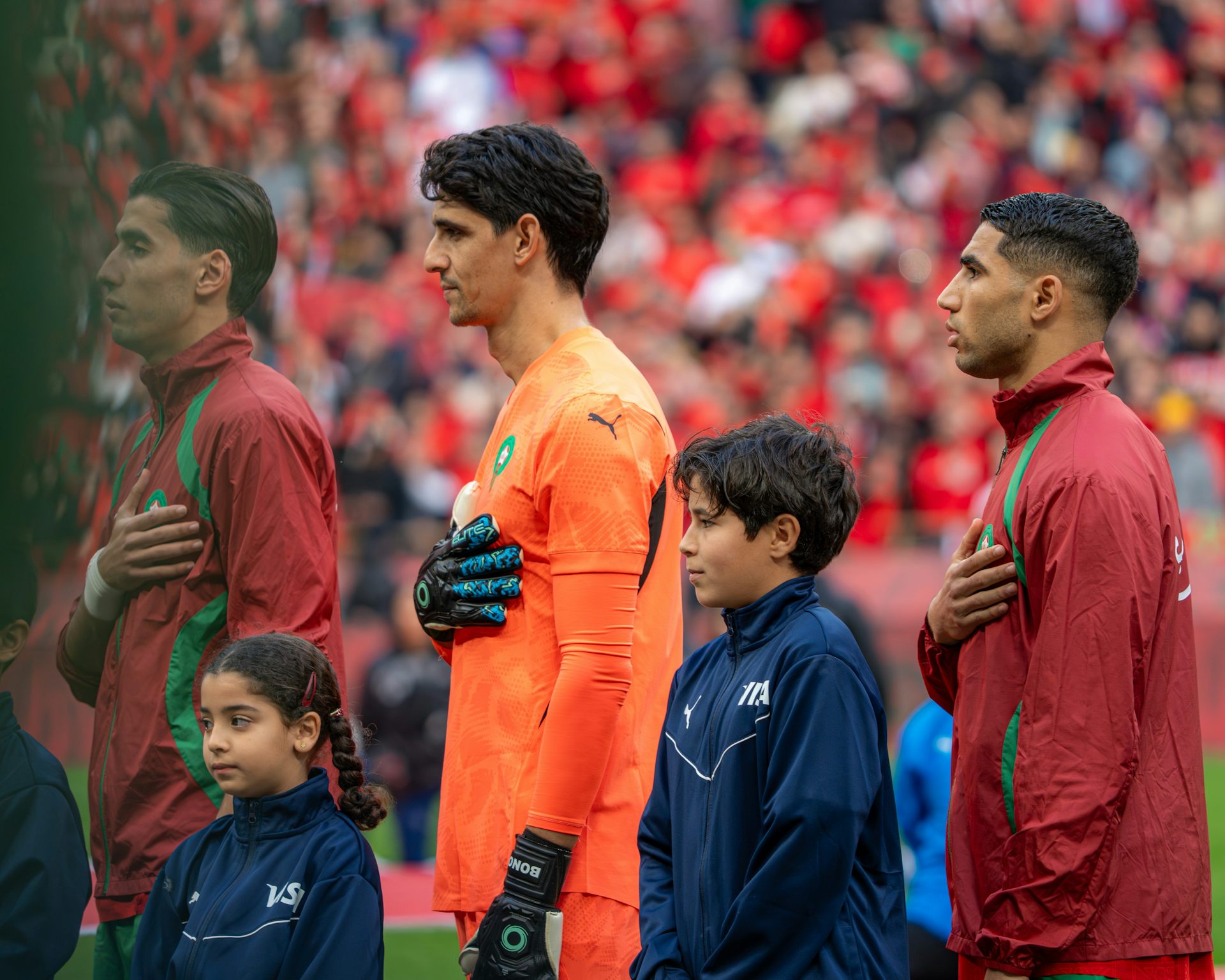
Few would have predicted Morocco’s success at the 2022 Fifa World Cup. Heading into the tournament, they were ranked 22nd in the world and had never progressed beyond the round of 16.
لم يتوقع الكثيرون نجاح المغرب في كأس العالم لكرة القدم 2022. قبل انطلاق البطولة، كان تصنيفهم هو الـ 22 عالمياً ولم يتقدموا قط إلى ما بعد دور الـ 16.
Yet they beat Belgium, Spain and Portugal – countries that both then and now rank inside the world’s top ten – on their way to becoming the first African nation ever to reach the semi-final.
ومع ذلك، هزموا بلجيكا وإسبانيا والبرتغال – وهي دول تحتل حتى اليوم وفي الماضي ضمن أفضل عشرة دول في العالم – في طريقهم ليصبحوا أول دولة أفريقية تصل إلى نصف النهائي على الإطلاق.
Morocco’s run was not only remarkable (and thoroughly deserved) . It also sparked debate beyond football because 14 of the players in their 26-man squad were foreign-born, more than any other nation in the tournament.
لم يكن مسار المغرب ملحوظاً فحسب (بل كان مستحقاً تماماً) . بل أثار أيضاً جدلاً يتجاوز كرة القدم لأن 14 من اللاعبين في صفوفه المكونة من 26 لاعباً كانوا من مواليد الخارج، وهو ما يفوق أي دولة أخرى في البطولة.
The 2026 World Cup will feature more foreign-born players than any previous edition. Nearly a quarter of the 1,248 players selected for national teams were born in a different country from the one they will represent.
سيضم كأس العالم 2026 لاعبين من مواليد الخارج أكثر مما ضمته أي نسخة سابقة. ويُقدر أن ربع عدد اللاعبين الـ 1,248 الذين تم اختيارهم للفرق الوطنية ولدوا في بلد مختلف عن البلد الذي سيمثلونه.
In some squads, the proportions are far higher than this – 96% of Curaçao’s players were born abroad, as were 85% of the Democratic Republic of the Congo’s and 73% of Morocco’s. Overall, foreign-born players make up the majority of footballers in eight of the tournament’s 48 squads.
في بعض الفرق، تكون النسب أعلى بكثير من ذلك – حيث وُلِد 96% من لاعبي كوراساو في الخارج، وكذلك 85% من جمهورية الكونغو الديمقراطية و73% من المغرب. وبشكل عام، يشكل اللاعبون من مواليد الخارج غالبية لاعبي كرة القدم في ثماني فرق من أصل 48 فريقاً في البطولة.
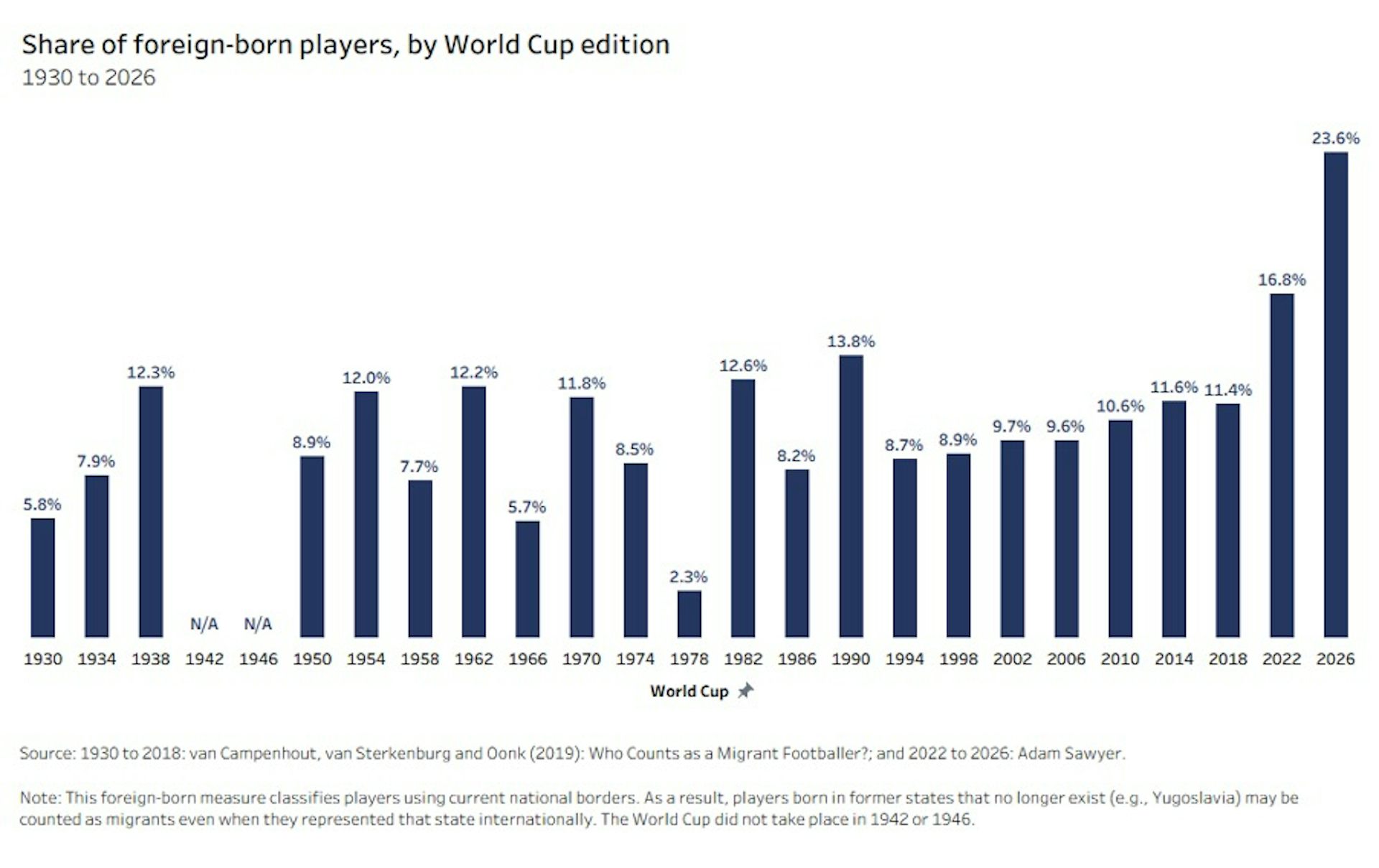
Migration has been part of the World Cup story since its inception. At the tournament’s third edition in 1938, for example, 12% of players represented a country other than the one in which they were born.
كانت الهجرة جزءاً من قصة كأس العالم منذ نشأتها. ففي النسخة الثالثة للبطولة عام 1938، على سبيل المثال، مثل 12% من اللاعبين دولة غير البلد الذي ولدوا فيه.
This was in part because Fifa didn’t introduce regulations governing football players’ eligibility for national teams until 1962, meaning it was not uncommon for players to represent multiple countries throughout their careers.
ويُعزى ذلك جزئياً إلى أن الفيفا لم تُدخل لوائح تحكم أهلية لاعبي كرة القدم للفرق الوطنية إلا في عام 1962، مما يعني أنه لم يكن أمراً غير عادي أن يمثل اللاعبون دولاً متعددة طوال مسيرتهم المهنية.
Some players represent countries other than those in which they were born because they are eligible through a parent or grandparent. These players often emerge from diaspora communities created by earlier waves of migration.
يمثل بعض اللاعبين بلدانًا أخرى غير تلك التي ولدوا فيها لأنهم مؤهلون عبر أحد الوالدين أو الأجداد. وغالباً ما ينشأ هؤلاء اللاعبون من جاليات الشتات التي أُنشئت بفعل موجات الهجرة السابقة.
One example is 2018 World Cup finalist Ivan Rakitić, who was born and raised in Switzerland but chose to represent Croatia. In a 2025 interview, Rakitić explained that when he had to choose between the two countries, his heart told him he should play for Croatia.
ومن الأمثلة على ذلك لاعب كأس العالم 2018، إيفان راكييتيتش، الذي ولد ونشأ في سويسرا لكنه اختار تمثيل كرواتيا. وفي مقابلة أجريت عام 2025، أوضح راكييتيتش أنه عندما اضطر للاختيار بين البلدين، قال له قلبه بأنه يجب أن يلعب لكرواتيا.
Other players qualify through residency requirements. Pepe, for example, was born in Brazil but played in four World Cups for Portugal between 2010 and 2022 after becoming a Portuguese citizen at the age of 24.
ويؤهل لاعبون آخرون عبر متطلبات الإقامة. فبابي، على سبيل المثال، ولد في البرازيل لكنه لعب في أربع نسخ من كأس العالم مع البرتغال بين عامي 2010 و 2022 بعد أن أصبح مواطناً برتغالياً في سن الرابعة والعشرين.
Yet foreign-born players are only part of the story. World Cup squads also contain many second-generation migrants. France’s 2018 World Cup-winning squad is perhaps the best-known example: 12 of their 23 players had African parents.
ومع ذلك، فإن اللاعبين من مواليد الخارج هم جزء فقط من القصة. وتحتوي فرق كأس العالم أيضاً على العديد من المهاجرين من الجيل الثاني. ويُعد فريق فرنسا الفائز بكأس العالم 2018 ربما المثال الأبرز: حيث كان لـ 12 من لاعبي الفريق البالغ عددهم 23 لاعباً آباء أفارقة.
Such patterns are not random. France’s squad reflected the country’s colonial and postcolonial links with north and west Africa. Similarly, since the mid-2000s, Switzerland’s national team has increasingly been shaped by migration from the former Yugoslavia following the conflicts and displacement that accompanied its breakup in the 1990s.
هذه الأنماط ليست عشوائية. فقد عكس فريق فرنسا الروابط الاستعمارية وما بعد الاستعمار للبلاد مع شمال وغرب إفريقيا. وبالمثل، فمنذ منتصف العقد الأول من القرن الحادي والعشرين، أصبح المنتخب الوطني السويسري يتشكل بشكل متزايد بفعل الهجرة من يوغوسلافيا السابقة في أعقاب الصراعات والنزوح الذي رافق تفككها في التسعينيات.
England’s 2026 squad also tells a story about the country’s migration history. Alongside Marc Guéhi, who was born in Ivory Coast, at least nine players had a parent born overseas. Most have family roots in former British colonies in Africa and the Caribbean, reflecting patterns of post-second world war migration to the UK.
كما تروي تشكيلة إنجلترا لعام 2026 قصة عن تاريخ البلاد في الهجرة. فإلى جانب مارك غيهي، المولود في ساحل العاج، كان لدى ما لا يقل عن تسعة لاعبين أحد الوالدين المولودين في الخارج. ومعظمهم لديهم جذور عائلية في المستعمرات البريطانية السابقة في إفريقيا ومنطقة الكاريبي، مما يعكس أنماط الهجرة التي تلت الحرب العالمية الثانية إلى المملكة المتحدة.
At the same time, 24 players born in England have been selected by other World Cup teams. This includes five representing Scotland and 19 playing for countries beyond the British Isles (including the US, New Zealand and Ghana) .
وفي الوقت نفسه، تم اختيار 24 لاعباً ولدوا في إنجلترا من قبل فرق كأس عالم أخرى. ويشمل ذلك خمسة يمثلون اسكتلندا و19 لاعبًا يلعبون لبلدان خارج الجزر البريطانية (بما في ذلك الولايات المتحدة الأمريكية ونيوزيلندا وغانا) .
Does this matter on the pitch?
هل يهم هذا في الملعب؟
Relatively little research has examined whether national teams with more migrant players perform better on the pitch. But the available evidence suggests they do.
لم يقم الكثير من الأبحاث بفحص ما إذا كانت الفرق الوطنية ذات اللاعبين المهاجرين الكثر تؤدي بشكل أفضل على أرض الملعب. لكن الأدلة المتوفرة تشير إلى أنها كذلك.
One study from 2022 analysed every World Cup between 1970 and 2018 and found that teams with more foreign-born players generally progressed further in the tournament. On average, each additional foreign-born player was associated with roughly 0.15 additional matches played.
أجرت دراسة في عام 2022 تحليلًا لكافة بطولات كأس العالم بين عامي 1970 و 2018، ووجدت أن الفرق التي تضم عددًا أكبر من اللاعبين المولودين في الخارج عادةً ما تتقدم مسافات أبعد في البطولة. وفي المتوسط، ارتبط كل لاعب إضافي مولود في الخارج بما يقرب من 0.15 مباراة إضافية لِللعب.
The relationship remained even after accounting for broader differences between countries, suggesting that migration may provide advantages beyond those associated with wealth or footballing tradition alone.
ظلت العلاقة قائمة حتى بعد أخذ الفروقات الأوسع بين البلدان بالحسبان، مما يشير إلى أن الهجرة قد توفر مزايا تتجاوز تلك المرتبطة بالثروة أو تقاليد كرة القدم وحدها.
Another study from 2023 examined European national teams competing in World Cups and European Championships between 1970 and 2018. Using players’ surnames to estimate their ancestral origins, it measured the diversity of backgrounds within each squad and found that more diverse teams tended to perform better on average.
درست دراسة أخرى أجريت في عام 2023 المنتخبات الوطنية الأوروبية التي تنافست في كأس العالم وبطولات أوروبا بين عامي 1970 و 2018. وباستخدام الألقاب العائلية للاعبين لتقدير أصولهم السلالية، قامت الدراسة بقياس تنوع الخلفيات داخل كل تشكيلة، ووجدت أن الفرق الأكثر تنوعاً كانت تميل إلى تحقيق أداء أفضل في المتوسط.
Specifically, the research found that a one standard deviation increase in diversity led to an increase in goal difference (the number of goals a team scores minus the number of goals they concede) of around 1.3 per match on average.
تحديداً، وجدت الدراسة أن زيادة التنوع بمقدار انحراف معياري واحد أدت إلى زيادة في فارق الأهداف (وهو عدد الأهداف التي يسجلها الفريق مطروحاً منه عدد الأهداف التي يستقبلها) بحوالي 1.3 لكل مباراة في المتوسط.
There are at least two factors that might explain these results. First, migration can expand the pool of players available to a national team. Ghana’s squad for the 2026 tournament draws heavily on diaspora communities in western Europe. This allows it to recruit players developed in some of the world’s strongest football systems.
هناك عاملان على الأقل قد يفسران هذه النتائج. أولاً، يمكن للهجرة أن توسع مجموعة اللاعبين المتاحين لفريق وطني. وتعتمد تشكيلة غانا لبطولة 2026 بشكل كبير على جاليات الشتات في أوروبا الغربية. وهذا يسمح لها بتجنيد لاعبين تم تطويرهم في بعض أقوى أنظمة كرة القدم في العالم.
Second, migration may increase the diversity of skills available within a squad. Football players need specific physical traits and technical skills to succeed on the pitch. Central defenders, for example, are usually tall and physically strong. More attacking players, on the other hand, often require speed.
ثانياً، قد تزيد الهجرة من تنوع المهارات المتوفرة داخل التشكيلة. يحتاج لاعبو كرة القدم إلى سمات جسدية ومهارات فنية محددة للنجاح في الملعب. على سبيل المثال، عادةً ما يكون قلبا الدفاع طوال القامة وأقوياء جسدياً. أما اللاعبون الهجوميون أكثر، فيتطلبون غالباً السرعة.
A more diverse population will probably provide a larger pool of potential players for each position, resulting in better complementarity at the team level.
من المحتمل أن يوفر التنوع السكاني الأكبر مجموعة أكبر من اللاعبين المحتملين لكل مركز، مما يؤدي إلى تكميلية أفضل على مستوى الفريق.
This does not mean that migration wins World Cups. Argentina won the 2022 World Cup without a single foreign-born player in their squad. Success also depends on population size, economic wealth and coaching. Lionel Messi playing for your team helps, too.
هذا لا يعني أن الهجرة تفوز بكؤوس العالم. فازت الأرجنتين بكأس العالم 2022 دون وجود أي لاعب واحد من مواليد الخارج في صفوفها. يعتمد النجاح أيضاً على حجم السكان، والثروة الاقتصادية، والجهاز التدريبي. كما أن لعب ليونيل ميسي في فريقك يساعد أيضاً.
Nonetheless, the limited evidence available indicates that migration may influence international football beyond simply changing the make-up of the teams competing.
ومع ذلك، تشير الأدلة المحدودة المتوفرة إلى أن الهجرة قد تؤثر على كرة القدم الدولية بما يتجاوز مجرد تغيير التكوين للفرق المتنافسة.
If Morocco’s 2022 squad had been limited to players born and raised in Morocco, would they still have reached the semi-finals? We’ll never know for sure. But if Curaçao do so this time around, the role of migration in footballing success may become harder to ignore.
لو اقتصرت تشكيلة المغرب لعام ٢٠٢٢ على اللاعبين المولودين والنشأين في المغرب، فهل كانت ستصل إلى نصف النهائي؟ لن نعرف ذلك بالتأكيد. ولكن إذا فعلت كوراساو ذلك في هذه المرة، فقد يصبح دور الهجرة في النجاح الكروي من الصعب تجاهله.
The 2022 and 2026 data on the share of foreign-born players selected in World Cup squads was compiled and analysed by Adam Sawyer, co-founder and director of research at Relevant Research, which provides technical and logistical support to immigration researchers.
تم تجميع وتحليل بيانات عامي 2022 و 2026 حول حصة اللاعبين المولودين في الخارج المختارين في تشكيلات كأس العالم بواسطة آدم سوير، المؤسس المشارك ومدير الأبحاث في “ريلِفانت ريسيرش”، وهي مؤسسة تقدم الدعم الفني واللوجستي لباحثي الهجرة.
Read more
-
“إنه عار”: الولايات المتحدة تخلت عن الأكراد مجدداً – وفي هذه المرة، يضيف ترامب إليهم الإهانة
‘It’s a disgrace’: the US has abandoned the Kurds again – and this time, Trump is insulting them to boot
-

كانت محادثات إسلام أباد محكومة بالفشل – وألقى الحصار في هرمز عقبة أخرى أمام أي صفقة إيرانية أمريكية.
The Islamabad talks were doomed to failure – and Hormuz blockade has thrown another obstacle to any Iran-US deal