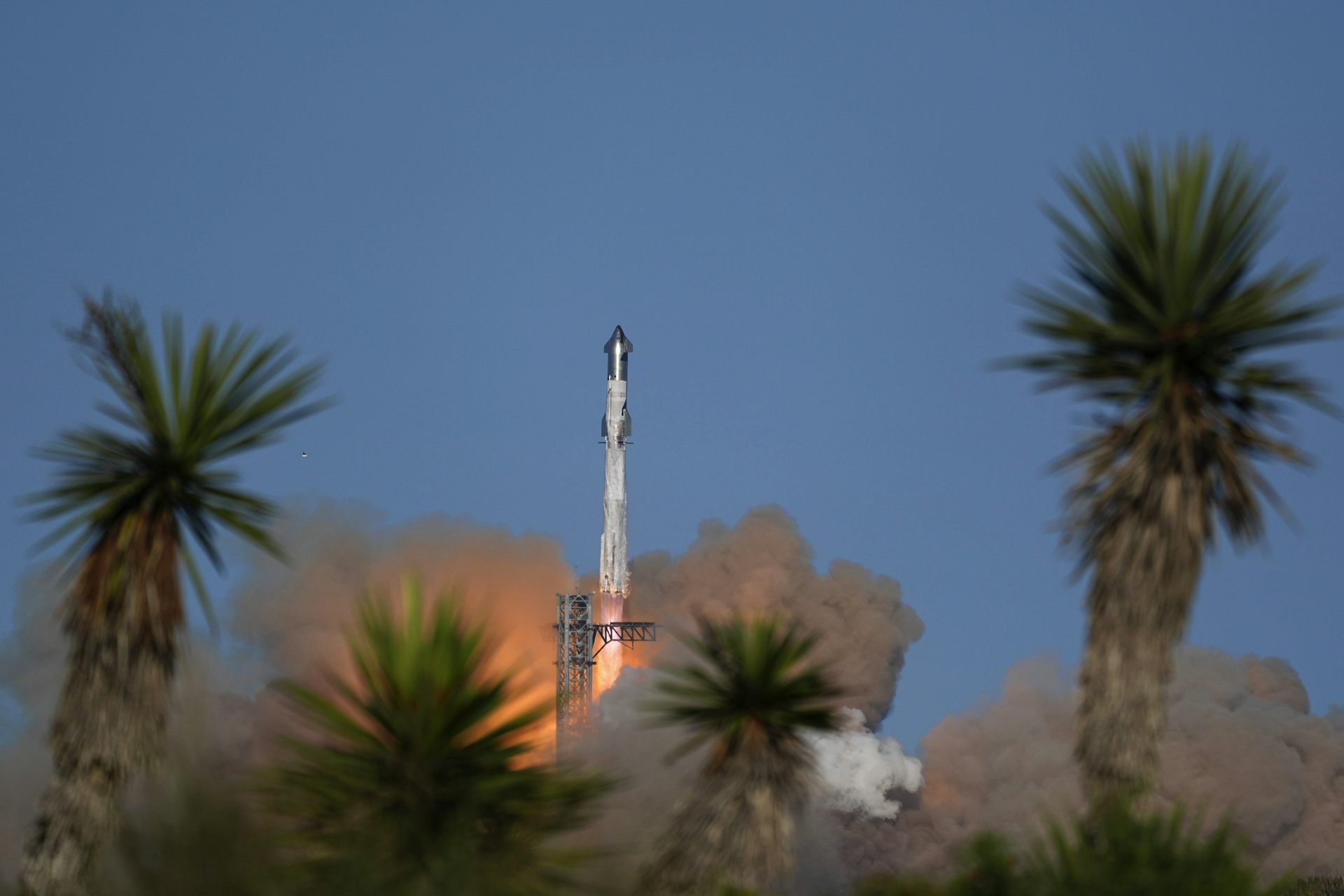
على وشك أن تُدرج شركة سبيس إكس (SpaceX) في البورصة وتختبر أحدث نسخة من صاروخها الضخم “ستار شيب” وسط انتقادات حول تأثيره البيئي.
SpaceX is poised to go public and test the latest version of its massive Starship rocket amidst criticism about its environmental impact
SpaceX is poised to test its latest, most powerful rocket and to become a publicly traded company, all while under pressure from environmentalists.
على وشك أن تختبر سبيس إكس أقوى صواريخها وأحدثها وأن تصبح شركة مدرجة في البورصة، كل ذلك تحت ضغط النشطاء البيئيين.
SpaceX is proceeding with two major milestones with consequences that could be, at a minimum, global. The company, owned by Elon Musk and valued at upwards of US$1.5 trillion, released its financial details on May 20, 2026 in advance of an IPO scheduled for June 12 and anticipated to be the largest in history. Meanwhile, as soon as this evening, May 21, SpaceX plans to test the latest version of its Starship rocket – also the largest of its kind in history – and designed to facilitate a human migration to the Moon and Mars.
تواصل سبيس إكس (SpaceX) تحقيق محطتين رئيسيتين بعواقب قد تكون، على أقل تقدير، عالمية. وأصدرت الشركة، المملوكة لإيلون ماسك وتقدر قيمتها بأكثر من 1.5 تريليون دولار أمريكي، تفاصيلها المالية في 20 مايو 2026، قبل الاكتتاب العام الأولي (IPO) المقرر في 12 يونيو، والذي يُتوقع أن يكون الأكبر في التاريخ. وفي غضون ذلك، وتحديداً مساء اليوم 21 مايو، تخطط سبيس إكس لاختبار أحدث نسخة من صاروخ “ستارشيب” (Starship) التابع لها – وهو أيضاً الأكبر من نوعه في التاريخ – والمصمم لتسهيل هجرة بشرية إلى القمر والمريخ.
But underlying SpaceX’s surges forward are tensions between the company’s activities and concerns about the effects they may be having on the environment.
لكن ما يكمن وراء تقدم سبيس إكس هو التوترات بين أنشطة الشركة والمخاوف بشأن الآثار التي قد تحدثها على البيئة.
These tensions were on display in April 2026 as protests by environmental activists took place outside Starbase, its development and testing facility in South Texas, while SpaceX was courting investors.
وكانت هذه التوترات واضحة في أبريل 2026، حيث أقيمت احتجاجات من قبل نشطاء بيئيين خارج منشأة “ستاربيس” (Starbase) ، وهي منشأة التطوير والاختبار التابعة للشركة في جنوب تكساس، في الوقت الذي كانت فيه سبيس إكس تسعى لجذب المستثمرين.
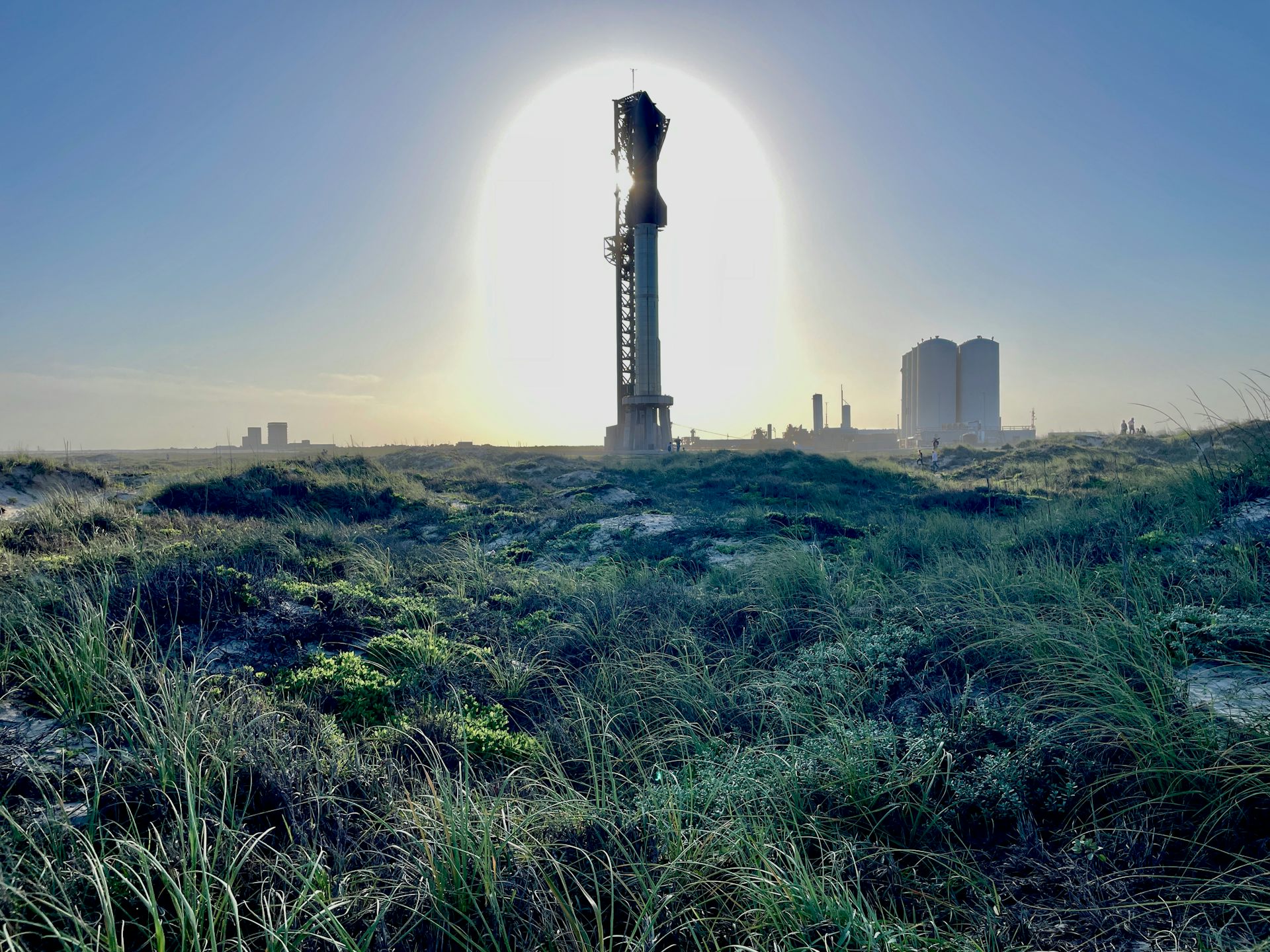
The Starbase facility is located in a sensitive wetland area along the Gulf Coast that serves as a habitat for birds and a nesting site for sea turtles. Concerned about pollution and launch debris damaging these species and others, environmental groups have filed multiple lawsuits against the company. Federal and state agencies have also fined SpaceX for polluting local waterways.
تقع منشأة “ستاربيس” في منطقة أراضٍ رطبة حساسة على طول ساحل الخليج، وتُعد موطناً للطيور وموقعاً تعشيشاً للسلاحف البحرية. وقد قدمت مجموعات بيئية، قلقة من أن يلحق التلوث وحطام الإطلاق الضرر بهذه الأنواع وغيرها، العديد من الدعاوى القضائية ضد الشركة. كما فرضت وكالات فيدرالية وولائية غرامات على سبيس إكس بسبب تلويث المسطحات المائية المحلية.
This conflict is a microcosm of a larger issue: whether the space ambitions of Silicon Valley and Wall Street are fundamentally at odds with the concerns of environmental activists.
ويُعد هذا الصراع نموذجاً مصغراً لقضية أكبر: ما إذا كانت الطموحات الفضائية التي تمثلها وادي السيليكون و وول ستريت تتعارض جوهرياً مع مخاوف النشطاء البيئيين.
Space and conservation at odds?
هل الفضاء والحفاظ على البيئة في تعارض؟
On the one hand, technologies developed for space often have benefits on Earth. And Musk has argued that SpaceX’s long-term goal of building a city on Mars would help protect life, including humans and other species, by ensuring their survival in the event of an Earthly disaster. But space exploration can also do environmental harm, from space debris causing damage to marine or terrestrial ecosystems to rockets producing pollutants and greenhouse gases, which can contribute to climate change.
من ناحية، غالبًا ما تحمل التقنيات المطورة للفضاء فوائد على الأرض. وقد جادل ماسك بأن الهدف طويل الأمد لشركة سبيس إكس (SpaceX) المتمثل في بناء مدينة على المريخ من شأنه أن يساعد في حماية الحياة، بما في ذلك البشر والأنواع الأخرى، من خلال ضمان بقائها في حال وقوع كارثة أرضية. ولكن يمكن لاستكشاف الفضاء أن يسبب أيضًا ضررًا بيئيًا، بدءًا من الحطام الفضائي الذي يتسبب في تلف النظم البيئية البحرية أو الأرضية، وصولًا إلى الصواريخ التي تنتج الملوثات وغازات الاحتباس الحراري، مما يمكن أن يساهم في تغير المناخ.
As an evolutionary ecologist who spent years studying rainforest insects and more than a decade considering the consequences of space settlement, I can understand both sides of this argument.
بصفتي عالم بيئة تطوري قضيت سنوات في دراسة حشرات الغابات المطيرة وأكثر من عقد من الزمان في التفكير في عواقب الاستيطان الفضائي، يمكنني فهم جانبي هذا الجدل.
I’ve been to Starbase to watch a Starship launch and seen the sensitive wetlands surrounding the launch pad. But I’ve also studied the fossil record and understand how events like the asteroid impact 66 million years ago devastated many of the dominant life forms alive at the time, like most dinosaurs. So I understand the motivation to become a multiplanetary species to help avoid that fate.
لقد زرت ستاربيس (Starbase) لمشاهدة إطلاق مركبة ستار شيب (Starship) ورأيت الأراضي الرطبة الحساسة المحيطة بمنصة الإطلاق. ولكني درست أيضًا السجل الأحفوري وأدرك كيف دمرت أحداث مثل اصطدام الكويكبات قبل 66 مليون سنة العديد من أشكال الحياة السائدة في ذلك الوقت، مثل معظم الديناصورات. لذلك، أتفهم الدافع ليصبح النوع متعدد الكواكب للمساعدة في تجنب هذا المصير.
Environmental costs of space travel
التكاليف البيئية لسفر الفضاء
But does the very act of going to space cause more environmental harm than good?
ولكن، هل يسبب مجرد الذهاب إلى الفضاء ضرراً بيئياً أكبر من النفع؟
Depending on the type of fuel used, rocket launches can release pollutants such as black carbon, chlorine gas, methane and carbon dioxide that can contribute to ozone depletion and climate change. However, some liquid fuels like methane – which is what SpaceX uses for its massive Starship rocket – are cleaner-burning, producing mainly water and carbon dioxide as byproducts.
اعتماداً على نوع الوقود المستخدم، يمكن لإطلاق الصواريخ أن يطلق ملوثات مثل الكربون الأسود وغاز الكلور والميثان وثاني أكسيد الكربون، والتي يمكن أن تساهم في استنزاف الأوزون وتغير المناخ. ومع ذلك، فإن بعض الوقود السائل مثل الميثان – وهو ما تستخدمه شركة سبيس إكس (SpaceX) لصاروخها الضخم ستار شيب (Starship) – يحترق بشكل أنظف، وينتج بشكل رئيسي الماء وثاني أكسيد الكربون كمنتجات ثانوية.
There can also be local ecological impacts, including damage to nearby vegetation or harm to wildlife, such as the destruction of bird nests. Noise pollution from the sound of a launch can stress some animals or interfere with their natural behaviors.
قد تكون هناك أيضاً تأثيرات بيئية محلية، بما في ذلك تلف الغطاء النباتي القريب أو ضرر بالحياة البرية، مثل تدمير أعشاش الطيور. ويمكن أن يسبب التلوث الضوضائي الناتج عن صوت الإطلاق إجهاداً لبعض الحيوانات أو يتداخل مع سلوكياتها الطبيعية.
As the frequency of rocket launches increases, these potential impacts are becoming a greater concern. In 2025, there were a total of 324 launches worldwide, which sent a staggering 4,510 objects into space. Both were new records. And these numbers don’t include suborbital launches – those that involve a shorter, up-and-down trajectory – or test launches, such as those for SpaceX’s Starship.
مع تزايد وتيرة إطلاق الصواريخ، أصبحت هذه التأثيرات المحتملة مصدر قلق متزايد. ففي عام 2025، كان هناك ما مجموعه 324 إطلاقاً على مستوى العالم، أرسلت 4,510 جسمًا مذهلاً إلى الفضاء. وكلاهما كان رقماً قياسياً جديداً. ولا تشمل هذه الأرقام الإطلاقات شبه المدارية – تلك التي تنطوي على مسار أقصر صعوداً وهبوطاً – أو الإطلاقات التجريبية، مثل تلك الخاصة بصاروخ ستار شيب التابع لشركة سبيس إكس.
Benefits of space exploration
فوائد استكشاف الفضاء
But there can also be ways in which space exploration directly benefits people back on Earth.
ولكن يمكن أن تكون هناك أيضًا طرق يستفيد بها استكشاف الفضاء بشكل مباشر على الناس على الأرض.
Technological innovations created for living in space have already directly benefited some sustainability efforts on Earth. These include methods for recycling water and managing waste.
لقد استفادت الابتكارات التكنولوجية التي أُنشئت للعيش في الفضاء بالفعل بشكل مباشر من بعض جهود الاستدامة على الأرض. وتشمل هذه الطرق إعادة تدوير المياه وإدارة النفايات.
Space technologies such as satellites have also become essential tools for researchers who study and monitor our planet’s ecosystems and how they are changing.
كما أصبحت تقنيات الفضاء، مثل الأقمار الصناعية، أدوات أساسية للباحثين الذين يدرسون ويراقبون النظم البيئية لكوكبنا وكيف تتغير.
NASA is working with SpaceX and other commercial space companies to build a base on the Moon within the next decade. Having people live on the Moon will require further technological developments that could have helpful spinoffs to use back on Earth.
تعمل وكالة ناسا مع سبيس إكس وشركات الفضاء التجارية الأخرى لبناء قاعدة على القمر في غضون العقد القادم. سيتطلب عيش الناس على القمر المزيد من التطورات التكنولوجية التي قد يكون لها تطبيقات مساعدة يمكن استخدامها على الأرض.
For example, finding ways to grow food in such an austere environment could lead to new ways to feed people in regions on Earth where agriculture has traditionally been limited by environmental constraints.
على سبيل المثال، يمكن أن يؤدي إيجاد طرق لزراعة الغذاء في بيئة قاسية كهذه إلى طرق جديدة لإطعام الناس في مناطق على الأرض حيث كان الزراعة تقليديًا مقيدة بالقيود البيئية.
Looking back at the Earth
النظر إلى الأرض
Another way space exploration could benefit conservation efforts is by motivating people to be more environmentally minded.
إحدى الطرق التي يمكن أن يستفيد بها استكشاف الفضاء من جهود الحفاظ على البيئة هي تحفيز الناس ليكونوا أكثر وعيًا بالبيئة.
The environmental movement that began in the 1970s was inspired in part by the perspective offered by the Earthrise photo taken during the Apollo 8 mission in 1968. Seeing the Earth with your own eyes can be even more moving, according to those who have experienced it. They point out that borders between nations are largely invisible, but that human impacts on the planet like deforestation, wildfires and the bright lights of cities at night can be quite evident.
تأثرت الحركة البيئية التي بدأت في السبعينيات جزئيًا بالمنظور الذي قدمته صورة “شروق الأرض” التي التُقطت خلال مهمة أبولو 8 في عام 1968. فبالنسبة لأولئك الذين مروا بتجربة رؤيتها، يمكن أن يكون رؤية الأرض بعينيك أكثر تأثيراً. ويشيرون إلى أن الحدود بين الدول غير مرئية إلى حد كبير، ولكن التأثيرات البشرية على الكوكب مثل إزالة الغابات، وحرائق الغابات، والأضواء الساطعة للمدن ليلاً يمكن أن تكون واضحة تماماً.
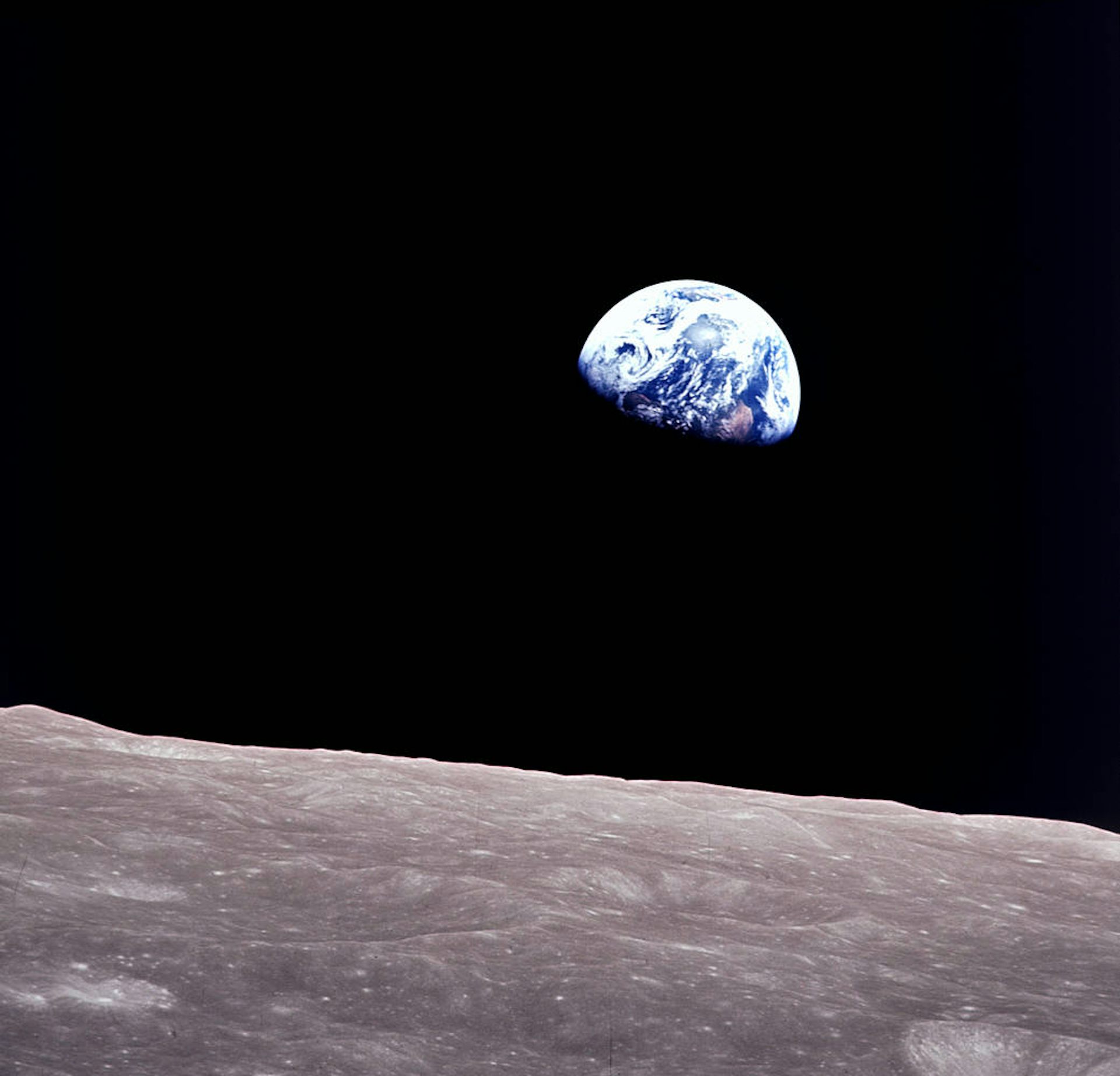
Also visible from space is a thin, blue line that seems to hover just above our planet’s surface: the atmosphere. It’s a reminder that there is only a narrow zone that allows life on Earth to flourish, and that we must protect it.
كما يظهر من الفضاء خط أزرق رقيق يبدو وكأنه يحوم فوق سطح كوكبنا: الغلاف الجوي. إنه تذكير بأن هناك منطقة ضيقة فقط تسمح بازدهار الحياة على الأرض، ويجب علينا حمايتها.
Astronauts frequently come back to Earth more motivated to protect the environment. Some, like Scott Kelly and Nicole Stott, became dedicated environmentalists after the experience of being in space. As space becomes more accessible and a greater number of people have these transformative experiences, there could be more support for conservation and sustainability.
غالباً ما يعود رواد الفضاء إلى الأرض أكثر حماساً لحماية البيئة. وقد أصبح بعضهم، مثل سكوت كيلي ونيكول ستوت، نشطاء بيئيين متفانين بعد تجربة التواجد في الفضاء. ومع تزايد سهولة الوصول إلى الفضاء وعدد الأشخاص الذين يمرون بهذه التجارب التحويلية، يمكن أن يكون هناك المزيد من الدعم للحفاظ على البيئة والاستدامة.
Do these benefits outweigh the environmental costs? Ultimately, whether going to space is a net benefit or a cost to the environment may come down to individual choices. The choice of rocket fuel matters. But so does the location of launch sites. Those near the coast are better for human safety because falling debris is more likely to come down over the ocean than a city. But some coastal locations host more significant wildlife habitats than others.
هل تفوق هذه الفوائد التكاليف البيئية؟ في نهاية المطاف، قد يعتمد ما إذا كان الذهاب إلى الفضاء فائدة صافية أم تكلفة على البيئة على الخيارات الفردية. إن اختيار وقود الصاروخ مهم. وكذلك موقع مواقع الإطلاق. فالمواقع القريبة من الساحل أفضل للسلامة البشرية لأن احتمال سقوط الحطام يكون أكبر فوق المحيط منه فوق المدينة. ولكن بعض المواقع الساحلية تستضيف موائل برية أكثر أهمية من غيرها.
What goes up…
ما يصعد…
Decisions about what to send to space are also important. After all, what goes up must come down. Debris from space, such as defunct satellites, can burn up during reentry, but occasionally pieces reach the ground intact. When they do they can create litter, not to mention the potential for causing damage to people, property and wildlife.
القرارات المتعلقة بما يجب إرساله إلى الفضاء مهمة أيضاً. ففي نهاية المطاف، ما يصعد يجب أن ينزل. يمكن أن يحترق الحطام القادم من الفضاء، مثل الأقمار الصناعية المعطلة، أثناء إعادة الدخول، ولكن في بعض الأحيان تصل القطع إلى الأرض سليمة. وعندما يحدث ذلك، يمكن أن تخلق مخلفات، ناهيك عن احتمال التسبب في أضرار للأشخاص والممتلكات والحياة البرية.
Objects that remain in orbit also contribute to concerns about polluting the space environment, potentially making it more dangerous to travel into space because of the risk of high speed collisions.
تساهم الأجسام التي تبقى في المدار أيضاً في المخاوف بشأن تلوث البيئة الفضائية، مما قد يجعل السفر إلى الفضاء أكثر خطورة بسبب خطر التصادمات عالية السرعة.
Perhaps new technologies to help advance human pursuits in space, like living on the Moon, will help solve some of our environmental challenges. The increasing number of people who get the opportunity to travel to space may be so profoundly affected by the experience that they take actions with environmental benefits.
ربما تساعد التقنيات الجديدة التي تهدف إلى تعزيز المساعي البشرية في الفضاء، مثل العيش على القمر، في حل بعض تحدياتنا البيئية. وقد يتأثر العدد المتزايد من الأشخاص الذين تتاح لهم فرصة السفر إلى الفضاء بعمق بهذه التجربة لدرجة أنهم يتخذون إجراءات ذات فوائد بيئية.
As the space economy continues to develop, the balance between expanding humanity’s presence beyond our home planet and concerns about protecting it will only intensify.
مع استمرار تطور الاقتصاد الفضائي، سيزداد التوتر بين توسيع وجود البشرية خارج كوكبنا الأصلي والمخاوف المتعلقة بحمايته.
Scott Solomon has received funding from the National Science Foundation. He is the author of the book “Becoming Martian: How Living in Space Will Change Our Bodies and Minds” published by MIT Press.
تلقى سكوت سولومون تمويلاً من المؤسسة الوطنية للعلوم. وهو مؤلف كتاب “أن تصبح مريخيًا: كيف سيغير العيش في الفضاء أجسادنا وعقولنا”، الذي نشرته مطبعة معهد ماساتشوستس للتكنولوجيا (MIT Press) .
Read more
-

لماذا يتم السخرية من هتافات كأس العالم الأمريكية – وما الذي يجعل الهتاف رائعاً؟
Why the US World Cup chants are being mocked – and what makes a great one
-
يستقيل الرئيس التنفيذي لشركة آبل، تيم كوك، بعد 15 عامًا. ما هو التالي لعملاق التكنولوجيا هذا؟
Apple chief executive Tim Cook resigns after 15 years. What’s next for the tech giant?