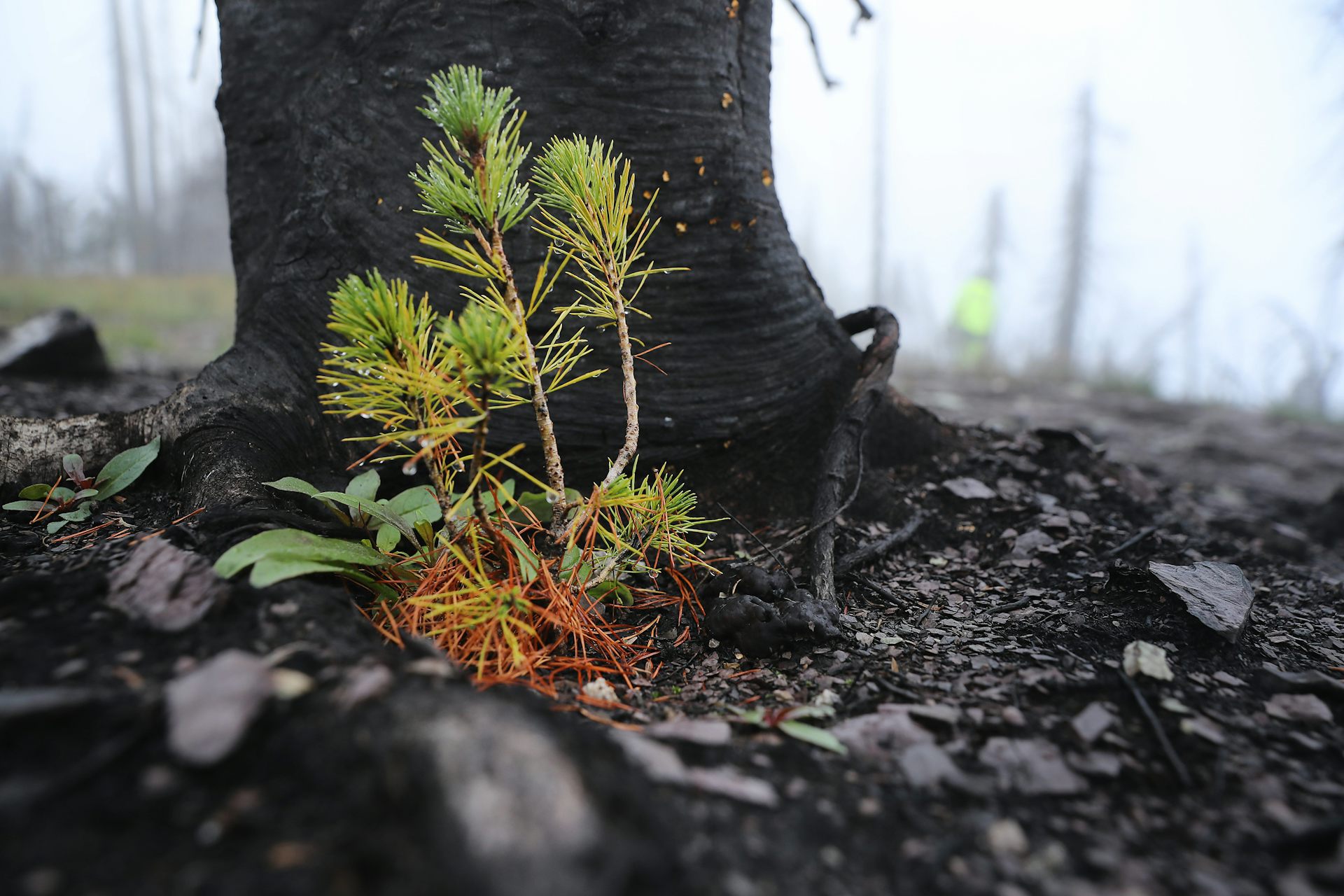
الحياة بعد الموت: من الأشجار المحترقة إلى الشعاب المرجانية المُبيَّضة، كيف تعيش الكائنات الميتة كعناصر بناء للحياة الجديدة
Life after death: From burned trees to bleached corals, how dead organisms live on as the building blocks of new life
The dead remains of foundation species can boost or deter how well future generations are able to grow and thrive.
يمكن لبقايا الأنواع الأساسية أن تعزز أو تثبط مدى قدرة الأجيال القادمة على النمو والازدهار.
People’s knee-jerk reaction to seeing death in nature is often not positive. The burn scar left by wildfire on a once-forested hillside, or a ghostly white coral reef, may evoke tragedy and despair. But in nature, most plants and animals are recycled back into new life.
إن رد الفعل الغريزي لدى البشر عند رؤية الموت في الطبيعة غالبًا ما لا يكون إيجابيًا. قد يثير الندب الناتج عن حرائق الغابات على منحدر كان مغطى بالغابات، أو الشعاب المرجانية البيضاء الشاحبة، مشاعر المأساة واليأس. ولكن في الطبيعة، يتم إعادة تدوير معظم النباتات والحيوانات إلى حياة جديدة.
The fallen branches and leaves that crunch under your boots as you step on the forest floor are providing nutrients for new growth as they decompose. Empty shells can become the foundations for new sea life to grow. Dead organic matter left over after a harvest supports soils and the production of food that feeds people worldwide.
تُوفِّر الأغصان والأوراق المتساقطة التي تُصدر صوت قرمشة تحت حذائك وأنت تخطو على أرض الغابة مغذيات للنمو الجديد أثناء تحللها. ويمكن أن تصبح الأصداف الفارغة أساسًا لنمو حياة بحرية جديدة. كما تدعم المواد العضوية الميتة المتبقية بعد الحصاد التربة وإنتاج الغذاء الذي يغذي البشر في جميع أنحاء العالم.
These remnants of life can set both the pace and outcome of ecosystem recovery, enabling life to persist and thrive, or preventing it from doing so.
يمكن لهذه البقايا من الحياة أن تحدد وتيرة ونتائج تعافي النظام البيئي، مما يمكّن الحياة من الاستمرار والازدهار، أو منعها من القيام بذلك.
Ecologists, like us, refer to this as ecological memory, where remnants of the past influence how ecosystems look and behave in the present. Similar to human memories, traumatic events can have the strongest influences in nature: Fires, storms, heat waves and outbreaks of pests or disease can cause widespread death of plants and animals, leaving behind abundant and lasting physical remains.
يشير علماء البيئة، مثلنا، إلى هذا باسم “الذاكرة البيئية”، حيث تؤثر بقايا الماضي على شكل وسلوك النظم البيئية في الحاضر. وعلى غرار الذكريات البشرية، يمكن للأحداث الصادمة أن يكون لها أقوى التأثيرات في الطبيعة: فالحرائق والعواصف وموجات الحر وتفشي الآفات أو الأمراض يمكن أن تسبب موتًا واسع النطاق للنباتات والحيوانات، تاركة وراءها بقايا مادية وفيرة ودائمة.
In a new paper published in Science Advances, working with colleagues around the country, we show how death plays nuanced and powerful roles in nature’s afterlife.
في ورقة بحثية جديدة نُشرت في مجلة “ساينس أدفانسز”، ونعمل فيها مع زملاء من جميع أنحاء البلاد، نوضح كيف يلعب الموت أدوارًا دقيقة وقوية في حياة الطبيعة بعد الموت.
In some cases, dead organisms prevent life from returning after an extreme event. In other cases, they make ecosystems more resilient by fueling regeneration of new life and hastening recovery. Understanding this afterlife and its influence on ecosystems will be increasingly valuable for helping ecosystems recover in a changing climate.
في بعض الحالات، تمنع الكائنات الميتة عودة الحياة بعد حدث شديد. وفي حالات أخرى، تجعل النظم البيئية أكثر مرونة عن طريق تغذية تجدد الحياة الجديدة وتسريع التعافي. وسيكون فهم هذه “الحياة ما بعد الموت” وتأثيرها على النظم البيئية ذا قيمة متزايدة للمساعدة في تعافي الأنظمة البيئية في مناخ متغير.
Foundation species – nature’s architects
أنواع الأنظمة الأساسية – مهندسو الطبيعة
Our study focused on a set of ecologically important organisms, known as foundation species. These are abundant and iconic organisms, such as trees, grasses, oysters and corals, that create the natural infrastructure on which entire communities of organisms exist.
ركزت دراستنا على مجموعة من الكائنات الحية ذات الأهمية البيئية، تُعرف باسم “الأنواع الأساسية.” وهي كائنات وفيرة وأيقونية، مثل الأشجار والأعشاب والمحار والشعاب المرجانية، التي تخلق البنية التحتية الطبيعية التي توجد عليها مجتمعات الكائنات الحية بأكملها.
Foundation species can be found everywhere, from the depths of the oceans to the summits of mountains. Because they are so abundant while alive, they can remain abundant after they die. And their influence can carry on in an afterlife that shapes the trajectories of ecosystems, either supporting recovery to the ecosystem’s original structure or transforming it into a new one.
يمكن العثور على الأنواع الأساسية في كل مكان، من أعماق المحيطات إلى قمم الجبال. ولأنها وفيرة للغاية وهي حية، يمكن أن تظل وفيرة حتى بعد موتها. ويمكن لتأثيرها أن يستمر في حياة ما بعد الموت يشكل مسارات النظم البيئية، سواء بدعم التعافي نحو الهيكل الأصلي للنظام البيئي أو بتحويله إلى نظام جديد.
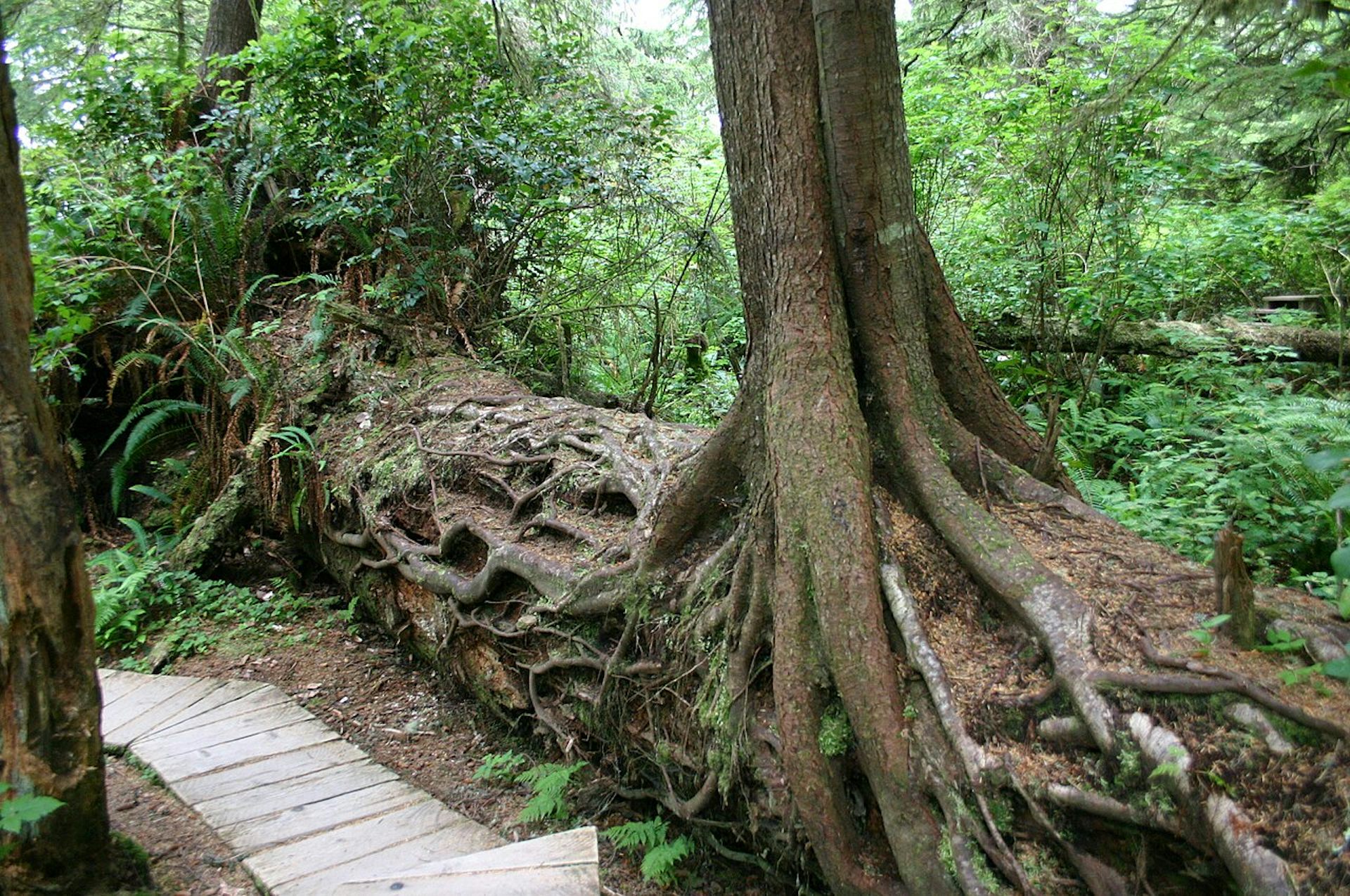
To investigate how the dead remains of foundation species affect the ability of their living counterparts to establish, grow and survive, we tapped into a U.S. National Science Foundation network of Long Term Ecological Research. Scientists at these sites track populations of foundation species across a diversity of ecosystems that have experienced different extreme events.
ولتحقيق فهم لكيفية تأثير بقايا الأنواع الأساسية الميتة على قدرة نظيراتها الحية على الاستقرار والنمو والبقاء، اعتمدنا شبكة أبحاث بيئية طويلة الأجل التابعة لمؤسسة العلوم الوطنية الأمريكية. يتتبع العلماء في هذه المواقع تجمعات الأنواع الأساسية عبر مجموعة متنوعة من النظم البيئية التي مرت بأحداث قصوى مختلفة.
We looked at coral reefs, mangrove forests, salt marshes, kelp forests, oyster reefs, tropical rainforests, temperate rainforests, hemlock forests, tallgrass prairies and boreal forests, ranging from the tropics to just shy of the Arctic Circle.
لقد نظرنا في الشعاب المرجانية، وغابات أشجار المانغروف، والمستنقعات المالحة، وغابات عشب البحر (الكيلب) ، وشعاب المحار، والغابات المطيرة الاستوائية، والغابات المطيرة المعتدلة، وغابات الهملاك، ومراعي الأعشاب الطويلة، والغابات الشمالية، وتتراوح هذه المواقع من المناطق الاستوائية إلى ما يقرب من الدائرة القطبية الشمالية.
We found that, following extreme events, the dead affect the living more commonly than we expected. The dead foundation species either significantly increased or decreased living foundation species in nine out of the 10 ecosystems we studied – the kelp forest was the only exception.
وجدنا أنه بعد الأحداث القصوى، يؤثر الموت على الحياة أكثر مما توقعنا. فقد زادت الأنواع الأساسية الميتة أو قللت بشكل كبير من أنواعها الحية في تسعة أنظمة بيئية من أصل عشرة دراستها – وكانت غابة عشب البحر هي الاستثناء الوحيد.
In roughly half of the cases, dead foundation species hampered the ability of their living counterparts to reestablish, grow and survive after extreme events.
في ما يقرب من نصف الحالات، أعاقت الأنواع الأساسية الميتة قدرة نظيراتها الحية على إعادة التأسيس والنمو والبقاء بعد الأحداث القصوى.
Take the tropical montane rainforest of Puerto Rico. This ecosystem is periodically walloped by hurricanes that strip its canopy and blanket the forest floor with tree branches and leaves. This layer of debris chokes off sunlight needed by the seedlings below and reduces the number that emerge to replace the trees lost during the storm, ultimately slowing the forest’s recovery.
خذوا على سبيل المثال الغابات المطيرة الجبلية الاستوائية في بورتوريكو. يتعرض هذا النظام البيئي بشكل دوري لإعصار يجرّد غطائه ويغطي أرضية الغابة بأغصان وأوراق الأشجار. تعمل طبقة الحطام هذه على خنق ضوء الشمس اللازم للشتلات الموجودة بالأسفل وتقلل من عدد الشتلات التي تظهر لتحل محل الأشجار المفقودة أثناء العاصفة، مما يبطئ في نهاية المطاف تعافي الغابة.
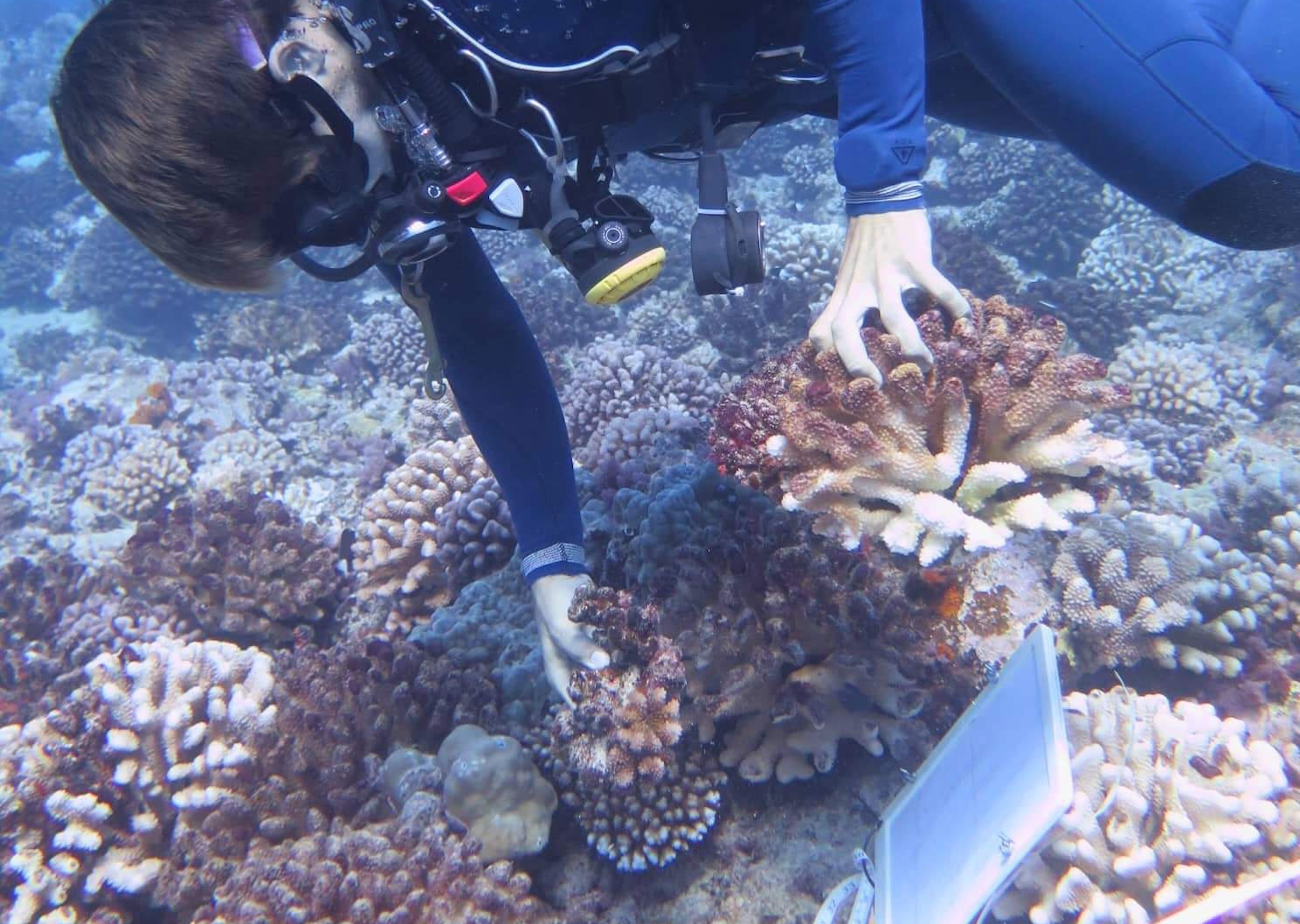
The South Pacific coral reefs of Moorea present a more extreme example. Marine heat waves that cause coral bleaching can transform these reefs into something fundamentally different: ghost towns of dead skeletons overgrown by seaweeds. The nooks and crannies of the standing coral skeletons provide an opportunity for the seaweeds, which compete with coral for reef space, to proliferate and take over the reef, preventing the return of corals.
تقدم الشعاب المرجانية في موّرا بالبحر الهادئ مثالاً أكثر تطرفًا. يمكن لموجات الحرارة البحرية التي تسبب ابيضاض المرجان أن تحول هذه الشعاب إلى شيء مختلف جوهريًا: مدن أشباح من الهياكل العظمية الميتة المغطاة بالطحالب البحرية. توفر الزوايا والشقوق في هياكل المرجان الواقف فرصة للطحالب البحرية، التي تنافس المرجان على مساحة الشعاب، للتكاثر والاستيلاء على الشعاب، مما يمنع عودة المرجان.
But in the other cases we studied, we found that dead organisms actually promote the regeneration of their living counterparts.
ولكن في الحالات الأخرى التي درسناها، وجدنا أن الكائنات الميتة تعزز بالفعل تجدد نظيراتها الحية.
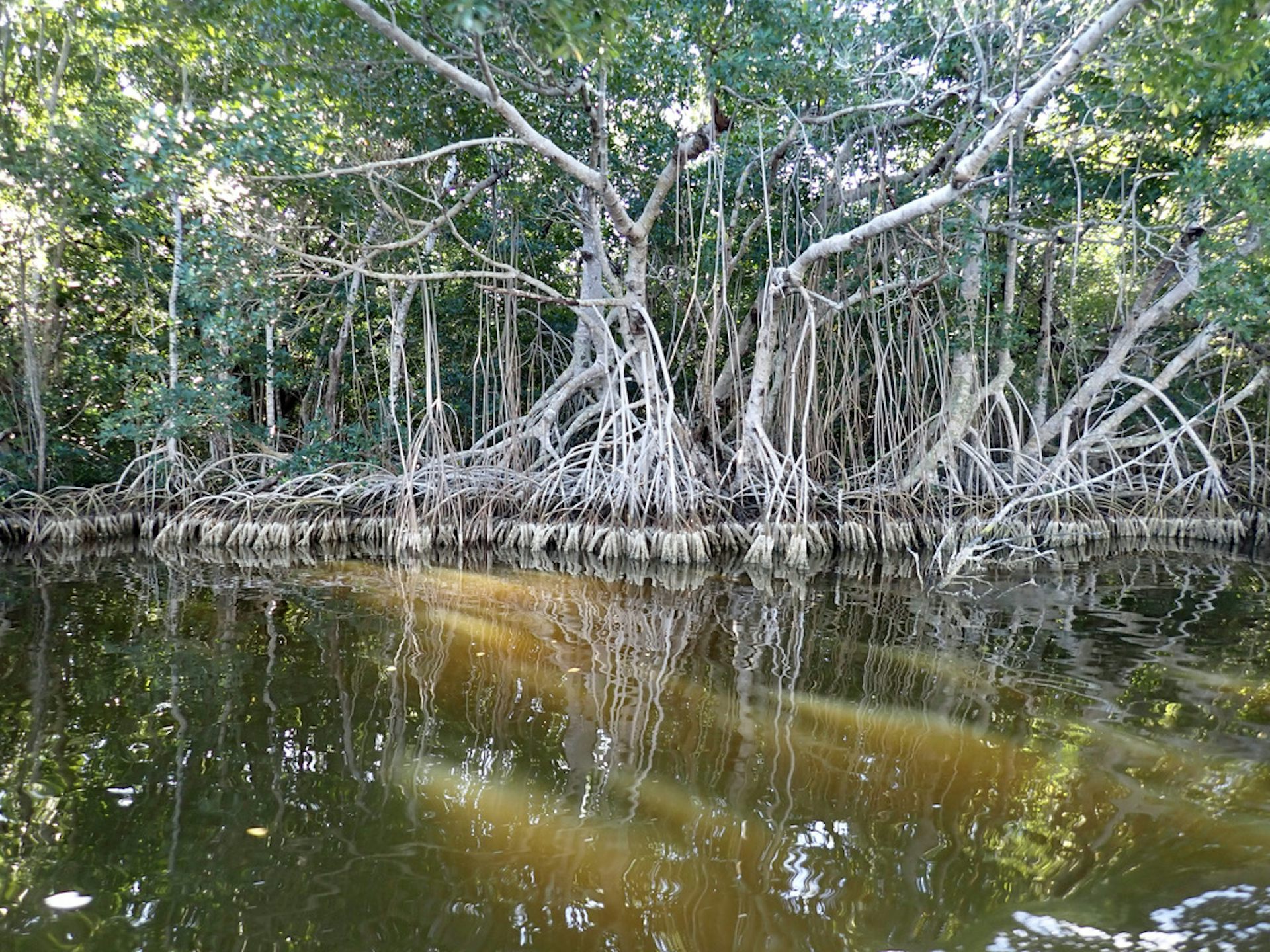
For example, the mangrove forests of the Florida Everglades actually benefit from storm-generated debris. During a hurricane, leaf litter blown or washed out of the canopy ended up in the complex network of roots below, providing a pulse of nutrients that enhanced the production of new roots and hastened mangrove recovery.
على سبيل المثال، تستفيد غابات المانغروف في إيفرجليدز فلوريدا فعليًا من الحطام الناتج عن العواصف. أثناء الإعصار، تصل بقايا الأوراق التي تهب أو تُجرف من الغطاء إلى شبكة الجذور المعقدة بالأسفل، مما يوفر دفعة من العناصر الغذائية عززت إنتاج جذور جديدة وسرّعت تعافي المانغروف.
In the Eastern hemlock forests of New England, an outbreak of a tree-killing pest – the woolly adelgid – left behind wide swaths of standing dead trees. But unlike the dead skeletons on a bleached reef, these dead trees often help new hemlock saplings grow by maintaining a favorable climate on the ground below.
في غابات الهملاك الشرقية في نيو إنجلاند، ترك تفشي آفة قاتلة للأشجار – وهي حشرة “الأديلجيد الصوفي” – وراءه مساحات واسعة من الأشجار الميتة الواقفة. ولكن على عكس الهياكل العظمية الميتة على الشعاب المرجانية المبيضة، غالبًا ما تساعد هذه الأشجار الميتة شتلات الهملاك الجديدة على النمو عن طريق الحفاظ على مناخ مواتٍ في الأرض أدناه.
The question now is, how can humanity use this information to fortify the resilience of ecosystems after extreme events?
السؤال الآن هو، كيف يمكن للبشرية استخدام هذه المعلومات لتعزيز مرونة النظم البيئية بعد الأحداث القصوى؟
How humans can help
كيف يمكن للبشر المساعدة
As humans, many of us rely on therapy to help manage how traumatic memories affect our lives. We can also help ecosystems manage the remnants of dead organisms after disasters in several ways.
بصفتنا بشرًا، يعتمد الكثير منا على العلاج لمساعدتنا في إدارة كيفية تأثير الذكريات المؤلمة على حياتنا. يمكننا أيضًا مساعدة النظم البيئية في إدارة بقايا الكائنات الميتة بعد الكوارث بعدة طرق.
On land, standing dead trees are sometimes felled to create “nurse logs,” which release nutrients that nourish living trees. Dead grass litter is removed using prescribed burning to create better conditions for new grass to grow. On the coasts, dead oyster shells are deposited onto mud flats, and the rubble of coral skeletons is either stabilized or removed to create more solid substrates where new oysters and corals can settle, grow and thrive.
على اليابسة، يتم أحيانًا قطع الأشجار الميتة القائمة لإنشاء “جذوع ممرضة” (nurse logs) ، التي تطلق مغذيات تغذي الأشجار الحية. تتم إزالة الأوراق العشبية الميتة باستخدام الحرق المُقنّن لخلق ظروف أفضل لنمو العشب الجديد. وعلى السواحل، يتم ترسيب أصداف المحار الميت على المستنقعات الطينية، ويتم تثبيت أو إزالة أنقاض هياكل الشعاب المرجانية لتكوين ركائز أكثر صلابة حيث يمكن للمحارات والشعاب المرجانية الجديدة الاستقرار والنمو والازدهار.
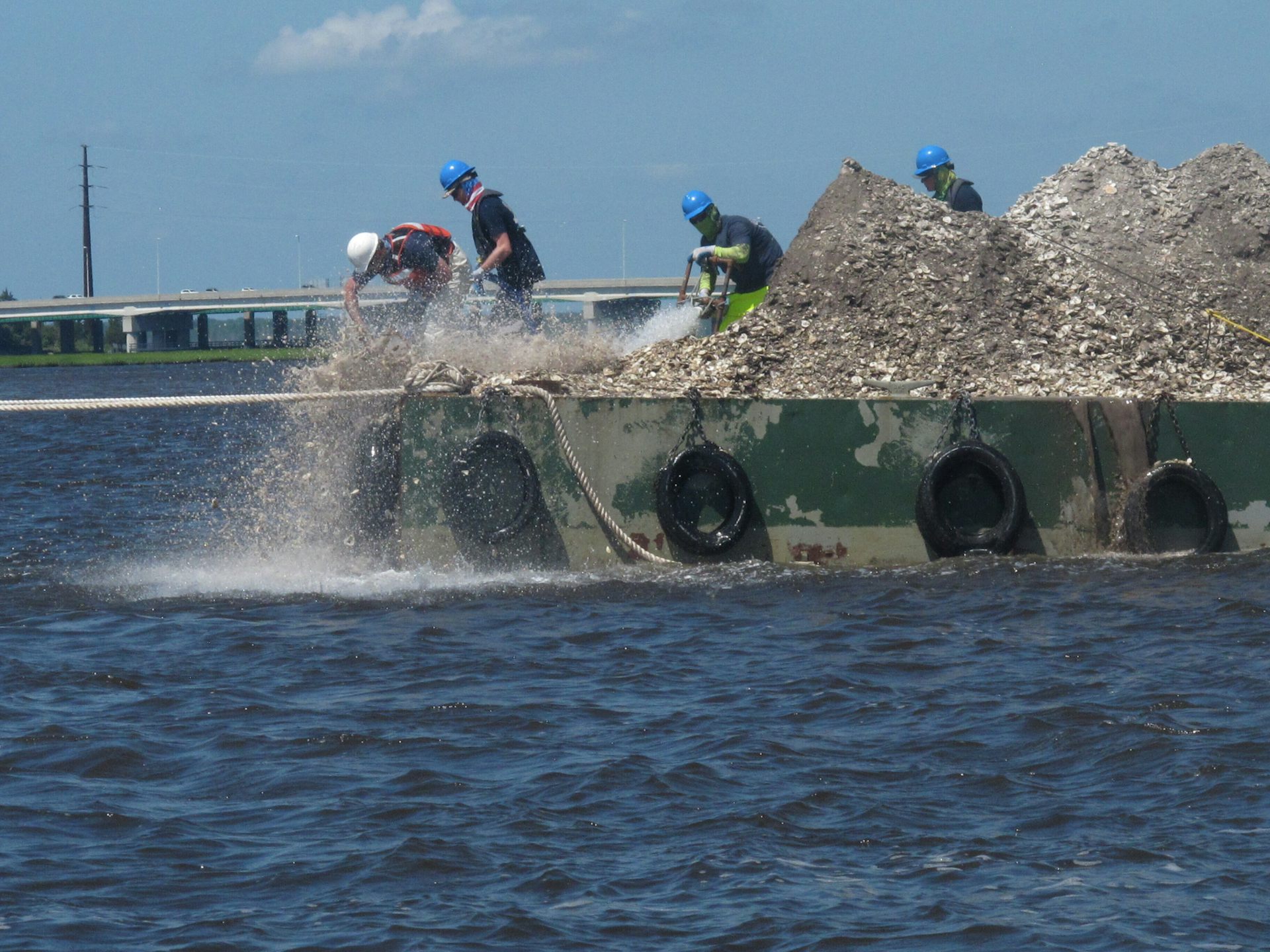
As rising temperatures create more frequent extreme events and trigger more die-offs, dead foundation species will be useful to help guide ecosystem recoveries afterward.
مع ارتفاع درجات الحرارة وخلق أحداث قصوى أكثر تواتراً وتحفيز المزيد من النفوق، ستكون الأنواع الأساسية الميتة مفيدة للمساعدة في توجيه تعافي النظم البيئية بعد ذلك.
Where there is life, there is death
حيثما توجد حياة، يوجد موت
When you’re in nature, whether hiking in a forest or snorkeling on a tropical reef, your attention is typically drawn to the life that exists in these places. But if you take a closer look, you may notice that death is all around, too.
عندما تكون في الطبيعة، سواء كنت تتنزه في غابة أو تغوص السطحي على شعاب مرجانية استوائية، فإن انتباهك ينجذب عادةً إلى الحياة الموجودة في هذه الأماكن. ولكن إذا نظرت عن كثب، فقد تلاحظ أن الموت موجود في كل مكان أيضًا.
Death is an integral part of life. The quicker we all learn to embrace its capacity to be a transformative force, and find ways to use the remnants left in its wake, the better we will be able to help nature and ourselves thrive into the future.
الموت جزء لا يتجزأ من الحياة. فكلما تعلمنا جميعًا بشكل أسرع احتضان قدرته على أن يكون قوة تحويلية، ووجدنا طرقًا لاستخدام البقايا التي يتركها في مساره، كنا أفضل في مساعدة الطبيعة وأنفسنا على الازدهار في المستقبل.
Kai Kopecky receives funding from the National Science Foundation and the LTER Network Office.
يتلقى كاي كوبيتسكي تمويلاً من المؤسسة الوطنية للعلوم ومكتب شبكة LTER.
John Kominoski works for Florida International University.
يعمل جون كومينوسكي لدى جامعة فلوريدا الدولية.
Read more
-

“ستموت حضارة بأكملها الليلة”: تهديد ترامب بالإبادة الجماعية ضد إيران يمثل أدنى مستوى جديد لأمريكا
‘A whole civilisation will die tonight’: Trump’s genocide threat against Iran was another new low for America
-
يطعم الأرز مليارات البشر – لكن دوره في تغذية تغير المناخ يتزايد
Rice feeds billions of people – but its role in fueling climate change is growing