يطعم الأرز مليارات البشر – لكن دوره في تغذية تغير المناخ يتزايد
Rice feeds billions of people – but its role in fueling climate change is growing
There are ways to reduce emissions without sacrificing yield. A new study shows how, and looks at a technique billed as ‘climate-friendly’ that makes emissions worse.
هناك طرق لتقليل الانبعاثات دون التضحية بالإنتاج. وتُظهر دراسة جديدة كيف يمكن تحقيق ذلك، وتتناول تقنية وُصفت بأنها “صديقة للمناخ” لكنها تزيد الانبعاثات سوءاً.
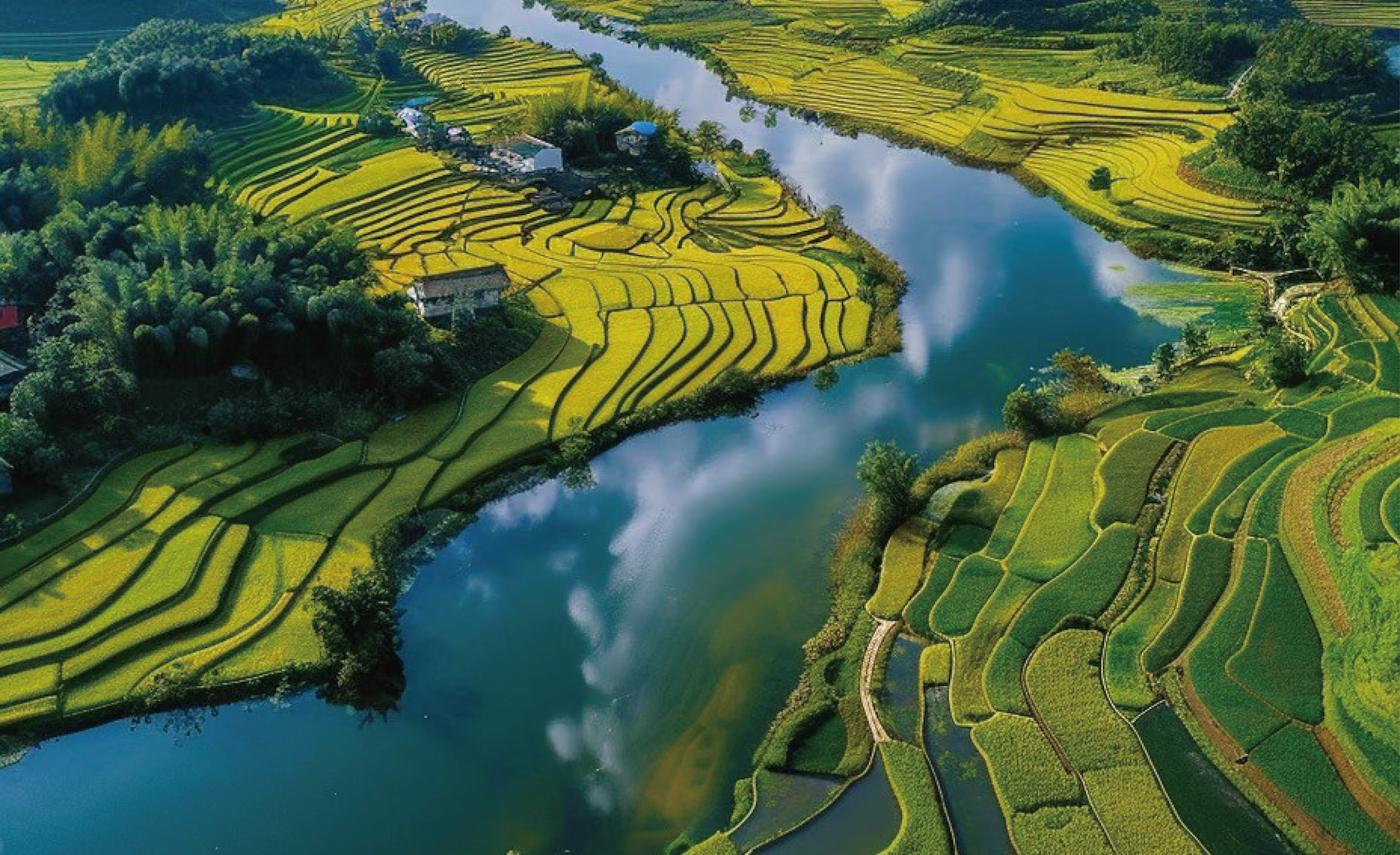
Rice feeds more than half the world. From terraced paddies in Southeast Asia to irrigated fields in China and India, it underpins daily meals for billions of people.
الأرز يطعم أكثر من نصف العالم. فمن حقول الأرز المدرجة في جنوب شرق آسيا إلى الحقول المروية في الصين والهند، يشكل أساس الوجبات اليومية لمليارات البشر.
But the same flooded soils that help rice thrive also create ideal conditions for microbes that release climate-warming gases.
لكن التربة المغمورة نفسها التي تساعد الأرز على الازدهار تخلق أيضًا ظروفًا مثالية للميكروبات التي تطلق غازات الاحترار المناخي.
In a new study, our team of environment and agriculture scientists found that greenhouse gas emissions from rice paddies have nearly doubled globally since the 1960s, averaging about 1.1 billion tons of carbon dioxide-equivalent emissions per year in the 2010s. That’s roughly equal to the annual emissions of 239 million cars.
في دراسة جديدة، وجد فريقنا من علماء البيئة والزراعة أن انبعاثات غازات الاحتباس الحراري من حقول الأرز تضاعفت تقريبًا عالميًا منذ الستينيات، بمتوسط حوالي 1.1 مليار طن من انبعاثات مكافئ ثاني أكسيد الكربون سنويًا في العقد الثاني من القرن الحادي والعشرين. وهذا يعادل تقريبًا الانبعاثات السنوية لـ 239 مليون سيارة.
This makes rice-growing the largest emissions source in agriculture outside of livestock, and rice demand is expected to keep rising.
هذا يجعل زراعة الأرز أكبر مصدر للانبعاثات في القطاع الزراعي بخلاف الثروة الحيوانية، ومن المتوقع أن يستمر الطلب على الأرز في الارتفاع.
Farmers have ways to reduce their rice crops’ emissions without lowering their yields. If every grower used the best currently available “climate-smart” options, we found that global rice emissions could be reduced by about 10% by midcentury. However, greater reductions are needed to slow climate change, which would require developing additional, more effective strategies.
لدى المزارعين طرق لتقليل انبعاثات محاصيل الأرز دون خفض إنتاجها. إذا استخدم كل مزارع أفضل الخيارات المتاحة حاليًا “الذكية مناخيًا”، وجدنا أن انبعاثات الأرز العالمية يمكن أن تنخفض بنحو 10% بحلول منتصف القرن. ومع ذلك، هناك حاجة إلى تخفيضات أكبر لإبطاء تغير المناخ، الأمر الذي سيتطلب تطوير استراتيجيات إضافية وأكثر فعالية.
Why rice emissions have increased
لماذا زادت انبعاثات الأرز
Rice emissions have risen for two reasons: the expansion of rice cultivation area and the intensification of management practices.
ارتفعت انبعاثات الأرز لسببين: توسع مساحة زراعة الأرز وتكثيف ممارسات الإدارة.
Just over half of the global increase is from the expansion of rice-growing areas. In Africa, for example, the rice-growing area has roughly doubled since the 1960s, helping drive a twofold rise in methane emissions in the region.
يأتي أكثر من نصف الزيادة العالمية من توسع مناطق زراعة الأرز. ففي إفريقيا، على سبيل المثال، تضاعفت مساحة زراعة الأرز تقريباً منذ الستينيات، مما ساهم في ارتفاع انبعاثات الميثان بمقدار الضعف في المنطقة.
At the same time, rice farmers are using more fertilizers and organic amendments, such as straw and manure, planting more productive rice varieties and growing the plants closer together. The result is more rice but also more greenhouse gas emissions.
في الوقت نفسه، يستخدم مزارعو الأرز المزيد من الأسمدة والمحسنات العضوية، مثل القش والروث، ويزرعون أصناف أرز أكثر إنتاجية ويزرعون النباتات متقاربة. والنتيجة هي المزيد من الأرز ولكن أيضاً المزيد من انبعاثات غازات الاحتباس الحراري.
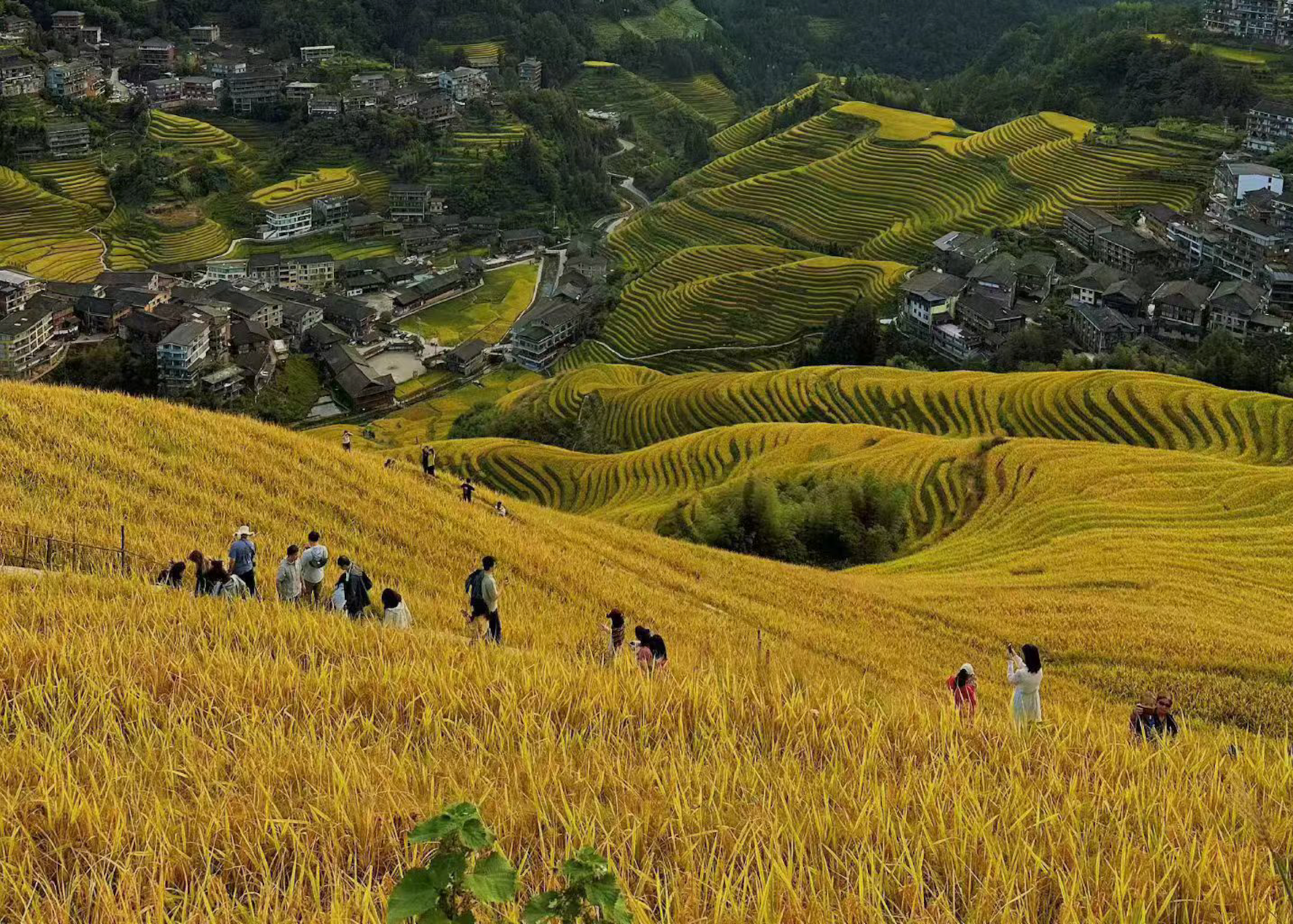
We found that one practice in particular – leaving rice stalks in the field after harvest and then plowing them into the soil to improve soil fertility – was responsible for about 18% of rice’s increase in overall net emissions since the 1960s. The reason: It increases the organic matter in the soil, which microbes then decompose, creating more methane emissions.
وجدنا أن ممارسة معينة- وهي ترك سيقان الأرز في الحقل بعد الحصاد ثم حراثتها في التربة لتحسين خصوبة التربة- كانت مسؤولة عن حوالي 18% من زيادة انبعاثات الأرز الإجمالية الصافية منذ الستينيات. السبب: أنها تزيد المادة العضوية في التربة، والتي تقوم الميكروبات بعد ذلك بتحللها، مما يخلق المزيد من انبعاثات الميثان.
Rising global temperatures further accelerate microbial activity in the soils, meaning even more emissions.
تسرّع درجات الحرارة العالمية المرتفعة كذلك النشاط الميكروبي في التربة، مما يعني المزيد من الانبعاثات.
Fertilizer is another major contributor to emissions. Use of synthetic nitrogen increased by about 76% after 2000, boosting nitrous oxide – another powerful greenhouse gas. It contributed about 9% of the increase in total global net emissions from human activities.
السماد هو مساهم رئيسي آخر في الانبعاثات. زاد استخدام النيتروجين الاصطناعي بنحو 76% بعد عام 2000، مما عزز أكسيد النيتروز- وهو غاز احتباس حراري قوي آخر. وقد ساهم بنحو 9% من الزيادة في إجمالي الانبعاثات العالمية الصافية من الأنشطة البشرية.
Irrigation practices also affect emissions. In the past, irrigated rice paddies were kept flooded throughout the growing season, resulting in constant greenhouse gas emissions produced by microbes that thrive in the wet environment. Over the past two decades, however, more farmers have used intermittent flooding – draining their fields periodically.
تؤثر ممارسات الري أيضاً على الانبعاثات. في الماضي، كانت حقول الأرز المروية مغمورة بالمياه طوال موسم النمو، مما أدى إلى انبعاثات مستمرة لغازات الاحتباس الحراري تنتجها الميكروبات التي تزدهر في البيئة الرطبة. ومع ذلك، خلال العقدين الماضيين، استخدم المزيد من المزارعين نظام الفيضان المتقطع- بتصريف حقولهم بشكل دوري.
This change has lowered methane emissions compared with keeping the paddies continuously flooded. However, we found a slight increase in nitrogen oxide emissions as soils cycled between wet and dry, which induces microbes to transform nitrogen in organic matter into nitrogen oxide gases, particularly nitrous oxide.
أدى هذا التغيير إلى خفض انبعاثات الميثان مقارنة بالإبقاء على الحقول مغمورة باستمرار. ومع ذلك، وجدنا زيادة طفيفة في انبعاثات أكسيد النيتروجين حيث تتبادل التربة بين الرطوبة والجفاف، مما يحفز الميكروبات على تحويل النيتروجين في المادة العضوية إلى غازات أكسيد النيتروجين، وخاصة أكسيد النيتروز.
Climate impact of rice production
التأثير المناخي لإنتاج الأرز
Putting a full climate price tag on rice production is harder than measuring one greenhouse gas at a time.
إن وضع سعر مناخي كامل لإنتاج الأرز أصعب من قياس غاز دفيئة واحد في كل مرة.
Rice paddies emit methane and nitrous oxide from wet or flooded soils. They also remove carbon dioxide from the atmosphere as rice grows, and they lose carbon from their soils between crop seasons.
تطلق حقول الأرز غاز الميثان وأكسيد النيتروز من التربة الرطبة أو المغمورة بالمياه. كما أنها تزيل ثاني أكسيد الكربون من الغلاف الجوي مع نمو الأرز، وتفقد الكربون من تربتها بين مواسم المحاصيل.
A credible global estimate requires consistently accounting for different gases and soil carbon changes, as well as the uncertainty involved in tracking data across space and time.
يتطلب التقدير العالمي الموثوق حسابًا متسقًا للغازات المختلفة وتغيرات كربون التربة، بالإضافة إلى عدم اليقين المرتبط بتتبع البيانات عبر المكان والزمان.
To do that, we combined three approaches:
وللقيام بذلك، قمنا بدمج ثلاثة مناهج:
An ecosystem computer model allowed us to simulate crop growth, water conditions and soil processes to estimate changes in methane, nitrous oxide and soil carbon together.
سمح لنا نموذج حاسوبي للنظم البيئية بمحاكاة نمو المحاصيل وظروف المياه وعمليات التربة لتقدير التغيرات في الميثان وأكسيد النيتروز وكربون التربة معًا.
An artificial intelligence-powered machine learning model improved estimates where measurements were sparse to cover all rice regions in the world.
حسّن نموذج التعلم الآلي المدعوم بالذكاء الاصطناعي التقديرات حيث كانت القياسات قليلة لتغطية جميع مناطق الأرز في العالم.
And a meta-analysis of more than 1,200 field experiment sites provided direct evidence of how practices such as irrigation, fertilizer use and management of crop residue affect emissions.
كما قدم تحليل تلوي (meta-analysis) لأكثر من 1200 موقع تجريبي حقلي دليلاً مباشرًا على كيفية تأثير ممارسات مثل الري واستخدام الأسمدة وإدارة بقايا المحاصيل على الانبعاثات.
Together, they allowed us to quantify emissions from 1961 to 2020, determine what drove those emissions, and test the potential of mitigation techniques under future climate conditions.
معًا، سمح لنا ذلك بتحديد كمية الانبعاثات من عام 1961 إلى عام 2020، وتحديد ما كان يقود هذه الانبعاثات، واختبار إمكانات تقنيات التخفيف في ظل ظروف المناخ المستقبلية.
What works and doesn’t for climate mitigation
ما الذي ينجح وما لا ينجح للتخفيف من آثار المناخ
There are ways to reduce emissions from rice production without sacrificing yield.
هناك طرق لتقليل انبعاثات الأرز دون التضحية بالإنتاجية.
Our study found that reducing fertilizer use and residue applications, managing irrigation to allow dry periods in between flooded ones and reducing tillage could, together, reduce global greenhouse gas emissions from rice by about 10% by midcentury.
وجدت دراستنا أن تقليل استخدام الأسمدة وتطبيقات المخلفات، وإدارة الري للسماح بفترات جفاف بين الفترات المغمورة، وتقليل الحراثة، يمكن أن يقلل، معاً، من انبعاثات غازات الاحتباس الحراري العالمية من الأرز بنحو 10% بحلول منتصف القرن.
We were surprised to find that replacing chemical fertilizers with more organic choices is not always better from a greenhouse gas perspective, although it is valued in organic farming.
تفاجأنا بأن استبدال الأسمدة الكيميائية بخيارات أكثر عضوية ليس أفضل دائماً من منظور غازات الاحتباس الحراري، على الرغم من أنه محل تقدير في الزراعة العضوية.
Maintaining moderate amounts of straw and other crop residue in the field can help boost soil fertility, but too much can increase methane emissions and accelerate the loss of carbon from the soil. Another option is to convert part of the residue into biochar – burning it under low-oxygen conditions before mixing it into flooded soils. Biochar can help stabilize soil carbon and reduce methane emissions.
يمكن أن يساعد الحفاظ على كميات معتدلة من القش والمخلفات الزراعية الأخرى في الحقل على تعزيز خصوبة التربة، ولكن الإفراط فيها يمكن أن يزيد من انبعاثات الميثان ويسرع من فقدان الكربون من التربة. خيار آخر هو تحويل جزء من المخلفات إلى فحم حيوي (biochar) – عن طريق حرقه في ظروف منخفض الأكسجين قبل خلطه في التربة المغمورة. يمكن أن يساعد الفحم الحيوي في تثبيت كربون التربة وتقليل انبعاثات الميثان.
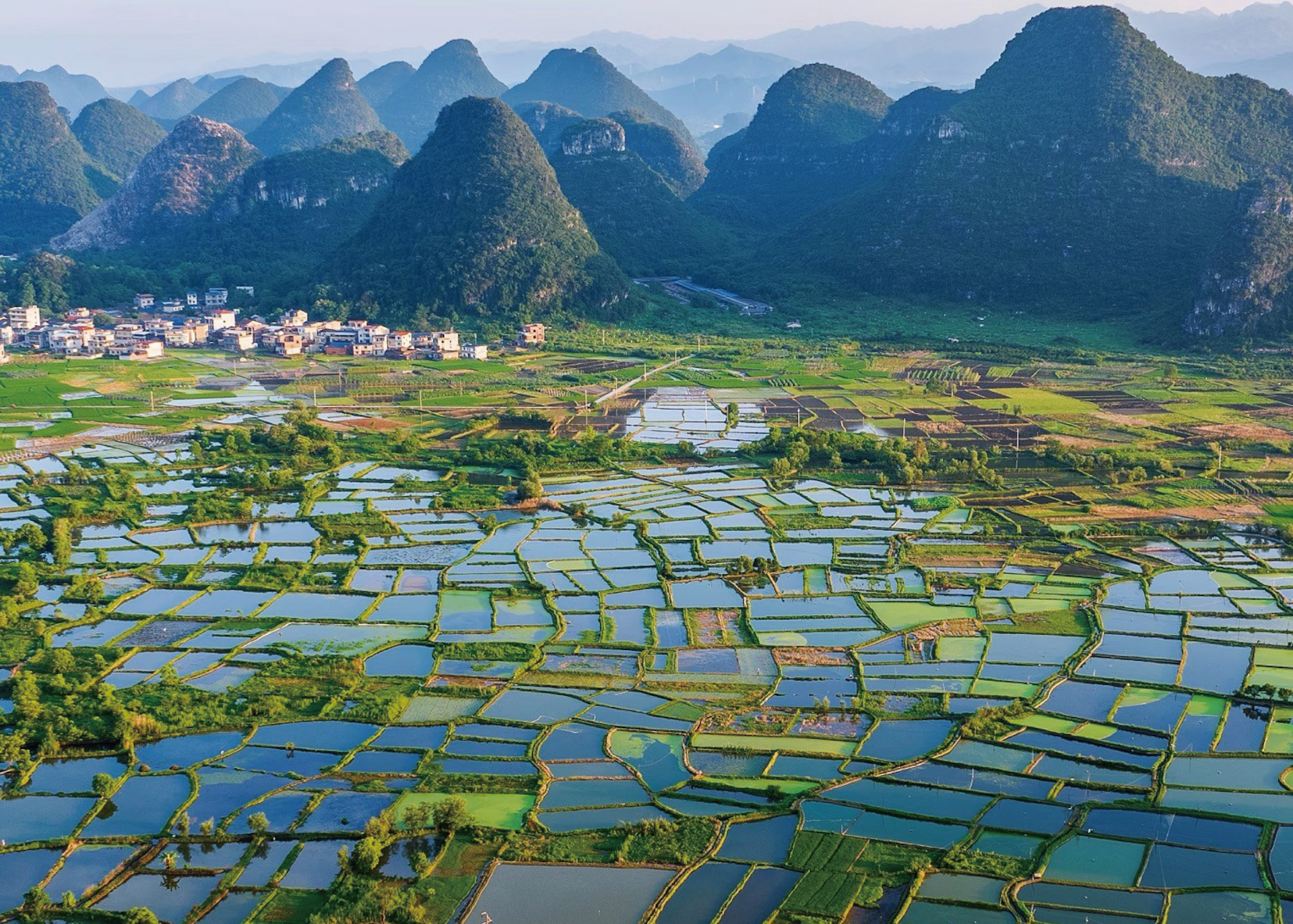
Improving water management can be a powerful tool for reducing emissions. Periodically draining fields reduces methane production, though it may slightly raise nitrous oxide emissions. This strategy is particularly effective in regions with reliable irrigation infrastructure, including large parts of Asia.
يمكن أن يكون تحسين إدارة المياه أداة قوية لتقليل الانبعاثات. يقلل تصريف الحقول بشكل دوري من إنتاج الميثان، على الرغم من أنه قد يرفع قليلاً من انبعاثات أكسيد النيتروز. وتعتبر هذه الاستراتيجية فعالة بشكل خاص في المناطق ذات البنية التحتية الموثوقة للري، بما في ذلك أجزاء كبيرة من آسيا.
Managing fertilizer use is also an effective mitigation strategy, particularly in highly fertilized systems, including parts of China and South Asia. Excess nitrogen increases nitrous oxide without a clear increase in crop yields and increases water pollution. Reducing overapplication of nitrogen reduces emissions and water pollution, and it saves farmers money in the process.
تعد إدارة استخدام الأسمدة أيضاً استراتيجية تخفيف فعالة، خاصة في الأنظمة عالية التسميد، بما في ذلك أجزاء من الصين وجنوب آسيا. يزيد النيتروجين الزائد من أكسيد النيتروز دون زيادة واضحة في محاصيل المحاصيل ويزيد من تلوث المياه. يقلل تقليل الإفراط في تطبيق النيتروجين من الانبعاثات وتلوث المياه، ويوفر المال على المزارعين في هذه العملية.
The effects of tilling, the practice of plowing the soil between crop seasons, have large regional differences. Reducing tilling is often promoted as climate-friendly, but we found that it does not always minimize net emissions in flooded systems. In rice fields in temperate zones, including much of the U.S. and China, cooler conditions can limit methane production, allowing the soil carbon benefits of reduced tilling to outweigh the methane risk. In warmer, persistently flooded systems, however, low-oxygen conditions can boost microbial activity, increasing methane production and accelerating soil carbon loss.
تختلف آثار الحراثة، وهي ممارسة حراثة التربة بين مواسم المحاصيل، بشكل كبير حسب المنطقة. غالباً ما يتم الترويج لتقليل الحراثة على أنه صديق للمناخ، لكننا وجدنا أنه لا يقلل دائماً من صافي الانبعاثات في الأنظمة المغمورة. في حقول الأرز في المناطق المعتدلة، بما في ذلك أجزاء كبيرة من الولايات المتحدة والصين، يمكن للظروف الباردة أن تحد من إنتاج الميثان، مما يسمح لفوائد كربون التربة الناتجة عن تقليل الحراثة بتجاوز مخاطر الميثان. ومع ذلك، في الأنظمة الأكثر دفئاً والمغمورة باستمرار، يمكن لظروف انخفاض الأكسجين أن تعزز النشاط الميكروبي، مما يزيد من إنتاج الميثان ويسرع من فقدان كربون التربة.
Overall, we found that no single practice works everywhere. Each region will need to assess the most effective practices for reducing emissions.
بشكل عام، وجدنا أنه لا توجد ممارسة واحدة تعمل في كل مكان. ستحتاج كل منطقة إلى تقييم الممارسات الأكثر فعالية لتقليل الانبعاثات.
A climate ceiling for rice production
سقف مناخي لإنتاج الأرز
The bottom line is both hopeful and sobering: Targeted sets of optimized practices can deliver meaningful emission reductions without losing rice yields, but the total global possible reduction is modest.
الخلاصة تبعث على الأمل وتثير التفكير في آن واحد: يمكن لمجموعات مستهدفة من الممارسات المُحسّنة أن تحقق تخفيضات ذات مغزى في الانبعاثات دون خسارة في غلة الأرز، لكن إجمالي التخفيض العالمي الممكن متواضع.
To reduce emissions further will require better guidance to help farmers determine the best levels of organic amendments, such as straw or biochar, and new approaches that can reduce emissions without undermining rice production.
سيستلزم خفض الانبعاثات أكثر توجيهًا أفضل لمساعدة المزارعين على تحديد أفضل مستويات التعديلات العضوية، مثل القش أو الفحم الحيوي، ومناهج جديدة يمكنها خفض الانبعاثات دون تقويض إنتاج الأرز.
Hanqin Tian receives funding from US Department of Agriculture, US National Science Foundation, and Andrew Carnegie Fellowship Program.
تتلقى هان تشين تمويلاً من وزارة الزراعة الأمريكية، والمؤسسة الوطنية الأمريكية للعلوم، وبرنامج أندرو كارنيجي للزمالة.
Pep Canadell receives funding from the Australian National Environmental Science Program-Climate Systems Hub.
تتلقى بيب كاناديل تمويلاً من البرنامج الأسترالي الوطني للعلوم البيئية- مركز الأنظمة المناخية.
Shufen (Susan) Pan receives funding from U. S. National Science Foundation
تتلقى شوفن (سوزان) بان تمويلاً من المؤسسة الوطنية الأمريكية للعلوم.
Jingting Zhang does not work for, consult, own shares in or receive funding from any company or organization that would benefit from this article, and has disclosed no relevant affiliations beyond their academic appointment.
جينتينغ تشانغ لا تعمل لدى، أو تستشير، أو تمتلك حصصًا في، أو تتلقى تمويلاً من أي شركة أو منظمة قد تستفيد من هذه المقالة، ولم تكشف عن أي انتماءات ذات صلة تتجاوز منصبها الأكاديمي.
Read more
-

لماذا يستحضر رئيس بولندا تاريخ فترة الحرب في خلافه مع فولوديمير زيلينسكي
Why Poland’s president is invoking wartime history in a dispute with Volodymyr Zelensky
-

هل يمكن أن يُحدث الحرب في أوكرانيا تغييراً سياسياً لروسيا؟
Could the war in Ukraine bring political change to Russia?