水稻养活数十亿人口——但其在助长气候变化中的作用正在增大
Rice feeds billions of people – but its role in fueling…
There are ways to reduce emissions without sacrificing yield. A new study shows how, and looks at a technique billed as ‘climate-friendly’ that makes emissions worse.
减少排放而不牺牲产量的途径是存在的。一项新的研究展示了如何做到这一点,并考察了一种被称为“气候友好型”但实际上使排放更糟的技术。
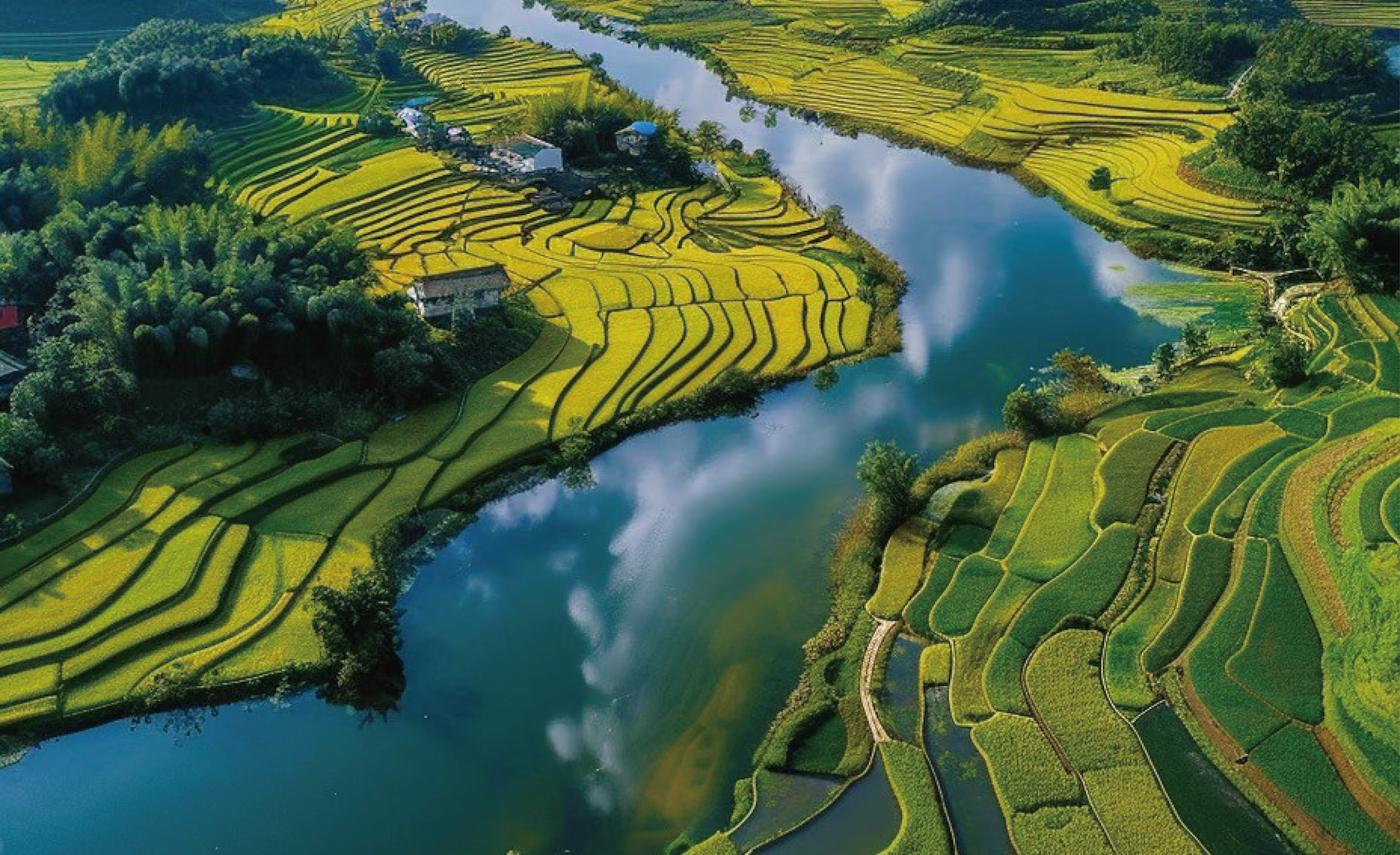
Rice feeds more than half the world. From terraced paddies in Southeast Asia to irrigated fields in China and India, it underpins daily meals for billions of people.
水稻养活了全球一半以上的人口。从东南亚的梯田到中国和印度的灌溉田地,它支撑着数十亿人的日常膳食。
But the same flooded soils that help rice thrive also create ideal conditions for microbes that release climate-warming gases.
但帮助水稻生长的这些积水土壤,也为释放气候变暖气体的微生物创造了理想的条件。
In a new study, our team of environment and agriculture scientists found that greenhouse gas emissions from rice paddies have nearly doubled globally since the 1960s, averaging about 1.1 billion tons of carbon dioxide-equivalent emissions per year in the 2010s. That’s roughly equal to the annual emissions of 239 million cars.
在一项新的研究中,我们的环境和农业科学家团队发现,自20世纪60年代以来,水稻田的温室气体排放量在全球范围内几乎翻了一番,在2010年代平均每年排放约11亿吨二氧化碳当量。这大致相当于2.39亿辆汽车的年排放量。
This makes rice-growing the largest emissions source in agriculture outside of livestock, and rice demand is expected to keep rising.
这使得水稻种植成为除畜牧业外农业最大的排放源,而且水稻需求预计将持续增长。
Farmers have ways to reduce their rice crops’ emissions without lowering their yields. If every grower used the best currently available “climate-smart” options, we found that global rice emissions could be reduced by about 10% by midcentury. However, greater reductions are needed to slow climate change, which would require developing additional, more effective strategies.
农民有方法可以在不降低产量的情况下减少水稻作物的排放。如果每位种植者都采用目前可用的最佳“气候智能”方案,我们发现到本世纪中叶,全球水稻排放量可以减少约10%。然而,要减缓气候变化,需要更大的减排量,这需要开发额外的、更有效的策略。
Why rice emissions have increased
水稻排放量增加的原因
Rice emissions have risen for two reasons: the expansion of rice cultivation area and the intensification of management practices.
水稻排放量增加的原因有两个:水稻种植面积的扩大和管理方式的强化。
Just over half of the global increase is from the expansion of rice-growing areas. In Africa, for example, the rice-growing area has roughly doubled since the 1960s, helping drive a twofold rise in methane emissions in the region.
全球增加量中,超过一半来自水稻种植面积的扩大。例如,在非洲,自20世纪60年代以来,水稻种植面积大约翻了一番,这帮助该地区的甲烷排放量增加了两倍。
At the same time, rice farmers are using more fertilizers and organic amendments, such as straw and manure, planting more productive rice varieties and growing the plants closer together. The result is more rice but also more greenhouse gas emissions.
与此同时,水稻种植户使用了更多的肥料和有机改良剂,如稻草和粪肥,种植了更高产的水稻品种,并将植株种植得更密集。结果是水稻产量增加,但温室气体排放量也随之增加。
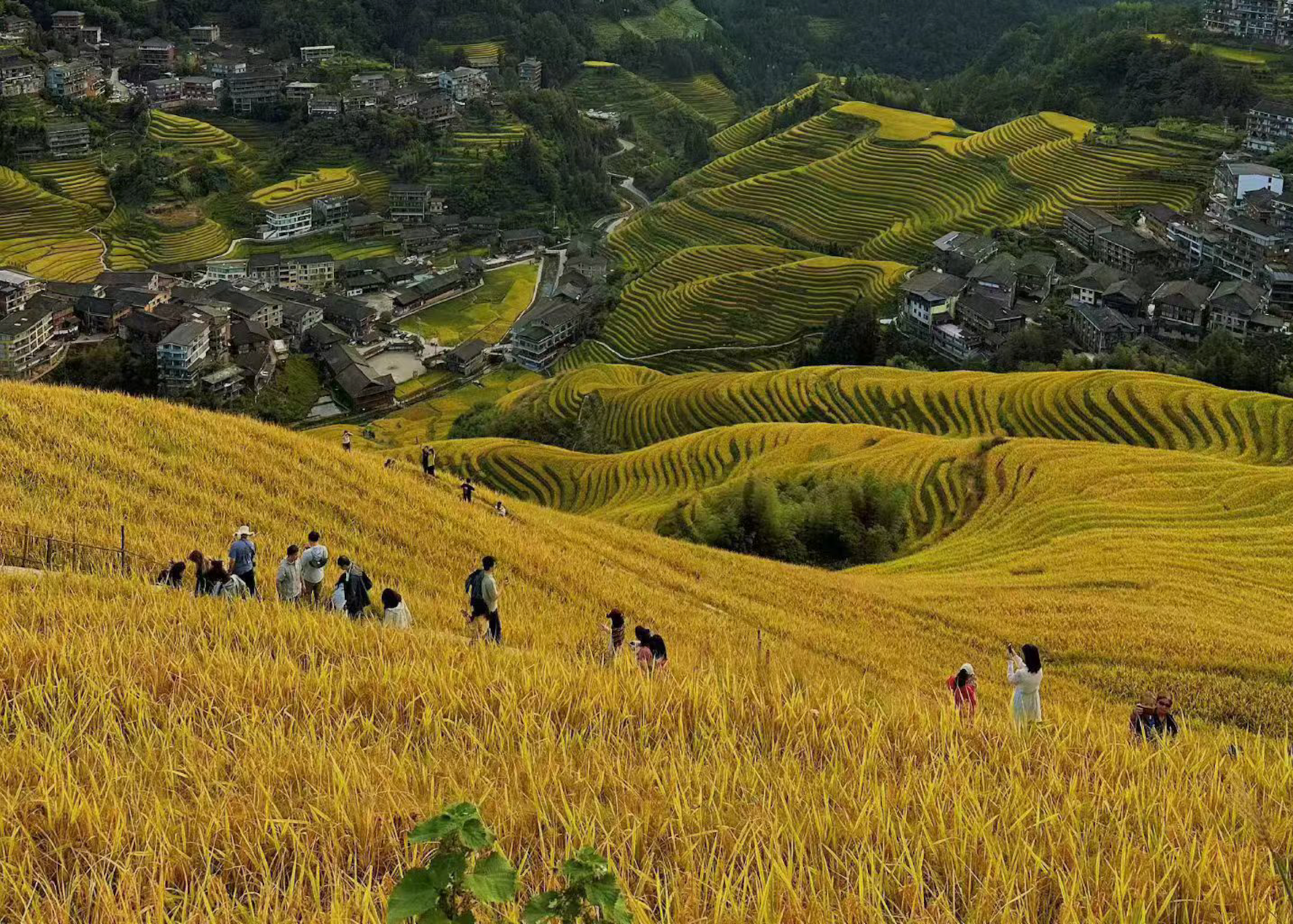
We found that one practice in particular – leaving rice stalks in the field after harvest and then plowing them into the soil to improve soil fertility – was responsible for about 18% of rice’s increase in overall net emissions since the 1960s. The reason: It increases the organic matter in the soil, which microbes then decompose, creating more methane emissions.
我们发现,一个特定的做法——收获后将稻秆留在田地里,然后将其翻入土壤以提高土壤肥力——造成了自20世纪60年代以来水稻总净排放量增加的约18%。原因在于:它增加了土壤中的有机质,微生物随后分解这些有机质,从而产生了更多的甲烷排放。
Rising global temperatures further accelerate microbial activity in the soils, meaning even more emissions.
全球气温的上升进一步加速了土壤中的微生物活动,这意味着排放量会更高。
Fertilizer is another major contributor to emissions. Use of synthetic nitrogen increased by about 76% after 2000, boosting nitrous oxide – another powerful greenhouse gas. It contributed about 9% of the increase in total global net emissions from human activities.
肥料是另一个主要的排放贡献源。2000年之后,合成氮肥的使用量增加了约76%,这推高了氧化亚氮——另一种强效温室气体。它占人类活动导致全球总净排放量增加的约9%。
Irrigation practices also affect emissions. In the past, irrigated rice paddies were kept flooded throughout the growing season, resulting in constant greenhouse gas emissions produced by microbes that thrive in the wet environment. Over the past two decades, however, more farmers have used intermittent flooding – draining their fields periodically.
灌溉方式也会影响排放量。过去,灌溉水稻田在整个生长期都保持淹水状态,导致微生物在潮湿环境中持续产生温室气体排放。然而,在过去二十年里,越来越多的农民采用了间歇性灌溉——定期排干田地。
This change has lowered methane emissions compared with keeping the paddies continuously flooded. However, we found a slight increase in nitrogen oxide emissions as soils cycled between wet and dry, which induces microbes to transform nitrogen in organic matter into nitrogen oxide gases, particularly nitrous oxide.
与持续淹水相比,这种变化降低了甲烷排放量。然而,我们发现,随着土壤在湿和干之间循环,氮氧化物排放量略有增加,这促使微生物将有机物中的氮转化为氮氧化物气体,特别是氧化亚氮。
Climate impact of rice production
水稻生产的气候影响
Putting a full climate price tag on rice production is harder than measuring one greenhouse gas at a time.
为水稻生产确定完整的气候成本,比单独测量一种温室气体要困难得多。
Rice paddies emit methane and nitrous oxide from wet or flooded soils. They also remove carbon dioxide from the atmosphere as rice grows, and they lose carbon from their soils between crop seasons.
水稻田从潮湿或淹没的土壤中释放甲烷和一氧化二氮。随着水稻生长,它们还会从大气中去除二氧化碳,并在作物生长期之间从土壤中损失碳。
A credible global estimate requires consistently accounting for different gases and soil carbon changes, as well as the uncertainty involved in tracking data across space and time.
要进行可信的全球估算,需要持续考虑不同气体和土壤碳的变化,以及在时间和空间范围内追踪数据所涉及的不确定性。
To do that, we combined three approaches:
为此,我们结合了三种方法:
An ecosystem computer model allowed us to simulate crop growth, water conditions and soil processes to estimate changes in methane, nitrous oxide and soil carbon together.
一个生态系统计算机模型使我们能够模拟作物生长、水文条件和土壤过程,从而共同估算甲烷、一氧化二氮和土壤碳的变化。
An artificial intelligence-powered machine learning model improved estimates where measurements were sparse to cover all rice regions in the world.
一个人工智能驱动的机器学习模型改进了测量稀疏区域的估算,从而覆盖了全球所有水稻区域。
And a meta-analysis of more than 1,200 field experiment sites provided direct evidence of how practices such as irrigation, fertilizer use and management of crop residue affect emissions.
此外,对超过1200个田间实验站的荟萃分析提供了直接证据,说明灌溉、化肥使用和作物残茬管理等实践如何影响排放。
Together, they allowed us to quantify emissions from 1961 to 2020, determine what drove those emissions, and test the potential of mitigation techniques under future climate conditions.
综合这些方法,我们能够量化1961年至2020年间的排放量,确定驱动这些排放的因素,并测试在未来气候条件下减缓技术的潜力。
What works and doesn’t for climate mitigation
气候减缓的有效与无效措施
There are ways to reduce emissions from rice production without sacrificing yield.
有方法可以在不牺牲产量的同时减少水稻生产的排放量。
Our study found that reducing fertilizer use and residue applications, managing irrigation to allow dry periods in between flooded ones and reducing tillage could, together, reduce global greenhouse gas emissions from rice by about 10% by midcentury.
我们的研究发现,减少化肥使用和残茬施用、管理灌溉以在淹水期之间留出干燥期,以及减少耕作,这些措施结合起来,到本世纪中叶可将全球水稻温室气体排放量减少约10%。
We were surprised to find that replacing chemical fertilizers with more organic choices is not always better from a greenhouse gas perspective, although it is valued in organic farming.
我们惊讶地发现,尽管用有机选择替代化肥在有机农业中备受推崇,但从温室气体角度来看,它并非总是更好的选择。
Maintaining moderate amounts of straw and other crop residue in the field can help boost soil fertility, but too much can increase methane emissions and accelerate the loss of carbon from the soil. Another option is to convert part of the residue into biochar – burning it under low-oxygen conditions before mixing it into flooded soils. Biochar can help stabilize soil carbon and reduce methane emissions.
在田间保持适量的秸秆和其他作物残茬有助于提高土壤肥力,但过多可能会增加甲烷排放并加速土壤碳的流失。另一种选择是将部分残茬转化为生物炭——在低氧条件下燃烧后再混入淹水土壤。生物炭有助于稳定土壤碳并减少甲烷排放。
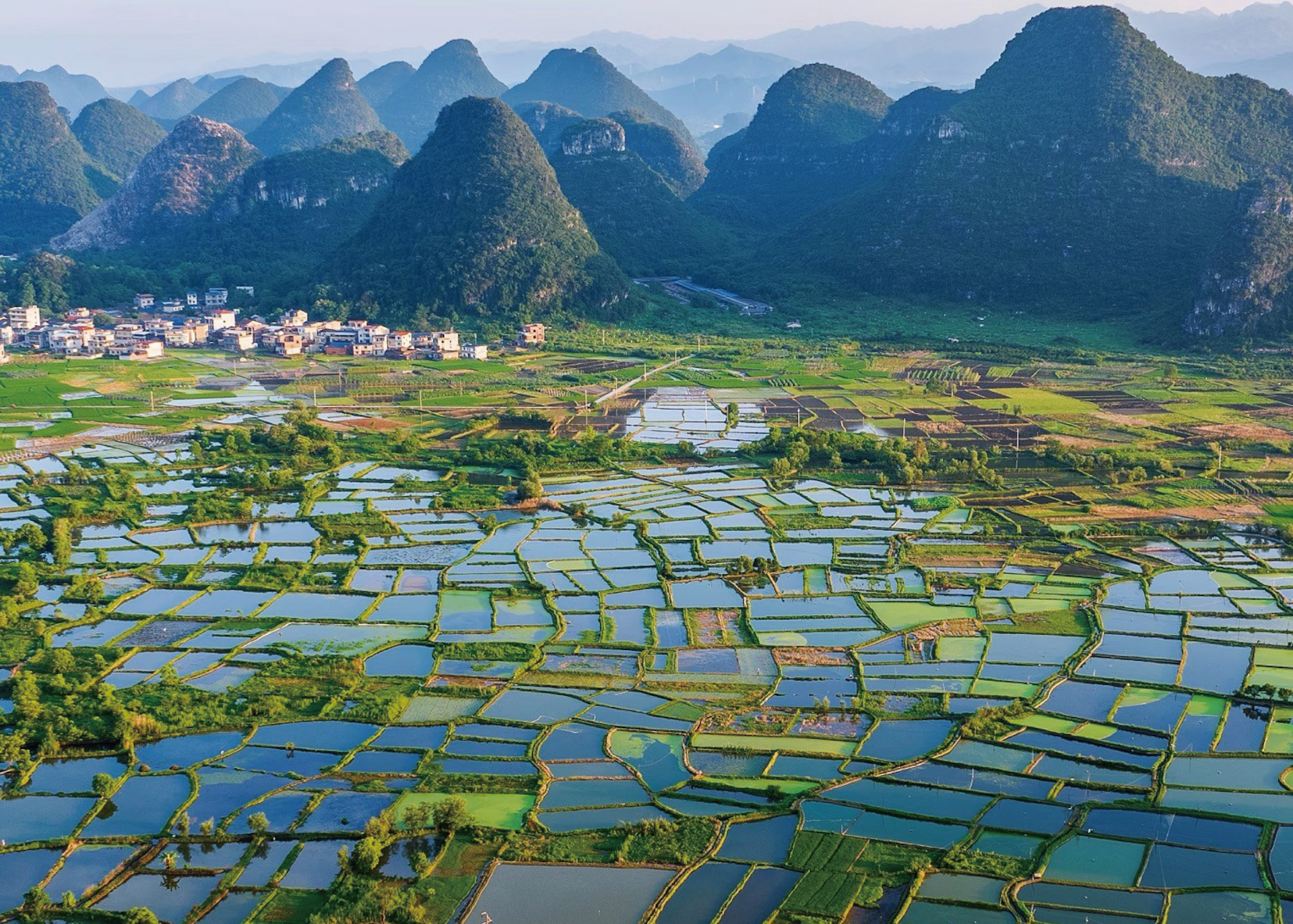
Improving water management can be a powerful tool for reducing emissions. Periodically draining fields reduces methane production, though it may slightly raise nitrous oxide emissions. This strategy is particularly effective in regions with reliable irrigation infrastructure, including large parts of Asia.
改善水管理是减少排放的有力工具。定期排水可以减少甲烷的产生,尽管可能会略微提高一氧化氮的排放。这种策略在拥有可靠灌溉基础设施的地区特别有效,包括亚洲的大部分地区。
Managing fertilizer use is also an effective mitigation strategy, particularly in highly fertilized systems, including parts of China and South Asia. Excess nitrogen increases nitrous oxide without a clear increase in crop yields and increases water pollution. Reducing overapplication of nitrogen reduces emissions and water pollution, and it saves farmers money in the process.
管理化肥使用也是一种有效的减缓策略,特别是在高度施肥的系统,包括中国和南亚的部分地区。过量的氮会增加一氧化氮,但并未带来作物产量的明显增加,反而加剧了水污染。减少氮的过度施用可以减少排放和水污染,并在过程中为农民节省了成本。
The effects of tilling, the practice of plowing the soil between crop seasons, have large regional differences. Reducing tilling is often promoted as climate-friendly, but we found that it does not always minimize net emissions in flooded systems. In rice fields in temperate zones, including much of the U.S. and China, cooler conditions can limit methane production, allowing the soil carbon benefits of reduced tilling to outweigh the methane risk. In warmer, persistently flooded systems, however, low-oxygen conditions can boost microbial activity, increasing methane production and accelerating soil carbon loss.
耕作(即作物季节间翻耕土壤的做法)的影响存在巨大的区域差异。减少耕作常被宣传为气候友好,但我们发现它并非总能在淹水系统中最小化净排放。在温带地区的稻田,包括美国和中国的大部分地区,较凉爽的条件可以限制甲烷的产生,使得减少耕作带来的土壤碳效益超过了甲烷风险。然而,在更温暖、持续淹水的系统中,低氧条件可能会促进微生物活动,增加甲烷的产生并加速土壤碳的损失。
Overall, we found that no single practice works everywhere. Each region will need to assess the most effective practices for reducing emissions.
总的来说,我们发现没有单一的做法适用于所有地方。每个地区都需要评估最有效的减排措施。
A climate ceiling for rice production
水稻生产的气候上限
The bottom line is both hopeful and sobering: Targeted sets of optimized practices can deliver meaningful emission reductions without losing rice yields, but the total global possible reduction is modest.
结论既令人鼓舞又令人清醒:有针对性的优化实践可以在不损失水稻产量的情况下实现有意义的减排,但全球总体的潜在减排量是有限的。
To reduce emissions further will require better guidance to help farmers determine the best levels of organic amendments, such as straw or biochar, and new approaches that can reduce emissions without undermining rice production.
要进一步减少排放,需要更好的指导来帮助农民确定最佳的有机改良剂(如稻草或生物炭)水平,以及新的方法来减少排放而不损害水稻生产。
Hanqin Tian receives funding from US Department of Agriculture, US National Science Foundation, and Andrew Carnegie Fellowship Program.
田汉勤获得了美国农业部、美国国家科学基金会和安德鲁·卡内基奖学金计划的资助。
Pep Canadell receives funding from the Australian National Environmental Science Program-Climate Systems Hub.
Pep Canadell获得了澳大利亚国家环境科学计划-气候系统中心(Australian National Environmental Science Program-Climate Systems Hub)的资助。
Shufen (Susan) Pan receives funding from U. S. National Science Foundation
潘淑芬(Susan Pan)获得了美国国家科学基金会的资助。
Jingting Zhang does not work for, consult, own shares in or receive funding from any company or organization that would benefit from this article, and has disclosed no relevant affiliations beyond their academic appointment.
张静庭不为任何受益于本文的公司或组织工作、咨询、拥有股份或接受资金,并且除了其学术任命之外,未披露任何相关隶属关系。