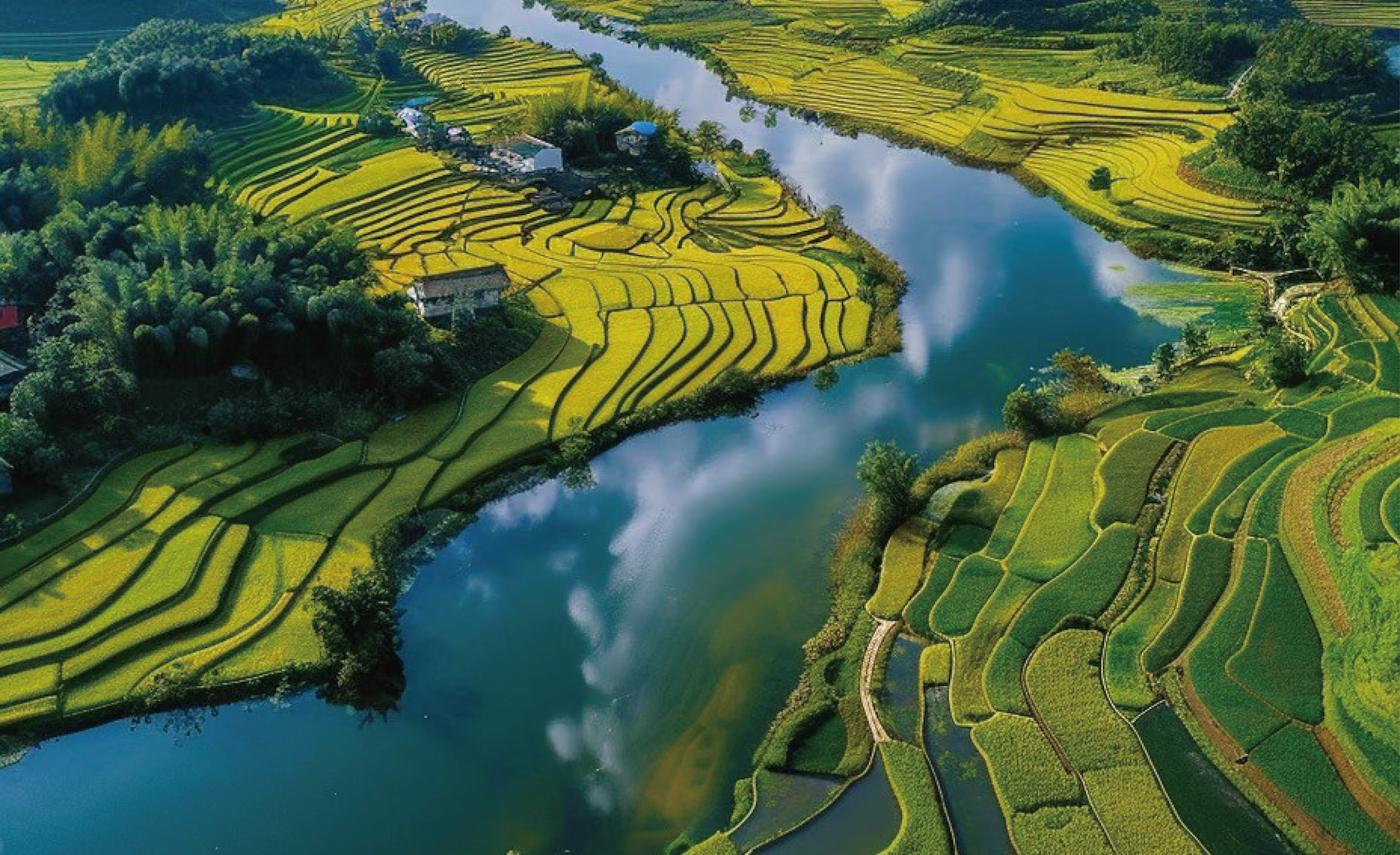
चावल अरबों लोगों को भोजन देता है – लेकिन जलवायु परिवर्तन को बढ़ावा देने में इसकी भूमिका बढ़ रही है।
Rice feeds billions of people – but its role in fueling climate change is growing
There are ways to reduce emissions without sacrificing yield. A new study shows how, and looks at a technique billed as ‘climate-friendly’ that makes emissions worse.
उत्सर्जन को उपजाऊपन से समझौता किए बिना कम करने के तरीके हैं। एक नया अध्ययन दिखाता है कि कैसे, और एक ऐसी तकनीक पर भी नज़र डालता है जिसे ‘जलवायु-अनुकूल’ बताया गया है, लेकिन जो उत्सर्जन को और खराब करती है।
Rice feeds more than half the world. From terraced paddies in Southeast Asia to irrigated fields in China and India, it underpins daily meals for billions of people.
चावल दुनिया के आधे से अधिक लोगों को भोजन प्रदान करता है। दक्षिण पूर्व एशिया के सीढ़ीदार धान के खेतों से लेकर चीन और भारत के सिंचित खेतों तक, यह अरबों लोगों के दैनिक भोजन का आधार है।
But the same flooded soils that help rice thrive also create ideal conditions for microbes that release climate-warming gases.
लेकिन वही जलमग्न मिट्टी जो चावल को पनपने में मदद करती है, वह उन सूक्ष्मजीवों के लिए भी आदर्श परिस्थितियाँ बनाती है जो जलवायु-गर्म करने वाली गैसें छोड़ते हैं।
In a new study, our team of environment and agriculture scientists found that greenhouse gas emissions from rice paddies have nearly doubled globally since the 1960s, averaging about 1.1 billion tons of carbon dioxide-equivalent emissions per year in the 2010s. That’s roughly equal to the annual emissions of 239 million cars.
एक नए अध्ययन में, पर्यावरण और कृषि वैज्ञानिकों की हमारी टीम ने पाया कि धान के खेतों से ग्रीनहाउस गैस उत्सर्जन 1960 के दशक के बाद से वैश्विक स्तर पर लगभग दोगुना हो गया है, और 2010 के दशक में यह औसतन प्रति वर्ष 1.1 बिलियन टन कार्बन डाइऑक्साइड-तुल्य उत्सर्जन था। यह लगभग 239 मिलियन कारों के वार्षिक उत्सर्जन के बराबर है।
This makes rice-growing the largest emissions source in agriculture outside of livestock, and rice demand is expected to keep rising.
यह चावल की खेती को पशुधन के बाहर कृषि में सबसे बड़ा उत्सर्जन स्रोत बनाता है, और चावल की मांग के लगातार बढ़ने की उम्मीद है।
Farmers have ways to reduce their rice crops’ emissions without lowering their yields. If every grower used the best currently available “climate-smart” options, we found that global rice emissions could be reduced by about 10% by midcentury. However, greater reductions are needed to slow climate change, which would require developing additional, more effective strategies.
किसानों के पास अपनी उपज कम किए बिना अपने चावल की फसलों के उत्सर्जन को कम करने के तरीके हैं। यदि हर किसान वर्तमान में उपलब्ध सर्वोत्तम “जलवायु-स्मार्ट” विकल्पों का उपयोग करता है, तो हमने पाया कि मध्य शताब्दी तक वैश्विक चावल उत्सर्जन में लगभग 10% की कमी की जा सकती है। हालांकि, जलवायु परिवर्तन को धीमा करने के लिए अधिक कटौती की आवश्यकता है, जिसके लिए अतिरिक्त, अधिक प्रभावी रणनीतियों को विकसित करने की आवश्यकता होगी।
Why rice emissions have increased
चावल उत्सर्जन क्यों बढ़ा
Rice emissions have risen for two reasons: the expansion of rice cultivation area and the intensification of management practices.
चावल उत्सर्जन दो कारणों से बढ़ा है: चावल की खेती के क्षेत्र का विस्तार और प्रबंधन प्रथाओं का गहन होना।
Just over half of the global increase is from the expansion of rice-growing areas. In Africa, for example, the rice-growing area has roughly doubled since the 1960s, helping drive a twofold rise in methane emissions in the region.
वैश्विक वृद्धि का आधे से अधिक हिस्सा चावल उगाने वाले क्षेत्रों के विस्तार से है। उदाहरण के लिए, अफ्रीका में, चावल उगाने का क्षेत्र 1960 के दशक के बाद से लगभग दोगुना हो गया है, जिससे क्षेत्र में मीथेन उत्सर्जन में दो गुना वृद्धि होने में मदद मिली है।
At the same time, rice farmers are using more fertilizers and organic amendments, such as straw and manure, planting more productive rice varieties and growing the plants closer together. The result is more rice but also more greenhouse gas emissions.
उसी समय, चावल के किसान अधिक उर्वरक और जैविक संशोधक, जैसे पुआल और गोबर, का उपयोग कर रहे हैं, अधिक उत्पादक चावल की किस्में लगा रहे हैं और पौधों को एक-दूसरे के करीब उगा रहे हैं। इसका परिणाम अधिक चावल के साथ-साथ अधिक ग्रीनहाउस गैस उत्सर्जन भी है।
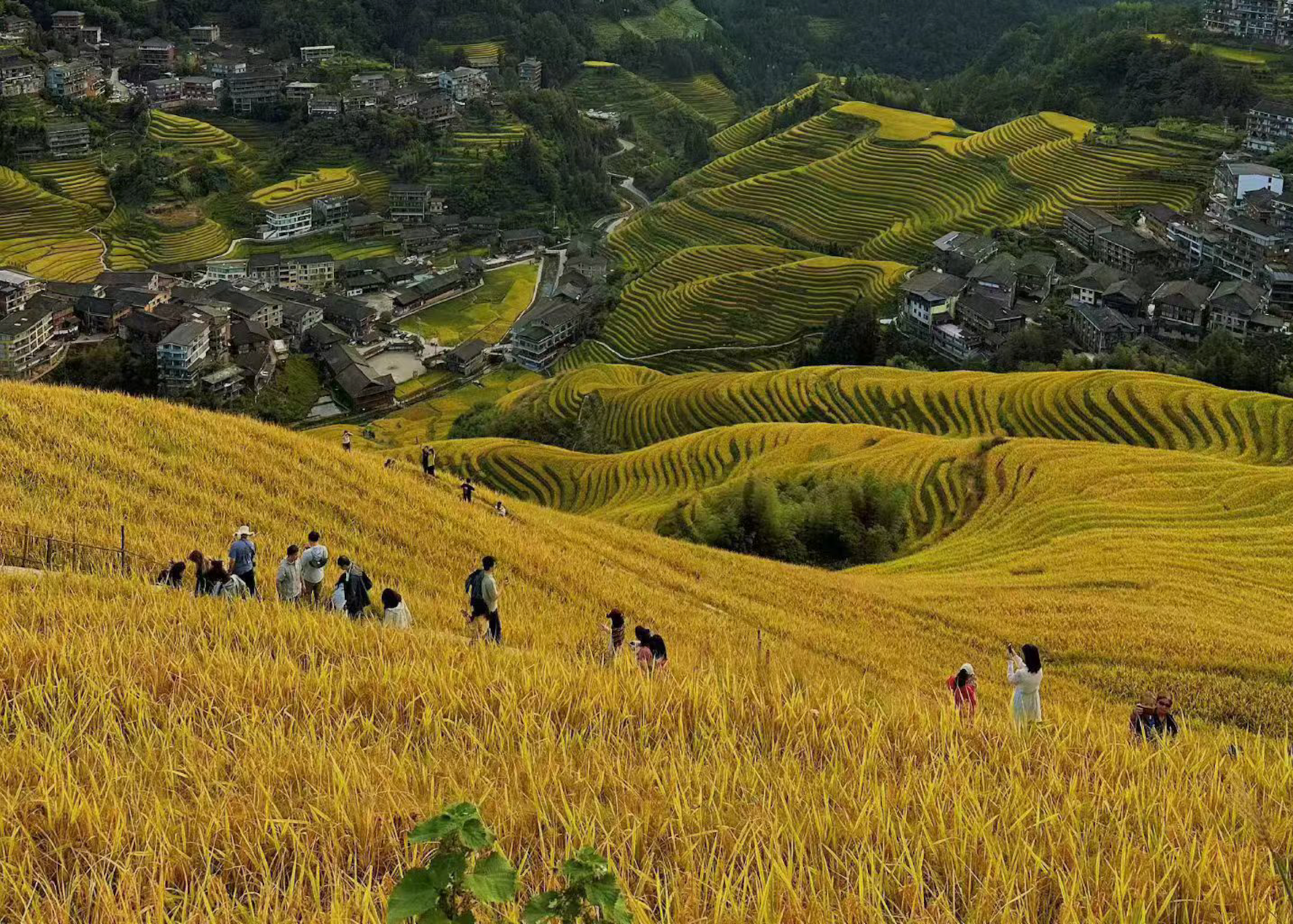
We found that one practice in particular – leaving rice stalks in the field after harvest and then plowing them into the soil to improve soil fertility – was responsible for about 18% of rice’s increase in overall net emissions since the 1960s. The reason: It increases the organic matter in the soil, which microbes then decompose, creating more methane emissions.
हमने पाया कि एक विशेष अभ्यास – कटाई के बाद चावल के डंठलों को खेत में छोड़ देना और फिर मिट्टी की उर्वरता में सुधार के लिए उन्हें जोत देना – 1960 के दशक के बाद से चावल के कुल शुद्ध उत्सर्जन में वृद्धि के लगभग 18% के लिए जिम्मेदार था। कारण: यह मिट्टी में कार्बनिक पदार्थ को बढ़ाता है, जिसे सूक्ष्मजीव विघटित करते हैं, जिससे अधिक मीथेन उत्सर्जन होता है।
Rising global temperatures further accelerate microbial activity in the soils, meaning even more emissions.
बढ़ते वैश्विक तापमान से मिट्टी में सूक्ष्मजीव गतिविधि और तेज हो जाती है, जिसका अर्थ है और भी अधिक उत्सर्जन।
Fertilizer is another major contributor to emissions. Use of synthetic nitrogen increased by about 76% after 2000, boosting nitrous oxide – another powerful greenhouse gas. It contributed about 9% of the increase in total global net emissions from human activities.
उर्वरक उत्सर्जन में एक अन्य प्रमुख योगदानकर्ता है। 2000 के बाद सिंथेटिक नाइट्रोजन के उपयोग में लगभग 76% की वृद्धि हुई, जिससे नाइट्रस ऑक्साइड – एक अन्य शक्तिशाली ग्रीनहाउस गैस – को बढ़ावा मिला। इसका मानव गतिविधियों से कुल वैश्विक शुद्ध उत्सर्जन में वृद्धि में लगभग 9% का योगदान था।
Irrigation practices also affect emissions. In the past, irrigated rice paddies were kept flooded throughout the growing season, resulting in constant greenhouse gas emissions produced by microbes that thrive in the wet environment. Over the past two decades, however, more farmers have used intermittent flooding – draining their fields periodically.
सिंचाई प्रथाएं भी उत्सर्जन को प्रभावित करती हैं। अतीत में, सिंचित चावल के खेत पूरे विकास मौसम के दौरान भरे रहते थे, जिसके परिणामस्वरूप गीले वातावरण में पनपने वाले सूक्ष्मजीवों द्वारा लगातार ग्रीनहाउस गैस उत्सर्जन होता रहता था। हालांकि, पिछले दो दशकों में, अधिक किसानों ने रुक-रुक कर बाढ़ (इंटरमिटेंट फ्लडिंग) का उपयोग किया है – अपने खेतों को समय-समय पर सुखा दिया है।
This change has lowered methane emissions compared with keeping the paddies continuously flooded. However, we found a slight increase in nitrogen oxide emissions as soils cycled between wet and dry, which induces microbes to transform nitrogen in organic matter into nitrogen oxide gases, particularly nitrous oxide.
इस बदलाव ने खेतों को लगातार भरे रखने की तुलना में मीथेन उत्सर्जन को कम किया है। हालांकि, हमने पाया कि जब मिट्टी गीली और सूखी के बीच चक्रित होती है, तो नाइट्रोजन ऑक्साइड उत्सर्जन में थोड़ी वृद्धि हुई, जो सूक्ष्मजीवों को कार्बनिक पदार्थ में नाइट्रोजन को नाइट्रोजन ऑक्साइड गैसों, विशेष रूप से नाइट्रस ऑक्साइड में बदलने के लिए प्रेरित करती है।
Climate impact of rice production
चावल उत्पादन का जलवायु प्रभाव
Putting a full climate price tag on rice production is harder than measuring one greenhouse gas at a time.
चावल उत्पादन पर पूर्ण जलवायु मूल्य टैग लगाना, एक बार में एक ग्रीनहाउस गैस को मापने से अधिक कठिन है।
Rice paddies emit methane and nitrous oxide from wet or flooded soils. They also remove carbon dioxide from the atmosphere as rice grows, and they lose carbon from their soils between crop seasons.
धान के खेत गीली या जलमग्न मिट्टी से मीथेन और नाइट्रस ऑक्साइड उत्सर्जित करते हैं। चावल के उगने के साथ-साथ वे वातावरण से कार्बन डाइऑक्साइड भी हटाते हैं, और फसल के मौसमों के बीच अपनी मिट्टी से कार्बन खो देते हैं।
A credible global estimate requires consistently accounting for different gases and soil carbon changes, as well as the uncertainty involved in tracking data across space and time.
एक विश्वसनीय वैश्विक अनुमान के लिए विभिन्न गैसों और मिट्टी के कार्बन परिवर्तनों का लगातार हिसाब रखना आवश्यक है, साथ ही स्थान और समय में डेटा को ट्रैक करने में शामिल अनिश्चितता को भी ध्यान में रखना आवश्यक है।
To do that, we combined three approaches:
ऐसा करने के लिए, हमने तीन दृष्टिकोणों को जोड़ा:
An ecosystem computer model allowed us to simulate crop growth, water conditions and soil processes to estimate changes in methane, nitrous oxide and soil carbon together.
एक पारिस्थितिकी तंत्र कंप्यूटर मॉडल ने हमें मीथेन, नाइट्रस ऑक्साइड और मिट्टी के कार्बन में परिवर्तनों का एक साथ अनुमान लगाने के लिए फसल की वृद्धि, जल की स्थिति और मिट्टी की प्रक्रियाओं का अनुकरण करने की अनुमति दी।
An artificial intelligence-powered machine learning model improved estimates where measurements were sparse to cover all rice regions in the world.
एक आर्टिफिशियल इंटेलिजेंस-संचालित मशीन लर्निंग मॉडल ने दुनिया के सभी चावल क्षेत्रों को कवर करने के लिए जहां माप कम थे, वहां अनुमानों में सुधार किया।
And a meta-analysis of more than 1,200 field experiment sites provided direct evidence of how practices such as irrigation, fertilizer use and management of crop residue affect emissions.
और 1,200 से अधिक फील्ड प्रयोग स्थलों का एक मेटा-विश्लेषण ने यह प्रत्यक्ष प्रमाण प्रदान किया कि सिंचाई, उर्वरक के उपयोग और फसल अवशेषों के प्रबंधन जैसी प्रथाएं उत्सर्जन को कैसे प्रभावित करती हैं।
Together, they allowed us to quantify emissions from 1961 to 2020, determine what drove those emissions, and test the potential of mitigation techniques under future climate conditions.
एक साथ, इन तीनों ने हमें 1961 से 2020 तक उत्सर्जन को मापने, यह निर्धारित करने की अनुमति दी कि इन उत्सर्जन को क्या चला रहा था, और भविष्य की जलवायु परिस्थितियों में शमन तकनीकों की क्षमता का परीक्षण किया।
What works and doesn’t for climate mitigation
जलवायु शमन के लिए क्या काम करता है और क्या नहीं
There are ways to reduce emissions from rice production without sacrificing yield.
चावल के उत्पादन से उपज को कम किए बिना उत्सर्जन को कम करने के तरीके हैं।
Our study found that reducing fertilizer use and residue applications, managing irrigation to allow dry periods in between flooded ones and reducing tillage could, together, reduce global greenhouse gas emissions from rice by about 10% by midcentury.
हमारे अध्ययन में पाया गया कि उर्वरक के उपयोग और अवशेषों के अनुप्रयोग को कम करना, बाढ़ वाले क्षेत्रों के बीच सूखे का समय देने के लिए सिंचाई का प्रबंधन करना और जुताई को कम करना, ये सब मिलकर, मध्य शताब्दी तक चावल से वैश्विक ग्रीनहाउस गैस उत्सर्जन को लगभग 10% तक कम कर सकते हैं।
We were surprised to find that replacing chemical fertilizers with more organic choices is not always better from a greenhouse gas perspective, although it is valued in organic farming.
हमें यह जानकर आश्चर्य हुआ कि रासायनिक उर्वरकों को अधिक जैविक विकल्पों से बदलना, ग्रीनहाउस गैस के दृष्टिकोण से हमेशा बेहतर नहीं होता है, भले ही इसे जैविक खेती में महत्व दिया जाता हो।
Maintaining moderate amounts of straw and other crop residue in the field can help boost soil fertility, but too much can increase methane emissions and accelerate the loss of carbon from the soil. Another option is to convert part of the residue into biochar – burning it under low-oxygen conditions before mixing it into flooded soils. Biochar can help stabilize soil carbon and reduce methane emissions.
खेत में पुआल और अन्य फसल अवशेषों की मध्यम मात्रा बनाए रखने से मिट्टी की उर्वरता को बढ़ावा मिल सकता है, लेकिन बहुत अधिक होने पर यह मीथेन उत्सर्जन बढ़ा सकता है और मिट्टी से कार्बन के नुकसान को तेज कर सकता है। एक अन्य विकल्प अवशेष का कुछ हिस्से बायोचार में बदलना है – इसे बाढ़ वाले मिट्टी में मिलाने से पहले कम ऑक्सीजन की स्थिति में जलाना। बायोचार मिट्टी के कार्बन को स्थिर करने और मीथेन उत्सर्जन को कम करने में मदद कर सकता है।
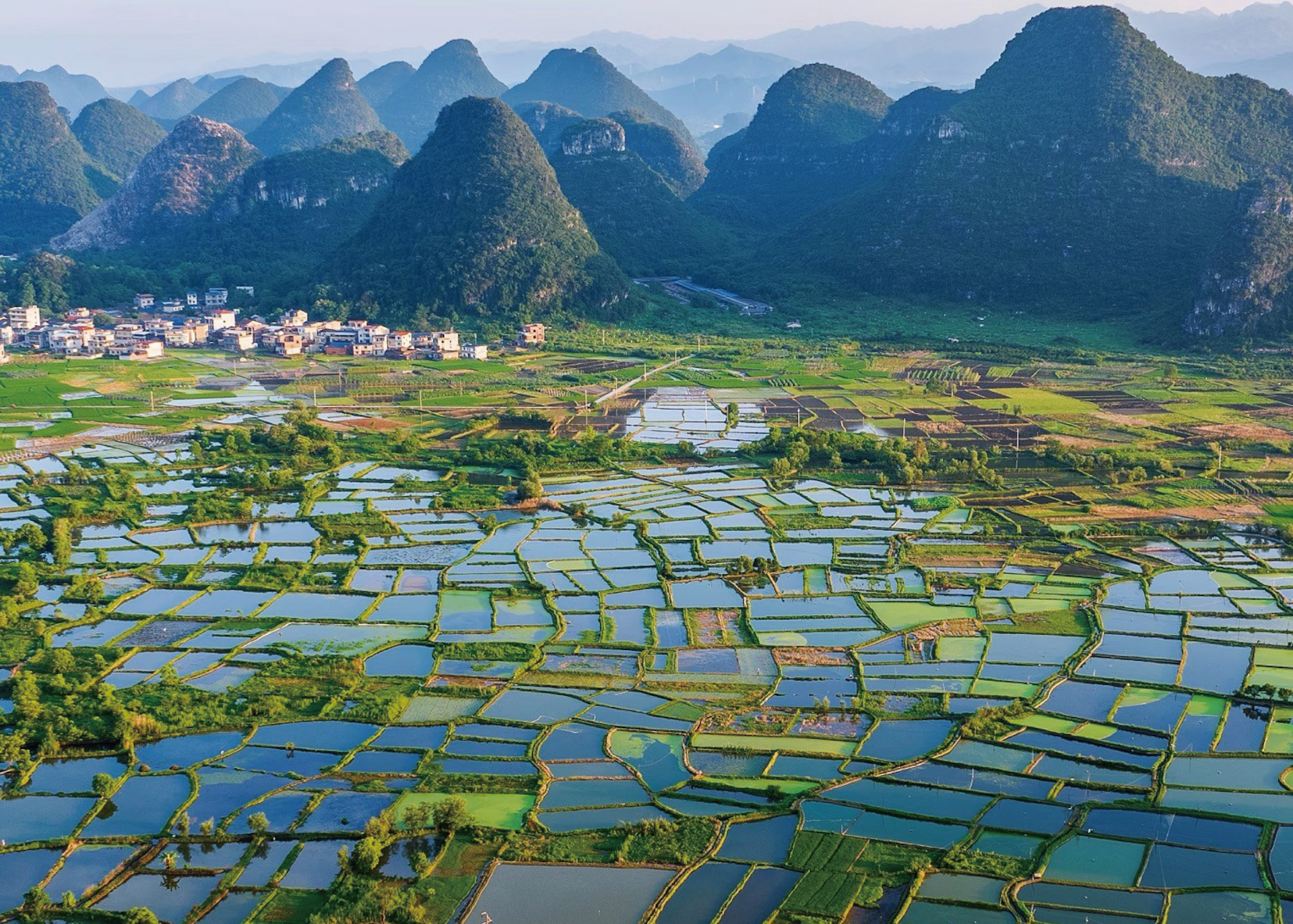
Improving water management can be a powerful tool for reducing emissions. Periodically draining fields reduces methane production, though it may slightly raise nitrous oxide emissions. This strategy is particularly effective in regions with reliable irrigation infrastructure, including large parts of Asia.
जल प्रबंधन में सुधार उत्सर्जन को कम करने का एक शक्तिशाली उपकरण हो सकता है। खेतों को समय-समय पर सुखाने से मीथेन उत्पादन कम होता है, हालांकि इससे नाइट्रस ऑक्साइड उत्सर्जन थोड़ा बढ़ सकता है। यह रणनीति उन क्षेत्रों में विशेष रूप से प्रभावी है जहाँ विश्वसनीय सिंचाई बुनियादी ढाँचा है, जिसमें एशिया के बड़े हिस्से शामिल हैं।
Managing fertilizer use is also an effective mitigation strategy, particularly in highly fertilized systems, including parts of China and South Asia. Excess nitrogen increases nitrous oxide without a clear increase in crop yields and increases water pollution. Reducing overapplication of nitrogen reduces emissions and water pollution, and it saves farmers money in the process.
उर्वरक के उपयोग का प्रबंधन भी एक प्रभावी शमन रणनीति है, खासकर अत्यधिक उर्वरित प्रणालियों में, जिसमें चीन और दक्षिण एशिया के कुछ हिस्से शामिल हैं। अतिरिक्त नाइट्रोजन से फसल की उपज में स्पष्ट वृद्धि के बिना नाइट्रस ऑक्साइड बढ़ जाती है और जल प्रदूषण बढ़ता है। नाइट्रोजन के अत्यधिक उपयोग को कम करने से उत्सर्जन और जल प्रदूषण दोनों कम होते हैं, और इस प्रक्रिया में किसानों के पैसे बचते हैं।
The effects of tilling, the practice of plowing the soil between crop seasons, have large regional differences. Reducing tilling is often promoted as climate-friendly, but we found that it does not always minimize net emissions in flooded systems. In rice fields in temperate zones, including much of the U.S. and China, cooler conditions can limit methane production, allowing the soil carbon benefits of reduced tilling to outweigh the methane risk. In warmer, persistently flooded systems, however, low-oxygen conditions can boost microbial activity, increasing methane production and accelerating soil carbon loss.
जुताई, जो फसल के मौसमों के बीच मिट्टी को जोतने की प्रक्रिया है, के प्रभावों में बड़े क्षेत्रीय अंतर होते हैं। जुताई को अक्सर जलवायु-अनुकूल माना जाता है, लेकिन हमने पाया कि यह बाढ़ वाली प्रणालियों में हमेशा शुद्ध उत्सर्जन को कम नहीं करता है। अमेरिका और चीन के अधिकांश हिस्सों सहित समशीतोष्ण क्षेत्रों के चावल के खेतों में, ठंडी परिस्थितियाँ मीथेन उत्पादन को सीमित कर सकती हैं, जिससे जुताई कम करने से मिट्टी के कार्बन लाभ मीथेन जोखिम से अधिक हो जाते हैं। हालांकि, गर्म, लगातार बाढ़ वाले सिस्टम में, कम ऑक्सीजन की स्थिति सूक्ष्मजीव गतिविधि को बढ़ावा दे सकती है, जिससे मीथेन उत्पादन बढ़ता है और मिट्टी के कार्बन का नुकसान तेज होता है।
Overall, we found that no single practice works everywhere. Each region will need to assess the most effective practices for reducing emissions.
कुल मिलाकर, हमने पाया कि कोई भी एक अभ्यास हर जगह काम नहीं करता है। प्रत्येक क्षेत्र को उत्सर्जन को कम करने के लिए सबसे प्रभावी प्रथाओं का आकलन करने की आवश्यकता होगी।
A climate ceiling for rice production
चावल उत्पादन के लिए जलवायु सीमा
The bottom line is both hopeful and sobering: Targeted sets of optimized practices can deliver meaningful emission reductions without losing rice yields, but the total global possible reduction is modest.
निचोड़ यह है कि यह आशाजनक और विचारणीय दोनों है: अनुकूलित प्रथाओं के लक्षित सेट चावल की पैदावार खोए बिना सार्थक उत्सर्जन में कमी ला सकते हैं, लेकिन कुल वैश्विक संभावित कमी मामूली है।
To reduce emissions further will require better guidance to help farmers determine the best levels of organic amendments, such as straw or biochar, and new approaches that can reduce emissions without undermining rice production.
उत्सर्जन को और कम करने के लिए किसानों को पुआल या बायोचार जैसे जैविक संशोधनों के सर्वोत्तम स्तर निर्धारित करने में मदद करने के लिए बेहतर मार्गदर्शन और नए दृष्टिकोणों की आवश्यकता होगी जो चावल के उत्पादन को कमजोर किए बिना उत्सर्जन को कम कर सकें।
Hanqin Tian receives funding from US Department of Agriculture, US National Science Foundation, and Andrew Carnegie Fellowship Program.
हानकिन तियान को अमेरिकी कृषि विभाग, यूएस नेशनल साइंस फाउंडेशन और एंड्रयू कारनेगी फेलोशिप प्रोग्राम से फंडिंग मिलती है।
Pep Canadell receives funding from the Australian National Environmental Science Program-Climate Systems Hub.
पेप कैनाडेल को ऑस्ट्रेलियाई नेशनल एनवायर्नमेंटल साइंस प्रोग्राम-क्लाइमेट सिस्टम्स हब से फंडिंग मिलती है।
Shufen (Susan) Pan receives funding from U. S. National Science Foundation
शूफेन (सुसान) पान को यू. एस. नेशनल साइंस फाउंडेशन से फंडिंग मिलती है।
Jingting Zhang does not work for, consult, own shares in or receive funding from any company or organization that would benefit from this article, and has disclosed no relevant affiliations beyond their academic appointment.
जिंगटिंग झांग किसी भी कंपनी या संगठन के लिए काम नहीं करते हैं, सलाह नहीं देते हैं, उसमें शेयर नहीं रखते हैं या उससे फंडिंग प्राप्त नहीं करते हैं जिससे इस लेख को लाभ होगा, और अपने अकादमिक पद से परे कोई प्रासंगिक जुड़ाव नहीं बताया है।
Read more
-

दक्षिण पूर्व एशिया के घोटाले वाले परिसरों के अंदर: एक तस्करी किया गया मज़दूर धोखाधड़ी, जबरदस्ती और यातना के बारे में बताता है
Inside Southeast Asia’s scam compounds: A trafficked worker tells of fraud, coercion and torture
-

उन्होंने भ्रष्टाचार का पर्दाफाश किया और पूरे हंगरी में घूमते रहे। अब पे्टर मैग्यार ने एक शक्तिशाली राज्य मशीन को पराजित किया है।
He exposed corruption and walked across Hungary. Now Péter Magyar has defeated a powerful state machine