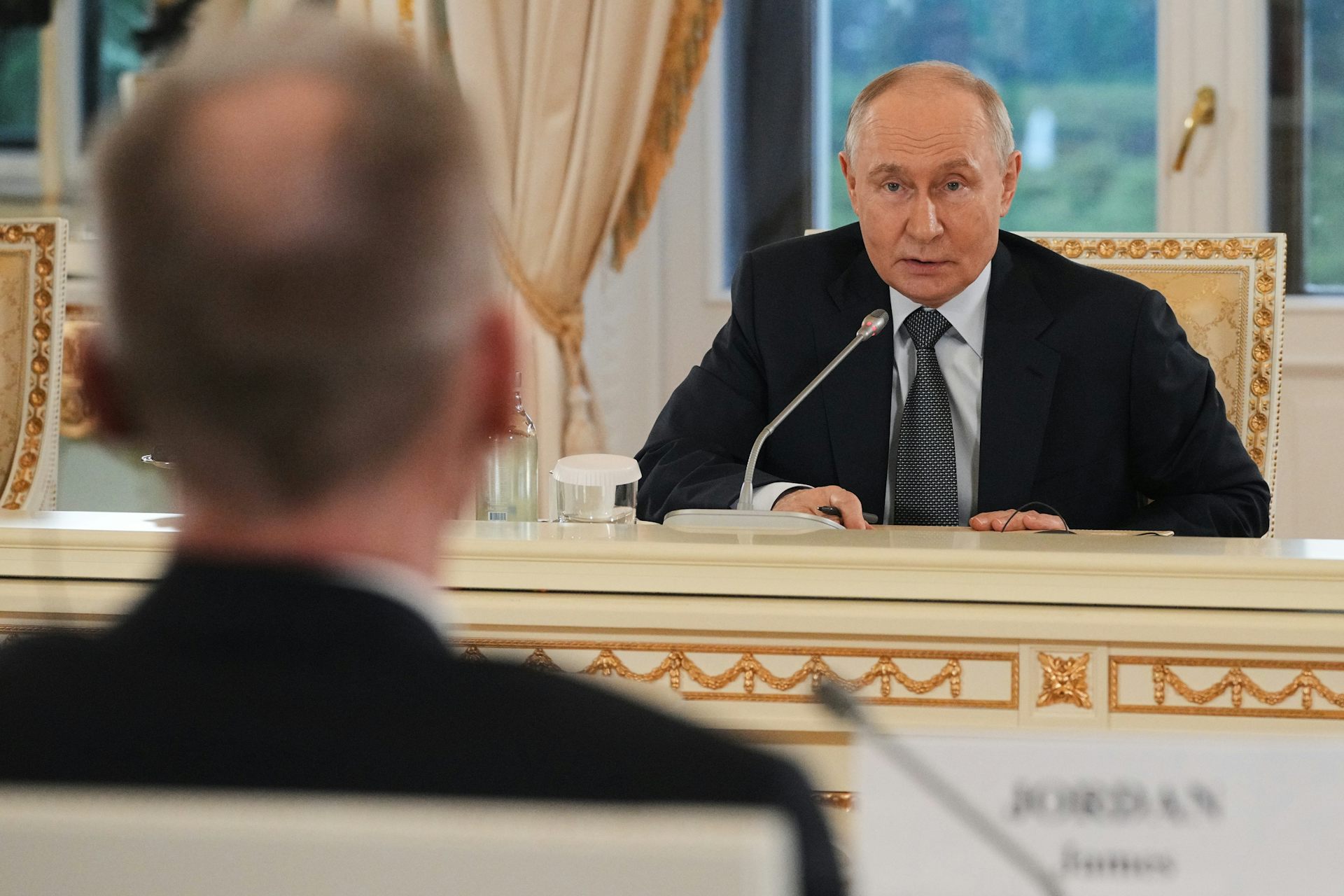
هل يمكن أن يُحدث الحرب في أوكرانيا تغييراً سياسياً لروسيا؟
Could the war in Ukraine bring political change to Russia?
The war is increasingly becoming a public humiliation for Russia.
الحرب تتزايد لتصبح إذلالاً عاماً لروسيا.
Volodymyr Zelensky recently suggested that the war in Ukraine was beginning to turn in his country’s favour. The Ukrainian president insisted that Russia was “losing the initiative each day”.
اقترح فولوديمير زيلينسكي مؤخراً أن الحرب في أوكرانيا بدأت تميل لصالح بلاده. وأصر الرئيس الأوكراني على أن روسيا “تخسر المبادرة يوماً بعد يوم.”
These comments came days after Zelensky wrote an open letter to his Russian counterpart, Vladimir Putin, in which he called for direct talks to end the war. Zelensky concluded the letter by stating: “when Russia grows tired, change comes”.
جاءت هذه التعليقات بعد أيام من كتابة زيلينسكي رسالة مفتوحة إلى نظيره الروسي، فلاديمير بوتين، دعا فيها إلى محادثات مباشرة لإنهاء الحرب. واختتم زيلينسكي الرسالة بالقول: “عندما تتعب روسيا، يأتي التغيير.”
There is truth to Zelensky’s claim. As journalist Gideon Rachman pointed out recently in the Financial Times, Russia has experienced dramatic political change four times in the past 100 years or so after defeat in a war or a serious foreign policy miscalculation.
هناك حقيقة في ادعاء زيلينسكي. فكما أشار الصحفي جيديون راكمان مؤخراً في فاينانشال تايمز، مرت روسيا بتغيرات سياسية درامية أربع مرات خلال الـ 100 عام الماضية تقريباً بعد هزيمة في حرب أو سوء تقدير خطير للسياسة الخارجية.
The 1905 revolution that led to the imposition of limits on the power of the ruling Tsars was sparked by Russia’s humiliating loss in the Russo-Japanese war. The Bolsheviks then came to power in 1917, laying the foundations for the Soviet Union, after Russia’s disastrous military performance in the first world war.
ثورة عام 1905 التي أدت إلى فرض قيود على سلطة القيصرين الحاكمين، كانت شرارتها الخسارة المهينة لروسيا في الحرب الروسية اليابانية. ثم وصل البلاشفة إلى السلطة في عام 1917، واضعين الأسس للاتحاد السوفيتي، بعد الأداء العسكري الكارثي لروسيا في الحرب العالمية الأولى.
Nikita Khrushchev’s decision to place Soviet nuclear missiles in Cuba in 1962 brought the world to the brink of disaster and convinced other leading figures in the Kremlin that he had to go. And in 1991, just two years after withdrawing Soviet troops from Moscow’s failed war in Afghanistan, Mikhail Gorbachev faced an attempted coup that led to the collapse of the Soviet Union itself.
أدى قرار نيكيتا خروتشوف بوضع الصواريخ النووية السوفيتية في كوبا عام 1962 إلى دفع العالم إلى حافة الهاوية وأقنع الشخصيات الرائدة الأخرى في الكرملين بأنه يجب عليه الرحيل. وفي عام 1991، بعد سنتين فقط من سحب القوات السوفيتية من حرب أفغانستان الفاشلة في موسكو، واجه ميخائيل غورباتشوف محاولة انقلاب أدت إلى انهيار الاتحاد السوفيتي نفسه.
Public humiliation on the world stage was an important element in each of these cases. It focused attention on Moscow’s weaknesses, demonstrating that Russia was not as strong as it appeared. This display of weakness emboldened those who wanted change.
كان الإذلال العلني على المسرح العالمي عنصراً مهماً في كلتا الحالتين. فقد ركز الاهتمام على نقاط ضعف موسكو، مما يدل على أن روسيا لم تكن قوية كما بدت. وقد شجع هذا الاستعراض للضعف أولئك الذين أرادوا التغيير.
But more was needed. A real sense of hardship and grievance experienced by society or political elites – or both – was necessary to deepen and broaden that desire for change and provide an impetus for action. The leaders of political change also had opportunities to organise, gain support and establish a power base.
ولكن كان المطلوب أكثر من ذلك. فكان من الضروري وجود شعور حقيقي بالضائقة والغضب يمر به المجتمع أو النخب السياسية – أو كليهما – لتعميق وتوسيع هذا الرغبة في التغيير وتوفير دافع للعمل. كما أتاح لقادة التغيير السياسي فرصاً للتنظيم، وكسب الدعم، وتأسيس قاعدة قوة.
So, will the war in Ukraine cost Putin his position as Russia’s leader? Some signs point in that direction. The war is increasingly becoming a public humiliation for Russia. When the so-called “special military operation” began in February 2022, Russian officers leading the invasion were told to pack dress uniforms to wear in a victory parade in the Ukrainian capital of Kyiv.
فهل ستكلف الحرب في أوكرانيا بوتين منصبه كزعيم لروسيا؟ تشير بعض العلامات في هذا الاتجاه. فالحرب أصبحت بشكل متزايد إذلالاً علنياً لروسيا. فعندما بدأت ما يسمى “العملية العسكرية الخاصة” في فبراير 2022، طُلب من الضباط الروس الذين قادوا الغزو أن يحزموا زيّهم الرسمي ليتم ارتداؤه في عرض انتصار في العاصمة الأوكرانية كييف.
But more than four years later, Russia is struggling to achieve its far more limited goal of taking and holding the Donbas region of eastern Ukraine. During 2026, Russia’s rate of advance has slowed to a crawl and has even been reversed in some places. Meanwhile, Ukraine’s effective use of drones has given Kyiv the initiative.
ولكن بعد أكثر من أربع سنوات، تكافح روسيا لتحقيق هدفها الأكثر محدودية وهو الاستيلاء على منطقة دونباس في شرق أوكرانيا والاحتفاظ بها. فخلال عام 2026، تباطأ معدل تقدم روسيا ليصبح بطيئاً بل وتراجع في بعض الأماكن. وفي الوقت نفسه، منح الاستخدام الفعال للطائرات المسيرة من قبل أوكرانيا كييف المبادرة.
There are now signs that the Russian government realises it cannot achieve its war aims in Ukraine. In May, a leaked document revealed that the Kremlin is making plans for a propaganda campaign to spin the war in a way that avoids conceding that none of its stated goals have been fulfilled.
هناك الآن علامات على أن الحكومة الروسية تدرك أنها لا تستطيع تحقيق أهدافها الحربية في أوكرانيا. ففي مايو، كشف مستند مسرب أن الكرملين يخطط لحملة دعائية لتصوير الحرب بطريقة تتجنب الاعتراف بأن أي من أهدافها المعلنة قد تحققت.
The war is also unpopular among ordinary Russians. An April opinion poll, which was carried out by Russia’s Levada Center, showed 62% of Russians want the war to end. The poll found that only 27% of Russians favour continuing it.
الحرب غير شعبية أيضاً بين عامة الروس. فقد أظهر استطلاع رأي في أبريل، أجراه مركز ليفادا الروسي، أن 62% من الروس يريدون إنهاء الحرب. ووجد الاستطلاع أن 27% فقط من الروس يفضلون مواصلتها.
Considering the pressure to give “the right” responses in such surveys out of fear of retribution from the state, it is remarkable that such a high proportion of those surveyed were willing to express dissatisfaction with the war. It also suggests that the true extent of war weariness among Russians could be even greater.
بالنظر إلى الضغط لتقديم الردود “الصحيحة” في مثل هذه الاستطلاعات خوفاً من الانتقام من الدولة، فمن اللافت أن نسبة عالية من الذين شملهم الاستطلاع كانوا مستعدين للتعبير عن عدم الرضا عن الحرب. ويشير ذلك أيضاً إلى أن الحجم الحقيقي للإرهاق من الحرب بين الروس قد يكون أكبر.
This desire for an end to the war may stem from the fact that the conflict is becoming increasingly real to Russians. While economic sanctions against Russia have been an inconvenience to most citizens, Ukraine’s ability to manufacture drones that can strike deep in Russian territory is truly bringing the war home. Russian oil refineries and depots have been particular targets, driving up prices and creating shortages and petrol rationing in several regions.
قد ينبع هذا التوق إلى إنهاء الحرب من حقيقة أن الصراع أصبح واقعياً بشكل متزايد بالنسبة للروس. فبينما كانت العقوبات الاقتصادية المفروضة على روسيا مجرد إزعاج لمعظم المواطنين، فإن قدرة أوكرانيا على تصنيع الطائرات المسيرة التي يمكنها ضرب عميق في الأراضي الروسية تجلب الحرب إلى الديار حقاً. وكانت مصافي النفط والمستودعات الروسية أهدافاً خاصة، مما أدى إلى ارتفاع الأسعار وخلق نقص وتوزيع مقنن للبنزين في عدة مناطق.
Limited signs of change
علامات التغيير المحدودة
However, while there is a widespread desire among Russians for the war to end, there are no signs of mass protests that might put pressure on the state to end the war quickly or, indeed, bring about real political change.
ومع ذلك، ففي حين توجد رغبة واسعة بين الروس في إنهاء الحرب، لا توجد علامات على احتجاجات جماهيرية قد تضغط على الدولة لإنهاء الحرب بسرعة أو حتى لإحداث تغيير سياسي حقيقي.
Legislation rushed through days after the start of the mass invasion of Ukraine made it an offence to spread “false information” about the military or “discredit” the armed forces. And although some individuals continue to protest as “single pickets”, most Russians are discouraged from taking a public stance by the prospect of arrest and fines or custodial sentences.
جعلت تشريعات سُرِّعت خلال أيام بعد بدء الغزو الشامل لأوكرانيا من جريمة نشر “معلومات مضللة” حول الجيش أو “تشويه سمعة” القوات المسلحة. وعلى الرغم من أن بعض الأفراد يواصلون الاحتجاج في شكل “اعتصامات فردية”، فإن معظم الروس يتم تثبيطهم عن اتخاذ موقف علني بسبب احتمال الاعتقال والغرامات أو الأحكام السجنية.
Another factor that prevents large-scale protests or uprisings in Russia is the absence of any political opposition to the state. Russia’s remaining prominent opposition leaders are either in exile or in prison. The state also makes extensive use of legislation that allows it to declare individuals, organisations or groups that are critical of the state as “foreign agents” or “undesirable organisations”.
عامل آخر يمنع الاحتجاجات أو الانتفاضات واسعة النطاق في روسيا هو غياب أي معارضة سياسية للدولة. إن قادة المعارضة البارزين المتبقين في روسيا إما أنهم في المنفى أو في السجن. كما تستخدم الدولة بشكل مكثف تشريعات تسمح لها بتصنيف الأفراد أو المنظمات أو المجموعات التي تنتقد الدولة على أنها “عملاء أجانب” أو “منظمات غير مرغوب فيها.”
Those who are designated foreign agents face financial penalties and lose a number of legal rights, including the right to stand for election. Undesirable organisations face even harsher restrictions. They are not permitted to conduct financial transactions or spread information in the media or on the internet.
يواجه أولئك الذين يُصنَّفون كعملاء أجانب عقوبات مالية ويفقدون عددًا من الحقوق القانونية، بما في ذلك الحق في الترشح للانتخابات. وتواجه المنظمات غير المرغوب فيها قيودًا أكثر صرامة. ولا يُسمح لها بإجراء معاملات مالية أو نشر معلومات في وسائل الإعلام أو عبر الإنترنت.
The extent of legal restrictions on society and opposition figures mean that political change is most likely to come from inside the ruling regime. This happened in 1964 when Khrushchev was removed from power. A group of fellow political leaders confronted Khrushchev, who agreed to step aside when he found that no powerful institutions were willing to support him.
إن مدى القيود القانونية المفروضة على المجتمع والشخصيات المعارضة يعني أن التغيير السياسي من المرجح أن ينبع من داخل النظام الحاكم. وقد حدث ذلك في عام 1964 عندما أُزيل كروتشوف من منصبه. وواجه كروتشوف مجموعة من القادة السياسيين الزملاء، الذي وافق على التنحي عندما اكتشف أنه لا توجد مؤسسات قوية مستعدة لدعمه.
Putin is well aware of this precedent and has been careful to avoid naming a successor. He has also been very effective at keeping the various competing interests in Russian politics at odds with each other while ensuring that the country’s intelligence and security forces are loyal to him personally.
يدرك بوتين تماماً هذه السابقة، وقد حرص على تجنب تسمية أي خليفة له. كما كان فعالاً جداً في إبقاء المصالح المتنافسة المختلفة في السياسة الروسية متعارضة فيما بينها، مع ضمان ولاء جهاز المخابرات والأمن في البلاد له شخصياً.
The obstacles to a coup are significant. But if Putin continues his refusal to consider making any concessions to end the war in Ukraine, those who surround him might decide that their own interests are better served by removing him from power.
إن العقبات أمام الانقلاب جسيمة. ولكن إذا استمر بوتين في رفضه النظر في تقديم أي تنازلات لإنهاء الحرب في أوكرانيا، فقد يقرر من حوله أن مصالحهم الخاصة تخدم بشكل أفضل بإبعاده عن السلطة.
Jennifer Mathers does not work for, consult, own shares in or receive funding from any company or organisation that would benefit from this article, and has disclosed no relevant affiliations beyond their academic appointment.
جينيفر ماثرز لا تعمل لدى، أو تقدم استشارات لـ، أو تمتلك أسهمًا في، أو تتلقى تمويلاً من أي شركة أو منظمة قد تستفيد من هذه المقالة، ولم تكشف عن أي انتماءات ذات صلة بخلاف تعيينها الأكاديمي.
Read more
-
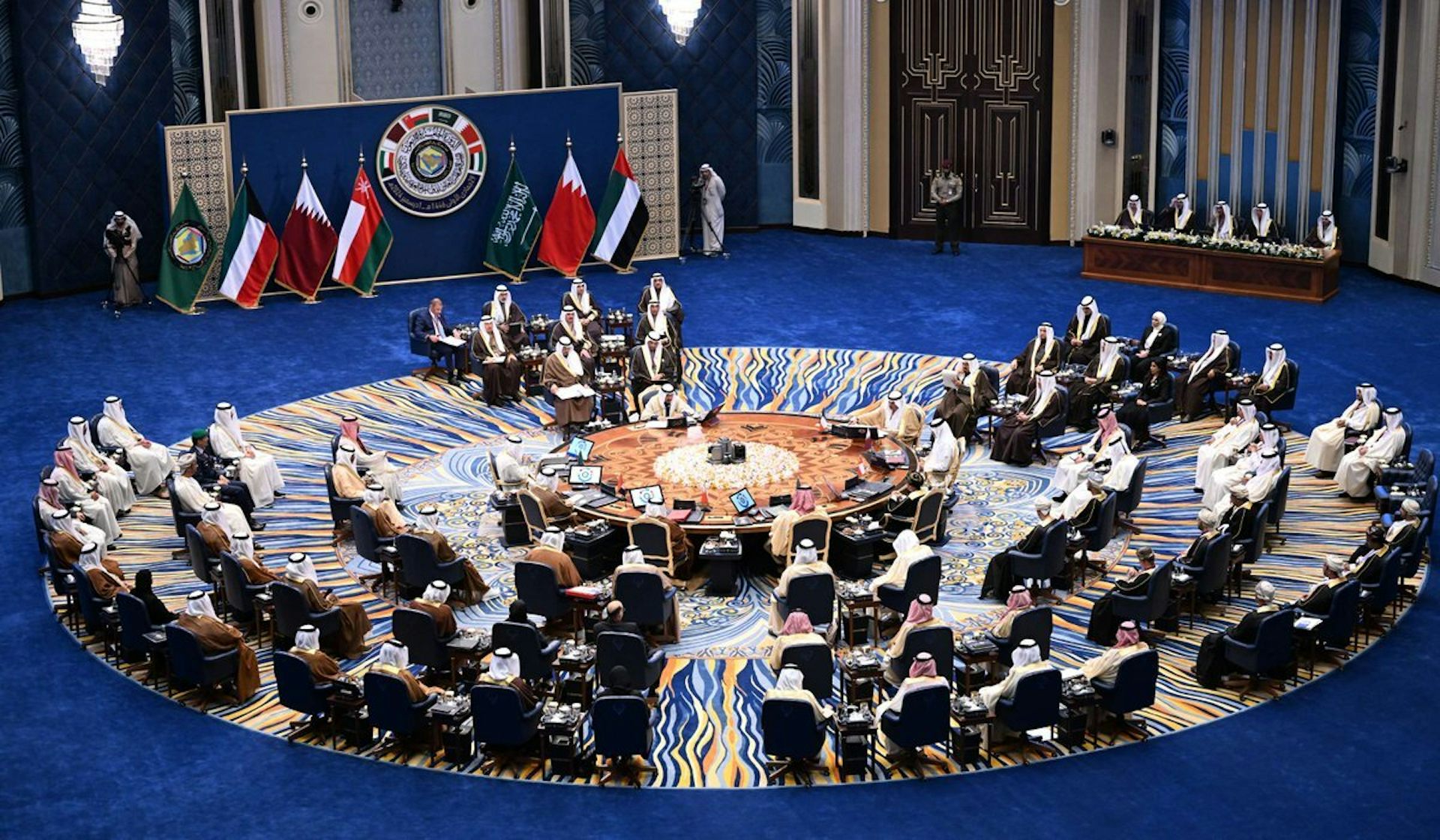
لقد تشكّل تعاون دول الخليج لفترة طويلة بفعل تهديد إيران – لكن مظاهر الوحدة تخفي الانقسام.
Gulf state cooperation has long been shaped by the threat of Iran − but shows of unity belie division
-
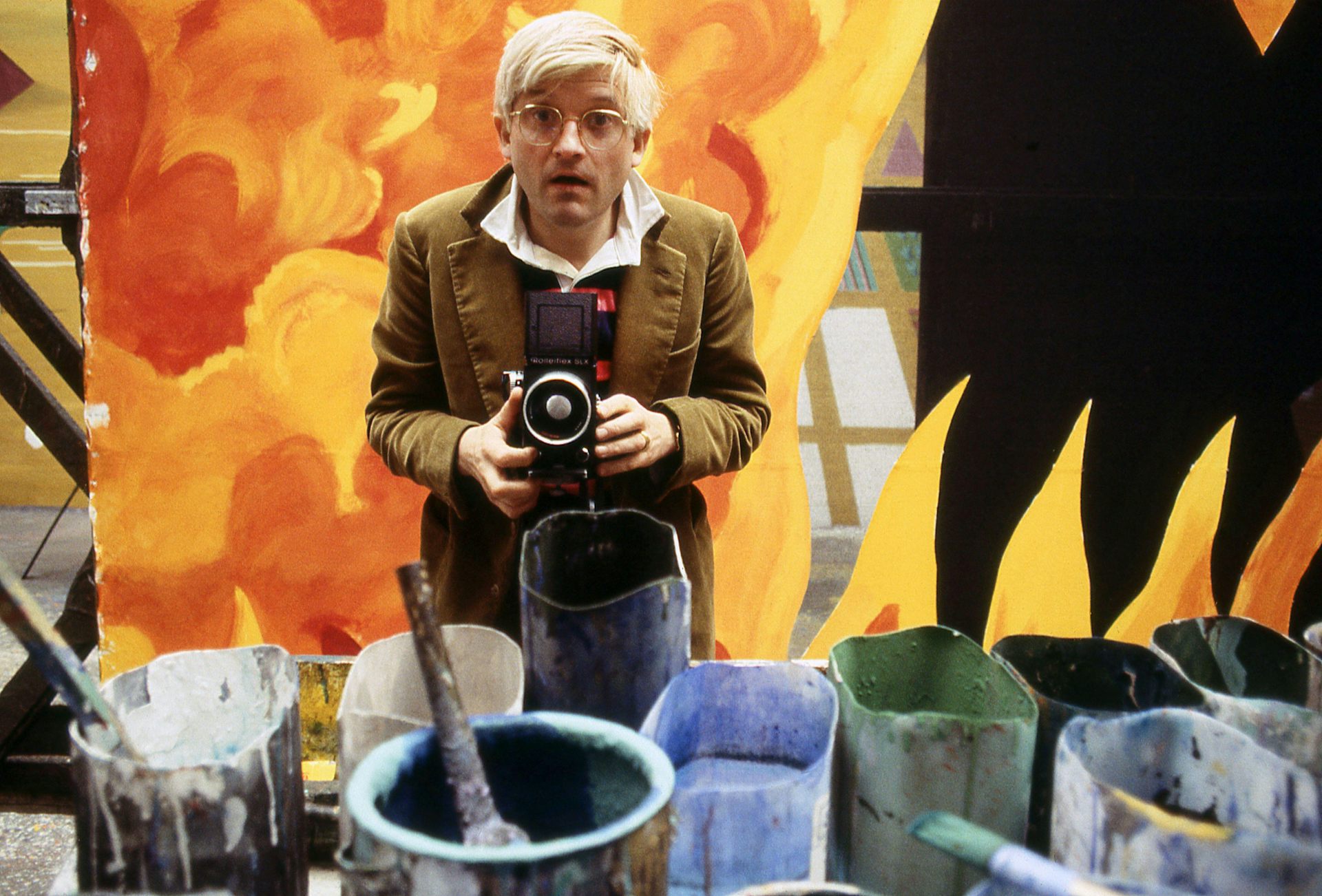
حياة الحب: ديفيد هوكني، الفنان الذي أجبر بريطانيا على إفساح المجال للألوان والبهجة والهوية المثليّة
Love life: David Hockney, the artist who forced Britain to make room for colour, joy and queerness