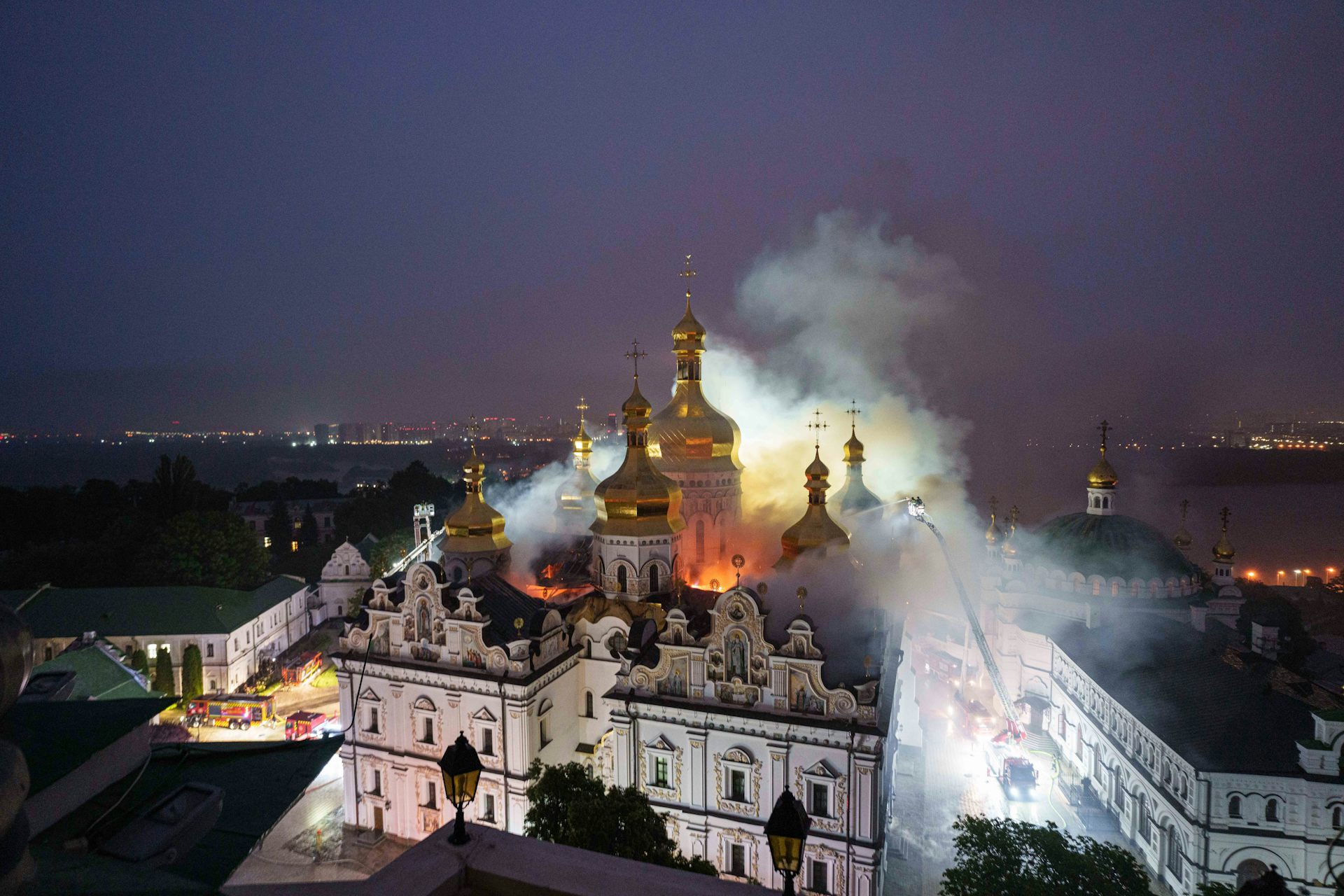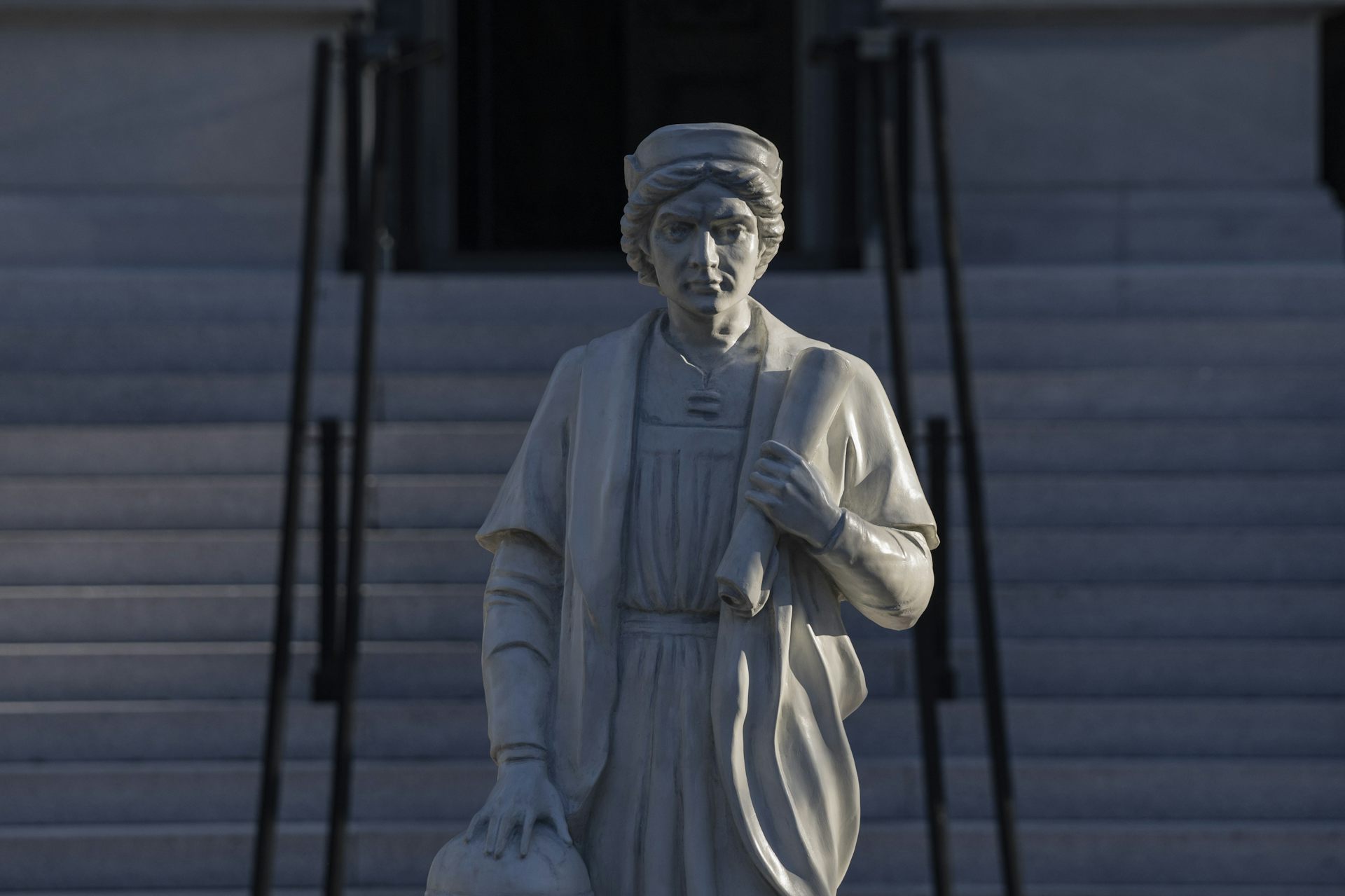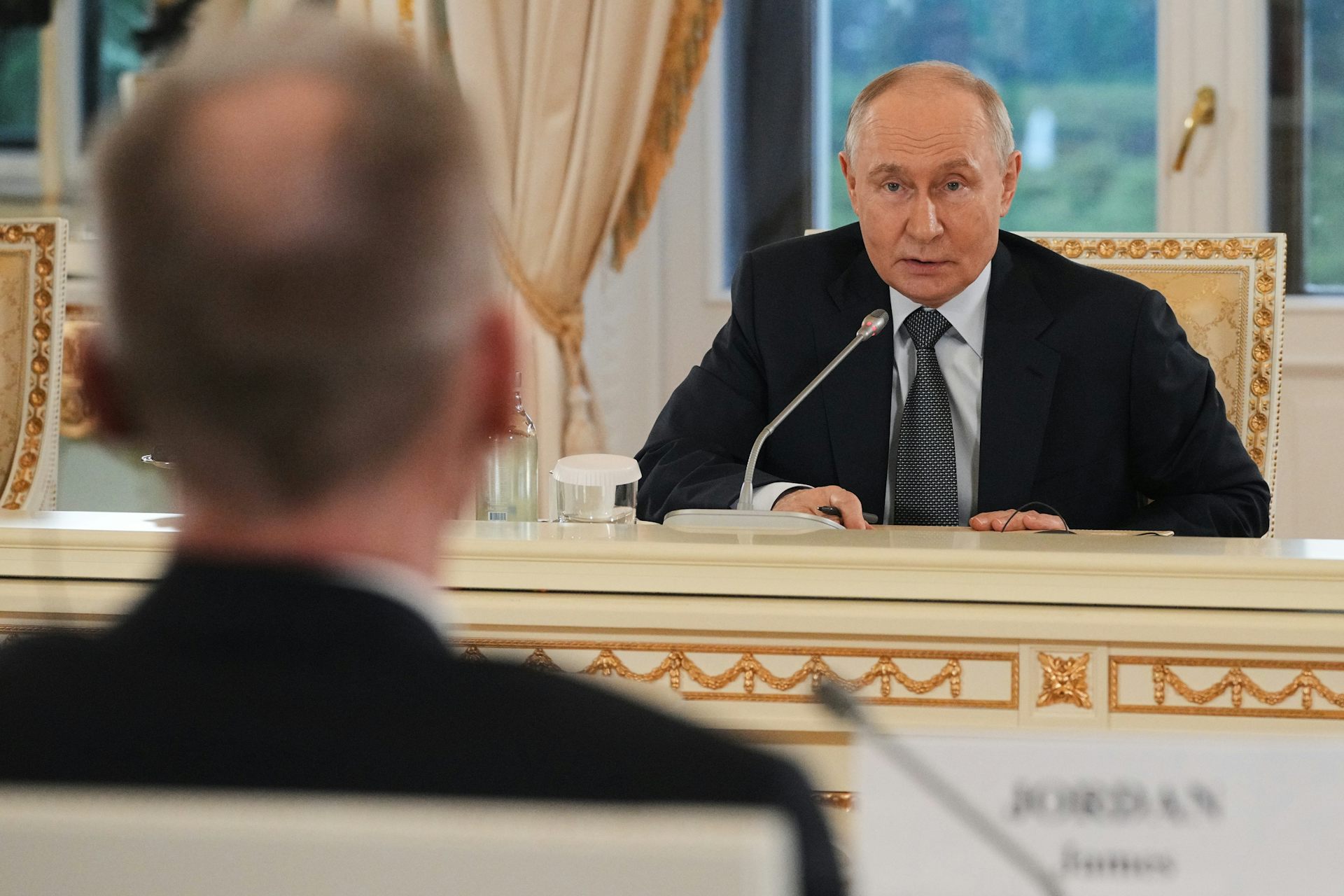
The war is increasingly becoming a public humiliation for Russia.
这场战争正日益成为俄罗斯的公开耻辱。
Volodymyr Zelensky recently suggested that the war in Ukraine was beginning to turn in his country’s favour. The Ukrainian president insisted that Russia was “losing the initiative each day”.
弗拉基米尔·泽连斯基最近暗示,乌克兰的战争开始向其国家有利的方向发展。这位乌克兰总统坚称俄罗斯“正在一天天失去主动权”。
These comments came days after Zelensky wrote an open letter to his Russian counterpart, Vladimir Putin, in which he called for direct talks to end the war. Zelensky concluded the letter by stating: “when Russia grows tired, change comes”.
这些评论是在泽连斯基写给俄方同行弗拉基米尔·普京的一封公开信几天后发表的,他在信中呼吁进行直接对话以结束战争。泽连斯基在信的结尾指出:“当俄罗斯感到疲倦时,变化就会到来。”
There is truth to Zelensky’s claim. As journalist Gideon Rachman pointed out recently in the Financial Times, Russia has experienced dramatic political change four times in the past 100 years or so after defeat in a war or a serious foreign policy miscalculation.
泽连斯基的说法是有道理的。正如记者吉迪恩·拉奇曼最近在《金融时报》指出的那样,在过去一百年左右的时间里,俄国曾在经历战争失败或严重的对外政策失误后,经历了四次重大的政治变革。
The 1905 revolution that led to the imposition of limits on the power of the ruling Tsars was sparked by Russia’s humiliating loss in the Russo-Japanese war. The Bolsheviks then came to power in 1917, laying the foundations for the Soviet Union, after Russia’s disastrous military performance in the first world war.
导致限制统治沙皇权力制度的1905年革命,是由俄罗斯在日本战争中遭受的屈辱性战败所引发的。随后,布尔什维克于1917年掌权,在俄国第一次世界大战中的灾难性军事表现之后,为苏联奠定了基础。
Nikita Khrushchev’s decision to place Soviet nuclear missiles in Cuba in 1962 brought the world to the brink of disaster and convinced other leading figures in the Kremlin that he had to go. And in 1991, just two years after withdrawing Soviet troops from Moscow’s failed war in Afghanistan, Mikhail Gorbachev faced an attempted coup that led to the collapse of the Soviet Union itself.
尼基塔·赫鲁晓夫于1962年将苏联核导弹部署到古巴,使世界濒临灾难边缘,并说服了克里姆林宫的其他主要人物,让他必须离开权力中心。而在1991年,在苏联从阿富汗失败的战争中撤军两年后,米哈伊尔·戈尔巴契夫面临了一场政变,最终导致了苏联本身的解体。
Public humiliation on the world stage was an important element in each of these cases. It focused attention on Moscow’s weaknesses, demonstrating that Russia was not as strong as it appeared. This display of weakness emboldened those who wanted change.
世界舞台上的公开屈辱是这些案例中的一个重要要素。它将注意力集中在了莫斯科的弱点上,证明了俄罗斯并非看起来那么强大。这种软弱的表现鼓舞了那些渴望变革的人们。
But more was needed. A real sense of hardship and grievance experienced by society or political elites – or both – was necessary to deepen and broaden that desire for change and provide an impetus for action. The leaders of political change also had opportunities to organise, gain support and establish a power base.
但还需要更多。社会或政治精英群体——或者两者都经历的真实困苦和不满感——对于深化和扩大这种变革的愿望并提供行动的动力是必要的。政治变革的领导者也获得了组织、获得支持和建立权力基础的机会。
So, will the war in Ukraine cost Putin his position as Russia’s leader? Some signs point in that direction. The war is increasingly becoming a public humiliation for Russia. When the so-called “special military operation” began in February 2022, Russian officers leading the invasion were told to pack dress uniforms to wear in a victory parade in the Ukrainian capital of Kyiv.
那么,乌克兰战争是否会让普京失去作为俄罗斯领导人的地位?一些迹象指向了这个方向。这场战争正日益成为俄罗斯的公开屈辱。当所谓的“特别军事行动”于2022年2月开始时,率领入侵的俄军官员被要求收拾上正装制服,准备在乌克兰首都基辅参加胜利游行。
But more than four years later, Russia is struggling to achieve its far more limited goal of taking and holding the Donbas region of eastern Ukraine. During 2026, Russia’s rate of advance has slowed to a crawl and has even been reversed in some places. Meanwhile, Ukraine’s effective use of drones has given Kyiv the initiative.
但四年多过去了,俄罗斯仍在努力实现其更有限的目标——占领并控制乌克兰东部的顿巴斯地区。在2026年期间,俄罗斯的推进速度已减缓到几乎停滞,甚至在一些地方出现了逆转。与此同时,乌克兰有效使用无人机为基辅带来了主动权。
There are now signs that the Russian government realises it cannot achieve its war aims in Ukraine. In May, a leaked document revealed that the Kremlin is making plans for a propaganda campaign to spin the war in a way that avoids conceding that none of its stated goals have been fulfilled.
现在有迹象表明,俄罗斯政府意识到它无法实现其在乌克兰的战争目标。今年5月,一份泄露的文件显示,克里姆林宫正在策划一场宣传运动,试图以避免承认任何既定目标未能实现的口吻来炒作这场战争。
The war is also unpopular among ordinary Russians. An April opinion poll, which was carried out by Russia’s Levada Center, showed 62% of Russians want the war to end. The poll found that only 27% of Russians favour continuing it.
这场战争在普通俄罗斯人中也并不受欢迎。俄罗斯列瓦达中心进行的一项四月份民意调查显示,62%的俄罗斯人希望战争结束。该调查发现,只有27%的俄罗斯人支持继续战争。
Considering the pressure to give “the right” responses in such surveys out of fear of retribution from the state, it is remarkable that such a high proportion of those surveyed were willing to express dissatisfaction with the war. It also suggests that the true extent of war weariness among Russians could be even greater.
考虑到出于对国家报复的恐惧而在此类调查中给出“正确”答案的压力,高比例的受访者愿意表达对战争的不满是值得注意的。这也表明,俄罗斯人真正的战疲劳程度可能更甚。
This desire for an end to the war may stem from the fact that the conflict is becoming increasingly real to Russians. While economic sanctions against Russia have been an inconvenience to most citizens, Ukraine’s ability to manufacture drones that can strike deep in Russian territory is truly bringing the war home. Russian oil refineries and depots have been particular targets, driving up prices and creating shortages and petrol rationing in several regions.
这种结束战争的愿望可能源于冲突对俄罗斯人来说正变得越来越真实。虽然经济制裁给大多数公民带来了不便,但乌克兰制造能够深入俄国领土打击无人机的能力,真正地将这场战争带回了家园。俄罗斯的石油炼油厂和仓库一直是特别的目标,推高了物价,并在多个地区造成了短缺和汽油配给制。
Limited signs of change
变化迹象有限
However, while there is a widespread desire among Russians for the war to end, there are no signs of mass protests that might put pressure on the state to end the war quickly or, indeed, bring about real political change.
然而,尽管俄罗斯人普遍渴望战争结束,但目前没有任何大规模抗议的迹象,这些抗议可能给国家带来压力,要求其迅速结束战争,甚至引发真正的政治变革。
Legislation rushed through days after the start of the mass invasion of Ukraine made it an offence to spread “false information” about the military or “discredit” the armed forces. And although some individuals continue to protest as “single pickets”, most Russians are discouraged from taking a public stance by the prospect of arrest and fines or custodial sentences.
在全面入侵乌克兰开始几天后,通过的立法规定,传播关于军队的“虚假信息”或“诋毁”武装部队的行为属于犯罪。尽管一些个人继续以“单人请愿”的形式抗议,但大多数俄罗斯人由于担心被逮捕、罚款或监禁,不愿公开表态。
Another factor that prevents large-scale protests or uprisings in Russia is the absence of any political opposition to the state. Russia’s remaining prominent opposition leaders are either in exile or in prison. The state also makes extensive use of legislation that allows it to declare individuals, organisations or groups that are critical of the state as “foreign agents” or “undesirable organisations”.
另一个阻止俄罗斯发生大规模抗议或起义的因素是,缺乏任何反对国家的政治反对派。俄罗斯剩下的主要反对派领导人要么在流亡,要么在监狱里。国家还广泛利用法律,允许它将批评国家的个人、组织或团体宣布为“外国代理人”或“不受欢迎的组织”。
Those who are designated foreign agents face financial penalties and lose a number of legal rights, including the right to stand for election. Undesirable organisations face even harsher restrictions. They are not permitted to conduct financial transactions or spread information in the media or on the internet.
被指定为外国代理的人将面临经济处罚,并失去包括参选权在内的若干法律权利。不受欢迎的组织则会面临更严厉的限制。它们不允许进行金融交易或通过媒体或互联网传播信息。
The extent of legal restrictions on society and opposition figures mean that political change is most likely to come from inside the ruling regime. This happened in 1964 when Khrushchev was removed from power. A group of fellow political leaders confronted Khrushchev, who agreed to step aside when he found that no powerful institutions were willing to support him.
社会和反对派人士面临的法律限制程度意味着,政治变革最有可能源于执政体制内部。这种情况发生在1964年,当时赫鲁晓夫失去了权力。一群政治同僚挑战了赫鲁晓夫,而当他发现没有任何强大的机构愿意支持他时,他便同意让位。
Putin is well aware of this precedent and has been careful to avoid naming a successor. He has also been very effective at keeping the various competing interests in Russian politics at odds with each other while ensuring that the country’s intelligence and security forces are loyal to him personally.
普京深知这一先例,并小心翼翼地避免提及任何接班人。他还非常有效地让俄罗斯政治中各种相互竞争的利益集团互相矛盾,同时确保了国家的情报和安全部队对他个人保持忠诚。
The obstacles to a coup are significant. But if Putin continues his refusal to consider making any concessions to end the war in Ukraine, those who surround him might decide that their own interests are better served by removing him from power.
政变面临的障碍是巨大的。但如果普京继续拒绝考虑就乌克兰战争做出任何让步,那么围绕在他身边的人可能会认为,将他从权力中心移除更有利于他们的自身利益。
Jennifer Mathers does not work for, consult, own shares in or receive funding from any company or organisation that would benefit from this article, and has disclosed no relevant affiliations beyond their academic appointment.
Jennifer Mathers 不受任何会从本文受益的公司或组织雇佣、咨询、持有股份或获得资金,并且除了其学术职位之外未披露任何相关任职关系。