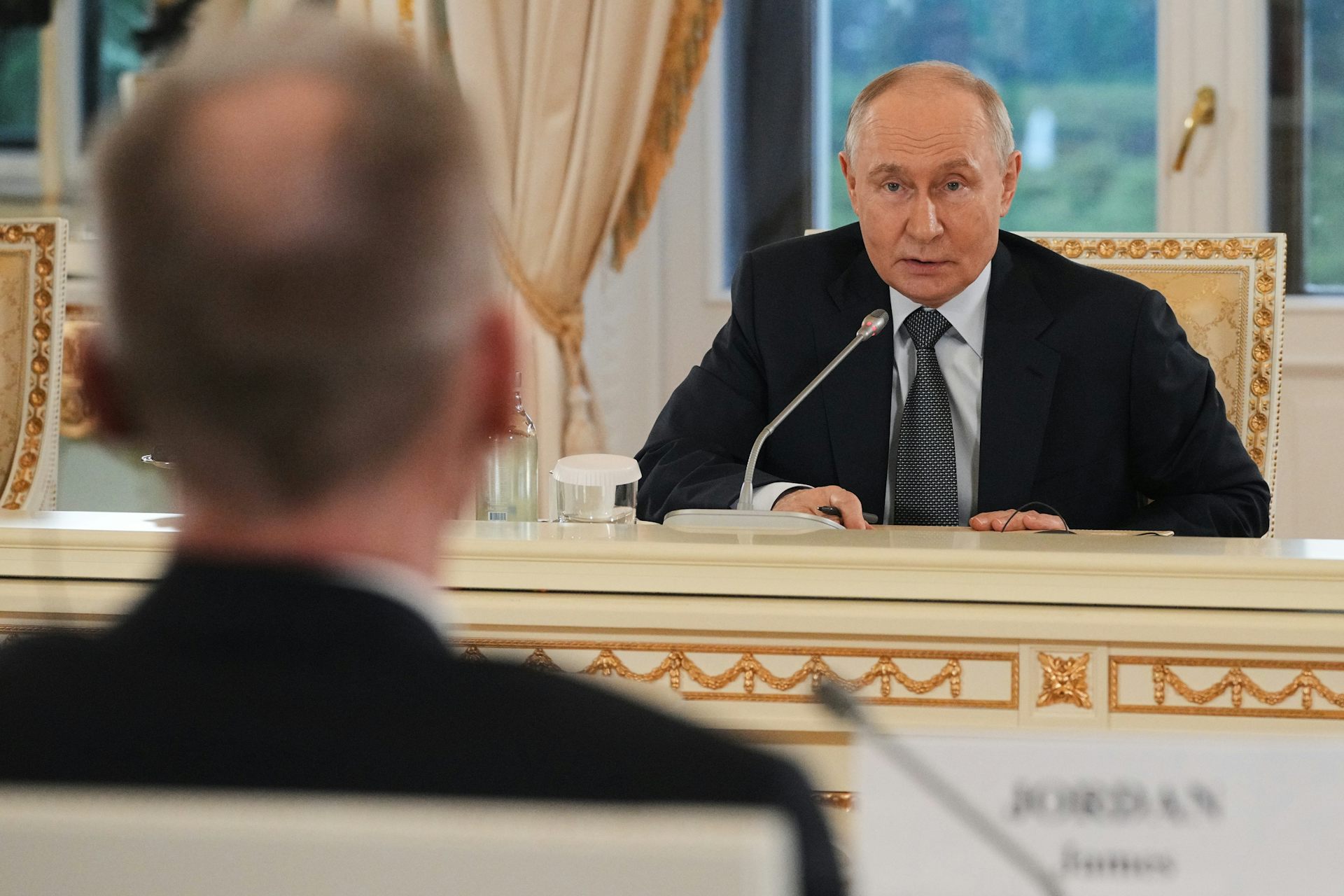
क्या यूक्रेन युद्ध रूस में राजनीतिक बदलाव ला सकता है?
Could the war in Ukraine bring political change to Russia?
The war is increasingly becoming a public humiliation for Russia.
यह युद्ध रूस के लिए लगातार एक सार्वजनिक अपमान बनता जा रहा है।
Volodymyr Zelensky recently suggested that the war in Ukraine was beginning to turn in his country’s favour. The Ukrainian president insisted that Russia was “losing the initiative each day”.
वलोडिमिर ज़ेलेंस्की ने हाल ही में सुझाव दिया कि यूक्रेन में युद्ध उसके देश के पक्ष में मुड़ना शुरू हो गया है। यूक्रेनी राष्ट्रपति ने जोर देकर कहा कि रूस “हर दिन पहल खो रहा है”।
These comments came days after Zelensky wrote an open letter to his Russian counterpart, Vladimir Putin, in which he called for direct talks to end the war. Zelensky concluded the letter by stating: “when Russia grows tired, change comes”.
ये टिप्पणियाँ ज़ेलेंस्की द्वारा अपने रूसी समकक्ष, व्लादिमीर पुतिन को लिखे गए एक खुले पत्र के कुछ दिनों बाद आईं, जिसमें उन्होंने युद्ध समाप्त करने के लिए सीधी बातचीत का आह्वान किया था। ज़ेलेंस्की ने पत्र का समापन यह कहते हुए किया: “जब रूस थक जाएगा, तो बदलाव आएगा।”
There is truth to Zelensky’s claim. As journalist Gideon Rachman pointed out recently in the Financial Times, Russia has experienced dramatic political change four times in the past 100 years or so after defeat in a war or a serious foreign policy miscalculation.
ज़ेलेंस्की के दावे में सच्चाई है। जैसा कि पत्रकार गिडियन रचमैन ने हाल ही में फाइनेंशियल टाइम्स में बताया, रूस ने पिछले लगभग 100 वर्षों में युद्ध में हार या गंभीर विदेश नीति की गलत गणना के बाद चार बार नाटकीय राजनीतिक परिवर्तन का अनुभव किया है।
The 1905 revolution that led to the imposition of limits on the power of the ruling Tsars was sparked by Russia’s humiliating loss in the Russo-Japanese war. The Bolsheviks then came to power in 1917, laying the foundations for the Soviet Union, after Russia’s disastrous military performance in the first world war.
१९०५ की क्रांति, जिसने शासन करने वाले ज़ार की शक्ति पर सीमाएं लगाने का मार्ग प्रशस्त किया, रूस की रूसो-जापानी युद्ध में अपमानजनक हार से प्रेरित हुई। इसके बाद बोल्शेविक १९१७ में सत्ता में आए, जिन्होंने प्रथम विश्व युद्ध में रूस के विनाशकारी सैन्य प्रदर्शन के बाद सोवियत संघ की नींव रखी।
Nikita Khrushchev’s decision to place Soviet nuclear missiles in Cuba in 1962 brought the world to the brink of disaster and convinced other leading figures in the Kremlin that he had to go. And in 1991, just two years after withdrawing Soviet troops from Moscow’s failed war in Afghanistan, Mikhail Gorbachev faced an attempted coup that led to the collapse of the Soviet Union itself.
1962 में क्यूबा में सोवियत परमाणु मिसाइलें रखने का निकिता ख्रुश्चेव का निर्णय दुनिया को विनाश के कगार पर ले आया और क्रेमलिन के अन्य प्रमुख नेताओं को यह विश्वास दिला गया कि उन्हें जाना होगा। और 1991 में, अफगानिस्तान में मॉस्को के असफल युद्ध से सोवियत सैनिकों की वापसी के मात्र दो साल बाद, मिखाइल गोर्बाचेव एक ऐसे तख्तापलट का सामना करते हैं जिसके कारण स्वयं सोवियत संघ का पतन हो गया।
Public humiliation on the world stage was an important element in each of these cases. It focused attention on Moscow’s weaknesses, demonstrating that Russia was not as strong as it appeared. This display of weakness emboldened those who wanted change.
विश्व मंच पर सार्वजनिक अपमान इन सभी मामलों में एक महत्वपूर्ण तत्व था। इसने मॉस्को की कमजोरियों पर ध्यान केंद्रित किया, यह दर्शाते हुए कि रूस उतना मजबूत नहीं था जितना वह दिखता था। कमजोरी का इस प्रदर्शन ने उन लोगों को हिम्मत दी जो बदलाव चाहते थे।
But more was needed. A real sense of hardship and grievance experienced by society or political elites – or both – was necessary to deepen and broaden that desire for change and provide an impetus for action. The leaders of political change also had opportunities to organise, gain support and establish a power base.
लेकिन और अधिक की आवश्यकता थी। समाज या राजनीतिक अभिजात वर्ग—या दोनों—द्वारा अनुभव की गई कठिनाई और शिकायत का एक वास्तविक अहसास आवश्यक था ताकि बदलाव की उस इच्छा को गहरा और व्यापक किया जा सके और कार्रवाई के लिए एक प्रोत्साहन प्रदान किया जा सके। राजनीतिक परिवर्तन के नेताओं को भी संगठित होने, समर्थन प्राप्त करने और शक्ति का आधार स्थापित करने के अवसर मिले।
So, will the war in Ukraine cost Putin his position as Russia’s leader? Some signs point in that direction. The war is increasingly becoming a public humiliation for Russia. When the so-called “special military operation” began in February 2022, Russian officers leading the invasion were told to pack dress uniforms to wear in a victory parade in the Ukrainian capital of Kyiv.
तो, क्या यूक्रेन युद्ध पुतिन को रूस के नेता का पद गँवा देगा? कुछ संकेत इसी दिशा में इशारा करते हैं। यह युद्ध रूस के लिए उत्तरोत्तर एक सार्वजनिक अपमान बनता जा रहा है। जब कथित “विशेष सैन्य अभियान” फरवरी 2022 में शुरू हुआ, तो आक्रमण का नेतृत्व करने वाले रूसी अधिकारियों को यूक्रेनी राजधानी कीव में एक विजय परेड में पहनने के लिए ड्रेस यूनिफॉर्म पैक करने के लिए कहा गया था।
But more than four years later, Russia is struggling to achieve its far more limited goal of taking and holding the Donbas region of eastern Ukraine. During 2026, Russia’s rate of advance has slowed to a crawl and has even been reversed in some places. Meanwhile, Ukraine’s effective use of drones has given Kyiv the initiative.
लेकिन चार साल से अधिक समय बाद, रूस पूर्वी यूक्रेन के डोनेबास क्षेत्र को लेने और बनाए रखने के अपने कहीं अधिक सीमित लक्ष्य को प्राप्त करने के लिए संघर्ष कर रहा है। वर्ष 2026 के दौरान, रूस की प्रगति की दर धीमी पड़ गई है और कुछ स्थानों पर तो यह उलट भी गई है। इस बीच, यूक्रेन ने ड्रोनों का प्रभावी उपयोग करके कीव को पहल दे दी है।
There are now signs that the Russian government realises it cannot achieve its war aims in Ukraine. In May, a leaked document revealed that the Kremlin is making plans for a propaganda campaign to spin the war in a way that avoids conceding that none of its stated goals have been fulfilled.
अब संकेत मिल रहे हैं कि रूसी सरकार को एहसास हो गया है कि वह यूक्रेन में अपने युद्ध के लक्ष्य प्राप्त नहीं कर सकती। मई में, एक लीक हुए दस्तावेज़ ने खुलासा किया कि क्रेमलिन एक प्रचार अभियान की योजना बना रहा है ताकि युद्ध को इस तरह से पेश किया जा सके जिससे यह स्वीकार न करना पड़े कि उसके बताए गए कोई भी लक्ष्य पूरे नहीं हुए हैं।
The war is also unpopular among ordinary Russians. An April opinion poll, which was carried out by Russia’s Levada Center, showed 62% of Russians want the war to end. The poll found that only 27% of Russians favour continuing it.
युद्ध आम रूसियों के बीच भी अलोकप्रिय है। रूस के लेवाडा सेंटर द्वारा आयोजित एक अप्रैल जनमत सर्वेक्षण ने दिखाया कि 62% रूसी चाहते हैं कि युद्ध समाप्त हो। सर्वेक्षण में पाया गया कि केवल 27% रूसी इसे जारी रखने का समर्थन करते हैं।
Considering the pressure to give “the right” responses in such surveys out of fear of retribution from the state, it is remarkable that such a high proportion of those surveyed were willing to express dissatisfaction with the war. It also suggests that the true extent of war weariness among Russians could be even greater.
राज्य से प्रतिशोध के डर से ऐसे सर्वेक्षणों में “सही” जवाब देने के दबाव को देखते हुए, यह उल्लेखनीय है कि सर्वेक्षण किए गए लोगों का इतना उच्च अनुपात युद्ध से असंतोष व्यक्त करने को तैयार था। यह यह भी सुझाव देता है कि रूसियों के बीच युद्ध की थकावट का वास्तविक स्तर और भी अधिक हो सकता है।
This desire for an end to the war may stem from the fact that the conflict is becoming increasingly real to Russians. While economic sanctions against Russia have been an inconvenience to most citizens, Ukraine’s ability to manufacture drones that can strike deep in Russian territory is truly bringing the war home. Russian oil refineries and depots have been particular targets, driving up prices and creating shortages and petrol rationing in several regions.
युद्ध के अंत की यह इच्छा इस तथ्य से उत्पन्न हो सकती है कि संघर्ष रूसियों के लिए अधिक वास्तविक होता जा रहा है। हालांकि रूस पर आर्थिक प्रतिबंध अधिकांश नागरिकों के लिए एक असुविधा रहे हैं, यूक्रेन की ऐसे ड्रोन बनाने की क्षमता जो रूसी क्षेत्र में गहराई तक हमला कर सकते हैं, वास्तव में युद्ध को घर ला रही है। रूसी तेल रिफाइनरी और डिपो विशेष लक्ष्य रहे हैं, जिससे कीमतें बढ़ गई हैं और कई क्षेत्रों में कमी तथा पेट्रोल राशनिंग उत्पन्न हो गई है।
Limited signs of change
सीमित परिवर्तन के संकेत
However, while there is a widespread desire among Russians for the war to end, there are no signs of mass protests that might put pressure on the state to end the war quickly or, indeed, bring about real political change.
हालांकि, रूसियों में युद्ध समाप्त करने की व्यापक इच्छा है, लेकिन बड़े पैमाने पर विरोध प्रदर्शनों के कोई संकेत नहीं हैं जो राज्य पर जल्दी युद्ध खत्म करने या वास्तव में वास्तविक राजनीतिक परिवर्तन लाने का दबाव डाल सकें।
Legislation rushed through days after the start of the mass invasion of Ukraine made it an offence to spread “false information” about the military or “discredit” the armed forces. And although some individuals continue to protest as “single pickets”, most Russians are discouraged from taking a public stance by the prospect of arrest and fines or custodial sentences.
यूक्रेन पर बड़े पैमाने पर आक्रमण शुरू होने के कुछ दिनों बाद जल्दबाजी में कानून पारित किया गया, जिसने सेना के बारे में “झूठी जानकारी” फैलाना या सशस्त्र बलों को “अपमानित करना” एक अपराध बना दिया। और हालांकि कुछ व्यक्ति “एकल धरना” के रूप में विरोध प्रदर्शन करना जारी रखते हैं, अधिकांश रूसी गिरफ्तारी, जुर्माने या हिरासत की सजा की आशंका से सार्वजनिक रुख अपनाने से हतोत्साहित हैं।
Another factor that prevents large-scale protests or uprisings in Russia is the absence of any political opposition to the state. Russia’s remaining prominent opposition leaders are either in exile or in prison. The state also makes extensive use of legislation that allows it to declare individuals, organisations or groups that are critical of the state as “foreign agents” or “undesirable organisations”.
रूस में बड़े पैमाने पर विरोध प्रदर्शनों या विद्रोहों को रोकने वाले एक अन्य कारक राज्य के प्रति किसी भी राजनीतिक विपक्ष का अभाव है। रूस के शेष प्रमुख विपक्षी नेता या तो निर्वासित हैं या जेल में हैं। राज्य कानून का व्यापक उपयोग भी करता है जो इसे ऐसे व्यक्तियों, संगठनों या समूहों को “विदेशी एजेंट” या “अवांछनीय संगठन” घोषित करने की अनुमति देता है जो राज्य के आलोचक हैं।
Those who are designated foreign agents face financial penalties and lose a number of legal rights, including the right to stand for election. Undesirable organisations face even harsher restrictions. They are not permitted to conduct financial transactions or spread information in the media or on the internet.
जो लोग निर्दिष्ट विदेशी एजेंट होते हैं, उन्हें वित्तीय दंड का सामना करना पड़ता है और वे चुनाव लड़ने के अधिकार सहित कई कानूनी अधिकारों को खो देते हैं। अवांछनीय संगठनों को और भी कड़े प्रतिबंधों का सामना करना पड़ता है। उन्हें वित्तीय लेनदेन करने या मीडिया या इंटरनेट पर जानकारी फैलाने की अनुमति नहीं है।
The extent of legal restrictions on society and opposition figures mean that political change is most likely to come from inside the ruling regime. This happened in 1964 when Khrushchev was removed from power. A group of fellow political leaders confronted Khrushchev, who agreed to step aside when he found that no powerful institutions were willing to support him.
समाज और विपक्षी हस्तियों पर कानूनी प्रतिबंधों की सीमा का मतलब है कि राजनीतिक परिवर्तन सबसे अधिक संभावना के साथ सत्तारूढ़ शासन के अंदर से आएगा। ऐसा 1964 में हुआ था जब ख्रुश्चेव को सत्ता से हटा दिया गया था। साथी राजनीतिक नेताओं के एक समूह ने ख्रुश्चेव का सामना किया, जिन्होंने किनारे होने पर सहमति व्यक्त की जब उन्हें पता चला कि कोई भी शक्तिशाली संस्था उनका समर्थन करने को तैयार नहीं थी।
Putin is well aware of this precedent and has been careful to avoid naming a successor. He has also been very effective at keeping the various competing interests in Russian politics at odds with each other while ensuring that the country’s intelligence and security forces are loyal to him personally.
पुतिन इस मिसाल से अच्छी तरह वाकिफ हैं और उन्होंने उत्तराधिकारी का नाम लेने से बचने में सावधानी बरती है। वह रूसी राजनीति के विभिन्न प्रतिस्पर्धी हितों को एक-दूसरे के खिलाफ रखने में भी बहुत प्रभावी रहे हैं, साथ ही यह सुनिश्चित किया है कि देश की खुफिया और सुरक्षा बल व्यक्तिगत रूप से उनके प्रति वफादार रहें।
The obstacles to a coup are significant. But if Putin continues his refusal to consider making any concessions to end the war in Ukraine, those who surround him might decide that their own interests are better served by removing him from power.
तख्तापलट में बाधाएँ महत्वपूर्ण हैं। लेकिन अगर पुतिन यूक्रेन में युद्ध समाप्त करने के लिए कोई भी रियायत देने पर विचार करना जारी रखते हैं, तो उनके आसपास के लोग यह तय कर सकते हैं कि उन्हें सत्ता से हटाना उनके अपने हितों के लिए बेहतर होगा।
Jennifer Mathers does not work for, consult, own shares in or receive funding from any company or organisation that would benefit from this article, and has disclosed no relevant affiliations beyond their academic appointment.
जेनिफर मैथर्स किसी भी कंपनी या संगठन के लिए काम नहीं करती हैं, उनसे परामर्श नहीं लेती हैं, उनके शेयर स्वामित्व में नहीं हैं, और न ही उन्हें कोई फंडिंग प्राप्त होती है जो इस लेख से लाभान्वित होगा; उन्होंने अपने शैक्षणिक पद के अलावा कोई प्रासंगिक जुड़ाव का खुलासा नहीं किया है।
Read more
-
राउल कास्त्रो पर अमेरिकी आरोप क्यूबा के खिलाफ अमेरिकी आक्रामकता के लंबे इतिहास के बीच आया है।
US indictment of Raúl Castro comes amid a long history of American aggression against Cuba
-
Wulfstan of York से लेकर Pete Hegseth तक, झूठे बाइबिल छंदों का अक्सर राजनीतिकरण किया गया है
From Wulfstan of York to Pete Hegseth, fake Bible verses have often been politicized