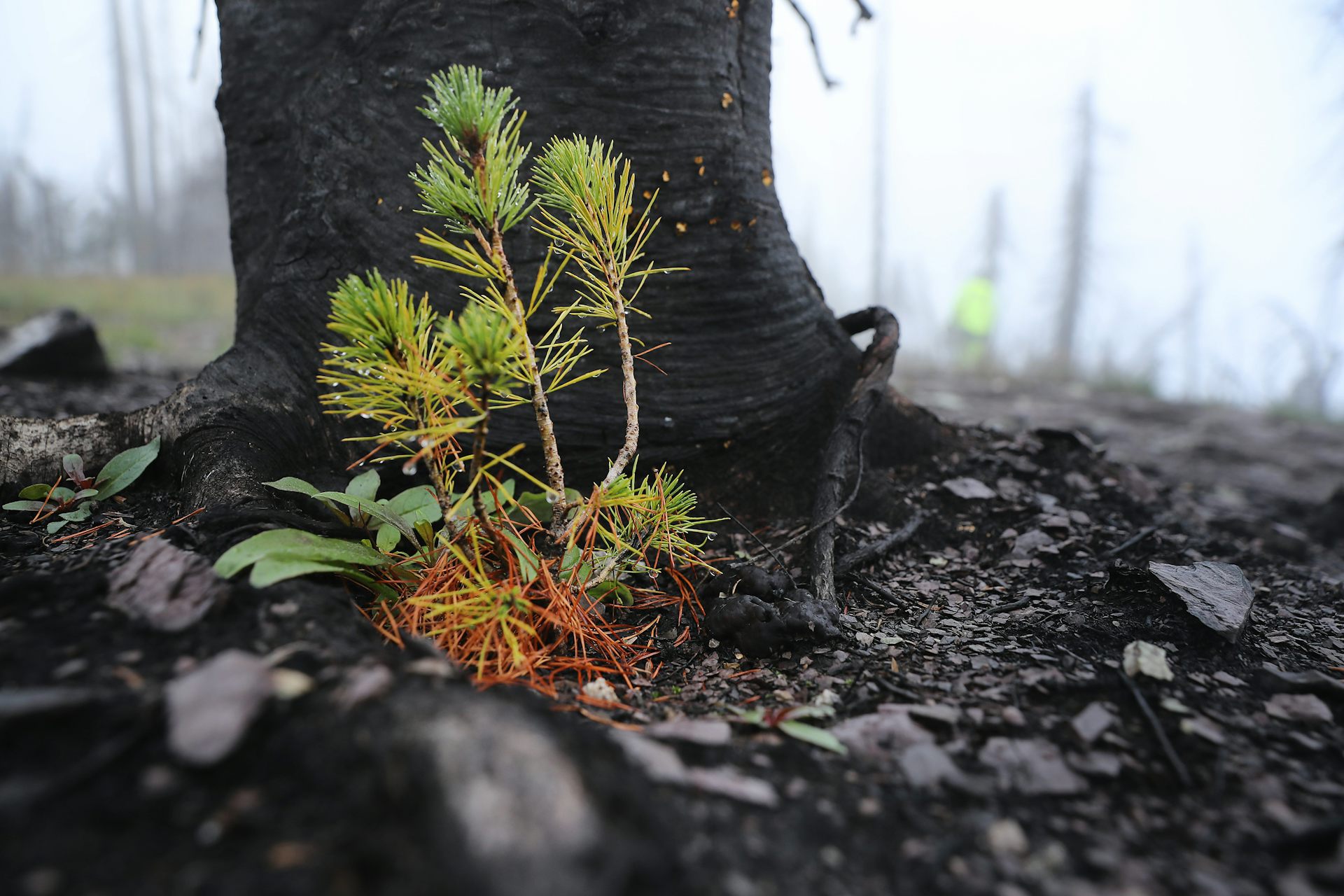
Vida después de la muerte: Desde árboles quemados hasta corales blanqueados, cómo los organismos muertos sobreviven como bloques de construcción para una nueva vida
Life after death: From burned trees to bleached corals, how dead organisms live on as the building blocks of new life
The dead remains of foundation species can boost or deter how well future generations are able to grow and thrive.
Los restos muertos de las especies fundacionales pueden impulsar o obstaculizar cuán bien podrán crecer y prosperar las futuras generaciones.
People’s knee-jerk reaction to seeing death in nature is often not positive. The burn scar left by wildfire on a once-forested hillside, or a ghostly white coral reef, may evoke tragedy and despair. But in nature, most plants and animals are recycled back into new life.
La reacción instintiva de las personas al ver la muerte en la naturaleza no suele ser positiva. La cicatriz quemada dejada por un incendio forestal en una ladera alguna vez boscosa, o un arrecife de coral blanco y fantasmal, puede evocar tragedia y desesperación. Pero en la naturaleza, la mayoría de las plantas y los animales se reciclan para dar lugar a nueva vida.
The fallen branches and leaves that crunch under your boots as you step on the forest floor are providing nutrients for new growth as they decompose. Empty shells can become the foundations for new sea life to grow. Dead organic matter left over after a harvest supports soils and the production of food that feeds people worldwide.
Las ramas y hojas caídas que crujen bajo sus botas al caminar por el suelo del bosque proporcionan nutrientes para el nuevo crecimiento a medida que se descomponen. Las conchas vacías pueden convertirse en cimientos para que crezca nueva vida marina. La materia orgánica muerta sobrante después de una cosecha sustenta los suelos y la producción de alimentos que alimentan a personas de todo el mundo.
These remnants of life can set both the pace and outcome of ecosystem recovery, enabling life to persist and thrive, or preventing it from doing so.
Estos restos de vida pueden marcar tanto el ritmo como el resultado de la recuperación del ecosistema, permitiendo que la vida persista y prospere, o impidiendo que lo haga.
Ecologists, like us, refer to this as ecological memory, where remnants of the past influence how ecosystems look and behave in the present. Similar to human memories, traumatic events can have the strongest influences in nature: Fires, storms, heat waves and outbreaks of pests or disease can cause widespread death of plants and animals, leaving behind abundant and lasting physical remains.
Los ecólogos, como nosotros, se refieren a esto como memoria ecológica, donde los restos del pasado influyen en cómo lucen y se comportan los ecosistemas en el presente. De manera similar a las memorias humanas, los eventos traumáticos pueden tener las influencias más fuertes en la naturaleza: incendios, tormentas, olas de calor y brotes de plagas o enfermedades pueden causar una muerte generalizada de plantas y animales, dejando tras de sí abundantes y duraderos restos físicos.
In a new paper published in Science Advances, working with colleagues around the country, we show how death plays nuanced and powerful roles in nature’s afterlife.
En un nuevo artículo publicado en Science Advances, trabajando con colegas de todo el país, mostramos cómo la muerte desempeña roles matizados y poderosos en la vida después de la muerte de la naturaleza.
In some cases, dead organisms prevent life from returning after an extreme event. In other cases, they make ecosystems more resilient by fueling regeneration of new life and hastening recovery. Understanding this afterlife and its influence on ecosystems will be increasingly valuable for helping ecosystems recover in a changing climate.
En algunos casos, los organismos muertos impiden que la vida regrese después de un evento extremo. En otros casos, hacen que los ecosistemas sean más resilientes al alimentar la regeneración de nueva vida y acelerar la recuperación. Comprender esta vida después de la muerte y su influencia en los ecosistemas será cada vez más valioso para ayudar a los ecosistemas a recuperarse en un clima cambiante.
Foundation species – nature’s architects
Especies fundacionales – arquitectos de la naturaleza
Our study focused on a set of ecologically important organisms, known as foundation species. These are abundant and iconic organisms, such as trees, grasses, oysters and corals, that create the natural infrastructure on which entire communities of organisms exist.
Nuestro estudio se centró en un conjunto de organismos ecológicamente importantes, conocidos como especies fundacionales. Son organismos abundantes e icónicos, como árboles, pastos, ostras y corales, que crean la infraestructura natural sobre la cual existen comunidades enteras de organismos.
Foundation species can be found everywhere, from the depths of the oceans to the summits of mountains. Because they are so abundant while alive, they can remain abundant after they die. And their influence can carry on in an afterlife that shapes the trajectories of ecosystems, either supporting recovery to the ecosystem’s original structure or transforming it into a new one.
Las especies fundacionales se pueden encontrar en todas partes, desde las profundidades de los océanos hasta las cumbres de las montañas. Debido a su gran abundancia mientras están vivas, pueden permanecer abundantes después de morir. Y su influencia puede continuar en una vida posterior que da forma a las trayectorias de los ecosistemas, ya sea apoyando la recuperación hacia la estructura original del ecosistema o transformándolo en una nueva.
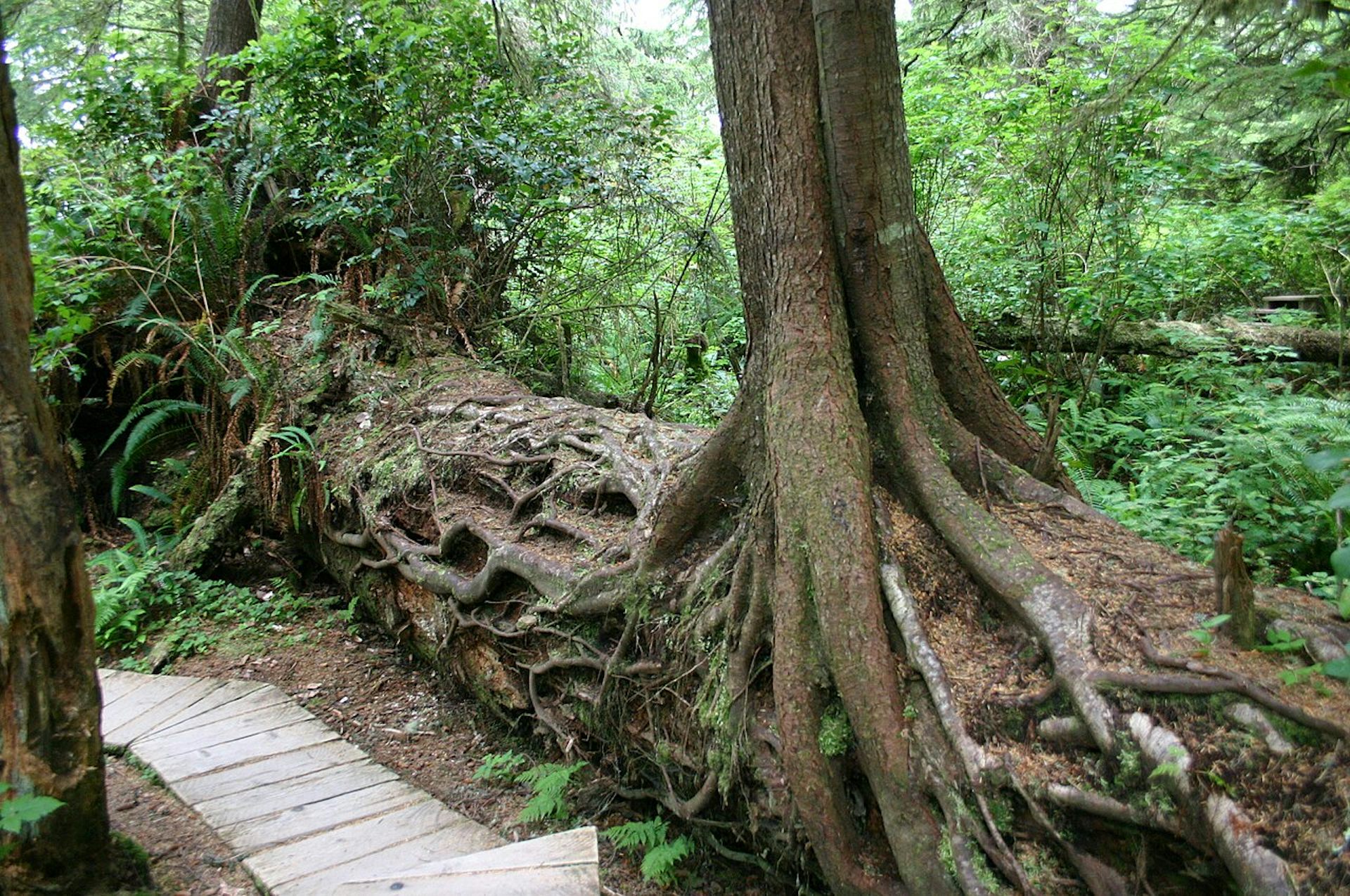
To investigate how the dead remains of foundation species affect the ability of their living counterparts to establish, grow and survive, we tapped into a U.S. National Science Foundation network of Long Term Ecological Research. Scientists at these sites track populations of foundation species across a diversity of ecosystems that have experienced different extreme events.
Para investigar cómo los restos muertos de las especies fundacionales afectan la capacidad de sus contrapartes vivas para establecerse, crecer y sobrevivir, recurrimos a una red de Investigación Ecológica a Largo Plazo (Long Term Ecological Research) de la Fundación Nacional de Ciencias de EE. UU. Los científicos en estos sitios rastrean poblaciones de especies fundacionales en una diversidad de ecosistemas que han experimentado diferentes eventos extremos.
We looked at coral reefs, mangrove forests, salt marshes, kelp forests, oyster reefs, tropical rainforests, temperate rainforests, hemlock forests, tallgrass prairies and boreal forests, ranging from the tropics to just shy of the Arctic Circle.
Observamos arrecifes de coral, manglares, marismas salinas, bosques de kelp, arrecifes de ostras, selvas tropicales, selvas templadas, bosques de abeto, praderas de pastos altos y bosques boreales, desde los trópicos hasta justo por debajo del Círculo Polar Ártico.
We found that, following extreme events, the dead affect the living more commonly than we expected. The dead foundation species either significantly increased or decreased living foundation species in nine out of the 10 ecosystems we studied – the kelp forest was the only exception.
Descubrimos que, después de eventos extremos, lo muerto afecta a lo vivo más comúnmente de lo que esperábamos. Las especies fundacionales muertas aumentaron o disminuyeron significativamente las especies vivas en nueve de los 10 ecosistemas estudiados: el bosque de kelp fue la única excepción.
In roughly half of the cases, dead foundation species hampered the ability of their living counterparts to reestablish, grow and survive after extreme events.
En aproximadamente la mitad de los casos, las especies fundacionales muertas obstaculizaron la capacidad de sus contrapartes vivas para restablecerse, crecer y sobrevivir después de eventos extremos.
Take the tropical montane rainforest of Puerto Rico. This ecosystem is periodically walloped by hurricanes that strip its canopy and blanket the forest floor with tree branches and leaves. This layer of debris chokes off sunlight needed by the seedlings below and reduces the number that emerge to replace the trees lost during the storm, ultimately slowing the forest’s recovery.
Tomemos el bosque tropical montano de Puerto Rico. Este ecosistema es golpeado periódicamente por huracanes que despojan su dosel y cubren el suelo del bosque con ramas y hojas. Esta capa de escombros ahoga la luz solar necesaria para los plántulas inferiores y reduce el número que emergen para reemplazar a los árboles perdidos durante la tormenta, lo que en última instancia ralentiza la recuperación del bosque.
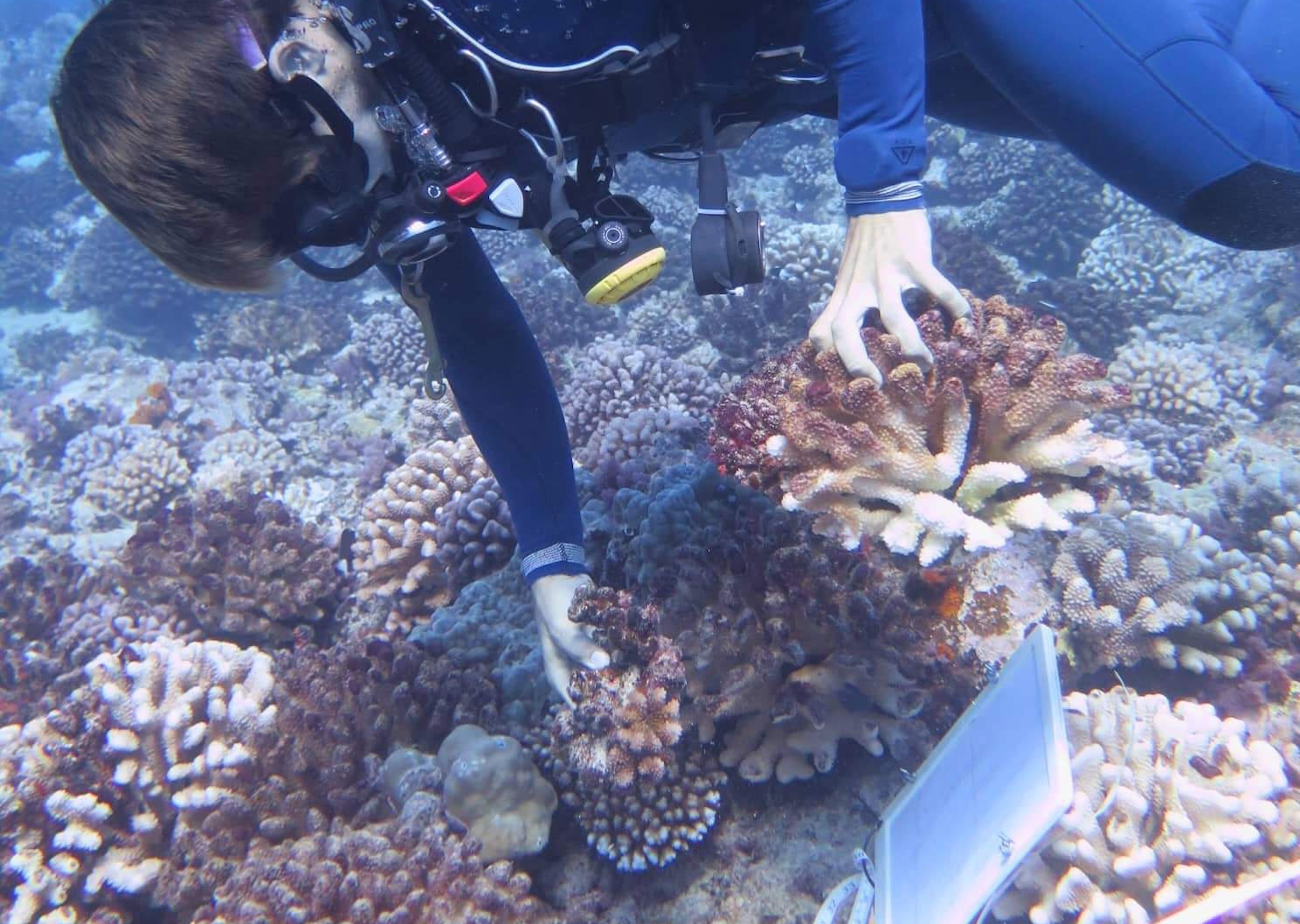
The South Pacific coral reefs of Moorea present a more extreme example. Marine heat waves that cause coral bleaching can transform these reefs into something fundamentally different: ghost towns of dead skeletons overgrown by seaweeds. The nooks and crannies of the standing coral skeletons provide an opportunity for the seaweeds, which compete with coral for reef space, to proliferate and take over the reef, preventing the return of corals.
Los arrecifes de coral del Pacífico Sur en Moorea presentan un ejemplo más extremo. Las olas de calor marinas que causan blanqueamiento de corales pueden transformar estos arrecifes en algo fundamentalmente diferente: pueblos fantasma de esqueletos muertos cubiertos por algas marinas. Los recovecos y grietas de los esqueletos de coral erguidos proporcionan una oportunidad para que las algas marinas, que compiten con el coral por espacio en el arrecife, proliferen y tomen el control del arrecife, impidiendo el regreso de los corales.
But in the other cases we studied, we found that dead organisms actually promote the regeneration of their living counterparts.
Pero en los otros casos que estudiamos, encontramos que los organismos muertos realmente promueven la regeneración de sus contrapartes vivas.
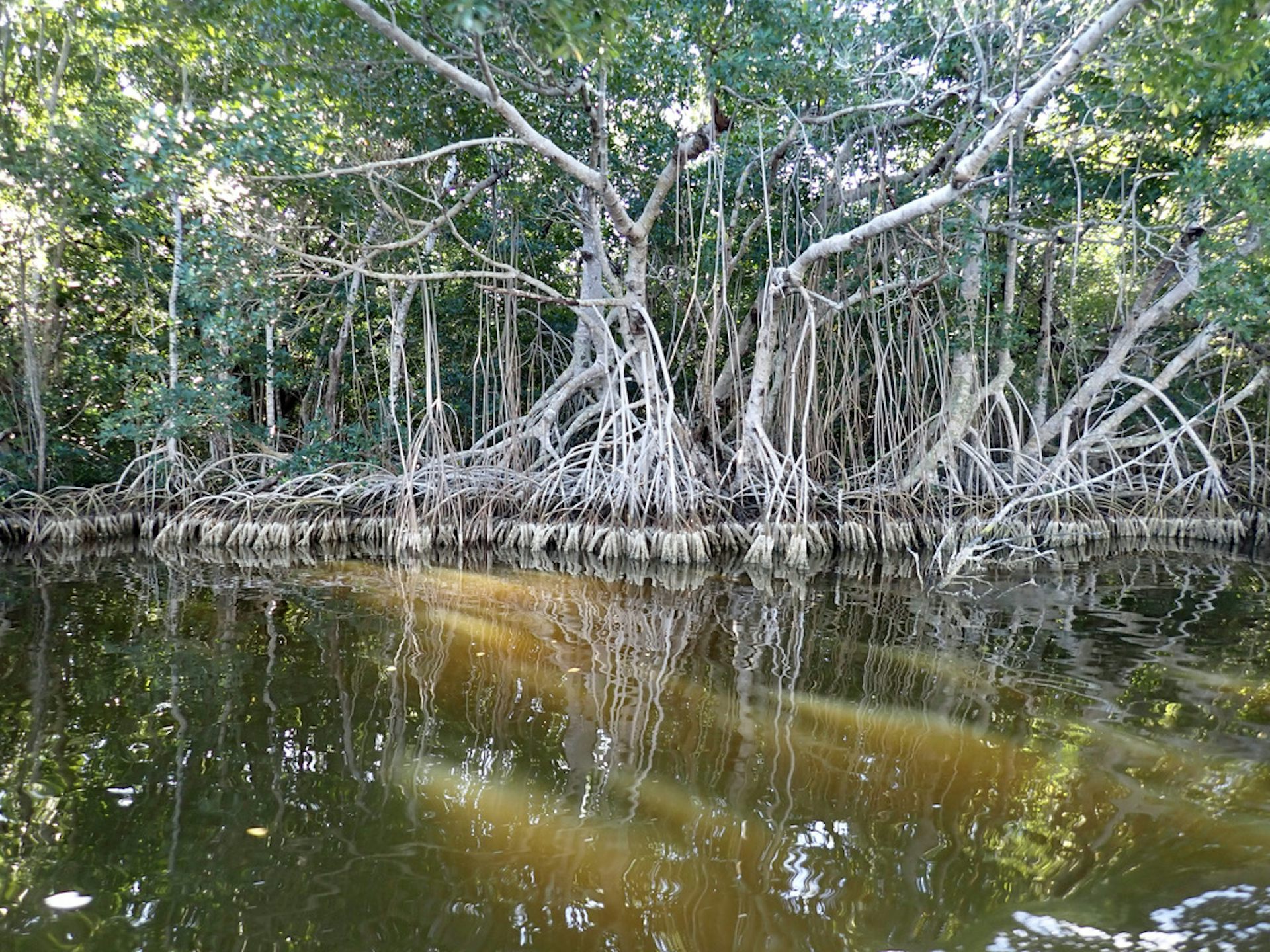
For example, the mangrove forests of the Florida Everglades actually benefit from storm-generated debris. During a hurricane, leaf litter blown or washed out of the canopy ended up in the complex network of roots below, providing a pulse of nutrients that enhanced the production of new roots and hastened mangrove recovery.
Por ejemplo, los manglares de los Everglades de Florida se benefician realmente de los escombros generados por las tormentas. Durante un huracán, la hojarasca arrastrada o lavada del dosel terminó en la compleja red de raíces inferiores, proporcionando un pulso de nutrientes que mejoró la producción de nuevas raíces y aceleró la recuperación del manglar.
In the Eastern hemlock forests of New England, an outbreak of a tree-killing pest – the woolly adelgid – left behind wide swaths of standing dead trees. But unlike the dead skeletons on a bleached reef, these dead trees often help new hemlock saplings grow by maintaining a favorable climate on the ground below.
En los bosques de abeto oriental de Nueva Inglaterra, un brote de plaga asesina árboles —el adelgido lanudo— dejó amplias extensiones de árboles muertos en pie. Pero a diferencia de los esqueletos muertos en un arrecife blanqueado, estos árboles muertos a menudo ayudan al crecimiento de nuevos retoños de abeto al mantener un clima favorable en el suelo inferior.
The question now is, how can humanity use this information to fortify the resilience of ecosystems after extreme events?
¿Cómo puede la humanidad utilizar esta información para fortalecer la resiliencia de los ecosistemas después de eventos extremos?
How humans can help
Cómo los humanos pueden ayudar
As humans, many of us rely on therapy to help manage how traumatic memories affect our lives. We can also help ecosystems manage the remnants of dead organisms after disasters in several ways.
Como humanos, muchos de nosotros dependemos de la terapia para ayudarnos a gestionar cómo las memorias traumáticas afectan nuestras vidas. También podemos ayudar a los ecosistemas a gestionar los restos de organismos muertos después de desastres de varias maneras.
On land, standing dead trees are sometimes felled to create “nurse logs,” which release nutrients that nourish living trees. Dead grass litter is removed using prescribed burning to create better conditions for new grass to grow. On the coasts, dead oyster shells are deposited onto mud flats, and the rubble of coral skeletons is either stabilized or removed to create more solid substrates where new oysters and corals can settle, grow and thrive.
En tierra, a veces se talan árboles muertos en pie para crear «troncos nodriza», que liberan nutrientes que alimentan a los árboles vivos. Los residuos de pasto muerto se eliminan mediante quemas controladas para crear mejores condiciones para el crecimiento de nuevo césped. En las costas, las conchas de ostras muertas se depositan en marismas fangosas, y los escombros de esqueletos de coral son estabilizados o retirados para crear sustratos más sólidos donde nuevas ostras y corales pueden asentarse, crecer y prosperar.
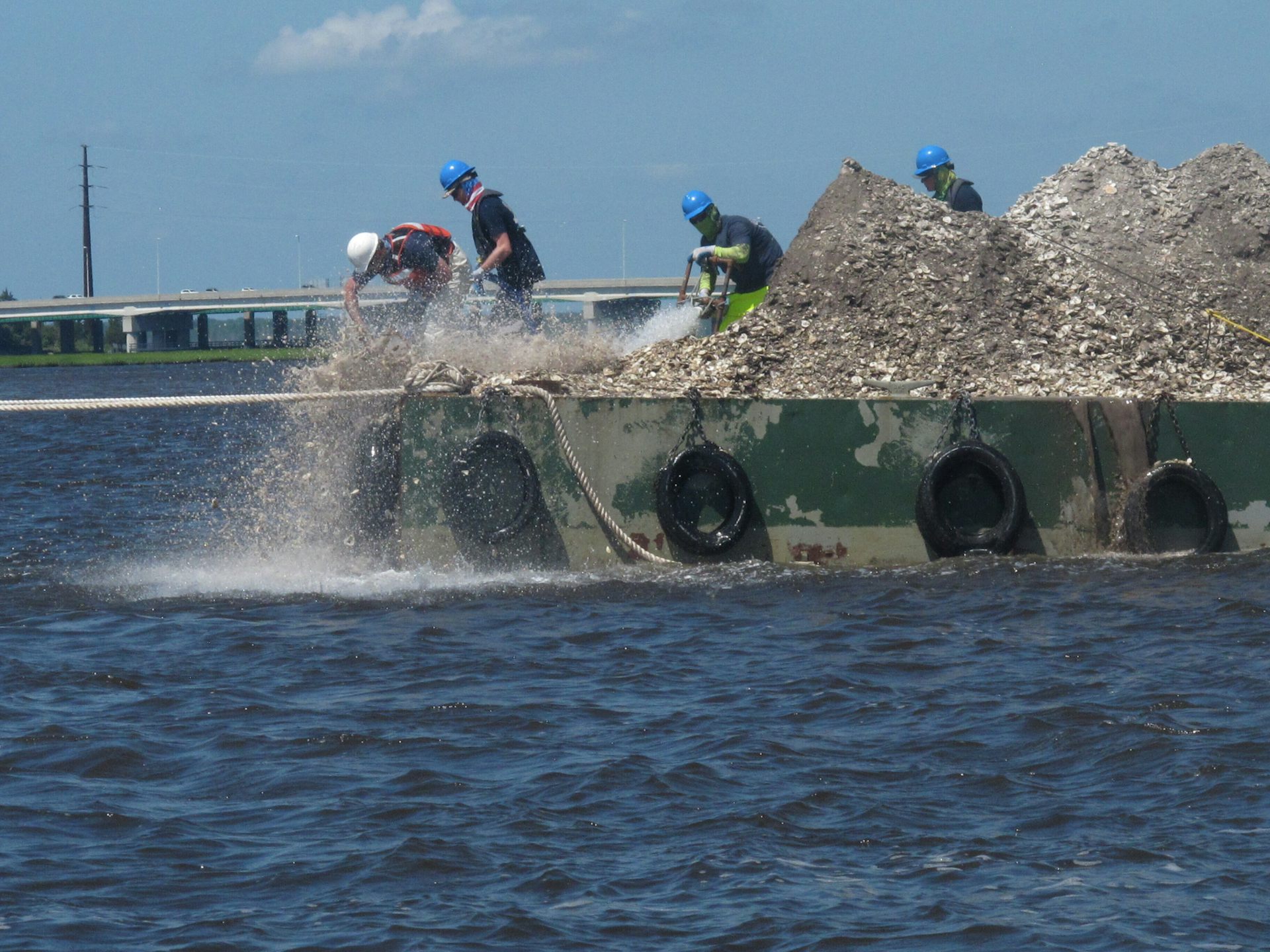
As rising temperatures create more frequent extreme events and trigger more die-offs, dead foundation species will be useful to help guide ecosystem recoveries afterward.
A medida que las temperaturas aumentan y crean eventos extremos más frecuentes e impulsan mayores mortalidades, las especies fundacionales muertas serán útiles para ayudar a guiar la recuperación del ecosistema después.
Where there is life, there is death
Donde hay vida, hay muerte
When you’re in nature, whether hiking in a forest or snorkeling on a tropical reef, your attention is typically drawn to the life that exists in these places. But if you take a closer look, you may notice that death is all around, too.
Cuando estás en la naturaleza, ya sea haciendo senderismo en un bosque o buceando en un arrecife tropical, tu atención suele centrarse en la vida que existe en estos lugares. Pero si miras con más detenimiento, puedes notar que la muerte también está por todas partes.
Death is an integral part of life. The quicker we all learn to embrace its capacity to be a transformative force, and find ways to use the remnants left in its wake, the better we will be able to help nature and ourselves thrive into the future.
La muerte es una parte integral de la vida. Cuanto antes aprendamos a aceptar su capacidad para ser una fuerza transformadora y encontrar maneras de utilizar los restos que deja a su paso, mejor podremos ayudar a la naturaleza y a nosotros mismos a prosperar en el futuro.
Kai Kopecky receives funding from the National Science Foundation and the LTER Network Office.
Kai Kopecky recibe financiación de la Fundación Nacional de Ciencias y la Oficina de Red LTER.
John Kominoski works for Florida International University.
John Kominoski trabaja para la Universidad Internacional de Florida.
Read more
-
Minoría Dong de China: por qué estamos grabando y preservando digitalmente su patrimonio arquitectónico indígena
China’s Dong minority: why we’re digitally recording and preserving their Indigenous architectural heritage
-
Onda de calor marino masiva hizo que los arrecifes de coral del Caribe colapsaran mucho más rápido de lo previsto: nueva investigación
Massive marine heatwave caused Caribbean coral reefs to collapse much faster than predicted – new research