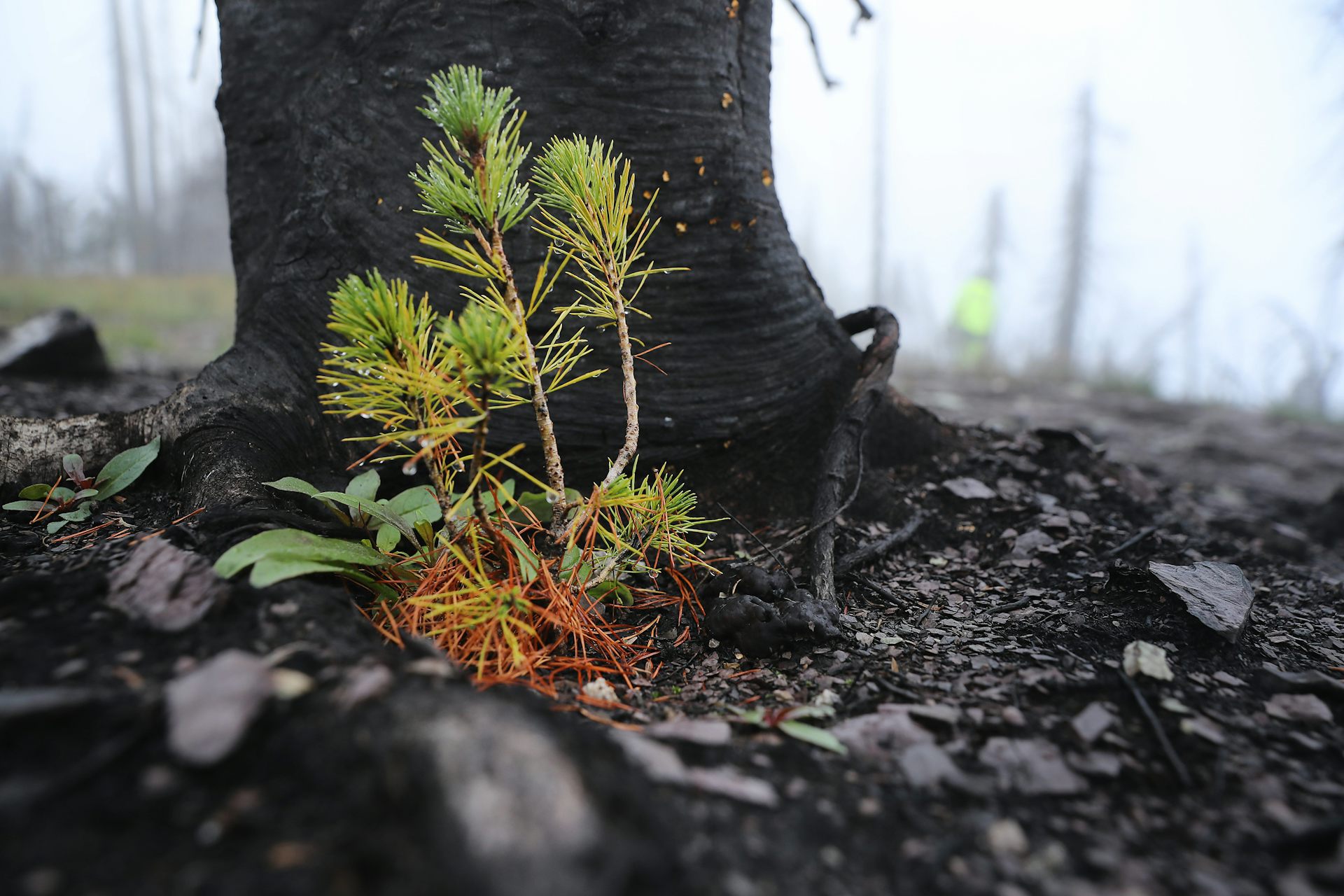
Vida após a morte: De árvores queimadas a corais branqueados, como organismos mortos sobrevivem como blocos de construção para nova vida
Life after death: From burned trees to bleached corals, how dead organisms live on as the building blocks of new life
The dead remains of foundation species can boost or deter how well future generations are able to grow and thrive.
Os restos mortais de espécies fundadoras podem impulsionar ou deter o quão bem as futuras gerações conseguem crescer e prosperar.
People’s knee-jerk reaction to seeing death in nature is often not positive. The burn scar left by wildfire on a once-forested hillside, or a ghostly white coral reef, may evoke tragedy and despair. But in nature, most plants and animals are recycled back into new life.
A reação instintiva das pessoas ao ver a morte na natureza nem sempre é positiva. A cicatriz de queimadura deixada por um incêndio florestal em uma encosta outrora arborizada, ou um recife de coral branco e fantasmagórico, pode evocar tragédia e desespero. Mas na natureza, a maioria das plantas e animais são reciclados para dar origem a novas vidas.
The fallen branches and leaves that crunch under your boots as you step on the forest floor are providing nutrients for new growth as they decompose. Empty shells can become the foundations for new sea life to grow. Dead organic matter left over after a harvest supports soils and the production of food that feeds people worldwide.
Os galhos e folhas caídos que estalam sob suas botas ao pisar no chão da floresta estão fornecendo nutrientes para o novo crescimento à medida que se decompõem. Conchas vazias podem se tornar as fundações para o crescimento de nova vida marinha. A matéria orgânica morta restante após uma colheita sustenta os solos e a produção de alimentos que alimentam pessoas em todo o mundo.
These remnants of life can set both the pace and outcome of ecosystem recovery, enabling life to persist and thrive, or preventing it from doing so.
Estes remanescentes de vida podem determinar tanto o ritmo quanto o resultado da recuperação de um ecossistema, permitindo que a vida persista e prospere, ou impedindo isso.
Ecologists, like us, refer to this as ecological memory, where remnants of the past influence how ecosystems look and behave in the present. Similar to human memories, traumatic events can have the strongest influences in nature: Fires, storms, heat waves and outbreaks of pests or disease can cause widespread death of plants and animals, leaving behind abundant and lasting physical remains.
Ecologistas, como nós, referem-se a isso como memória ecológica, onde os remanescentes do passado influenciam a aparência e o comportamento dos ecossistemas no presente. Semelhante às memórias humanas, eventos traumáticos podem ter as influências mais fortes na natureza: incêndios, tempestades, ondas de calor e surtos de pragas ou doenças podem causar mortes generalizadas de plantas e animais, deixando para trás abundantes e duradouros restos físicos.
In a new paper published in Science Advances, working with colleagues around the country, we show how death plays nuanced and powerful roles in nature’s afterlife.
Em um novo artigo publicado em Science Advances, trabalhando com colegas de todo o país, mostramos como a morte desempenha papéis sutis e poderosos no pós-vida da natureza.
In some cases, dead organisms prevent life from returning after an extreme event. In other cases, they make ecosystems more resilient by fueling regeneration of new life and hastening recovery. Understanding this afterlife and its influence on ecosystems will be increasingly valuable for helping ecosystems recover in a changing climate.
Em alguns casos, organismos mortos impedem que a vida retorne após um evento extremo. Em outros casos, eles tornam os ecossistemas mais resilientes ao alimentar a regeneração de novas vidas e acelerar a recuperação. Compreender este pós-vida e sua influência nos ecossistemas será cada vez mais valioso para ajudar os ecossistemas a se recuperarem em um clima em mudança.
Foundation species – nature’s architects
Espécies fundadoras – arquitetos da natureza
Our study focused on a set of ecologically important organisms, known as foundation species. These are abundant and iconic organisms, such as trees, grasses, oysters and corals, that create the natural infrastructure on which entire communities of organisms exist.
Nosso estudo se concentrou em um conjunto de organismos ecologicamente importantes, conhecidos como espécies fundadoras. São organismos abundantes e icônicos, como árvores, gramíneas, ostras e corais, que criam a infraestrutura natural na qual existem comunidades inteiras de organismos.
Foundation species can be found everywhere, from the depths of the oceans to the summits of mountains. Because they are so abundant while alive, they can remain abundant after they die. And their influence can carry on in an afterlife that shapes the trajectories of ecosystems, either supporting recovery to the ecosystem’s original structure or transforming it into a new one.
As espécies fundadoras podem ser encontradas em todos os lugares, desde as profundezas dos oceanos até os picos das montanhas. Por serem tão abundantes quando vivas, elas podem permanecer abundantes mesmo após morrerem. E sua influência pode continuar em uma vida após a morte que molda as trajetórias dos ecossistemas, seja apoiando a recuperação para a estrutura original do ecossistema ou transformando-o em um novo.
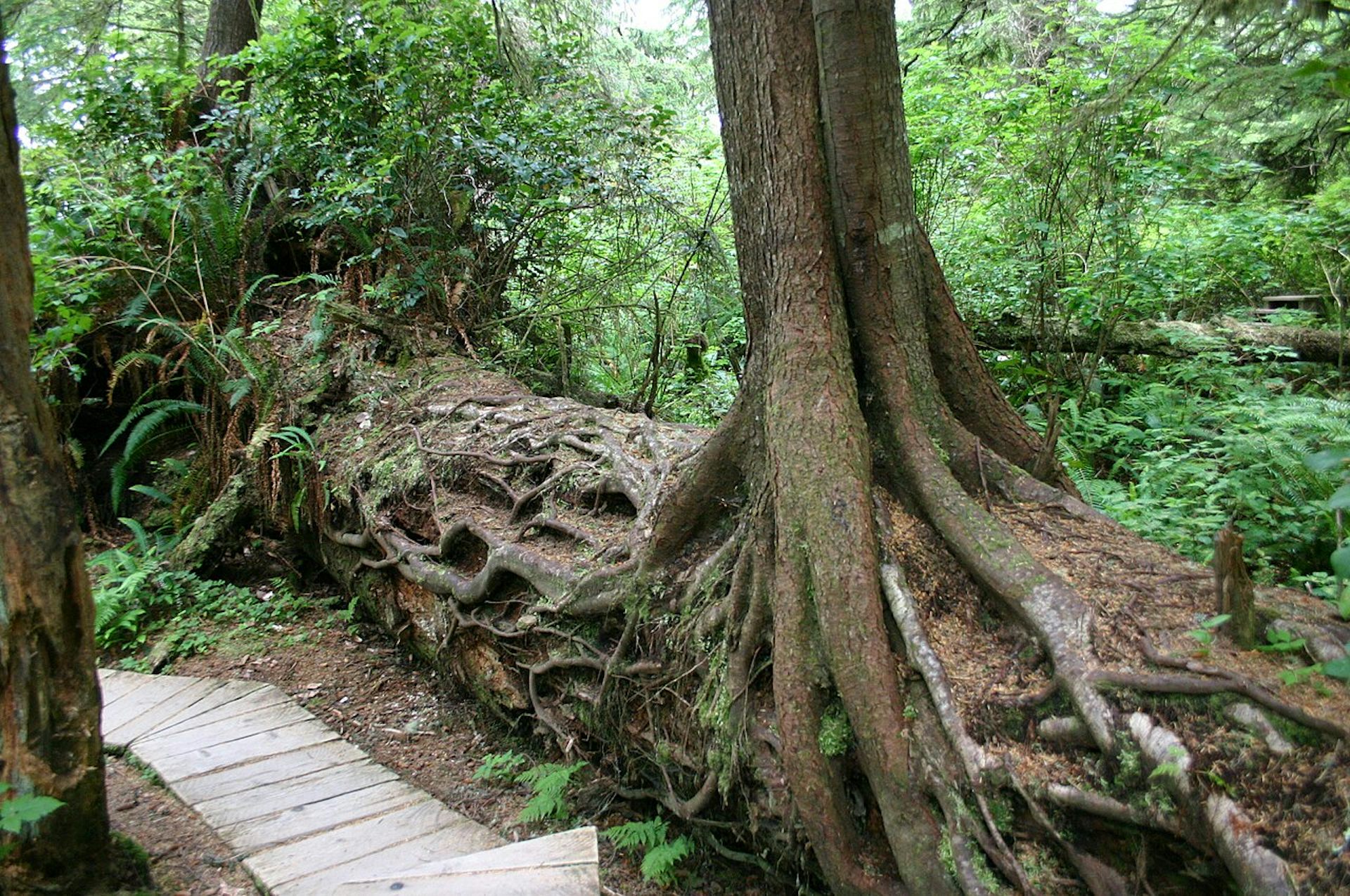
To investigate how the dead remains of foundation species affect the ability of their living counterparts to establish, grow and survive, we tapped into a U.S. National Science Foundation network of Long Term Ecological Research. Scientists at these sites track populations of foundation species across a diversity of ecosystems that have experienced different extreme events.
Para investigar como os restos mortais das espécies fundadoras afetam a capacidade de suas contrapartes vivas de se estabelecerem, crescerem e sobreviverem, acessamos uma rede da National Science Foundation dos EUA dedicada à Pesquisa Ecológica de Longo Prazo. Cientistas nestes locais monitoram populações de espécies fundadoras em uma diversidade de ecossistemas que passaram por diferentes eventos extremos.
We looked at coral reefs, mangrove forests, salt marshes, kelp forests, oyster reefs, tropical rainforests, temperate rainforests, hemlock forests, tallgrass prairies and boreal forests, ranging from the tropics to just shy of the Arctic Circle.
Analisamos recifes de coral, manguezais, saporetos, florestas de kelp, recifes de ostras, florestas tropicais, florestas temperadas, florestas de hemlock, pradarias de grama alta e florestas boreais, abrangendo desde os trópicos até pouco antes do Círculo Polar Ártico.
We found that, following extreme events, the dead affect the living more commonly than we expected. The dead foundation species either significantly increased or decreased living foundation species in nine out of the 10 ecosystems we studied – the kelp forest was the only exception.
Descobrimos que, após eventos extremos, os mortos afetam os vivos mais comumente do que esperávamos. As espécies fundadoras mortas aumentaram ou diminuíram significativamente as espécies vivas em nove dos 10 ecossistemas estudados – a floresta de kelp foi a única exceção.
In roughly half of the cases, dead foundation species hampered the ability of their living counterparts to reestablish, grow and survive after extreme events.
Em aproximadamente metade dos casos, as espécies fundadoras mortas prejudicaram a capacidade de suas contrapartes vivas de se restabelecerem, crescerem e sobreviverem após eventos extremos.
Take the tropical montane rainforest of Puerto Rico. This ecosystem is periodically walloped by hurricanes that strip its canopy and blanket the forest floor with tree branches and leaves. This layer of debris chokes off sunlight needed by the seedlings below and reduces the number that emerge to replace the trees lost during the storm, ultimately slowing the forest’s recovery.
Tomemos como exemplo a floresta tropical montanhais do Porto Rico. Este ecossistema é periodicamente atingido por furacões que removem sua copa e cobrem o chão da floresta com galhos e folhas de árvores. Essa camada de detritos sufoca a luz solar necessária para as mudas abaixo e reduz o número que emerge para substituir as árvores perdidas durante a tempestade, retardando, em última análise, a recuperação da floresta.
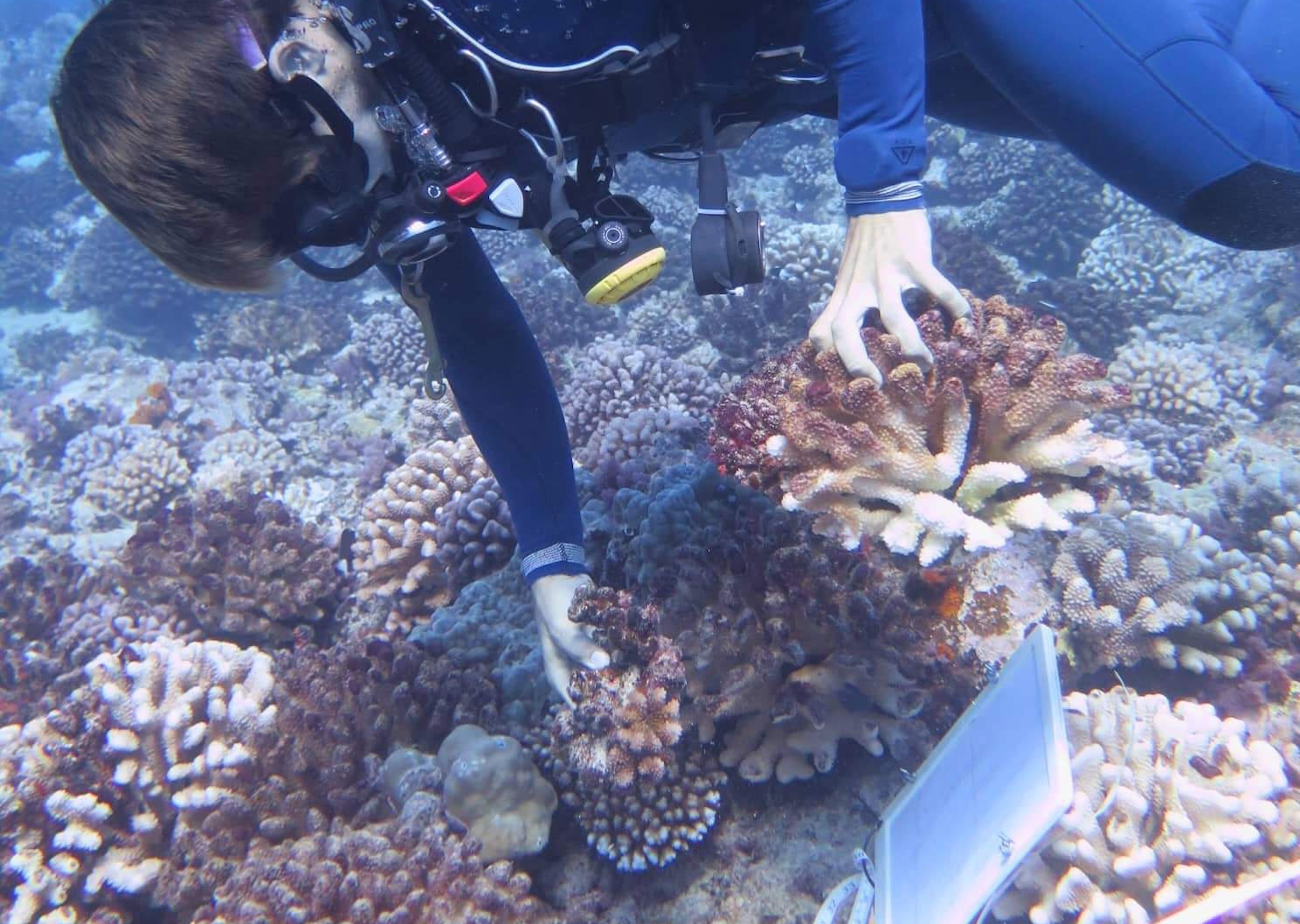
The South Pacific coral reefs of Moorea present a more extreme example. Marine heat waves that cause coral bleaching can transform these reefs into something fundamentally different: ghost towns of dead skeletons overgrown by seaweeds. The nooks and crannies of the standing coral skeletons provide an opportunity for the seaweeds, which compete with coral for reef space, to proliferate and take over the reef, preventing the return of corals.
Os recifes de coral do Pacífico Sul em Moorea apresentam um exemplo mais extremo. As ondas de calor marinhas que causam branqueamento de corais podem transformar esses recifes em algo fundamentalmente diferente: cidades fantasmas de esqueletos mortos cobertos por algas marinhas. Os nichos e fendas dos esqueletos de coral em pé fornecem uma oportunidade para as algas, que competem com os corais pelo espaço do recife, proliferarem e tomarem conta do recife, impedindo o retorno dos corais.
But in the other cases we studied, we found that dead organisms actually promote the regeneration of their living counterparts.
Mas nos outros casos estudados, descobrimos que os organismos mortos na verdade promovem a regeneração de suas contrapartes vivas.
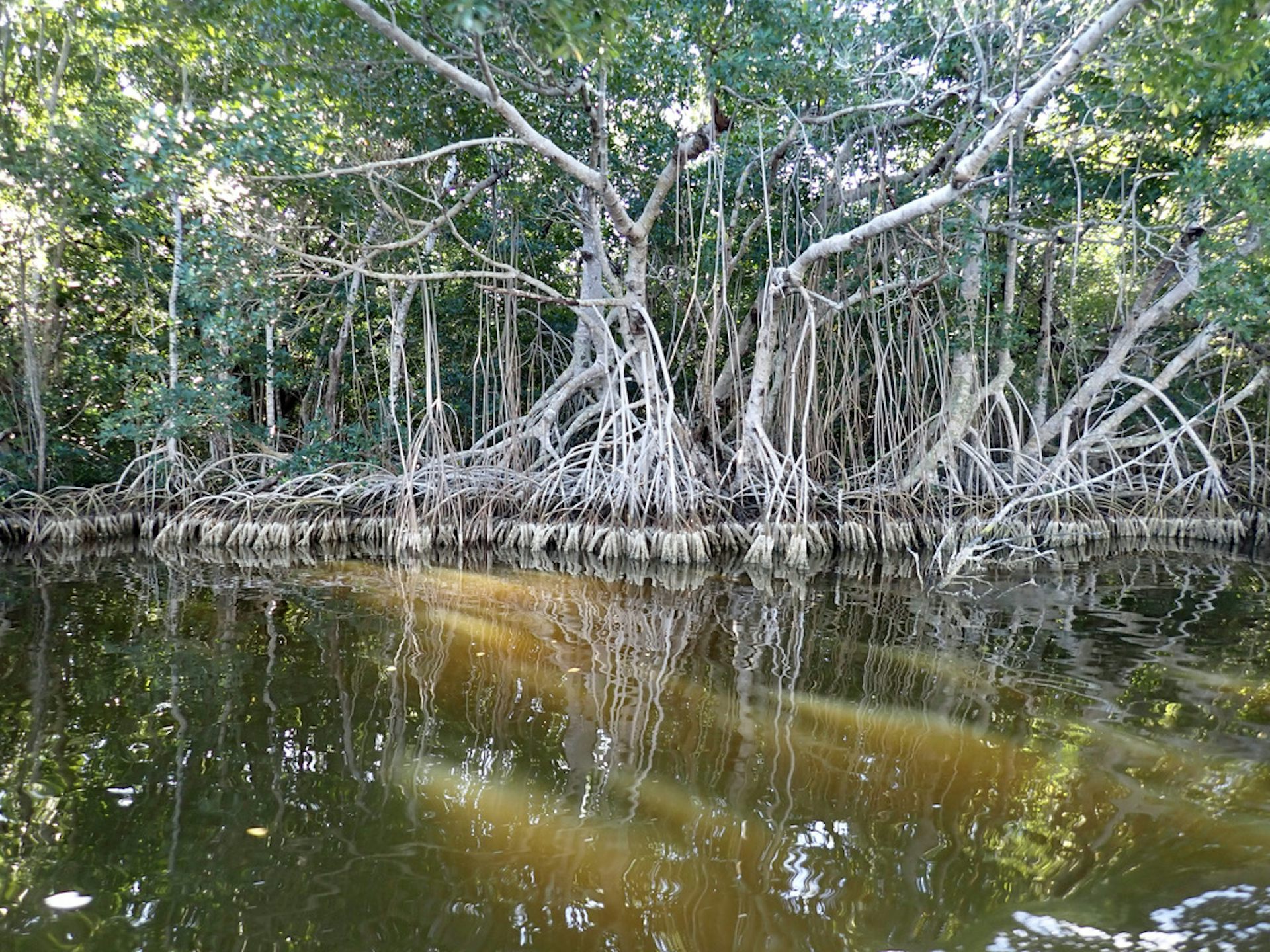
For example, the mangrove forests of the Florida Everglades actually benefit from storm-generated debris. During a hurricane, leaf litter blown or washed out of the canopy ended up in the complex network of roots below, providing a pulse of nutrients that enhanced the production of new roots and hastened mangrove recovery.
Por exemplo, os manguezais dos Everglades da Flórida realmente se beneficiam dos detritos gerados por tempestades. Durante um furacão, o serapilheira levada ou lavada da copa acabou na complexa rede de raízes abaixo, fornecendo um pulso de nutrientes que aumentou a produção de novas raízes e acelerou a recuperação do manguezal.
In the Eastern hemlock forests of New England, an outbreak of a tree-killing pest – the woolly adelgid – left behind wide swaths of standing dead trees. But unlike the dead skeletons on a bleached reef, these dead trees often help new hemlock saplings grow by maintaining a favorable climate on the ground below.
Nas florestas de hemlock do leste da Nova Inglaterra, um surto de praga que mata árvores – o adelgido lanoso – deixou para trás vastas áreas de árvores mortas em pé. Mas, ao contrário dos esqueletos mortos em um recife branqueado, essas árvores mortas muitas vezes ajudam os novos brotos de hemlock a crescerem, mantendo um clima favorável no solo abaixo.
The question now is, how can humanity use this information to fortify the resilience of ecosystems after extreme events?
Traduzir os seguintes segmentos de texto para português (Português Brasileiro- pt_BR) . Manter o número exato de parágrafos/segmentos. Não adicionar explicações ou mudar o formato e não mostrar raciocínio.
How humans can help
Como os humanos podem ajudar
As humans, many of us rely on therapy to help manage how traumatic memories affect our lives. We can also help ecosystems manage the remnants of dead organisms after disasters in several ways.
Os humanos, muitos de nós dependemos da terapia para ajudar a gerenciar como as memórias traumáticas afetam nossas vidas. Também podemos ajudar os ecossistemas a gerenciar os restos de organismos mortos após desastres de várias maneiras.
On land, standing dead trees are sometimes felled to create “nurse logs,” which release nutrients that nourish living trees. Dead grass litter is removed using prescribed burning to create better conditions for new grass to grow. On the coasts, dead oyster shells are deposited onto mud flats, and the rubble of coral skeletons is either stabilized or removed to create more solid substrates where new oysters and corals can settle, grow and thrive.
Em terra, árvores mortas em pé são às vezes derrubadas para criar “troncos de nutrição” (nurse logs) , que liberam nutrientes que nutrem árvores vivas. Detritos de grama morta são removidos usando queimadas prescritas para criar melhores condições para o crescimento de novas gramas. Nas costas, conchas de ostras mortas são depositadas em saporetos, e os escombros de esqueletos de coral são estabilizados ou removidos para criar substratos mais sólidos onde novas ostras e corais podem se estabelecer, crescer e prosperar.
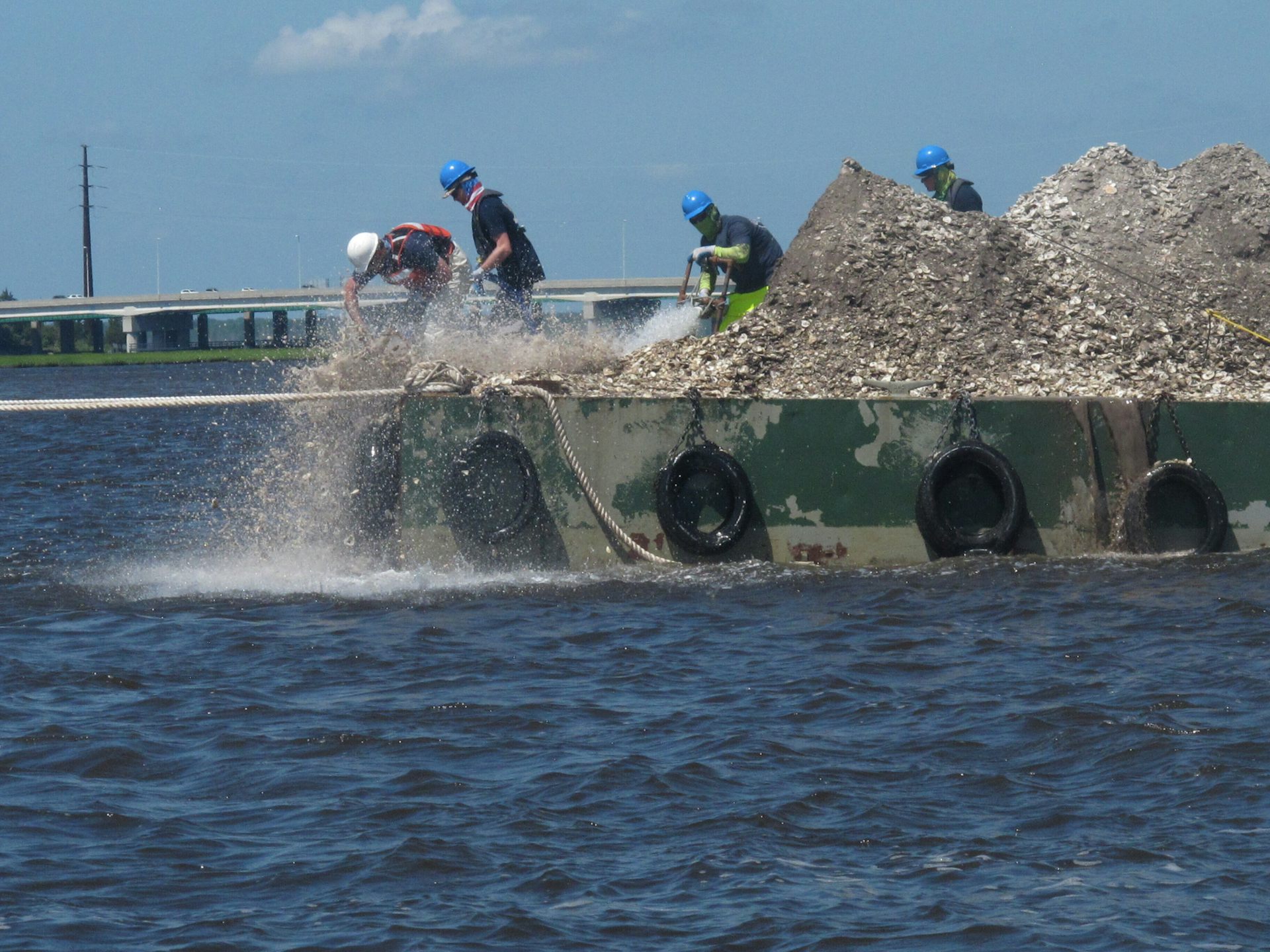
As rising temperatures create more frequent extreme events and trigger more die-offs, dead foundation species will be useful to help guide ecosystem recoveries afterward.
À medida que as temperaturas aumentam, criando eventos extremos mais frequentes e desencadeando mais mortalidades em massa, espécies fundacionais mortas serão úteis para ajudar a guiar as recuperações dos ecossistemas depois.
Where there is life, there is death
Onde há vida, há morte
When you’re in nature, whether hiking in a forest or snorkeling on a tropical reef, your attention is typically drawn to the life that exists in these places. But if you take a closer look, you may notice that death is all around, too.
Quando você está na natureza, seja caminhando em uma floresta ou fazendo snorkel em um recife tropical, sua atenção é tipicamente atraída pela vida que existe nesses lugares. Mas se você olhar mais de perto, pode notar que a morte também está por toda parte.
Death is an integral part of life. The quicker we all learn to embrace its capacity to be a transformative force, and find ways to use the remnants left in its wake, the better we will be able to help nature and ourselves thrive into the future.
A morte é uma parte integral da vida. Quanto mais rápido aprendermos a abraçar sua capacidade de ser uma força transformadora e encontrar maneiras de usar os restos deixados em seu rastro, melhor estaremos aptos a ajudar a natureza e nós mesmos a prosperar no futuro.
Kai Kopecky receives funding from the National Science Foundation and the LTER Network Office.
Kai Kopecky recebe financiamento da National Science Foundation e do LTER Network Office.
John Kominoski works for Florida International University.
John Kominoski trabalha para a Florida International University.
Read more
-
Quem são os principais concorrentes para substituir Keir Starmer como primeiro-ministro?
Who are the main contenders to replace Keir Starmer as prime minister?
-

Novo documentário traça a carreira de Kylie Minogue, de críticas iniciais duras ao estrelato pop
New documentary traces Kylie Minogue’s career, from harsh early critics to pop stardom