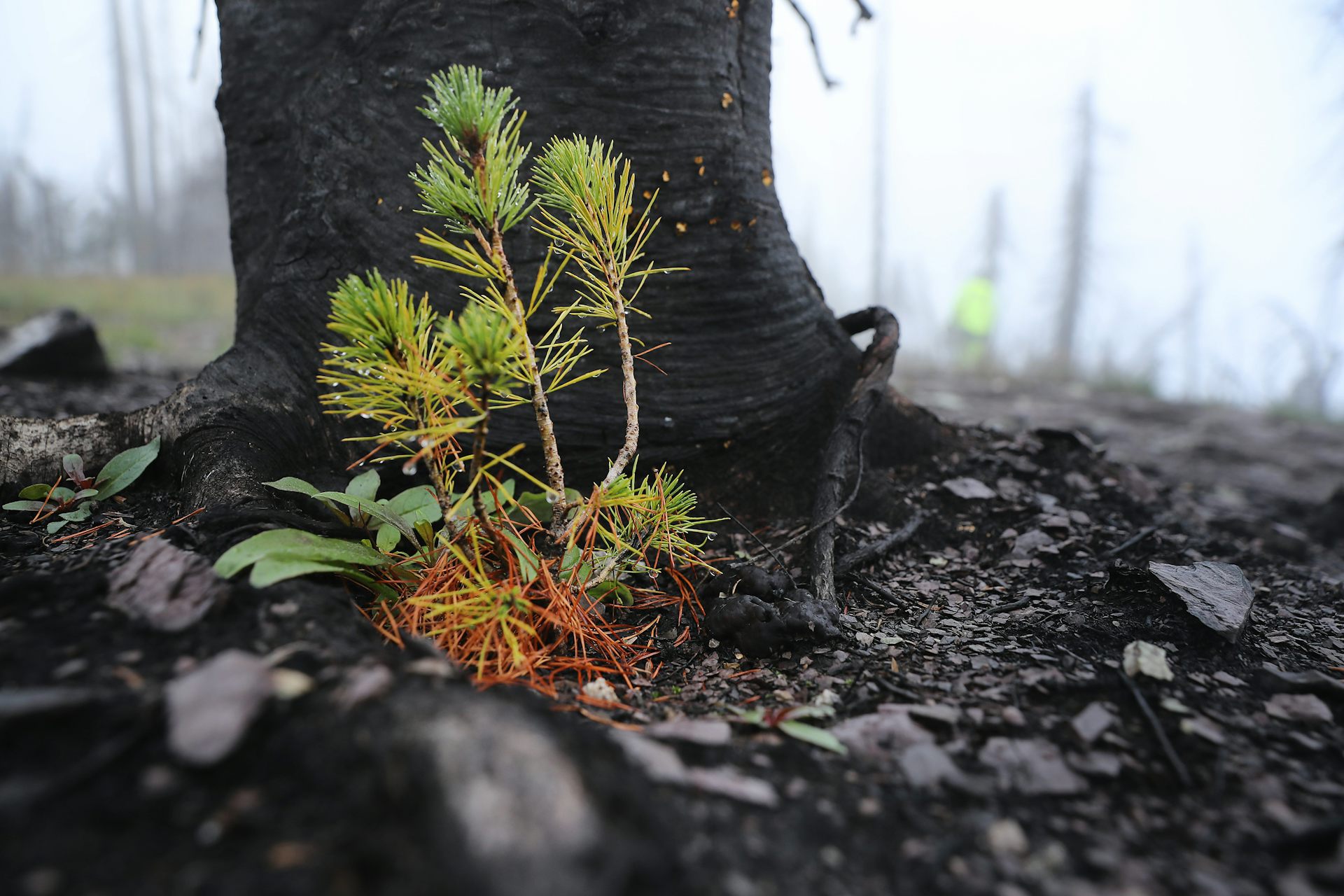
死后的生命:从烧焦的树木到白化的珊瑚,死亡的生物如何作为新生命的构建块延续下去
Life after death: From burned trees to bleached corals,…
The dead remains of foundation species can boost or deter how well future generations are able to grow and thrive.
基础物种的残骸可以增强或阻碍未来世代生长和繁衍的能力。
People’s knee-jerk reaction to seeing death in nature is often not positive. The burn scar left by wildfire on a once-forested hillside, or a ghostly white coral reef, may evoke tragedy and despair. But in nature, most plants and animals are recycled back into new life.
人们看到自然界死亡时的本能反应往往不是积极的。一次野火在曾经林木茂盛的山坡上留下的烧伤疤痕,或是一片幽灵般的白色珊瑚礁,可能会让人联想到悲剧和绝望。但在自然界,大多数动植物最终都会被循环利用,化为新的生命。
The fallen branches and leaves that crunch under your boots as you step on the forest floor are providing nutrients for new growth as they decompose. Empty shells can become the foundations for new sea life to grow. Dead organic matter left over after a harvest supports soils and the production of food that feeds people worldwide.
你踩在森林地面上时,那些折断的树枝和落叶发出嘎吱声,它们正在分解,为新生长提供养分。空壳可以成为新的海洋生物生长的基础。收获后残留的死亡有机物支撑着土壤,并支持了喂养全球人类食物的生产。
These remnants of life can set both the pace and outcome of ecosystem recovery, enabling life to persist and thrive, or preventing it from doing so.
这些生命的残余物既能设定生态系统恢复的节奏和结果,也能让生命得以持续存在和繁荣,或阻止其这样做。
Ecologists, like us, refer to this as ecological memory, where remnants of the past influence how ecosystems look and behave in the present. Similar to human memories, traumatic events can have the strongest influences in nature: Fires, storms, heat waves and outbreaks of pests or disease can cause widespread death of plants and animals, leaving behind abundant and lasting physical remains.
像我们这样的生态学家将此称为“生态记忆”,即过去的遗留物影响着生态系统在当前的样子和行为。与人类记忆相似,创伤性事件在自然界也可能产生最强大的影响:火灾、风暴、热浪以及病虫害的爆发,会造成动植物的大规模死亡,留下大量持久的物理残骸。
In a new paper published in Science Advances, working with colleagues around the country, we show how death plays nuanced and powerful roles in nature’s afterlife.
在我们与全国各地同事合作发表于《科学进展》(Science Advances)的一篇新论文中,我们展示了死亡在自然界“身后事”中所扮演的微妙而强大的角色。
In some cases, dead organisms prevent life from returning after an extreme event. In other cases, they make ecosystems more resilient by fueling regeneration of new life and hastening recovery. Understanding this afterlife and its influence on ecosystems will be increasingly valuable for helping ecosystems recover in a changing climate.
在某些情况下,死去的生物会阻止生命在极端事件后回归。而在其他情况下,它们通过为新的生命再生提供燃料和加速恢复,使生态系统更具韧性。了解这种“身后事”及其对生态系统的影响,对于帮助生态系统应对气候变化时进行恢复将越来越有价值。
Foundation species – nature’s architects
基础物种——大自然的建筑师
Our study focused on a set of ecologically important organisms, known as foundation species. These are abundant and iconic organisms, such as trees, grasses, oysters and corals, that create the natural infrastructure on which entire communities of organisms exist.
我们的研究重点关注了一组生态学上重要的生物,这些生物被称为“基础物种”。它们是丰富的、标志性的生物,例如树木、草类、牡蛎和珊瑚,它们构成了整个生物群落存在的自然基础设施。
Foundation species can be found everywhere, from the depths of the oceans to the summits of mountains. Because they are so abundant while alive, they can remain abundant after they die. And their influence can carry on in an afterlife that shapes the trajectories of ecosystems, either supporting recovery to the ecosystem’s original structure or transforming it into a new one.
基础物种可以在任何地方找到,从深海到山顶。由于它们在生命时期非常丰富,即使死亡后也能保持这种丰度。而且它们的影响力可以延续到一个“死后的世界”,塑造生态系统的轨迹,无论是支持其恢复到原始结构,还是将其转变为新的结构。
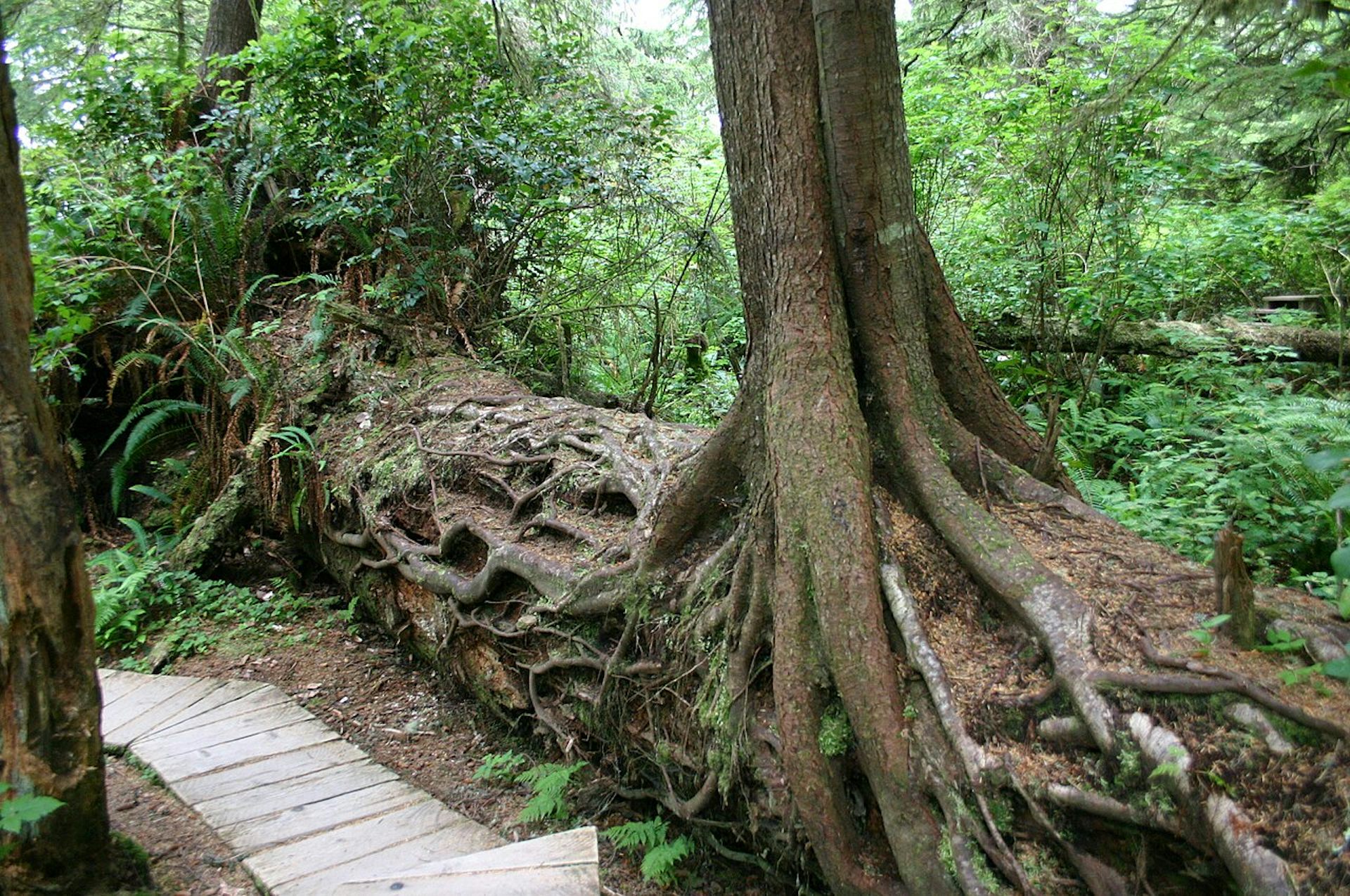
To investigate how the dead remains of foundation species affect the ability of their living counterparts to establish, grow and survive, we tapped into a U.S. National Science Foundation network of Long Term Ecological Research. Scientists at these sites track populations of foundation species across a diversity of ecosystems that have experienced different extreme events.
为了研究基础物种的残骸如何影响其存活同类建立、生长和生存的能力,我们利用了美国国家科学基金会长期生态研究网络(Long Term Ecological Research)。这些站点的科学家们追踪着不同极端事件经历下的各种生态系统中的基础物种种群。
We looked at coral reefs, mangrove forests, salt marshes, kelp forests, oyster reefs, tropical rainforests, temperate rainforests, hemlock forests, tallgrass prairies and boreal forests, ranging from the tropics to just shy of the Arctic Circle.
我们考察了珊瑚礁、红树林、盐沼、巨藻林、牡蛎礁、热带雨林、温带雨林、西方海阴林、高草甸和北方森林,范围从热带地区一直延伸到接近北极圈的边缘。
We found that, following extreme events, the dead affect the living more commonly than we expected. The dead foundation species either significantly increased or decreased living foundation species in nine out of the 10 ecosystems we studied – the kelp forest was the only exception.
我们发现,在经历极端事件后,残骸对活体物种的影响比我们预期的更普遍。在我们研究的10个生态系统中有9个,死去的基础物种要么显著增加了,要么减少了活体的基础物种——巨藻林是唯一的例外。
In roughly half of the cases, dead foundation species hampered the ability of their living counterparts to reestablish, grow and survive after extreme events.
在大约一半的情况下,基础物种的残骸阻碍了其存活同类在极端事件后重新建立、生长和生存的能力。
Take the tropical montane rainforest of Puerto Rico. This ecosystem is periodically walloped by hurricanes that strip its canopy and blanket the forest floor with tree branches and leaves. This layer of debris chokes off sunlight needed by the seedlings below and reduces the number that emerge to replace the trees lost during the storm, ultimately slowing the forest’s recovery.
以波多黎各的热带山地雨林为例。这个生态系统周期性地遭受飓风的袭击,这些飓风会剥去它的冠层,并将树枝和树叶覆盖在森林地面上。这层碎片堵塞了下方幼苗所需的阳光,并减少了取代风暴中损失的树木的新生数量,最终减缓了森林的恢复进程。
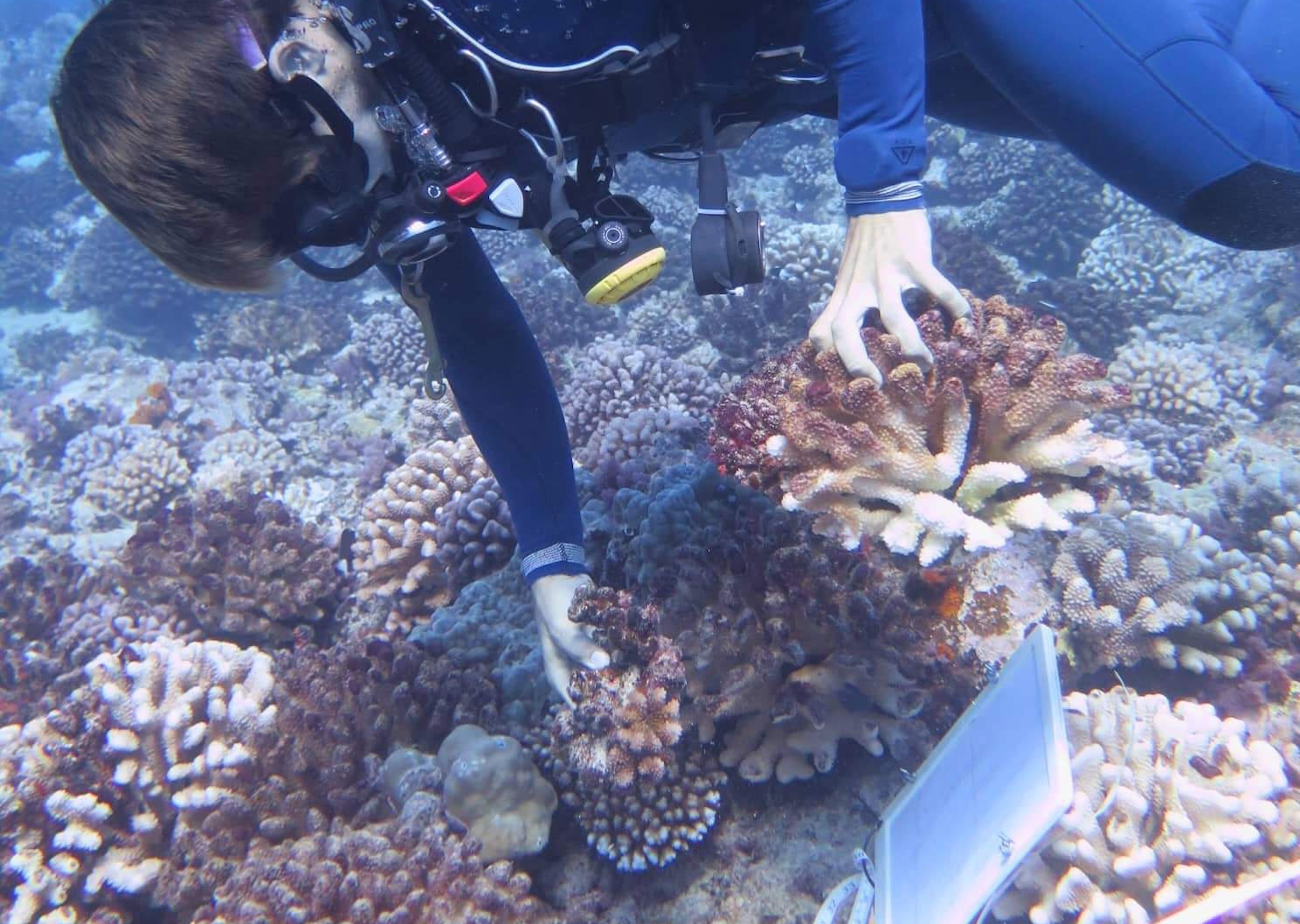
The South Pacific coral reefs of Moorea present a more extreme example. Marine heat waves that cause coral bleaching can transform these reefs into something fundamentally different: ghost towns of dead skeletons overgrown by seaweeds. The nooks and crannies of the standing coral skeletons provide an opportunity for the seaweeds, which compete with coral for reef space, to proliferate and take over the reef, preventing the return of corals.
南太平洋莫雷亚的珊瑚礁则展示了一个更极端的例子。导致珊瑚白化的海洋热浪可以将这些珊瑚礁转变为本质上不同的东西:被海藻覆盖的死亡骨架“鬼城”。矗立的珊瑚骨骼中的缝隙为海藻提供了机会,这些海藻与珊瑚争夺礁石空间,得以大量繁殖并占据整个珊瑚礁,阻止了珊瑚的回归。
But in the other cases we studied, we found that dead organisms actually promote the regeneration of their living counterparts.
但在我们研究的其他案例中,我们发现死去的生物实际上促进了其存活同类的再生。
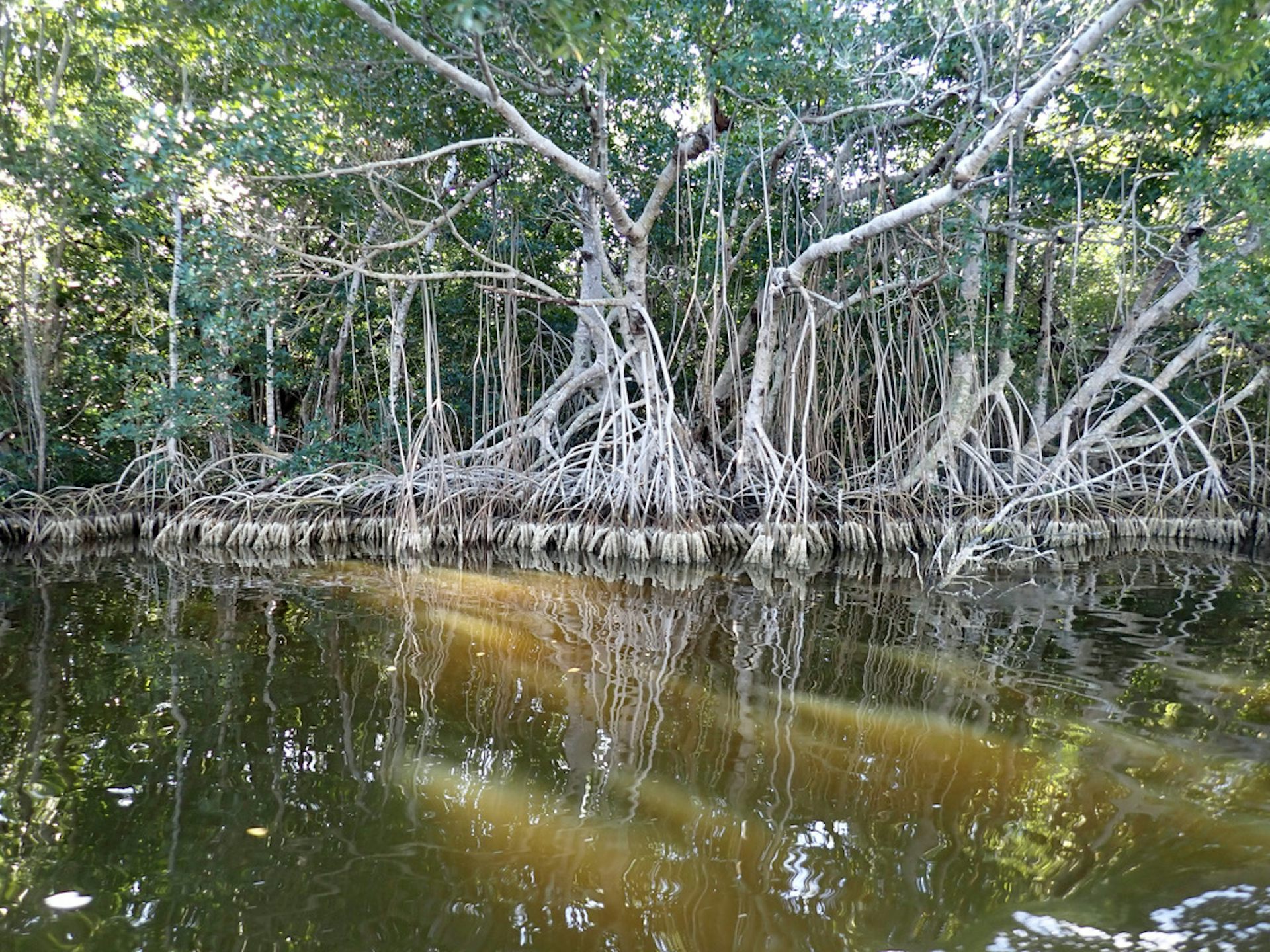
For example, the mangrove forests of the Florida Everglades actually benefit from storm-generated debris. During a hurricane, leaf litter blown or washed out of the canopy ended up in the complex network of roots below, providing a pulse of nutrients that enhanced the production of new roots and hastened mangrove recovery.
例如,佛罗里达大沼泽地的红树林实际上受益于风暴产生的碎片。在飓风期间,从冠层吹落或冲走的落叶最终沉积到下方的复杂根系网络中,提供了一次营养脉冲,增强了新根的生成并加速了红树林的恢复。
In the Eastern hemlock forests of New England, an outbreak of a tree-killing pest – the woolly adelgid – left behind wide swaths of standing dead trees. But unlike the dead skeletons on a bleached reef, these dead trees often help new hemlock saplings grow by maintaining a favorable climate on the ground below.
在新英格兰的西方海阴林中,爆发了一种致命昆虫——绒毛甲虫——留下了大片矗立的枯树。但与白化珊瑚礁上的死骨架不同,这些枯树通常通过维持下方地面的适宜气候来帮助新的西方海阴幼苗生长。
The question now is, how can humanity use this information to fortify the resilience of ecosystems after extreme events?
人类如何利用这些信息来增强生态系统在极端事件后的恢复力?
How humans can help
人类如何提供帮助
As humans, many of us rely on therapy to help manage how traumatic memories affect our lives. We can also help ecosystems manage the remnants of dead organisms after disasters in several ways.
作为人类,我们中的许多人依赖心理治疗来帮助管理创伤记忆对我们的影响。我们也可以通过多种方式帮助生态系统处理灾难后死亡生物的残骸。
On land, standing dead trees are sometimes felled to create “nurse logs,” which release nutrients that nourish living trees. Dead grass litter is removed using prescribed burning to create better conditions for new grass to grow. On the coasts, dead oyster shells are deposited onto mud flats, and the rubble of coral skeletons is either stabilized or removed to create more solid substrates where new oysters and corals can settle, grow and thrive.
在陆地上,有时会砍伐站立的枯树来制造“育树木”,这些木材释放出滋养活树的营养物质。使用规范燃烧清除枯草层,为新草生长创造更好的条件。在海岸地区,将死牡蛎壳沉积到泥滩上,珊瑚骨骼的碎块则会被稳定化或移除,以创建更坚实的基质,让新的牡蛎和珊瑚能够定居、生长和繁衍。
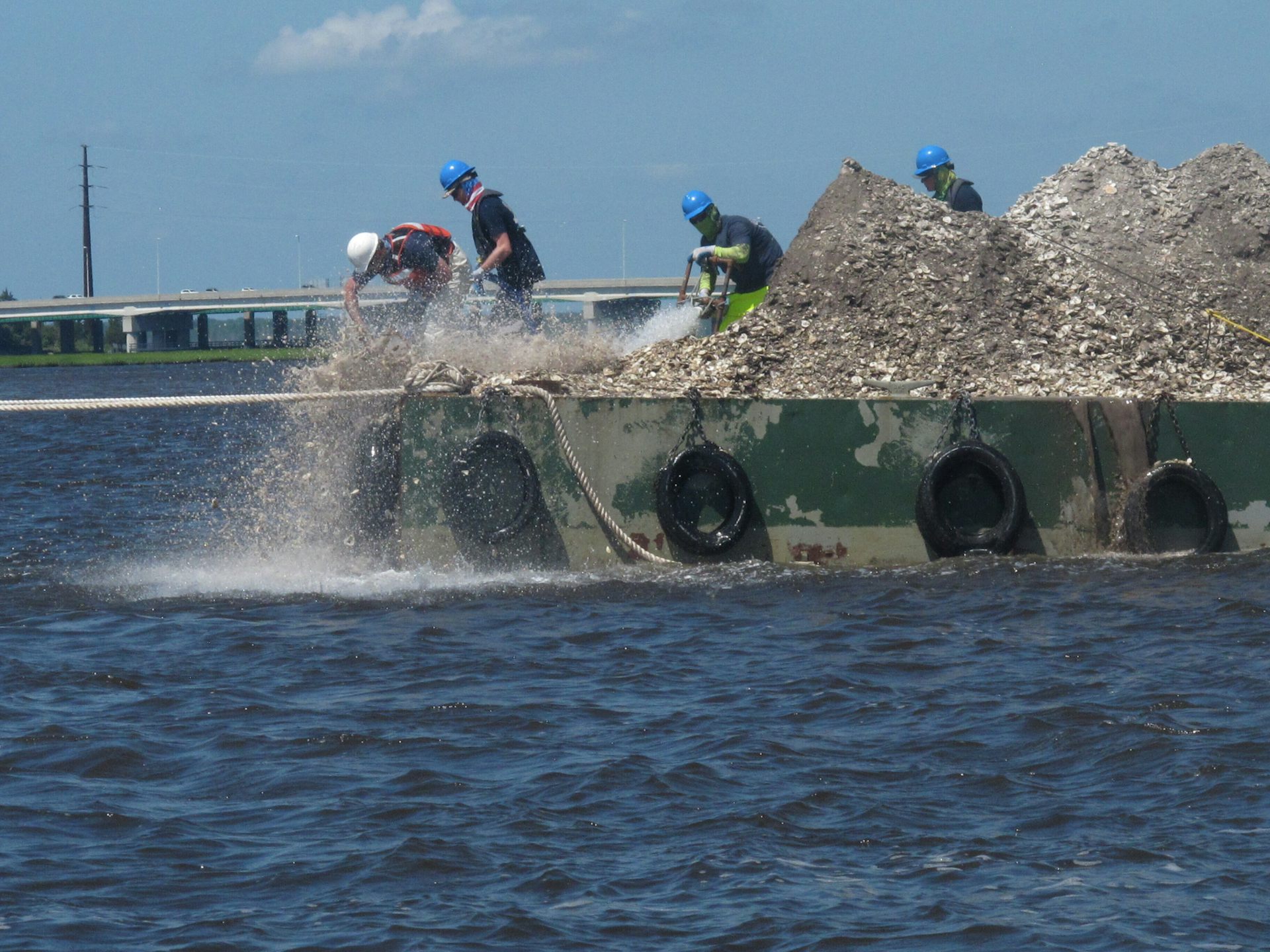
As rising temperatures create more frequent extreme events and trigger more die-offs, dead foundation species will be useful to help guide ecosystem recoveries afterward.
随着气温升高导致极端事件更频繁、死亡物种增多,这些死去的基础物种将有助于指导生态系统随后的恢复过程。
Where there is life, there is death
有生命之处,必有死亡
When you’re in nature, whether hiking in a forest or snorkeling on a tropical reef, your attention is typically drawn to the life that exists in these places. But if you take a closer look, you may notice that death is all around, too.
当你身处大自然,无论是徒步穿越森林还是在热带珊瑚礁浮潜,你的注意力通常会被这些地方存在的生命所吸引。但如果你仔细观察,你可能会注意到死亡也无处不在。
Death is an integral part of life. The quicker we all learn to embrace its capacity to be a transformative force, and find ways to use the remnants left in its wake, the better we will be able to help nature and ourselves thrive into the future.
死亡是生命不可或缺的一部分。我们越快学会拥抱它作为一种变革力量的潜力,并找到利用其留下的残余的方法,我们就越能帮助自然和我们自己在未来蓬勃发展。
Kai Kopecky receives funding from the National Science Foundation and the LTER Network Office.
Kai Kopecky 获得国家科学基金会和LTER网络办公室的资助。
John Kominoski works for Florida International University.
John Kominoski 在佛罗里达国际大学工作。