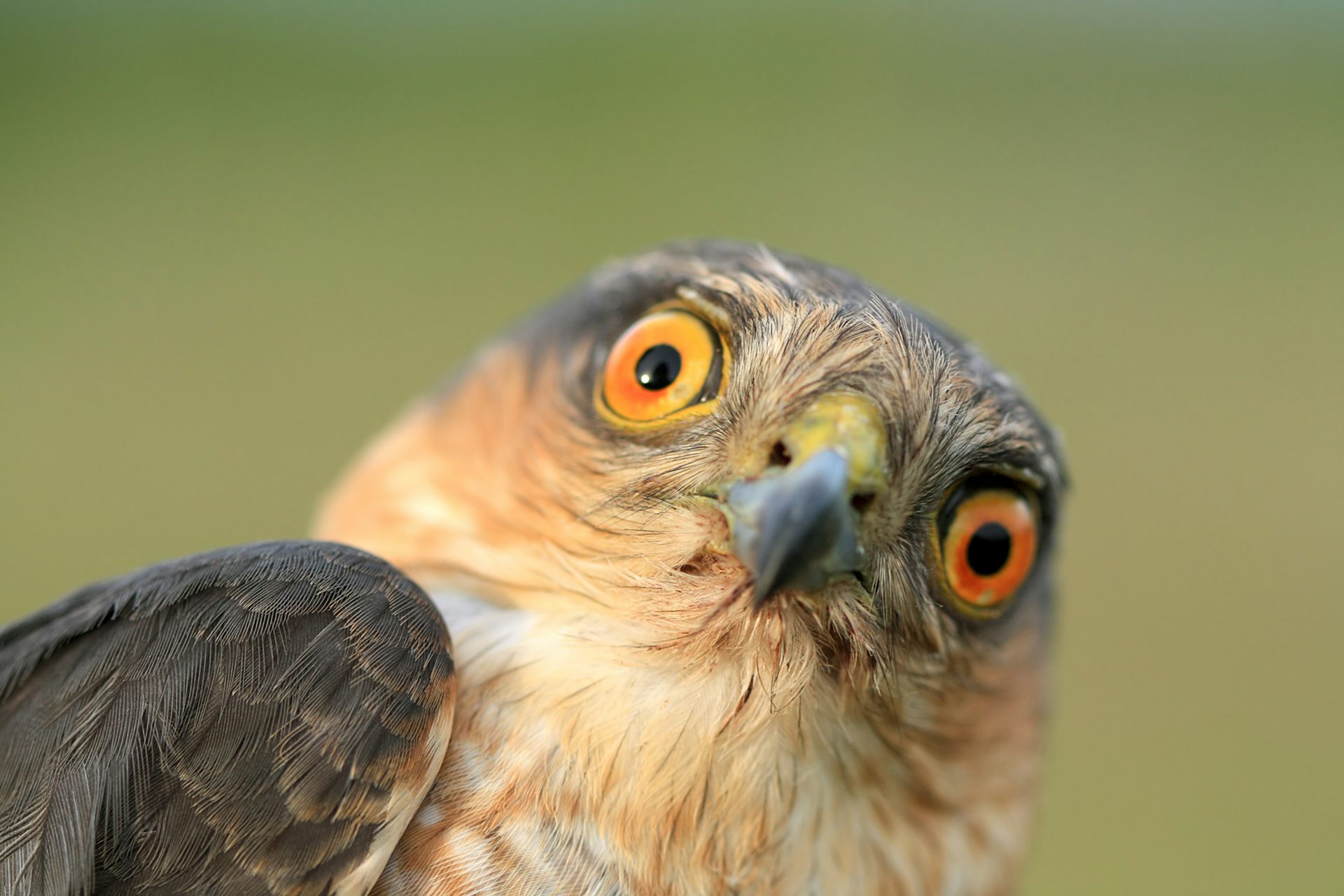
Some bird keepers have tried to drug their animals to stop them engaging in solo sex.
一些鸟类饲养员曾试图给它们的动物下药,以阻止它们进行单独性行为。
For captive animals, engaging in natural behaviour is a pillar of the animal welfare framework. But when it comes to sex, one important behaviour has been largely ignored, and sometimes even punished: masturbation.
对于圈养动物来说,参与自然行为是动物福利框架的支柱。但谈到性行为时,有一种重要的行为一直被忽视,有时甚至受到惩罚:自慰。
Solo sex is surprisingly common across the animal kingdom. It is well documented in primates. Tortoises are surprisingly vocal during their solo lovemaking endeavours, if not very graceful. Camels masturbate by rubbing their penises in the sand and porcupines make inventive use of all sorts of objects.
独处性行为在动物界中出奇地普遍。在灵长类动物中已有充分记录。乌龟在独自进行交配时出奇地吵闹,虽然并不优雅。骆驼通过在沙子里摩擦阴茎来自慰,刺猬则巧妙地利用各种物体。
Our new study could change how other scientists view masturbation in birds and improve their welfare.
我们这项新的研究可能会改变其他科学家看待鸟类自慰的方式,并改善它们的福利。
Masturbation also seems to be common in birds. A quick internet search brings up an abundance of video clips on social media and dedicated posts on bird-keeping forums, largely from worried or bemused hobbyist bird keepers.
鸟类似乎也普遍存在自慰行为。快速的网络搜索会带来大量社交媒体上的视频片段和鸟类饲养论坛上的专门帖子,这些内容大多来自担忧或困惑的业余鸟类饲养爱好者。
It has often been treated as an abnormal problem behaviour in captive birds (particularly parrots) . Folklore husbandry has assumed it is the undesirable outcome of stress, bad health or poor environment. Bird keepers often therefore discourage masturbation via punishment or veterinary interventions such as diet or care changes and, sometimes, even drugs and surgery. Despite the welfare implications, masturbation in birds had been largely unexplored by the scientific community.
在圈养的鸟类(尤其是鹦鹉)中,这种行为经常被视为异常的问题行为。民间养殖学认为它是压力、健康状况不佳或环境恶劣导致的不可取结果。因此,鸟类饲养员经常通过惩罚或兽医干预(例如改变饮食或护理,有时甚至使用药物和手术)来阻止自慰。尽管涉及福利问题,但鸟类的自慰行为在科学界一直缺乏探索。
We set out to change that, by investigating the distribution and evolutionary history of masturbation in birds for the first time. We studied 120 species of bird across 22 major groups, gathering data from the scattered scientific literature, online reports and community forums, and surveys of bird experts.
我们旨在改变这一现状,首次研究鸟类自慰行为的分布和进化历史。我们研究了来自22个主要群组的120种鸟类,收集了分散的科学文献、在线报告和社区论坛的数据,并对鸟类专家进行了调查。
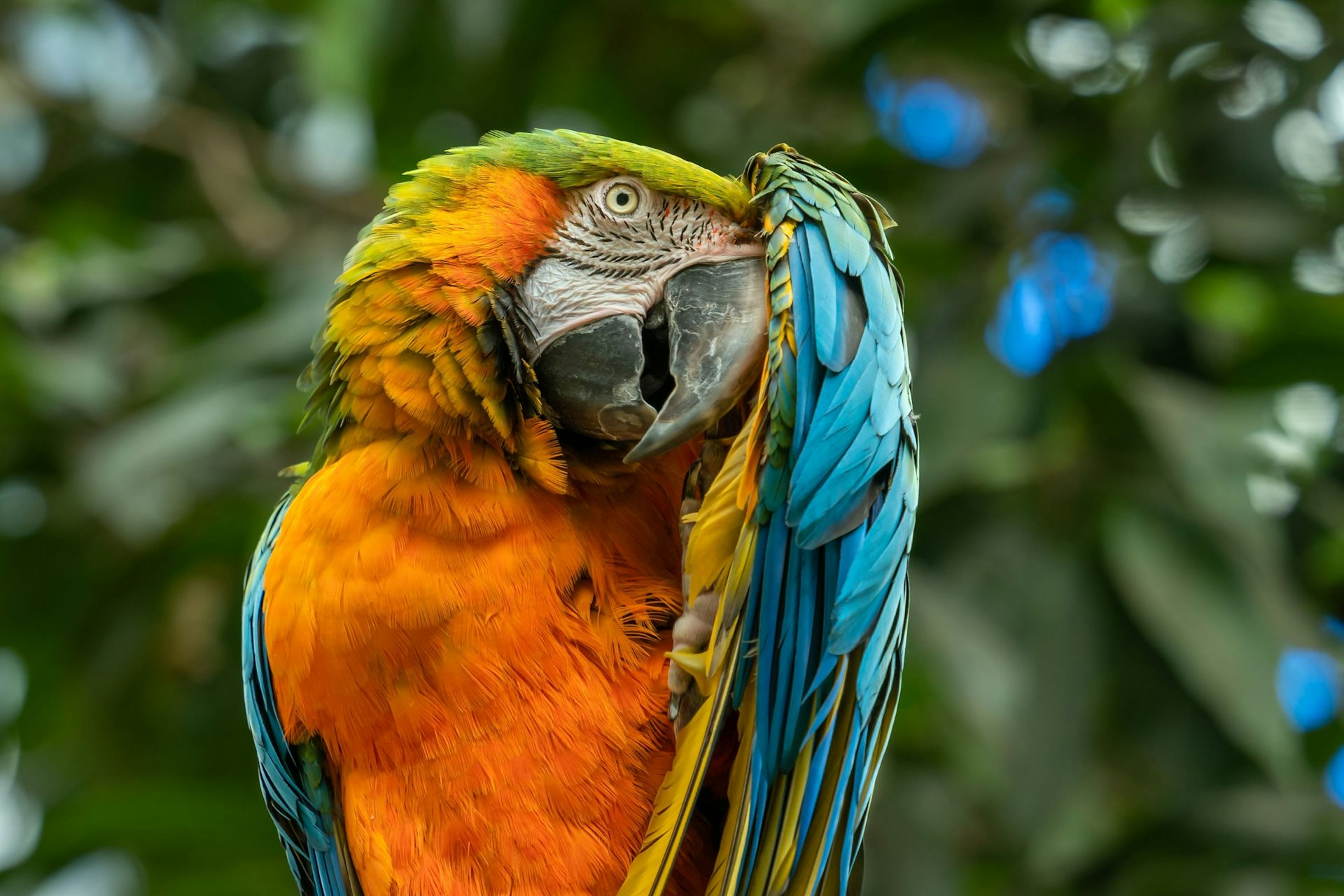
Our study found that masturbation is widespread across birds with a strong evolutionary history, meaning that it’s an ancient trait probably similar in closely related species. Although we found more records of masturbation in male birds, it occurs in both sexes and across all age groups.
我们的研究发现,自慰行为在鸟类中非常普遍,并且具有强大的进化历史,这意味着它是一种古老的特征,在密切相关的物种中可能相似。尽管我们在雄性鸟类中发现了更多的自慰记录,但它发生在两性以及所有年龄组。
Solo sex also seems to be linked to species that mate with multiple partners, supporting the idea that it might help to increase reproductive success when there is a high degree of competition over fertilisation. For instance, in males it may flush out old sperm to leave newer (better condition) sperm for mating. In females it may increase sexual arousal to help with sneak mating with males other than their partner.
独处性行为似乎还与与多个伴侣交配的物种有关,支持了这样一个观点:当受精竞争程度很高时,它可能有助于提高繁殖成功率。例如,对于雄性来说,它可能会排出旧精子,为交配留下更新的(状况更好的)精子。对于雌性来说,它可能会增加性兴奋,以帮助与非伴侣雄性进行偷偷摸摸的交配。
Wild behaviour
野生行为
Crucially, we discovered that masturbation is actually less common in captivity than the wild, and more common in birds reared by their own parents than by humans. What this tells us is that masturbation in birds is neither an unnatural behaviour, nor a consequence of captivity. Given this finding, it is important that birds are not prevented from masturbation. Of course, as with any behaviour, there may be extreme cases where chronic masturbation could indicate underlying health or husbandry issues.
至关重要的是,我们发现自慰在圈养状态下实际上比在野外更不常见,并且在由父母抚养的鸟类中更常见,而不是在人类抚养的鸟类中。这告诉我们的信息是,鸟类的自慰既不是一种不自然的行为,也不是圈养的后果。鉴于这一发现,重要的是不能阻止鸟类进行自慰。当然,和任何行为一样,可能存在极端情况,慢性自慰可能表明潜在的健康或饲养问题。
Avian self-pleasure is usually a rather inelegant affair, in which a bird rubs their cloaca (a shared orifice for both excretion and reproduction) against an object, like a branch, twig or toy. This is often accompanied by a lot of flapping and self-satisfied vocalisation.
鸟类的自慰通常是一种不太雅观的行为,鸟类会将它们的生殖孔(用于排泄和繁殖的共同开口)摩擦到物体上,比如树枝、小树枝或玩具。这通常伴随着大量的拍打和自得其乐的鸣叫。
One potential reason for the lack of scientific studies exploring avian masturbation may be because the cloaca is thought to have fewer nerve clusters, and therefore lower sensitivity, than our own genitals.
缺乏科学研究探索鸟类自慰的一个潜在原因是,人们认为生殖孔的神经簇较少,因此敏感度低于我们自身的生殖器。
Clearly however, birds are getting some satisfaction from masturbation, so perhaps there is more to a bird’s sensations during sex than has previously been recognised. Further exploration of this could have important implications for both welfare and captive breeding programmes. While sexual pleasure may not be exactly the same experience as for mammals, it is wildly premature to dismiss the idea that birds also feel pleasure.
然而,很明显,鸟类从自慰中获得了某种满足感,因此,鸟类在性行为中的感觉可能比以前认识的要复杂得多。进一步探索这一点可能对动物福利和圈养繁殖计划具有重要意义。虽然性快感可能与哺乳动物的体验不完全相同,但过早地否认鸟类也会感受到愉悦的想法是极不负责任的。
The authors do not work for, consult, own shares in or receive funding from any company or organisation that would benefit from this article, and have disclosed no relevant affiliations beyond their academic appointment.
作者不为任何可能从本文中受益的公司或组织工作、提供咨询、持有股份或获得资金,并且除了其学术任命外,未披露任何相关的隶属关系。