萨赫勒地区比以往任何时候都更不安全:外部武力只会加剧暴力循环
The Sahel region is less secure than ever: foreign forc…
After more than a decade, external security intervention has left the Sahel region more fragmented, militarised and violent.
十多年来,外部安全干预使萨赫勒地区更加碎片化、军事化和暴力化。
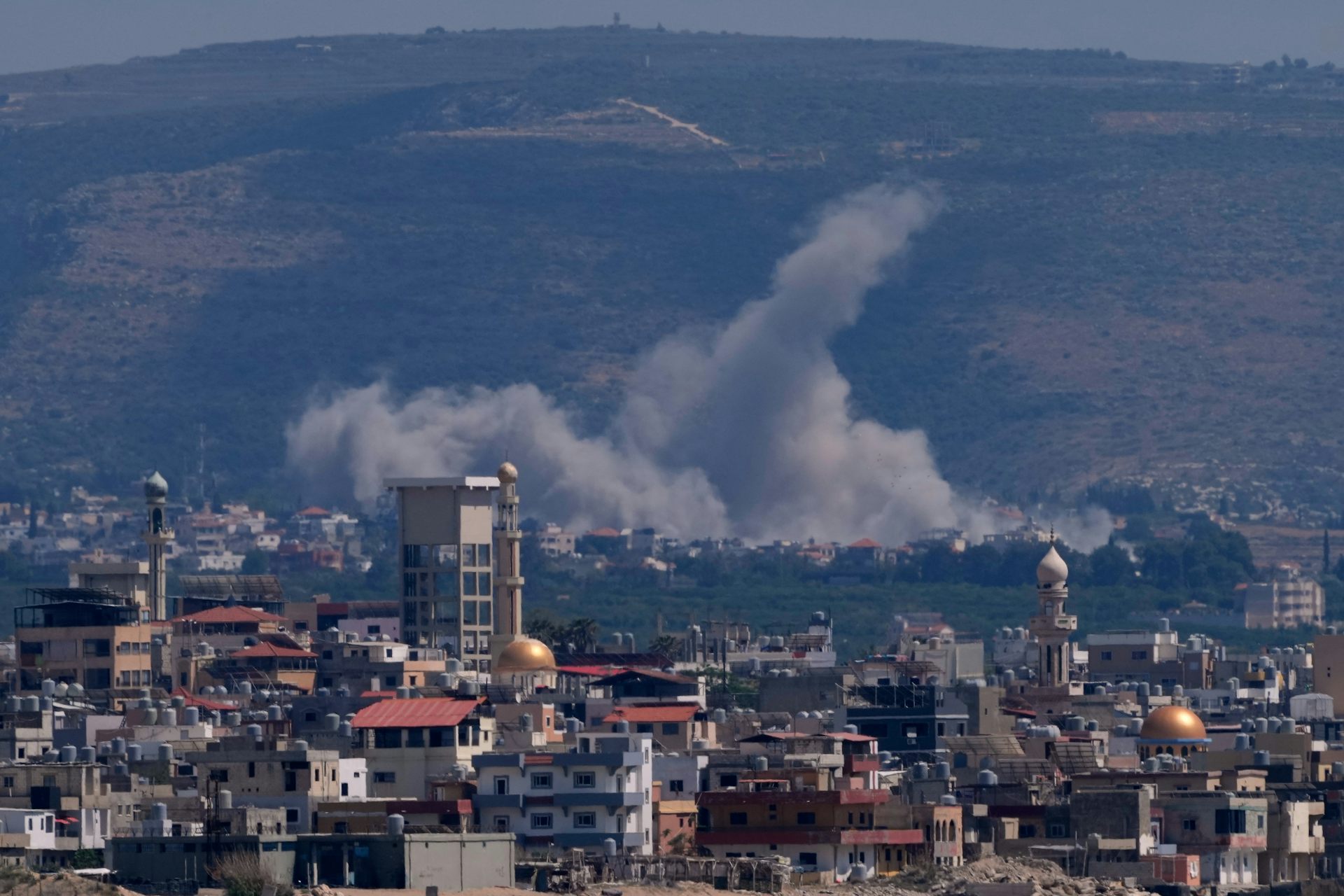
Several of Mali’s major cities experienced coordinated attacks in April by a new coalition of jihadists and separatist groups.
马里的一些主要城市在四月遭到了一个由新的圣战分子和分离主义团体组成的联盟的协同袭击。
As the coalition took over the town of Kidal in the north of Mali, images of Russian troops being escorted out of the town after negotiations were cabled out across global media.
当该联盟占领了马里北部的基达尔镇后,全球媒体报道了俄军在谈判后被护送离开该镇的画面。
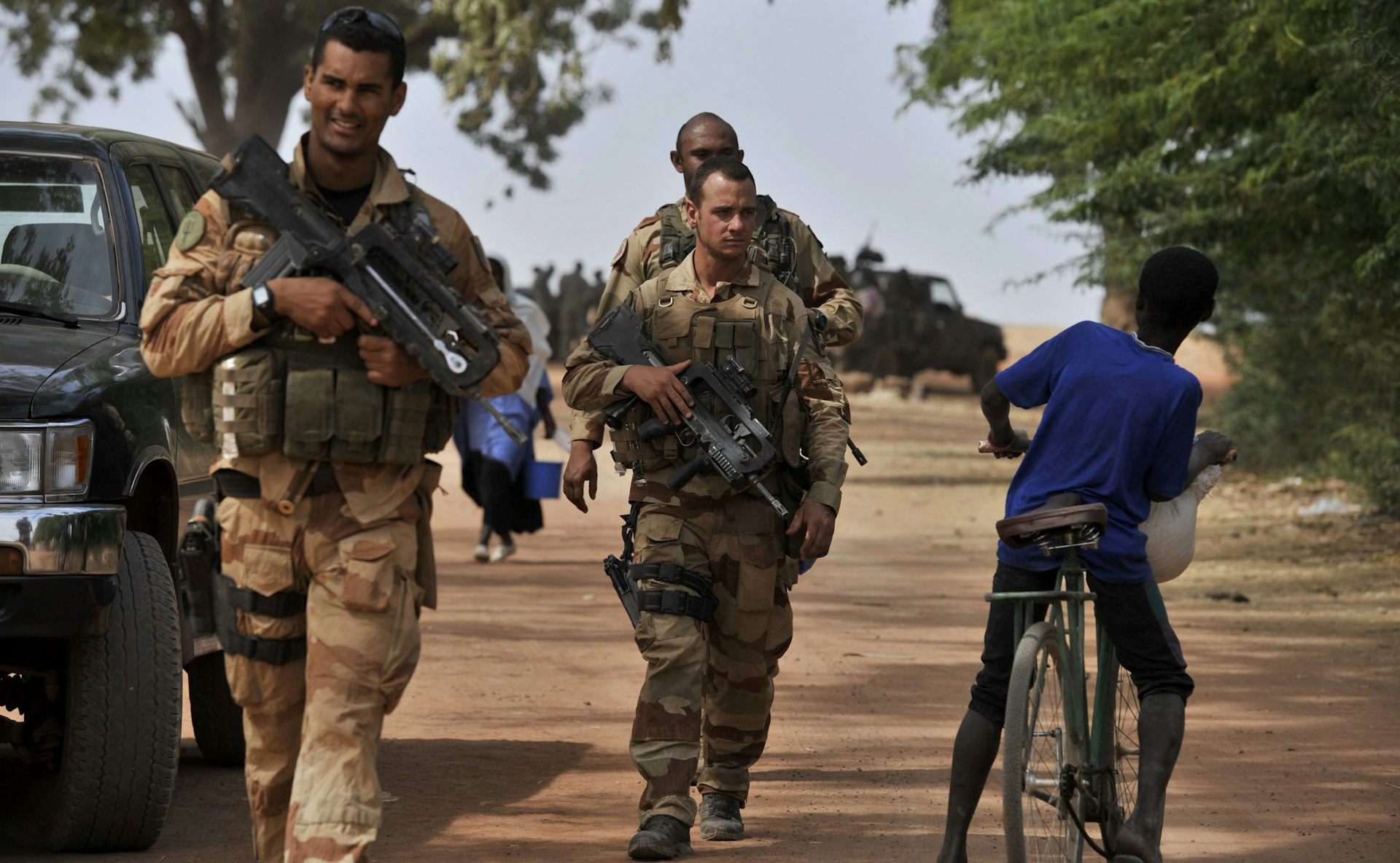
Russia, now in the shape of Africa Corps and previously the Wagner Group, has been the Malian military’s external security partner since the beginning of 2022. It replaced French and European troops from the counter-terrorism operation Barkhane and Taskforce Takuba. France had deployed a force of 5,000 troops from 2014 to 2022. European special forces numbered 1,000 between 2020 and 2022. Both missions were forced to leave as relations between France and the Malian junta grew tense.
俄罗斯,目前以非洲军团(Africa Corps)的形式,此前是瓦格纳集团(Wagner Group),自2022年初以来一直是马里军事部门的外部安全伙伴。它取代了法国的反恐行动“巴克汉行动”(Barkhane)和“塔库巴特任务部队”(Taskforce Takuba)的法国和欧洲部队。法国从2014年到2022年部署了5000名部队。欧洲特种部队在2020年至2022年间人数为1000人。由于法国与马里军政府的关系日益紧张,这两个任务都被迫撤离。
The strategic realignment, from western and multilateral forces to Russian troops, expanded in the region. In Burkina Faso, which experienced two coups in 2022, the French troops were expelled at the start of 2023, as 200 Russian troops moved in.
从西方和多国部队向俄罗斯部队的战略重组,在整个地区蔓延开来。在2022年经历了两场政变的布基纳法邦,法国部队于2023年初被驱逐,取而代之的是200名俄罗斯士兵。
In the summer of 2023, the Malian authorities also kicked out the decade-old 13,000-strong UN peacekeeping mission. Niger’s junta, which took power the same year, followed suit and expelled the EU’s operations in the country six months later, before accepting a few hundred Russian troops.
2023年夏天,马里当局还驱逐了十年来拥有13000名人员的联合国维和部队。尼日尔军政府在同年掌权后,也效仿了这一举动,并在六个月后驱逐了欧盟在该国的行动,随后接受了数百名俄罗斯士兵。
During the past decade I have researched external security interventions in the Sahel and analysed their justifications, development on the ground, and consequences for political and security environments.
在过去的十年里,我研究了萨赫勒地区的外部安全干预,分析了其理由、当地的发展情况以及对政治和安全环境的影响。
I conclude from my research that the external interventions have not stabilised the region. More than a decade after the first major interventions, the Sahel is more fragmented, militarised and violent than before.
我的研究得出结论,外部干预并未稳定该地区。在第一次重大干预发生十多年后,萨赫勒地区比以前更加碎片化、军事化和暴力。
Yet the persistence of insecurity also serves political purposes.
然而,不安全感的持续存在也服务于政治目的。
For military juntas, the jihadist threat justifies continued rule and repression. For Russia, the region has become a showcase for anti-western influence and security partnerships in Africa. For western actors, jihadist expansion, migration concerns and fears of regional instability are used as reasons for security engagement despite repeated failures.
对于军事军政府来说,圣战威胁为持续统治和镇压提供了理由。对于俄罗斯来说,该地区已成为展示反西方影响力和非洲安全伙伴关系的窗口。对于西方行为体来说,圣战分子的扩张、移民问题和对地区不稳定的担忧,被用作进行安全参与的理由,尽管多次失败。
The complex interactions between these actors have resulted in a continuous, strategic circle of violence, where civilians are the first victims.
这些行为体之间复杂的互动,导致了一个持续的、战略性的暴力循环,而平民是首批受害者。
On the ground
在当地
On the ground, interventions have often evolved in unpredictable ways through ad hoc decisions and informal interactions between local and external actors.
在当地,干预措施往往通过地方和外部行为者之间临时性决策和非正式互动,演变出不可预测的形态。
For example, they have shared logistical and medical assistance and intelligence.
例如,他们分享了后勤、医疗援助和情报。
More broadly, the external interventions strengthened militaries as political actors, reinforcing an already biased civil-military balance across the region.
更广泛地说,外部干预加强了军队作为政治行为者的地位,加剧了整个地区的民军平衡失衡。
“Security in the Sahel” became the moniker that framed the western and multilateral interventions in the region from 2013 onwards. Improving the capacities, capabilities and professionalism of the national security forces became the official objectives of these interventions, closely linked to the broader aim of defeating the jihadist insurgencies.
从2013年起,“萨赫勒地区的安全”成为构建西方和多边干预的标签。提高国家安全部队的能力、能力和专业性,成为这些干预的官方目标,这与更宏大的击败圣战恐怖主义叛乱的目标紧密相连。
Framing the intersecting crises in the Sahel as a security issue also meant that security actors had the task of resolving it. The importance, status and budgets of the national militaries thus increased as the security situation deteriorated. A heavily tilted civil-military imbalance was the result.
将萨赫勒地区的交叉危机定性为安全问题,也意味着安全行为者有责任解决它。随着安全局势恶化,各国军队的重要性、地位和预算因此增加。结果就是民军失衡严重。
As military officers took over power through coups in Mali, Burkina Faso and Niger, a strategic realignment towards Russia began, to maintain military rule.
随着军官们在马里、布基纳法索和尼日尔发动政变夺权,一场旨在维持军事统治的战略重组开始转向俄罗斯。
The Russian Wagner group allowed the newly installed juntas to entrench their power, while “deprofessionalising” the forces through harassment, attacks and massacres of civilians.
俄罗斯瓦格纳集团让新上台的军事委员会巩固了权力,同时通过骚扰、攻击和屠杀平民的方式“去专业化”了这些部队。
Research shows for example that civilian targeting accounted for 71% of the Wagner Group’s involvement in political violence in Mali between December 2021 and July 2022. This strategy of attacking civilians has made recruitment easier for jihadist groups. They could increase their ranks by exploiting grievances.
研究表明,例如,在2021年12月至2022年7月间,瓦格纳集团在马里参与的政治暴力中,平民目标占了71%。这种攻击平民的策略使得圣战组织更容易招募人员。它们可以通过利用民众的不满来增加兵员。
The latest attacks in Mali in April 2026 demonstrate the military junta’s failure, together with its Russian security partners, to contain the jihadist groups’ expansion.
2026年4月在马里发生的最新袭击事件表明,军事委员会及其俄罗斯安全伙伴未能遏制圣战组织的扩张。
They also reveal that Russia is in the country mainly to keep the military junta in power. Assimi Goïta, Mali’s military leader, reconfirmed the partnership with Russia after the attacks in spite of their failure on the battlefield.
这些事件还揭示了俄罗斯进入该国主要是为了维持军事委员会的权力。尽管在战场上失败,马里军事领导人阿西米·戈伊塔仍重申了与俄罗斯的伙伴关系。
The military leader needs regime maintenance more than ever, and the Russians need to be in the country for continued geopolitical influence on the African continent.
军事领导人比以往任何时候都更需要维持政权,而俄罗斯需要留在该国,以持续对非洲大陆施加地缘政治影响。
Conclusion
结论
The result is that while all external actors claim to fight instability, the current regional order depends on continuing insecurity.
结果是,尽管所有外部行为体都声称要打击不稳定性,但当前的区域秩序却依赖于持续的不安全感。
Stabilisation risks becoming less about resolving conflict than about managing insecurity in ways that sustain regimes, partnerships and geopolitical influence.
稳定化风险正逐渐从解决冲突,转变为以维持政权、伙伴关系和地缘政治影响力的方式来管理不安全感。
Foreign interventions, in combination with national actors’ ambitions, have helped to transform the region into a space of militarised regime survival, jihadist expansion and geopolitical competition between Russia and western democracies.
外力干预,结合国家行为体的野心,帮助将该地区转变为一个军事化的政权生存、圣战扩张以及俄罗斯与西方民主国家之间地缘政治竞争的场所。
As military approaches have repeatedly proven insufficient to solve the intersecting crises in the Sahel, pressured military juntas may now be forced to negotiate with jihadist groups. That is likely to result in new, hybrid spaces of power and governance.
鉴于军事方法在解决萨赫勒地区相互交织的危机方面已多次证明不足,受压力的军事政权现在可能被迫与圣战组织进行谈判。这可能会导致新的、混合的权力与治理空间。
Nina Wilén has received funding from the Folke Bernadotte Academy (FBA) . She is the Direoctor of the Africa programme at Egmont Institute of International Relations and Associate Professor in Political Science at Lund University.
Nina Wilén获得了福尔克·伯纳多特学院(FBA)的资助。她是埃格蒙特国际关系学院非洲项目主任,也是隆德大学政治学副教授。