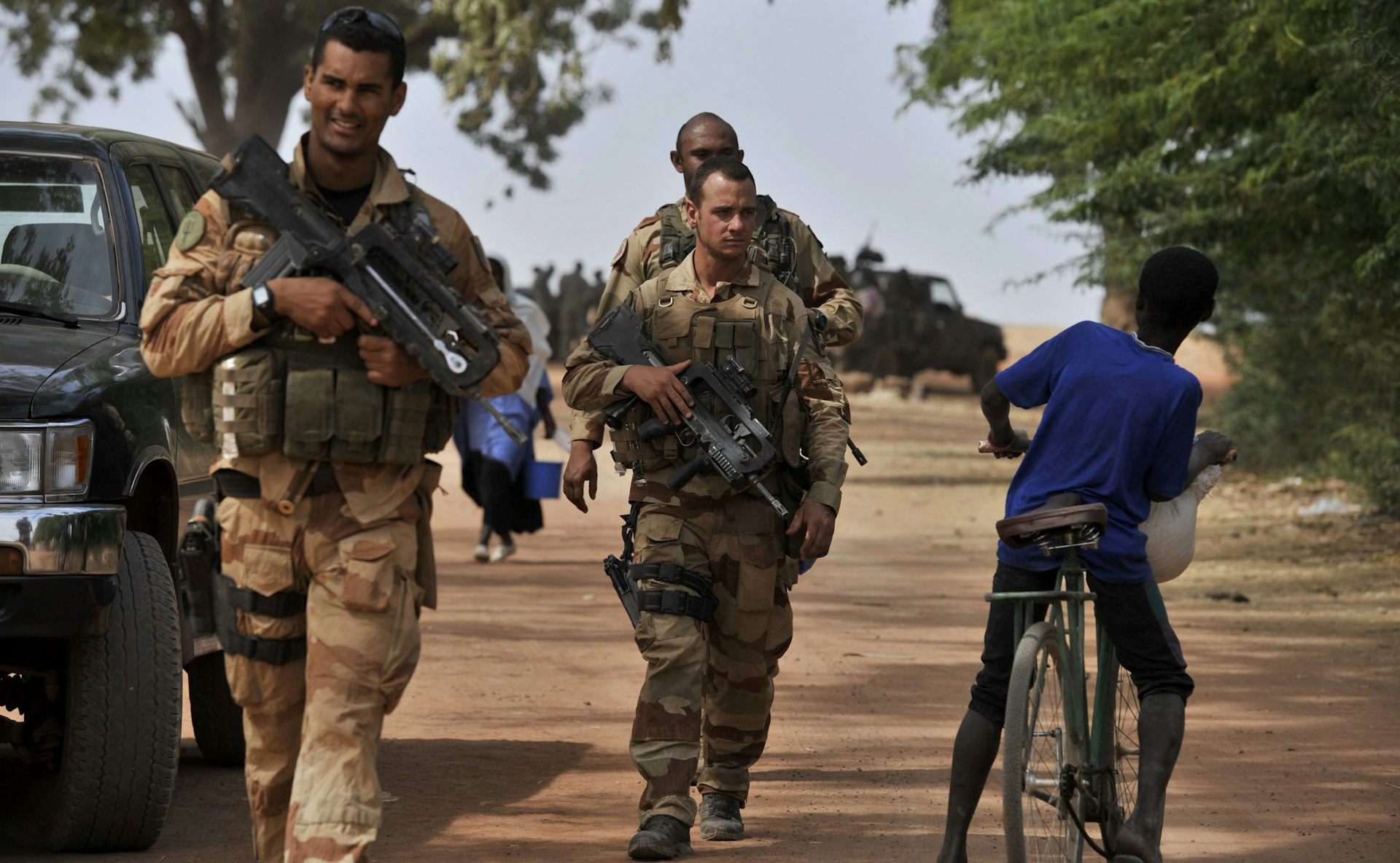
منطقة الساحل أقل أمانًا من أي وقت مضى: القوات الأجنبية لا تزيد إلا من دورة العنف.
The Sahel region is less secure than ever: foreign forces just add to the cycle of violence
After more than a decade, external security intervention has left the Sahel region more fragmented, militarised and violent.
بعد أكثر من عقد، ترك التدخل الأمني الخارجي منطقة الساحل أكثر تفتتاً وعسكرة وعنفاً.
Several of Mali’s major cities experienced coordinated attacks in April by a new coalition of jihadists and separatist groups.
شهدت العديد من المدن الكبرى في مالي هجمات منسقة في أبريل من قبل تحالف جديد من جماعات الجهاد والجماعات الانفصالية.
As the coalition took over the town of Kidal in the north of Mali, images of Russian troops being escorted out of the town after negotiations were cabled out across global media.
وبينما سيطرت الجماعة على بلدة كيدال في شمال مالي، نُقلت صور لقوات روسية يتم مرافقتها خارج البلدة بعد مفاوضات عبر وسائل الإعلام العالمية.
Russia, now in the shape of Africa Corps and previously the Wagner Group, has been the Malian military’s external security partner since the beginning of 2022. It replaced French and European troops from the counter-terrorism operation Barkhane and Taskforce Takuba. France had deployed a force of 5,000 troops from 2014 to 2022. European special forces numbered 1,000 between 2020 and 2022. Both missions were forced to leave as relations between France and the Malian junta grew tense.
كانت روسيا، التي تعمل الآن تحت اسم “فيلق أفريقيا” (Africa Corps) وكانت سابقاً “مجموعة فاغنر”، الشريك الأمني الخارجي للجيش المالي منذ بداية عام 2022. وقد حلت محل القوات الفرنسية والأوروبية التي كانت ضمن عملية مكافحة الإرهاب “برخان” وقوة المهام “تاكو با.” كانت فرنسا قد نشرت قوة مكونة من 5000 جندي في الفترة من 2014 إلى 2022. وبلغ عدد القوات الخاصة الأوروبية 1000 جندي بين عامي 2020 و 2022. واضطرت كلتا المهمتين إلى المغادرة مع تصاعد التوتر في العلاقات بين فرنسا والمجلس العسكري المالي.
The strategic realignment, from western and multilateral forces to Russian troops, expanded in the region. In Burkina Faso, which experienced two coups in 2022, the French troops were expelled at the start of 2023, as 200 Russian troops moved in.
توسع إعادة التموضع الاستراتيجي، من القوات الغربية والمتعددة الأطراف إلى القوات الروسية، في المنطقة. ففي بوركينا فاسو، التي شهدت انقلابين في عام 2022، طُردت القوات الفرنسية في بداية عام 2023، وحلّت محلها 200 جندي روسي.
In the summer of 2023, the Malian authorities also kicked out the decade-old 13,000-strong UN peacekeeping mission. Niger’s junta, which took power the same year, followed suit and expelled the EU’s operations in the country six months later, before accepting a few hundred Russian troops.
وفي صيف عام 2023، طردت السلطات المالية أيضاً بعثة حفظ السلام التابعة للأمم المتحدة التي كانت قائمة منذ عقد من الزمان، والمكونة من 13 ألف جندي. وقلد مجلس النيجر العسكري، الذي استولى على السلطة في العام نفسه، ذلك وطرد عمليات الاتحاد الأوروبي في البلاد بعد ستة أشهر، قبل أن يقبل بوجود بضع مئات من الجنود الروس.
During the past decade I have researched external security interventions in the Sahel and analysed their justifications, development on the ground, and consequences for political and security environments.
خلال العقد الماضي، بحثت في التدخلات الأمنية الخارجية في منطقة الساحل وحللت مبرراتها وتطورها على الأرض وعواقبها على البيئات السياسية والأمنية.
I conclude from my research that the external interventions have not stabilised the region. More than a decade after the first major interventions, the Sahel is more fragmented, militarised and violent than before.
أستنتج من بحثي أن التدخلات الخارجية لم تؤدِ إلى استقرار المنطقة. فبعد أكثر من عقد من التدخلات الكبرى الأولى، أصبح الساحل أكثر تجزؤاً وتسلحاً وعنفاً مما كان عليه من قبل.
Yet the persistence of insecurity also serves political purposes.
ومع ذلك، فإن استمرار انعدام الأمن يخدم أيضاً أغراضاً سياسية.
For military juntas, the jihadist threat justifies continued rule and repression. For Russia, the region has become a showcase for anti-western influence and security partnerships in Africa. For western actors, jihadist expansion, migration concerns and fears of regional instability are used as reasons for security engagement despite repeated failures.
بالنسبة للمجالس العسكرية، يبرر التهديد الجهادي استمرار الحكم والقمع. وبالنسبة لروسيا، أصبحت المنطقة بمثابة واجهة للنفوذ المناهض للغرب والشراكات الأمنية في أفريقيا. وبالنسبة للجهات الفاعلة الغربية، يُستخدم التوسع الجهادي، ومخاوف الهجرة، والمخاوف من عدم الاستقرار الإقليمي كأسباب للالتزام الأمني على الرغم من الإخفاقات المتكررة.
The complex interactions between these actors have resulted in a continuous, strategic circle of violence, where civilians are the first victims.
وقد أدت التفاعلات المعقدة بين هذه الجهات الفاعلة إلى دائرة عنف استراتيجية ومستمرة، حيث يكون المدنيون هم الضحايا الأوائل.
On the ground
على أرض الواقع
On the ground, interventions have often evolved in unpredictable ways through ad hoc decisions and informal interactions between local and external actors.
على أرض الواقع، تطورت التدخلات غالبًا بطرق غير متوقعة من خلال قرارات مخصصة وتفاعلات غير رسمية بين الجهات الفاعلة المحلية والخارجية.
For example, they have shared logistical and medical assistance and intelligence.
على سبيل المثال، تبادلوا المساعدة اللوجستية والطبية والمعلومات الاستخباراتية.
More broadly, the external interventions strengthened militaries as political actors, reinforcing an already biased civil-military balance across the region.
وبشكل أوسع، عززت التدخلات الخارجية الجيوش كجهات فاعلة سياسية، مما عمّق التوازن العسكري المدني المنحاز بالفعل في جميع أنحاء المنطقة.
“Security in the Sahel” became the moniker that framed the western and multilateral interventions in the region from 2013 onwards. Improving the capacities, capabilities and professionalism of the national security forces became the official objectives of these interventions, closely linked to the broader aim of defeating the jihadist insurgencies.
أصبح “الأمن في الساحل” هو اللقب الذي أطر التدخلات الغربية والمتعددة الأطراف في المنطقة اعتبارًا من عام 2013. وأصبح تحسين قدرات وكفاءات واحترافية قوات الأمن الوطنية هو الأهداف الرسمية لهذه التدخلات، المرتبطة ارتباطًا وثيقًا بالهدف الأوسع المتمثل في هزيمة التمردات الجهادية.
Framing the intersecting crises in the Sahel as a security issue also meant that security actors had the task of resolving it. The importance, status and budgets of the national militaries thus increased as the security situation deteriorated. A heavily tilted civil-military imbalance was the result.
إن تأطير الأزمات المتقاطعة في الساحل كقضية أمنية عنى أيضًا أن يكون للجهات الفاعلة الأمنية مهمة حلها. وبالتالي، زادت أهمية وقيمة وميزانيات الجيوش الوطنية مع تدهور الوضع الأمني. وكانت النتيجة خللاً عسكريًا مدنيًا مائلاً بشدة.
As military officers took over power through coups in Mali, Burkina Faso and Niger, a strategic realignment towards Russia began, to maintain military rule.
ومع تولي الضباط العسكريين السلطة عبر الانقلابات في مالي وبوركينا فاسو والنيجر، بدأ إعادة تموضع استراتيجي نحو روسيا، للحفاظ على الحكم العسكري.
The Russian Wagner group allowed the newly installed juntas to entrench their power, while “deprofessionalising” the forces through harassment, attacks and massacres of civilians.
سمحت مجموعة فاغنر الروسية للجبهات العسكرية المنصبة حديثًا بترسيخ سلطتها، بينما “تجريد” القوات من مهنيتها من خلال المضايقات والهجمات والمذابح التي تستهدف المدنيين.
Research shows for example that civilian targeting accounted for 71% of the Wagner Group’s involvement in political violence in Mali between December 2021 and July 2022. This strategy of attacking civilians has made recruitment easier for jihadist groups. They could increase their ranks by exploiting grievances.
تُظهر الأبحاث، على سبيل المثال، أن استهداف المدنيين شكل 71% من تورط مجموعة فاغنر في العنف السياسي في مالي بين ديسمبر 2021 ويوليو 2022. وقد جعلت استراتيجية مهاجمة المدنيين التجنيد أسهل للجماعات الجهادية. حيث يمكنها زيادة صفوفها عن طريق استغلال المظالم.
The latest attacks in Mali in April 2026 demonstrate the military junta’s failure, together with its Russian security partners, to contain the jihadist groups’ expansion.
تُظهر الهجمات الأخيرة في مالي في أبريل 2026 فشل المجلس العسكري، بالتعاون مع شركائه الأمنيين الروس، في احتواء توسع الجماعات الجهادية.
They also reveal that Russia is in the country mainly to keep the military junta in power. Assimi Goïta, Mali’s military leader, reconfirmed the partnership with Russia after the attacks in spite of their failure on the battlefield.
كما أنها تكشف أن روسيا في البلاد بشكل أساسي للحفاظ على بقاء المجلس العسكري في السلطة. وقد أعاد أسيمي غويتا، الزعيم العسكري في مالي، تأكيد الشراكة مع روسيا بعد الهجمات على الرغم من فشلها في ساحة المعركة.
The military leader needs regime maintenance more than ever, and the Russians need to be in the country for continued geopolitical influence on the African continent.
يحتاج الزعيم العسكري إلى الحفاظ على النظام أكثر من أي وقت مضى، ويحتاج الروس إلى التواجد في البلاد من أجل استمرار النفوذ الجيوسياسي على القارة الأفريقية.
Conclusion
الخاتمة
The result is that while all external actors claim to fight instability, the current regional order depends on continuing insecurity.
النتيجة هي أنه بينما يزعم جميع الفاعلين الخارجيين محاربة عدم الاستقرار، فإن النظام الإقليمي الحالي يعتمد على استمرار انعدام الأمن.
Stabilisation risks becoming less about resolving conflict than about managing insecurity in ways that sustain regimes, partnerships and geopolitical influence.
قد يصبح التثبيت أقل ارتباطاً بحل النزاعات وأكثر ارتباطاً بإدارة انعدام الأمن بطرق تدعم الأنظمة والشراكات والنفوذ الجيوسياسي.
Foreign interventions, in combination with national actors’ ambitions, have helped to transform the region into a space of militarised regime survival, jihadist expansion and geopolitical competition between Russia and western democracies.
لقد ساهم التدخل الأجنبي، بالاقتران مع طموحات الفاعلين الوطنيين، في تحويل المنطقة إلى فضاء من بقاء الأنظمة المسلح، والتوسع الجهادي، والتنافس الجيوسياسي بين روسيا والديمقراطيات الغربية.
As military approaches have repeatedly proven insufficient to solve the intersecting crises in the Sahel, pressured military juntas may now be forced to negotiate with jihadist groups. That is likely to result in new, hybrid spaces of power and governance.
وبما أن المقاربات العسكرية أثبتت مراراً أنها غير كافية لحل الأزمات المتقاطعة في منطقة الساحل، فقد يُجبر القادة العسكريون الانقلابيون الآن على التفاوض مع الجماعات الجهادية. ومن المرجح أن يؤدي ذلك إلى مساحات جديدة ومختلطة للسلطة والحكم.
Nina Wilén has received funding from the Folke Bernadotte Academy (FBA) . She is the Direoctor of the Africa programme at Egmont Institute of International Relations and Associate Professor in Political Science at Lund University.
تلقّت نينا ويلين تمويلاً من أكاديمية فولكه برنادوت (FBA) . وهي مديرة برنامج أفريقيا في معهد إيغمونت للعلاقات الدولية وأستاذ مشارك في العلوم السياسية بجامعة لوند.
Read more
-

نظريات المؤامرة: هل يعتقد 300,000 كويز حقًا أن كندا تبني جيشًا من الثعالب العملاقة المتحورة؟
Conspiracy theories: do 300,000 Kiwis really believe Canada is building an army of mutant super-raccoons?
-
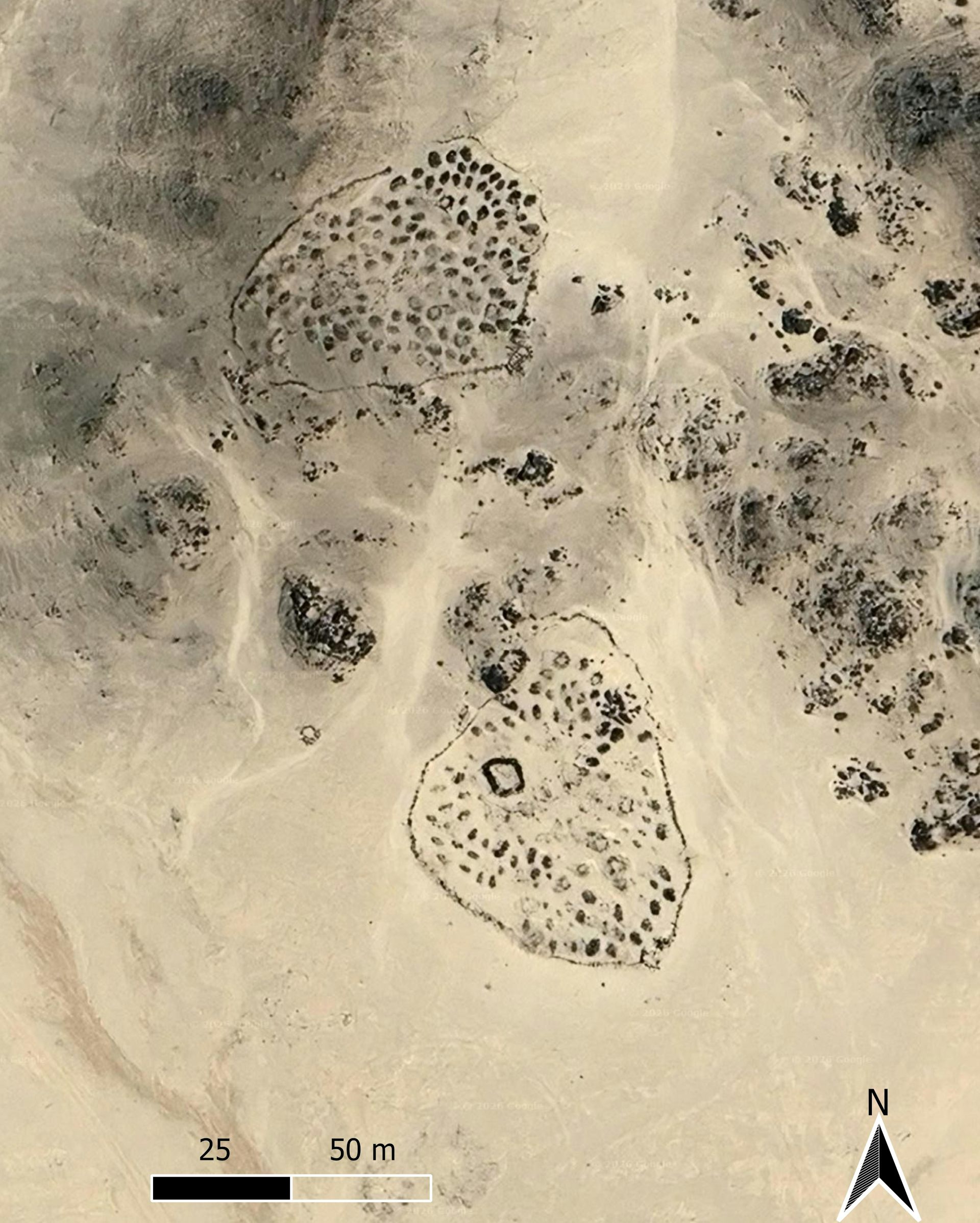
وجدنا مئات من المقابر الجماعية الضخمة القديمة المخفية في صحراء الصحراء
We found hundreds of huge ancient mass graves hidden in the Sahara desert