
GLP-1类药物,如Ozempic,在减重之外展现出更多潜力。但科学证据和炒作之间,究竟哪个更可靠?
GLP-1 drugs like Ozempic show promise for more than wei…
Ozempic-style drugs have been flagged as possible treatments for cancer, dementia, endo, addiction and more. An expert explains what the evidence really says.
Ozempic这类药物已被指出可用于治疗癌症、痴呆症、内分泌疾病、成瘾等多种疾病。一位专家将解释目前的证据到底说了什么。
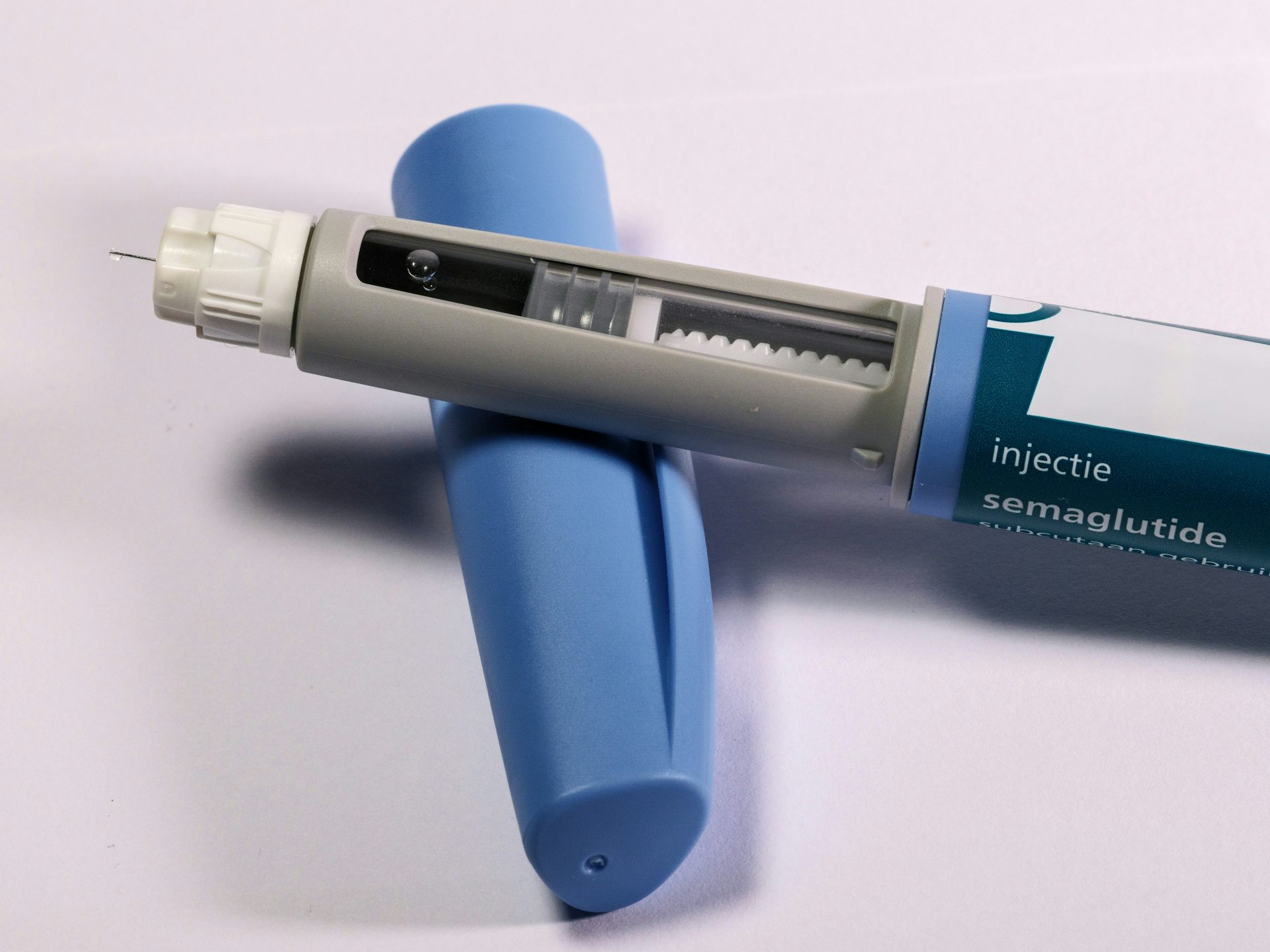
You’ve probably heard of Ozempic or Wegovy. These are the injectable drugs that have become household names for weight loss and diabetes.
你可能听说过Ozempic或Wegovy。它们是用于减肥和治疗糖尿病的注射药物,已经成为家喻户晓的品牌。
Now, researchers are investigating whether these medications known as GLP-1 agonists or GLP-1 drugs could treat everything from cancer and brain disease to depression, addiction and endometriosis.
现在,研究人员正在调查这些被称为GLP-1受体激动剂或GLP-1药物的药物是否可以治疗从癌症和脑部疾病到抑郁症、成瘾和子宫内膜异位症等各种疾病。
Some findings are genuinely exciting. Others are being oversold. Here’s what the science actually says.
有些发现确实令人兴奋。但有些则被过度宣传了。以下是科学实际说的话。
First, how do these drugs work?
首先,这些药物是如何起作用的?
GLP-1 (glucagon-like peptide-1) is a hormone your gut naturally releases after eating. It tells your pancreas to produce insulin and signals to your brain that you’re full. These drugs mimic that hormone.
GLP-1(胰高血糖素样肽-1)是一种您的肠道在进食后自然释放的激素。它会告诉您的胰腺产生胰岛素,并向您的大脑发出饱腹信号。这些药物模仿了这种激素。
But GLP-1 receptors aren’t just in the gut. They’re found in the heart, kidneys, liver and brain. That’s what makes scientists think these drugs might do far more than manage weight.
但GLP-1受体不仅仅存在于肠道。它们还存在于心脏、肾脏、肝脏和大脑。这让科学家们认为这些药物的作用可能远不止于体重管理。
Where the evidence is already solid
证据已经确凿的领域
Beyond diabetes and obesity, GLP-1 drugs have now earned regulatory approval in several new areas.
除了糖尿病和肥胖症之外,GLP-1药物现在已在多个新领域获得了监管批准。
A trial of more than 17,000 people found semaglutide (the active drug in Ozempic/Wegovy) cut the risk of serious heart attacks and strokes by 20%, even in people without diabetes.
一项针对超过17,000人的试验发现,semaglutide(Ozempic/Wegovy中的活性药物)使非糖尿病人群严重心肌梗死和中风的风险降低了20%。
In a trial of almost 1,200 patients, semaglutide outperformed a placebo in treating a type of advanced liver disease.
在一项针对近1,200名患者的试验中,semaglutide在治疗一种高级肝病方面优于安慰剂。
Tirzepatide (Mounjaro) has also been shown to significantly reduce the severity of sleep apnoea, mostly because weight loss puts less pressure on the airways.
Tirzepatide(Mounjaro)也被证明可以显著减轻睡眠呼吸暂停的严重程度,这主要是因为体重减轻对气道压力较小。
GLP-1s and cancer: promising but no clinical trial evidence
GLP-1s与癌症:前景广阔但缺乏临床试验证据
Obesity is a risk factor for at least 13 cancers, so reducing weight using GLP-1 drugs can also be expected to limit cancer risk. This was shown in a study of 86,000 adults with obesity. It found GLP-1 users had a 17% lower cancer risk.
肥胖是至少13种癌症的风险因素,因此使用GLP-1药物减轻体重也预计可以降低癌症风险。一项针对86,000名肥胖成年人的研究显示,使用GLP-1药物的人群患癌症的风险降低了17%。
New data suggests GLP-1 users were also less likely to see cancer spread to other organs, but this work is yet to be verified by other researchers. The anti-inflammatory effects of these drugs, which appear to work independently of weight loss, may be playing a role.
新的数据表明,使用GLP-1药物的人群患癌症扩散到其他器官的可能性也较低,但这项工作尚未得到其他研究人员的证实。这些药物具有抗炎作用,这种作用似乎独立于体重减轻,可能发挥了作用。
However, there have not yet been any well-controlled clinical trials that establish the link between GLP-1 drugs and preventing cancer.
然而,目前还没有任何经过良好控制的临床试验来确立GLP-1药物与预防癌症之间的联系。
Endometriosis: early but promising signs
子宫内膜异位症:早期但充满希望的迹象
Endometriosis affects roughly one in ten women of reproductive age. This is where tissue similar to the womb lining grows outside the uterus.
子宫内膜异位症影响大约十分之一的育龄女性。其特征是在子宫外生长出与子宫内膜相似的组织。
Because GLP-1 receptors are also present in reproductive tissue, these medications have shown promise in improving symptoms, with a survey of 161 women supporting this.
由于GLP-1受体也存在于生殖组织中,这些药物在改善症状方面显示出潜力,一项对161名女性的调查支持了这一点。
But, similar to cancer, there are no randomised human trials.
但与癌症类似,目前还没有随机人体试验。
Addiction and smoking
成瘾与吸烟
GLP-1 receptors are concentrated in the brain’s reward pathways. These same circuits drive cravings for alcohol, nicotine and drugs.
GLP-1受体集中在大脑的奖励通路。这些相同的回路驱动对酒精、尼古丁和药物的渴望。
An analysis of more than 1.3 million people found GLP-1 users had significantly lower rates of opioid overdose and alcohol intoxication.
对超过130万人进行分析发现,使用GLP-1的人群有显著较低的阿片类药物过量和酒精中毒率。
A randomised trial found semaglutide reduced drinking in people with alcohol use disorder.
一项随机试验发现,司美格鲁肽降低了酒精使用障碍患者的饮酒量。
Early quit-smoking trials are encouraging, too.
早期戒烟试验也令人鼓舞。
The brain: the least clear picture for GLP-1 therapy
大脑:GLP-1疗法最不明确的图景
This is where the story gets genuinely complicated.
故事的复杂性就在于此。
There are real biological reasons GLP-1 drugs could help with neurodegeneration and mental ill-health. They reduce brain inflammation, interact with dopamine (the brain’s motivation chemical) and support the gut-brain axis (the communication network that carries signals to and from the gut and brain) .
GLP-1药物确实有帮助神经退行性变和精神疾病的生物学基础。它们可以减轻脑部炎症,与多巴胺(大脑的动机化学物质)相互作用,并支持肠脑轴(负责在肠道和大脑之间传递信号的通讯网络)。
However, current clinical evidence is conflicting.
然而,目前的临床证据存在矛盾。
For Alzheimer’s disease, researchers gave 204 participants with mild to moderate disease liraglutide (a GLP-1 that pre-dated Ozempic) and measured how much brain volume they lost. Those taking the drug showed significantly less shrinkage in key brain regions, including their temporal lobe and overall grey matter.
对于阿尔茨海默病,研究人员给204名患有轻度至中度疾病的参与者使用了利拉鲁肽(一种早于Ozempic的GLP-1),并测量了他们损失的脑容量。服用该药物的参与者在包括颞叶和整体灰质在内的关键脑区显示出显著较少的萎缩。
However, a large phase 3 trial of oral semaglutide found it wasn’t effective at slowing clinical disease progression.
然而,一项关于口服司美格鲁肽的大型III期试验发现,它在减缓临床疾病进展方面并不有效。
Similarly, exenatide (another earlier GLP-1) showed no evidence for disease modification in a phase 3 Parkinson’s disease trial.
类似地,依南肽(另一种较早的GLP-1)在一项III期帕金森病试验中未显示出疾病修饰的证据。
For mental health, current evidence is also mixed. Meta-analyses and large cohort studies show significant reductions in depression and anxiety scores among GLP-1 users.
对于心理健康,目前的证据也喜忧参半。荟萃分析和大型队列研究显示,GLP-1使用者抑郁和焦虑评分显著降低。
But a separate observational study found people on these drugs had almost double the risk of major depression.
但另一项观察性研究发现,服用这些药物的人患重度抑郁症的风险几乎是两倍。
Another paper found that people with a genetic tendency toward low dopamine levels may face higher risk of depression and suicidal thoughts on these medications.
另一篇论文发现,那些具有遗传性低多巴胺水平倾向的人,服用这些药物后患抑郁症和自杀念头的风险可能更高。
There are also case reports of serious psychiatric episodes appearing within weeks of starting treatment.
此外,还有病例报告指出,在开始治疗后的几周内出现了严重的精神病发作。
We don’t yet know who these drugs will help, and who they could seriously harm.
我们尚不知道这些药物能帮助谁,以及可能对谁造成严重伤害。
What we need to be cautious about
我们需要警惕的问题
Crucially, most of the new uses for these medications haven’t yet been tested in proper clinical trials. Large real-world studies are useful, but they can’t rule out crucial confounding factors. This means the effects may be due to external influences.
至关重要的是,这些药物的大部分新用途尚未在适当的临床试验中进行测试。大型真实世界研究很有用,但它们无法排除关键的混杂因素。这意味着这些效果可能归因于外部影响。
For example, most major GLP-1 trials have enrolled people with obesity or diabetes. People with mental health conditions, neurodegenerative diseases, or addiction were largely excluded. Yet, these are the very populations now being considered for treatment.
例如,大多数主要的GLP-1试验招募的参与者患有肥胖症或糖尿病。患有精神健康状况、神经退行性疾病或成瘾症的人群在很大程度上被排除了。然而,这些恰恰是目前正在考虑接受治疗的人群。
Long-term effects are also unknown. A study of more than 200,000 patients found a 2–2.5 times higher risk of drug-induced pancreatitis (dangerous inflammation of the pancreas) .
长期影响也是未知的。一项对超过20万名患者的研究发现,使用这些药物会使胰腺炎(胰腺的危险炎症)的风险增加2到2.5倍。
Rapid weight loss also strips lean muscle, not just fat, affecting strength and metabolism, especially in older adults.
快速减重也会剥离瘦肌肉,而不仅仅是脂肪,从而影响力量和新陈代谢,尤其是在老年人中。
Studies have also indicated these medications carry a risk for thyroid cancer, prompting a warning on drug labels, but evidence is highly conflicting.
研究还表明,这些药物携带甲状腺癌的风险,促使药物标签上发出警告,但证据高度矛盾。
Time and further research will tell, but there are genuine safety concerns associated with the widespread use of these medications.
时间和进一步的研究会给出答案,但这些药物的广泛使用确实存在真正的安全隐患。
So, while the science here is genuinely exciting, we should continue to approach with informed caution.
因此,虽然这里的科学领域确实令人兴奋,但我们仍应保持审慎的警惕。
Paul Joyce receives funding from The Hospital Research Foundation, Cancer Council SA, and the Australian Research Council. He is director of the Australian Controlled Release Society.
Paul Joyce的资金来源于医院研究基金会、南澳癌症委员会和澳大利亚研究理事会。他是澳大利亚控释学会的主任。