美国长期以来一直利用经济胁迫来实现外交政策目标——伊朗的战事显示了这种力量的衰退。
The US has long used economic coercion to achieve forei…
US sanctions on foreign nations have lost some of their power to influence the behavior of other nations – with increasing costs for the US to boot.
美国对外国实施的制裁在影响其他国家行为的能力上已经有所减弱——这对美国来说,维持这些制裁的成本正在不断增加。
Two months after the United States, along with Israel, launched a war against Iran, that conflict appears far from a lasting resolution.
美国与以色列在伊拉克的战争爆发两个月后,这场冲突看起来远未达到持久的解决。
Much commentary on the protracted nature of the conflict has centered on the limits of both the military and diplomatic approaches to the war. But the conflict has also exposed another key reality: the limits of U.S. sanctions.
关于这场旷日持久的冲突,许多评论都集中在军事和外交手段的局限性上。但这场冲突也暴露了另一个关键现实:美国制裁的局限性。
The U.S. has been the world’s preeminent economic and military power for decades, certainly since the end of the Cold War. It is at the center of much global financial activity and has a military budget well beyond China, the closest competitor.
美国几十年来一直是世界主要的经济和军事强国,尤其是在冷战结束后更是如此。它处于全球大部分金融活动的中心,其军事预算远超中国,即最接近的竞争对手。
Leveraging that power, the U.S. has long used economic coercion to achieve its foreign policy goals, whether against North Korea under the Kim regime, Russia over its invasion of Ukraine or Iran since the 1979 revolution that overthrew the U.S.-allied shah.
利用这种力量,美国长期以来一直使用经济胁迫来实现其外交政策目标,无论是针对金氏政权下的朝鲜,还是针对其入侵乌克兰的俄罗斯,抑或是自推翻亲美沙国王的1979年革命以来的伊朗。
But as U.S. power in the world has slowly declined amid the rise of China and an increasingly multipolar world, the country has likewise lost some of its ability to effectively use economics as a weapon. Indeed, as scholars of economic sanctions and statecraft, we believe that the conflict against Iran has made clear the diminishing returns of U.S. economic sanctions.
但随着中国崛起和世界日益多极化,美国的世界影响力正在缓慢衰退,该国也因此丧失了有效利用经济作为武器的能力。事实上,作为经济制裁和国家治理的学者,我们认为,与伊朗的冲突已经清楚地表明了美国经济制裁的边际效益递减。
The limits of sanctions on Iran
伊朗制裁的限制
Since 1979, relations between Washington and Iran have been antagonistic. U.S. policy has been largely to punish, contain or isolate Iran, and successive administrations have done so in part through a mix of primary, secondary and targeted financial economic sanctions.
自1979年以来,华盛顿和伊朗的关系一直处于敌对状态。美国的政策很大程度上一直是惩罚、遏制或孤立伊朗,历届政府通过混合使用一级、二级和定向金融经济制裁来实现这一点。
U.S. economic coercion has been applied on Iran for a variety of reasons, including its alleged state sponsorship of terrorism throughout the region and its nuclear program.
美国对伊朗实施了经济胁迫,原因多种多样,包括其涉嫌在整个地区资助恐怖主义以及其核计划。
The emergence of that nuclear program in 2003, which later resulted in United Nations sanctions against Iran, saw U.S. and European Union interests around Iran converge.
该核计划于2003年出现,后来导致联合国对伊朗实施制裁,这使得美国和欧盟在伊朗周边的利益趋于一致。
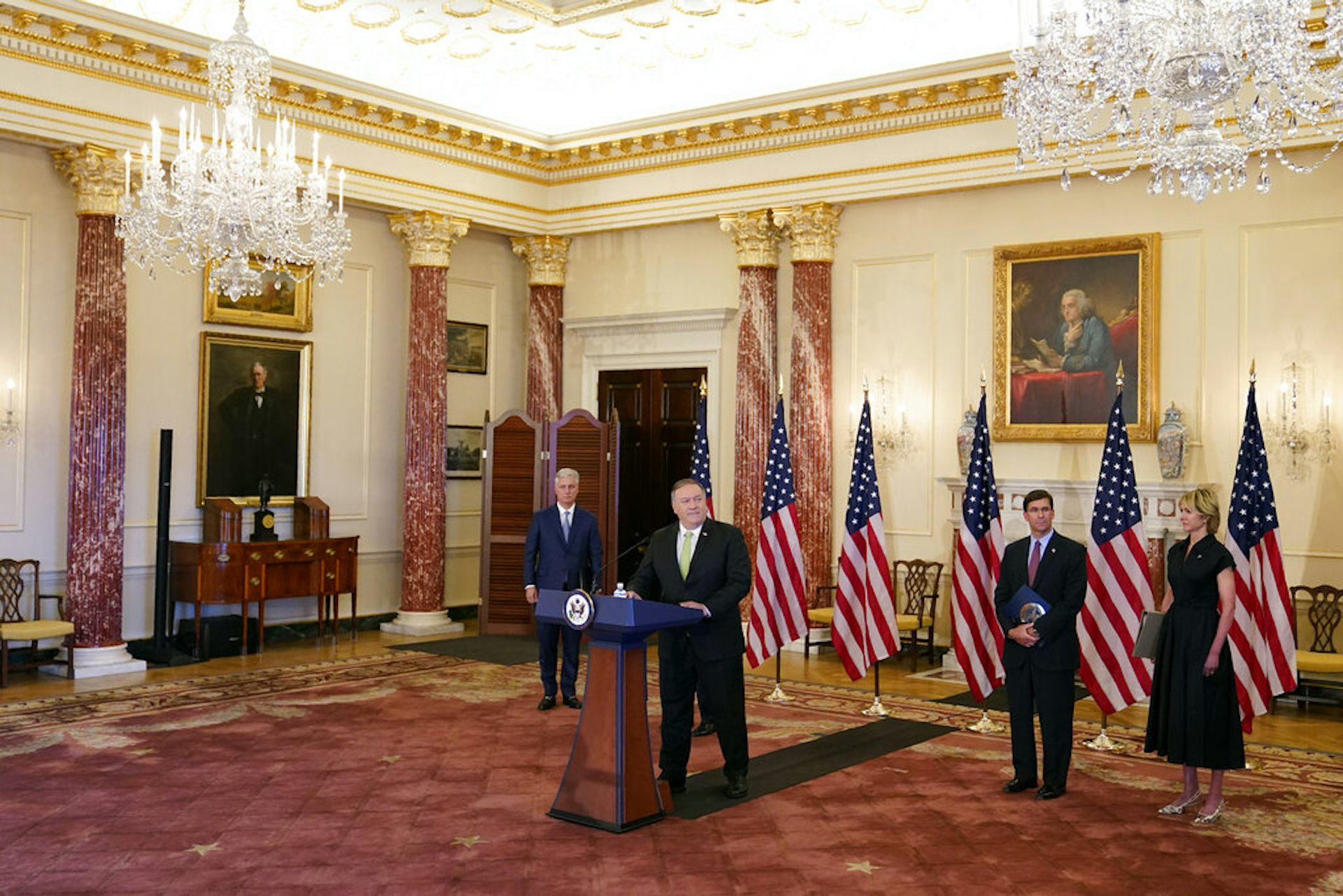
This convergence led to the U.S. and EU cooperating on economic sanctions against Iran, which limited Iranian access to the European banking system. The combined coordinated efforts proved onerous for the Iranian economy, which, as political scientist Adam Tarock notes, meant Iran was “winning a little, losing a lot.”
这种趋同促使美欧在对伊朗实施经济制裁方面进行合作,限制了伊朗进入欧洲银行系统。这种联合协调的努力对伊朗经济造成了沉重负担,正如政治学家亚当·塔罗克所指出的,这意味着伊朗“小赢大输”。
The Joint Comprehensive Plan of Action (JCPOA) , negotiated between the U.S., Iran, members of the EU, Russia and China in 2015, placed limits on Iran’s nuclear program in exchange for sanctions relief. At the time, the Iranian economy was suffering crushing inflation and rampant food prices. The agreement would provide relief from decades of economic punishment and the removal of EU, UN and U.S. economic sanctions.
《联合全面行动计划》(JCPOA)于2015年在美国、伊朗、欧盟成员国、俄罗斯和中国之间谈判达成,以限制伊朗的核计划,作为交换条件是解除制裁。当时,伊朗经济正遭受着严重的通货膨胀和飞涨的食品价格。该协议将提供摆脱数十年来经济惩罚以及解除欧盟、联合国和美国经济制裁的缓解。
However, the U.S. withdrew from the agreement in 2018 under the first Trump administration and later reimposed sanctions on Iran. The return of economic sanctions as part of the first Trump administration’s maximum pressure campaign – even if not supported by other nations – saw most global firms refrain from doing business with Iran out of risk aversion.
然而,美国在第一个特朗普政府时期于2018年退出该协议,并随后重新对伊朗实施制裁。作为第一个特朗普政府“最大压力运动”的一部分,经济制裁的回归——即使没有其他国家支持——也使得大多数全球公司出于风险厌恶而避免与伊朗进行业务往来。
Additionally, despite the EU’s efforts to preserve the JCPOA, Iran restarted its nuclear enrichment program in 2019, one year after the U.S. withdrawal. The Biden administration’s subsequent expressed intention to reenter the deal never came to fruition.
此外,尽管欧盟努力维护《联合全面行动计划》,但伊朗在2019年重启了其核浓缩计划,时间是在美国退出之后的一年。拜登政府随后表达了重新参与该协议的意愿,但从未实现。
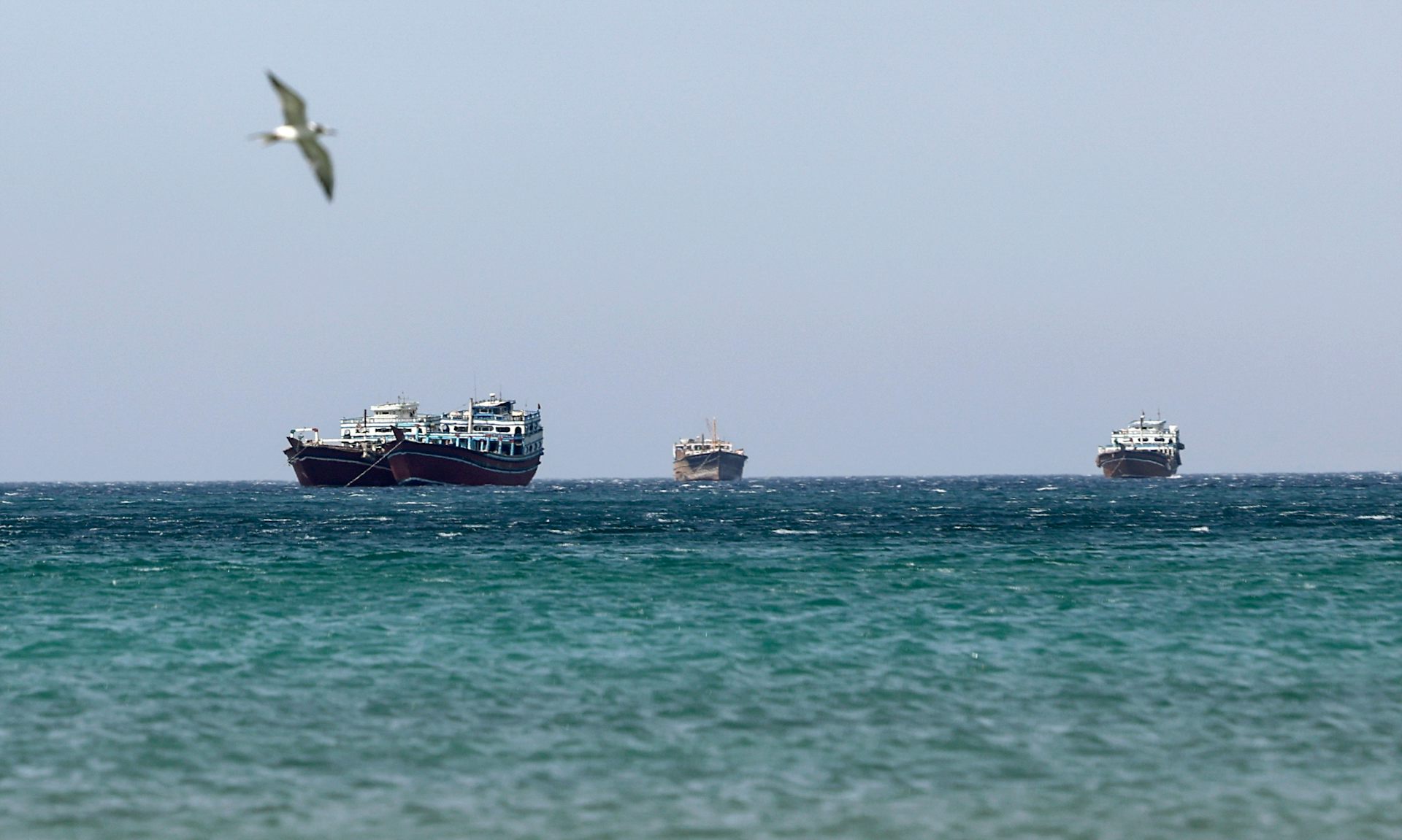
Believing sanctions relief was not a realistic outcome after the agreement’s failure, Iran – though battered by losing access to the global financial system – has found increasingly creative workarounds. Those have included utilizing so-called shadow fleets shipping illicit Iranian goods, creating successful homemade military products like cheaply made drones and ramping up trade with partners outside the Western orbit.
由于认为制裁解除并非现实结果,伊朗——尽管因失去进入全球金融系统的渠道而遭受重创——找到了越来越多的变通方法。这些方法包括利用所谓的“影子船队”运输非法伊朗商品,制造廉价的无人机等成功的自制军事产品,以及增加与西方轨道以外伙伴的贸易。
Indeed, since the nuclear agreement’s collapse, Iran has pursued much closer ties with China and Russia at the expense of prior robust economic relations with Europe. As Iran reorients its trade and economic relations, the U.S. and the West have lost economic coercive leverage.
事实上,自核协议崩溃以来,伊朗牺牲了此前与欧洲稳固的经济关系,转而与中国和俄罗斯建立了更密切的联系。随着伊朗调整其贸易和经济关系,美国和西方失去了经济胁迫的筹码。
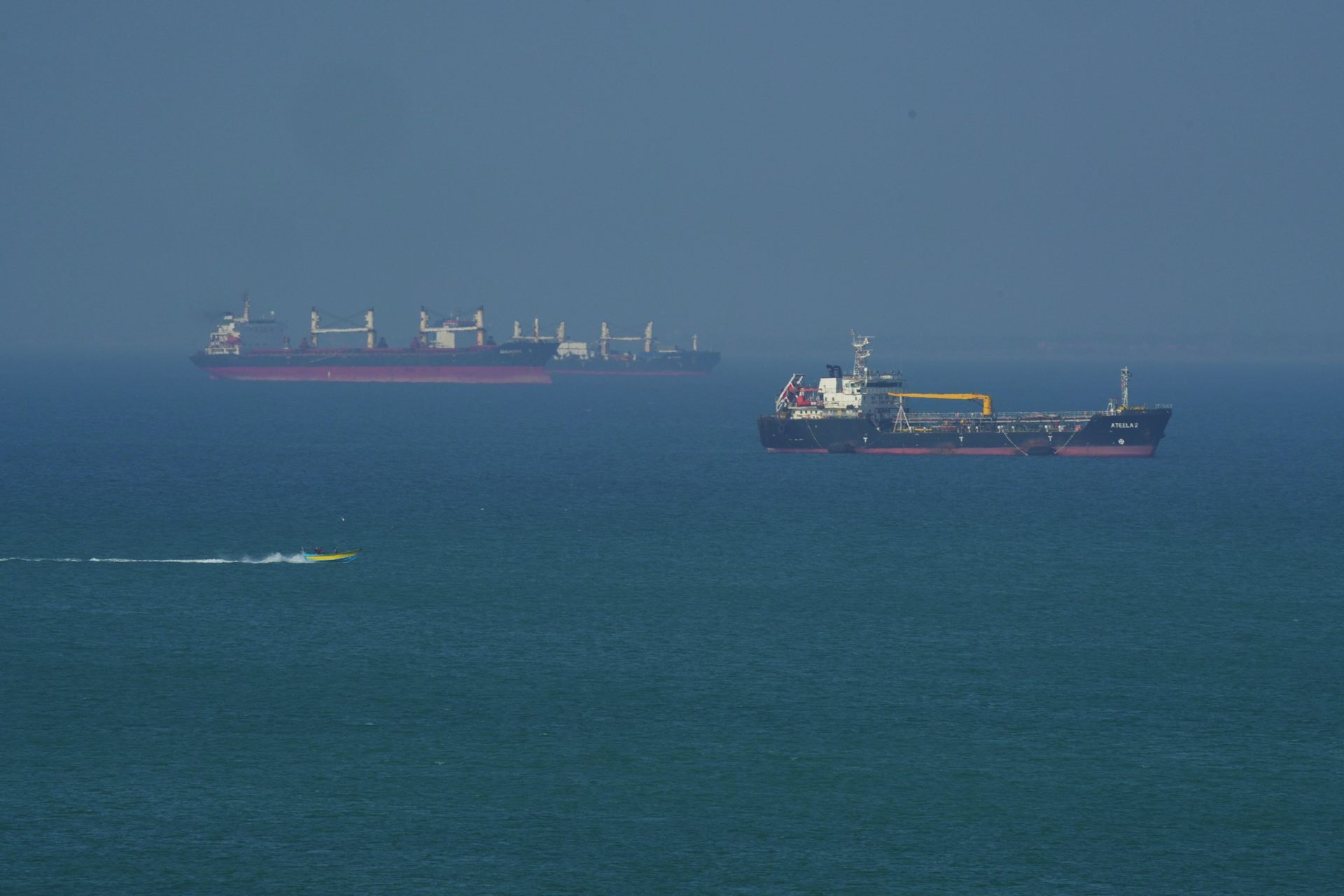
Separated from a diplomatic endgame, U.S. sanctions – and the current blockade of Iranian-linked ships – appear to be only hardening Iranian resolve. Even if a deal were reached to reopen the Strait of Hormuz, Iran has said it plans to push for commercial ships to pay a toll going forward – something that didn’t exist before the war.
美国制裁——以及目前对与伊朗相关的船只的封锁——脱离了外交终局的背景,似乎只是在加剧伊朗的决心。即使就达成重启霍尔木兹海峡协议,伊朗也表示未来计划推动商业船只支付过路费——这是战争之前不存在的。
In effect, Iran’s ongoing de facto closure of the strait has redirected U.S. economic coercion back at the Trump administration.
实际上,伊朗持续的事实上关闭海峡,将美国的经济胁迫重新导向了特朗普政府。
Blowback in the energy markets
能源市场反噬
The biggest costs of that ongoing closure for the U.S. has been in energy.
对美国而言,持续的封锁带来的最大成本体现在能源领域。
The U.S. today is one of the largest exporters of crude and refined petroleum globally, making it particularly exposed to oil price volatility. At the same time, some Americans see the development of fossil fuel resources as a key policy priority. As the U.S. becomes more embedded in the export energy sector, it is increasingly experiencing collateral damage – namely, higher oil and gasoline prices – when its foreign policy decisions disrupt oil-related trade.
今天,美国是全球最大的原油和精炼石油出口国之一,这使其特别容易受到油价波动的冲击。与此同时,一些美国人将化石燃料资源的开发视为一项关键的政策优先事项。随着美国越来越深度参与能源出口领域,当其外交政策决定扰乱与石油相关的贸易时,它正日益遭受附带损害——即油价和汽油价格上涨。
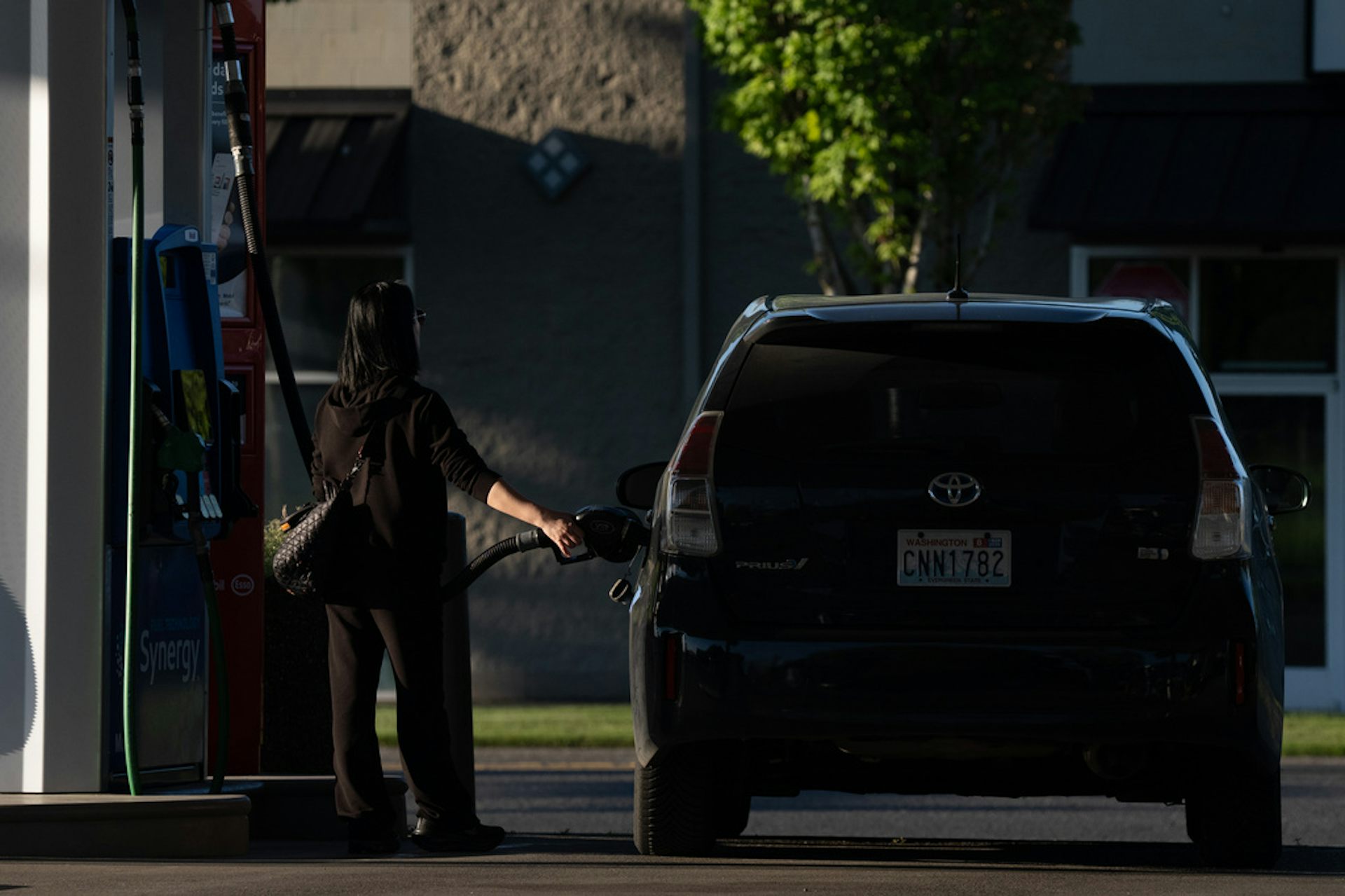
One way that collateral damage manifests is the affordability problem for many Americans as gas prices rise, which is likely to also create political costs for the Trump administration.
附带损害的一种表现形式是,随着汽油价格上涨,许多美国人面临可负担性问题,这可能会给特朗普政府带来政治成本。
While the U.S. has taken steps to ease the economic disruptions to American consumers by relaxing oil sanctions on Russia and Iran – thus undermining its own sanctions policy – these policy shifts have done little to nothing to offset rising fuel prices. They will likewise fail to ameliorate the potential for economic damage caused by the ongoing disruptions to commerce due to the Strait of Hormuz dangers and uncertainties.
尽管美国通过放松对俄罗斯和伊朗的石油制裁,采取了减轻对美国消费者经济干扰的措施——从而削弱了自身的制裁政策——但这些政策转变对于抵消不断上涨的燃料价格几乎没有任何作用。它们同样无法减轻由于霍尔木兹海峡的危险和不确定性导致的持续商业中断所造成的潜在经济损害。
Famed economist Albert O. Hirschman once noted that countries use their strategic position to shift others’ cost–benefit calculations, especially through trade disruptions. And for decades, the U.S. used its privileged position in the global financial system to pressure both rising countries and those not explicitly part of the U.S. alliance.
著名经济学家阿尔伯特·奥·赫希曼曾指出,各国利用其战略地位来改变他国的成本效益计算,尤其通过贸易中断。几十年来,美国利用其在全球金融体系中的特权地位,对新兴国家和那些并非明确属于美国联盟的国家施加压力。
But as the U.S. becomes more exposed to the consequences of its own decisions, its ability to lead and coerce has stalled under costs it cannot easily absorb.
但随着美国越来越暴露于自身决策的后果,其领导和胁迫的能力,在无法轻易承受的成本之下已经停滞了。
No longer leading by example
不再以身作则
Historically, U.S. economic power was made possible not only by the country’s unilateral strengths but its willingness to pool resources and work multilaterally with other nations.
历史上,美国的经济实力不仅得益于其单方面的优势,更得益于其愿意与其他国家汇集资源并进行多边合作的意愿。
The Trump White House’s inability to put together a multinational coalition to address the political and economic challenges caused by U.S.-Israeli attacks on Iran is not surprising. But they further reflect the evaporation of goodwill the U.S. previously enjoyed with allies in and outside the region.
特朗普白宫无法组建一个多国联盟来应对美国对伊朗的攻击所引发的政治和经济挑战,这一点并不令人意外。但这进一步反映了美国此前在区域内和区域外盟友群体中,良好意愿的消退。
As the U.S. abandons a playbook that has buttressed its power for decades, Russia has grown bolder, China is edging ahead of the West and middle powers like Iran are able to hold out against American economic and military strength.
随着美国放弃了支撑其数十年的“剧本”,俄罗斯变得更加大胆,中国正在超越西方,而伊朗等中等强国也能够抵御美国的经济和军事实力。
None of this means the U.S. no longer holds significant global power. But its turn toward a sanction-first, ask-questions-later approach has, we believe, eroded its ability to shape the behavior of other nations. And it has done so while imposing increasingly tangible costs on both American strategy and the well-being of its own citizens.
但这并不意味着美国不再拥有重要的全球力量。但我们相信,其转向“先制裁、后提问”的做法,削弱了其塑造其他国家行为的能力。而且,这种做法已经给美国的战略和本国公民的福祉带来了日益明显的成本。
The authors do not work for, consult, own shares in or receive funding from any company or organization that would benefit from this article, and have disclosed no relevant affiliations beyond their academic appointment.
本文作者不为任何可能从本文中受益的公司或组织工作、提供咨询、拥有股份或接受资金,并且除了其学术任职外,未披露任何相关隶属关系。