监测全球海洋的网络正面临压力——尤其是在最需要的时候
The network watching the world’s oceans is under pressu…
The Global Ocean Observing System informs weather forecasts and climate projections. But funding pressures could create data gaps leaving the world blind.
全球海洋观测系统为天气预报和气候预测提供信息。但资金压力可能会造成数据空白,使世界陷入盲目。
Increasingly, the world’s oceans are telling us our climate system may be changing faster and more dramatically than expected.
越来越多的证据表明,全球海洋告诉我们,我们的气候系统可能正在以比预期的更快的速度和更剧烈的程度发生变化。
These new insights are made using a vast global network of instruments – from drifting floats and moored buoys to research vessels and underwater gliders – that quietly and continuously feed data to scientists.
这些新的洞察是通过一个庞大的全球仪器网络获得的——该网络包括漂浮浮标、系泊浮标、研究船和水下滑翔机等设备,它们安静且持续地向科学家提供数据。
Known as the Global Ocean Observing System (GOOS) , it provides the fine-grained data that scientists need to detect changes, test climate models and refine projections of future risk.
它被称为全球海洋观测系统(GOOS),为科学家提供了检测变化、测试气候模型和完善未来风险预测所需的精细化数据。
But now there is rising concern this system itself is at risk – just when the world needs it most.
但现在,人们日益担忧这个系统本身正面临风险——而这恰恰是世界最需要它的时候。
The hidden system behind modern forecasting
现代预报背后的隐形系统
The GOOS is often described as a form of climate monitoring – but it is much more than that. It can best be understood as a network of complementary observing systems, each designed to capture different parts of the ocean in different ways.
全球海洋观测系统(GOOS)常被描述为一种气候监测形式——但它远不止于此。它最好被理解为一个互补的观测系统网络,每个系统都设计用于以不同的方式捕获海洋的不同部分。
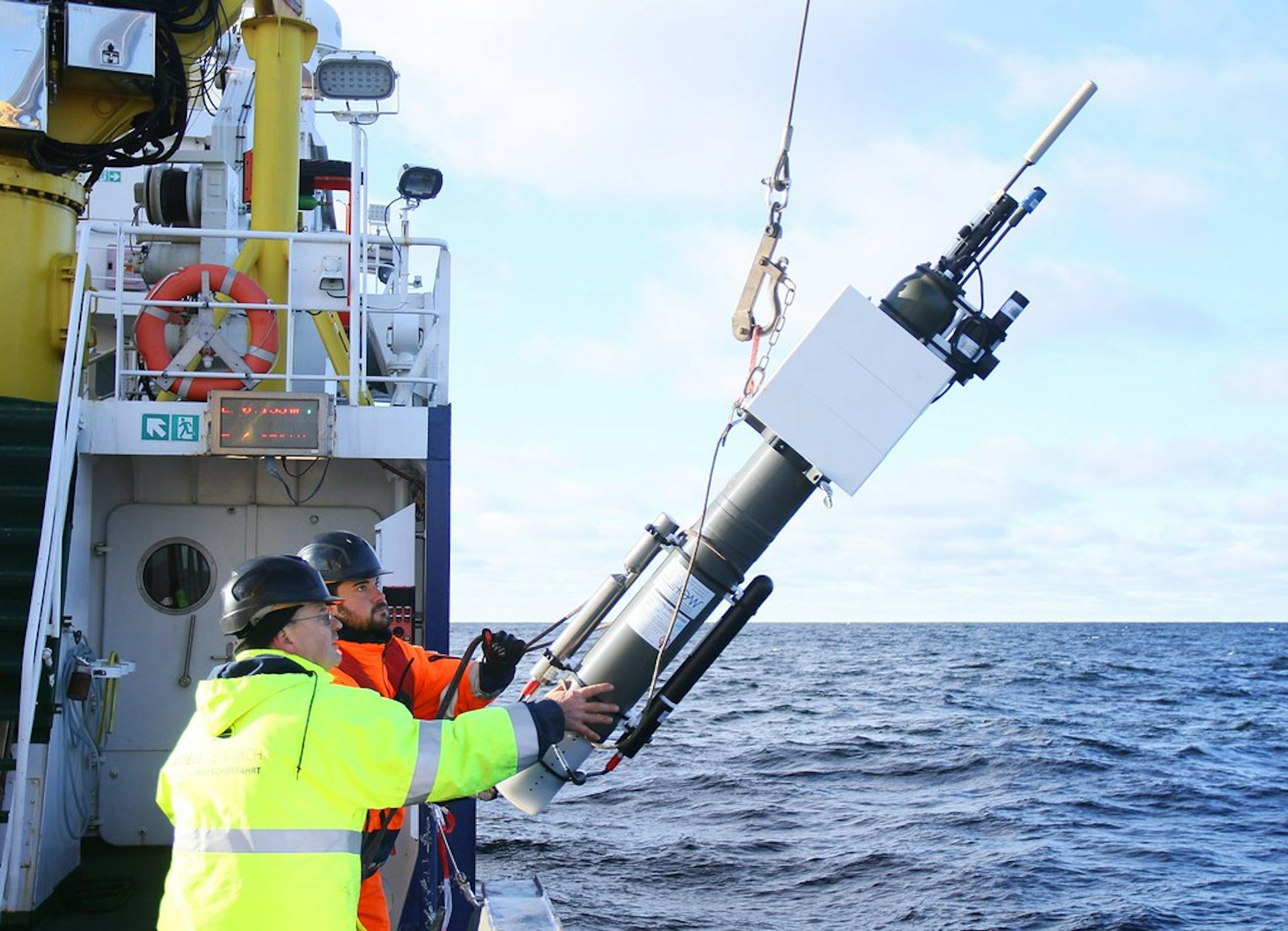
Some 4000 autonomous Argo robotic floats sink every ten days down to 2000m depth, before rising to the surface to transmit temperature and salinity profiles to ground stations via satellite.
约有4000个自主Argo机器人浮标每十天沉到2000米深度,然后浮到海面,通过卫星向地面站传输温度和盐度剖面数据。
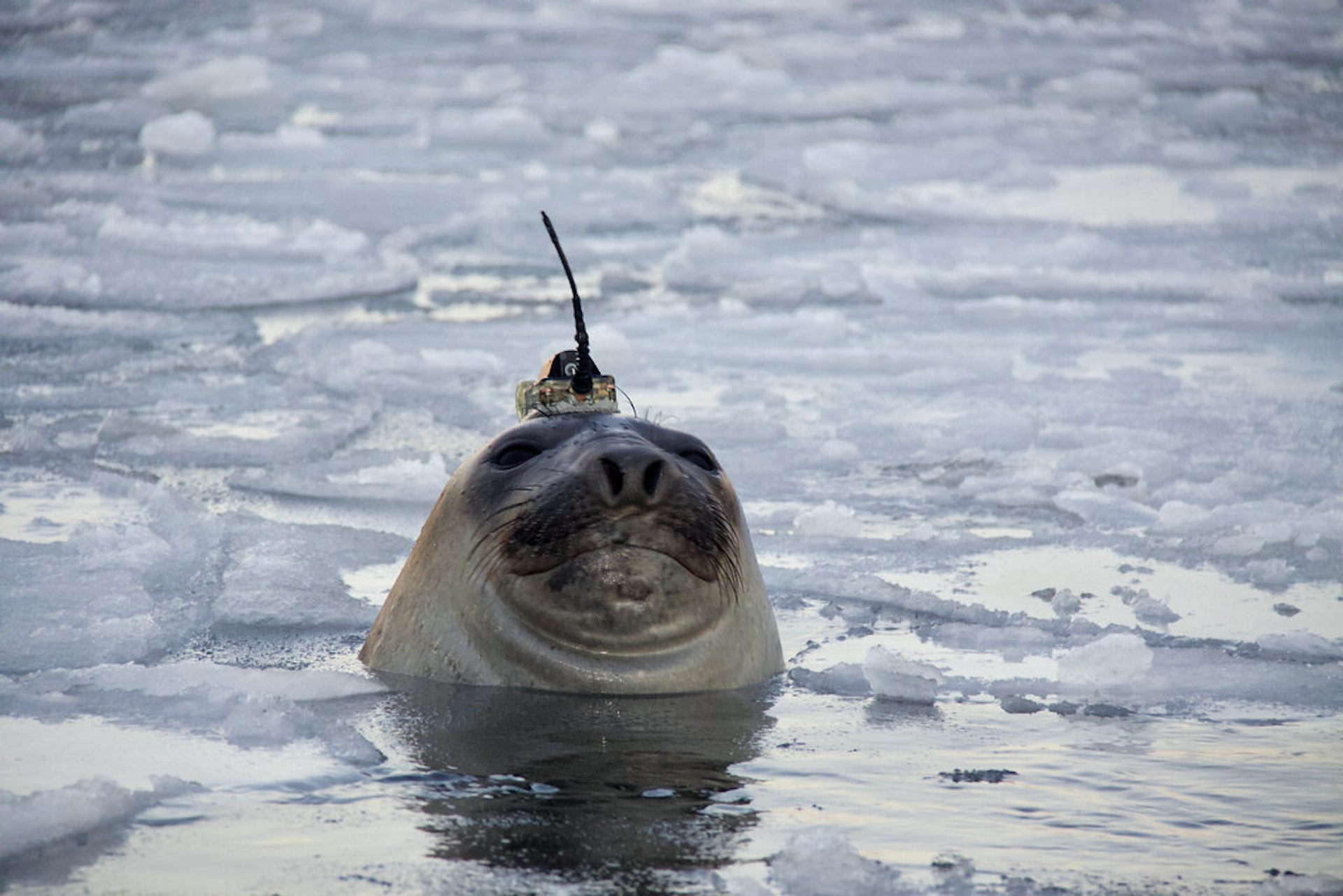
Underwater gliders target eddies, coastal currents and continental margins where floats cannot go. Elephant seals fitted with sensors collect data beneath polar sea ice in regions no other instrument can easily reach.
水下滑翔机针对涡流、沿岸洋流和大陆边缘,这些地方浮标无法到达。安装了传感器的海象收集在极地海冰下方的区域数据,这些区域其他仪器难以到达。
Each of these platforms answer questions the others cannot. And ocean observations collected by them now underpin many of the forecasting systems that modern societies rely on every day.
这些平台中的每一个都能回答其他平台无法回答的问题。它们收集的海洋观测数据,如今支撑着现代社会日常依赖的许多预报系统。
That includes the numerical weather models used to generate daily forecasts, which continuously ingest ocean data to predict evolving weather conditions, as well as newer artificial intelligence-based forecasting systems.
这包括用于生成每日预报的数值天气模型,这些模型持续摄取海洋数据来预测不断变化的天气状况,以及更新的人工智能预测系统。
The same is true for hurricane and cyclone forecasts, as well as seasonal forecasting used to anticipate drought, harvests and energy demand. Marine heatwave warnings, sea-level projections and efforts to understand major current systems also rely on sustained long-term observations beneath the ocean surface.
飓风和气旋预报也是如此,此外,用于预测干旱、收成和能源需求的季节性预报也是如此。海洋热浪预警、海平面预测以及理解主要洋流系统的努力,也依赖于海洋表层下持续的长期观测。
These observations are key for monitoring El Niño climate patterns – including a major event already underway and likely to peak late this year – and major current systems such as the Atlantic Meridional Overturning Circulation.
这些观测对于监测厄尔尼诺气候模式至关重要——包括一个已经进行中并可能在今年晚些时候达到顶点的重大事件——以及大西洋经向翻转环流等主要洋流系统。
While satellites can measure surface conditions, they still cannot directly observe the deeper waters where heat accumulates, currents reorganise and the precursors of future weather are already forming.
尽管卫星可以测量表层状况,但它们仍无法直接观测到热量积累、洋流重组以及未来天气前兆已经形成的深层水域。
In short, the GOOS underpins everything from tomorrow’s storm warnings to next century’s climate adaptation plans.
简而言之,GOOS支撑着从明天的风暴预警到下个世纪的气候适应计划的一切。
Yet our newly published analysis suggests the system delivering those observations is far more fragile than most people realise.
然而,我们新发表的分析表明,提供这些观测数据的系统比大多数人想象的要脆弱得多。
We found that if observations from a single major contributor, the United States, were withdrawn from GOOS, errors in estimates of how fast the ocean is warming would jump by 163% – worse than randomly losing 80% of all global ocean data.
我们发现,如果从GOOS中撤回来自单一主要贡献者——美国——的观测数据,对海洋变暖速度估计的误差将增加163%——这比随机丢失80%的全球海洋数据还要糟糕。
The reason is largely geographical: US instruments cover every ocean basin and fill critical gaps no other nation currently monitors.
原因在很大程度上是地理性的:美国仪器覆盖了所有洋盆,填补了其他国家目前无法监测的关键空白。
And this is no theoretical concern. Proposed cuts to the National Oceanic and Atmospheric Administration (NOAA) and the National Science Foundation in the United States now threaten exactly this contribution.
这并非一个理论上的担忧。目前,美国国家海洋和大气管理局(NOAA)和国家科学基金会提议的削减,正威胁着正是这种贡献。
Elsewhere, observing systems are also under growing strain, with European programmes facing mounting funding pressure.
在其他地方,观测系统也承受着日益增长的压力,欧洲项目面临着不断增加的资金压力。
In China, scientists and policymakers are trying to build a more resilient national observing effort – but without the resources currently required to fully support it.
在中国,科学家和政策制定者正努力建立一个更具韧性的国家观测体系——但缺乏目前完全支持该体系所需的资源。
A resource the world can’t afford to lose
世界不能承受失去的资源
The total annual cost of operating the GOOS – across all platforms and personnel worldwide – is on the order of US$1.1 billion (about NZ$1.8 billion) .
GOOS在全球所有平台和人员的年度运营总成本约为11亿美元(约合18亿纽币)。
If that sounds expensive, consider that a single major hurricane season can cost the United States hundreds of billions of dollars, while marine heatwaves have already collapsed fisheries and triggered mass coral bleaching around the world.
如果这听起来很贵,请考虑一下,一个主要的飓风季节就能让美国损失数千亿美元,而海洋热浪已经导致全球渔业崩溃并引发大规模珊瑚白化。
Compared with the economic damage linked to ocean-driven extreme weather and climate disruption, ocean observation is one of the highest-return public investments available.
与海洋驱动的极端天气和气候破坏相关的经济损失相比,海洋观测是可获得的投资回报率最高的公共投资之一。
The international scientific conference OceanObs’29, to be held in China in three years’ time, will be an opportunity to negotiate a more balanced global observing system – one better aligned with today’s economic realities and maritime interests.
国际科学会议“OceanObs’29”将于三年后在中国举行,这将是一个机会,可以协商建立一个更平衡的全球观测系统——一个与当今经济现实和海洋利益更一致的系统。
It should also encourage greater scientific cooperation among countries, helping ensure complementary observing networks collectively cover as much of the global ocean as possible.
它还应鼓励各国加强科学合作,帮助确保互补的观测网络能够尽可能全面地覆盖全球海洋。
Maintaining that coverage requires constant renewal.
维持这种覆盖范围需要持续的更新。
Argo floats typically last four to five years before their batteries fail. This means they must continually be deployed to prevent gaps emerging across the oceans.
Argo浮标的电池通常能持续四年到五年,之后就会失效。这意味着必须持续部署它们,以防止海洋上出现空白区域。
New Zealand plays a surprisingly important role here. Since 2004, the research vessel Kaharoa has helped deploy more than 1,100 Argo floats for international partners across the Pacific and Southern Ocean.
新西兰在这里发挥了令人惊讶的重要作用。自2004年以来,研究船“Kaharoa”已帮助太平洋和南大洋的国际伙伴部署了超过1,100个Argo浮标。
This demonstrates that even smaller countries can use their institutions, expertise and maritime interest to make important contributions.
这证明了即使是较小的国家,也可以利用其机构、专业知识和海洋利益做出重要贡献。
At the same time, if any one component of the GOOS is removed because of political decisions made in the US or elsewhere, the whole system’s ability to deliver reliable information would degrade.
同时,如果GOOS的任何一个组成部分因为美国或其他地方的政治决定而被移除,整个系统提供可靠信息的能力就会下降。
That would require a rebuild of the system which would prove much more difficult and expensive than the cost of sustaining it today.
这将需要重建整个系统,而这比今天维持它的成本要困难和昂贵得多。
More importantly, it could leave the world flying blind into the most consequential transformation of the planet’s climate in human history.
更重要的是,这可能让世界在人类历史上最具影响力的气候转型中处于盲目状态。
The author acknowledges the contributions of Sabrina Speich, John P. Abraham and Lijing Cheng to this article.
作者感谢Sabrina Speich、John P. Abraham和程丽静对本文的贡献。
Kevin Trenberth does not work for, consult, own shares in or receive funding from any company or organisation that would benefit from this article, and has disclosed no relevant affiliations beyond their academic appointment.
Kevin Trenberth不为任何受益于本文的公司或组织工作、提供咨询、拥有股份或接受资金,并且除了其学术任命之外,未披露任何相关隶属关系。