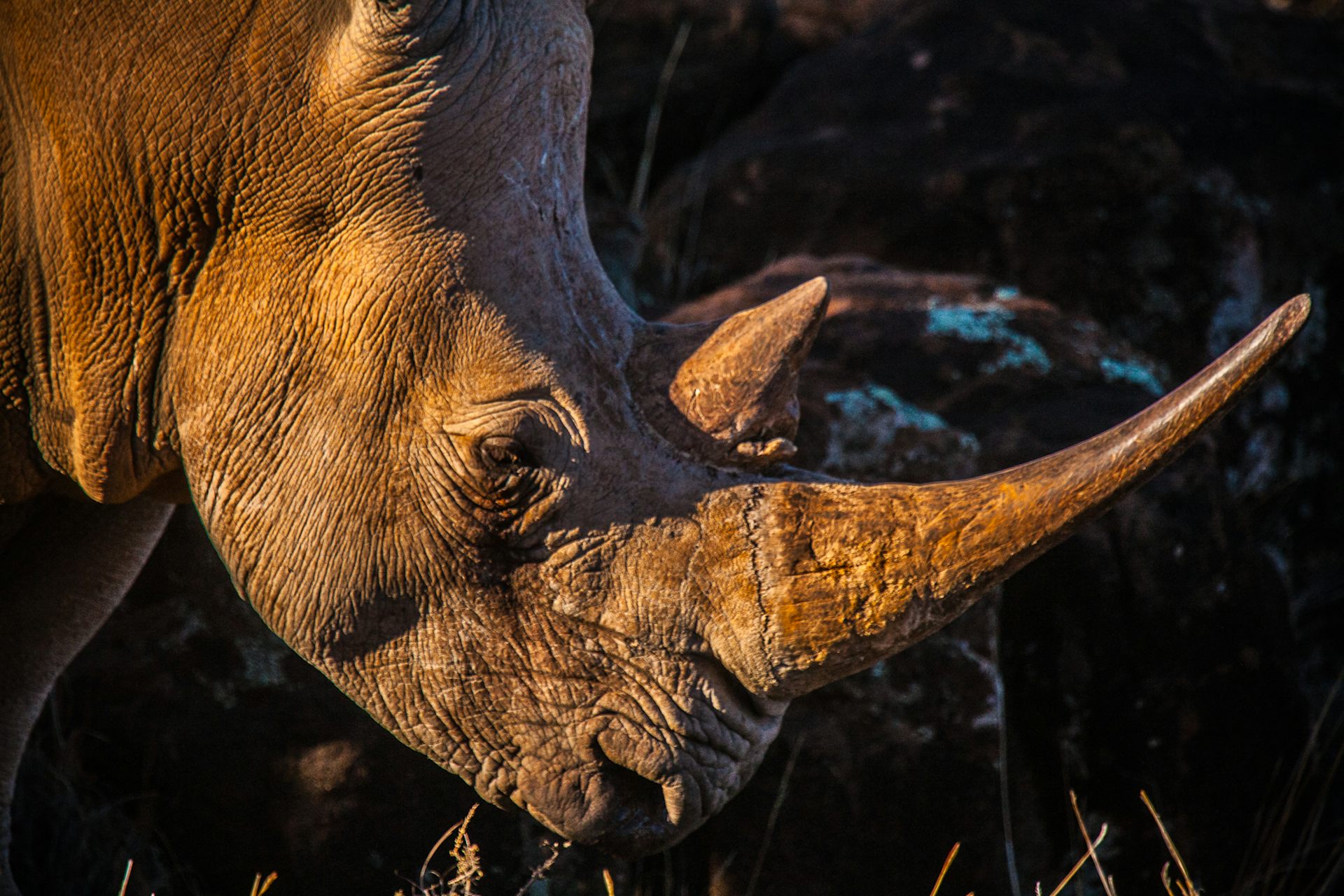
犀牛角:南非为何想恢复国际贸易,以及批评者担忧的后果
Rhino horn: why South Africa wants to revive the intern…
Exporting rhino horn could generate funds for conservation – but also lead to more poaching.
出口犀牛角可以为保护筹集资金——但也可能导致更多的偷猎。
South Africa wants to expand exports of rhino hunting trophies and other wildlife products. The move relies on an exemption process within the international treaty that has largely restricted rhino horn trade since 1977.
南非希望扩大犀牛角猎物奖杯和其他野生动物产品的出口。此举依赖于一项国际条约内的豁免程序,该条约自1977年以来已在很大程度上限制了犀牛角贸易。
It’s a shift that could reopen one of global conservation’s fiercest debates: does a legal trade protect endangered species – or hasten their decline?
这是一个可能重新引发全球保护领域激烈辩论的转变:法律贸易是保护濒危物种——还是加速它们的衰退?
International trade in rhino horn exports remains heavily restricted under Cites – the Convention on International Trade in Endangered Species of Wild Fauna and Flora. However, countries can obtain permits for certain exports if they provide scientific evidence that trade will not harm the species’ survival chances.
《濒危野生动植物种国际贸易公约》(CITES)仍严格限制着犀牛角出口的国际贸易。然而,如果国家能提供科学证据证明贸易不会损害该物种的生存机会,它们就可以获得某些出口的许可证。
The South African government has released a new assessment, signed by environment minister Willie Aucamp, arguing that this condition has been met. It concludes that exports of protected species, including rhino, elephant and lion would not threaten their survival in South Africa. The assessment argues that the ban on rhino horn trade has been counterproductive, linking it to increased poaching, organised wildlife crime and higher black-market prices for rhino horn.
南非政府发布了一份新的评估报告,环境部长威利·奥坎普(Willie Aucamp)签署了该报告,认为已满足这一条件。报告得出结论,包括犀牛、大象和狮子在内的受保护物种出口不会威胁它们在南非的生存。该评估指出,禁止犀牛角贸易是适得其反的,并将其与偷猎增加、有组织的野生动物犯罪以及犀牛角黑市价格上涨联系起来。
The policy shift follows a change in ministerial leadership. Aucamp replaced Dion George, who had spoken out against captive wildlife breeding and the commercialisation of endangered species. Critics cite concerns over Aucamp’s background as a wildlife farmer and argue the change signals a broader shift towards policies favoured by South Africa’s wildlife and hunting industries and their well-organised lobby. Aucamp’s government profile states he has been actively involved in the conservation sector.
这一政策转变是在部长领导层更迭之后发生的。奥坎普取代了迪昂·乔治(Dion George),后者曾反对圈养野生动物繁殖和濒危物种的商业化。批评人士指出,对奥坎普作为野生动物农场主的背景表示担忧,并认为这一变化标志着南非野生动物和狩猎产业及其组织良好的游说团体所青睐政策的更广泛转变。奥坎普的政府简介称他一直积极参与保护领域的工作。
The dramatic policy change brings into focus the conflict between traditional conservationists and the wildlife ranching and trophy hunting industry in South Africa, an industry that is reputedly worth more than US$1.5 billion (£1 billion) per year
这一重大的政策变化凸显了传统环保主义者与南非野生动物牧场和奖杯狩猎产业之间的冲突,该产业据报道每年价值超过15亿美元(合10亿英镑)。
The case for trading rhino horn
关于交易犀牛角的论点
Poaching of rhino for their horn is thought to be the single greatest threat to the future of African rhino (the black rhino and white rhino species) . Rhino are poached because rhino horn is worth so much on the illegal market.
为了获取犀牛角而进行的盗猎被认为是非洲犀牛(黑犀和白犀物种)未来面临的最大威胁。人们盗猎犀牛,是因为犀牛角在非法市场上价值极高。
Anti-poaching patrols, infrastructure and surveillance are expensive. Supporters argue that the income generated through exports will act as an incentive to private land owners to better protect rhino.
反盗猎巡逻、基础设施和监控成本高昂。支持者认为,出口所产生的收入将成为激励私人土地所有者更好地保护犀牛的动力。
Enabling international export of rhino will additionally bring economic benefits to wildlife ranchers, breeders, and companies that profit from trophy hunting.
允许犀牛进行国际出口,还将为野生动物养殖户、繁殖者以及从狩猎战利品中获利的公司带来额外的经济利益。
The rhino horn trade could lead to more poaching
犀牛角贸易可能导致更多盗猎
However, if the rhino horn trade is legitimised and even facilitated, market demand could increase. A previous one-off legal sale of elephant ivory in 2008 was associated with a elephant poaching spike and a dramatic increase in the illegal ivory trade. A legal supply of rhino horn may support a continuation or increase in poaching, endangering the survival of rhino species in South Africa and beyond.
然而,如果犀牛角贸易被合法化甚至促进,市场需求可能会增加。2008年一次单独的象牙销售事件与象牙盗猎激增和非法象牙贸易急剧增长有关。合法的犀牛角供应可能会支持盗猎的持续或增加,危及南非乃至其他地区的犀牛物种生存。
There are fewer than 50 individuals left in two of the three Asiatic rhino species: the Javan and Sumatran rhino. The effects of international trade in African rhino on Asian rhino species should not be overlooked.
目前,三种亚洲犀牛物种中,有两种(爪哇犀和苏门答腊犀)剩余个体不足50只。不应忽视国际贸易对亚洲犀牛物种的影响。
Wildlife charities have been calling for “demand reduction” campaigns for years. Re-opening and legalising the international trade in rhino could fatally undermine these attempts to make horn consumption and ownership socially unacceptable.
野生动物慈善机构多年来一直呼吁开展“减少需求”运动。重新开放和合法化犀牛的国际贸易可能会致命地破坏这些使角消费和所有权在社会上变得不可接受的努力。
In my opinion the optimal route to conserving rhino is to reduce the market demand for rhino horn, to discourage people from wanting rhino horn, not to fuel desire for rhino products by legalising trade.
在我看来,保护犀牛的最佳途径是减少对犀牛角的市场需求,阻止人们想要犀牛角,而不是通过合法化贸易来助长对犀牛产品的欲望。
What this means for rhinos themselves
这对犀牛本身意味着什么
Rhinos are an intrinsic part of their native ecosystems. But when owners and breeders can benefit economically from exports, there is a risk rhinos become valued primarily for what they can be sold for. This could mean these wild beasts are bred and managed akin to domesticated cattle. “Wild” rhino could become an afterthought or sideshow to the global trade.
犀牛是其原生生态系统不可或缺的一部分。但当拥有者和繁殖者可以通过出口获得经济利益时,就有风险让犀牛的价值主要取决于它们的售价。这意味着这些野生动物可能会像家养的牲畜一样被饲养和管理。“野性”犀牛可能沦为全球贸易中的次要考虑或附属品。
South African rhino baron John Hume was the owner of the world’s largest private herd. He built up a population of over 2,000 rhino that were farmed as livestock with their horns harvested. Hume lobbied intensively for a re-opening of the trade in rhino horn, arguing that it would be for the good of the rhino. Ultimately, Hume went bankrupt, and the herd had to be rescued by rewilding charity African Parks.
南非犀牛大亨约翰·休姆曾拥有世界上最大的私人犀牛群。他养育了超过2,000只犀牛,将其作为牲畜进行圈养并采集其角。休姆大力游说重新开放犀牛角的贸易,声称这是为了犀牛的利益。最终,休姆破产,该群体不得不由野生动物保护慈善机构非洲公园(African Parks)进行救援。
Hume is now under investigation for allegedly exporting 964 rhino horns to Southeast Asia. Hume denies the allegations and insists he has “nothing to hide”.
休姆目前正因涉嫌向东南亚出口964个犀牛角而接受调查。休姆否认这些指控,并坚持自己“没有什么可隐瞒的”。
Now another South African rhino rancher has asked the court for permission to legally sell 479 stockpiled rhino horns overseas.
现在,另一位南非犀牛牧场主已向法院申请许可,合法将479个储存的犀牛角出口到海外。
Killing to conserve
为保护而杀戮
Additionally, there is the moral and ethical question of whether endangered species including rhino can or should be saved by killing individuals for trophy or sport. Can we kill to conserve? That question is not unique to rhino but applies to wildlife conservation generally, across multiple species, and internationally.
此外,还存在一个道德和伦理问题:包括犀牛在内的濒危物种是否可以通过猎取个体用于制作战利品或进行体育活动来拯救。我们能否为了保护而杀戮?这个问题不仅限于犀牛,而是适用于野生动物保护的普遍原则,涉及多个物种和国际层面。
Trophy hunting is not universally accepted as a morally or ethically defensible conservation tool. In November 2025, Namibia asked Cites to scrap the global ban on rhino horn trade, but was defeated by 120 votes to 30. The move by South Africa to increase rhino trophy export permits could damage the nation’s reputation on the international stage.
战利品狩猎并未被普遍接受为道德上或伦理上可辩护的保护工具。2025年11月,纳米比亚要求CITES废除全球犀牛角贸易禁令,但败给了30票对120票的投票结果。南非增加犀牛战利品出口许可证的做法可能会损害该国在国际舞台上的声誉。
South Africa also planned to end captive lion breeding and “canned lion hunting”, which both contribute to the lion bone trade. Recent political changes mean this commitment is being questioned.
南非还计划结束圈养狮子繁殖和“罐头狮狩猎”,这两项活动都助长了狮骨贸易。最近的政治变化使得这一承诺受到了质疑。
The about turn in wildlife policy, supporting commodification of rhino, lion and numerous other endangered species, means that South Africa may be backing itself into an uncomfortable corner on the world stage when it comes to valuing and caring for its biodiversity.
野生动物政策的转变,支持犀牛、狮子以及众多其他濒危物种的商品化,意味着当涉及到评估和保护其生物多样性时,南非可能正在将自己推向世界舞台上的一个尴尬境地。
Jason Gilchrist does not work for, consult, own shares in or receive funding from any company or organisation that would benefit from this article, and has disclosed no relevant affiliations beyond their academic appointment.
Jason Gilchrist不为任何受益于本文的公司或组织工作、咨询、拥有股份或接受资金,并且除了其学术任命外,未披露任何相关隶属关系。