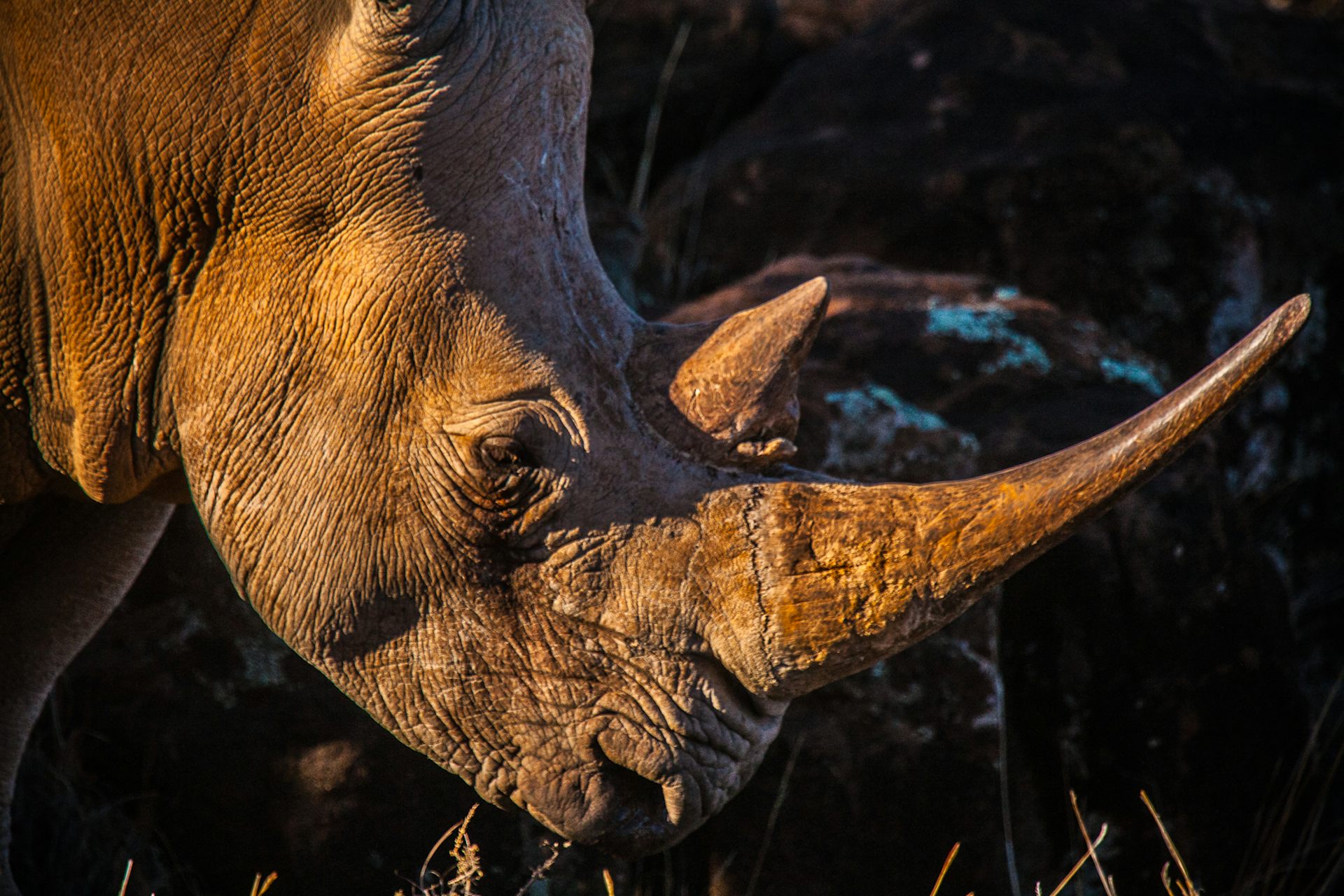
قرن وحيد القرن: لماذا تريد جنوب أفريقيا إحياء التجارة الدولية، ولماذا يخشى النقاد العواقب
Rhino horn: why South Africa wants to revive the international trade, and why critics fear the consequences
Exporting rhino horn could generate funds for conservation – but also lead to more poaching.
يمكن أن يولد تصدير قرن وحيد القرن أموالاً للحفاظ عليه – ولكنه قد يؤدي أيضاً إلى المزيد من الصيد الجائر.
South Africa wants to expand exports of rhino hunting trophies and other wildlife products. The move relies on an exemption process within the international treaty that has largely restricted rhino horn trade since 1977.
ترغب جنوب أفريقيا في توسيع صادرات جوائز صيد وحيد القرن ومنتجات الحياة البرية الأخرى. وتعتمد هذه الخطوة على عملية إعفاء ضمن المعاهدة الدولية التي قيدت إلى حد كبير تجارة قرن وحيد القرن منذ عام 1977.
It’s a shift that could reopen one of global conservation’s fiercest debates: does a legal trade protect endangered species – or hasten their decline?
إنه تحول قد يعيد فتح أحد أكثر النقاشات حدة في مجال الحفاظ العالمي على البيئة: هل التجارة القانونية تحمي الأنواع المهددة بالانقراض – أم تسرّع من تدهورها؟
International trade in rhino horn exports remains heavily restricted under Cites – the Convention on International Trade in Endangered Species of Wild Fauna and Flora. However, countries can obtain permits for certain exports if they provide scientific evidence that trade will not harm the species’ survival chances.
لا يزال التداول الدولي لصادرات قرن وحيد القرن مقيدًا بشدة بموجب اتفاقية سايتس (CITES)- الاتفاقية المتعلقة بالتجارة الدولية في أنواع الحيوانات والنباتات البرية المهددة بالانقراض. ومع ذلك، يمكن للبلدان الحصول على تصاريح لبعض الصادرات إذا قدمت أدلة علمية تفيد بأن التجارة لن تضر بفرص بقاء الأنواع.
The South African government has released a new assessment, signed by environment minister Willie Aucamp, arguing that this condition has been met. It concludes that exports of protected species, including rhino, elephant and lion would not threaten their survival in South Africa. The assessment argues that the ban on rhino horn trade has been counterproductive, linking it to increased poaching, organised wildlife crime and higher black-market prices for rhino horn.
أصدرت حكومة جنوب أفريقيا تقييمًا جديدًا، وقع عليه وزير البيئة ويلي أوكامب، تجادل فيه بأن هذا الشرط قد تم استيفاؤه. ويخلص التقييم إلى أن صادرات الأنواع المحمية، بما في ذلك وحيد القرن والفيل والأسد، لن تهدد بقاءها في جنوب أفريقيا. وتجادل الدراسة بأن حظر تجارة قرن وحيد القرن كان له نتائج عكسية، ويربطه بزيادة عمليات الصيد غير المشروع، والجريمة المنظمة للحياة البرية، وارتفاع أسعار السوق السوداء لقرن وحيد القرن.
The policy shift follows a change in ministerial leadership. Aucamp replaced Dion George, who had spoken out against captive wildlife breeding and the commercialisation of endangered species. Critics cite concerns over Aucamp’s background as a wildlife farmer and argue the change signals a broader shift towards policies favoured by South Africa’s wildlife and hunting industries and their well-organised lobby. Aucamp’s government profile states he has been actively involved in the conservation sector.
يأتي هذا التحول في السياسة بعد تغيير في القيادة الوزارية. وقد حل أوكامب محل ديون جورج، الذي كان قد تحدث ضد تربية الحياة البرية الأسرية وتسويق الأنواع المهددة بالانقراض. ويستشهد النقاد بمخاوف بشأن خلفية أوكامب كمزارع للحياة البرية ويجادلون بأن التغيير يشير إلى تحول أوسع نحو السياسات التي تفضلها صناعات الحياة البرية والصيد في جنوب أفريقيا ولوبيها المنظم جيدًا. وتنص السيرة المهنية لحكومة أوكامب على أنه كان منخرطًا بنشاط في قطاع الحفاظ على البيئة.
The dramatic policy change brings into focus the conflict between traditional conservationists and the wildlife ranching and trophy hunting industry in South Africa, an industry that is reputedly worth more than US$1.5 billion (£1 billion) per year
يبرز التغيير الجذري في السياسة الصراع بين دعاة الحفاظ التقليديين وصناعة مزارع الحياة البرية والصيد للحصول على الجوائز في جنوب أفريقيا، وهي صناعة تقدر قيمتها بما يزيد عن 1.5 مليار دولار أمريكي (مليار جنيه إسترليني) سنويًا.
The case for trading rhino horn
قضية الاتجار بقرن وحيد القرن
Poaching of rhino for their horn is thought to be the single greatest threat to the future of African rhino (the black rhino and white rhino species) . Rhino are poached because rhino horn is worth so much on the illegal market.
يُعتقد أن صيد وحيد القرن لقرونه يمثل التهديد الأكبر لمستقبل حيوانات وحيد القرن الأفريقية (نوعا وحيد القرن الأسود والأبيض) . يتم اصطياد وحيد القرن لأن قرنه له قيمة كبيرة في السوق غير الشرعي.
Anti-poaching patrols, infrastructure and surveillance are expensive. Supporters argue that the income generated through exports will act as an incentive to private land owners to better protect rhino.
تعد الدوريات ومرافق البنية التحتية والمراقبة لمنع الصيد الجائر باهظة الثمن. يجادل المؤيدون بأن الدخل الناتج عن التصدير سيعمل كحافز لأصحاب الأراضي الخاصة لحماية وحيد القرن بشكل أفضل.
Enabling international export of rhino will additionally bring economic benefits to wildlife ranchers, breeders, and companies that profit from trophy hunting.
إن تمكين التصدير الدولي لوحيد القرن سيجلب كذلك فوائد اقتصادية لمربّي الحياة البرية ومربي الحيوانات والشركات التي تستفيد من الصيد التذكاري.
The rhino horn trade could lead to more poaching
تجارة قرن وحيد القرن قد تؤدي إلى المزيد من الصيد الجائر
However, if the rhino horn trade is legitimised and even facilitated, market demand could increase. A previous one-off legal sale of elephant ivory in 2008 was associated with a elephant poaching spike and a dramatic increase in the illegal ivory trade. A legal supply of rhino horn may support a continuation or increase in poaching, endangering the survival of rhino species in South Africa and beyond.
ومع ذلك، إذا تم شرعنة تجارة قرن وحيد القرن بل وتسهيلها، فقد يزداد الطلب في السوق. وقد ارتبط بيع قانوني لمرة واحدة عاج الفيل في عام 2008 بارتفاع حاد في عمليات صيد الفيلة وزيادة كبيرة في تجارة العاج غير القانونية. وقد يدعم الإمداد القانوني لقرن وحيد القرن استمرار أو زيادة الصيد الجائر، مما يعرض بقاء أنواع وحيد القرن في جنوب أفريقيا وخارجها للخطر.
There are fewer than 50 individuals left in two of the three Asiatic rhino species: the Javan and Sumatran rhino. The effects of international trade in African rhino on Asian rhino species should not be overlooked.
لم يتبقَ في نوعين من أنواع وحيد القرن الآسيوي، وهما وحيد قرن جافا ووحيد قرن سومطرة، سوى أقل من 50 فرداً. ويجب عدم التغاضي عن تأثيرات التجارة الدولية في وحيد القرن الأفريقي على أنواع وحيد القرن الآسيوي.
Wildlife charities have been calling for “demand reduction” campaigns for years. Re-opening and legalising the international trade in rhino could fatally undermine these attempts to make horn consumption and ownership socially unacceptable.
تدعو جمعيات الرفق بالحيوان منذ سنوات إلى حملات “خفض الطلب.” ويمكن أن يؤدي إعادة فتح وتجريم التجارة الدولية في وحيد القرن إلى تقويض هذه المحاولات بشكل قاتل لجعل استهلاك وامتلاك القرون أمراً غير مقبول اجتماعياً.
In my opinion the optimal route to conserving rhino is to reduce the market demand for rhino horn, to discourage people from wanting rhino horn, not to fuel desire for rhino products by legalising trade.
في رأيي، يكمن المسار الأمثل للحفاظ على وحيد القرن في خفض الطلب السوقي على قرون وحيد القرن، ومنع الناس من الرغبة فيه، وليس تغذية الرغبة في منتجات وحيد القرن عن طريق شرعنة التجارة.
What this means for rhinos themselves
ما يعنيه هذا بالنسبة للغزلان نفسها
Rhinos are an intrinsic part of their native ecosystems. But when owners and breeders can benefit economically from exports, there is a risk rhinos become valued primarily for what they can be sold for. This could mean these wild beasts are bred and managed akin to domesticated cattle. “Wild” rhino could become an afterthought or sideshow to the global trade.
الغزلان هي جزء أصيل من النظم البيئية الأصلية لها. ولكن عندما يتمكن الملاك والمربّون من الاستفادة اقتصادياً من التصدير، يكمن خطر أن تُقدَّر الغزلان أساساً بما يمكن بيعه به. قد يعني هذا أن هذه الوحوش البرية تُربَّى وتُدار على غرار الماشية المستأنسة. وقد يصبح الرينو “البري” مجرد فكرة ثانوية أو عرض جانبي للتجارة العالمية.
South African rhino baron John Hume was the owner of the world’s largest private herd. He built up a population of over 2,000 rhino that were farmed as livestock with their horns harvested. Hume lobbied intensively for a re-opening of the trade in rhino horn, arguing that it would be for the good of the rhino. Ultimately, Hume went bankrupt, and the herd had to be rescued by rewilding charity African Parks.
كان جون هيوم، بارون الغزلان الجنوب أفريقي، يمتلك أكبر قطيع خاص في العالم. وقد بنى تعداداً يزيد عن 2000 من الغزلان التي رُبِّيت كماشية مع حصاد قرونها. ضغط هيوم بقوة لإعادة فتح تجارة قرن الغزال، مجادلاً بأن ذلك سيكون لمصلحة الغزال نفسه. وفي نهاية المطاف، أفلس هيوم، واضطر قطيعه إلى الإنقاذ من قبل مؤسسة “أفريكان باركس” الخيرية المعنية بإعادة الحياة البرية.
Hume is now under investigation for allegedly exporting 964 rhino horns to Southeast Asia. Hume denies the allegations and insists he has “nothing to hide”.
يتعرض هيوم الآن للتحقيق بتهمة تصدير 964 قرن غزال إلى جنوب شرق آسيا. وينفي هيوم هذه الاتهامات ويصر على أنه “لا شيء يخفيه.”
Now another South African rhino rancher has asked the court for permission to legally sell 479 stockpiled rhino horns overseas.
والآن، طلب مربٍّ آخر للغزلان في جنوب أفريقيا من المحكمة الإذن ببيع 479 قرن غزال مُخزَّنة بشكل قانوني في الخارج.
Killing to conserve
القتل للحفاظ على الحياة
Additionally, there is the moral and ethical question of whether endangered species including rhino can or should be saved by killing individuals for trophy or sport. Can we kill to conserve? That question is not unique to rhino but applies to wildlife conservation generally, across multiple species, and internationally.
بالإضافة إلى ذلك، هناك التساؤل الأخلاقي والأخلاقي حول ما إذا كان ينبغي إنقاذ الأنواع المهددة بالانقراض، بما في ذلك وحيد القرن، عن طريق قتل الأفراد من أجل الجوائز أو الرياضة. هل يمكننا القتل للحفاظ على الحياة؟ هذا السؤال لا يقتصر على وحيد القرن بل ينطبق على الحفاظ على الحياة البرية بشكل عام، وعبر أنواع متعددة، وعلى المستوى الدولي.
Trophy hunting is not universally accepted as a morally or ethically defensible conservation tool. In November 2025, Namibia asked Cites to scrap the global ban on rhino horn trade, but was defeated by 120 votes to 30. The move by South Africa to increase rhino trophy export permits could damage the nation’s reputation on the international stage.
يُعد الصيد التذكاري (صيد الجوائز) أداة حفظ ليست مقبولة عالميًا من الناحية الأخلاقية أو الدفاعية أخلاقيًا. في نوفمبر 2025، طلبت ناميبيا من اتفاقية التجارة الدولية بالأنواع المهددة بالانقراض (CITES) إلغاء الحظر العالمي على تجارة قرن وحيد القرن، لكنها هُزمت بتصويت 120 مقابل 30. قد تؤدي خطوة جنوب أفريقيا لزيادة تصاريح تصدير جوائز وحيد القرن إلى الإضرار بسمعة البلاد على الساحة الدولية.
South Africa also planned to end captive lion breeding and “canned lion hunting”, which both contribute to the lion bone trade. Recent political changes mean this commitment is being questioned.
خططت جنوب أفريقيا أيضًا لوضع حد بتربية الأسود في الأسر و”صيد الأسود المعلب”، وكلاهما يساهم في تجارة عظام الأسود. تعني التغييرات السياسية الأخيرة أن هذا الالتزام أصبح موضع تساؤل.
The about turn in wildlife policy, supporting commodification of rhino, lion and numerous other endangered species, means that South Africa may be backing itself into an uncomfortable corner on the world stage when it comes to valuing and caring for its biodiversity.
إن التحول في سياسة الحياة البرية، الذي يدعم تسليع وحيد القرن والأسد والعديد من الأنواع المهددة بالانقراض الأخرى، يعني أن جنوب أفريقيا قد تكون تدفع نفسها إلى زاوية غير مريحة على الساحة العالمية عندما يتعلق الأمر بتقييم وتوفير الرعاية لتنوعها البيولوجي.
Jason Gilchrist does not work for, consult, own shares in or receive funding from any company or organisation that would benefit from this article, and has disclosed no relevant affiliations beyond their academic appointment.
لا يعمل جيسون غيلكريست لدى أو يستشير أو يمتلك أسهمًا في أي شركة أو منظمة، ولا يتلقى منها تمويلاً فيما يتعلق بهذه المقالة، ولم يفصح عن أي انتماءات ذات صلة تتجاوز منصبه الأكاديمي.
Read more
-

يتصاعد اليمين المتطرف في فرنسا وألمانيا وأجزاء من أوروبا. ماذا سيعني هذا لأوكرانيا؟
The far right is surging in France, Germany and parts of Europe. What will this mean for Ukraine?
-

ماذا يمكن أن تعني “حقبة ما بعد المضادات الحيوية” للطب الحديث
What a ‘post-antibiotic era’ could mean for modern medicine