台湾如何在美中两国关于能源主导权的愿景之间取得平衡
How Taiwan is balancing between American and Chinese vi…
The strategic goal for most countries is energy systems that are affordable and cannot be blocked or held hostage.
大多数国家的战略目标是建立能够负担得起、且不会被封锁或挟持的能源系统。
U.S. President Donald Trump’s declaration of a national energy emergency on his first day back in office framed fossil fuel production as a geopolitical weapon. “Energy dominance” — flooding global markets with American oil and liquefied natural gas (LNG) — would reassert American power, undercut China’s clean-technology leverage and discipline allies into dependence. Eighteen months on, the doctrine is revealing some of its contradictions, and nowhere more acutely than in Taiwan.
美国总统唐纳德·特朗普在其重返任职首日宣布国家能源紧急状态,将化石燃料生产定性为地缘政治武器。“能源霸权”——通过向全球市场倾泻美国石油和液化天然气(LNG)——旨在重新确立美国的权力,削弱中国的清洁技术优势,并将盟友约束在依赖地位。十八个月过去了,这一学说正在暴露出其矛盾之处,而台湾就是最突出的体现地带。
The numbers behind assertions of U.S. dominance are real. Boosted by the shale revolution initiated in 2005, oil and gas production has reached record highs, with over 13.6 million barrels of oil per day in 2025. U.S. LNG exports already commanded roughly one-third of the global market before the Hormuz crisis and the EU could depend on the U.S. for 80 per cent of its LNG imports by 2028.
关于美国霸权的主张背后有真实的数字支撑。得益于2005年发起的页岩革命,石油和天然气产量达到了创纪录的高位,预计到2025年达到每天1360万桶以上。在霍尔木兹海峡危机之前,美国的LNG出口已占据全球市场约三分之一的份额;而到了2028年,欧盟甚至可以依靠美国满足其80%的LNG进口需求。
Yet, producing large amounts of oil and gas is not the same as having strategic control. Prices are also determined by OPEC+ decisions, shipping chokepoints and the accelerating uptake of renewables. These are factors Washington has found difficult to control despite American efforts at obstructing global climate action, pressuring European countries to eschew Russian gas and sanctioning, toppling or killing the leadership of petrostates deemed too close to China.
然而,生产大量石油和天然气并不等同于拥有战略控制权。价格还取决于欧佩克+(OPEC+)的决策、航运咽喉点以及可再生能源日益增长的应用。这些都是华盛顿难以控制的因素,尽管美国努力阻碍全球气候行动,向欧洲国家施压放弃俄罗斯天然气,并对那些被认为与中国过于亲近的石油国家进行制裁、推翻或消灭领导层。
Coercive measures have won battles: Venezuela’s government has gravitated closer to the U.S. since the U.S. kidnapped Venezuelan president Nicolás Maduro. The European Union has pledged US$250 billion in annual U.S. energy purchases, and similar commitments have been extracted from Japan, South Korea and Taiwan.
胁迫性措施已经赢得了一些战役:自美国绑架委内瑞拉总统尼古拉斯·马杜罗以来,委内瑞拉政府逐渐更靠近美国。欧盟承诺每年购买价值2500亿美元的美国能源产品,日本、韩国和台湾也做出了类似的承诺。
These are in part compliance purchases, not simply market ones. East Asian and European countries are largely buying American fossil fuels for lack of better alternatives and to protect their fraying U.S. security umbrella. They are also seeking to avoid higher tariffs and address shortfalls resulting from Russian and U.S. military aggression, not because the economics have been compelling.
这些部分是出于合规性采购,而非单纯的市场需求。东亚和欧洲国家很大程度上购买美国的化石燃料,是因为缺乏更好的替代品,并且为了保护其正在松动的美国安全保护伞。它们这样做也是为了避免更高的关税,并应对源于俄罗斯和美国军事侵略所造成的短缺,而并非因为经济因素具有吸引力。
Meanwhile, China has been developing a different energy strategy. It has become the largest clean-technology exporter, now manufacturing roughly 80 per cent of the world’s solar panels and 77 per cent of wind turbines, dominating electric vehicle (EV) battery supply chains and ultra-high voltage transmission technologies, and controlling most critical minerals.
与此同时,中国一直在发展不同的能源战略。它已成为最大的清洁技术出口国,目前制造着全球约80%的太阳能电池板和77%的风力涡轮机;主导电动汽车(EV)电池供应链和超高压输电技术,并控制着大多数关键矿物。
Chinese and American energy strategies
中国与美国的能源战略
Although the metaphor of energy wars is simplistic, China embodies a fast-rising electro-state positioned to win the energy war in the long term. In contrast, the U.S. increasingly passes for an insecure incumbent petrostate reliant on its military might, fossil fuel endowment, and a disregard for international law and climate change, to reassert an outdated form of energy dominance.
尽管“能源战争”的比喻过于简单化,但中国体现了一个快速崛起的电气化国家,具备了长期赢得能源战争的潜力。相比之下,美国越来越像一个不稳定的、依赖其军事实力、化石燃料禀赋以及对国际法和气候变化漠视的传统石油大国,试图重申一种过时的能源主导地位。
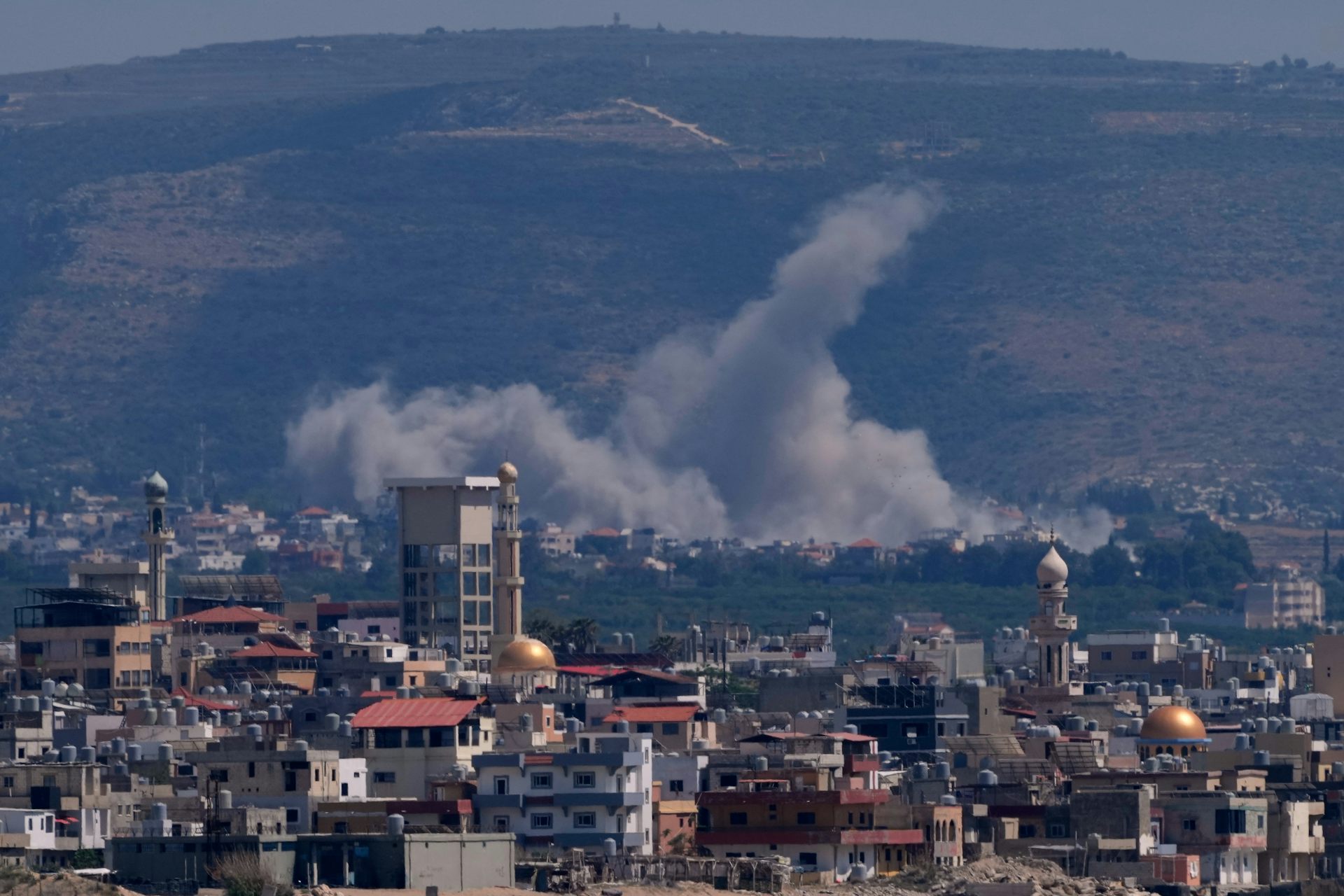
When U.S.-Israel attacks on Iran triggered the Strait of Hormuz crisis, that divergence became visible. American consumers absorbed fuel-price shocks, while China’s domestic renewable infrastructure, early shift to electric vehicles and massive strategic oil reserves partially cushioned its economy.
当美以军针对伊朗的行动引发霍尔木兹海峡危机时,这种分歧便显现出来。美国消费者吸收了油价冲击,而中国的国内可再生基础设施、早期转向电动汽车以及巨大的战略石油储备在一定程度上缓冲了其经济。
While the U.S. government boasted about more than 100 “empty vessels heading to American ports to load U.S. crude,” China was seeing record growth in EV exports. There is no doubt U.S. oil and gas companies are enjoying a windfall, but these EVs will long be on the road.
虽然美国政府吹嘘有超过100艘“空船正驶向美国港口装载美国原油”,但中国却看到了电动汽车出口的创纪录增长。毫无疑问,美国的石油和天然气公司正在享受暴利,但这些电动汽车将在道路上行驶很长时间。
China has spent the past three decades constructing the infrastructure of the next energy order. In contrast, the U.S. remains a fossil-fuel superpower that must deploy sanctions and military coercion to convince allies and rivals, while having ceded ground in the clean-technology industries it once led.
过去三十年里,中国一直在构建下一能源格局的基础设施。相比之下,美国仍然是一个化石燃料超级大国,必须部署制裁和军事胁迫来说服盟友和对手,同时它在曾经主导的清洁技术产业领域也失去了地位。
Taiwan’s energy predicament
台湾的能源困境
If China symbolizes the electro-state and the U.S. the petrostate, most other states occupy an uncomfortable middle: dependent on imported fossil fuels, scrambling to build renewable capacity and watching the two giants’ rivalry with mounting anxiety.
如果说中国象征着电能国家,美国象征着石油国家,那么大多数其他国家则处于一个不舒服的中立地带:它们依赖进口化石燃料,努力建设可再生能源能力,同时以日益增长的焦虑观察着两大巨头的竞争。
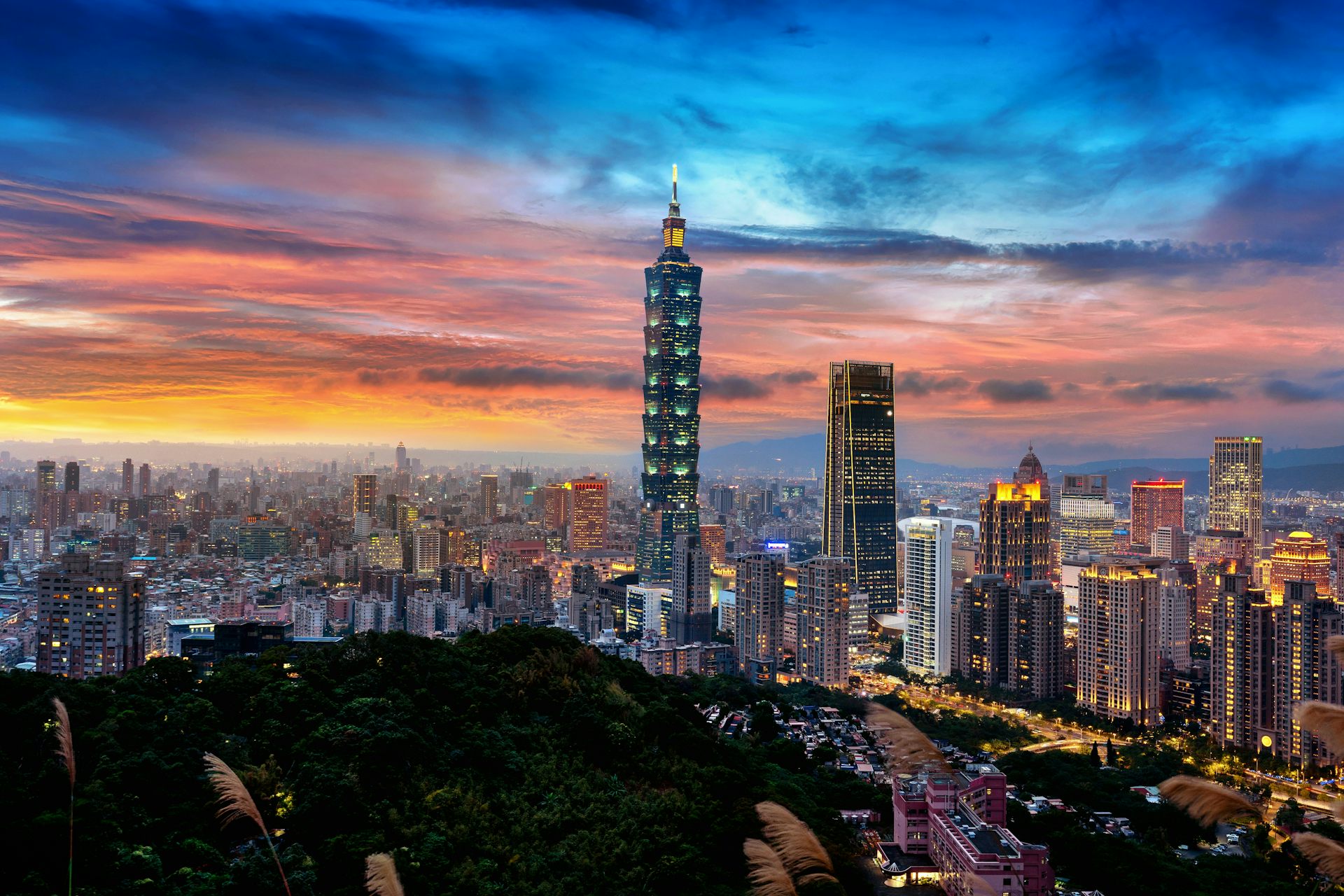
That anxiety is particularly acute in Taiwan. The island imports roughly 94 per cent of its energy, with LNG and coal arriving through the same maritime corridors that could become contested in any conflict scenario. The Hormuz disruption has exposed an energy Achilles’ heel: roughly one third of Taiwan’s LNG supplies were affected.
这种焦虑在台湾尤为突出。该岛约有94%的能源需要从外部进口,液化天然气和煤炭通过同一条海上通道抵达,而这条通道在任何冲突情景下都可能成为争议点。霍尔木兹海峡的中断暴露了其能源阿喀琉斯之踵:台湾大约三分之一的液化天然气供应受到了影响。
Taiwan’s predicament has three interlocking dimensions. The first is security: if China ever blockaded the island, it would trigger an energy crisis and a semiconductor crisis.
台湾的困境具有三个相互关联的维度。第一个是安全:如果中国封锁该岛,这将引发一场能源危机和半导体危机。
The second is demand: chip fabs and data centres are electricity-intensive facilities. Semiconductor company TSMC alone consumes around eight per cent of Taiwan’s national electricity, and artificial intelligence-driven demand is projected to grow above the national average.
第二个是需求:晶圆厂和数据中心都是高能耗设施。仅半导体公司台积电(TSMC)就消耗了台湾约百分之八的全国电力,而人工智能驱动的需求预计将超过全国平均水平增长。
The third is climate: Taipei’s 2050 net-zero target requires tripling renewable capacity while managing a likely short-lived post-nuclear transition as the island shuttered its last reactor in 2025 under conditions of relentless industrial power-demand growth.
第三个是气候:台北2050年净零目标要求其可再生能源能力增加三倍,同时管理着一次可能短暂的后核能转型期,因为该岛在持续的工业用电需求增长背景下于2025年关闭了最后一家反应堆。
What makes Taiwan’s position distinctive is not just this triple bind, but the fact that it sits at the intersection of structural forces reshaping global energy. Its semiconductors are the physical backbone of the clean transition, essential to AI infrastructure, smart grids, EV controllers and solar inverters.
使台湾地位独特的不仅是这种三重困境,更是它坐落于重塑全球能源结构的结构性力量交汇点。其半导体是清洁转型的物理支柱,对人工智能基础设施、智能电网、电动汽车控制器和太阳能逆变器至关重要。
Almost all of its key supply chains, including for renewable energy equipment, run through China or Chinese-controlled firms in Southeast Asia, which have already shown willingness to weaponize export controls.
几乎所有关键供应链,包括可再生能源设备,都必须经过中国或东南亚的中国控制企业,而这些企业已经表现出武器化出口管制的意愿。
Balancing between superpowers
超级大国之间的平衡
Taipei’s response has been to diversify toward the U.S., aiming to raise American LNG’s share of imports from 10 to 25 per cent by 2029. This is partly strategic logic, partly political hedging as the U.S. tries to persuade Taiwan to invest in increasingly costly LNG projects. Such buy-in is also a way of currying favour with a U.S. government whose backing, in the event of confrontation with China, Taiwan regards as essential.
台北的回应是向美国多元化,目标是在2029年前将美国液化天然气(LNG)在进口中的份额从10%提高到25%。这部分基于战略逻辑,也包含政治对冲的考量,因为美国正试图说服台湾投资于成本越来越高的液化天然气项目。这种采纳行为也是一种巴结美国政府的方式,而台湾认为,在美国与中国发生冲突的情况下,其支持至关重要。
There is, however, a harder lesson in all of this than Taiwan’s particular dilemmas. Energy dominance, as a doctrine, mistakes the instrument for the goal. Control over fossil fuel flows is not the same as strategic resilience, as the Hormuz disruption demonstrated. Countries responding to that shock are not concluding they need more oil; they are concluding they need less exposure to it, and that U.S. behaviour is having painful economic costs.
然而,在这所有事情中,比台湾自身的困境更深刻的教训在于能源霸权这一学说。它将工具误认为是目标。正如霍尔木兹海峡的中断所证明的,控制化石燃料的流动与战略韧性并非同一回事。应对这场冲击的国家们得出的结论不是需要更多的石油;而是得出结论说它们需要减少对石油的依赖,并且美国的行为正在造成痛苦的经济成本。
The strategic goal for most countries is energy systems that are affordable and cannot be blocked or held hostage. For countries like Taiwan, it means diversifying oil and LNG supplies, grid hardening, increasing use of renewable energy, as well as selective nuclear re-engagement.
大多数国家的战略目标是建立可负担、无法被封锁或挟持的能源系统。对于像台湾这样的国家来说,这意味着实现石油和液化天然气供应多元化、加固电网、增加可再生能源的使用,以及选择性地重新参与核能领域。
For the United States, it means recognizing that fossil fuel supremacy is not a durable form of power; and that for middle-income states caught between the two superpowers, it increasingly resembles a costly and clumsy protection racket, rather than a respectful strategic partnership advancing long-term energy security and climate liveability.
对于美国而言,这意味着要认识到化石燃料霸权并非持久的权力形式;并且对于夹在两大超级大国之间的中等收入国家来说,它越来越像是一种昂贵且笨拙的保护费摊派,而不是一种推进长期能源安全和气候宜居性的尊重战略伙伴关系。
This article was co-authored by Suzanne Duroy, a full-time journalist based in Taiwan.
本文由驻台记者苏珊·杜罗伊(Suzanne Duroy)合著。
Philippe Le Billon received funding from SSHRC.
Philippe Le Billon接受了SSHRC的资助。