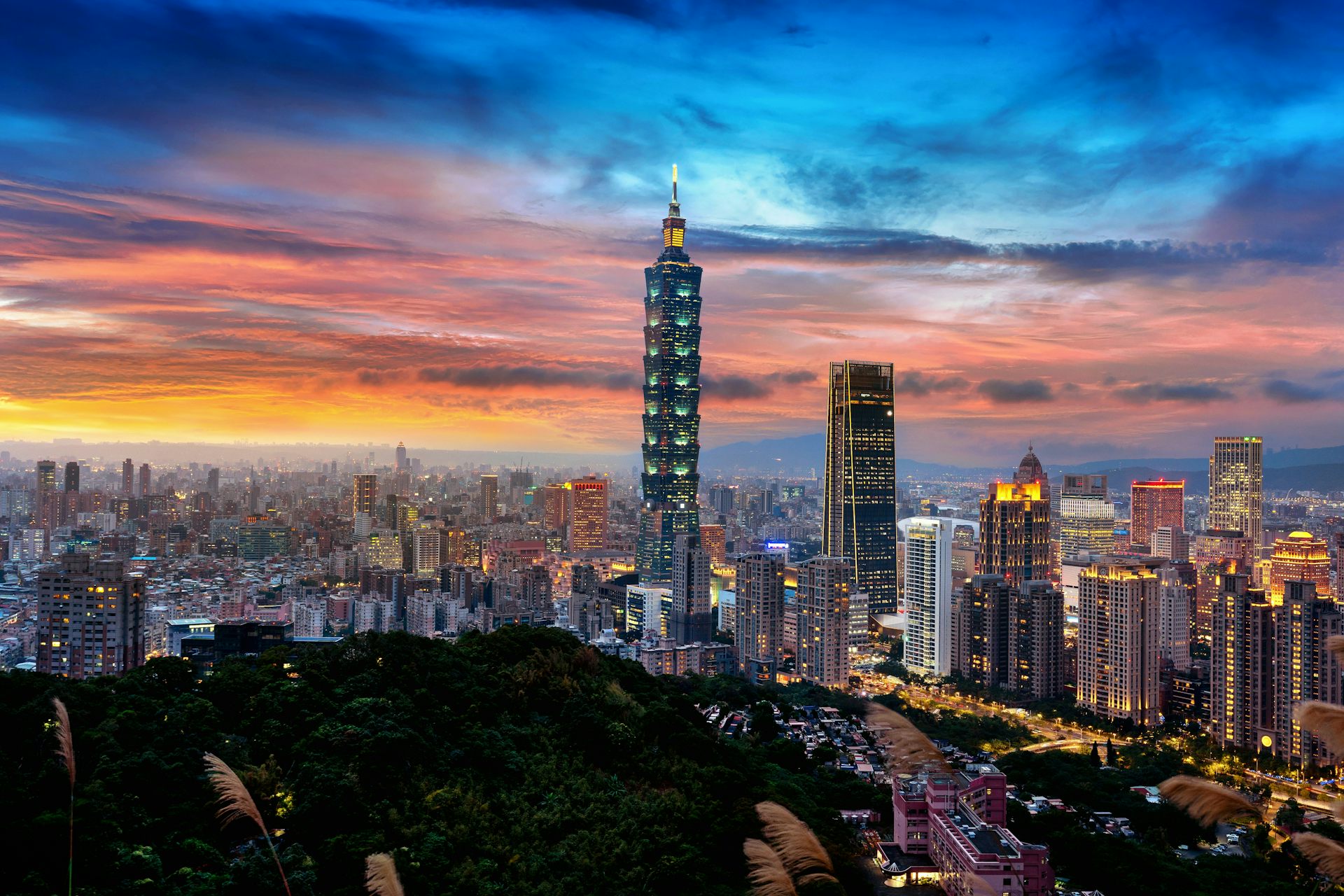
كيف توازن تايوان بين الرؤيتين الأمريكية والصينية للهيمنة على الطاقة
How Taiwan is balancing between American and Chinese visions of energy dominance
The strategic goal for most countries is energy systems that are affordable and cannot be blocked or held hostage.
الهدف الاستراتيجي لمعظم البلدان هو أنظمة طاقة ميسورة التكلفة ولا يمكن حجبها أو احتجازها كرهينة.
U.S. President Donald Trump’s declaration of a national energy emergency on his first day back in office framed fossil fuel production as a geopolitical weapon. “Energy dominance” — flooding global markets with American oil and liquefied natural gas (LNG) — would reassert American power, undercut China’s clean-technology leverage and discipline allies into dependence. Eighteen months on, the doctrine is revealing some of its contradictions, and nowhere more acutely than in Taiwan.
أطر إعلان الرئيس الأمريكي دونالد ترامب عن حالة طوارئ الطاقة الوطنية في يومه الأول عودة إلى منصبه، إنتاج الوقود الأحفوري كسلاح جيوسياسي. فـ “الهيمنة الطاقية” — عبر إغراق الأسواق العالمية بالنفط والغاز الطبيعي المسال (LNG) الأمريكي — من شأنها إعادة تأكيد القوة الأمريكية، وتقويض نفوذ الصين في التكنولوجيا النظيفة، وإخضاع الحلفاء للتبعية. وبعد ثمانية عشر شهرًا، تكشف هذه العقيدة عن بعض تناقضاتها، ولا شيء يظهر هذا التناقض بحدة مثل تايوان.
The numbers behind assertions of U.S. dominance are real. Boosted by the shale revolution initiated in 2005, oil and gas production has reached record highs, with over 13.6 million barrels of oil per day in 2025. U.S. LNG exports already commanded roughly one-third of the global market before the Hormuz crisis and the EU could depend on the U.S. for 80 per cent of its LNG imports by 2028.
الأرقام وراء تأكيدات الهيمنة الأمريكية حقيقية. فبعد تعزيزها بثورة الصخر الزيتي التي بدأت في عام 2005، وصل إنتاج النفط والغاز إلى مستويات قياسية، حيث تجاوز أكثر من 13.6 مليون برميل نفط يوميًا في عام 2025. كما بلغت صادرات الغاز الطبيعي المسال الأمريكية بالفعل حوالي ثلث السوق العالمية قبل أزمة هرمز، وتمكن الاتحاد الأوروبي من الاعتماد على الولايات المتحدة بنسبة 80% من وارداته من الغاز الطبيعي المسال بحلول عام 2028.
Yet, producing large amounts of oil and gas is not the same as having strategic control. Prices are also determined by OPEC+ decisions, shipping chokepoints and the accelerating uptake of renewables. These are factors Washington has found difficult to control despite American efforts at obstructing global climate action, pressuring European countries to eschew Russian gas and sanctioning, toppling or killing the leadership of petrostates deemed too close to China.
ومع ذلك، فإن إنتاج كميات كبيرة من النفط والغاز لا يساوي بالضرورة السيطرة الاستراتيجية. إذ تتحدد الأسعار أيضًا بقرارات مجموعة “أوبك بلس”، ومضايق الشحن، والتزايد المتسارع في تبني الطاقات المتجددة. وهي عوامل وجد واشنطن صعوبة في التحكم بها على الرغم من الجهود الأمريكية لعرقلة العمل المناخي العالمي، والضغط على الدول الأوروبية للتخلي عن الغاز الروسي، وفرض العقوبات، أو الإطاحة بقيادات دول النفط التي اعتُبرت قريبة جدًا من الصين.
Coercive measures have won battles: Venezuela’s government has gravitated closer to the U.S. since the U.S. kidnapped Venezuelan president Nicolás Maduro. The European Union has pledged US$250 billion in annual U.S. energy purchases, and similar commitments have been extracted from Japan, South Korea and Taiwan.
لقد حققت التدابير القسرية انتصارات: فقد اقتربت حكومة فنزويلا أكثر من الولايات المتحدة منذ أن اختطفت واشنطن الرئيس الفنزويلي نيكولاس مادورو. كما تعهد الاتحاد الأوروبي بشراء الطاقة الأمريكية بقيمة 250 مليار دولار سنويًا، وتم استخلاص التزامات مماثلة من اليابان وكوريا الجنوبية وتايوان.
These are in part compliance purchases, not simply market ones. East Asian and European countries are largely buying American fossil fuels for lack of better alternatives and to protect their fraying U.S. security umbrella. They are also seeking to avoid higher tariffs and address shortfalls resulting from Russian and U.S. military aggression, not because the economics have been compelling.
هذه المشتريات هي جزئيًا مشتريات امتثال، وليست مجرد مشتريات سوقية. فالدول في شرق آسيا وأوروبا تشتري الوقود الأحفوري الأمريكي إلى حد كبير لعدم توفر بدائل أفضل ولحماية مظلة الأمن الأمريكية المتداعية. كما تسعى هذه الدول لتجنب الرسوم الجمركية المرتفعة ومعالجة النقص الناتج عن العدوان العسكري الروسي والأمريكي، وليس لأن الاقتصاديات كانت مغرية بالضرورة.
Meanwhile, China has been developing a different energy strategy. It has become the largest clean-technology exporter, now manufacturing roughly 80 per cent of the world’s solar panels and 77 per cent of wind turbines, dominating electric vehicle (EV) battery supply chains and ultra-high voltage transmission technologies, and controlling most critical minerals.
في غضون ذلك، طورت الصين استراتيجية طاقة مختلفة. فقد أصبحت أكبر مصدر للتكنولوجيا النظيفة، حيث تصنع الآن حوالي 80% من الألواح الشمسية في العالم و77% من توربينات الرياح، وتسيطر على سلاسل إمداد بطاريات المركبات الكهربائية (EV) وتقنيات نقل الجهد الفائق، وتحكم معظم المعادن الحيوية.
Chinese and American energy strategies
استراتيجيات الطاقة الصينية والأمريكية
Although the metaphor of energy wars is simplistic, China embodies a fast-rising electro-state positioned to win the energy war in the long term. In contrast, the U.S. increasingly passes for an insecure incumbent petrostate reliant on its military might, fossil fuel endowment, and a disregard for international law and climate change, to reassert an outdated form of energy dominance.
على الرغم من أن استعارة الحروب الطاقية تبسيطية، فإن الصين تجسد دولة كهربائية سريعة الصعود ومُهيأة للفوز بالحرب الطاقية على المدى الطويل. وفي المقابل، تظهر الولايات المتحدة بشكل متزايد كدولة نفطية قائمة وغير آمنة، تعتمد على قوتها العسكرية وثروتها من الوقود الأحفوري وتجاهلها للقانون الدولي وتغير المناخ، وذلك لإعادة تأكيد شكل قديم ومتقادم للهيمنة الطاقية.
When U.S.-Israel attacks on Iran triggered the Strait of Hormuz crisis, that divergence became visible. American consumers absorbed fuel-price shocks, while China’s domestic renewable infrastructure, early shift to electric vehicles and massive strategic oil reserves partially cushioned its economy.
عندما أثارت هجمات الولايات المتحدة وإسرائيل على إيران أزمة مضيق هرمز، أصبح هذا التباين واضحاً. فقد استوعب المستهلكون الأمريكيون صدمات أسعار الوقود، بينما خففت البنية التحتية المتجددة المحلية للصين وتحولها المبكر إلى المركبات الكهربائية واحتياطاتها الاستراتيجية الضخمة من النفط جزئياً من وطأة اقتصادها.
While the U.S. government boasted about more than 100 “empty vessels heading to American ports to load U.S. crude,” China was seeing record growth in EV exports. There is no doubt U.S. oil and gas companies are enjoying a windfall, but these EVs will long be on the road.
في الوقت الذي تفاخرت فيه الحكومة الأمريكية بوجود أكثر من 100 “سفينة فارغة متجهة إلى الموانئ الأمريكية لتحميل الخام الأمريكي”، كانت الصين تشهد نمواً قياسياً في صادرات المركبات الكهربائية. ولا شك أن شركات النفط والغاز الأمريكية تستمتع بمكسب غير متوقع، ولكن هذه المركبات الكهربائية ستبقى على الطريق لفترة طويلة.
China has spent the past three decades constructing the infrastructure of the next energy order. In contrast, the U.S. remains a fossil-fuel superpower that must deploy sanctions and military coercion to convince allies and rivals, while having ceded ground in the clean-technology industries it once led.
لقد أمضت الصين العقود الثلاثة الماضية في بناء البنية التحتية للنظام الطاقي التالي. وفي المقابل، لا تزال الولايات المتحدة قوة عظمى تعتمد على الوقود الأحفوري، وتضطر إلى فرض العقوبات والإكراه العسكري لإقناع الحلفاء والمنافسين، بينما تكون قد تنازلت عن مكانتها في صناعات التكنولوجيا النظيفة التي كانت تقودها ذات يوم.
Taiwan’s energy predicament
مأزق تايوان الطاقي
If China symbolizes the electro-state and the U.S. the petrostate, most other states occupy an uncomfortable middle: dependent on imported fossil fuels, scrambling to build renewable capacity and watching the two giants’ rivalry with mounting anxiety.
إذا كانت الصين ترمز إلى الدولة الكهربائية والولايات المتحدة إلى دولة النفط، فإن معظم الدول الأخرى تشغل منطقة وسط غير مريحة: تعتمد على الوقود الأحفوري المستورد، وتسعى جاهدة لبناء الطاقة المتجددة، وتراقب تنافس العملاقين بقلق متزايد.
That anxiety is particularly acute in Taiwan. The island imports roughly 94 per cent of its energy, with LNG and coal arriving through the same maritime corridors that could become contested in any conflict scenario. The Hormuz disruption has exposed an energy Achilles’ heel: roughly one third of Taiwan’s LNG supplies were affected.
هذا القلق حاد بشكل خاص في تايوان. تستورد الجزيرة حوالي 94% من طاقتها، حيث يصل الغاز الطبيعي المسال والفحم عبر نفس الممرات البحرية التي يمكن أن تصبح محل نزاع في أي سيناريو صراع. وقد كشف اضطراب مضيق هرمز عن نقطة ضعف طاقية قاتلة: تأثر ما يقرب من ثلث إمدادات تايوان من الغاز الطبيعي المسال.
Taiwan’s predicament has three interlocking dimensions. The first is security: if China ever blockaded the island, it would trigger an energy crisis and a semiconductor crisis.
يمتلك مأزق تايوان ثلاثة أبعاد متداخلة. الأول هو الأمن: فإذا قامت الصين بحصار الجزيرة في أي وقت، فإن ذلك سيطلق أزمة طاقة وأزمة أشباه الموصلات.
The second is demand: chip fabs and data centres are electricity-intensive facilities. Semiconductor company TSMC alone consumes around eight per cent of Taiwan’s national electricity, and artificial intelligence-driven demand is projected to grow above the national average.
الثاني هو الطلب: فمصانع الرقائق ومراكز البيانات هي من المرافق كثيفة استهلاك الكهرباء. وتستهلك شركة أشباه الموصلات TSMC وحدها حوالي ثمانية بالمائة من الكهرباء الوطنية في تايوان، ومن المتوقع أن ينمو الطلب المدفوع بالذكاء الاصطناعي فوق المتوسط الوطني.
The third is climate: Taipei’s 2050 net-zero target requires tripling renewable capacity while managing a likely short-lived post-nuclear transition as the island shuttered its last reactor in 2025 under conditions of relentless industrial power-demand growth.
الثالث هو المناخ: يتطلب هدف تايبيه للحياد الكربوني الصافي بحلول عام 2050 مضاعفة الطاقة المتجددة ثلاث مرات، مع إدارة انتقال محتمل قصير الأجل ما بعد النووي، وذلك في ظل إغلاق الجزيرة لمفاعلها الأخير في عام 2025 وفي ظروف نمو لا يتوقف للطلب الصناعي على الطاقة.
What makes Taiwan’s position distinctive is not just this triple bind, but the fact that it sits at the intersection of structural forces reshaping global energy. Its semiconductors are the physical backbone of the clean transition, essential to AI infrastructure, smart grids, EV controllers and solar inverters.
ما يجعل وضع تايوان مميزاً ليس فقط هذا المأزق الثلاثي، بل حقيقة أنها تقع عند تقاطع القوى الهيكلية التي تعيد تشكيل الطاقة العالمية. فرقائقها شبه الموصلة هي العمود الفقري المادي للانتقال النظيف، وهي ضرورية للبنية التحتية للذكاء الاصطناعي، والشبكات الذكية، ووحدات التحكم في السيارات الكهربائية، ومحولات الطاقة الشمسية.
Almost all of its key supply chains, including for renewable energy equipment, run through China or Chinese-controlled firms in Southeast Asia, which have already shown willingness to weaponize export controls.
تمر جميع سلاسل إمدادها الرئيسية تقريباً، بما في ذلك المعدات الخاصة بالطاقة المتجددة، عبر الصين أو الشركات الخاضعة لسيطرتها في جنوب شرق آسيا، والتي أظهرت بالفعل استعداداً لتسليح ضوابط التصدير.
Balancing between superpowers
الموازنة بين القوى العظمى
Taipei’s response has been to diversify toward the U.S., aiming to raise American LNG’s share of imports from 10 to 25 per cent by 2029. This is partly strategic logic, partly political hedging as the U.S. tries to persuade Taiwan to invest in increasingly costly LNG projects. Such buy-in is also a way of currying favour with a U.S. government whose backing, in the event of confrontation with China, Taiwan regards as essential.
كان رد تايبيه هو التنويع نحو الولايات المتحدة، بهدف رفع حصة الغاز الطبيعي المسال الأمريكي من الواردات من 10 إلى 25 في المائة بحلول عام 2029. هذا جزء منه منطق استراتيجي وجزء آخر منه تحوط سياسي، حيث تحاول الولايات المتحدة إقناع تايوان بالاستثمار في مشاريع الغاز الطبيعي المسال التي تتزايد تكلفة تعقيدها. ويُعدّ مثل هذا الدعم أيضًا وسيلة لكسب ود حكومة أمريكية تعتبر دعمها أمرًا جوهريًا بالنسبة لتايوان، في حال نشوب مواجهة مع الصين.
There is, however, a harder lesson in all of this than Taiwan’s particular dilemmas. Energy dominance, as a doctrine, mistakes the instrument for the goal. Control over fossil fuel flows is not the same as strategic resilience, as the Hormuz disruption demonstrated. Countries responding to that shock are not concluding they need more oil; they are concluding they need less exposure to it, and that U.S. behaviour is having painful economic costs.
ومع ذلك، هناك درس أصعب في كل هذا من المعضلات الخاصة بتايوان. إن هيمنة الطاقة، كعقيدة، تخلط بين الأداة والهدف. فالسيطرة على تدفقات الوقود الأحفوري لا تساوي المرونة الاستراتيجية، كما أظهر اضطراب مضيق هرمز. والدول التي تستجيب لهذه الصدمة لا تستنتج أنها بحاجة إلى المزيد من النفط؛ بل تستنتج أنها تحتاج إلى تعرض أقل له، وأن سلوك الولايات المتحدة يترتب عليه تكاليف اقتصادية مؤلمة.
The strategic goal for most countries is energy systems that are affordable and cannot be blocked or held hostage. For countries like Taiwan, it means diversifying oil and LNG supplies, grid hardening, increasing use of renewable energy, as well as selective nuclear re-engagement.
يتمثل الهدف الاستراتيجي لمعظم الدول في أنظمة طاقة ميسورة التكلفة ولا يمكن حجبها أو احتجازها كرهينة. وبالنسبة لدول مثل تايوان، يعني ذلك تنويع إمدادات النفط والغاز الطبيعي المسال، وتقوية شبكات الطاقة، وزيادة استخدام الطاقة المتجددة، بالإضافة إلى إعادة الانخراط الانتقائي في مجال الطاقة النووية.
For the United States, it means recognizing that fossil fuel supremacy is not a durable form of power; and that for middle-income states caught between the two superpowers, it increasingly resembles a costly and clumsy protection racket, rather than a respectful strategic partnership advancing long-term energy security and climate liveability.
بالنسبة للولايات المتحدة، يعني هذا الاعتراف بأن تفوق الوقود الأحفوري ليس شكلاً مستدامًا للقوة؛ وأنه بالنسبة للدول ذات الدخل المتوسط العالقة بين القوتين العظميين، يشبه بشكل متزايد عصابة حماية مكلفة وغير أنيقة، بدلاً من الشراكة الاستراتيجية المحترمة التي تعزز الأمن الطاقي طويل الأجل وقابلية العيش المناخية.
This article was co-authored by Suzanne Duroy, a full-time journalist based in Taiwan.
كتب هذا المقال بالاشتراك مع سوزان دوروي، وهي صحفية عاملة في تايوان.
Philippe Le Billon received funding from SSHRC.
تلقى فيليب لو بيلون تمويله من SSHRC.
Read more
-
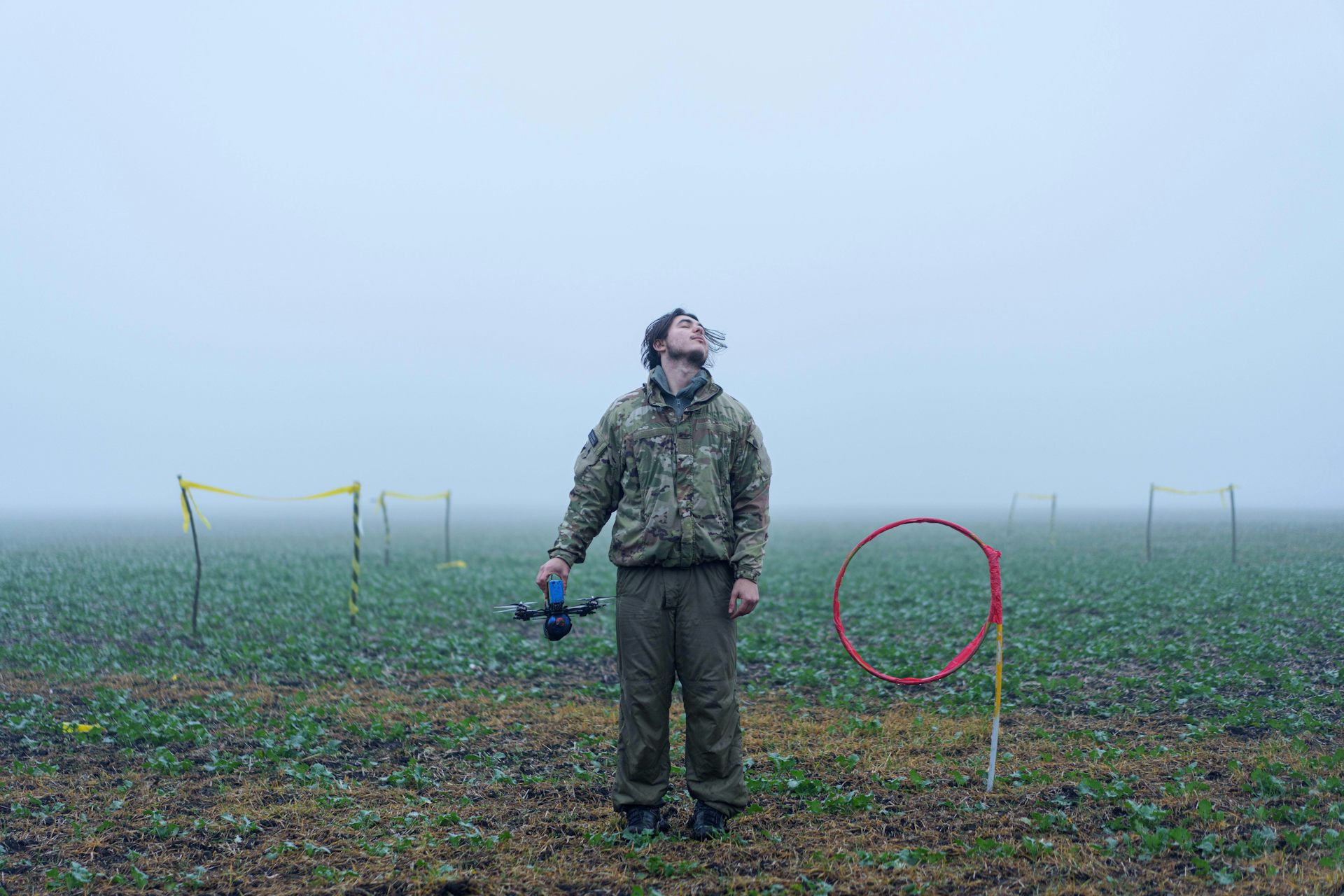
أوكرانيا تُقَابِل تأثير الحرب في إيران بمهاجمة منشآت الطاقة الروسية
Ukraine is countering the impact of the war in Iran by attacking Russian energy facilities
-
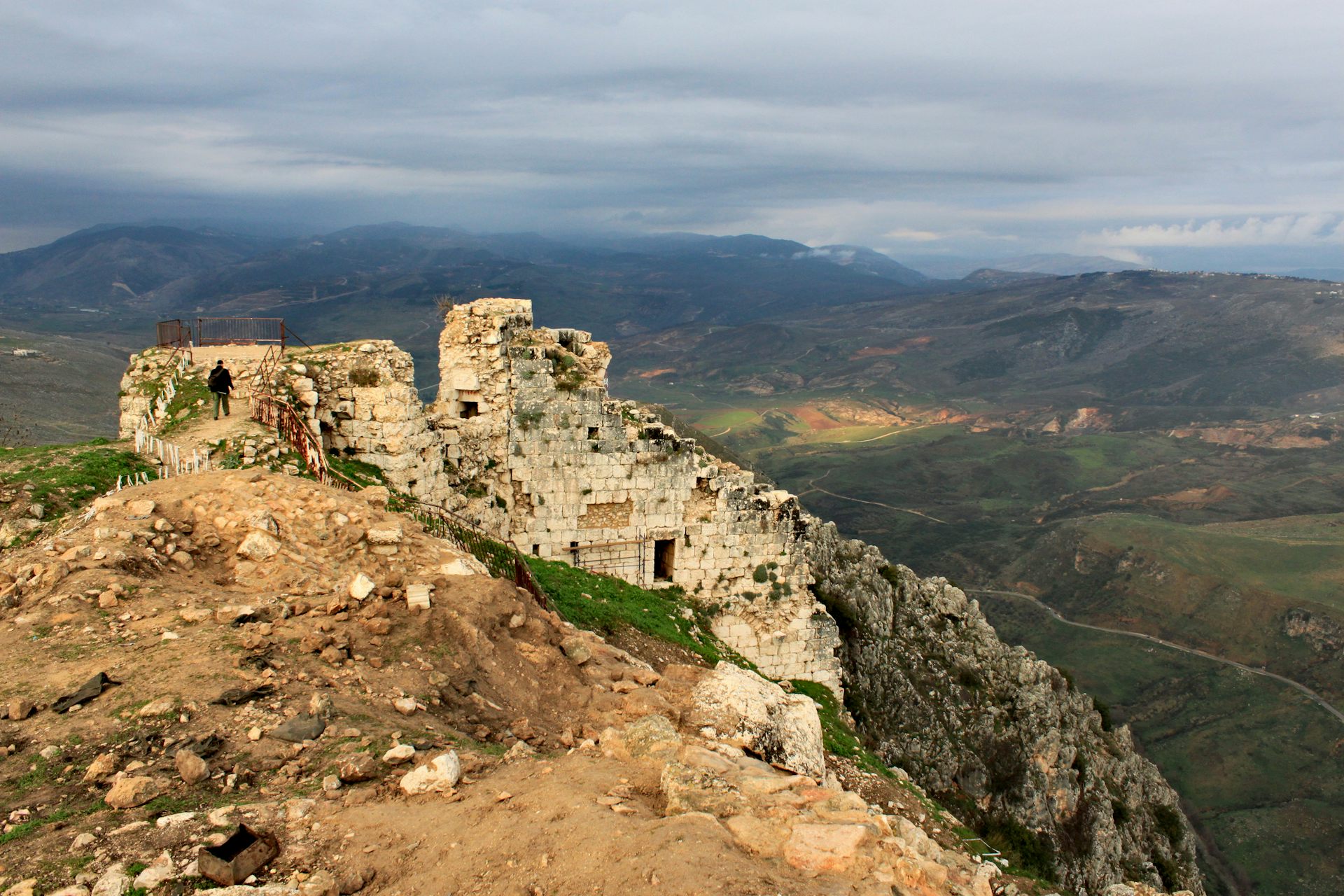
تستولي القوات الإسرائيلية على قلعة بوفورت اللبنانية، وهو موقع يعود للعصر الصليبي وكان يوماً في حوزة فرسان الهيكل
Israeli forces capture Lebanon’s Beaufort Castle, a Crusade-era site once held by the Knights Templar