关于性别认同的辩论如何破坏保护暴力受害者全球努力
How debate about gender identity could undermine global…
The US and some voices at the UN are calling for a narrow interpretation of gender to align with sex assigned at birth. That could leave vulnerable groups at risk.
美国和联合国的一些声音呼吁对性别进行狭隘的解释,使其与出生时指定的性别一致。这可能会使弱势群体面临风险。
Aided by the Trump administration, debate over gender identity has gone from being a touchstone of domestic culture wars to infiltrating the work of international groups – including those designed to protect vulnerable communities.
在特朗普政府的支持下,关于性别认同的辩论已经从国内文化战争的焦点,渗透到国际组织的工作中,包括那些旨在保护弱势群体的组织。
In March 2026, at the 70th session of the U.N. Commission on the Status of Women, a U.S. delegate submitted a draft resolution to define gender in alignment with what the representative described as “its ordinary, generally accepted usage, as referring to men and women.”
2026年3月,在联合国妇女地位委员会第70届会议上,一位美国代表提交了一份草案决议,旨在将性别定义为符合代表所描述的“其普通、普遍接受的用法,即指男性和女性”。
While this may seem like a relatively benign or procedural intervention, the proposed resolution invited significant blowback from other delegates. Sweden’s representative framed it as an attempt “to turn back the clock 30 to 40 years.” The resolution ultimately failed after being blocked from going to a vote by Belgium, on behalf of the EU.
尽管这可能看起来像是一次相对良性或程序性的干预,但该拟议决议招致了其他代表的强烈反对。瑞典代表将其定性为一种“试图让时钟倒回30到40年”的企图。最终,该决议在比利时代表代表欧盟阻止投票后失败了。
As an expert on gender, sexuality and conflict, I see the latest dispute over terminology at a key U.N. conference as reflecting a wider fight among the international community that has rumbled on for months. I believe that contest, moreover, threatens to undermine critical work to serve survivors of violence across the world.
作为一名性别、性取向和冲突方面的专家,我认为在一次重要的联合国会议上关于术语的最新争议,反映了国际社会持续数月来酝酿的更广泛的斗争。此外,我相信这场争论威胁到破坏为全球暴力幸存者提供服务的关键工作。
Shifting approaches to gender
性别视角的转变
In recent years, some international organizations, nongovernmental organizations and countries have moved to understand gender beyond equating it with biological sex.
近年来,一些国际组织、非政府组织和国家开始将性别理解为超越与生物性别的等同。
This had included expanding its meaning within the peace and security sector.
这包括扩大其在和平与安全领域的含义。
The U.N. Refugee Agency, for example, now follows an “age, gender and diversity” policy that defines gender as “socially constructed roles for women and men, which are often central to the way people define themselves and are defined by others.” In other words, trans women are women, and trans men are men.
例如,联合国难民署现在遵循一项“年龄、性别和多样性”政策,将性别定义为“社会构建的女性和男性角色,这些角色往往是人们定义自身和被他人定义的中心点。”换句话说,跨性别女性是女性,跨性别男性是男性。
The International Criminal Court takes a similar stance in its approach to gender-based crimes.
国际刑事法院在处理基于性别的犯罪问题上也持类似立场。
Both bodies contend that this gender lens is important for understanding the full scope of experiences and vulnerabilities not just of women and girls, but also LGBTQ+ individuals and men and boys during conflict.
这两个机构都认为,这种性别视角对于理解冲突期间不仅女性和女孩,还包括LGBTQ+个人以及男性和男孩所经历的全部范围的经历和脆弱性至关重要。
While heavily contested by some nations, this approach departs from a previous implicit assumption that only women are targeted for sexual violence in conflict – and that these women are all cisgender.
尽管一些国家对此提出强烈质疑,但这种方法脱离了此前隐含的假设,即冲突中的性暴力只针对女性——并且这些女性都是顺性别者。
Gender identity and violence
性别认同与暴力
Despite the normalization of more inclusive approaches to gender, the pushback has recently gained a lot of traction, aided in part by the reversal of the U.S. from its previous stance under the Biden administration.
尽管性别方面更具包容性的方法得到了常态化,但反对的声音最近获得了很大的关注,部分归因于美国从拜登政府时期之前的立场上的转变。
Only two months into the Trump administration, the U.S. pulled out of a working group of nations on LGBTQ+ concerns. Then, in January 2026, it withdrew from a slew of international bodies it claimed were “often dominated by progressive ideology and detached from national interests,” including U.N. Women. Most recently, the administration has called on FIFA, soccer’s international governing body, to change its policy on trans athletes.
在特朗普政府上任仅两个月后,美国就退出了一个关于LGBTQ+问题的各国工作组。随后,在2026年1月,它退出了许多国际组织,声称这些组织“经常被进步意识形态主导,脱离了国家利益”,其中包括联合国妇女署。最近,该政府还呼吁国际足联(足球的国际管理机构)改变其关于跨性别运动员的政策。
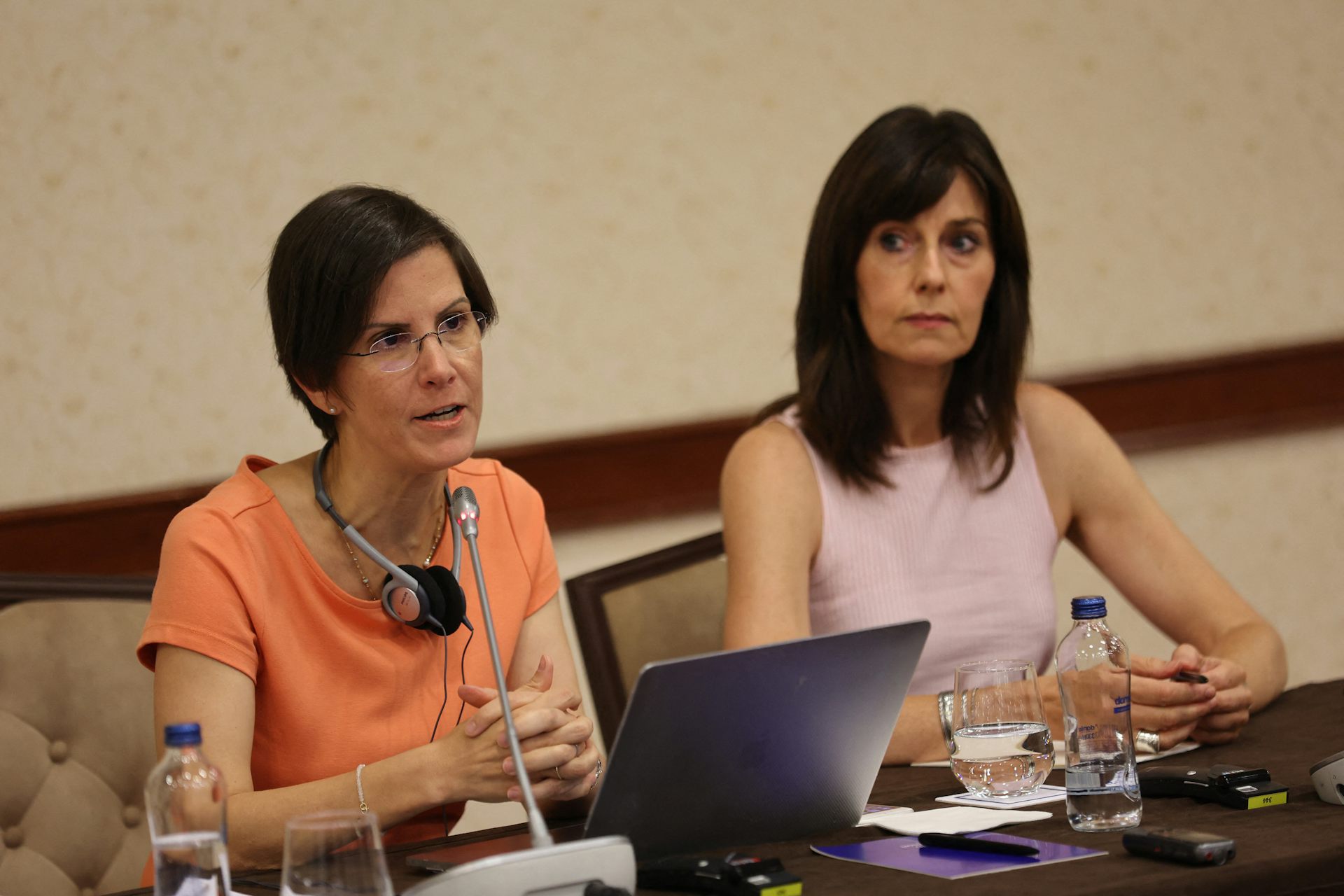
It isn’t just the U.S. contesting inclusive language, however. In June 2025, the U.N. special rapporteur on violence against women and girls, Reem Alsalem, published a report suggesting that gender-neutral language and the recognition of gender identity in policy erases the category of what it refers to as “sex-based discrimination” against women and girls.
然而,挑战包容性语言的不仅仅是美国。2025年6月,联合国妇女和女童暴力特别报告员里姆·阿尔萨莱姆发布了一份报告,提出在政策中使用性别中立语言和承认性别认同会抹去其所指的针对妇女和女童的“基于性别的歧视”这一类别。
The draft resolution also argues that “gender identity theory” contributes to violence against women by advancing “stereotypes” and “sexist norms about how women should dress and behave.”
该草案决议还认为,“性别认同理论”通过推行关于女性应如何着装和行为的“刻板印象”和“性别歧视规范”,助长了对妇女的暴力。
In effect, the report introduces a far narrower understanding of violence against women – and “gender” writ large – which notably excludes trans women.
实际上,该报告引入了对妇女暴力——以及“性别”这一宏大概念——的更狭隘的理解,显著排除了跨性别女性。
Human rights professionals and NGOs, including Amnesty International and various feminist organizations, submitted a response to the draft version of the report claiming that its adoption of the term “sex-based violence … undermines decades of feminist advocacy, scientific evidence and legal advances.” Moreover, it “risks excluding vulnerable populations from essential protections.”
包括大赦国际和各种女权组织在内的维权专业人士和非政府组织,就该报告草案提交了回应,声称该报告采纳“基于性别的暴力”一词“破坏了数十年的女权倡导、科学证据和法律进步”。此外,它“有可能使弱势群体无法获得必要的保护”。
Nations were unsurprisingly split in their response, with some offering praise for the report’s approach and others raising concerns. Such was the feeling aroused by the special rapporteur’s position that in late 2025, Australia’s commissioner on sex inequality asked internally about potentially blocking Alsalem’s reappointment to her post.
各国对此反应不出所料地分裂,一些人赞扬了报告的方法,而另一些人则提出了担忧。特别报告员的立场引起的情绪如此强烈,以至于在2025年末,澳大利亚性别不平等专员内部就询问了是否可能阻止阿尔萨莱姆重返其职位。
Gender in conflict situations
冲突情境中的性别
Debates over language are familiar to those working in international crisis work, and some important tensions remain unaddressed. I argue, though, that a narrow interpretation of “gender” based on sex assigned at birth risks missing harms against certain groups.
关于语言的争论对于从事国际危机工作的人来说是司空见惯的,但一些重要的矛盾仍然没有得到解决。然而,我认为,基于出生时生理性别对“性别”的狭隘解读,可能会忽略对某些群体的伤害。
Research on conflict and humanitarian contexts suggests that expansive conceptualizations of gender can better reveal dimensions of harms experienced by people who are not cisgender, heterosexual women or girls.
关于冲突和人道主义背景的研究表明,对性别进行更广阔的概念化,可以更好地揭示那些非顺性别、异性恋女性或女孩所经历的伤害的维度。
For example, my research with UMass Amherst’s Charli Carpenter demonstrates that a gender lens shows how Ukraine’s travel ban on “battle-aged” civilian men places these men, their families, trans women and nonbinary people misidentified as men at undue risk. In this case, it’s not biological sex but beliefs about gender – for example, the characterization of men as warriors and protectors – that create these vulnerabilities.
例如,我与马萨诸塞大学阿默斯特分校的Charli Carpenter进行的研究表明,通过性别视角可以看到,乌克兰对“战斗年龄”平民男性的旅行禁令,使这些男性、他们的家人、跨性别女性以及被误认为男性的人群面临不必要的风险。在这种情况下,造成这些脆弱性的不是生物性别,而是关于性别的信念——例如,将男性描绘成战士和保护者的观念。
Similarly, understanding wartime violence against gender and sexual minorities as gender-based highlights how these groups can be singled out by state and armed groups for transgressing sanctioned gender norms.
类似地,将战争时期针对性别和性少数群体的暴力理解为基于性别的,突显了这些群体如何因为违反了既定的性别规范而被国家和武装团体单独针对。
However, there are also trade-offs to more expansive approaches to gender, as evidenced by my research on changing global approaches to wartime sexual violence against men and boys.
然而,更广阔的性别方法也存在权衡取舍,我的关于全球战时针对男性和男孩性暴力的变化趋势的研究就证明了这一点。
Some practitioners I spoke with expressed concern that the inclusion of violence against men and boys under the rubric of gender-based violence would detract from the disproportionate impact and structural roots of violence against women.
我与一些从业人员交谈时表示担忧,将针对男性和男孩的暴力纳入基于性别的暴力范畴,可能会削弱对针对女性暴力不成比例的影响和结构性根源的关注。
This is particularly troubling at moment of increasingly limited resources earmarked to serve conflict- and other crisis-affected women and girls, as well as rising backlash against women’s rights.
这一点在资源日益有限、专门用于服务冲突和其他危机影响的妇女和女孩,以及反对女性权利的反弹日益高涨的时刻,尤其令人担忧。
The anti-trans backlash
反跨性别回潮
The resolution brought forward by the U.S., as well as the special rapporteur’s report, should, I believe, be understood in the context of a wider anti-trans backlash.
我相信,美国提出的决议以及特别报告员的报告,都应该置于更广泛的反跨性别回潮的背景下理解。
This backlash – which involves diverse groups, from religious conservatives to even some women’s rights advocates – mobilizes fears about public safety, marriage and the family structure.
这种回潮——涉及从宗教保守派到一些女性权利倡导者的各种群体——煽动了人们对公共安全、婚姻和家庭结构的恐惧。
Some of the backlash is predicated on harmful stereotypes about trans women that portray them as predatory opportunists.
部分回潮是建立在关于跨性别女性的有害刻板印象之上的,这些刻板印象将她们描绘成掠夺性的机会主义者。
While there is no evidence of this being a common trend, such narratives permeate the special rapporteur’s report. For example, the document includes claims that “males who identify as women retain a male pattern of criminality” and that lesbians get “coerced into sexual relations with males who identify as women.”
尽管没有证据表明这是一个普遍趋势,但此类叙事渗透在特别报告员的报告中。例如,该文件包含“认同为女性的男性保留男性犯罪模式”以及女同性恋者“被迫与认同为女性的男性发生性关系”的说法。
The report also constructs hypothetical scenarios about trans-inclusive spaces as a threat to cisgender women’s safety, such as the absence of “single-sex” washrooms in refugee camps “often leads to women avoiding using mixed-sex facilities.”
该报告还构建了关于跨性别包容空间对顺性别女性安全的威胁的假设情景,例如,难民营缺乏“单性别”洗手间“经常导致女性避免使用混合性别设施”。
Navigating transphobic rhetoric
应对跨性别恐惧的言论
Significantly, this latter claim is embedded within partial truths. There is evidence that women’s vulnerability increases when refugee camps don’t have women’s washrooms, when they are placed too close to men’s washrooms or are in remote, unlit locations.
值得注意的是,后者的说法植根于部分真相。有证据表明,当难民营缺乏女性洗手间、与男洗手间过于接近或位于偏远、没有照明的地方时,女性的脆弱性会增加。
But there is no evidence in the draft report or elsewhere that the threat comes from trans women and not men.
但草案报告或任何其他地方都没有证据表明威胁来自跨性别女性而非男性。
In fact, research suggests that LGBTQ+ refugees and detained migrants experience unique and exacerbated vulnerabilities to sexual harassment, violence and exploitation.
事实上,研究表明,LGBTQ+难民和被拘留的移民在遭受性骚扰、暴力和剥削方面,经历着独特且加剧的脆弱性。
Moreover, in conflict and humanitarian situations, violence against LGBTQ+ people shares some key root causes driving violence against women and girls, such as restrictive gender norms and militarism.
此外,在冲突和人道主义局势中,针对LGBTQ+人群的暴力与针对妇女和女孩的暴力共享一些关键的根源,例如限制性的性别规范和军国主义。
The agenda to prevent violence against women is, I would argue, increasingly co-opted by transphobia. Ultimately, this distracts from the struggles experienced by all those marginalized on the basis of gender.
我认为,旨在防止针对妇女暴力的议程正日益被跨性别恐惧所挪用。最终,这分散了人们对所有基于性别边缘化群体的斗争的注意力。
Jenna Norosky received funding from the American Political Science Association to conduct research referenced in this article.
Jenna Norosky 获得了美国政治科学协会的资助,完成了本文引用的研究。