كيف يمكن للجدل حول الهوية الجندرية أن يقوض الجهود العالمية لحماية ضحايا العنف
How debate about gender identity could undermine global efforts to protect victims of violence
The US and some voices at the UN are calling for a narrow interpretation of gender to align with sex assigned at birth. That could leave vulnerable groups at risk.
تدعو الولايات المتحدة وبعض الأصوات في الأمم المتحدة إلى تفسير ضيق للجندر يتوافق مع الجنس المحدد عند الولادة. وهذا قد يترك المجموعات الضعيفة في خطر.
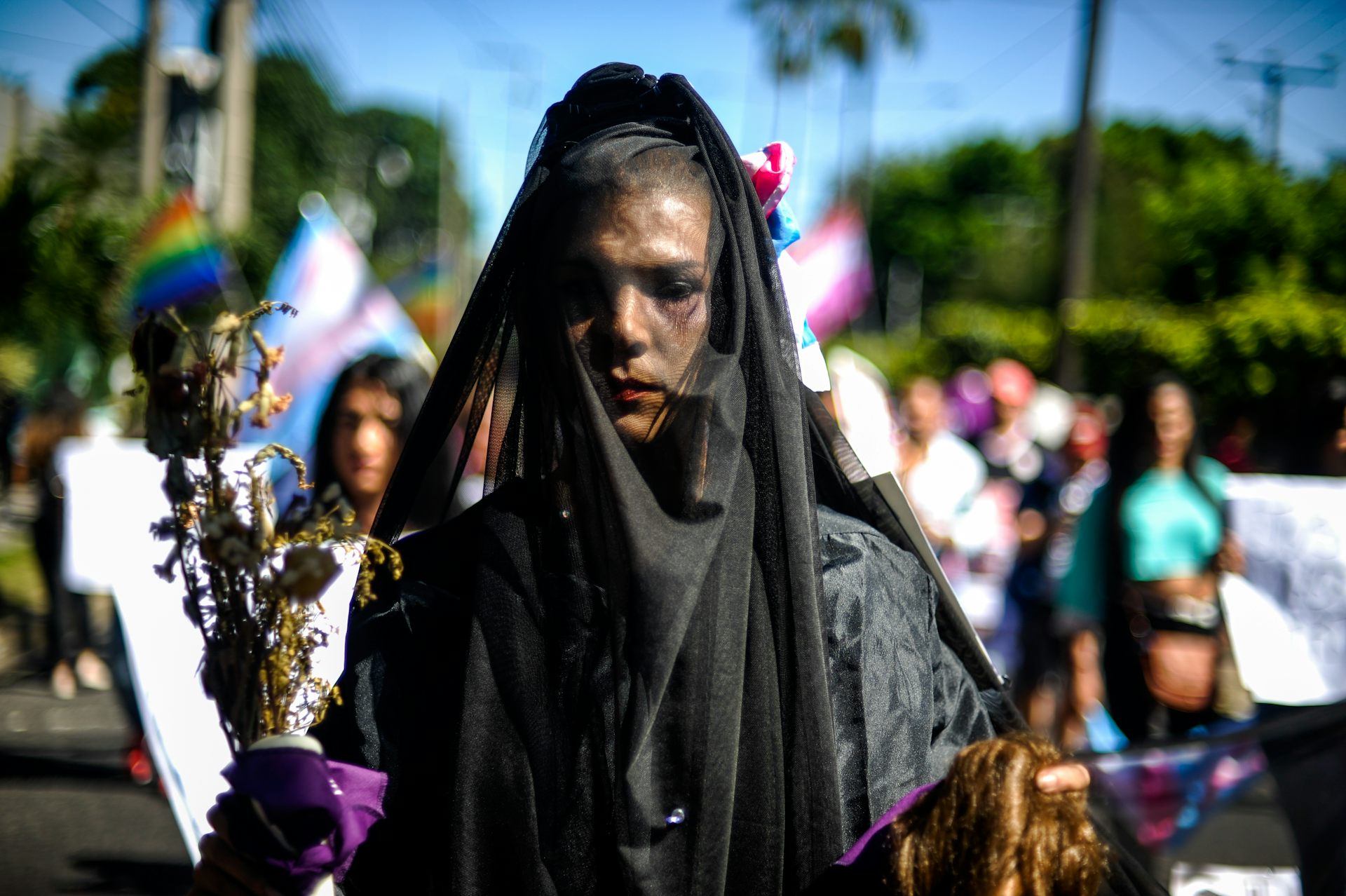
Aided by the Trump administration, debate over gender identity has gone from being a touchstone of domestic culture wars to infiltrating the work of international groups – including those designed to protect vulnerable communities.
بمساعدة إدارة ترامب، انتقل الجدل حول الهوية الجندرية من كونه حجر الزاوية في حروب الثقافة المحلية إلى التسلل إلى عمل المجموعات الدولية – بما في ذلك تلك المصممة لحماية الفئات الضعيفة.
In March 2026, at the 70th session of the U.N. Commission on the Status of Women, a U.S. delegate submitted a draft resolution to define gender in alignment with what the representative described as “its ordinary, generally accepted usage, as referring to men and women.”
في مارس 2026، وفي الدورة السبعين للجنة التابعة للأمم المتحدة المعنية بوضع المرأة، قدم مندوب الولايات المتحدة قراراً مسودة لتعريف النوع الاجتماعي تماشياً مع ما وصفه المندوب بأنه “استخدامه العادي المقبول عموماً، والذي يشير إلى الذكور والإناث.”
While this may seem like a relatively benign or procedural intervention, the proposed resolution invited significant blowback from other delegates. Sweden’s representative framed it as an attempt “to turn back the clock 30 to 40 years.” The resolution ultimately failed after being blocked from going to a vote by Belgium, on behalf of the EU.
وفي حين قد يبدو هذا تدخلاً حميداً أو إجرائياً نسبياً، إلا أن القرار المقترح استدعى رد فعل قوي من مندوبين آخرين. وقد صاغ ممثل السويد الأمر على أنه محاولة “لإرجاع عقارب الساعة بمقدار 30 إلى 40 عاماً”. وفشل القرار في نهاية المطاف بعد أن منعته بلجيكا، نيابة عن الاتحاد الأوروبي، من التصويت.
As an expert on gender, sexuality and conflict, I see the latest dispute over terminology at a key U.N. conference as reflecting a wider fight among the international community that has rumbled on for months. I believe that contest, moreover, threatens to undermine critical work to serve survivors of violence across the world.
بصفتي خبيراً في النوع الاجتماعي والجنسانية والصراع، أرى أن أحدث نزاع حول المصطلحات في مؤتمر رئيسي للأمم المتحدة يعكس صراعاً أوسع بين المجتمع الدولي استمر لعدة أشهر. وأعتقد أن هذا التنافس، علاوة على ذلك، يهدد بتقويض العمل الحيوي لخدمة الناجين من العنف في جميع أنحاء العالم.
Shifting approaches to gender
تحولات في مقاربات النوع الاجتماعي
In recent years, some international organizations, nongovernmental organizations and countries have moved to understand gender beyond equating it with biological sex.
في السنوات الأخيرة، اتجهت بعض المنظمات الدولية والمنظمات غير الحكومية والدول إلى فهم النوع الاجتماعي بما يتجاوز مساواته بالنوع البيولوجي.
This had included expanding its meaning within the peace and security sector.
وشمل ذلك توسيع معناه ضمن قطاع السلام والأمن.
The U.N. Refugee Agency, for example, now follows an “age, gender and diversity” policy that defines gender as “socially constructed roles for women and men, which are often central to the way people define themselves and are defined by others.” In other words, trans women are women, and trans men are men.
على سبيل المثال، تتبع وكالة الأمم المتحدة لشؤون اللاجئين الآن سياسة “العمر والنوع والتنوع” التي تُعرّف النوع الاجتماعي بأنه “أدوار اجتماعية مُنشأة للنساء والرجال، وغالباً ما تكون محورية في الطريقة التي يحدد بها الناس أنفسهم ويحددها الآخرون.” بعبارة أخرى، النساء المتحولات جنسياً هن نساء، والرجال المتحولون جنسياً هم رجال.
The International Criminal Court takes a similar stance in its approach to gender-based crimes.
وتتخذ المحكمة الجنائية الدولية موقفاً مشابهاً في مقاربتها للجرائم القائمة على النوع الاجتماعي.
Both bodies contend that this gender lens is important for understanding the full scope of experiences and vulnerabilities not just of women and girls, but also LGBTQ+ individuals and men and boys during conflict.
تؤكد كلتا الهيئتين أن عدسة النوع الاجتماعي هذه مهمة لفهم النطاق الكامل للتجارب ونقاط الضعف ليس فقط للنساء والفتيات، ولكن أيضاً للأفراد من مجتمع الميم (LGBTQ+) والرجال والفتيان أثناء النزاع.
While heavily contested by some nations, this approach departs from a previous implicit assumption that only women are targeted for sexual violence in conflict – and that these women are all cisgender.
وعلى الرغم من أن بعض الدول تنازع بشدة على هذا النهج، إلا أنه يبتعد عن الافتراض الضمني السابق بأن النساء فقط هن المستهدفات بالعنف الجنسي في النزاع – وأن جميع هؤلاء النساء من جنس طبيعي (cisgender) .
Gender identity and violence
الهوية الجندرية والعنف
Despite the normalization of more inclusive approaches to gender, the pushback has recently gained a lot of traction, aided in part by the reversal of the U.S. from its previous stance under the Biden administration.
على الرغم من تطبيع المقاربات الأكثر شمولاً للجندر، فقد اكتسب الرفض مؤخراً زخماً كبيراً، بمساعدة جزئية من تراجع الولايات المتحدة عن موقفها السابق في عهد إدارة بايدن.
Only two months into the Trump administration, the U.S. pulled out of a working group of nations on LGBTQ+ concerns. Then, in January 2026, it withdrew from a slew of international bodies it claimed were “often dominated by progressive ideology and detached from national interests,” including U.N. Women. Most recently, the administration has called on FIFA, soccer’s international governing body, to change its policy on trans athletes.
بعد شهرين فقط من تولي إدارة ترامب، انسحبت الولايات المتحدة من مجموعة عمل للدول المعنية بقضايا مجتمع الميم (LGBTQ+) . ثم، في يناير 2026، انسحبت من مجموعة من الهيئات الدولية التي زعمت أنها “غالباً ما تهيمن عليها الأيديولوجية التقدمية ومنفصلة عن المصالح الوطنية”، بما في ذلك هيئة الأمم المتحدة للمرأة. ومؤخراً، دعت الإدارة الاتحاد الدولي لكرة القدم (فيفا) ، الهيئة الدولية لكرة القدم، إلى تغيير سياستها تجاه الرياضيين المتحولين جنسياً.
It isn’t just the U.S. contesting inclusive language, however. In June 2025, the U.N. special rapporteur on violence against women and girls, Reem Alsalem, published a report suggesting that gender-neutral language and the recognition of gender identity in policy erases the category of what it refers to as “sex-based discrimination” against women and girls.
ومع ذلك، لا تقتصر الولايات المتحدة على الطعن في اللغة الشاملة. ففي يونيو 2025، نشرت المقررّة الخاصة للأمم المتحدة المعنية بالعنف ضد المرأة والفتيات، ريم السلام، تقريراً يشير إلى أن اللغة المحايدة جندرياً والاعتراف بالهوية الجندرية في السياسات يمحو فئة ما تسميه “التمييز القائم على النوع الاجتماعي” ضد النساء والفتيات.
The draft resolution also argues that “gender identity theory” contributes to violence against women by advancing “stereotypes” and “sexist norms about how women should dress and behave.”
تجادل المسودة أيضاً بأن “نظرية الهوية الجندرية” تساهم في العنف ضد المرأة من خلال تعزيز “القوالب النمطية” و”الأعراف المتحيزة جنسياً حول كيفية ملابس النساء وسلوكهن.”
In effect, the report introduces a far narrower understanding of violence against women – and “gender” writ large – which notably excludes trans women.
في الواقع، يقدم التقرير فهماً أضيق بكثير للعنف ضد المرأة – و”الجندر” على نطاق واسع – والذي يستثني بشكل ملحوظ النساء المتحولات جنسياً.
Human rights professionals and NGOs, including Amnesty International and various feminist organizations, submitted a response to the draft version of the report claiming that its adoption of the term “sex-based violence … undermines decades of feminist advocacy, scientific evidence and legal advances.” Moreover, it “risks excluding vulnerable populations from essential protections.”
قدم محترفو حقوق الإنسان والمنظمات غير الحكومية، بما في ذلك منظمة العفو الدولية ومختلف المنظمات النسوية، رداً على المسودة، زاعمين أن تبنيها لمصطلح “العنف القائم على النوع الاجتماعي… يقوض عقوداً من المناصرة النسوية والأدلة العلمية والتطورات القانونية”. علاوة على ذلك، “يخاطر باستبعاد الفئات السكانية الضعيفة من الحمايات الأساسية”.
Nations were unsurprisingly split in their response, with some offering praise for the report’s approach and others raising concerns. Such was the feeling aroused by the special rapporteur’s position that in late 2025, Australia’s commissioner on sex inequality asked internally about potentially blocking Alsalem’s reappointment to her post.
لم يكن من المستغرب أن تنقسم الدول في ردها، حيث قدم البعض الثناء على نهج التقرير بينما أثار آخرون المخاوف. لدرجة أن الموقف الذي اتخذته المقررّة الخاصة أثار شعوراً جعل مفوضة أستراليا بشأن عدم المساواة الجنسية في أواخر عام 2025 تستفسر داخلياً عن إمكانية عرقلة إعادة تعيين السلام في منصبها.
Gender in conflict situations
النوع الاجتماعي في حالات النزاع
Debates over language are familiar to those working in international crisis work, and some important tensions remain unaddressed. I argue, though, that a narrow interpretation of “gender” based on sex assigned at birth risks missing harms against certain groups.
إن النقاشات حول اللغة مألوفة لمن يعملون في مجال الأزمات الدولية، ولا تزال بعض التوترات المهمة دون معالجة. ومع ذلك، أجادل بأن التفسير الضيق لمصطلح “النوع الاجتماعي” بناءً على الجنس المحدد عند الولادة يخاطر بتجاهل الأضرار التي تتعرض لها مجموعات معينة.
Research on conflict and humanitarian contexts suggests that expansive conceptualizations of gender can better reveal dimensions of harms experienced by people who are not cisgender, heterosexual women or girls.
يشير البحث في سياقات النزاع والمساعدات الإنسانية إلى أن التصورات الواسعة للنوع الاجتماعي يمكن أن تكشف بشكل أفضل عن أبعاد الأضرار التي يتعرض لها الأشخاص الذين ليسوا من جنسهم المحدد عند الولادة (غير المتحولين جنسياً) ، أو النساء والفتيات المغايرات جنسياً.
For example, my research with UMass Amherst’s Charli Carpenter demonstrates that a gender lens shows how Ukraine’s travel ban on “battle-aged” civilian men places these men, their families, trans women and nonbinary people misidentified as men at undue risk. In this case, it’s not biological sex but beliefs about gender – for example, the characterization of men as warriors and protectors – that create these vulnerabilities.
على سبيل المثال، يوضح بحثي مع تشارلي كاربنتر من جامعة ماساتشوستس Amherst أن عدسة النوع الاجتماعي تظهر كيف أن حظر السفر الذي فرضته أوكرانيا على الرجال المدنيين “في سن القتال” يضع هؤلاء الرجال وعائلاتهم والنساء المتحولات جنسياً والأشخاص غير الثنائيين الذين يُخطئ في تحديد هويتهم على أنهم رجال في خطر لا مبرر له. في هذه الحالة، لا يتعلق الأمر بالجنس البيولوجي بل بالمعتقدات حول النوع الاجتماعي – على سبيل المثال، تصوير الرجال كمحاربين وحماة – ما يخلق هذه نقاط الضعف.
Similarly, understanding wartime violence against gender and sexual minorities as gender-based highlights how these groups can be singled out by state and armed groups for transgressing sanctioned gender norms.
وبالمثل، فإن فهم العنف الذي يقع على النساء والأقليات الجنسية أثناء الحرب على أنه عنف قائم على النوع الاجتماعي يسلط الضوء على كيف يمكن استهداف هذه المجموعات من قبل الدول والجماعات المسلحة لتجاوز المعايير المقبولة للنوع الاجتماعي.
However, there are also trade-offs to more expansive approaches to gender, as evidenced by my research on changing global approaches to wartime sexual violence against men and boys.
ومع ذلك، هناك أيضاً مقايضات في المناهج الأكثر اتساعاً للنوع الاجتماعي، كما يتضح من بحثي حول التغيرات العالمية في التعامل مع العنف الجنسي أثناء الحرب ضد الرجال والفتيان.
Some practitioners I spoke with expressed concern that the inclusion of violence against men and boys under the rubric of gender-based violence would detract from the disproportionate impact and structural roots of violence against women.
أعرب بعض الممارسين الذين تحدثت إليه عن قلقهم من أن إدراج العنف ضد الرجال والفتيان تحت مظلة العنف القائم على النوع الاجتماعي سيقلل من التأثير غير المتناسب والجذور الهيكلية للعنف ضد المرأة.
This is particularly troubling at moment of increasingly limited resources earmarked to serve conflict- and other crisis-affected women and girls, as well as rising backlash against women’s rights.
وهذا أمر مقلق بشكل خاص في ظل تزايد محدودية الموارد المخصصة لخدمة النساء والفتيات المتضررات من النزاعات والأزمات الأخرى، بالإضافة إلى تزايد ردود الفعل المعارضة لحقوق المرأة.
The anti-trans backlash
رد الفعل المعادي للتحول الجنسي
The resolution brought forward by the U.S., as well as the special rapporteur’s report, should, I believe, be understood in the context of a wider anti-trans backlash.
يجب فهم القرار الذي قدمته الولايات المتحدة، وكذلك تقرير المقرر الخاص، في سياق رد فعل أوسع ومعادي للتحول الجنسي.
This backlash – which involves diverse groups, from religious conservatives to even some women’s rights advocates – mobilizes fears about public safety, marriage and the family structure.
يحشد هذا الرفض – الذي يشمل مجموعات متنوعة، من المحافظين الدينيين إلى بعض المدافعات عن حقوق المرأة – المخاوف بشأن السلامة العامة والزواج وبنية الأسرة.
Some of the backlash is predicated on harmful stereotypes about trans women that portray them as predatory opportunists.
يستند جزء من هذا الرفض إلى صور نمطية ضارة حول النساء المتحولات جنسياً تصورهن على أنهن انتهازيات مفترسات.
While there is no evidence of this being a common trend, such narratives permeate the special rapporteur’s report. For example, the document includes claims that “males who identify as women retain a male pattern of criminality” and that lesbians get “coerced into sexual relations with males who identify as women.”
على الرغم من عدم وجود دليل على أن هذا اتجاه شائع، إلا أن مثل هذه السرديات تتخلل تقرير المقرر الخاص. على سبيل المثال، يتضمن المستند ادعاءات بأن “الذكور الذين يحددون أنفسهم كنساء يحتفظون بنمط ذكوري من الجريمة” وأن المثليات “يُجبرن على علاقات جنسية مع ذكور يحددون أنفسهم كنساء.”
The report also constructs hypothetical scenarios about trans-inclusive spaces as a threat to cisgender women’s safety, such as the absence of “single-sex” washrooms in refugee camps “often leads to women avoiding using mixed-sex facilities.”
كما يبني التقرير سيناريوهات افتراضية حول المساحات الشاملة للتحول الجنسي باعتبارها تهديداً لسلامة النساء غير المتحولات جنسياً، مثل أن غياب دورات المياه “المخصصة للجنس الواحد” في مخيمات اللاجئين “يؤدي غالباً إلى تجنب النساء استخدام المرافق المختلطة.”
Navigating transphobic rhetoric
التعامل مع الخطاب المناهض للتحول الجنسي
Significantly, this latter claim is embedded within partial truths. There is evidence that women’s vulnerability increases when refugee camps don’t have women’s washrooms, when they are placed too close to men’s washrooms or are in remote, unlit locations.
تجدر الإشارة إلى أن هذا الادعاء الأخير مغروس في حقائق جزئية. هناك دليل على أن ضعف النساء يزداد عندما تفتقر مخيمات اللاجئين إلى دورات مياه مخصصة للنساء، أو عندما تكون قريبة جدًا من دورات مياه الرجال، أو عندما تكون في مواقع نائية ومظلمة.
But there is no evidence in the draft report or elsewhere that the threat comes from trans women and not men.
لكن لا يوجد دليل في التقرير المسود أو في أي مكان آخر على أن التهديد يأتي من النساء المتحولات جنسيًا وليس من الرجال.
In fact, research suggests that LGBTQ+ refugees and detained migrants experience unique and exacerbated vulnerabilities to sexual harassment, violence and exploitation.
في الواقع، تشير الأبحاث إلى أن اللاجئين والمهاجرين المحتجزين من مجتمع الميم (LGBTQ+) يواجهون نقاط ضعف فريدة ومفاقمة تجاه التحرش الجنسي والعنف والاستغلال.
Moreover, in conflict and humanitarian situations, violence against LGBTQ+ people shares some key root causes driving violence against women and girls, such as restrictive gender norms and militarism.
علاوة على ذلك، في حالات النزاع والأزمات الإنسانية، يتشارك العنف ضد مجتمع الميم (LGBTQ+) في بعض الأسباب الجذرية الرئيسية التي تقود العنف ضد النساء والفتيات، مثل المعايير الجندرية التقييدية والعسكرة.
The agenda to prevent violence against women is, I would argue, increasingly co-opted by transphobia. Ultimately, this distracts from the struggles experienced by all those marginalized on the basis of gender.
إن أجندة منع العنف ضد المرأة، كما أزعم، يتم استغلالها بشكل متزايد من قبل كراهية المتحولين جنسيًا. وفي نهاية المطاف، يشتت هذا الانتباه عن الصراعات التي يمر بها جميع المهمشين على أساس النوع الاجتماعي.
Jenna Norosky received funding from the American Political Science Association to conduct research referenced in this article.
حصلت جينا نوروسكي على تمويل من الجمعية الأمريكية للعلوم السياسية لإجراء البحث المشار إليه في هذه المقالة.
Read more
-
لماذا يمثل ازدهار سيارات الدفع الرباعي الكهربائية مشكلة للمناخ والصحة والعدالة
Why the electric SUV boom is a problem for climate, health and equity
-
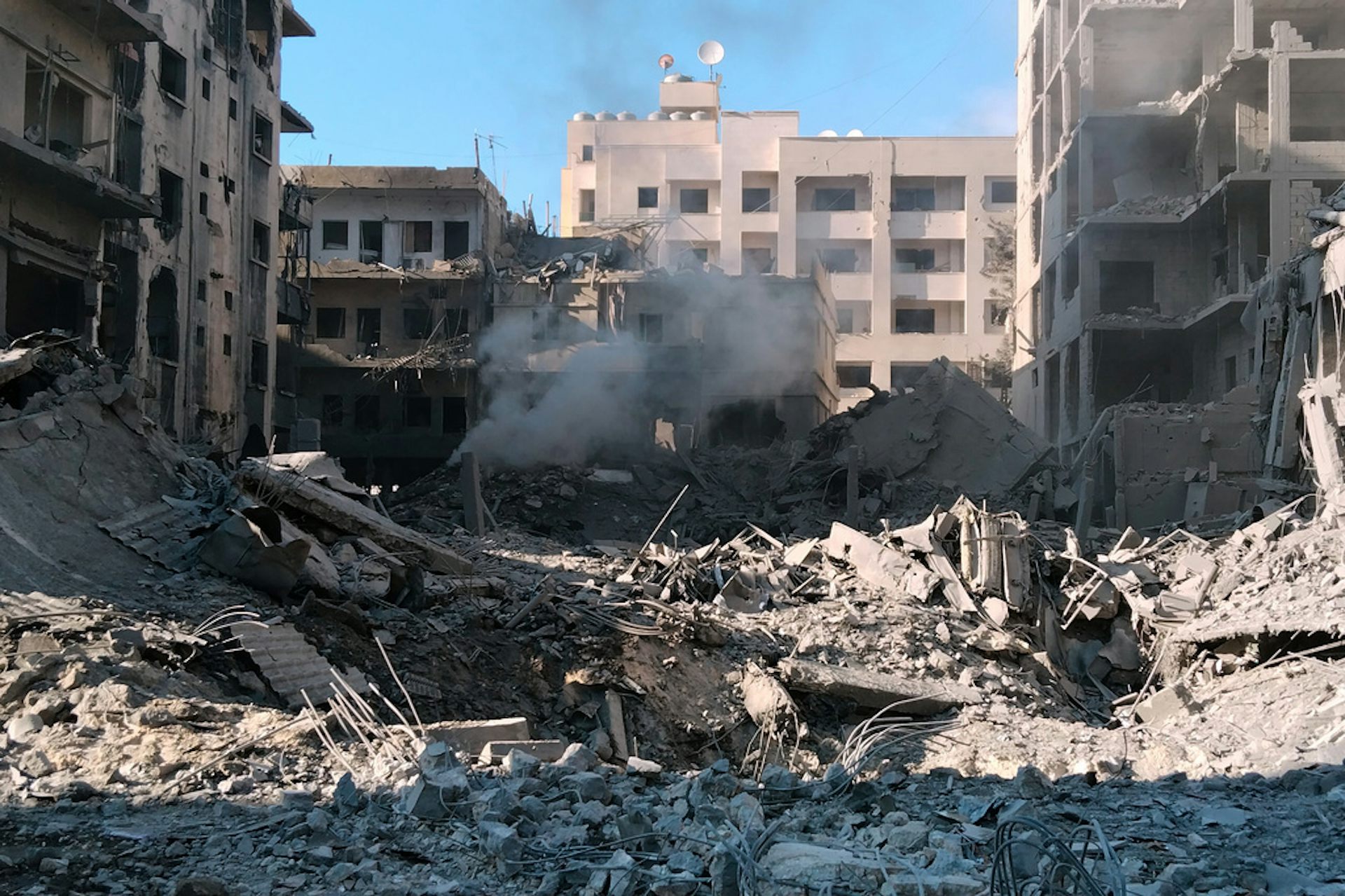
في ظل حرب إيران، تخاطر حملة إسرائيل المتجددة في لبنان بتكرار الدروس – والاحتلالات – الفاشلة للماضي.
In Iran war’s shadow, Israel’s renewed Lebanon campaign risks repeating failed lessons – and occupations – of the past