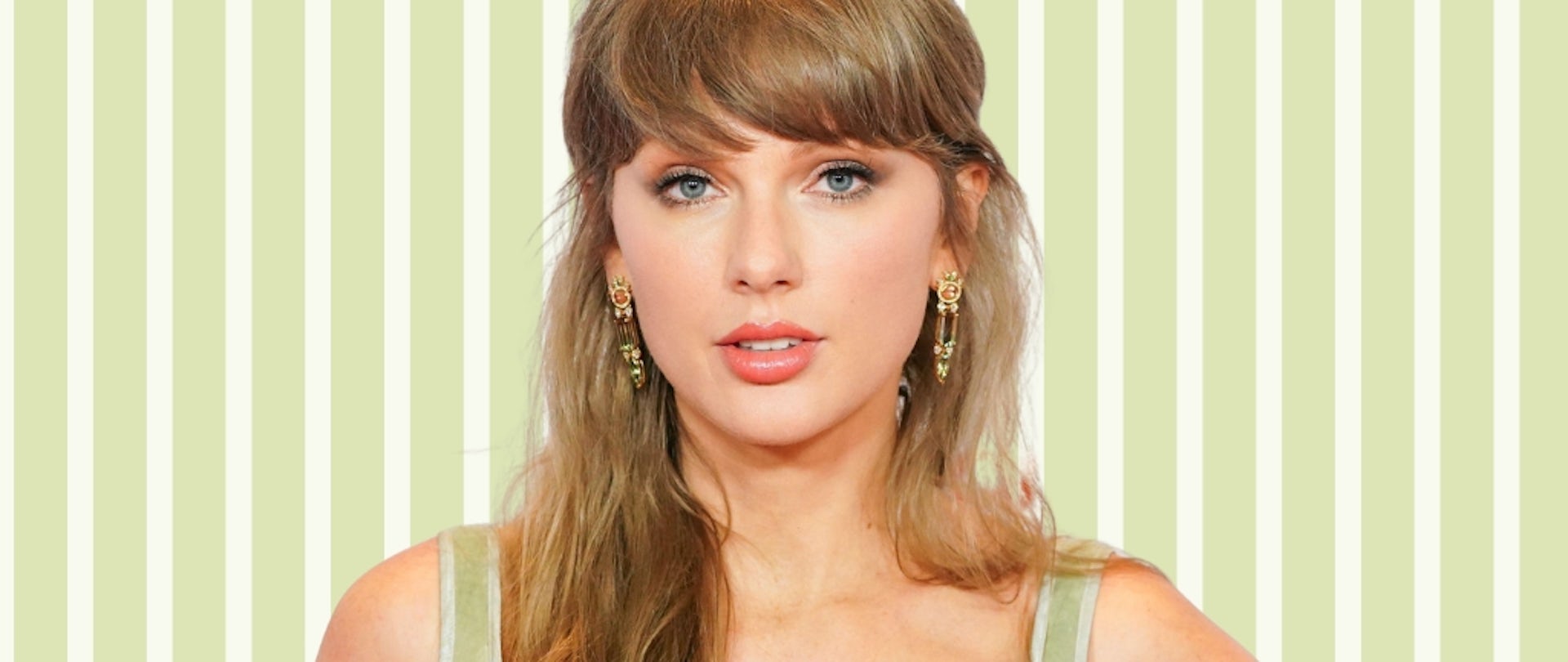
क्या आप आवाज़ के मालिक हो सकते हैं? टेलर स्विफ्ट की नवीनतम कानूनी कार्रवाई एआई और कॉपीराइट के लिए बड़े सवाल उठाती है।
Can you own a voice? Taylor Swift’s latest legal move raises big questions for AI and copyright
Swift appears to be the first musician to take this step.
स्विफ्ट इस कदम को उठाने वाले पहले संगीतकार लगती हैं।
Taylor Swift has filed a trademark application covering her voice and stage image. It includes a photo of her performing in her distinctive bejewelled Eras Tour bodysuit and two voice recordings: “Hey, it’s Taylor” and “Hey, it’s Taylor Swift.”
टेलर स्विफ्ट ने अपनी आवाज़ और स्टेज इमेज को कवर करते हुए एक ट्रेडमार्क आवेदन दायर किया है। इसमें उनके विशिष्ट आभूषणों से सजे एराज़ टूर बॉडीसूट में प्रदर्शन करते हुए उनकी एक तस्वीर और दो वॉयस रिकॉर्डिंग शामिल हैं: “हे, इट्स टेलर” और “हे, इट्स टेलर स्विफ्ट।”
It’s the latest example of the singer using her status and power to challenge industry norms and assert the rights of artists.
यह गायिका द्वारा उद्योग के मानदंडों को चुनौती देने और कलाकारों के अधिकारों को स्थापित करने के लिए अपनी स्थिति और शक्ति का उपयोग करने का नवीनतम उदाहरण है।
In 2014, Swift removed her entire catalogue from Spotify in protest at the low level of artist remuneration generated by the platform (later relenting in 2017) . In 2019, she began rerecording her previous albums in protest at the acquisition of her back catalogue by alleged industry foe Scooter Braun’s Ithaca Holdings, giving her back control over masters of her songs. The new “Taylor’s Versions” outperformed the original versions on streaming services.
2014 में, स्विफ्ट ने प्लेटफॉर्म द्वारा उत्पन्न कलाकार पारिश्रमिक के कम स्तर के विरोध में अपना पूरा कैटलॉग स्पॉटिफाई से हटा दिया था (बाद में 2017 में पीछे हट गईं) । 2019 में, उन्होंने कथित उद्योग विरोधी स्कूटर ब्राउन की इथाका होल्डिंग्स द्वारा उनके पिछले कैटलॉग के अधिग्रहण के विरोध में अपने पिछले एल्बमों को फिर से रिकॉर्ड करना शुरू किया, जिससे उन्हें अपने गानों के मास्टर्स पर वापस नियंत्रण मिल गया। नए “टेलर’ज़ वर्जन्स” ने स्ट्रीमिंग सेवाओं पर मूल संस्करणों से बेहतर प्रदर्शन किया।
Although the actor Matthew McConaughey beat Swift to the punch by successfully trademarking some of his famous spoken lines of movie dialogue earlier this year, she appears to be the first music artist of note to take the step. The move raises some interesting issues in terms of copyright law and the rights of music artists.
हालांकि अभिनेता मैथ्यू मैककोनाघी ने इस साल की शुरुआत में फिल्म संवाद की कुछ प्रसिद्ध बोली गई पंक्तियों को सफलतापूर्वक ट्रेडमार्क करके स्विफ्ट से पहले यह कदम उठाया था, लेकिन वह उल्लेखनीय रूप से पहला संगीत कलाकार प्रतीत होती हैं जिसने यह कदम उठाया है। यह कदम कॉपीराइट कानून और संगीत कलाकारों के अधिकारों के संदर्भ में कुछ दिलचस्प मुद्दे उठाता है।
‘Passing off’ and deepfaking
‘पासिंग ऑफ’ और डीपफेकिंग
In music, both sound recordings and the songs which they embody are protected by copyright law. Much of the income generated by the music industry is based on the commercial exclusivity to exploit these forms of intellectual property (IP) , which that law ensures.
संगीत में, ध्वनि रिकॉर्डिंग और वे गीत जो उनमें समाहित हैं, दोनों कॉपीराइट कानून द्वारा संरक्षित हैं। संगीत उद्योग द्वारा उत्पन्न अधिकांश आय बौद्धिक संपदा (IP) के इन रूपों का व्यावसायिक एकाधिकार उपयोग करने पर आधारित है, जिसकी गारंटी यह कानून देता है।
All of Swift’s vocals are protected from copying in terms of being sampled without permission. But the question of whether or not a vocal being performed (or manufactured in the case of AI) to sound like Swift is a copyright infringement is less clear.
स्विफ्ट की सभी आवाज़ों को बिना अनुमति के सैंपल किए जाने के संदर्भ में कॉपी होने से बचाया गया है। लेकिन यह सवाल कि क्या किसी आवाज़ को (या एआई के मामले में बनाया गया) स्विफ्ट जैसा लगने के लिए प्रस्तुत करना कॉपीराइट का उल्लंघन है, यह कम स्पष्ट है।
In 1988, Bette Midler successfully sued Ford Motor Company for using an impersonator to perform her songs in TV adverts. This case suggests that deliberately copying a singer’s voice, style and tone can amount to passing off. In UK law, passing off is a common law tort involving misrepresentation that causes reputational or financial damage. In the US, similar protection is provided under the Lanham Act, which also guards against misleading imitation.
1988 में, बेट मिडलर ने टीवी विज्ञापनों में अपने गानों को गाने के लिए एक प्रतिरूपणकर्ता का उपयोग करने के लिए फोर्ड मोटर कंपनी पर सफलतापूर्वक मुकदमा किया था। यह मामला बताता है कि जानबूझकर किसी गायक की आवाज़, शैली और लहजे की नकल करना ‘पासिंग ऑफ’ माना जा सकता है। यूके कानून में, पासिंग ऑफ एक सामान्य कानून अपकृत्य (common law tort) है जिसमें गलत बयानी शामिल होती है जिससे प्रतिष्ठा या वित्तीय नुकसान होता है। अमेरिका में, इसी तरह की सुरक्षा लैनहम एक्ट (Lanham Act) के तहत प्रदान की जाती है, जो भ्रामक नकल के खिलाफ भी सुरक्षा करती है।
This article is part of our State of the Arts series. These articles tackle the challenges of the arts and heritage industry – and celebrate the wins, too.
यह लेख हमारी ‘स्टेट ऑफ द आर्ट्स’ श्रृंखला का हिस्सा है। ये लेख कला और विरासत उद्योग की चुनौतियों से निपटते हैं – और सफलताओं का भी जश्न मनाते हैं।
Swift has also experienced the darker side of deepfakes, including fake pornographic images and AI-generated photos showing her wearing a “Swifties for Trump” T-shirt ahead of the last US presidential election.
स्विफ्ट को डीपफेक का भी स्याह पक्ष झेलना पड़ा है, जिसमें नकली पोर्नोग्राफिक छवियां और पिछली अमेरिकी राष्ट्रपति चुनाव से पहले उसे “स्विफ्टिज़ फॉर ट्रम्प” टी-शर्ट पहने हुए दिखाने वाली एआई-जनरेटेड तस्वीरें शामिल हैं।
The US Take It Down Act, covering explicit deepfake content was passed into law in 2025. Similar protection is possible in the UK via the Data (Use and Access) Act 2025.
यूएस टेक इट डाउन एक्ट, जिसमें स्पष्ट डीपफेक सामग्री को कवर किया गया है, को 2025 में कानून बना दिया गया था। इसी तरह की सुरक्षा यूके में डेटा (यूज़ एंड एक्सेस) एक्ट 2025 के माध्यम से संभव है।
While further legislation is being developed in the US to address AI-generated impersonation more broadly, Swift’s move to trademark both her voice and visual likeness suggests a desire to retain stronger legal control over her identity. This may give her a basis for pursuing civil action under common law or intellectual property rights when objectionable AI-generated content appears. Given her significant wealth and influence, such legal routes may also allow for faster enforcement than relying solely on the criminal justice system.
हालांकि अमेरिका में एआई-जनरेटेड प्रतिरूपण को व्यापक रूप से संबोधित करने के लिए और कानून विकसित किए जा रहे हैं, अपनी आवाज़ और दृश्य समानता दोनों को ट्रेडमार्क करने की स्विफ्ट की पहल उनकी पहचान पर मजबूत कानूनी नियंत्रण बनाए रखने की इच्छा का सुझाव देती है। जब आपत्तिजनक एआई-जनरेटेड सामग्री दिखाई देती है तो यह उन्हें सामान्य कानून या बौद्धिक संपदा अधिकारों के तहत नागरिक कार्रवाई करने का आधार दे सकती है। उनकी महत्वपूर्ण संपत्ति और प्रभाव को देखते हुए, ऐसे कानूनी रास्ते केवल आपराधिक न्याय प्रणाली पर निर्भर रहने की तुलना में तेज़ प्रवर्तन भी प्रदान कर सकते हैं।
The trademarks registered both by McConaughey and Swift arguably only offer protection for exactly what has been registered on the basis of the scope of a trademark being “what you see is what you get”.
मैककोनाघी और स्विफ्ट दोनों द्वारा पंजीकृत ट्रेडमार्क तर्कसंगत रूप से केवल उतना ही संरक्षण प्रदान करते हैं जितना कि पंजीकृत किया गया है, क्योंकि ट्रेडमार्क का दायरा “जो आप देखते हैं, वही आपको मिलता है” पर आधारित होता है।
However, the fact that many platforms require proof of IP registration before taking down potentially infringing content suggests that having these trademarks in place will act as a powerful deterrent against future fakes at the very least.
हालांकि, यह तथ्य कि कई प्लेटफॉर्म संभावित रूप से उल्लंघनकारी सामग्री को हटाने से पहले आईपी पंजीकरण का प्रमाण मांगते हैं, यह सुझाव देता है कि इन ट्रेडमार्क को जगह पर रखना कम से कम भविष्य के नकली कंटेंट के खिलाफ एक शक्तिशाली निवारक के रूप में कार्य करेगा।
Training data
प्रशिक्षण डेटा
A more complex issue for Swift and artists in general is the use of their existing works as data by AIs to create new works. For example, I could prompt an AI to write a song for me in the style of Fearless-era Swift but performed by a voice that is a cross between Norah Jones and Diana Krall. It would be very hard to prove that any particular piece of IP had been infringed, as the AI would be synthesising dozens of songs and performances to achieve its creation.
स्विफ्ट और कलाकारों के लिए एक अधिक जटिल मुद्दा यह है कि एआई द्वारा नए कार्य बनाने के लिए उनके मौजूदा कार्यों का डेटा के रूप में उपयोग किया जाना। उदाहरण के लिए, मैं एक एआई को प्रॉम्प्ट दे सकता हूँ कि वह मेरे लिए फीयरलेस-युग की शैली में एक गाना लिखे, लेकिन वह आवाज़ नोरा जोन्स और डायना क्रॉल के बीच का मिश्रण हो। यह साबित करना बहुत मुश्किल होगा कि किसी विशेष बौद्धिक संपदा (IP) का उल्लंघन हुआ है, क्योंकि एआई अपनी रचना को प्राप्त करने के लिए दर्जनों गाने और प्रदर्शनों को संश्लेषित (synthesising) करेगा।
However, new content would have been created via the mining of existing IP; a songwriter’s moral right of integrity protects against adaptation of their works without permission, and musicians and songwriters have become increasingly concerned that they are not being recompensed sufficiently, or indeed even consulted about AI using their work.
हालांकि, मौजूदा बौद्धिक संपदा की खुदाई के माध्यम से नई सामग्री बनाई गई होगी; एक गीतकार का नैतिक अधिकार अखंडता (integrity) उनके कार्यों के बिना अनुमति के अनुकूलन (adaptation) के खिलाफ सुरक्षा प्रदान करता है, और संगीतकार और गीतकार इस बात को लेकर तेजी से चिंतित हो गए हैं कि उन्हें पर्याप्त रूप से मुआवजा नहीं मिल रहा है, या वास्तव में, एआई द्वारा उनके काम का उपयोग करने के बारे में उनसे परामर्श नहीं किया जा रहा है।
In the UK, the Musicians Union has launched an initiative demanding consent and remuneration for AI training and AI-generated music. The UK government has pulled back from its previous line of allowing an exemption for AI training on copyrighted works in favour of more creator control after strong opposition to this stance from the creative industries.
यूके में, म्यूजिशियंस यूनियन ने एआई प्रशिक्षण और एआई-जनरेटेड संगीत के लिए सहमति और पारिश्रमिक की मांग करते हुए एक पहल शुरू की है। यूके सरकार ने रचनात्मक उद्योगों से इस रुख पर कड़े विरोध के बाद, कॉपीराइट किए गए कार्यों पर एआई प्रशिक्षण के लिए छूट देने की अपनी पिछली लाइन से पीछे हटकर अधिक निर्माता नियंत्रण के पक्ष में रुख अपनाया है।
The UK Performing Rights Society, which collects royalties from around the globe for its songwriter and composer members (and their publishing companies) when their work is performed live, broadcast or streamed, has declared that it will not register AI-generated works. However, it will register works which it classes as AI-assisted. This leads to the question of how much human input needs to be evidenced for a piece of music to be copyright-able.
यूके परफॉर्मिंग राइट्स सोसाइटी, जो अपने गीतकार और संगीतकार सदस्यों (और उनकी प्रकाशन कंपनियों) से दुनिया भर में रॉयल्टी एकत्र करती है जब उनके काम का लाइव, प्रसारण या स्ट्रीमिंग किया जाता है, ने घोषणा की है कि वह एआई-जनरेटेड कार्यों का पंजीकरण नहीं करेगी। हालांकि, यह उन कार्यों का पंजीकरण करेगी जिन्हें यह एआई-सहायता प्राप्त (AI-assisted) मानती है। इससे यह सवाल उठता है कि किसी संगीत के कॉपीराइट योग्य होने के लिए कितना मानव इनपुट प्रदर्शित किया जाना चाहिए।
In UK copyright law, the Copyright, Design and Patents Act allows for recordings “generated by computer” but a song or composition needs to display originality to acquire the law’s protection – a product of skill, judgement and labour which should arguably involve significant human involvement, but how much?
यूके कॉपीराइट कानून में, कॉपीराइट, डिज़ाइन और पेटेंट अधिनियम “कंप्यूटर द्वारा उत्पन्न” रिकॉर्डिंग की अनुमति देता है, लेकिन कानून की सुरक्षा प्राप्त करने के लिए एक गीत या रचना को मौलिकता (originality) प्रदर्शित करनी होगी – जो कौशल, निर्णय और श्रम का उत्पाद है जिसमें कथित तौर पर महत्वपूर्ण मानवीय भागीदारी शामिल होनी चाहिए, लेकिन कितना?
There have been some positive developments for artists’ earnings, with certain AI companies recently reaching settlements with major music rights holders over the use of training data in music generation. However, artists such as Swift may still need stronger protection to prevent the unauthorised use, imitation and commercial exploitation of their distinctive vocal styles.
कलाकारों की कमाई के लिए कुछ सकारात्मक विकास हुए हैं, जिसमें कुछ एआई कंपनियों ने हाल ही में संगीत निर्माण में प्रशिक्षण डेटा के उपयोग पर प्रमुख संगीत अधिकार धारकों के साथ निपटान (settlements) किए हैं। हालांकि, स्विफ्ट जैसे कलाकारों को अभी भी अपने विशिष्ट स्वर शैलियों के अनधिकृत उपयोग, नकल और वाणिज्यिक शोषण को रोकने के लिए मजबूत सुरक्षा की आवश्यकता हो सकती है।
The current regulatory grey areas around AI’s use of IP have been likened to the wild west. With her trademarking initiative, Swift has donned her Stetson, pinned on her five-point star badge and declared herself the new sheriff in town.
एआई द्वारा बौद्धिक संपदा के उपयोग के आसपास वर्तमान नियामक ग्रे क्षेत्र को वाइल्ड वेस्ट जैसा बताया गया है। अपनी ट्रेडमार्क पहल के साथ, स्विफ्ट ने अपना स्टेटसन पहना है, अपने पांच-बिंदु वाले स्टार बैज को लगाया है और खुद को कस्बे का नया शेरिफ घोषित किया है।
Justin Morey does not work for, consult, own shares in or receive funding from any company or organisation that would benefit from this article, and has disclosed no relevant affiliations beyond their academic appointment.
जस्टिन मोरी किसी भी ऐसी कंपनी या संगठन के लिए काम नहीं करते हैं, सलाह नहीं देते हैं, या उसमें शेयर नहीं रखते हैं या फंडिंग प्राप्त नहीं करते हैं जिससे इस लेख से लाभ होगा, और उन्होंने अपने अकादमिक पद से परे कोई प्रासंगिक जुड़ाव नहीं बताया है।
Read more
-

इज़राइल के इतिहास ने जिस तरह से यह युद्ध लड़ता है, उसे कैसे आकार दिया है
How Israel’s history has shaped the way it wages war
-
हमने सहारा रेगिस्तान में सैकड़ों विशाल प्राचीन सामूहिक कब्रें पाईं।
We found hundreds of huge ancient mass graves hidden in the Sahara desert