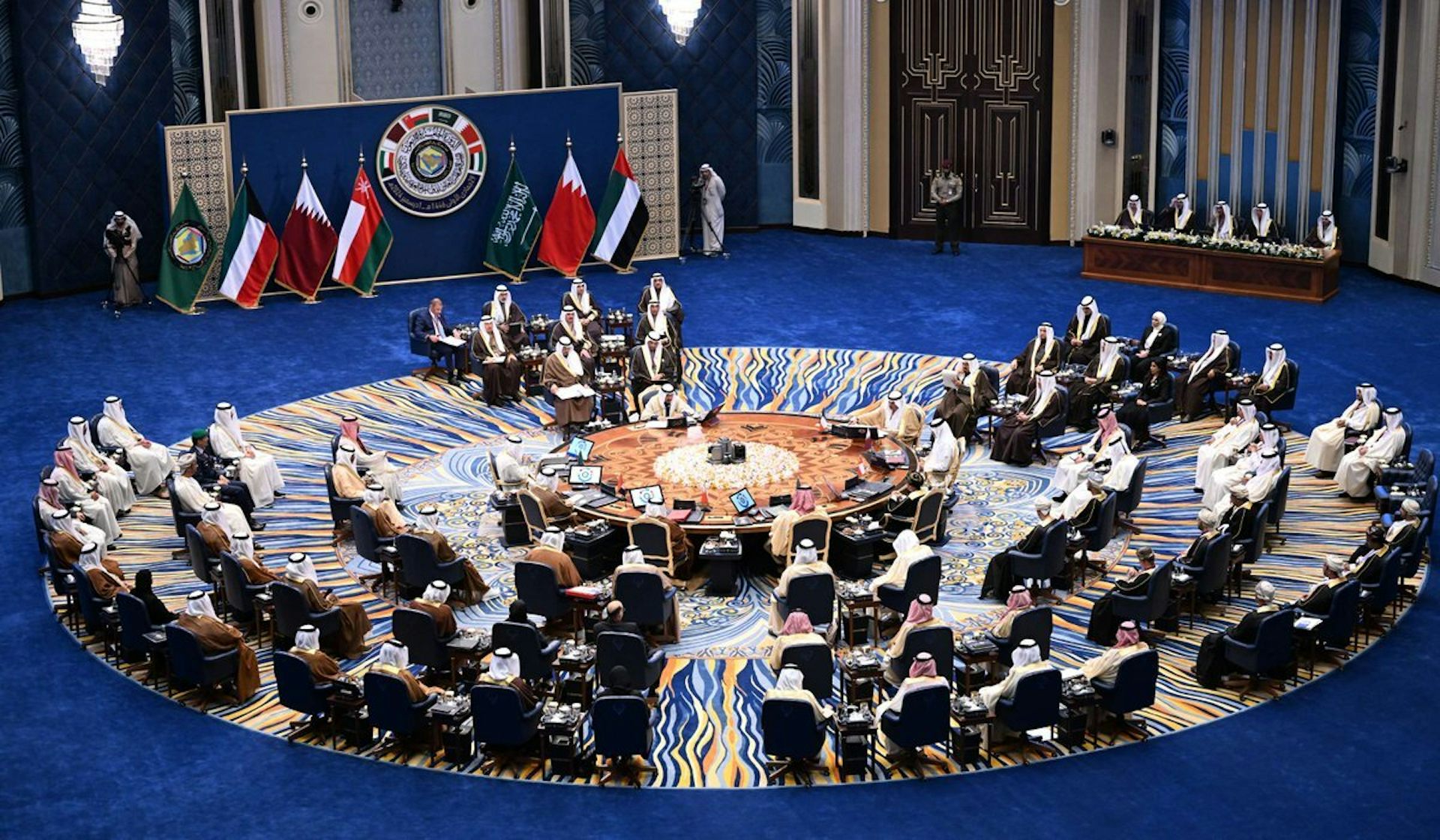
La cooperación de los estados del Golfo ha estado moldeada durante mucho tiempo por la amenaza de Irán, pero las muestras de unidad ocultan la división.
Gulf state cooperation has long been shaped by the threat of Iran − but shows of unity belie division
The Gulf Cooperation Council was formed after the Iranian Revolution of 1979. Since then, GCC members have tried different strategies to contend with Tehran.
El Consejo de Cooperación del Golfo se formó después de la Revolución Iraní de 1979. Desde entonces, los miembros del CCG han intentado diferentes estrategias para hacer frente a Teherán.
Arab Gulf countries, battered economically and physically by the war with Iran, were keen to put on a united front at a key regional meeting on April 28, 2026.
Los países del Golfo árabe, golpeados económica y físicamente por la guerra con Irán, estaban interesados en mostrar un frente unido en una reunión regional clave el 28 de abril de 2026.
Gathering in the Saudi city Jeddah, representatives of the Gulf Cooperation Council warned the Iranian government in Tehran that an attack on any one of its six members would be taken as an attack on all. Rejecting Iran’s claims to control of the Strait of Hormuz, Qatari Emir Sheikh Tamim bin Hamad Al Thani later described the summit as embodying “the unified Gulf stance” over the conflict.
Reunidos en la ciudad saudí de Yeda, los representantes del Consejo de Cooperación del Golfo advirtieron al gobierno iraní en Teherán que un ataque contra cualquiera de sus seis miembros sería considerado un ataque contra todos. Al rechazar las reclamaciones de Irán sobre el control del Estrecho de Ormuz, el emir catarí Sheikh Tamim bin Hamad Al Thani describió más tarde la cumbre como la encarnación de “la postura unificada del Golfo” sobre el conflicto.
The show of togetherness may seem at odds with other recent developments that have seen members of the GCC split over policy and vision for the region – not least the United Arab Emirate’s decision to quit the oil cartel OPEC.
La muestra de unidad puede parecer contraria a otros desarrollos recientes que han visto a los miembros del CCG dividirse en cuanto a la política y la visión para la región, no menos que la decisión de los Emiratos Árabes Unidos de abandonar el cartel petrolero OPEP.
But to followers of Gulf politics, like myself, the scene felt familiar. Time and again, Iran has accomplished what no outside mediator could: It has pushed divided Gulf Arab states together. When tensions rise, the monarchies of the GCC – Bahrain, Qatar, UAE, Saudi Arabia, Kuwait and Oman – tend to stand united, at least publicly.
Pero para los seguidores de la política del Golfo, como yo, la escena resultó familiar. Una y otra vez, Irán ha logrado lo que ningún mediador externo pudo: ha unido a estados árabes del Golfo divididos. Cuando aumentan las tensiones, las monarquías del CCG – Bahrein, Qatar, EAU, Arabia Saudita, Kuwait y Omán – tienden a mantenerse unidas, al menos públicamente.
From revolution to coordination
De la revolución a la coordinación
The modern Gulf security environment was profoundly shaped by the 1979 Iranian Revolution.
El entorno de seguridad moderno del Golfo fue profundamente moldeado por la Revolución Iraní de 1979.
Iran shares a narrow and strategically vital waterway with the Gulf states but has long differed in identity and outlook. Specifically, Iran’s Shiite revolutionary model contrasts with the Sunni-led monarchies across the region.
Irán comparte una estrecha y vital vía navegable con los estados del Golfo, pero ha diferido durante mucho tiempo en identidad y perspectiva. Específicamente, el modelo revolucionario chií de Irán contrasta con las monarquías sunitas de toda la región.
Before 1979, when Iran was ruled by Shah Mohammad Reza Pahlavi Iran and Saudi Arabia, the largest of the Sunni Arab Gulf states, were regarded by Washington as “twin pillars,” protecting American interests in the Middle East. Their relationship was cooperative, but not close.
Antes de 1979, cuando Irán estaba gobernado por el Shah Mohammad Reza Pahlavi, Irán y Arabia Saudita, el estado más grande de los estados árabes sunitas del Golfo, eran considerados por Washington como “dos pilares”, que protegían los intereses estadounidenses en Oriente Medio. Su relación era cooperativa, pero no cercana.
Then the emergence of the Islamic Republic after the revolution in 1979 introduced a new kind of regional actor – one defined not only by state power but also by Shiite ideological ambition.
Luego, el surgimiento de la República Islámica tras la revolución de 1979 introdujo un nuevo tipo de actor regional: uno definido no solo por el poder estatal, sino también por la ambición ideológica chií.
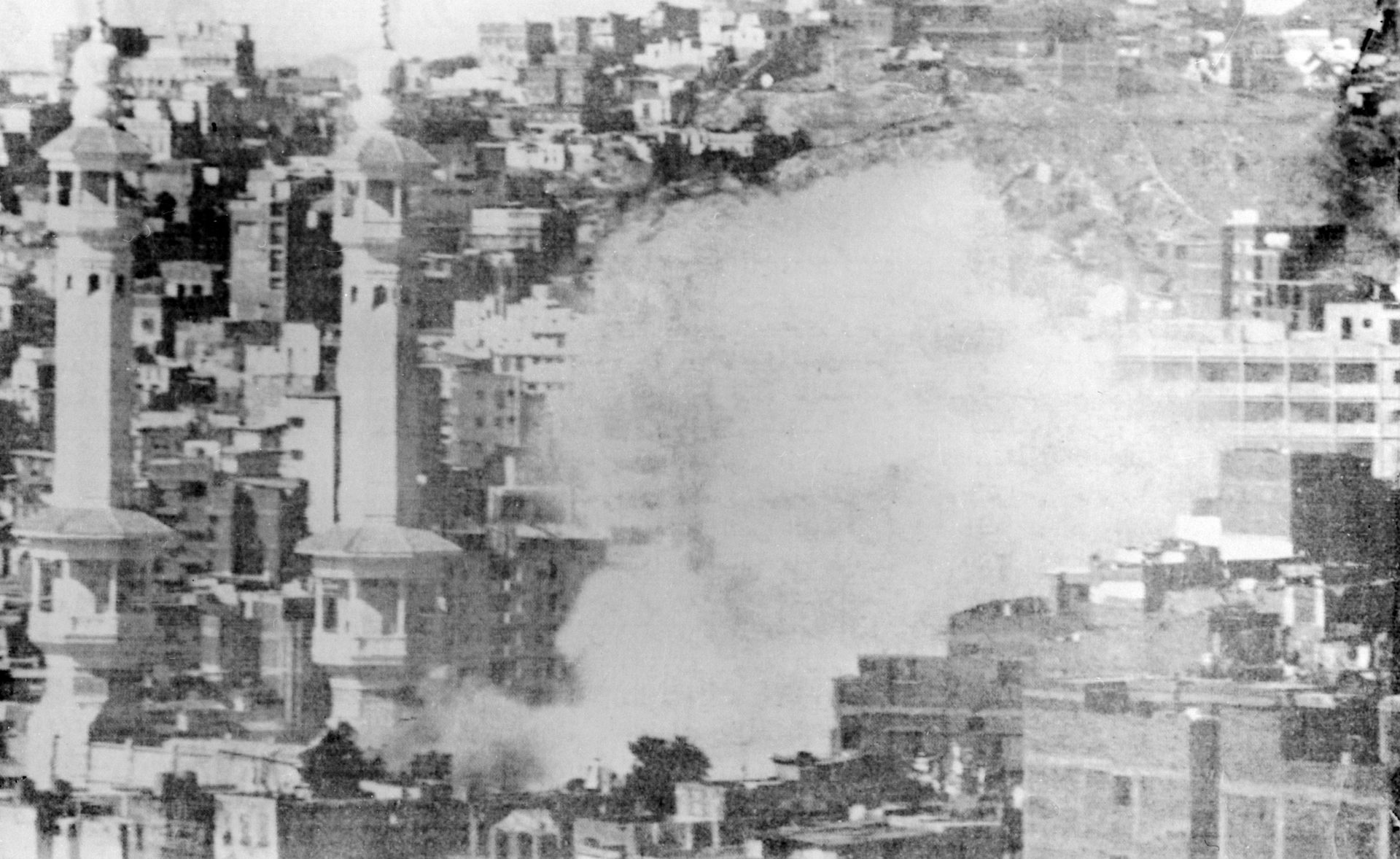
Gulf monarchies’ concern over both external security and internal stability was reinforced by the 1979 Grand Mosque seizure in Saudi Arabia, when Islamist militants seized Islam’s holiest site. The event, alongside Iran’s revolution, exposed the vulnerability of Gulf regimes to religiously driven upheaval.
La preocupación de las monarquías del Golfo tanto por la seguridad externa como por la estabilidad interna se vio reforzada por la toma de la Gran Mezquita en Arabia Saudita en 1979, cuando militantes islamistas tomaron el lugar más sagrado del Islam. Este evento, junto con la revolución iraní, expuso la vulnerabilidad de los regímenes del Golfo ante convulsiones impulsadas por motivos religiosos.
In response to this revolution ideology, Bahrain, Kuwait, Oman, Qatar, Saudi Arabia and the UAE established the GCC in 1981. Although officially framed as a platform for economic and political cooperation, the organization also reflected shared security concerns and Arab identity.
En respuesta a esta ideología revolucionaria, Baréin, Kuwait, Omán, Qatar, Arabia Saudita y los EAU establecieron el CCG en 1981. Aunque se enmarcó oficialmente como una plataforma para la cooperación económica y política, la organización también reflejó preocupaciones de seguridad compartidas e identidad árabe.
But unity had limits. Member states did not all view threats to their respective regimes in the same way.
Pero la unidad tenía límites. Los estados miembros no veían las amenazas a sus respectivos regímenes de la misma manera.
Saudi Arabia worried about U.S. pressure for reforms; Kuwait feared neighboring Iraq; Bahrain was concerned about Iran’s influence over its own Shiite population; and the UAE worried about both Iran and its own large foreign workforce. Meanwhile, Oman and Qatar followed a more independent or balanced approach.
Arabia Saudita estaba preocupada por la presión estadounidense para realizar reformas; Kuwait temía al vecino Irak; Baréin estaba preocupado por la influencia de Irán sobre su propia población chií; y los EAU estaban preocupados tanto por Irán como por su propia gran fuerza laboral extranjera. Mientras tanto, Omán y Qatar siguieron un enfoque más independiente o equilibrado.
These differences would shape the trajectory of the GCC, and Arab Gulf states’ relationship with Tehran.
Estas diferencias moldearían la trayectoria del CCG y la relación de los estados árabes del Golfo con Teherán.
The eight-year Iran–Iraq War, which began in 1980, brought to the fore fears of Iran’s influence across the region. While Oman declared neutrality, other GCC states supported Iraq by funneling billions of dollars to the regime of Saddam Hussein.
La Guerra Irán-Irak de ocho años, que comenzó en 1980, sacó a la luz los temores sobre la influencia de Irán en toda la región. Mientras Omán declaró la neutralidad, otros estados del CCG apoyaron a Irak canalizando miles de millones de dólares al régimen de Saddam Hussein.
This revealed an early pattern: Gulf states could coordinate politically, but avoided acting as a single strategic bloc. The GCC broadly favored Iraq as a counterweight to Iran, but there was no unified strategy or formal policy.
Esto reveló un patrón temprano: los estados del Golfo podían coordinarse políticamente, pero evitaban actuar como un único bloque estratégico. El CCG favoreció en general a Irak como contrapeso a Irán, pero no había una estrategia unificada ni una política formal.
Security dependence
Dependencia de seguridad
The Iraqi invasion of Kuwait in 1990 reshaped the region’s security structure again. In early 1991, the move prompted a U.S.-led coalition, including Saudi Arabia and other Gulf states, to expel Iraqi forces. Saudi Arabia’s role was especially significant: It not only hosted coalition forces but also actively participated militarily – marking one of the first major episodes in which a GCC state was directly involved in the defense of another member.
La invasión iraquí de Kuwait en 1990 remodeló la estructura de seguridad de la región una vez más. A principios de 1991, la acción llevó a una coalición liderada por EE. UU., que incluyó a Arabia Saudita y otros estados del Golfo, a expulsar a las fuerzas iraquíes. El papel de Arabia Saudita fue especialmente significativo: no solo albergó fuerzas de la coalición, sino que también participó militarmente de forma activa, marcando uno de los primeros grandes episodios en los que un estado del CCG estuvo directamente involucrado en la defensa de otro miembro.
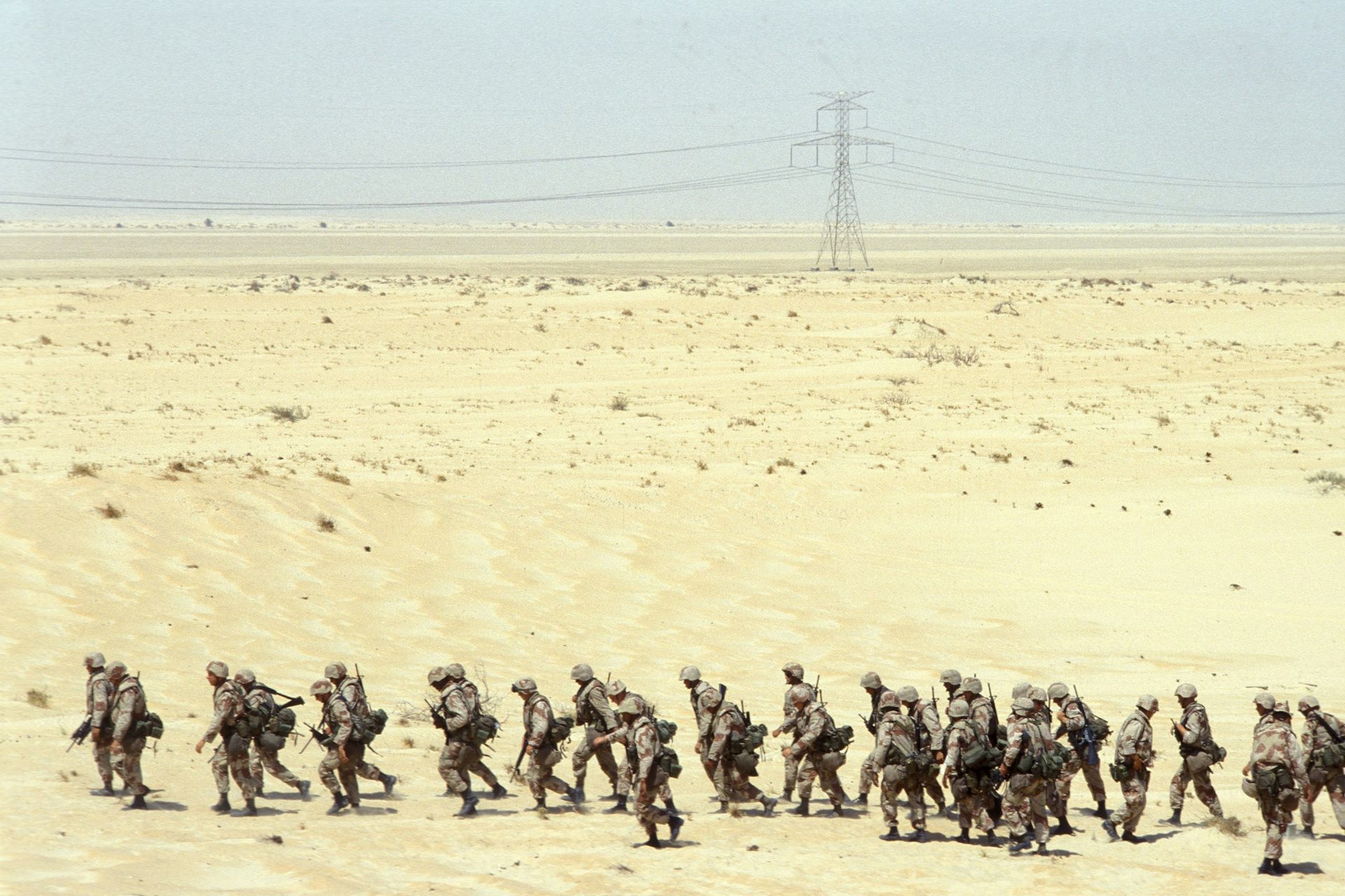
During – and especially after – the Gulf War, GCC states deepened their reliance on the United States, agreeing to host U.S. military bases and expanding long-term defense cooperation.
Durante, y especialmente después, de la Guerra del Golfo, los estados del CCG profundizaron su dependencia de Estados Unidos, acordando albergar bases militares estadounidenses y expandiendo la cooperación de defensa a largo plazo.
This external security umbrella provided a measure of stability, but it also introduced new differences. While Saudi Arabia, Kuwait, the UAE and Bahrain aligned more closely with Washington’s strategic framework, others – notably Oman and Qatar – maintained a more flexible approach. As a result, the appearance of unity coexisted with growing variation in national strategies.
Este paraguas de seguridad externo proporcionó una medida de estabilidad, pero también introdujo nuevas diferencias. Mientras que Arabia Saudita, Kuwait, los EAU y Bahrein se alinearon más estrechamente con el marco estratégico de Washington, otros —notablemente Omán y Qatar— mantuvieron un enfoque más flexible. Como resultado, la apariencia de unidad coexistió con una creciente variación en las estrategias nacionales.
This pattern has continued in recent years, significantly through diplomatic moves to normalize ties with Israel under the Abraham Accords. While the UAE and Bahrain moved quickly to formalize ties with Israel, others remained more cautious.
Este patrón ha continuado en los últimos años, significativamente a través de movimientos diplomáticos para normalizar los lazos con Israel bajo los Acuerdos de Abraham. Mientras que los EAU y Bahrein actuaron rápidamente para formalizar los lazos con Israel, otros se mantuvieron más cautelosos.
The effort to contain Iran
El esfuerzo por contener a Irán
When it comes to combating Iranian influence, GCC states have long played different roles.
Cuando se trata de combatir la influencia iraní, los estados del CCG han desempeñado durante mucho tiempo diferentes roles.
Oman has consistently acted as a mediator, maintaining open channels with Tehran and facilitating quiet diplomacy — including back-channel talks between Iran and Western states.
Omán ha actuado consistentemente como mediador, manteniendo canales abiertos con Teherán y facilitando una diplomacia discreta —incluidas conversaciones de canal secundario entre Irán y los estados occidentales.
Qatar also kept communication open, partly because of shared economic interests with Iran – particularly the management of the North Field/South Pars gas reserve.
Qatar también mantuvo la comunicación abierta, en parte debido a intereses económicos compartidos con Irán, particularmente la gestión de la reserva de gas North Field/South Pars.
Saudi Arabia and the UAE, by contrast, have generally taken a more cautious and at times confrontational stance toward Iran. Both view Iran as a regional competitor and a source of security concerns, particularly due to Tehran’s missile program and its support for ideologically opposed non-state actors.
Arabia Saudita y los EAU, por el contrario, han adoptado generalmente una postura más cautelosa y a veces confrontacional hacia Irán. Ambos ven a Irán como un competidor regional y una fuente de preocupación de seguridad, particularmente debido al programa de misiles de Teherán y su apoyo a actores no estatales ideológicamente opuestos.
This contrasting approach to Iran across the GCC allows different states to engage Tehran through multiple channels, but it also makes it harder to form a consistent, unified GCC strategy.
Este enfoque contrastante hacia Irán en todo el CCG permite a diferentes estados interactuar con Teherán a través de múltiples canales, pero también dificulta la formación de una estrategia CCG consistente y unificada.
A changing regional balance
Un equilibrio regional cambiante
The 2003 Iraq War marked a turning point in the GCC-Iran dynamic. The removal of Iraq as a regional counterweight allowed Iran to expand its influence.
La Guerra de Irak de 2003 marcó un punto de inflexión en la dinámica entre el CCG e Irán. La eliminación de Irak como contrapeso regional permitió a Irán expandir su influencia.
And this development sharpened divisions within the GCC.
Y este desarrollo agudizó las divisiones dentro del CCG.
Saudi Arabia and the UAE increasingly viewed Iran as a direct strategic threat requiring containment. Qatar and Oman, however, emphasized dialogue and mediation.
Arabia Saudita y los EAU vieron cada vez más a Irán como una amenaza estratégica directa que requería contención. Qatar y Omán, sin embargo, enfatizaron el diálogo y la mediación.
These differences became more visible during the Qatar diplomatic crisis of 2017. The dispute centered around Qatar’s support for Islamist political groups such as the Muslim Brotherhood, considered a terrorist organization by the UAE and Saudi Arabia.
Estas diferencias fueron más visibles durante la crisis diplomática de Qatar en 2017. La disputa se centró en el apoyo de Qatar a grupos políticos islamistas como la Hermandad Musulmana, considerada organización terrorista por los EAU y Arabia Saudita.
Saudi Arabia, the UAE and Bahrain severed diplomatic ties with Qatar and imposed a full air, land and sea blockade in June 2017. The three nations accused Qatar of supporting extremist groups and maintaining close ties with Iran. Isolated, Qatar relied on Iran for airspace, trade routes and supplies, strengthening the relationship between the countries. The blockade eventually ended in January 2021, when the parties signed a declaration restoring diplomatic and trade relations at a GCC summit in Saudi Arabia.
Arabia Saudita, los EAU y Bahrein cortaron las relaciones diplomáticas con Qatar e impusieron un bloqueo total aéreo, terrestre y marítimo en junio de 2017. Las tres naciones acusaron a Qatar de apoyar grupos extremistas y mantener estrechos lazos con Irán. Aislado, Qatar dependió de Irán para el espacio aéreo, las rutas comerciales y los suministros, fortaleciendo la relación entre los países. El bloqueo terminó finalmente en enero de 2021, cuando las partes firmaron una declaración que restableció las relaciones diplomáticas y comerciales en una cumbre del CCG en Arabia Saudita.
GCC under attack
El CCG bajo ataque
The series of events that began with the Oct. 7, 2023, attack by Iranian-backed Hamas in Israel shook up GCC relations with Tehran.
La serie de eventos que comenzó con el ataque del 7 de octubre de 2023 de Hamás, respaldado por Irán, en Israel, sacudió las relaciones del CCG con Teherán.
In June 2025, in response to the U.S.-Israeli attack on Iran, Tehran struck a U.S. base in Qatar – the first such attack on a GCC state by Tehran.
En junio de 2025, en respuesta al ataque estadounidense-israelí contra Irán, Teherán atacó una base de EE. UU. en Qatar, el primer ataque de este tipo contra un estado del CCG por parte de Teherán.
At an extraordinary meeting in Doha, Qatar’s capital, GCC members pledged full solidarity with Qatar and strongly condemned the Iranian attack.
En una reunión extraordinaria en Doha, la capital de Qatar, los miembros del CCG prometieron plena solidaridad con Qatar y condenaron enérgicamente el ataque iraní.
But it was not enough to prevent Iran from attacking all six GCC states in response to the ongoing conflict begun in February 2026 by U.S. and Israel.
Pero no fue suficiente para evitar que Irán atacara a los seis estados del CCG en respuesta al conflicto en curso iniciado por EE. UU. e Israel en febrero de 2026.
The subsequent closure of the Strait of Hormuz, affecting 20% of global oil supplies, has sparked what many see as the biggest crisis in the Gulf since the inception of the GCC.
El posterior cierre del Estrecho de Ormuz, que afecta al 20% del suministro mundial de petróleo, ha provocado lo que muchos consideran la mayor crisis en el Golfo desde la creación del CCG.
The GCC responded by emphasizing collective security and unity. But yet again, the public show of togetherness masks divergent views on how to respond. When the war ends, each state will likely return to its own strategic and foreign policy approach.
El CCG respondió enfatizando la seguridad colectiva y la unidad. Pero una vez más, la exhibición pública de unidad enmascara puntos de vista divergentes sobre cómo responder. Cuando la guerra termine, es probable que cada estado regrese a su propio enfoque estratégico y de política exterior.
Understanding the pattern
Entendiendo el patrón
Since 1979, Tehran’s actions in the Gulf region have exposed two parallel developments. On the surface, there are shared concerns among GCC members and public shows of unity. But underneath this facade of unity, each state has continued to develop its own national priorities and risk tolerance.
Desde 1979, las acciones de Teherán en la región del Golfo han expuesto dos desarrollos paralelos. En la superficie, existen preocupaciones compartidas entre los miembros del CCG y muestras públicas de unidad. Pero bajo esta fachada de unidad, cada estado ha continuado desarrollando sus propias prioridades nacionales y tolerancia al riesgo.
The combination of these two factors helps explain why the GCC often appears unified during crises, while remaining internally divided over how to respond to them.
La combinación de estos dos factores ayuda a explicar por qué el CCG a menudo parece unificado durante las crisis, mientras que permanece dividido internamente sobre cómo responder a ellas.
Rather than viewing the GCC as a fully cohesive bloc, it may be more accurate to see it as a framework where cooperation and disagreement coexist.
En lugar de ver al CCG como un bloque totalmente cohesivo, puede ser más preciso verlo como un marco donde coexisten la cooperación y el desacuerdo.
Firmesk Rahim does not work for, consult, own shares in or receive funding from any company or organization that would benefit from this article, and has disclosed no relevant affiliations beyond their academic appointment.
Firmesk Rahim no trabaja para, asesora, posee acciones ni recibe financiación de ninguna empresa u organización que se beneficiaría de este artículo, y no ha revelado ninguna afiliación relevante más allá de su nombramiento académico.
Read more
-
La extrema derecha está en auge en Francia, Alemania y partes de Europa. ¿Qué significará esto para Ucrania?
The far right is surging in France, Germany and parts of Europe. What will this mean for Ukraine?
-
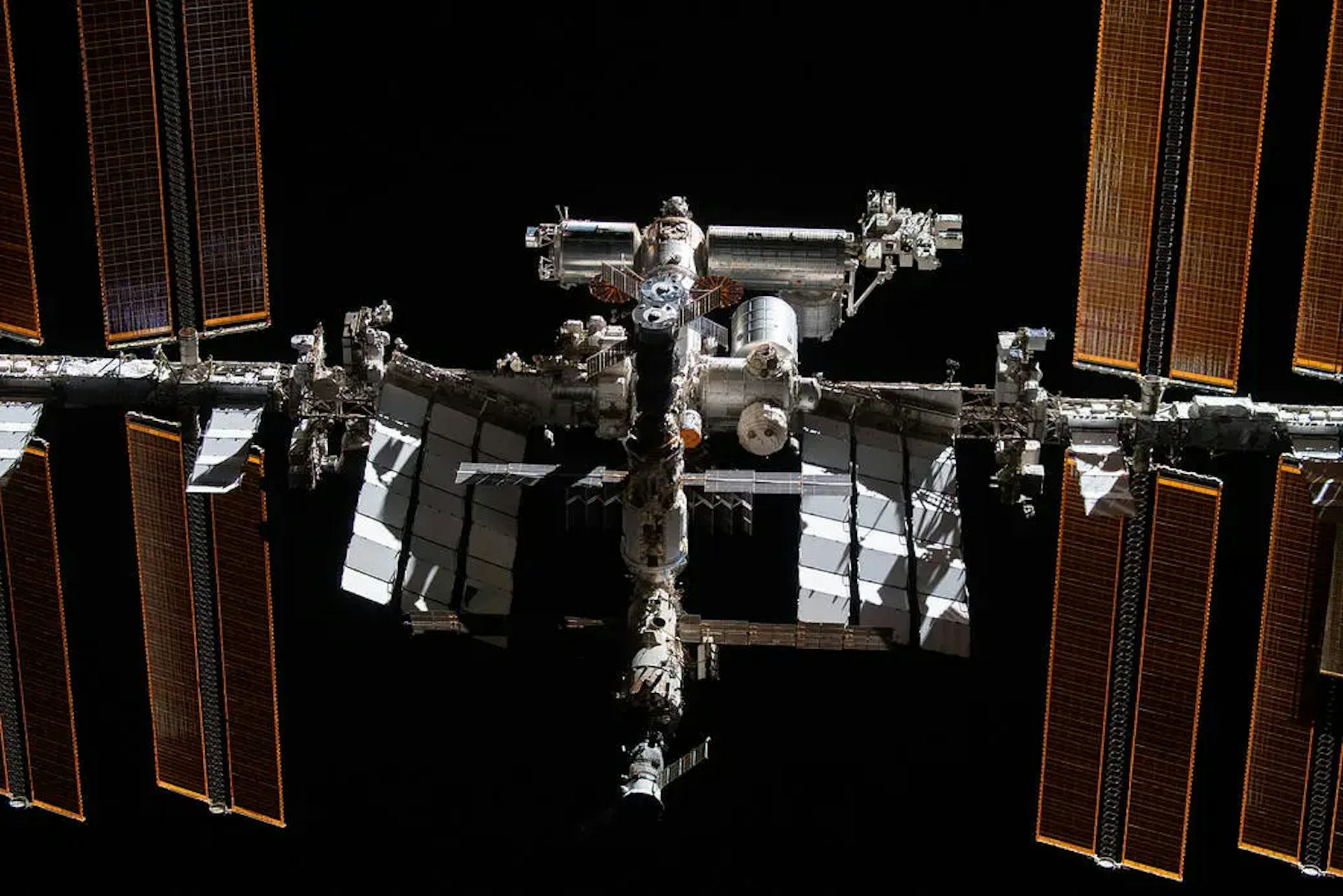
Grietas en la Estación Espacial Internacional están causando fugas de aire: ¿cuánto tiempo más puede permanecer habitable?
Cracks in the International Space Station are causing air leaks – how much longer can it remain habitable?