El acuerdo de alto el fuego con Irán confirma lo que llevamos diciendo por años: la fuerza militar no funciona.
Iran ceasefire deal confirms what we’ve been saying for years: military might doesn’t work
The deal between US and Iran is the sign of a fast-changing world order.
El acuerdo entre EE. UU. e Irán es la señal de un orden mundial en rápido cambio.
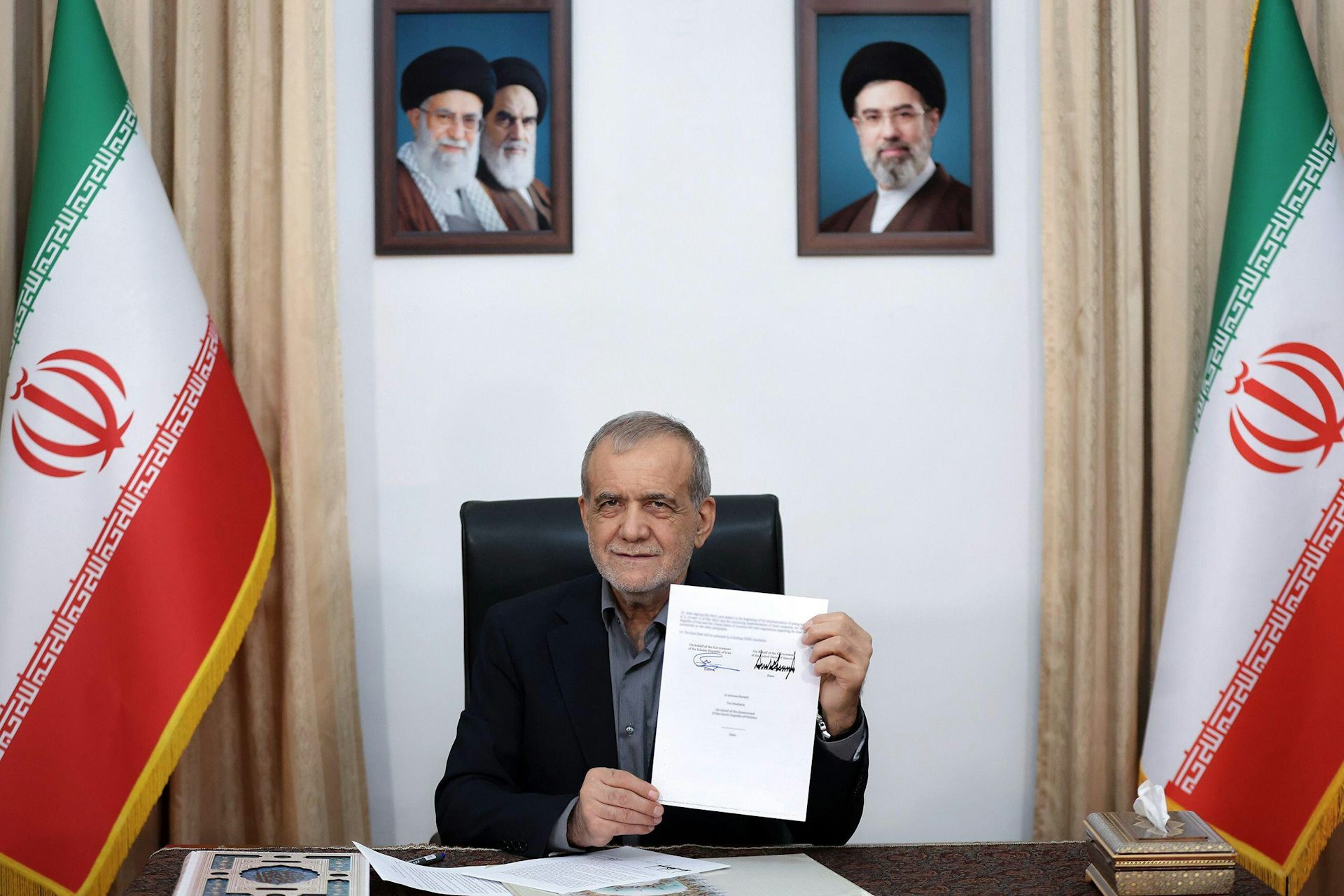
What a disaster the war against Iran has been for Donald Trump and Benjamin Netanyahu. The Memorandum of Understanding (MoU) between the United States and Iran signed on June 17 has formally brought a halt to the devastating war. Yet, as the ink dries on the 14-point preliminary framework, the reality of the document stands in stark contrast to the grandiose, megalomaniac rhetoric that defined the start of the conflict.
Qué desastre ha sido la guerra contra Irán para Donald Trump y Benjamin Netanyahu. El Memorando de Entendimiento (MoU) entre Estados Unidos e Irán, firmado el 17 de junio, ha detenido formalmente la devastadora guerra. Sin embargo, a medida que se seca la tinta del marco preliminar de 14 puntos, la realidad del documento contrasta marcadamente con la grandiosa y megalómana retórica que definió el inicio del conflicto.
Only a handful of analysts and scholars that I know of foresaw what is now unfolding, stressing the realities of Iran’s resilience in the face of international pressure for decades. I was one of them: back in 2012, I warned that there could be no military solution to curbing Iran’s nuclear programme and noted that the US not only knew this, but had warned Israel that this would be the case.
Solo un puñado de analistas y académicos que conozco predijeron lo que ahora está sucediendo, enfatizando las realidades de la resiliencia de Irán ante la presión internacional durante décadas. Yo fui uno de ellos: en 2012 advertí que no podría haber una solución militar para frenar el programa nuclear de Irán y señalé que EE. UU. no solo lo sabía, sino que también había advertido a Israel que este sería el caso.
When Trump and Netanyahu launched the initial military campaign on February 28, the objective was explicitly stated: the complete destruction of Iran’s nuclear and ballistic missile programme, an end to Tehran’s support for regional proxies such as Hezbollah, the Houthis and Hamas – and regime change. But the text of the MoU reveals a profound pivot from those aims, at least as far as the White House is concerned.
Cuando Trump y Netanyahu lanzaron la campaña militar inicial el 28 de febrero, el objetivo fue declarado explícitamente: la destrucción completa del programa nuclear y de misiles balísticos de Irán, el fin del apoyo de Teherán a proxies regionales como Hezbolá, los hutíes y Hamás, y el cambio de régimen. Pero el texto del MoU revela un profundo giro respecto a esos objetivos, al menos en lo que respecta a la Casa Blanca.
Ultimately, the agreement marks the final collapse of Pax Americana in the Persian Gulf region and highlights the resilience of Iranian state sovereignty against external pressure. At the onset of the war, both Washington and Tel Aviv projected absolute confidence in their military capabilities.
En última instancia, el acuerdo marca el colapso final de la Pax Americana en la región del Golfo Pérsico y resalta la resiliencia de la soberanía estatal iraní frente a la presión externa. Al comienzo de la guerra, tanto Washington como Tel Aviv proyectaron una confianza absoluta en sus capacidades militares.
Following initial waves of brutal strikes and a campaign involving more than 900 targets, both leaders repeatedly asserted that the Islamic Republic’s military capabilities were fundamentally broken.
Tras las oleadas iniciales de brutales ataques y una campaña que involucró más de 900 objetivos, ambos líderes afirmaron repetidamente que las capacidades militares de la República Islámica estaban fundamentalmente rotas.
Trump regularly claimed that victory was just around the corner, maintaining – erroneously – that Iran had “nothing left in a military sense”. Weeks into the campaign, he declared that the US military would “destroy their missiles and raze their missile industry to the ground” until it was “totally”, again, obliterated.
Trump afirmó regularmente que la victoria estaba a la vuelta de la esquina, manteniendo —erróneamente— que Irán no tenía «nada en un sentido militar.» Semanas después de la campaña, declaró que el ejército estadounidense «destruiría sus misiles y arrasaría su industria de misiles hasta los cimientos» hasta quedar «totalmente», de nuevo, obliterada.
Promising the Iranian public that their rulers would soon be gone, Trump insisted he was successfully steering the country toward “regime change”. As the first strikes landed on Iran, he called on the people to rise up and seize control of institutions. Netanyahu echoed these exact sentiments, framing the conflict as a definitive campaign to forcibly reshape the geopolitical architecture of the region.
Prometiendo al público iraní que sus gobernantes pronto desaparecerían, Trump insistió en que estaba guiando exitosamente al país hacia el «cambio de régimen.» Cuando los primeros ataques llegaron a Irán, hizo un llamado al pueblo para que se levantara y tomara el control de las instituciones. Netanyahu hizo eco de estos mismos sentimientos, enmarcando el conflicto como una campaña definitiva para remodelar forzosamente la arquitectura geopolítica de la región.
But intelligence assessments and events on the ground quickly exposed these claims as foolish. Despite severe structural damage, Iran retained its strategic depth, adapting by moving equipment and launching retaliatory drone and missile strikes across the region.
Pero las evaluaciones de inteligencia y los eventos sobre el terreno expusieron rápidamente estas afirmaciones como necias. A pesar del grave daño estructural, Irán mantuvo su profundidad estratégica, adaptándose al mover equipos y lanzar ataques represivos con drones y misiles en toda la región.
Rather than causing the regime to collapse, the external aggression resulted in a hardening of the state structure.
En lugar de provocar el colapso del régimen, la agresión externa resultó en un endurecimiento de la estructura estatal.
What’s in the deal
¿Qué hay en el trato?
The terms of the MoU demonstrate that Washington was ultimately forced to negotiate with Tehran as an equal sovereign power, rather than a defeated adversary accepting terms of capitulation.
Los términos del MoU demuestran que Washington se vio finalmente obligado a negociar con Teherán como una potencia soberana en pie de igualdad, y no como un adversario derrotado aceptando términos de capitulación.
The agreement directly contradicts the initial war aims of the US-Israeli coalition across three major pillars. First, the framework explicitly binds the US to respect Iran’s territorial integrity and abstain from internal interference.
El acuerdo contradice directamente los objetivos iniciales de la coalición estadounidense-israelí en tres pilares principales. Primero, el marco obliga explícitamente a EE. UU. a respetar la integridad territorial de Irán y abstenerse de interferencia interna.
For an administration that spent months demanding regime change, this clause serves as a legal acknowledgment of the Islamic Republic’s permanence. It calls to mind the Algiers accords of 1981, when the US agreed to the unfreezing of Iranian assets and non-intervention in Iran’s affairs in return for 52 American hostages held since the revolution in 1979.
Para una administración que pasó meses exigiendo un cambio de régimen, esta cláusula sirve como un reconocimiento legal de la permanencia de la República Islámica. Evoca los acuerdos de Argel de 1981, cuando EE. UU. acordó el descongelamiento de activos iraníes y la no intervención en los asuntos de Irán a cambio de 52 rehenes estadounidenses retenidos desde la revolución de 1979.
Faced with the reality of an intact Iranian government, Trump reversed his rhetoric at the G7 summit. Claiming that “I never cared about regime change”, the US president pivoted to describing the new Iranian negotiators as “rational, strong, and smart”.
Ante la realidad de un gobierno iraní intacto, Trump revirtió su retórica en la cumbre del G7. Afirmando que «nunca me preocupó el cambio de régimen», el presidente estadounidense cambió su enfoque para describir a los nuevos negociadores iraníes como «racionales, fuertes e inteligentes.»
The MoU also mandates the immediate lifting of the US naval blockade and the implementation of emergency Treasury Department waivers to allow the resumption of Iranian crude oil exports. It also signals the unfreezing of up to US$100 billion (£75 billion) in restricted Iranian assets and the creation of a $300 billion international reconstruction fund for economic development.
El MoU también exige el levantamiento inmediato del bloqueo naval estadounidense y la implementación de exenciones de emergencia del Departamento del Tesoro para permitir la reanudación de las exportaciones iraníes de petróleo crudo. También señala el descongelamiento de hasta 100 mil millones de dólares estadounidenses (75 mil millones de libras esterlinas) en activos iraníes restringidos y la creación de un fondo internacional de reconstrucción de 300 mil millones de dólares para el desarrollo económico.
From a critical perspective, this demonstrates that economic blockades are ultimately unsustainable when met with asymmetrical regional deterrence. Again, this should not have been new to the US government – it’s something that we have researched and written about for years.
Desde una perspectiva crítica, esto demuestra que los bloqueos económicos son en última instancia insostenibles cuando se enfrentan a la disuasión regional asimétrica. De nuevo, esto no debería ser algo nuevo para el gobierno de EE. UU.; es algo que hemos investigado y sobre lo que hemos escrito durante años.
As I argued as early as in 2011 on a flagship show on Al Jazeera, sanctions, gunboat diplomacy and even war don’t work. Iranian society is too connected and the economy and the state too agile. And, as we now know, Tehran’s threat to close down the vital Strait of Hormuz waterway, should have been seen by Iran’s adversaries as a potent deterrent. Hopefully, decision-makers will learn their lessons from this ill-fated war.
Como argumenté tan pronto como en 2011 en un programa estrella de Al Jazeera, las sanciones, la diplomacia con fuerza naval e incluso la guerra no funcionan. La sociedad iraní está demasiado conectada y la economía y el estado son demasiado ágiles. Y, como ahora sabemos, la amenaza de Teherán de cerrar el vital estrecho de Ormuz debería haber sido vista por los adversarios de Irán como un potente disuasivo. Esperemos que los responsables de la toma de decisiones aprendan sus lecciones de esta guerra desafortunada.
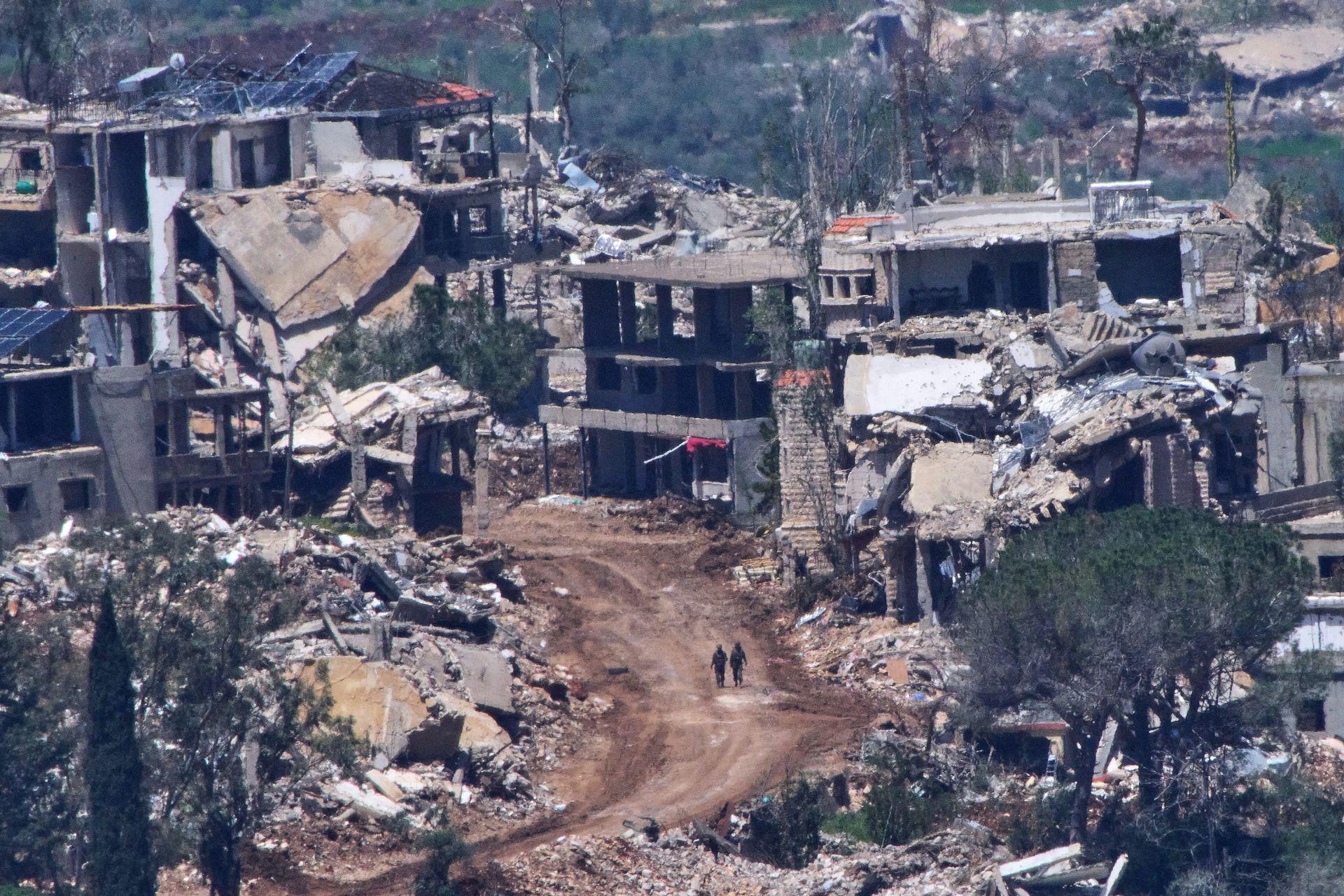
Indeed, perhaps the most notable aspect of the MoU is what it leaves out. There is no mention of Iran dismantling its ballistic missile programme. Nor is there a requirement for Iran to sever ties with its regional proxies. Additionally, the ceasefire explicitly covers “all fronts,” effectively mandating a halt to hostilities in Lebanon – a point of major friction for the Israeli prime minister, Benjamin Netanyahu, who has vowed to maintain an Israeli security zone in the south.
De hecho, quizás el aspecto más notable del Memorando de Entendimiento es lo que omite. No hay mención de que Irán desmantele su programa de misiles balísticos. Tampoco existe un requisito para que Irán corte lazos con sus aliados regionales. Además, el alto el fuego cubre explícitamente «todos los frentes», lo que efectivamente exige una paralización de las hostilidades en Líbano; un punto de gran fricción para el primer ministro israelí, Benjamin Netanyahu, quien ha prometido mantener una zona de seguridad israelí en el sur.
Geopolitical shift
Cambio geopolítico
So this deal indicates a structural shift in regional politics. By launching a high-intensity campaign and failing to achieve either the destruction of Iran’s military capabilities or the toppling of its government, the US and Israel have inadvertently demonstrated the limits of their military power. No propaganda by lobbyists and diasporic pro-war monarchists can change the hard truths of scientific inquiry.
Este acuerdo indica un cambio estructural en la política regional. Al lanzar una campaña de alta intensidad y no lograr ni la destrucción de las capacidades militares de Irán ni el derrocamiento de su gobierno, EE. UU. e Israel han demostrado inadvertidamente los límites de su poder militar. Ninguna propaganda de cabilderos o monarquistas pro-guerra de la diáspora puede cambiar las verdades duras de la investigación científica.
The world is transitioning rapidly into an increasingly non-polar, certainly post-western order. The MoU will stand as a historical marker where the rhetoric of superpower might surrendered to the practical necessity of diplomatic accommodation.
El mundo está haciendo una transición rápida hacia un orden cada vez menos polarizado, ciertamente posoccidental. El MoU servirá como un marcador histórico donde la retórica de superpotencia podría ceder ante la necesidad práctica del acomodo diplomático.
And yes: we’ve been predicting this for a long time, too.
Y sí: nosotros también lo hemos estado prediciendo desde hace mucho tiempo.
Arshin Adib-Moghaddam does not work for, consult, own shares in or receive funding from any company or organisation that would benefit from this article, and has disclosed no relevant affiliations beyond their academic appointment.
Arshin Adib-Moghaddam no trabaja para, asesora, posee acciones en o recibe financiación de ninguna empresa u organización que se beneficie de este artículo, y no ha revelado afiliaciones relevantes más allá de su cargo académico.
Read more
-
Netanyahu se ha comprometido a ‘terminar el trabajo’ contra Hezbolá. Es una promesa que no puede cumplir.
Netanyahu has pledged to ‘finish the job’ against Hezbollah. It’s a promise he can’t deliver on
-
3 razones por las que la guerra entre EE. UU., Israel e Irán se dirige a un conflicto congelado
3 reasons the war between the US, Israel and Iran is headed for a frozen conflict