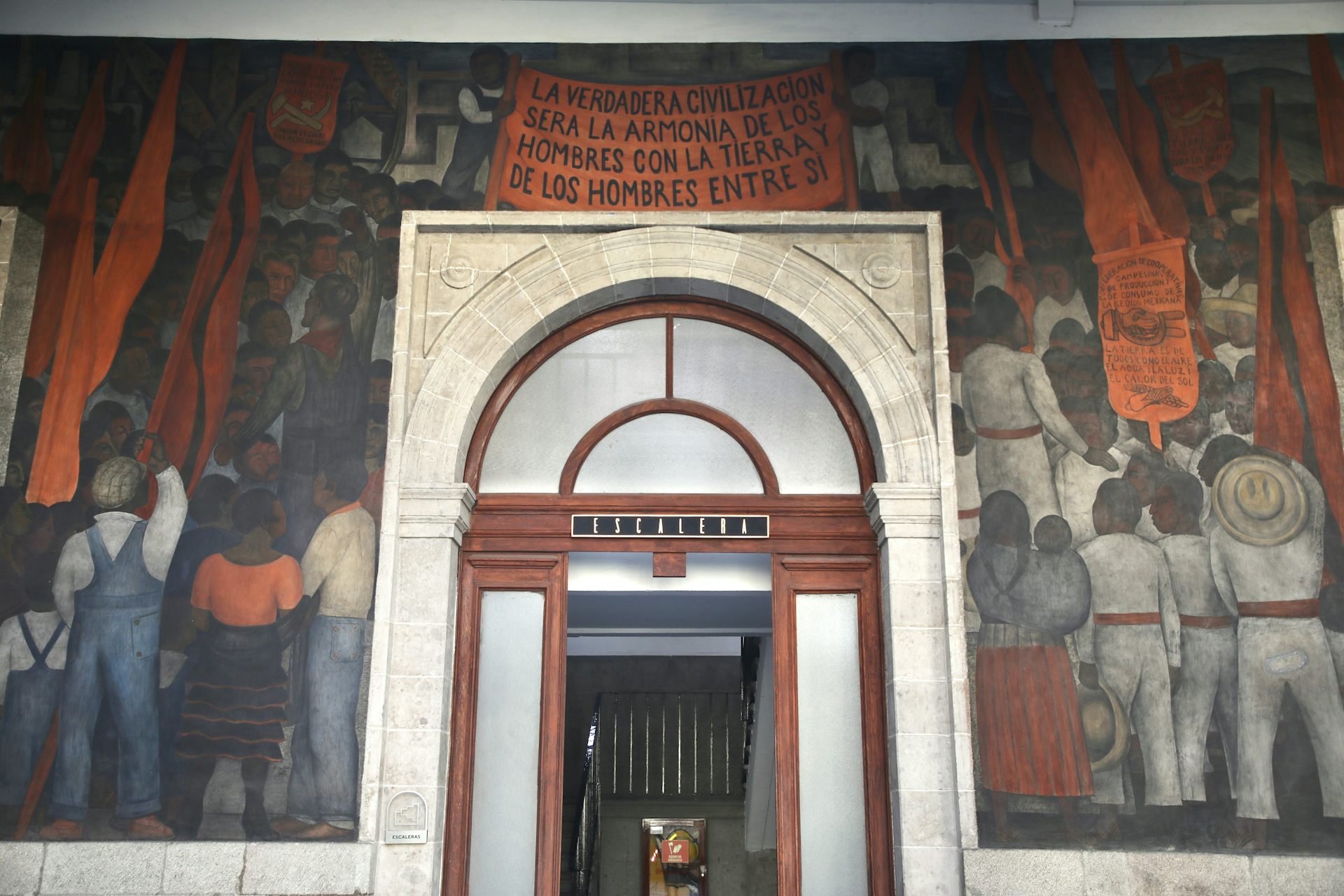
تستحضر التكتيكات القسرية لترامب في أمريكا اللاتينية عصر الدبلوماسية بالسفن الحربية – وصعود مكافحة الإمبريالية الذي ساعد في تحفيزه.
Trump’s coercive tactics in Latin America evoke era of gunboat diplomacy – and the rise of anti-imperialism it helped spur
The interwar years in Latin America saw a remarkable flourishing of left-wing political thought aiming to challenge US dominance. That could offer lessons for today.
شهدت سنوات ما بين الحربين في أمريكا اللاتينية ازدهاراً ملحوظاً للفكر السياسي اليساري يهدف إلى تحدي الهيمنة الأمريكية. وقد يقدم ذلك دروساً لليوم.
In Latin America, as in other parts of the world, the second Trump administration has adopted an increasingly aggressive policy.
في أمريكا اللاتينية، كما في أجزاء أخرى من العالم، اعتمدت الإدارة الثانية لترامب سياسة متزايدة العدوانية.
From drone strikes on purported drug traffickers to increased tariffs on imports, and from the blockade on fuel shipments and threats of invasion in Cuba to the Jan. 3 military incursion into Venezuela, the U.S.’s more coercive approach to its hemispheric neighbors evokes an earlier period of U.S. foreign policy.
بدءاً من ضربات الطائرات المسيرة على المزعومين مهربي المخدرات وصولاً إلى التعريفات الجمركية المتزايدة على الواردات، ومن الحصار المفروض على شحنات الوقود وتهديدات الغزو في كوبا وصولاً إلى التوغل العسكري في فنزويلا في 3 يناير، فإن النهج الأكثر إكراهاً للولايات المتحدة تجاه جيرانها في نصف الكرة الغربي يثير حقبة سابقة من السياسة الخارجية الأمريكية.
Many commentators have found echoes of the 1989 capture of Panamanian leader Manuel Noriega in the kidnapping of Venezuelan president Nicolás Maduro. Others highlighted the longer history of U.S. interventions in Latin America stretching back through the Cold War. That includes the Nixon administration’s support for the 1973 coup against Salvador Allende in Chile or the CIA-sponsored removal of Guatemala’s elected president, Jacobo Arbenz, in 1954.
وجد العديد من المعلقين أصداء لاعتقال الزعيم البنمي مانويل نورييغا عام 1989 في اختطاف الرئيس الفنزويلي نيكولاس مادورو. وسلط آخرون الضوء على التاريخ الأطول للتدخلات الأمريكية في أمريكا اللاتينية التي تمتد عبر الحرب الباردة. ويشمل ذلك دعم إدارة نيكسون لـ “الانقلاب” عام 1973 ضد سلفادور أليندي في تشيلي، أو إزاحة وكالة المخابرات المركزية للرئيس المنتخب غواتيمالا، جاكوبو أربنز، عام 1954.
Yet as a historian of early 20th-century Latin America, I believe the Trump administration’s approach to Latin America more closely resembles an older pattern of U.S. policy. Between 1900 and the mid-1930s, U.S. forces intervened in one Latin American country after another. This practice was often justified by the Roosevelt Corollary, President Theodore Roosevelt’s addition to the Monroe Doctrine. In cases of “chronic wrongdoing,” Roosevelt said in 1904, the U.S would find itself compelled to exercise an “international police power” in defense of U.S. interests.
ومع ذلك، وبصفتي مؤرخاً لأمريكا اللاتينية في أوائل القرن العشرين، أعتقد أن نهج إدارة ترامب تجاه أمريكا اللاتينية يشبه بشكل أوثق نمطاً أقدم من السياسة الأمريكية. فبين عامي 1900 ومنتصف الثلاثينيات، تدخلت القوات الأمريكية في بلد لاتيني أمريكي بعد آخر. وغالباً ما بررت هذه الممارسة بـ “تذييل روزفلت”، وهو إضافة الرئيس ثيودور روزفلت إلى مبدأ مونرو. وفي حالات “سوء السلوك المزمن”، قال روزفلت عام 1904، ستجد الولايات المتحدة نفسها مضطرة لممارسة “سلطة شرطة دولية” دفاعاً عن المصالح الأمريكية.
But crucially, how Latin Americans responded to the U.S. exerting its dominance in the early 20th century may hold some lessons for the present day. One of the major side effects of the U.S.’s so-called gunboat diplomacy was an upsurge of resistance and anti-imperialist thinking in the region’s political life.
ولكن الأهم من ذلك، أن الطريقة التي استجاب بها أمريكا اللاتينية لهيمنة الولايات المتحدة في أوائل القرن العشرين قد تحمل بعض الدروس ليومنا هذا. وكان أحد الآثار الجانبية الرئيسية لما يسمى بـ “دبلوماسية الباخرة الحربية” الأمريكية هو تصاعد المقاومة والفكر المناهض للإمبريالية في الحياة السياسية بالمنطقة.
The roots of anti-imperialism
جذور مناهضة الإمبريالية
In the 30 years after Roosevelt asserted the U.S.’s right to intervene across the hemisphere, U.S. forces occupied Cuba three times – in 1906-09, 1912 and 1917-21. They also occupied Haiti from 1915 to 1934 and the Dominican Republic from 1916 to 1924. In Nicaragua, the U.S. deployed the Marines from 1912 to 1925 and then again from 1926 to 1933, waging a counterinsurgency in which it used aerial bombardment for the first time.
في الثلاثين عاماً التي تلت تأكيد روزفلت حق الولايات المتحدة في التدخل في جميع أنحاء نصف الكرة الغربي، احتلت قوات الولايات المتحدة كوبا ثلاث مرات – في 1906-1909، و1912، و1917-1921. كما احتلت هايتي من عام 1915 إلى عام 1934، وجمهورية الدومينيكان من عام 1916 إلى عام 1924. وفي نيكاراغوا، نشرت الولايات المتحدة مشاة البحرية من عام 1912 إلى عام 1925، ثم مرة أخرى من عام 1926 إلى عام 1933، وشنّت حرباً لمكافحة التمرد استخدمت فيها القصف الجوي لأول مرة.
Across much of the region, then, this was a time when the U.S. was quick to resort to force, unburdened by any concerns for Latin American countries’ sovereignty.
على مدى معظم المنطقة، كان هذا وقتاً كانت فيه الولايات المتحدة سريعة اللجوء إلى القوة، غير مثقلة بأي اهتمام بسيادة دول أمريكا اللاتينية.
Yet this era of external intervention also coincided with a period of remarkable political ferment, which I describe in my recently published book, “Radical Sovereignty.”
ومع ذلك، تزامن عصر التدخل الخارجي هذا أيضاً مع فترة من الحراك السياسي الملحوظ، والذي أصفه في كتابي المنشور مؤخراً، “السيادة الراديكالية.”
In one place after another, from Buenos Aires to Mexico City and from Havana to Lima, movements sprang up that put forward sharp critiques of U.S power. Many of them grew out of student organizations in the late 1910s, while others drew on the rising strength of labor unions and newly formed leftist political parties.
في مكان تلو الآخر، من بوينس آيرس إلى مكسيك سيتي ومن هافانا إلى ليما، نشأت حركات قدمت انتقادات حادة لقوة الولايات المتحدة. نشأت العديد منها من تنظيمات طلابية في أواخر العشرينيات، بينما استمد البعض الآخر من القوة المتصاعدة للنقابات العمالية والأحزاب السياسية اليسارية حديثة التكوين.
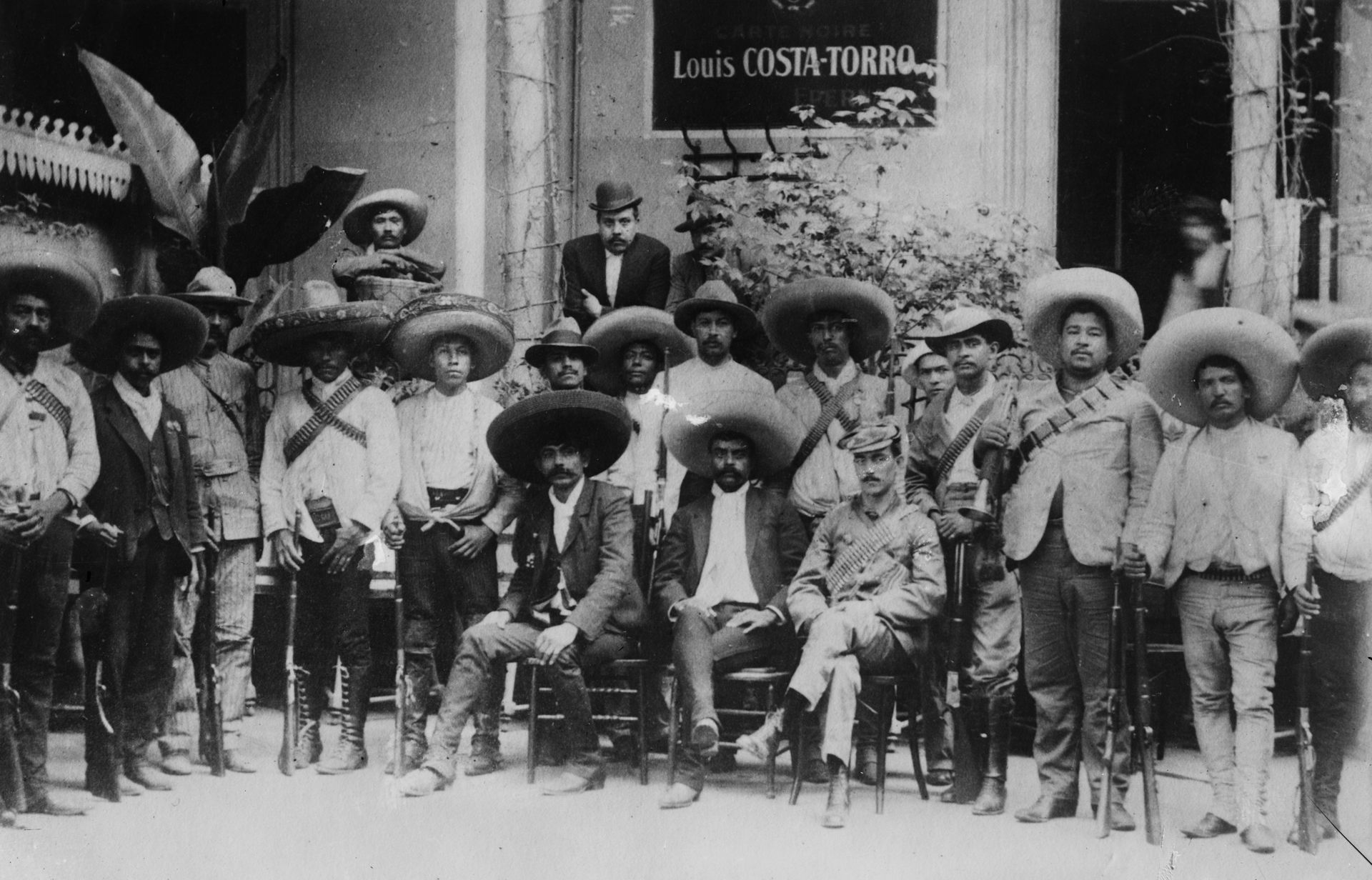
In 1923, rural workers in the Mexican state of Veracruz formed a Peasant League. From the outset, they saw local issues as closely interwoven with international ones, and they argued that there was a compelling reason for this. As the league put it, “Our internationalism is not the child of a crazed enthusiasm for empty phrases … but of the need to take preventive measures, to bolster ourselves against the enemy,” which they identified as “the imperialism of North America.”
في عام 1923، شكّل عمال ريفيون في ولاية فيراكروز المكسيكية “رابطة الفلاحين”. منذ البداية، رأوا أن القضايا المحلية متشابكة ارتباطاً وثيقاً بالقضايا الدولية، وجادلوا بأن هناك سبباً مقنعاً لذلك. وكما ذكرت الرابطة: “إن دولتنا القومية ليست نتاج حماس جنوني للعبارات الفارغة… بل هي ضرورة لاتخاذ تدابير وقائية، ولتعزيز أنفسنا ضد العدو”، الذي حددوه بأنه “إمبريالية أمريكا الشمالية”.
Many of Latin America’s radical movements at this time were inspired by the recent example of the Mexican Revolution. The new Mexican Constitution of 1917 had nationalized the country’s land and natural resources, putting it on a collision course with U.S. companies and landowners.
استُلهمت العديد من الحركات الراديكالية في أمريكا اللاتينية في ذلك الوقت من المثال الأخير للثورة المكسيكية. كانت الدستور المكسيكي الجديد لعام 1917 قد أمنّت الأراضي والموارد الطبيعية للبلاد، مما وضعها في مسار تصادم مع شركات وأصحاب الأراضي الأمريكية.
Others still were energized by the global repercussions of the Russian Revolution. This, of course, included several brand-new communist parties across the region. But at the time, many others in Latin America saw the Bolsheviks as part of a global anti-colonial wave.
وكان آخرون لا يزالون متحمسين بالتداعيات العالمية للثورة الروسية. وشمل هذا، بالطبع، العديد من الأحزاب الشيوعية الجديدة كلياً في جميع أنحاء المنطقة. ولكن في ذلك الوقت، رأى الكثيرون في أمريكا اللاتينية الشيوعيين كجزء من موجة عالمية مناهضة للاستعمار.
Mexico City as activist hub
مكسيكو سيتي كمركز للنشاط السياسي
My book explores the key role Mexico City played as a gathering point for these different political tendencies.
يستكشف كتابي الدور الرئيسي الذي لعبته مكسيكو سيتي كنقطة تجمع لهذه التيارات السياسية المختلفة.
They included groups ranging from Mexican peasant leagues to the American Popular Revolutionary Alliance, an anti-imperialist movement formed by Peruvian exiles. Many of these organizations converged under the umbrella of the Anti-Imperialist League of the Americas. Founded in Mexico City in 1925, it soon had chapters in a dozen more countries across the region.
شملت هذه المجموعات نطاقاً واسعاً من الروابط الفلاحية المكسيكية إلى التحالف الأمريكي الثوري الشعبي، وهي حركة مناهضة للإمبريالية شكلها منفون بيروفيون. وتوحدت العديد من هذه المنظمات تحت مظلة الرابطة المناهضة للإمبريالية في الأمريكتين. تأسست الرابطة في مكسيكو سيتي عام 1925، وسرعان ما كان لها فروع في عشرات البلدان الأخرى في جميع أنحاء المنطقة.
Between them, these movements brought into focus the novel features of U.S. power. As the Cuban student leader and communist Julio Antonio Mella saw it in 1925 – at a time when his native country was highly dependent on the U.S. but formally sovereign – the U.S. was distinct. Unlike European empires, it largely refrained from direct control of territories, though it had pressed the Cubans to include in their 1901 constitution a provision allowing it to intervene in the island at will.
بين هذه الحركات، سلطت الضوء على السمات الجديدة للقوة الأمريكية. فجوليو أنطونيو ميلاس، الزعيم الطلابي والشيوعي الكوبي، أشار إلى أن الولايات المتحدة كانت متميزة في عام 1925 – في وقت كانت فيه بلاده الأصلية تعتمد بشكل كبير على الولايات المتحدة ولكنها كانت ذات سيادة رسمية – على عكس الإمبراطوريات الأوروبية، فقد امتنعت إلى حد كبير عن السيطرة المباشرة على الأقاليم، على الرغم من أنها ضغطت على الكوبيين لتضمين بند في دستورهم لعام 1901 يسمح لها بالتدخل في الجزيرة متى شاءت.
In Mella’s view, the U.S. was clearly an empire, one that mainly exercised its dominance through commercial or financial pressures. For him, the dollar and Wall Street were as central to U.S. power as the halls of government in Washington, D.C.
في نظر ميلاس، كانت الولايات المتحدة إمبراطورية بوضوح، وهي إمبراطورية مارست هيمنتها بشكل أساسي من خلال الضغوط التجارية أو المالية. بالنسبة له، كان الدولار و وول ستريت بنفس أهمية قاعات الحكومة في واشنطن العاصمة بالنسبة للقوة الأمريكية.
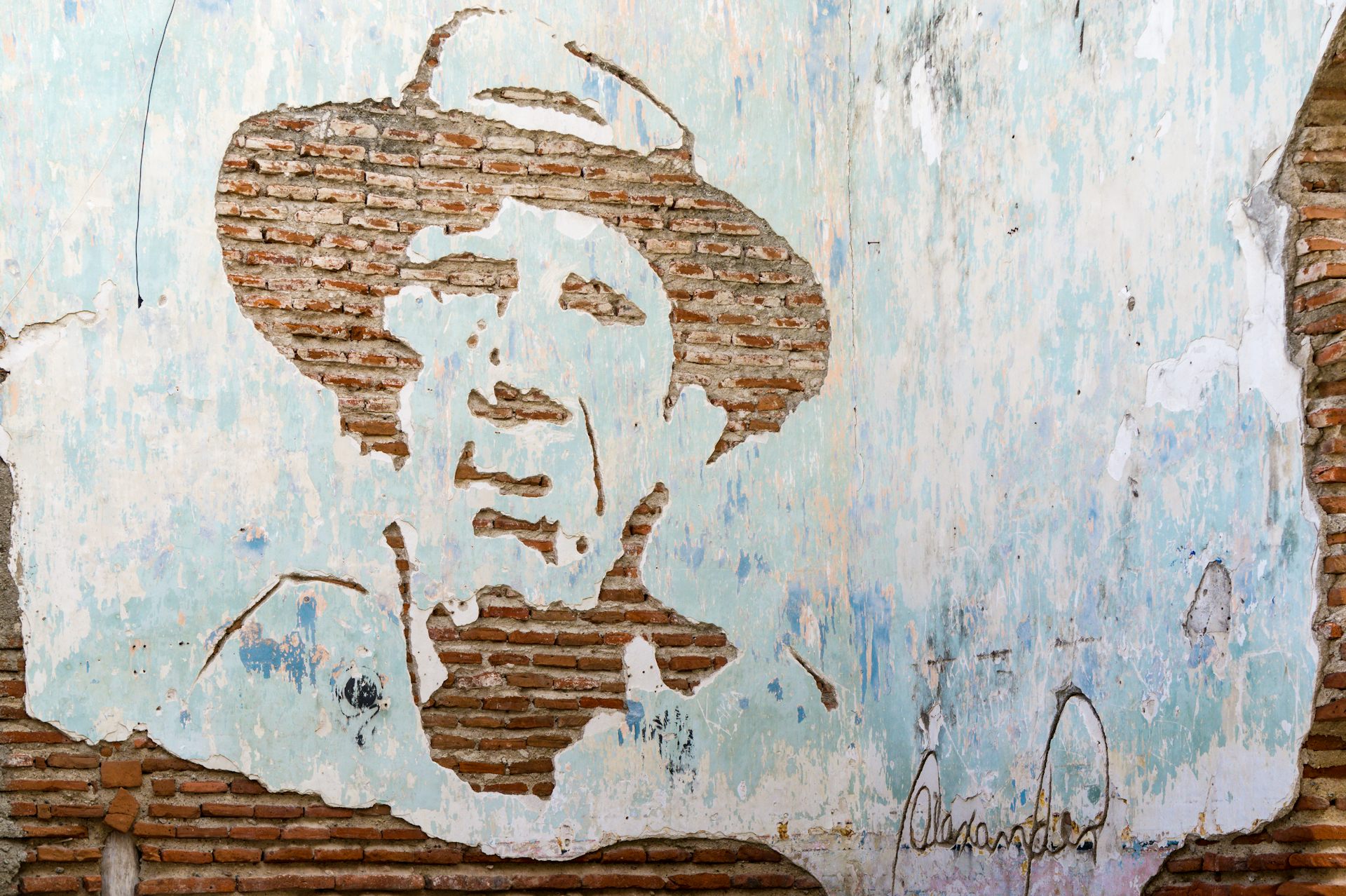
For Ricardo Paredes, an Ecuadorean doctor who founded the country’s Socialist Party in 1926, a new term was required to capture Latin American countries’ contradictory position. Formally sovereign, they were not colonies as such. Yet they were economically and politically subordinated to Washington and Wall Street – “dependent countries,” as he phrased it in 1928.
بالنسبة لريكاردو باريديس، الطبيب الإكوادوري الذي أسس الحزب الاشتراكي في البلاد عام 1926، كان من الضروري استخدام مصطلح جديد لتغطية الموقف المتناقض للبلدان الأمريكية اللاتينية. فمن الناحية الرسمية، لم تكن مستعمرات بحد ذاتها. ومع ذلك، كانت خاضعة اقتصادياً وسياسياً لواشنطن وول ستريت – “دول تابعة”، كما صاغها في عام 1928.
For the Peruvian poet Magda Portal, a leading member of the anti-imperialist American Popular Revolutionary Alliance, U.S. dominance played out differently in different parts of Latin America.
بالنسبة للشاعر البيروفي ماغدا بورتال، العضو البارز في التحالف الأمريكي الثوري الشعبي المناهض للإمبريالية، ظهرت الهيمنة الأمريكية بشكل مختلف في أجزاء مختلفة من أمريكا اللاتينية.
In a series of lectures she gave in Puerto Rico and the Dominican Republic in 1929, Portal divided the region into zones. While countries such as Argentina or Brazil were mainly sites for U.S. investment, Mexico and the Caribbean were regularly subjected to U.S. military force. Or, as Portal put it, “Here imperialism wears no disguise.”
في سلسلة من المحاضرات التي قدمتها في بورتوريكو وجمهورية الدومينيكان عام 1929، قسمت بورتال المنطقة إلى مناطق. فبينما كانت دول مثل الأرجنتين أو البرازيل مواقع رئيسية للاستثمار الأمريكي، كانت المكسيك ومنطقة الكاريبي تتعرضان بانتظام للقوة العسكرية الأمريكية. أو، كما ذكرت بورتال، “هنا لا يرتدي الإمبريالية أي تنكر.”
Portal concluded her lectures with a phrase that combined her analysis of U.S. dominance with a resonant appeal for unity: “We have a single and great enemy; let us form a single and great union.”
اختتمت بورتال محاضراتها بعبارة جمعت بين تحليلها للهيمنة الأمريكية ونداء مؤثر للوحدة: “لدينا عدو واحد وعظيم؛ فلنشكّل اتحاداً واحداً وعظيماً.”
United states of resistance?
دول مقاومة؟
Yet while there was much Latin American anti-imperialist thinkers could agree on, there were also profound divergences between them. This included questions of strategy as well as issues of principle. What role should different classes play in their movement? How radical a transformation of society were they pushing for? And what kind of state should emerge from it?
ومع ذلك، فبينما اتفق العديد من المفكرين اللاتينيين مناهضين للإمبريالية، كانت هناك أيضاً اختلافات عميقة بينهم. وشمل ذلك تساؤلات حول الاستراتيجية بقدر ما شمل قضايا المبادئ. ما الدور الذي يجب أن تلعبه الطبقات المختلفة في حركتها؟ وما مدى الثورة التي تسعى إليها في المجتمع؟ وما نوع الدولة التي يجب أن تنبثق من ذلك؟
Over time, these differences turned into deep rifts that pitted revolutionaries against democratic reformists, internationalists against nationalists, and pro-Soviets against anti-communists. These disagreements played an important role in Latin American politics over the rest of the century.
مع مرور الوقت، تحولت هذه الاختلافات إلى انقسامات عميقة وضعت الثوريين في مواجهة الإصلاحيين الديمقراطيين، وأصحاب التوجه الدولي في مواجهة القوميين، والمؤيدين للاتحاد السوفيتي في مواجهة المعارضين للشيوعية. لعبت هذه الخلافات دوراً مهماً في السياسة اللاتينية خلال بقية القرن.
While many of these rifts became especially prominent during the Cold War, they developed out of earlier divisions over how best to counter U.S. dominance.
على الرغم من أن العديد من هذه الانقسامات برزت بشكل خاص خلال الحرب الباردة، إلا أنها تطورت من انقسامات سابقة حول أفضل طريقة لمواجهة الهيمنة الأمريكية.
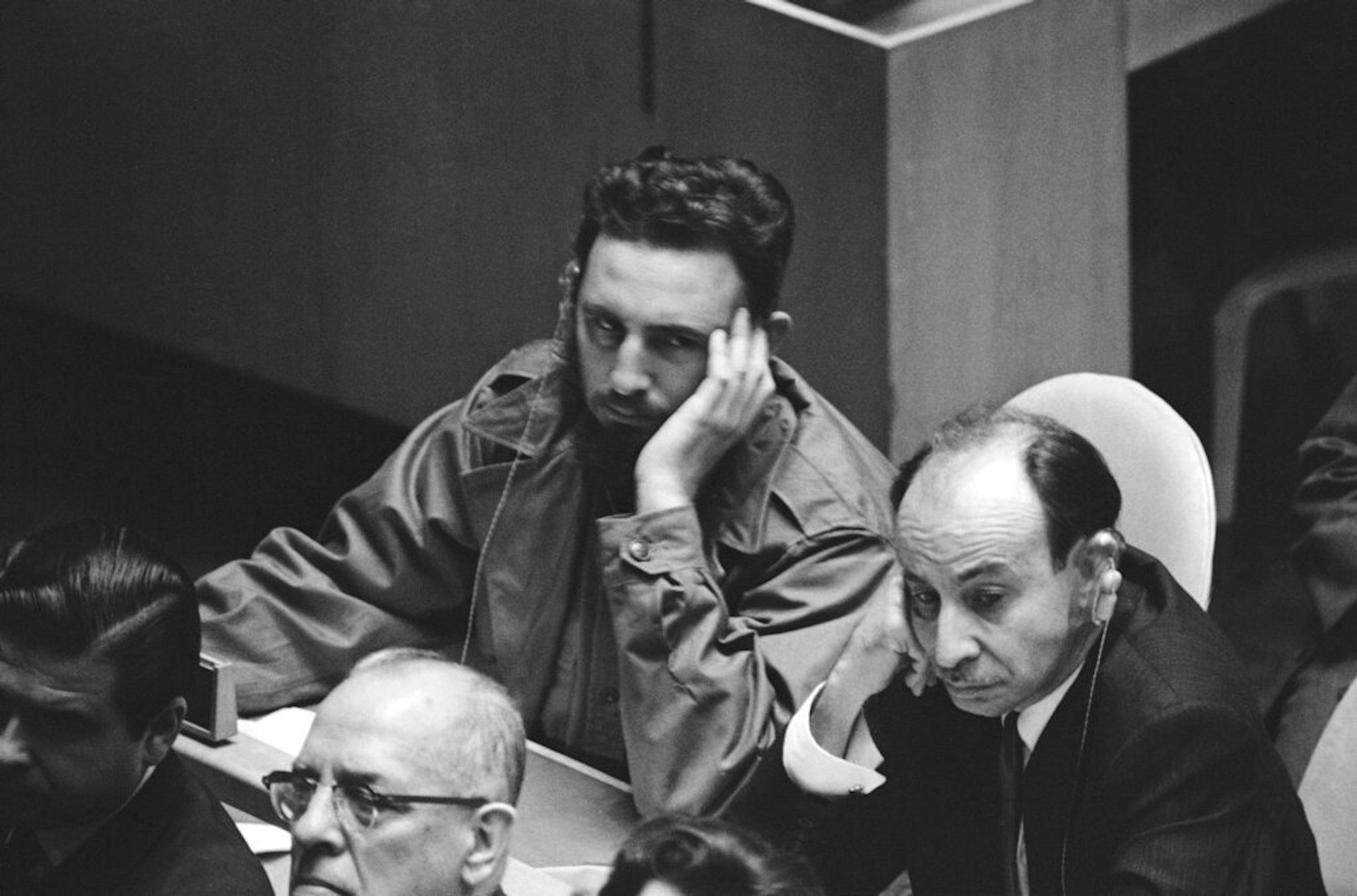
The anti-imperialist upsurge of the 1920s and’30s was formative for a generation of Latin American radicals. Several of those who entered political life during these years went on to play key roles in major events of the 20th century. Raúl Roa, for example, who served as foreign secretary for Cuba’s revolutionary government from 1959 to 1976, was first politicized in the island’s anti-imperialist movement of the 1920s.
كان الاندفاع المناهض للإمبريالية في عشرينيات وثلاثينيات القرن الماضي بمثابة مرحلة تشكيل لجيل من الراديكاليين في أمريكا اللاتينية. وذهب العديد من الذين دخلوا الحياة السياسية خلال هذه السنوات ليقوموا بأدوار رئيسية في أحداث كبرى في القرن العشرين. فمثلاً، كان راؤول روا، الذي شغل منصب وزير الخارجية للحكومة الثورية كوبا من عام 1959 إلى عام 1976، قد نُوعي سياسياً لأول مرة في الحركة المناهضة للإمبريالية في الجزيرة خلال عشرينيات القرن الماضي.
The men and women whose political visions were formed in the interwar period carried those ideals forward into the Cold War era. In important ways, the 1920s and 1930s laid vital groundwork for later and better-known radical movements.
حمل الرجال والنساء الذين تشكلت رؤاهم السياسية في فترة ما بين الحربين العالميتين هذه المُثل إلى حقبة الحرب الباردة. وبطرق مهمة، وضعت عشرينيات وثلاثينيات القرن الماضي الأساس الحيوي لحركات راديكالية لاحقة وأكثر شهرة.
Past is, of course, not always prologue. It is impossible to predict what the long-term consequences of current U.S. policy in Latin America will be, especially given the rightward tilt that is currently unfolding across the region.
بالطبع، الماضي ليس دائماً مقدمة. من المستحيل التنبؤ بالتبعات طويلة المدى للسياسة الأمريكية الحالية في أمريكا اللاتينية، خاصة بالنظر إلى الميل نحو اليمين الذي يتكشف حالياً في جميع أنحاء المنطقة.
But looking at the region’s anti-imperialist traditions does point to one possible outcome: The U.S.’s newly aggressive stance will, sooner rather than later, fuel a resurgence of anti-imperialist sentiment as the organizing principle for a new generation of activists.
ولكن النظر إلى التقاليد المناهضة للإمبريالية في المنطقة يشير إلى نتيجة محتملة واحدة: إن الموقف الأمريكي العدواني الجديد سيغذي، عاجلاً أم آجلاً، انتعاشاً للمشاعر المناهضة للإمبريالية كمبدأ تنظيمي لجيل جديد من النشطاء.
Tony Wood does not work for, consult, own shares in or receive funding from any company or organization that would benefit from this article, and has disclosed no relevant affiliations beyond their academic appointment.
لا يعمل توني وود أو يستشير أو يمتلك حصصاً في أو يتلقى تمويلاً من أي شركة أو منظمة يمكن أن تستفيد من هذه المقالة، ولم يفصح عن أي انتماءات ذات صلة تتجاوز تعيينه الأكاديمي.
Read more
-
اتفاق وقف إطلاق النار الإيراني يؤكد ما كنا نقوله منذ سنوات: القوة العسكرية لا تجدي نفعاً.
Iran ceasefire deal confirms what we’ve been saying for years: military might doesn’t work
-
من هم المتنافسون الرئيسيون لخلافة كير ستارمر كرئيس للوزراء؟
Who are the main contenders to replace Keir Starmer as prime minister?