لقد حللنا سجل تيك توك لـ 142 رجلاً. إليك ما علّمنا إياه عالم الذكورة (المانوسفير).
We analysed the TikTok history of 142 men. Here’s what it taught us about the manosphere
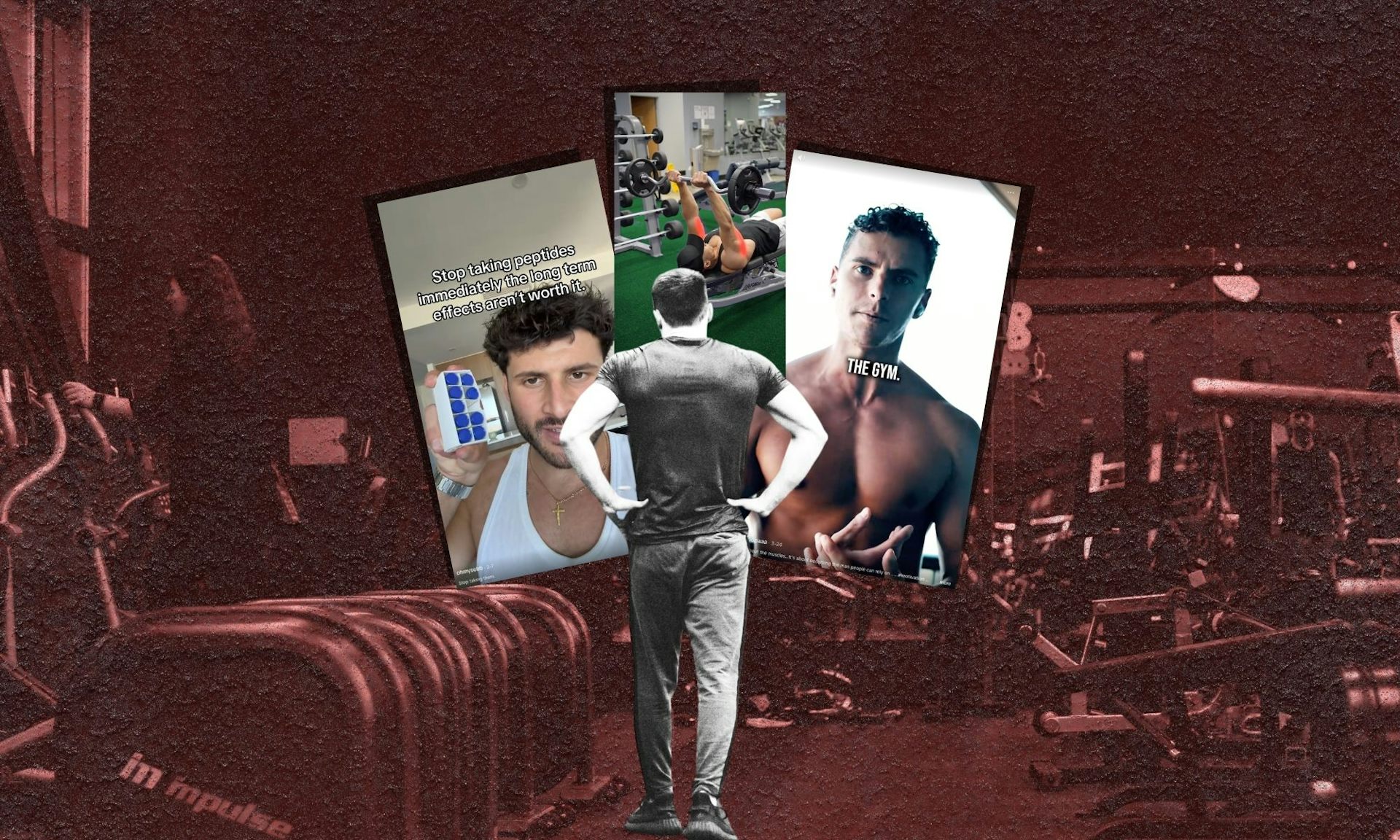
Three videos, three very different messages about masculinity and health. New research shows this is how the manosphere finds young men.
ثلاثة مقاطع فيديو، وثلاث رسائل مختلفة جداً حول الذكورة والصحة. تُظهر الأبحاث الجديدة أن هذه هي الطريقة التي يجد بها عالم الذكورة الشباب.
Interest in the manosphere has recently surged yet again, with the recent Louis Theroux documentary catapulting the term “manosphere” back to the forefront of our cultural psyche.
لقد ارتفع الاهتمام بـ “مجال الرجل” (manosphere) مؤخراً مرة أخرى، حيث أعاد فيلم لويس ثيرو الوثائقي الأخير مصطلح “مجال الرجل” إلى صدارة وعينا الثقافي.
The term has become a catchall for the most inflammatory content and communities in young men’s digital worlds. Alarm bells are ringing, but our understanding of what the manosphere actually is – where it begins and ends – has more questions than answers.
لقد أصبح المصطلح مصطلحاً شاملاً لأكثر المحتويات والمجتمعات إثارة للجدل في العوالم الرقمية للشباب. إن أجراس الإنذار تدق، لكن فهمنا لماهية “مجال الرجل” بالفعل – من أين يبدأ وأين ينتهي – يحتوي على أسئلة أكثر من الإجابات.
As concern grows, so does the ambiguity around how to define the manosphere and how young men actually experience it. Our policy responses, interventions and public discourse assume it’s one thing, one ideology, populated by one type of young man: a singular algorithmic journey from loneliness to radicalisation. It isn’t, and overlooking the complexity and nuance misses large parts of the problem.
ومع تزايد القلق، يتزايد الغموض حول كيفية تعريف “مجال الرجل” وكيف يختبره الشباب فعلياً. تفترض استجاباتنا السياسية وتدخلاتنا وخطابنا العام أنه شيء واحد، أيديولوجية واحدة، يسكنها نوع واحد من الشباب: رحلة خوارزمية مفردة من الوحدة إلى التشدد. لكنه ليس كذلك، وتجاهل التعقيد والفروق الدقيقة يغفل أجزاء كبيرة من المشكلة.
So what is it instead? Our new research answers this question.
فما هو بدلاً من ذلك؟ بحثنا الجديد يجيب على هذا السؤال.
Simulations vs reality
المحاكاة مقابل الواقع
Addressing ambiguity matters, whether you’re a researcher trying to measure the full spectrum of harm being experienced, or part of a community trying to talk about it with sons, brothers and friends. You cannot diagnose a problem without truly understanding it, and that means going into these online ecosystems to explore their bounds.
إن معالجة الغموض أمر مهم، سواء كنت باحثًا يحاول قياس الطيف الكامل للضرر الذي يتم التعرض له، أو جزءًا من مجتمع يحاول التحدث عنه مع الأبناء أو الإخوة والأصدقاء. لا يمكنك تشخيص مشكلة دون فهمها حقًا، وهذا يعني الدخول إلى هذه الأنظمة البيئية عبر الإنترنت لاستكشاف حدودها.
Previous research has included the use of dummy accounts to simulate internet use. These have been criticised by social media companies, who say the simulations don’t reflect the real experiences of users on their apps.
تضمنت الأبحاث السابقة استخدام حسابات وهمية لمحاكاة استخدام الإنترنت. وقد انتقدت هذه الحسابات من قبل شركات وسائل التواصل الاجتماعي، التي تقول إن هذه المحاكاة لا تعكس التجارب الحقيقية للمستخدمين على تطبيقاتها.
In response, our new research looked at the real TikTok viewing histories of 142 young men across Australia, the United States and the United Kingdom. We watched what they watched, 2,000 videos over the past month, and built a framework to map the full spectrum of masculinity content that young men encounter online.
وردًا على ذلك، بحث بحثنا الجديد في سجلات مشاهدة تيك توك الحقيقية لـ 142 شابًا في جميع أنحاء أستراليا والولايات المتحدة والمملكة المتحدة. لقد راقبنا ما شاهدوه، 2000 مقطع فيديو على مدى الشهر الماضي، وبنينا إطار عمل لرسم خريطة الطيف الكامل لمحتوى الرجولة الذي يواجهه الشباب عبر الإنترنت.
It’s the first time academic research has used real user data in this space. It means we can respond to what young men and boys are actually seeing, rather than simulations of user experiences and what we think they’re seeing.
إنها المرة الأولى التي يستخدم فيها البحث الأكاديمي بيانات المستخدمين الحقيقية في هذا المجال. وهذا يعني أنه يمكننا الاستجابة لما يراه الشباب والفتيان بالفعل، بدلاً من محاكاة تجارب المستخدمين وما نعتقد أنهم يرونه.
Almost half of the videos we analysed (44%) contained masculinity-related themes. Masculinity content fell into three distinct categories. Understanding these categories, how they escalate and who’s watching it makes tailored intervention possible, from policymakers to support services, and even the platforms themselves.
احتوى ما يقرب من نصف مقاطع الفيديو التي حللناها (44٪) على مواضيع متعلقة بالرجولة. وانقسم محتوى الرجولة إلى ثلاث فئات متميزة. إن فهم هذه الفئات، وكيفية تصاعدها، ومن يشاهدها، يجعل التدخل المخصص ممكنًا، بدءًا من صانعي السياسات وصولاً إلى خدمات الدعم، وحتى المنصات نفسها.
Beginning the journey
بدء الرحلة
The journey can start somewhere ordinary. Three videos. Same young man. Same day. Same algorithm.
يمكن أن تبدأ الرحلة من مكان عادي. ثلاثة مقاطع فيديو. نفس الشاب. نفس اليوم. نفس الخوارزمية.
In the first video, a young, buff man located in a gym, demonstrating to his audience the correct technique when completing the “perfect lying tricep extension”.
في الفيديو الأول، يظهر شاب مفتول العضلات في صالة رياضية، وهو يوضح لجمهوره التقنية الصحيحة عند إكمال “تمرين التمديد الثلاثي المثالي أثناء الاستلقاء.”
We called this tier “cultural touchpoints”. It includes gym, sport, fashion and dating tips content. It made up 38% of what young men in our study watched, making it the most common type of content.
لقد أطلقنا على هذا النوع اسم “نقاط التماس الثقافية.” ويشمل محتوى الصالة الرياضية، والرياضة، والموضة، ونصائح المواعدة. وشكل هذا المحتوى 38% مما شاهده الشباب في دراستنا، مما جعله النوع الأكثر شيوعاً من المحتوى.
On the surface, none of it raises alarm. But it quietly sets a norm. One type of male body, one set of male interests, one way of moving through the world.
على السطح، لا يثير أي من هذا القلق. ولكنه يرسخ معياراً بهدوء. نوع واحد من الأجسام الذكورية، ومجموعة واحدة من الاهتمامات الذكورية، وطريقة واحدة للمرور في العالم.
Travelling deeper
التعمق أكثر
In the second video, a shirtless young man delivers a motivational-style speech about gym and discipline. He argues that physical commitment produces results in other areas of life, such as earning admiration from his girlfriend and becoming a “superhero” to his future children.
في الفيديو الثاني، يلقي شاب عاري الصدر خطاباً تحفيزياً حول صالة الألعاب الرياضية والانضباط. يجادل بأن الالتزام الجسدي ينتج نتائج في مجالات أخرى من الحياة، مثل كسب إعجاب صديقته وأن يصبح “بطلاً خارقاً” لأطفاله المستقبليين.
We called this tier “masculine status” content. It constituted 6% of the videos we analysed.
أطلقنا على هذا النوع من المحتوى اسم “الحالة الذكورية.” وشكل هذا المحتوى 6% من مقاطع الفيديو التي حللناها.
Outwardly, it looks like self-improvement, motivational and informative content with messages of discipline, ambition, levelling up as a man.
ظاهرياً، يبدو الأمر وكأنه محتوى لتحسين الذات، وتحفيزي، وغني بالمعلومات، يحمل رسائل الانضباط والطموح والارتقاء بالرجل.
Underneath, the rigid moulds become clear: muscularity, emotional suppression, financial abundance, the “high-value” male archetype.
تحت السطح، تتضح القوالب الجامدة: العضلات، وقمع المشاعر، والوفرة المالية، ونموذج الذكر “عالي القيمة.”
Women are framed as rewards to be earned. The content is ideologically hardened, but also easy to miss.
يتم تأطير النساء على أنهن مكافآت يجب كسبها. المحتوى متصلب أيديولوجياً، ولكنه أيضاً سهل التغافل عنه.
The destination
الوجهة
In the third video, a male creator sarcastically warns his audience against peptides. He then proceeds to list the side-effects of “getting leaner, shredded and getting more bitches”, while showing the vials to the audience.
في الفيديو الثالث، يحذر صانع محتوى ذكر جمهوره بسخرية من الببتيدات. ثم يتابع سرد الآثار الجانبية لـ “النحافة، والتجرد، والحصول على المزيد من الإناث”، بينما يعرض القوارير على الجمهور.
We called this tier “degrading health” content. It made up less than 1% of content.
أطلقنا على هذا المستوى محتوى “تدهور الصحة.” وشكل أقل من 1% من المحتوى.
Most of it violates TikTok’s own community guidelines prohibiting the promotion of peptide hormones, testosterone boosters, and content that demeans, endangers or advocates for self-harm.
معظم هذا المحتوى ينتهك إرشادات مجتمع تيك توك الخاصة التي تحظر الترويج لهرمونات الببتيد، ومعززات التستوستيرون، والمحتوى الذي يقلل من شأن الذات أو يعرضها للخطر أو يروج لإيذاء النفس.
This category includes overt misogyny and graphic depictions of violence against women.
تشمل هذه الفئة كراهية النساء الصريحة وتصويرًا تصويريًا للعنف ضد المرأة.
It’s infrequent, but not isolated. This content sits at the end of a journey that began with a tricep extension tutorial.
إنه أمر غير متكرر، ولكنه ليس معزولاً. يقع هذا المحتوى في نهاية رحلة بدأت بدرس تدريب على تمديد العضلة ثلاثية الرؤوس.
Three videos. Three very different messages about masculinity and health. This is how the manosphere finds young men: through platforms they’re already on, creators they already follow and in a cultural language they appreciate.
ثلاثة فيديوهات. ثلاث رسائل مختلفة جداً حول الرجولة والصحة. هكذا تجد “مجاليات الذكور” الشباب: عبر المنصات التي يتواجدون عليها بالفعل، والمبدعين الذين يتابعونهم بالفعل، وفي لغة ثقافية يقدرونها.
Cultural touchpoints lay the foundation that make messages of misogyny, risk-taking, violence and hate not just palatable, but reasonable. Ideological shifts happen because it feels like much of the same.
تضع نقاط التماس الثقافية الأساس الذي يجعل رسائل كراهية النساء، والمخاطرة، والعنف، والكراهية ليست مقبولة فحسب، بل معقولة. تحدث التحولات الأيديولوجية لأنها تبدو وكأنها جزء من نفس الشيء.
Exploiting insecurities
استغلال انعدام الأمن
The manosphere doesn’t create these pressures – it finds genuine unmet needs and exploits them for profit and views. Often girls, women and other minority groups are at the receiving end of that harm, as well as the boys and men themselves.
لا تخلق “مجال الذكورة” (manosphere) هذه الضغوط – بل تجد احتياجات حقيقية غير ملباة وتستغلها لتحقيق الربح والمشاهدات. غالبًا ما تكون الفتيات والنساء ومجموعات الأقليات الأخرى هي الطرف الذي يتلقى هذا الضرر، وكذلك الأولاد والرجال أنفسهم.
Our broader framework, in which these classifications are a part, gives researchers, regulators, and platforms a tool to identify and intervene across the full spectrum of young men’s digital lives, not just at the extremes.
يمنح إطارنا الأوسع، الذي تشكل هذه التصنيفات جزءًا منه، الباحثين والمنظمين والمنصات أداة لتحديد التدخل عبر الطيف الكامل للحياة الرقمية للشباب، وليس فقط في الأطراف المتطرفة.
Current moderation and regulation approaches are reactive. Content is removed once platform guidelines are violated, but often that comes too late, after thousands if not millions of users have already seen it.
تعتبر أساليب الإشراف والتنظيم الحالية ردود أفعال. يتم إزالة المحتوى بمجرد انتهاك إرشادات المنصة، ولكن غالبًا ما يأتي ذلك متأخرًا جدًا، بعد أن يكون آلاف أو حتى ملايين المستخدمين قد شاهدوه بالفعل.
This research makes early and tailored intervention possible, disrupting the masculinity content pipeline at different points along the spectrum, before young men reach the most extreme end.
يبحث هذا البحث في إمكانية التدخل المبكر والمخصص، مما يعطل مسار محتوى الذكورة في نقاط مختلفة على الطيف، قبل أن يصل الشباب إلى النهاية الأكثر تطرفًا.
For example, tech companies could embed this classification framework into the design of recommender systems to ensure an age appropriate user experience. Cultural touchpoint content may be appropriate for a 16-year-old, but masculine status and degrading health videos may not be, and thus should not be recommended to them. Our work provides a defensible evidenced standard for appropriate moderation and digital platform design.
على سبيل المثال، يمكن لشركات التكنولوجيا دمج إطار التصنيف هذا في تصميم أنظمة التوصية لضمان تجربة مستخدم مناسبة للعمر. قد يكون المحتوى المتعلق باللمسات الثقافية مناسبًا لشخص يبلغ من العمر 16 عامًا، لكن مقاطع الفيديو التي تتناول المكانة الذكورية أو الصحة المهينة قد لا تكون كذلك، وبالتالي لا ينبغي التوصية بها له. يقدم عملنا معيارًا موثقًا وقابلاً للدفاع عنه للإشراف المناسب وتصميم المنصات الرقمية.
Lastly, it helps create a shared language and collective understanding of the manosphere. We can talk about masculinity content in a way that aligns with young men’s actual digital experiences, and to build solutions that fit the problem.
أخيرًا، يساعد ذلك في إنشاء لغة مشتركة وتفاهم جماعي لمجال الذكورة. يمكننا التحدث عن محتوى الذكورة بطريقة تتماشى مع التجارب الرقمية الفعلية للشباب، وبناء حلول تتناسب مع المشكلة.
The manosphere has spent years speaking directly to young men’s fears and insecurities, building narratives that are fluent, persuasive and hard to counter. We need to be just as fluent, delivering effective responses and alternative narratives grounded in what young men actually see, watch and feel.
لقد أمضى مجال الذكورة سنوات في التحدث مباشرة إلى مخاوف وشعور الشباب بعدم الأمان، وبناء سرديات سلسة ومقنعة ويصعب دحضها. نحن بحاجة إلى أن نكون بنفس القدر من السلاسة، وتقديم استجابات وسرديات بديلة فعالة ومؤسسة على ما يراه الشباب ويشاهدونه ويشعرون به بالفعل.
This research is the first attempt to do that. Now we need to use these insights to expand our evidence on the manosphere’s harm, develop tailored solutions, call for platform reform and develop community resources to help protect the men and boys exposed to this content online.
يمثل هذا البحث المحاولة الأولى للقيام بذلك. الآن نحتاج إلى استخدام هذه الرؤى لتوسيع أدلتنا حول ضرر مجال الذكورة، وتطوير حلول مخصصة، والدعوة إلى إصلاح المنصات، وتطوير موارد مجتمعية للمساعدة في حماية الرجال والفتيان المعرضين لهذا المحتوى عبر الإنترنت.
Krista Fisher is affiliated with the Movember Institute of Men’s Health. Krista Fisher had support from the Polarization & Extremism Research & Innovation Lab (PERIL) and Diverting Hate when conducting this research.
ترتبط كريستا فيشر بمعهد موفمبر لصحة الرجال. حصلت كريستا فيشر على دعم من مختبر أبحاث وابتكار الاستقطاب والتطرف (PERIL) وDiverting Hate عند إجراء هذا البحث.
Emily Lewis is affiliated with the Movember Institute of Men’s Health.
تنتمي إميلي لويس إلى معهد موفمبر لصحة الرجال.
Zac Seidler has been awarded an National Health and Medical Research Council Investigator Grant. He is also the Global Director of Research with the Movember Institute of Men’s Health. He advises government on men’s suicide, masculinities, violence prevention and social media policy.
حصل زاك سيدلر على منحة باحث من المجلس الوطني للصحة والبحوث الطبية. وهو أيضًا المدير العالمي للأبحاث في معهد موفمبر لصحة الرجال. ويقدم المشورة للحكومة بشأن انتحار الرجال، والذكور، ومنع العنف، وسياسة وسائل التواصل الاجتماعي.
Cynthia Miller-Idriss and Ruben Benakovic do not work for, consult, own shares in or receive funding from any company or organisation that would benefit from this article, and have disclosed no relevant affiliations beyond their academic appointment.
لا تعمل سينثيا ميلر-إيدريس وروبن بيناكوفيتش، ولا يستشيرانه، ولا يمتلكان حصصًا في أي شركة أو منظمة أو يتلقيان تمويلاً منها يمكن أن يستفيد من هذا المقال، ولم يفصحا عن أي انتماءات ذات صلة تتجاوز تعيينهما الأكاديمي.
Read more
-
في خضم بطولة كأس العالم، لماذا سكتت الانتقادات الجيوسياسية؟
With the World Cup in full swing, why have the geopolitical criticisms quietened?
-

تُظهر أدوية GLP-1 مثل أوزيمبيك وعودًا لأكثر من مجرد فقدان الوزن. ولكن ما هو العلم مقابل الضجيج؟
GLP-1 drugs like Ozempic show promise for more than weight loss. But what’s science vs hype?