
يخلق كأس العالم ظروفاً مثالية لانتشار الأمراض المعدية – وإليكم أكبر التهديدات التي يراقبها خبراء الصحة
World Cup creates perfect conditions for infectious diseases to spread – here are the biggest threats health experts are watching for
Respiratory diseases like measles and flu pose a much bigger threat to public health for the World Cup than does Ebola.
تشكل الأمراض التنفسية مثل الحصبة والإنفلونزا تهديداً أكبر بكثير على الصحة العامة خلال كأس العالم مما يشكله فيروس الإيبولا.
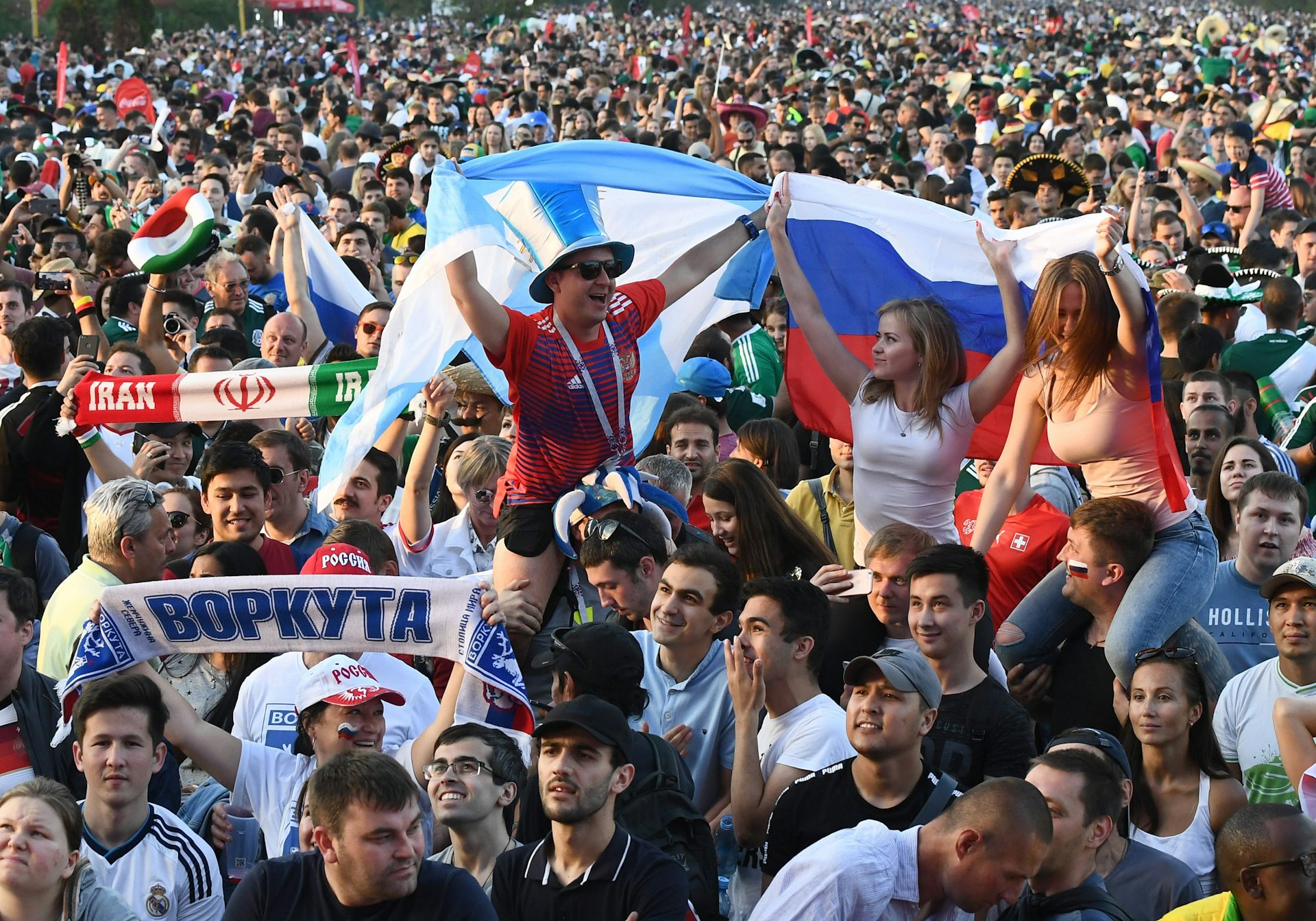
When the 2026 FIFA World Cup begins on June 11, 2026, matches will be played across 16 cities in the United States, Canada and Mexico. Millions of fans will arrive through multiple airports and will pack into stadiums, airports, hotels, bars and public transit systems over five weeks.
عند بدء كأس العالم لكرة القدم لعام 2026 في 11 يونيو 2026، ستُقام المباريات عبر 16 مدينة في الولايات المتحدة وكندا والمكسيك. وسيصل ملايين المشجعين عبر مطارات متعددة وسيتوافدون إلى الملاعب والمطارات والفنادق والحانات وأنظمة النقل العام على مدى خمسة أسابيع.
That makes the World Cup not just a sporting event but a weekslong experiment in global mixing that creates a perfect environment for infectious diseases to spread. Events of this scale rarely cause major outbreaks, but they do create opportunities for outbreaks and for health systems to be tested.
وهذا يجعل كأس العالم ليس مجرد حدث رياضي، بل تجربة لمدة أسبوع من الاختلاط العالمي تخلق بيئة مثالية لانتشار الأمراض المعدية. ونادراً ما تتسبب الأحداث بهذا الحجم في تفشي وباء كبير، لكنها بالتأكيد تخلق فرصاً لتفشي الأوبئة واختبار الأنظمة الصحية.
The possibilities range from the dramatic but unlikely (an imported Ebola case) to the much more probable (flu and measles spreading through crowded venues) and the largely overlooked (spikes in sexually transmitted infections and mosquito-borne diseases gaining footholds in new areas) .
تتراوح الاحتمالات من الدرامي ولكنه غير مرجح (حالة إيبولا مستوردة) إلى الأكثر ترجيحاً بكثير (انتشار الإنفلونزا والحصبة عبر الأماكن المزدحمة) ، وإلى ما يتم التغاضي عنه إلى حد كبير (ارتفاع حالات الأمراض المنقولة جنسياً والأمراض التي تنقلها البعوض وتترسخ في مناطق جديدة) .
As an infectious diseases physician studying how outbreaks affect peoples’ health, and an avid soccer fan – I root for the Colombian team – I have been watching closely as public health experts prepare for the event.
بصفتي طبيباً في الأمراض المعدية يدرس كيف تؤثر الأوبئة على صحة الناس، ومحباً شغوفاً لكرة القدم – وأشجع الفريق الكولومبي – فقد كنت أراقب عن كثب استعدادات خبراء الصحة العامة لهذا الحدث.
Here are some of the infectious disease threats they are monitoring as the world’s largest sporting event kicks off:
فيما يلي بعض التهديدات المتعلقة بالأمراض المعدية التي يراقبونها مع انطلاق أكبر حدث رياضي في العالم:
Ebola – scary but unlikely
الإيبولا- مخيف ولكنه غير مرجح
In May 2026, the World Health Organization declared a global health emergency over an Ebola outbreak in the Democratic Republic of Congo and Uganda caused by a rare strain called Bundibugyo, which kills roughly 1 in 3 people it infects.
في مايو 2026، أعلنت منظمة الصحة العالمية حالة طوارئ صحية عالمية بسبب تفشي الإيبولا في جمهورية الكونغو الديمقراطية وأوغندا، والذي تسببه سلالة نادرة تُدعى “بونديبيغيو”، والتي تقتل ما يقرب من 1 من كل 3 أشخاص تصابهم.
No approved vaccines, rapid diagnostic tests or treatments exist for this strain. And the global response has been complicated by deep cuts to international health aid and the U.S. withdrawal from the World Health Organization.
لا توجد لقاحات أو اختبارات تشخيص سريعة أو علاجات معتمدة لهذه السلالة. وقد تعقد الاستجابة العالمية بسبب التخفيضات الكبيرة في المساعدات الصحية الدولية وانسحاب الولايات المتحدة من منظمة الصحة العالمية.
If a case is detected, rapid identification and isolation are critical to prevent further local transmission.
إذا تم اكتشاف حالة، فإن التحديد والعزل السريع أمر بالغ الأهمية لمنع المزيد من الانتقال المحلي.
Still, the risk of Ebola reaching a World Cup stadium is very low. That’s because the virus spreads only through direct contact with bodily fluids like blood or saliva, not through the air, and infected people aren’t contagious until they show symptoms.
ومع ذلك، فإن خطر وصول الإيبولا إلى ملعب كأس العالم منخفض للغاية. ويرجع ذلك إلى أن الفيروس ينتقل فقط عن طريق الاتصال المباشر بسوائل الجسم مثل الدم أو اللعاب، وليس عبر الهواء، ولا يصبح الأشخاص المصابون معديين حتى تظهر عليهم الأعراض.
The U.S. has banned entry for non-U.S. citizens and green card holders who have been in the affected countries in the past 21 days and is screening all passengers traveling from affected areas. It is also urging European countries to embrace similar procedures as World Cup travel picks up. Mexico and Canada also have travel restrictions in place.
حظرت الولايات المتحدة دخول غير المواطنين الأمريكيين وحاملي بطاقات الإقامة الخضراء الذين كانوا في البلدان المتضررة خلال الـ 21 يومًا الماضية، وتقوم بفحص جميع الركاب القادمين من المناطق المتأثرة. كما تحث الدول الأوروبية على تبني إجراءات مماثلة مع ازدياد سفر كأس العالم. وتفرض المكسيك وكندا أيضًا قيوداً سفر.
Measles, flu and COVID-19 – the bigger dangers
الحصبة والإنفلونزا وكوفيد-19 – المخاطر الأكبر
The more likely threats for soccer fans attending the World Cup are respiratory infections — illnesses spread by coughing, sneezing and breathing in crowded spaces.
التهديدات الأكثر ترجيحاً لمشجعي كرة القدم المتجهين إلى كأس العالم هي التهابات الجهاز التنفسي، وهي أمراض تنتقل عن طريق السعال والعطس والتنفس في الأماكن المزدحمة.
Of special concern is measles, which is surging in the United States as well as in Canada and Mexico. As of June 4, the U.S. Centers for Disease Control and Prevention has confirmed 2,030 cases of measles in the U.S. in 2026 – close to the total count for all of 2025 and significantly higher than in previous years.
ويُعد الحصبة مصدر قلق خاص، حيث يتصاعد انتشاره في الولايات المتحدة وكذلك في كندا والمكسيك. وبحلول 4 يونيو، أكدت مراكز السيطرة على الأمراض والوقاية منها بالولايات المتحدة (CDC) تسجيل 2,030 حالة من الحصبة في الولايات المتحدة عام 2026 – وهو رقم يقترب من الإجمالي لعام 2025 وأعلى بكثير من السنوات الماضية.
Measles is one of the most contagious infectious diseases on the planet. A single infectious traveler passing through Denver International Airport in 2025 triggered an outbreak of at least 10 cases. An infected fan in the stands, at an airport or in a bar could easily cause an outbreak.
الحصبة هي واحدة من أكثر الأمراض المعدية انتشاراً على الكوكب. وقد أثار مسافر مصاب واحد عبر مطار دنفر الدولي في عام 2025 تفشياً لا يقل عن 10 حالات. ويمكن لمشجع مصاب في المدرجات، أو في المطار، أو في حانة أن يتسبب بسهولة في تفشي المرض.
On top of that, the 2025–2026 flu season reached a 30-year high, and COVID-19 continues to cause an estimated 290,000 to 450,000 hospitalizations per year. And big gatherings can amplify the risk of transmission.
بالإضافة إلى ذلك، وصل موسم الإنفلونزا لعامي 2025-2026 إلى أعلى مستوى له منذ 30 عاماً، ولا يزال كوفيد-19 يتسبب في ما يقدر بـ 290,000 إلى 450,000 حالة استشفاء سنوياً. ويمكن للتجمعات الكبيرة أن تضخم خطر انتقال العدوى.
In the background, avian influenza H5N1 — the bird flu circulating in dairy cows and poultry — has caused 70 human infections in the U.S. since 2024. No person-to-person spread has been detected, but scientists are watching closely for mutations that could change that.
وفي الخلفية، تسببت إنفلونزا الطيور H5N1 — وهي الإنفلونزا التي تدور في الأبقار الحلوب والدواجن — في 70 إصابة بشرية في الولايات المتحدة منذ عام 2024. ولم يتم الكشف عن أي انتشار من شخص لآخر، لكن العلماء يراقبون عن كثب الطفرات التي قد تغير ذلك.
Mosquito risks
مخاطر البعوض
Mosquito-borne diseases add another layer of risk to health authorities and travelers, especially for matches in southern U.S. and Mexican host cities during peak summer mosquito season.
تضيف الأمراض المنقولة بالبعوض طبقة أخرى من المخاطر على السلطات الصحية والمسافرين، خاصةً للمباريات التي تقام في مدن المضيف بجنوب الولايات المتحدة والمكسيك خلال ذروة موسم البعوض الصيفي.
Dengue – a tropical virus that causes high fever, severe body aches and sometimes life-threatening complications – set a U.S. record in 2024, with nearly 3,800 cases. That was a 359% jump over the prior 14-year average.
سجلت حمى الضنك – وهو فيروس استوائي يسبب الحمى المرتفعة وآلام الجسم الشديدة وأحيانًا مضاعفات تهدد الحياة – رقمًا قياسيًا في الولايات المتحدة عام 2024، بتسجيل ما يقرب من 3800 حالة. وكانت هذه قفزة بنسبة 359٪ عن متوسط الـ 14 عامًا السابق.
Most cases occurred in travelers returning from the Caribbean and Central America. Still, locally acquired cases have cropped up, mainly in Los Angeles.
حدثت معظم الحالات لدى المسافرين العائدين من منطقة الكاريبي وأمريكا الوسطى. ومع ذلك، ظهرت حالات مكتسبة محلياً، خاصة في لوس أنجلوس.
There’s also the risk that fans will bring infectious diseases from their home countries.
هناك أيضاً خطر أن يجلب المشجعون أمراضاً مُعدية من بلدانهم الأصلية.
Yellow fever, a potentially deadly viral infection, is absent from the U.S. but remains a threat to fans traveling from parts of Sub-Saharan Africa and South America, where the disease is native. A 2024 yellow fever outbreak in South America outside the Amazonian jungle, where transmission generally occurs, hinted that its spread to urban areas is possible.
الحمى الصفراء، وهي عدوى فيروسية قد تكون قاتلة، غائبة عن الولايات المتحدة ولكنها تظل تهديداً للجماهير المسافرة من أجزاء من أفريقيا جنوب الصحراء الكبرى وأمريكا الجنوبية، حيث يتوطن المرض. وقد أشار تفشي الحمى الصفراء عام 2024 في أمريكا الجنوبية خارج الغابات الأمازونية، وهي المنطقة التي يحدث فيها الانتقال عموماً، إلى أن انتشارها إلى المناطق الحضرية ممكن.
And Oropouche virus, a once-obscure mosquito-borne illness, exploded across Latin America in 2024 in the largest epidemic ever recorded, with over 8,000 confirmed cases in Brazil alone. Although infection is usually mild, it can have dangerous complications such as brain inflammation and bleeding disorders and can harm a developing fetus. No vaccines or treatments exist.
وفيروس أوروبوتشي، وهو مرض منقول بالبعوض كان يوماً ما غامضاً، تفجر في جميع أنحاء أمريكا اللاتينية عام 2024 في أكبر وباء مسجل على الإطلاق، بتسجيل أكثر من 8000 حالة مؤكدة في البرازيل وحدها. وعلى الرغم من أن العدوى عادة ما تكون خفيفة، إلا أنها يمكن أن تسبب مضاعفات خطيرة مثل التهاب الدماغ واضطرابات النزيف ويمكن أن تلحق الضرر بجنين نامٍ. ولا توجد لقاحات أو علاجات له.
Travelers carrying these infections may need medical care, but familiarity with them among U.S. physicians tends to be low. There’s also a small risk that illnesses may spread locally through mosquito bites.
قد يحتاج المسافرون الذين يحملون هذه العدوى إلى رعاية طبية، ولكن مستوى التعرف عليها بين الأطباء الأمريكيين يميل إلى أن يكون منخفضاً. وهناك أيضاً خطر صغير بأن تنتشر الأمراض محلياً عبر لدغات البعوض.
Sexually transmitted infections under the radar
التهابات منقولة جنسياً تحت الرادار
One category of possible risk that’s getting less media attention is sexually transmitted infections.
تندرج التهابات منقولة جنسياً ضمن فئة المخاطر المحتملة التي تتلقى اهتماماً إعلامياً أقل.
About 1 in 5 international travelers engages in casual sex, according to one study, and nearly half of those encounters are unprotected.
وفقاً لدراسة، يشارك حوالي 1 من كل 5 مسافرين دوليين في علاقات جنسية عابرة، ونحو نصف هذه اللقاءات غير محمية.
Mpox, a viral infection that spreads through close physical contact, continues to circulate in the U.S and is a particular concern at large public events. Syphilis is also seeing a global resurgence.
لا تزال عدوى “المتفطحات” (Mpox) ، وهي عدوى فيروسية تنتقل عبر الاتصال الجسدي الوثيق، منتشرة في الولايات المتحدة وتشكل مصدر قلق خاص في الفعاليات العامة الكبرى. كما تشهد السيلان انتعاشاً عالمياً.
Public health in action
الصحة العامة في العمل
Public health authorities across the U.S., Canada and Mexico have scaled up monitoring efforts amid preparations for keeping World Cup travelers safe.
عززت سلطات الصحة العامة في جميع أنحاء الولايات المتحدة وكندا والمكسيك جهود المراقبة وسط الاستعدادات لضمان سلامة المسافرين إلى كأس العالم.
In the U.S., a coalition of academic institutions, companies, nonprofits and public health organizations led by Georgetown University and nonprofit healthcare provider MedStar Health, called the Health Security Operations Center, will be keeping close tabs on disease transmission during the event. But some experts have raised concerns about U.S. resilience to public health threats at the World Cup due to significant cuts to public health infrastructure since 2025, including to the CDC.
في الولايات المتحدة، سيقوم تحالف يضم مؤسسات أكاديمية وشركات ومؤسسات غير ربحية ومنظمات صحة عامة، بقيادة جامعة جورجتاون ومزود الرعاية الصحية غير الربحي ميدستار هيلث، والذي يُدعى “مركز عمليات الأمن الصحي”، بمراقبة انتقال الأمراض عن كثب خلال الحدث. لكن بعض الخبراء أثاروا مخاوف بشأن مرونة الولايات المتحدة في مواجهة التهديدات الصحية العامة في كأس العالم، وذلك بسبب التخفيضات الكبيرة التي طالت البنية التحتية للصحة العامة منذ عام 2025، بما في ذلك المركز الأمريكي لمكافحة الأمراض (CDC) .
Fans can take several steps of their own to protect themselves. They can make sure their routine vaccinations – especially measles, flu and COVID-19 – are up to date; practice safe sex; use mosquito repellent; and stay home or wear a mask if they feel sick.
يمكن للجماهير اتخاذ عدة خطوات لحماية أنفسهم. يمكنهم التأكد من تحديث تطعيماتهم الروتينية- وخاصة الحصبة والإنفلونزا وكوفيد-19- وممارسة الجنس الآمن واستخدام طارد البعوض والبقاء في المنزل أو ارتداء قناع إذا شعروا بالمرض.
Andrés Henao receives funding from University of Colorado Asnchutz Medical Campus
يتلقى أندريس هيناو تمويلاً من حرم جامعة كولورادو الطبي أسنوتش.
Read more
-

غبار النجوم المحبوس في جليد القارة القطبية الجنوبية يكشف عن عشرات الآلاف من السنين من ماضي النظام الشمسي.
Stardust trapped in Antarctic ice reveals tens of thousands of years of Solar System’s past
-

قصة نص البابا ليو “المفصلي” حول تقنية الذكاء الاصطناعي – بقلم عضو في لجنة إطلاقه
The story of Pope Leo’s ‘landmark’ text on AI technology – by a member of its launch panel