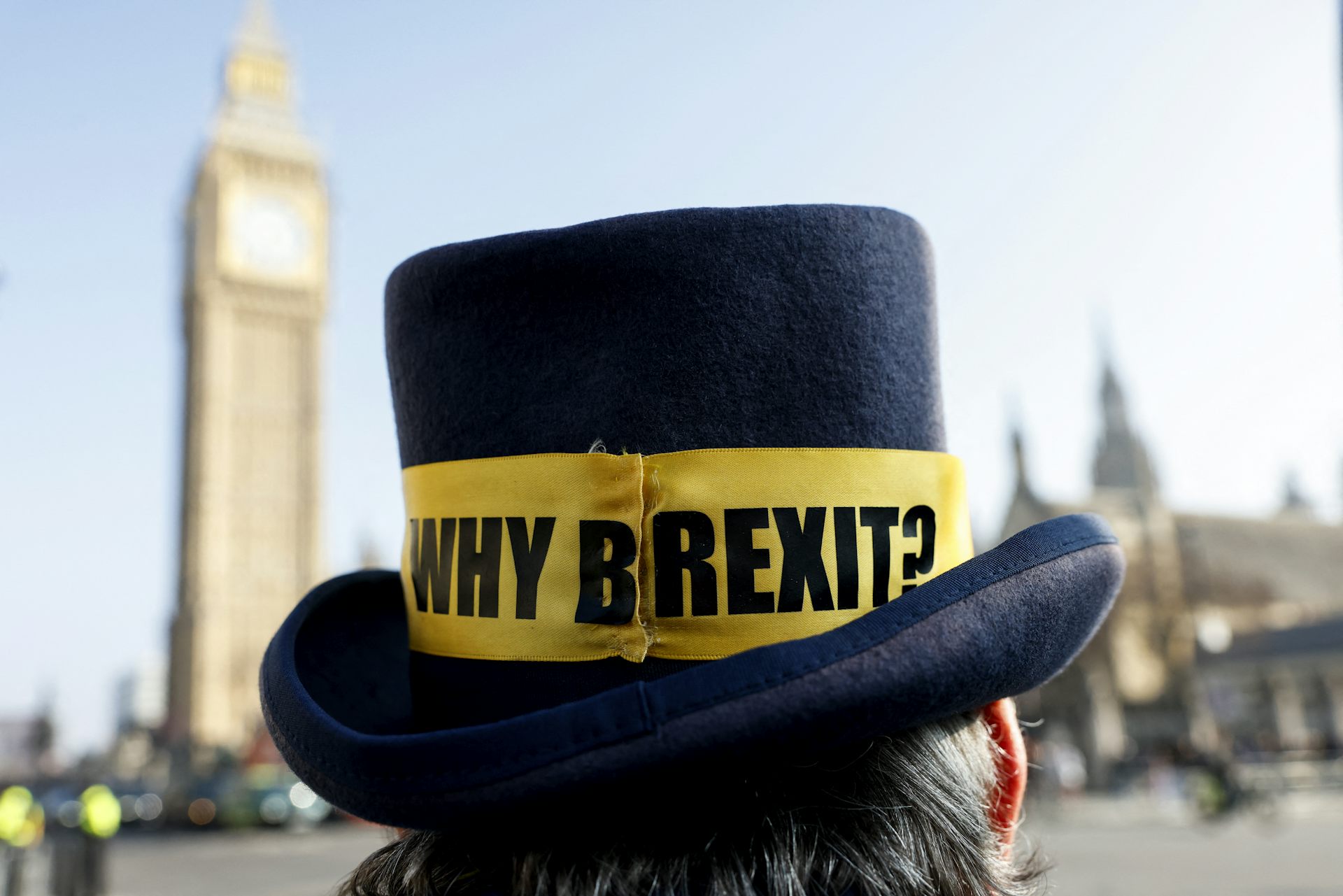
من “بريكست” إلى “بريجريت”: بعد عشر سنوات، لا تزال المرارة تسيطر على تصويت المملكة المتحدة بالخروج من الاتحاد الأوروبي.
From Brexit to ‘Bregret’: ten years later, bitterness still prevails over the UK’s vote to leave the EU
On June 23 2016, a slight majority of Britons voted to leave the European Union. Today surveys show that more people are regretting the EU divorce deal rather than celebrating it.
في ٢٣ يونيو ٢٠١٦، صوتت أغلبية ضئيلة من البريطانيين بالخروج من الاتحاد الأوروبي. وتُظهر استطلاعات الرأي اليوم أن عددًا أكبر من الناس يندمون على صفقة الطلاق الأوروبية بدلاً من الاحتفال بها.
On June 23 2016, a majority of Britons chose to leave the European Union after a referendum campaign driven by the promises of supporters of the “Leave” camp, spearheaded by Nigel Farage and Boris Johnson. Built around the slogan “Take Back Control”, the pro-Brexit campaign promised to restore the country’s sovereignty, regain control over migration flows, and boost economic prosperity. Ten years on, hopes have given way to a bitter sense of disillusion that the British refer to as “Bregret”, and it is a divided, weakened, disenchanted country who is about to commemorate the tenth anniversary of the referendum.
في 23 يونيو 2016، اختار غالبية البريطانيين مغادرة الاتحاد الأوروبي بعد حملة استفتاء قادتها وعود مؤيدي معسكر “المغادرة”، بقيادة نايجل فاراج وبوريس جونسون. وقد وعدت الحملة المؤيدة لـ”بريكست” (Brexit) ، والتي بنيت حول شعار “استعادة السيطرة” (Take Back Control) ، باستعادة سيادة البلاد، واستعادة التحكم في تدفقات الهجرة، وتعزيز الازدهار الاقتصادي. وبعد عشر سنوات، تلاشت الآمال ليحل محلها شعور مرير بخيبة الأمل يشير إليه البريطانيون باسم “بريجريت” (Bregret) ، وهي دولة منقسمة وضعيفة ومحبطة على وشك الاحتفال بالذكرى العاشرة للاستفتاء.
The Brexit shock
صدمة خروج بريطانيا من الاتحاد الأوروبي
There are few events in a country’s national history that constitute such an immense and profound shock as Brexit. The announcement of the results, that indicated a 51.9% victory for the “Leave” camp, sent shockwaves across the world. After 43 years of a relationship that was often turbulent and confrontational, the United Kingdom decided to leave the European Union and open a new chapter in its history.
قليلون الأحداث في التاريخ الوطني لأي بلد التي تشكل صدمة بهذا الحجم والعمق مثل خروج بريطانيا من الاتحاد الأوروبي (بريكست) . وقد أرسل الإعلان عن النتائج، الذي أشار إلى فوز “مع الخروج” بنسبة 51.9%، موجات صادمة في جميع أنحاء العالم. فبعد 43 عاماً من علاقة كانت غالباً مضطربة ومواجهة، قررت المملكة المتحدة مغادرة الاتحاد الأوروبي وفتح فصل جديد في تاريخها.
The reasons for the shock were manifold: first, it was an unprecedented event that raised many uncertainties and fears about the future of the United Kingdom and the European Union alike; the shock was also explained by the completely unexpected nature of the victory, given that the main polling institutes were predicting a close election, giving the “Remain” camp a slight edge; finally, the vote in favour of Brexit represented a political and ideological victory for Nigel Farage, the then leader of the far right populist United Kingdom Independence Party (UKIP) which was fiercely hostile to the European Union, immigration and multiculturalism.
كانت أسباب الصدمة متعددة: أولاً، كان حدثاً غير مسبوق أثار العديد من الشكوك والمخاوف بشأن مستقبل كل من المملكة المتحدة والاتحاد الأوروبي؛ كما تم تفسير الصدمة أيضاً بالطبيعة غير المتوقعة تماماً للانتصار، نظراً لأن معظم معاهدات استطلاعات الرأي كانت تتوقع انتخابات متقاربة، مما يمنح “مع البقاء” تفوقاً طفيفاً؛ وأخيراً، مثّل التصويت المؤيد لـ “بريكست” انتصاراً سياسياً وأيديولوجياً لنايجل فاراج، زعيم حزب الاستقلال البريطاني (UKIP) الشعبوي اليميني المتطرف آنذاك، والذي كان معادياً بشدة للاتحاد الأوروبي والهجرة والتعددية الثقافية.
Previously considered more of an outsider, Nigel Farage then went on to become a central figure in the British political landscape, unanimously recognised as the main architect of Brexit. His campaign themes – which revolved primarily around the fight against immigration, restoring national sovereignty, and defending British national identity – emerged as the dominant themes in the national debate. Boris Johnson, another central figure in the “Leave” campaign and future prime minister (2019-2022) , also contributed to the rise of populist ideas by placing them at the very heart of the Conservative Party.
الذي كان يُعتبر سابقاً من الغرباء نسبياً، أصبح لاحقاً نايل فاراج شخصية محورية في المشهد السياسي البريطاني، واعتُرف به بالإجماع باعتباره المهندس الرئيسي لـ “بريكست.” وظهرت مواضيع حملته – التي دارت بشكل أساسي حول مكافحة الهجرة واستعادة السيادة الوطنية والدفاع عن الهوية الوطنية البريطانية – كمواضيع سائدة في النقاش الوطني. كما ساهم بوريس جونسون، وهو شخصية محورية أخرى في حملة “مع الخروج” ورئيس الوزراء المستقبلي (2019-2022) ، في صعود الأفكار الشعبوية بوضعها في قلب الحزب المحافظ.
Brexit thus normalised and mainstreamed populist discourse, which had long remained on the fringes of the public sphere, contributing to an unprecedented dynamic for the far right and a major recomposition in British political life. This is the great irony of this referendum: originally put forward by David Cameron in 2013 when he was prime minister to strengthen his authority over the Conservative Party and stem the rise of UKIP, the referendum had the exact opposite effect.
وهكذا، طَبَّعَ خروج بريطانيا من الاتحاد الأوروبي ودمج الخطاب الشعبوي في التيار السائد، الذي ظل لفترة طويلة على هامش المجال العام، مساهماً في ديناميكية غير مسبوقة لليمين المتطرف وإعادة تشكيل كبرى للحياة السياسية البريطانية. هذا هو المفارقة العظيمة لهذا الاستفتاء: فقد طرحه ديفيد كاميرون أصلاً عام 2013 عندما كان رئيساً للوزراء لتعزيز سلطته على الحزب المحافظ ووقف صعود حزب (UKIP) ، لكنه أحدث التأثير المعاكس تماماً.
Not only did the Leave vote precipitate Cameron’s downfall, but, above all, it contributed to major political upheavals characterised by the erosion of the two traditional parties, the overwhelming rise of the far right and the polarisation of public debate around questions of immigration and national identity. The referendum was supposed to appease and unify the country; on the contrary, it deeply destabilised and divided it.
لم يقتصر تصويت “مع الخروج” على تسريع سقوط كاميرون فحسب، بل ساهم أيضاً، وقبل كل شيء، في اضطرابات سياسية كبرى اتسمت بتآكل الحزبين التقليديين، والصعود الهائل لليمين المتطرف، واستقطاب النقاش العام حول قضايا الهجرة والهوية الوطنية. كان من المفترض أن يهدئ الاستفتاء البلاد ويوحدها؛ وعلى العكس تماماً، فقد زعزع استقرارها وقسمها بعمق.
Bitter tomorrows: the disillusions of Brexit
غدٌ مُرّ: خيبات الأمل في بريكست
A few hours after the announcement of the results and while euphoria was still strong among the supporters of the “Leave” camp, a first interview with Nigel Farage on the ITV Good Morning Britain program caused general astonishment. He told the two journalists that the promise to pay the amount of the contribution to the European budget to the budget of the National Health Service (NHS) – the British public health service – will “probably not be delivered”.
بعد ساعات قليلة من الإعلان عن النتائج، وبينما كانت النشوة لا تزال قوية بين مؤيدي معسكر “الخروج”، أحدث أول لقاء لـ نايجل فاراج على برنامج “صباح الخير يا بريطانيا” (Good Morning Britain) التلفزيوني صدمة عامة. وأخبر الصحفيين أن الوعد بدفع مبلغ المساهمة في الميزانية الأوروبية إلى ميزانية هيئة الخدمات الصحية الوطنية (NHS) – وهي خدمة الصحة العامة البريطانية – “من المحتمل ألا يتم الوفاء به.”
By reneging on his campaign’s key promise, Farage was betraying a commitment that weighed heavily in many voters’ decision to vote for the “Leave” camp. The NHS, set up after World War II to ensure that all Britons would have universal access to health care “from the cradle to the grave”, is an iconic pillar of the welfare state. However, multiple reforms to make it less expensive and more effective have seriously weakened it and it is now facing many problems, including chronic underfunding, a shortage of staff, or excessively long waiting delays.
بإخلاله بوعد حملته الرئيسي، كان فاراج يخون التزاماً ثقلاً على قرار العديد من الناخبين بالتصويت لصالح معسكر “الخروج”. وتُعد هيئة الخدمات الصحية الوطنية (NHS) ، التي أنشئت بعد الحرب العالمية الثانية لضمان حصول جميع البريطانيين على رعاية صحية شاملة “من المهد إلى اللحد”، ركيزة أيقونية في دولة الرفاه. ومع ذلك، فإن الإصلاحات المتعددة لجعلها أقل تكلفة وأكثر فعالية قد أضعفتها بشدة، وهي تواجه الآن العديد من المشاكل، بما في ذلك نقص التمويل المزمن، ونقص الموظفين، أو فترات الانتظار الطويلة بشكل مفرط.
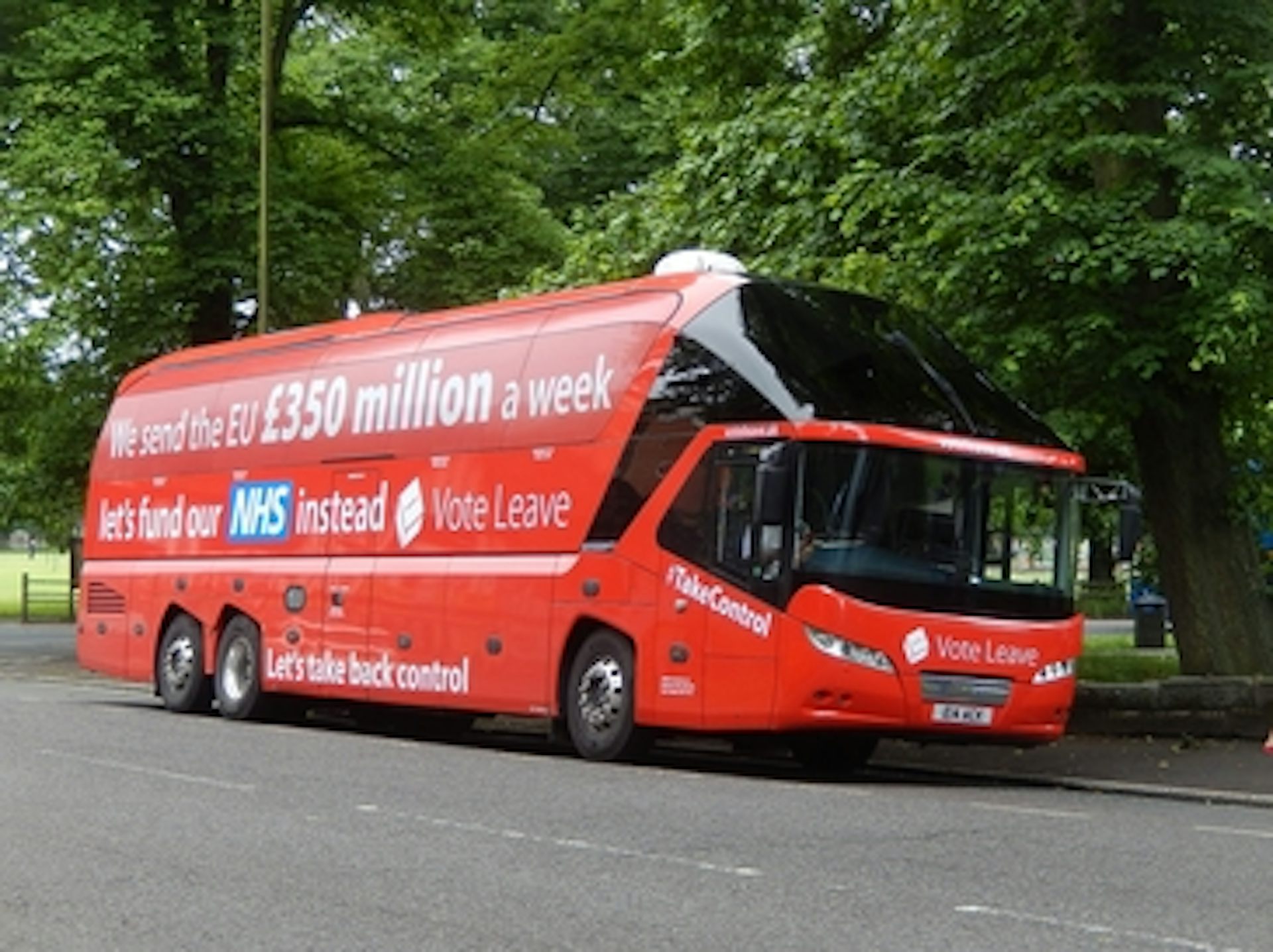
Aware of the NHS’s place in the hearts of the British people, the pro-Leave campaigners heavily promoted the argument that, in the event of an exit from the EU, the money previously allocated to the EU budget would be channelled directly into funding the NHS. Boris Johnson criss-crossing the country in his red bus bearing the slogan “We send the EU £350 million a week, let’s fund our NHS instead” was one of the campaign’s most emblematic images.
وبوعيه بمكانة هيئة الخدمات الصحية الوطنية في قلوب الشعب البريطاني، روّج النشطاء المؤيدون للخروج بقوة لحجة مفادها أنه في حال الخروج من الاتحاد الأوروبي، سيتم توجيه الأموال المخصصة سابقاً للميزانية الأوروبية مباشرة لتمويل هيئة الخدمات الصحية الوطنية. وكانت صورة بوريس جونسون وهو يتنقل في أنحاء البلاد بحافلته الحمراء التي تحمل شعار “نحن نرسل إلى الاتحاد الأوروبي 350 مليون جنيه إسترليني أسبوعياً، فلنموّل هيئتنا الصحية بدلاً من ذلك” واحدة من أكثر الصور رمزية للحملة.
Inevitably, this argument struck a chord with a large section of the British electorate, who were concerned about the decline of such a national institution. Nigel Farage’s sudden U-turn felt like a massive betrayal and highlighted, from the very first hours following the vote, the gap between promises and reality.
لا مفر أن هذه الحجة لامست وتراً لدى شريحة كبيرة من الناخبين البريطانيين، الذين كانوا قلقين بشأن تدهور مثل هذه المؤسسة الوطنية. وشعرت التراجع المفاجئ لنايجل فاراج وكأنه خيانة عظمى، وسلط الضوء، منذ الساعات الأولى التي تلت التصويت، على الفجوة بين الوعود والواقع.
The other major theme of the pro-Leave campaign was the fight against immigration. On this point, too, the gap between promises and reality led to a deep resentment among voters.
وكان الموضوع الرئيسي الآخر للحملة المؤيدة للخروج هو محاربة الهجرة. وفي هذا الجانب أيضاً، أدت الفجوة بين الوعود والواقع إلى استياء عميق بين الناخبين.
For years, Nigel Farage had been repeating that because of its membership of the European Union, which advocates the principle of open borders and free movement of people, the UK lacked the capacity to control its borders or to prevent mass immigration. A few days before the referendum, Farage unveiled a campaign poster called ‘Breaking Point’ which showed a crowd of migrants from the Middle East – exclusively men – gathered at the Croatian-Serbian border like ready to “invade” Europe. The caption on the poster read, “The EU has failed us all.”
لسنوات، كان نايجل فاراج يكرر أنه بسبب عضويتها في الاتحاد الأوروبي، الذي يدعو لمبدأ الحدود المفتوحة وحرية تنقل الأشخاص، تفتقر المملكة المتحدة إلى القدرة على السيطرة على حدودها أو منع الهجرة الجماعية. وقبل أيام من الاستفتاء، كشف فاراج عن ملصق حملة بعنوان “نقطة الانهيار” (Breaking Point) يظهر حشدًا من المهاجرين من الشرق الأوسط – رجالاً فقط – متجمعين عند الحدود الكرواتية-الصربية وكأنهم مستعدون لـ “غزو” أوروبا. ونص الملصق: “لقد خيّب الاتحاد الأوروبي ظننا جميعاً.”
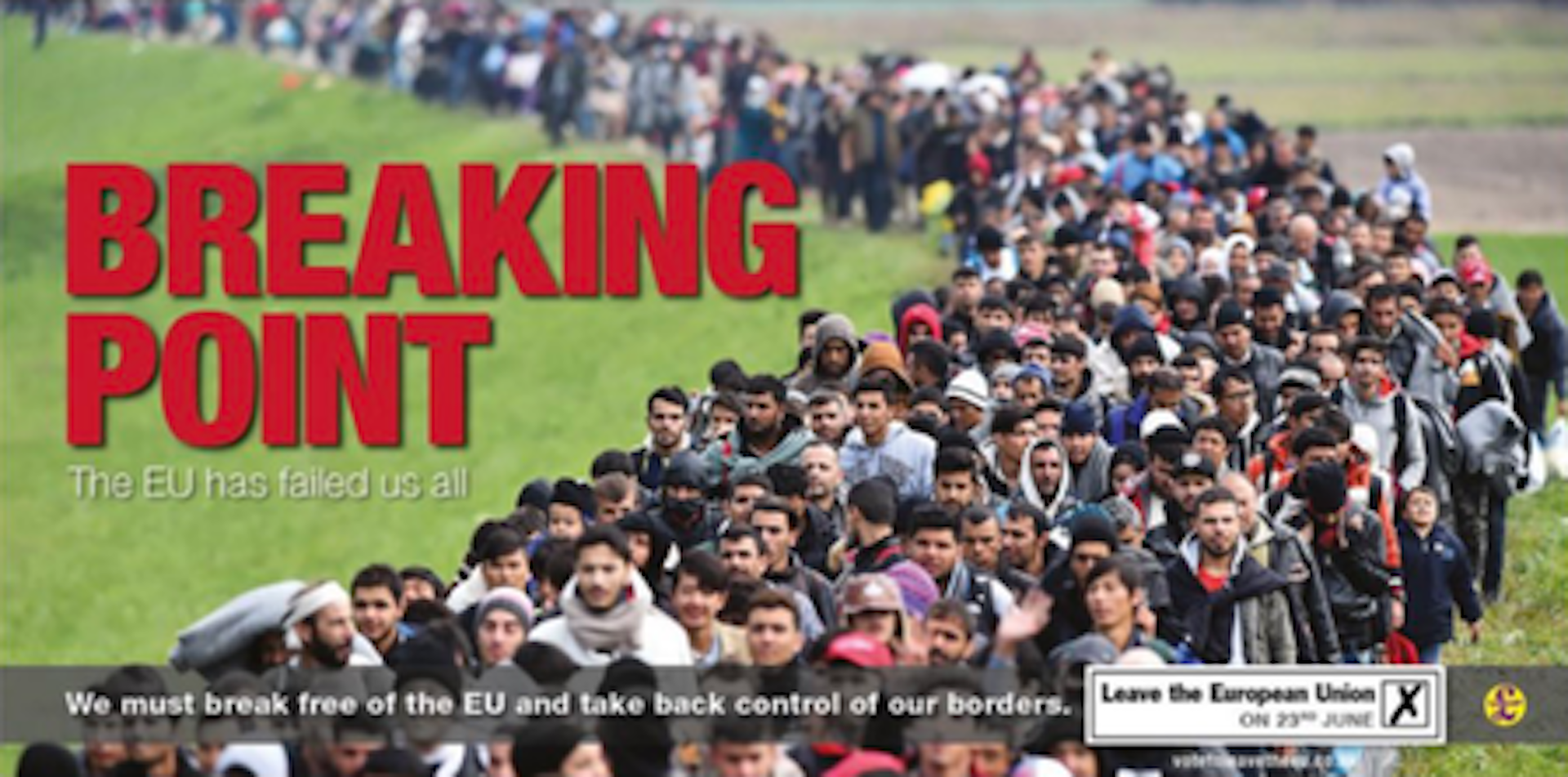
Following the outcry caused by the poster, UKIP was forced to remove it immediately. But the argument had a major impact in a country where immigration – especially from Muslim countries – topped British concerns. Farage’s campaign strategy also consisted in presenting the vote for Brexit as an identity and civilisational issue by presenting immigration – encouraged according to him by the European elites – as an existential threat to British identity and the nation’s future.
في أعقاب الغضب الذي أثاره الملصق، اضطر حزب الاتحاد الديمقراطي البريطاني إلى إزالته على الفور. لكن الحجة كان لها تأثير كبير في بلد كانت فيه الهجرة – وخاصة من الدول المسلمة – تشكل قمة اهتمامات البريطانيين. كما تضمنت استراتيجية حملة فاراج تقديم تصويت بريكست كقضية هوية وحضارية، وذلك بتقديم الهجرة – التي وصفها بأنها تشجع عليها النخب الأوروبية – على أنها تهديد وجودي للهوية البريطانية ومستقبل الأمة.
The victory of Brexit has been partly analysed as the victory of gloomy passions – fear of others, hostility toward foreigners, resentment against multiculturalism – and interpreted as a sign of a growingly inward-looking country. But while the wish of much of the pro-Brexit electorate was to see the country being totally closed to foreigners, that was far from the case. Indeed, even after the United Kingdom officially left the European Union on January 31 2020, immigration figures continued to rise, reaching an absolute record in March 2023, with net migration approaching one million. For a large part of the public opinion hostile to immigration, these figures gave the impression that immigration was out-of-control and that governments were powerless in the face of migration flows, reinforcing anger and resentment toward political elites.
لقد تم تحليل انتصار خروج بريطانيا من الاتحاد الأوروبي جزئياً باعتباره انتصاراً للعواطف الكئيبة – الخوف من الآخرين، والعداء تجاه الأجانب، والاستياء من التعددية الثقافية – وتفسيره كعلامة على بلد يتجه نحو الانغلاق الداخلي بشكل متزايد. ولكن بينما كانت رغبة جزء كبير من الناخبين المؤيدين للخروج هي رؤية البلاد مغلقة تماماً على الأجانب، فإن هذا لم يكن بعيد المنال. في الواقع، حتى بعد خروج المملكة المتحدة رسمياً من الاتحاد الأوروبي في 31 يناير 2020، استمرت أرقام الهجرة في الارتفاع، لتصل إلى مستوى قياسي مطلق في مارس 2023، حيث اقترب صافي الهجرة من مليون شخص. وبالنسبة لجزء كبير من الرأي العام المعادي للهجرة، أعطت هذه الأرقام انطباعاً بأن الهجرة خرجت عن السيطرة وأن الحكومات عاجزة أمام تدفقات المهاجرين، مما عزز الغضب والاستياء تجاه النخب السياسية.
The movie tag contains https://www.arte.tv/fr/videos/111777-006-A/arte-regards/, which is an unsupported URL, in the src attribute. Please try again with youtube or vimeo.
يحتوي وسم الفيلم (movie tag) على الرابط https://www.arte.tv/fr/videos/111777-006-A/arte-regards/، وهو رابط غير مدعوم في السمة src. يرجى المحاولة مرة أخرى باستخدام يوتيوب أو فيميو.
Another main promise of the pro-Leave campaign turned out to be a failure. In this context, and if you add to that sluggish economic growth and rampant inflation, it is not surprising that the latest polls indicate that a majority of Britons – about 56% – say they regret leaving the European Union.
كما تبين أن وعداً رئيسياً آخر لحملة المؤيدين للخروج قد فشل. وفي هذا السياق، وإذا أضفت إلى ذلك النمو الاقتصادي البطيء والتضخم الجامح، فليس من المستغرب أن تشير أحدث استطلاعات الرأي إلى أن غالبية البريطانيين – حوالي 56% – يقولون إنهم يندمون على مغادرة الاتحاد الأوروبي.
A broken society
مجتمع متصدع
At a time when the British are about to commemorate the ten years of the vote in favour of Brexit, feelings of regret, bitterness and betrayal prevail among the public. These sentiments fuel immense anger against political elites, resulting in a loss of confidence in both traditional parties and an unprecedented rise for the far right party Reform UK, led by Nigel Farage.
في وقت يستعد فيه البريطانيون للاحتفال بالذكرى العاشرة للتصويت لصالح خروج بريطانيا من الاتحاد الأوروبي (بريكست) ، تسود مشاعر الندم والمرارة والخيانة بين عامة الناس. تغذي هذه المشاعر غضباً هائلاً موجهاً ضد النخب السياسية، مما أدى إلى فقدان الثقة في الأحزاب التقليدية وارتفاع غير مسبوق لحزب اليمين المتطرف “ريفورم يو كيه” (Reform UK) ، بقيادة نايجل فاراج.
Brexit alone is not to blame for all of the UK’s woes: the health crisis linked to the Covid-19 pandemic and the war in Ukraine also partly explain the economic problems the country is facing. However, it is Brexit that has split the population into two opposing – even hostile – camps, which clash over issues ranging from immigration and ethnic and cultural diversity to the definition of national identity. These divisions have created the conditions for the emergence of genuine culture wars, which, a decade after the referendum, continue to tear British society apart.
لا يقتصر لوم بريكست وحده على جميع محن المملكة المتحدة: فالأزمة الصحية المرتبطة بجائحة كوفيد-19 والحرب في أوكرانيا تفسران جزئياً أيضاً المشاكل الاقتصادية التي تواجهها البلاد. ومع ذلك، فإن بريكست هو ما شطر السكان إلى معسكرين متنافسين – بل ومتعاديين – يتصادمان حول قضايا تتراوح من الهجرة والتنوع العرقي والثقافي وصولاً إلى تعريف الهوية الوطنية. وقد خلقت هذه الانقسامات الظروف لظهور حروب ثقافية حقيقية، والتي لا تزال تمزق المجتمع البريطاني بعد عقد من إجراء الاستفتاء.

A weekly e-mail in English featuring expertise from scholars and researchers. It provides an introduction to the diversity of research coming out of the continent and considers some of the key issues facing European countries. Get the newsletter!
بريد إلكتروني أسبوعي باللغة الإنجليزية يضم خبرات الباحثين والأكاديميين. يقدم هذا البريد مقدمة لتنوع الأبحاث الصادرة عن القارة ويناقش بعض القضايا الرئيسية التي تواجه الدول الأوروبية. احصل على النشرة الإخبارية!
Laëtitia Langlois ne travaille pas, ne conseille pas, ne possède pas de parts, ne reçoit pas de fonds d’une organisation qui pourrait tirer profit de cet article, et n’a déclaré aucune autre affiliation que son organisme de recherche.
لا تعمل لاتيتا لانغوا، ولا تقدم استشارات، ولا تمتلك حصصاً، ولا تتلقى تمويلاً من أي منظمة قد تستفيد من هذه المقالة، ولم تصرح بأي انتماء آخر سوى مؤسستها البحثية.
Read more
-

كيف يعمل الخيال حقًا في الدماغ؟ نظرية جديدة تقلب ما كنا نعرفه
How does imagination really work in the brain? New theory upends what we knew