تشير الحرب في إيران – مجدداً – إلى القصور الاستراتيجي للاغتيال كسياسة في الشؤون الخارجية
The war in Iran – again – points to the strategic shortcomings of assassination as policy of foreign affairs
Targeted killings can disrupt an adversary, but they rarely lead to collapse — especially when the target is a nation-state like Iran.
يمكن أن تعرقل عمليات القتل المستهدفة خصماً، لكنها نادراً ما تؤدي إلى الانهيار — خاصة عندما يكون الهدف دولة قومية مثل إيران.
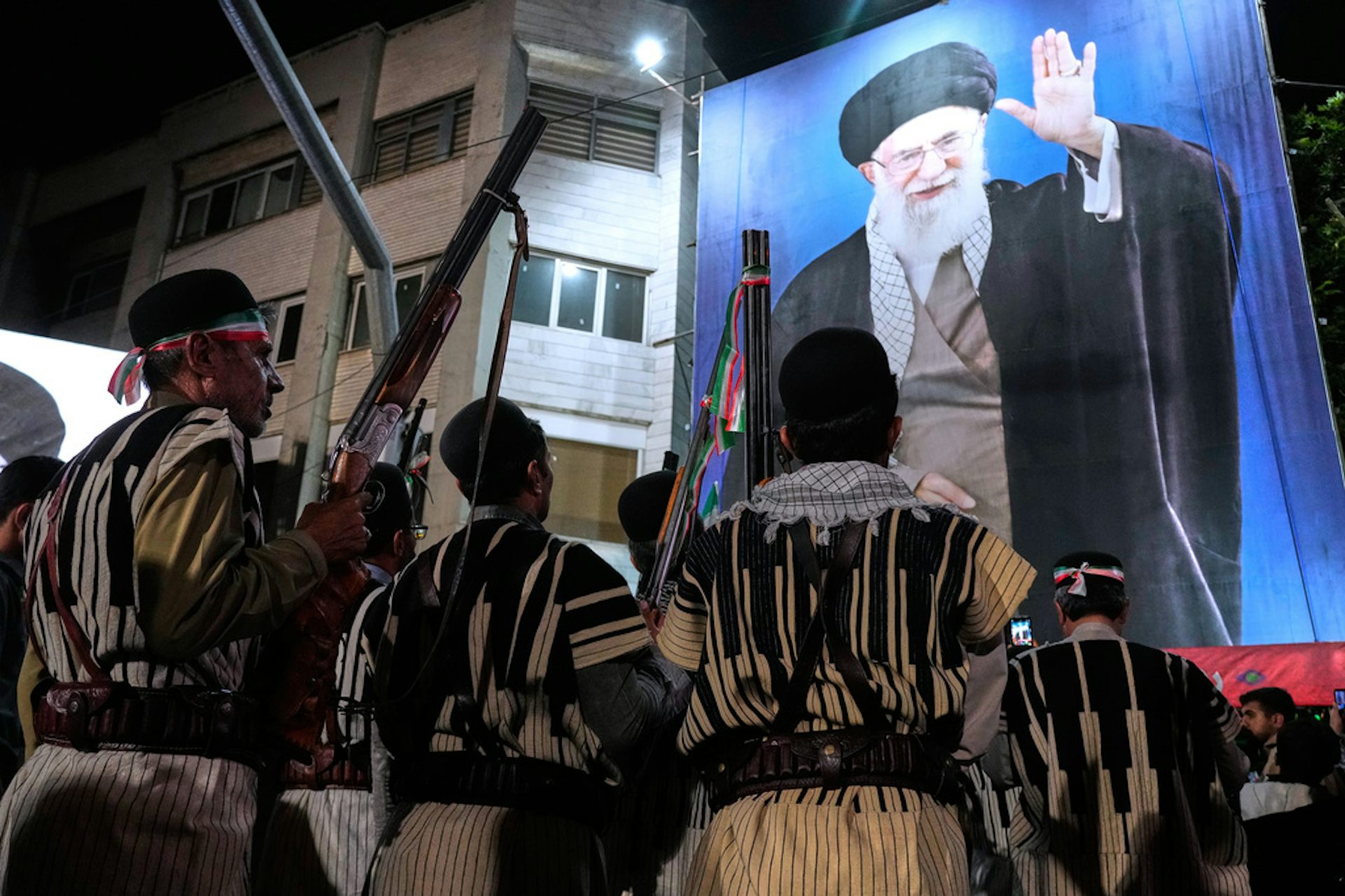
The coordinated U.S.-Israeli strikes at the outset of the war in Iran killed Supreme Leader Ali Khamenei, along with other key regime figures. In doing so, the United States and Israel crossed what The New York Times and others described as “a new Rubicon”: the deliberate, overt killing of a head of state.
أدت الضربات الأمريكية-الإسرائيلية المنسقة في بداية الحرب في إيران إلى مقتل المرشد الأعلى علي خامنئي، إلى جانب شخصيات أخرى رئيسية في النظام. وبقيامها بذلك، تجاوزت الولايات المتحدة وإسرائيل ما وصفته صحيفة نيويورك تايمز وغيرهم بأنه “روبيكون جديد”: وهو القتل المتعمد والعلني لرأس دولة.
President Donald Trump and Israeli Prime Minister Benjamin Netanyahu framed their war not simply as retaliation or coercion, but as an opening for political collapse. Remove enough of the leadership, the logic ran, and the structure beneath it either breaks apart or becomes vulnerable enough for a public uprising to finish the job.
أطر الرئيس دونالد ترامب ورئيس الوزراء الإسرائيلي بنيامين نتنياهو حربهم ليس مجرد انتقام أو إكراه، بل كفتحة لانهيار سياسي. فمن خلال إزالة ما يكفي من القيادة، تسير المنطق بأن الهيكل الكامن تحتها إما أن يتفكك أو يصبح ضعيفاً بما يكفي لثورة شعبية لإتمام المهمة.
Yet as a former senior U.S. intelligence officer who held leadership roles at the CIA and National Counterterrorism Center, I believe such triumphalist logic masks the strategic shortcoming of such targeted killings.
ومع ذلك، وبصفتي ضابط استخبارات أمريكي سابق رفيع المستوى شغل مناصب قيادية في وكالة المخابرات المركزية ومركز مكافحة الإرهاب الوطني، أعتقد أن هذا المنطق الانتصاروي يحجب القصور الاستراتيجي لمثل هذه الاغتيالات الموجهة.
Disruption is not the same as collapse
التعطيل ليس هو نفسه الانهيار
Most scholars, too, have concluded that targeted killings or assassinations, often referred to as leadership decapitation, can disrupt operations and degrade organizational effectiveness. Under some conditions, they can even force the targeted side to capitulate. But they rarely lead to collapse.
لقد خلص معظم الباحثين أيضاً إلى أن القتلى المستهدفين أو الاغتيالات، التي يُشار إليها غالباً باسم “قطع رأس القيادة”، يمكن أن تعطل العمليات وتُضعف الفعالية التنظيمية. وفي ظل بعض الظروف، يمكنها حتى أن تجبر الطرف المستهدف على الاستسلام. لكنها نادراً ما تؤدي إلى الانهيار.
The work of Jenna Jordan, a scholar of international relations at Georgia Tech, remains one of the clearest warnings against inflated expectations about anticipated effect of such strikes. Across a large body of cases of targeting killings of non-state militant groups, she found that older, larger, more institutionalized organizations are harder to break down through leadership removal than small, young, weakly structured ones.
يظل عمل جينا جوردان، الباحثة في العلاقات الدولية بجامعة جورجيا التقنية، أحد أوضح التحذيرات ضد التوقعات المبالغ فيها بشأن التأثير المتوقع لمثل هذه الضربات. ففي مجموعة كبيرة من حالات القتل المستهدف للجماعات المسلحة غير الحكومية، وجدت أن المنظمات الأقدم والأكبر والأكثر مؤسسية يصعب تفكيكها عبر إزالة القيادة مقارنة بالمنظمات الصغيرة والحديثة وذات الهيكل الضعيف.
Patrick Johnston, a former director of the Counterterrorism Center at West Point who has studied counterinsurgency campaigns, found more evidence that decapitation can help end conflicts than Jordan did. Other research has backed-up Johnston’s conclusion that some terrorist groups are vulnerable to leadership targeting.
وجد باتريك جونستون، المدير السابق لمركز مكافحة الإرهاب في ويست بوينت والذي درس حملات مكافحة التمرد، أدلة أكثر من جوردان تفيد بأن قطع رأس القيادة يمكن أن يساعد في إنهاء النزاعات. وقد دعمت أبحاث أخرى استنتاج جونستون بأن بعض الجماعات الإرهابية عرضة لاستهداف القيادة.
But even these more favorable studies point to only conditional gains; they do not treat decapitation as a path to automatic political success or as a substitute for broader strategy.
ولكن حتى هذه الدراسات الأكثر تفضيلاً تشير إلى مكاسب مشروطة فقط؛ فهي لا تتعامل مع قطع رأس القيادة كمسار للنجاح السياسي التلقائي أو كبديل لاستراتيجية أوسع.
Targeting heads of state is even more fraught
إن استهداف رؤساء الدول أكثر تعقيداً
In counterterrorism efforts, disruption may be a good enough outcome for policymakers. Indeed, if the objective is to delay attacks or degrade operational effectiveness, leadership removal can have value. That was how the U.S. campaign against al-Qaeda was generally understood by American policymakers. Even Osama bin Laden’s death and repeated strikes against senior deputies were treated as major blows, not as proof that the organization had ceased to exist or no longer mattered as an operational threat.
في جهود مكافحة الإرهاب، قد يكون التعطيل نتيجة جيدة بما يكفي لصناع السياسات. في الواقع، إذا كان الهدف هو تأخير الهجمات أو إضعاف الفعالية العملياتية، فإن إزالة القيادات يمكن أن يكون له قيمة. هكذا كان الفهم العام للحملة الأمريكية ضد القاعدة بين صانعي السياسات الأمريكيين. حتى وفاة أسامة بن لادن والضربات المتكررة ضد نوابه الكبار عُوملت كضربات كبرى، وليست دليلاً على أن المنظمة قد توقفت عن الوجود أو لم تعد تشكل تهديداً عملياتياً.
Yet when the target is a state, the political bar is even higher. Tactical disruption is, again, not the same as political collapse. It is also not the same as creating a more favorable bargaining environment for the country relying on assassinations.
ومع ذلك، عندما يكون الهدف دولة، يكون المعيار السياسي أعلى. فالتعطيل التكتيكي، مرة أخرى، لا يساوي الانهيار السياسي. كما أنه لا يساوي خلق بيئة تفاوضية أكثر ملاءمة للبلد الذي يعتمد على الاغتيالات.
That distinction matters because recent scholarship has found that killing or capturing leaders may weaken an adversary on the battlefield but does not necessarily tell us how an adversary will respond politically — whether it becomes more willing to bargain, less able to negotiate, or more determined to keep fighting.
هذا التمييز مهم لأن الأبحاث الحديثة وجدت أن قتل أو أسر القادة قد يضعف خصماً في ساحة المعركة، لكنه لا يخبرنا بالضرورة كيف سيرد الخصم سياسياً — ما إذا أصبح أكثر استعداداً للتفاوض، أو أقل قدرة على التفاوض، أو أكثر تصميماً على مواصلة القتال.
Removing another country’s leaders may weaken it in the short term, while changing who is left to negotiate, compromise or escalate. A strike could therefore succeed operationally while narrowing the political options that follow.
قد يضعف إبعاد قادة دولة أخرى في المدى القصير، بينما يغير من هو المتبقي للتفاوض أو التنازل أو التصعيد. وبالتالي، يمكن أن تنجح الضربة على المستوى العملياتي بينما تضيّق الخيارات السياسية اللاحقة.
Iran’s response to the initial killing of senior leaders in the opening days of the current conflict illustrates the point. Khamenei’s death staggered the government, but it did not break it. Within little more than a week, Iran’s Assembly of Experts appointed Mojtaba Khamenei, his son, as supreme leader.
توضح استجابة إيران للقتل الأولي لكبار القادة في الأيام الافتتاحية للصراع الحالي هذه النقطة. أربكت وفاة خامنئي الحكومة، لكنها لم تكسرها. في غضون أكثر بقليل من أسبوع، عين مجلس خبراء القيام في إيران مرتضى خامنئي، ابنه، كمرشد أعلى.
The government redistributed authority through institutions built to survive political shock: the clerical establishment, the Islamic Revolutionary Guard Corps, and the broader security bureaucracy.
أعادت الحكومة توزيع السلطة عبر مؤسسات بُنيت لتحمل الصدمات السياسية: المؤسسة الكهنوتية، وحرس الثورة الإسلامية، والبيروقراطية الأمنية الأوسع.
The assassinations did not create a pathway for coercion, negotiation, or popular uprising. Indeed, as the ongoing lack of a long-term resolution to the conflict shows, the Trump administration is not now dealing with a more pliable Iran. Rather, it is facing a state steered by a successor leadership with an agenda even more hostile to U.S. policy in the Middle East, stronger incentives to prolong the conflict and a demonstrated willingness to absorb the pain of defiance.
لم تخلق الاغتيالات مساراً للإكراه أو التفاوض أو الانتفاض الشعبية. في الواقع، كما يظهر النقص المستمر في حل طويل الأمد للصراع، فإن إدارة ترامب لا تتعامل الآن مع إيران الأكثر قابلية للتأثر. بل إنها تواجه دولة تقودها قيادة خلفية ذات أجندة أكثر عداءً للسياسة الأمريكية في الشرق الأوسط، وحوافز أقوى لإطالة أمد الصراع، واستعداداً واضحاً لتحمل آلام التحدي.
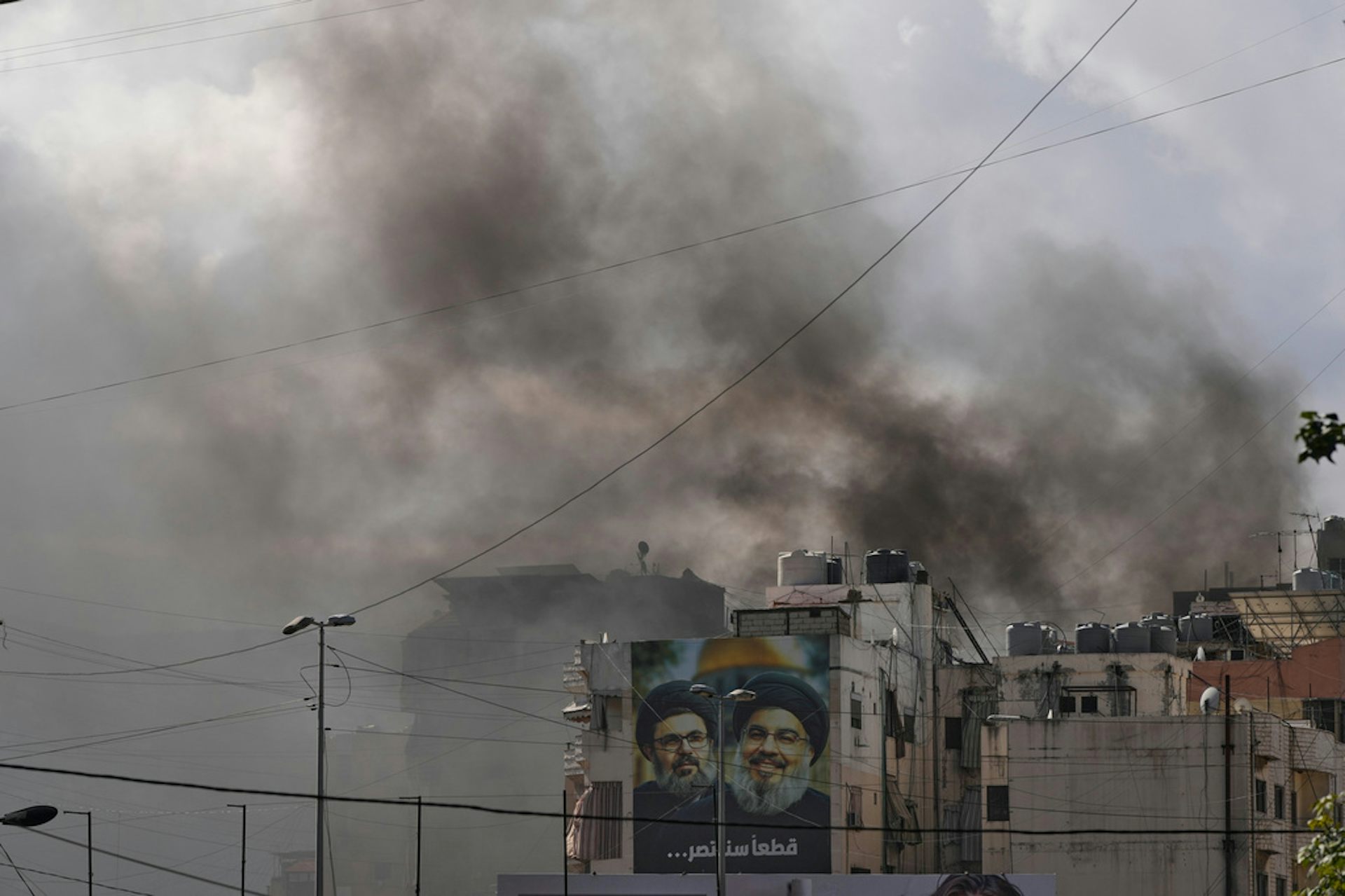
Israel has long used targeted killing to disrupt adversaries — most visibly in its recent campaigns against Hamas and Hezbollah — but the Iran case shows the danger of turning the tool into a theory of political transformation.
لطالما استخدمت إسرائيل القتل المستهدف لتعطيل الخصوم — وأبرز ذلك في حملاتها الأخيرة ضد حماس وحزب الله — لكن حالة إيران تظهر خطر تحويل الأداة إلى نظرية للتحول السياسي.
A broader phenomenon
ظاهرة أوسع
That same gap between tactical achievement and strategic effect appears in other settings as well.
تظهر نفس الفجوة بين الإنجاز التكتيكي والتأثير الاستراتيجي في سياقات أخرى أيضاً.
Recent scholary work on criminal organizations in Latin America finds that state decapitation campaigns are often associated with short-term increases in violence, including clashes with state forces, even when they damage the targeted organization.
تشير الدراسات الأكاديمية الحديثة حول المنظمات الإجرامية في أمريكا اللاتينية إلى أن حملات تفكيك الدولة غالباً ما ترتبط بزيادات قصيرة الأجل في العنف، بما في ذلك الاشتباكات مع قوات الدولة، حتى عندما تضر بالمنظمة المستهدفة.
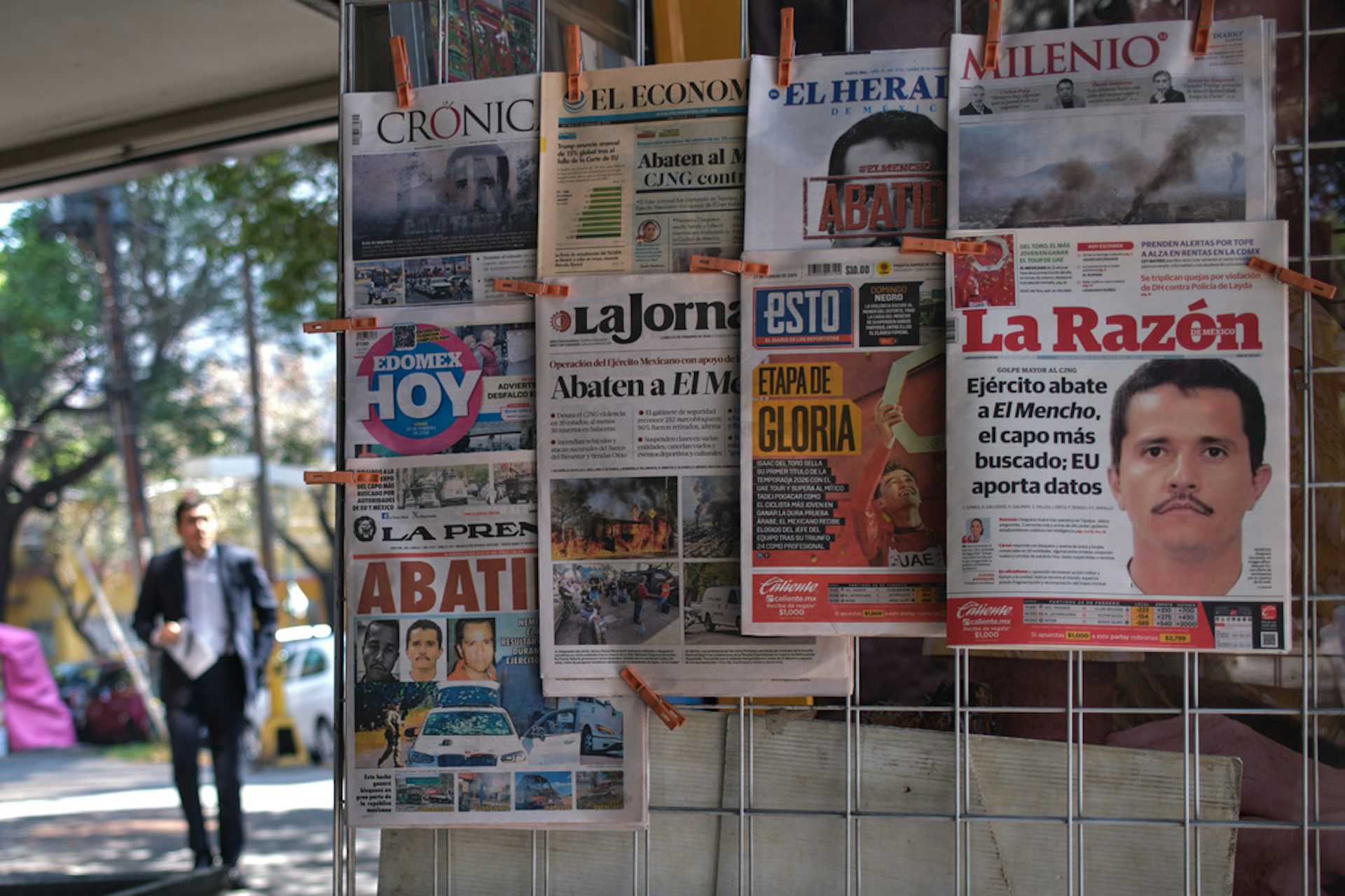
For example, in February 2026, Mexican forces killed Nemesio Oseguera Cervantes, better known as El Mencho, the head of the Jalisco New Generation Cartel. Yet, according to reporting, the organization continues to operate, with its core operations and networks largely intact. Meanwhile, reprisals followed quickly: 25 members of Mexico’s National Guard were killed and blockades and arson was seen across several states.
على سبيل المثال، في فبراير 2026، قتلت القوات المكسيكية نيميسيو أوسيجيرا سيرفانتس، المعروف باسم “إل مينشو”، زعيم كارتل جاليـسكو للجيل الجديد. ومع ذلك، ووفقاً للتقارير، لا تزال المنظمة تعمل، وظلت عملياتها وشبكاتها الأساسية سليمة إلى حد كبير. وفي غضون ذلك، تبعتها أعمال انتقامية سريعة: قُتل 25 عضواً من الحرس الوطني المكسيكي وشوهدت الحصارات والحرق في عدة ولايات.
Leadership removal imposed a tactical cost, but it did not translate neatly into strategic collapse.
فرضت إزالة القيادة ثمناً تكتيكياً، لكنها لم تترجم بشكل واضح إلى انهيار استراتيجي.
And yet the appeal persists
ومع ذلك، لا يزال الجاذبية قائمة
So why does decapitation remain so attractive? James Walsh, a scholar of political violence, intelligence and armed conflict at the University of North Carolina in Charlotte, suggests targeted killing gives policymakers a means to measure progress in a conflict where success is otherwise difficult to define. It produces a name and a result — often a photo and, in some cases, footage of the strike that can be shown at a press conference. It may not be less complex than diplomacy in operational terms, but it is often easier to explain politically: a strike can be presented as action, while negotiations require patience, trade-offs and the risk of appearing to compromise with an enemy.
فلماذا يظل قطع الرؤوس جذابًا إلى هذا الحد؟ يشير جيمس والش، الباحث في العنف السياسي والاستخبارات والنزاع المسلح بجامعة كارولاينا الشمالية في شارلوت، إلى أن القتل المستهدف يمنح صانعي السياسات وسيلة لقياس التقدم في نزاع يصعب تعريف نجاحه بطرق أخرى. إنه ينتج اسمًا ونتيجة- غالبًا ما تكون صورة وفي بعض الحالات، لقطات من الضربة يمكن عرضها في مؤتمر صحفي. قد لا تكون أقل تعقيدًا من الدبلوماسية من الناحية التشغيلية، لكنها غالبًا ما تكون أسهل في التفسير سياسيًا: يمكن تقديم الضربة كعمل، بينما تتطلب المفاوضات الصبر والمقايضات وخطر الظهور بمظهر من يتنازل عن شيء للعدو.
In the case of El Mencho, his death gave Mexican President Claudia Sheinbaum a political trophy as well as a tactical victory. It allowed her to show action against cartel power at a moment of domestic strain over cartel violence and sustained U.S. pressure for Mexico to take a harder line. A named target and a confirmed death are easier to present as progress.
في حالة إل مينشو، منحت وفاته الرئيسة المكسيكية كلوديا شينباوم جائزة سياسية بالإضافة إلى انتصار تكتيكي. سمح لها بعرض العمل ضد قوة الكارتلات في لحظة من التوتر الداخلي بسبب عنف الكارتلات والضغط الأمريكي المستمر على المكسيك لاتخاذ موقف أكثر صرامة. إن استهداف شخص معين وتأكيد وفاته أسهل في تقديمه كدليل على التقدم.
A similar dynamic may be present in the Ukraine-Russian war. Russian President Vladimir Putin is reportedly hunkered down in fear of an assassination attempt, most plausibly from Ukraine. But Putin’s death would not, by itself, end Russia’s war or dissolve the Russian state.
قد تكون ديناميكية مماثلة موجودة في الحرب الأوكرانية الروسية. أفادت التقارير بأن الرئيس الروسي فلاديمير بوتين يختبئ خوفًا من محاولة اغتيال، ومن المرجح أن تكون من أوكرانيا. لكن وفاة بوتين لن تنهي حرب روسيا بحد ذاتها أو تذيب الدولة الروسية.
A successful strike against the man most identified with the invasion would, though, have an immeasurable rallying effect for Ukrainians after years of sacrifice. The reverse would also be true if a Russian operation killed Ukrainian President Volodymyr Zelenskyy. The political and symbolic shock would be enormous, but neither country’s war effort would necessarily crumble.
ومع ذلك، فإن الضربة الناجحة ضد الرجل الأكثر ارتباطًا بالغزو سيكون لها تأثير حشد لا يقدر بثمن للأوكرانيين بعد سنوات من التضحية. سيكون الأمر صحيحًا أيضًا إذا أدت عملية روسية إلى مقتل الرئيس الأوكراني فولوديمير زيلينسكي. ستكون الصدمة السياسية والرمزية هائلة، لكن جهود الحرب في أي من البلدين لن تنهار بالضرورة.
High-level decapitations can impose costs, degrade an organization or state’s capacity and force adversaries to operate under sustained pressure. But they cannot, according to the evidence, translate tactical achievement into the political outcomes that leaders invoke to justify such targeted killings.
يمكن أن تفرض عمليات قطع الرؤوس رفيعة المستوى تكاليف، وتُضعف قدرة منظمة أو دولة، وتجبر الخصوم على العمل تحت ضغط مستمر. لكنها لا يمكنها، وفقًا للأدلة، تحويل الإنجاز التكتيكي إلى النتائج السياسية التي يستحضرها القادة لتبرير مثل هذه عمليات القتل المستهدف.
That is, I believe, the lesson the war in Iran should have reinforced. Whatever the arguments for or against assassination as a matter of state policy, decapitation is a tool of disruption not of transformation. It becomes a strategic error when leaders treat it as the latter.
هذا، في اعتقادي، هو الدرس الذي كان يجب أن يعززه الصراع في إيران. بغض النظر عن الحجج المؤيدة أو المعارضة للاغتيال كمسألة سياسة دولة، فإن قطع الرؤوس هو أداة تعطيل وليس أداة تحول. ويصبح خطأً استراتيجيًا عندما يعامله القادة على أنه الأخير.
Brian O’Neill does not work for, consult, own shares in or receive funding from any company or organization that would benefit from this article, and has disclosed no relevant affiliations beyond their academic appointment.
لا يعمل برايان أونيل أو يستشير أو يمتلك أسهمًا في أي شركة أو منظمة، ولا يتلقى منها تمويلاً، ولم يفصح عن أي انتماءات ذات صلة تتجاوز منصبه الأكاديمي.
Read more
-
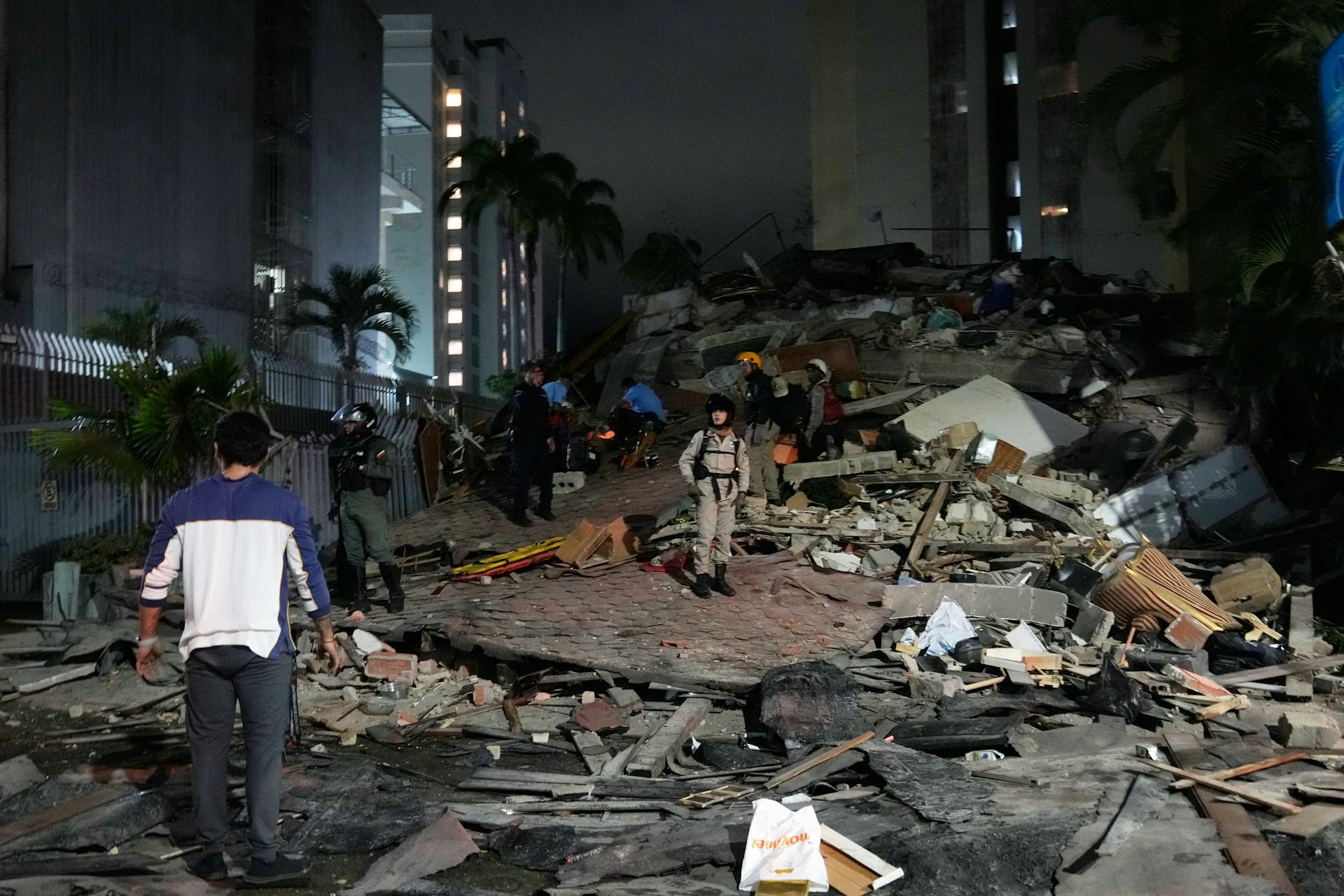
هل ضربت فنزويلا بـ “ازدواج” زلزالي؟ إليك ما نعرفه حتى الآن
Was Venezuela struck by an earthquake ‘doublet’? Here’s what we know so far