هل ضربت فنزويلا بـ “ازدواج” زلزالي؟ إليك ما نعرفه حتى الآن
Was Venezuela struck by an earthquake ‘doublet’? Here’s what we know so far
The two deadly earthquakes happened just 39 seconds apart, but were seismologically distinct.
وقع الزلزالان المميتان بفارق 39 ثانية فقط، ولكنهما كانا متميزين زلزالياً.
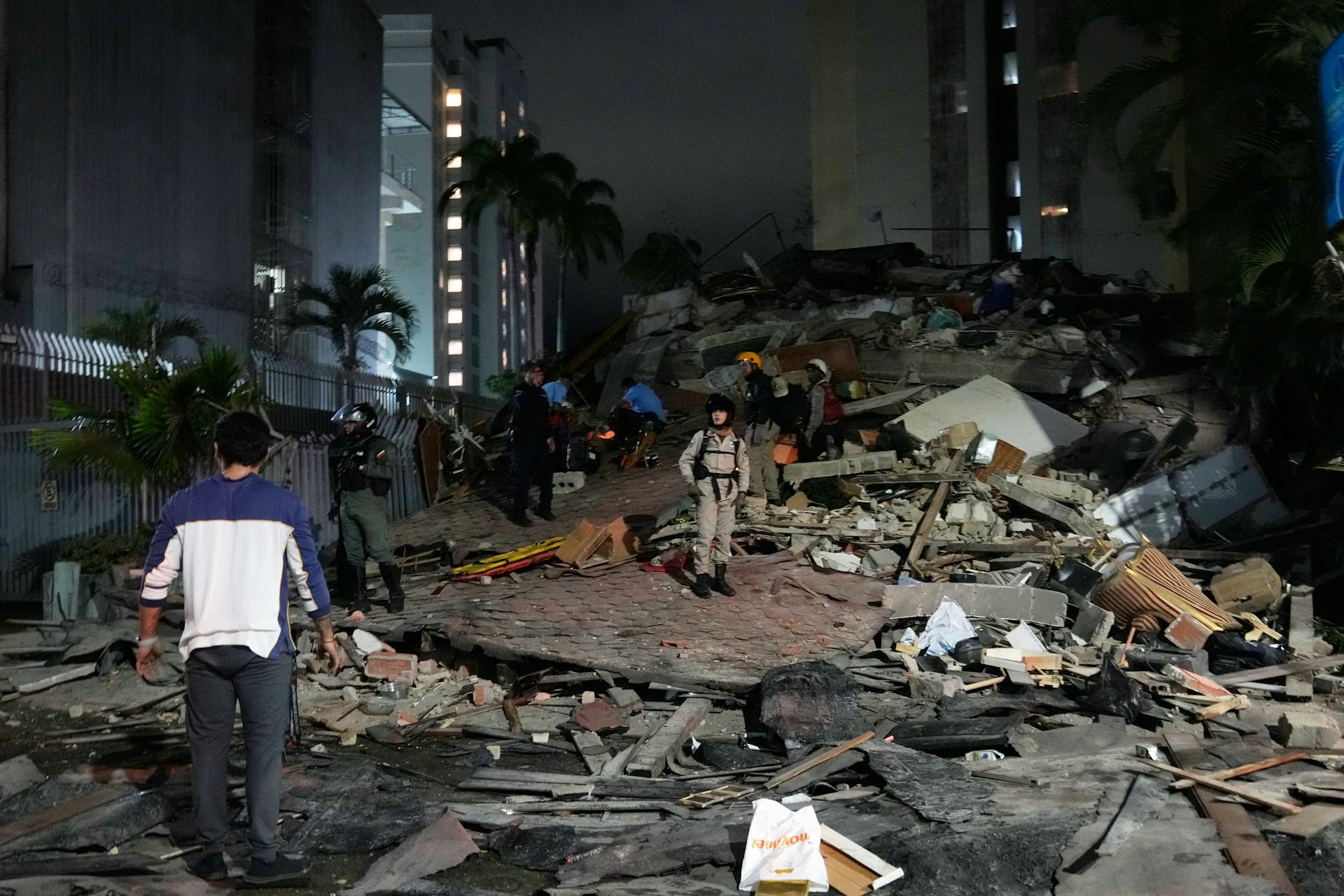
On Wednesday evening just after 6pm local time, two earthquakes violently shook northern Venezuela.
يوم الأربعاء مساءً، بعد الساعة السادسة تقريباً بالتوقيت المحلي، هزّ زلزالان بقوة شمال فنزويلا.
The first one struck near San Felipe, the capital of the state of Yaracuy. Just 39 seconds later, another quake struck near the town of Yumare, within 5 to 10km from the first one.
ضرب الأول بالقرب من سان فيليبي، عاصمة ولاية ياراكوي. وبعد 39 ثانية فقط، ضرب زلزال آخر بالقرب من بلدة يوماري، على بُعد ما بين 5 و 10 كيلومترات من الزلزال الأول.
Powerful ground shaking was felt across the region, including in Venezuela’s capital Caracas about 150km east of the earthquake epicentres. Buildings collapsed, and authorities report the casualty toll may be in the thousands.
شُعِر بهزّ قوي للأرض في جميع أنحاء المنطقة، بما في ذلك العاصمة فنزويلا كاراكاس التي تبعد حوالي 150 كم شرق بؤر الزلزال. وانهارت المباني، وتفيد السلطات بأن حصيلة الضحايا قد تصل إلى الآلاف.
In addition to strong shaking, ground failure including landslides and liquefaction are anticipated to have occurred throughout the region. The earthquakes happened in a mountainous region where slope failures are common. And the type of sediment beneath Caracas amplifies seismic waves and enhances earthquake damage.
بالإضافة إلى الهزّ القوي، من المتوقع أن تكون قد حدثت انهيارات أرضية تشمل الانهيارات الأرضية وتسييل التربة في جميع أنحاء المنطقة. وقعت الزلازل في منطقة جبلية حيث تعتبر انزلاقات المنحدرات شائعة. كما أن نوع الرواسب تحت كاراكاس يضخم الموجات الزلزالية ويزيد من أضرار الزلزال.
According to the US Geological Survey (USGS) , the earthquakes were a “doublet”: a magnitude 7.2 foreshock followed 39 seconds later by a mainshock, this one with a magnitude of 7.5.
وفقاً للمرصد الجيولوجي الأمريكي (USGS) ، كانت الزلازل عبارة عن “مزدوجة”: زلزال سابق بقوة 7.2 درجة، تبعه بعد 39 ثانية زلزال رئيسي بقوة 7.5 درجة.
What is an earthquake ‘doublet’?
ما هو “المزدوج الزلزالي”؟
An earthquake doublet is a pair of earthquakes that happen within a short time and distance from each other.
المزدوج الزلزالي هو زوج من الزلازل التي تحدث في فترة زمنية ومسافة قصيرة من بعضها البعض.
Unlike a typical earthquake sequence, where a larger earthquake is followed by significantly smaller aftershocks, doublets are earthquakes of similar magnitude that are causally linked, but seismologically distinct. This means the seismic waves from each quake are separated by a gap in time, and/or originate from distinct sources.
على عكس التسلسل الزلزالي النموذجي، حيث يتبع زلزال أكبر هزات ارتدادية أصغر بكثير، فإن المزدوجات هي زلازل ذات مقاييس متشابهة ولكنها مرتبطة سببيًا ومتميزة جيولوجيًا. وهذا يعني أن الموجات السيزمية الناتجة عن كل زلزال مفصولة بفجوة زمنية، و/أو تنشأ من مصادر متباينة.
Although the Venezuelan earthquake epicentres were within mere kilometres of each other, seismic wave information from the USGS suggests they likely originated from different faults with different rupture styles.
على الرغم من أن مراكز الزلازل في فنزويلا كانت على بعد كيلومترات قليلة من بعضها البعض، تشير معلومات الموجات السيزمية الواردة من هيئة المسح الجيولوجي الأمريكية (USGS) إلى أنها ربما نشأت من صدوع مختلفة ذات أنماط تمزق متباينة.
This is consistent with previously developed maps of active faults in this region. These show large strike-slip faults, where rocks slide past each other in an east-west direction, linked with arrays of smaller faults in various orientations.
يتسق هذا مع الخرائط المطورة سابقًا للصدوع النشطة في هذه المنطقة. وتُظهر هذه الصدوع صدوع انزلاق جانبي كبيرة، حيث تنزلق الصخور بجانب بعضها البعض في اتجاه الشرق-الغرب، وترتبط بمصفوفات من الصدوع الأصغر ذات التوجهات المختلفة.
It’s likely the first earthquake triggered the second one. This could have happened because Earth’s crust displacement in the first earthquake fault increased stress on the second earthquake’s source fault. Additionally, the passage of seismic waves from the first earthquake could have rattled nearby faults already prone to a rupture, causing them to fail.
من المحتمل أن يكون الزلزال الأول قد حفّز الثاني. وقد حدث ذلك لأن إزاحة القشرة الأرضية في صدع الزلزال الأول زادت الضغط على مصدر الزلزال الثاني. بالإضافة إلى ذلك، ربما أدت حركة الموجات السيزمية من الزلزال الأول إلى اهتزاز الصدوع القريبة المعرضة بالفعل للتمزق، مما تسبب في فشلها.
Earthquake doublets are uncommon, but they do happen. In 2023, an earthquake doublet struck Turkey and Syria, measuring at magnitudes of 7.8 and 7.7. These happened just 95 kilometres and nine hours apart, affecting 14 million people and causing widespread damage.
المزدوجات الزلزالية غير شائعة، لكنها تحدث. ففي عام 2023، ضرب مزدوج زلزالي تركيا وسوريا، مسجلاً مقاييس بلغت 7.8 و 7.7. وقد حدثت هذه الأحداث بفارق 95 كيلومترًا وتسع ساعات فقط، مما أثر على 14 مليون شخص وتسبب في دمار واسع النطاق.
In 1988, a “triplet” – a series of three earthquakes just half an hour apart from each other – occurred in Tennant Creek in Australia.
في عام 1988، وقع “ثلاثي” – وهو سلسلة من ثلاثة زلازل تفصل بينها نصف ساعة فقط – في تينانت كريك بأستراليا.
Why is Venezuela so prone to earthquakes?
لماذا فينزويلا عرضة للزلازل إلى هذا الحد؟
The doublets in Venezuela occurred along the diffuse onshore boundary between the Caribbean and South American tectonic plates.
وقعت التوأمات في فنزويلا على طول الحدود الساحلية المنتشرة بين الصفائح التكتونية الكاريبية والأمريكية الجنوبية.
In northern Venezuela, these plates slide past each other at a rate of about 20mm per year as the Caribbean Plate moves east relative to the South American Plate. This produces large strike-slip faults, including the Boconó, San Sebastián, and El Pilar fault systems.
في شمال فنزويلا، تنزلق هذه الصفائح بجانب بعضها البعض بمعدل حوالي 20 ملم سنويًا مع تحرك الصفيحة الكاريبية شرقاً بالنسبة للصفائح الأمريكية الجنوبية. وينتج عن ذلك صدوع انزلاقية كبيرة، بما في ذلك أنظمة صدوع بوكونو وسان سيباستيان وإل بيلار.
This active plate boundary generates frequent shallow earthquakes, some of which can be damaging.
يولد هذا الحد النشط للصفائح زلازل سطحية متكررة، قد يكون بعضها مدمرًا.
The region has experienced several significant earthquakes in the past. These include the magnitude 7.7 Caracas earthquake in 1900 and a magnitude 6.5 earthquake in 1967.
شهدت المنطقة العديد من الزلازل الكبيرة في الماضي. وتشمل هذه زلزال كاراكاس بقوة 7.7 درجة عام 1900 وزلزالاً بقوة 6.5 درجة عام 1967.
West of the recent earthquake, the plate boundary becomes broader and more complex, and is prone to widespread seismic activity, with many shallow to intermediate-depth earthquakes.
غرب الزلزال الأخير، يصبح الحد الصفائحي أوسع وأكثر تعقيدًا، وهو عرضة للنشاط الزلزالي الواسع، مع العديد من الزلازل التي تتراوح بين العمق السطحي والمتوسط.
Mark Quigley receives funding from the Australian Research Council and National Emergency Management Agency.
يتلقى مارك كويغلي التمويل من مجلس البحوث الأسترالي ووكالة إدارة الطوارئ الوطنية.
Read more
-
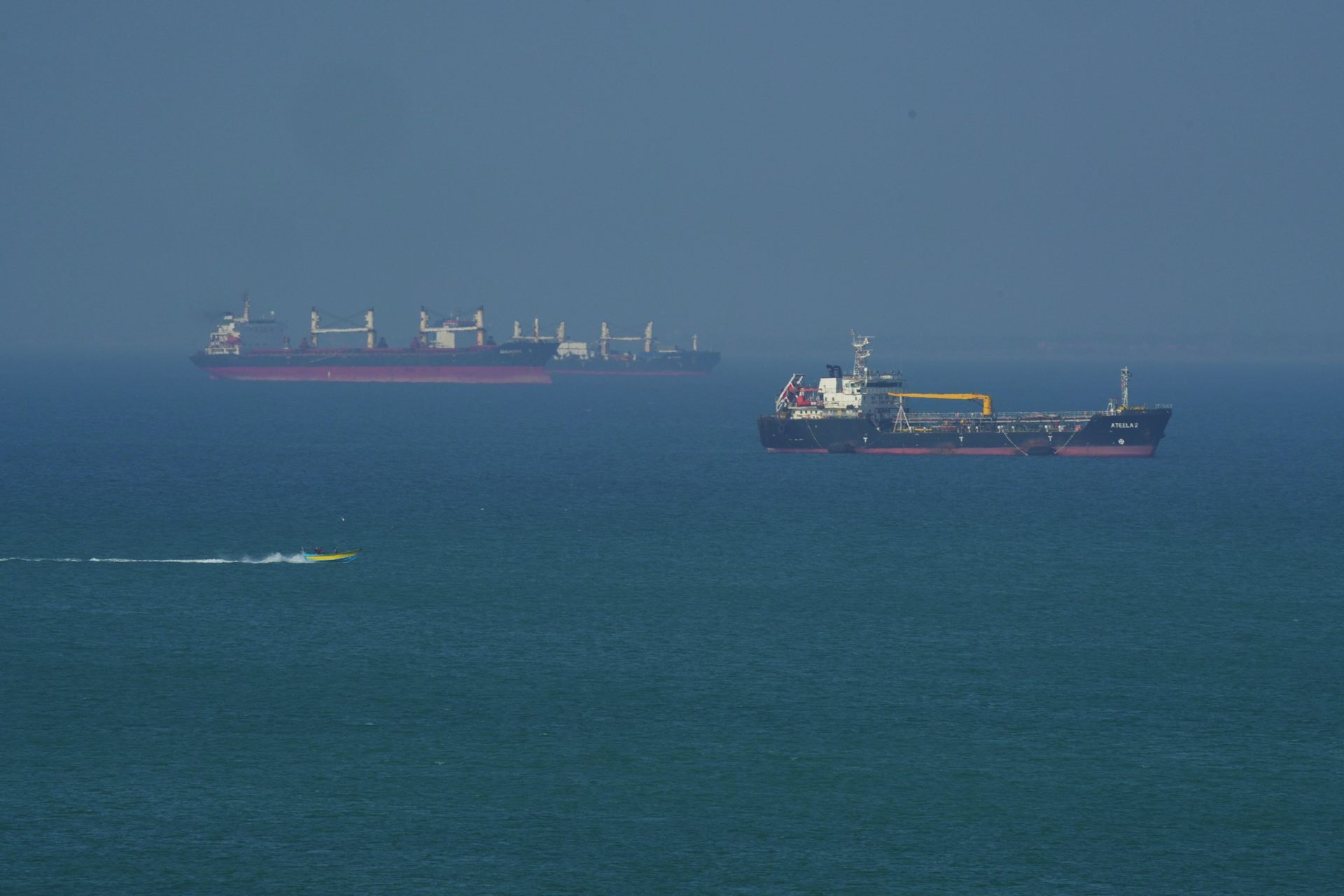
طالما استخدمت الولايات المتحدة الإكراه الاقتصادي لتحقيق أهداف سياستها الخارجية – والحرب في إيران تُظهر كيف تضاءلت تلك القوة.
The US has long used economic coercion to achieve foreign policy goals — the war in Iran shows how that power has declined
-
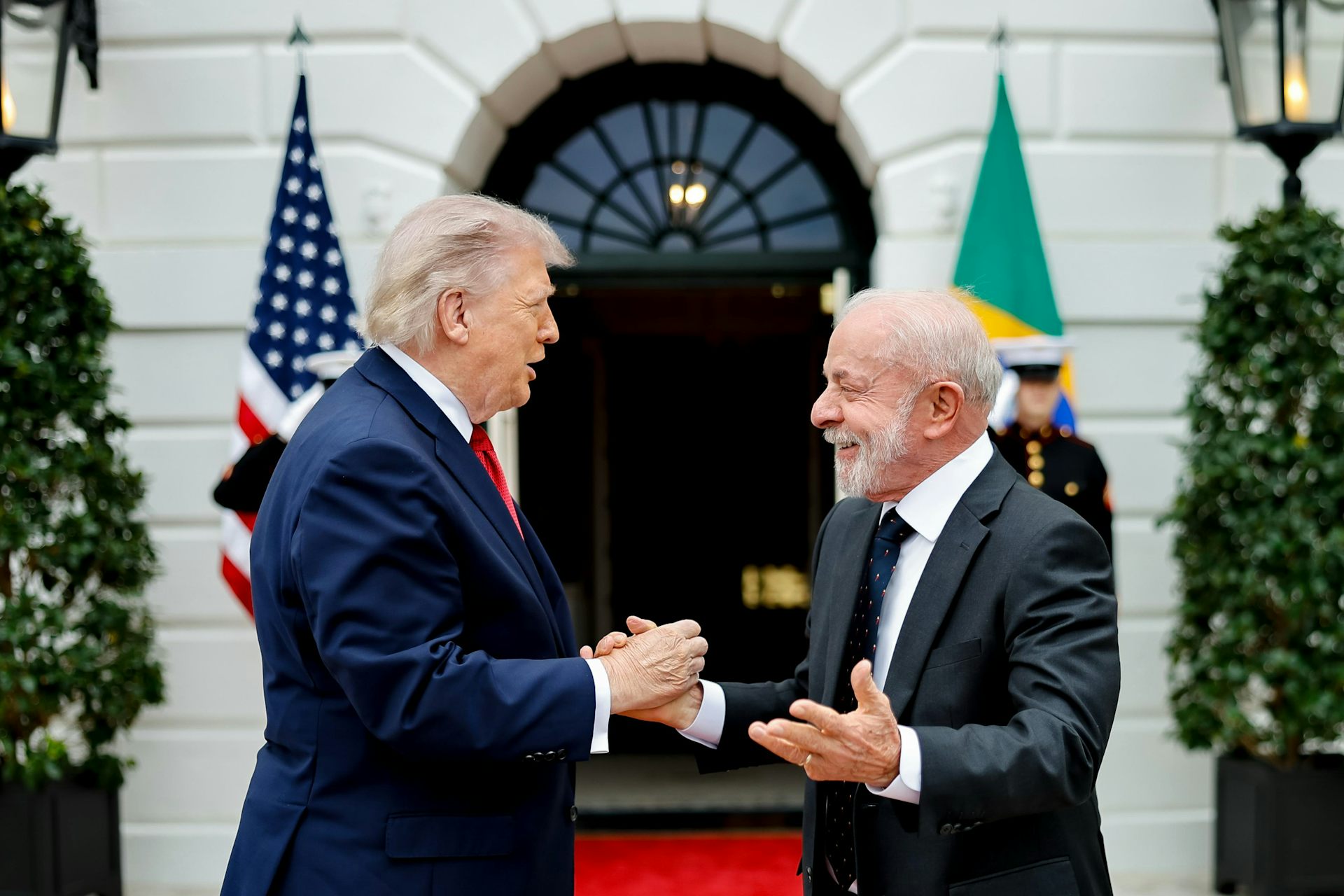
ترامب ولولا في البيت الأبيض: علاقة مبنية على البراغماتية وحساب إقليمي أوسع
Trump and Lula at the White House: a relationship built on pragmatism and a broader regional calculus