伊朗的战争——再次揭示了将暗杀作为外交政策的战略缺陷。
The war in Iran – again – points to the strategic short…
Targeted killings can disrupt an adversary, but they rarely lead to collapse — especially when the target is a nation-state like Iran.
定点清除可以扰乱对手,但很少导致其崩溃——特别是当目标是一个像伊朗这样的国家时。
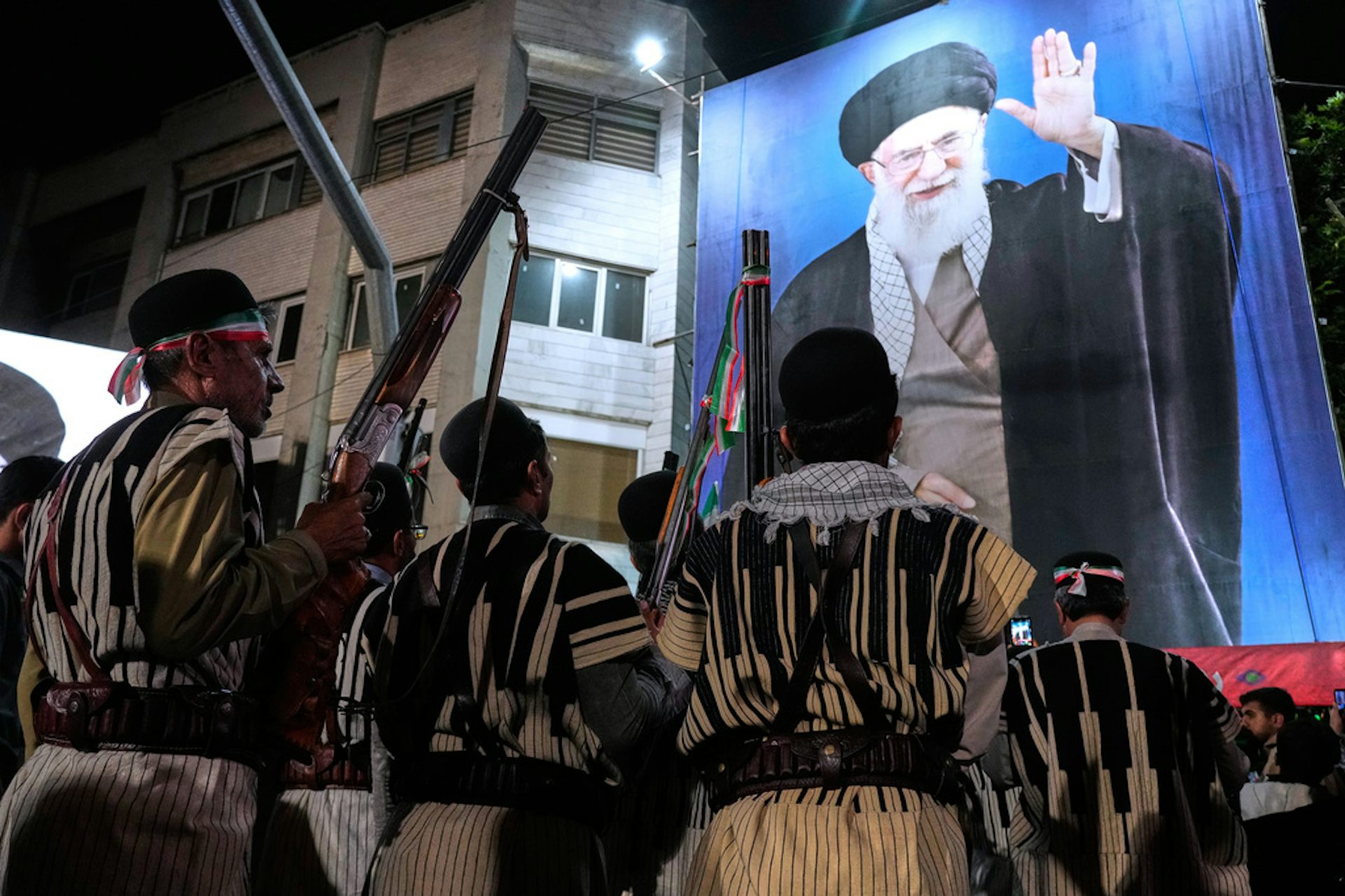
The coordinated U.S.-Israeli strikes at the outset of the war in Iran killed Supreme Leader Ali Khamenei, along with other key regime figures. In doing so, the United States and Israel crossed what The New York Times and others described as “a new Rubicon”: the deliberate, overt killing of a head of state.
美国和以色列在伊拉克战争爆发之初发动的协调打击,杀死了最高领袖阿里·哈梅内,以及其他关键政权人物。通过此举,美国和以色列跨越了《纽约时报》等媒体所描述的“新的卢比孔”:蓄意、公开地杀害一位国家元首。
President Donald Trump and Israeli Prime Minister Benjamin Netanyahu framed their war not simply as retaliation or coercion, but as an opening for political collapse. Remove enough of the leadership, the logic ran, and the structure beneath it either breaks apart or becomes vulnerable enough for a public uprising to finish the job.
唐纳德·特朗普总统和以色列总理本雅明·内塔尼亚胡将他们的战争定性为的不仅仅是报复或胁迫,而是政治崩溃的契机。其逻辑是:只要清除足够的领导层,其下方的结构要么瓦解,要么变得足够脆弱,从而让民众起义完成收尾工作。
Yet as a former senior U.S. intelligence officer who held leadership roles at the CIA and National Counterterrorism Center, I believe such triumphalist logic masks the strategic shortcoming of such targeted killings.
然而,作为曾担任中央情报局和国家反恐中心高级领导职务的前美国情报官员,我认为这种胜利主义的逻辑掩盖了此类定点清除行动的战略缺陷。
Disruption is not the same as collapse
瓦解不等于崩溃
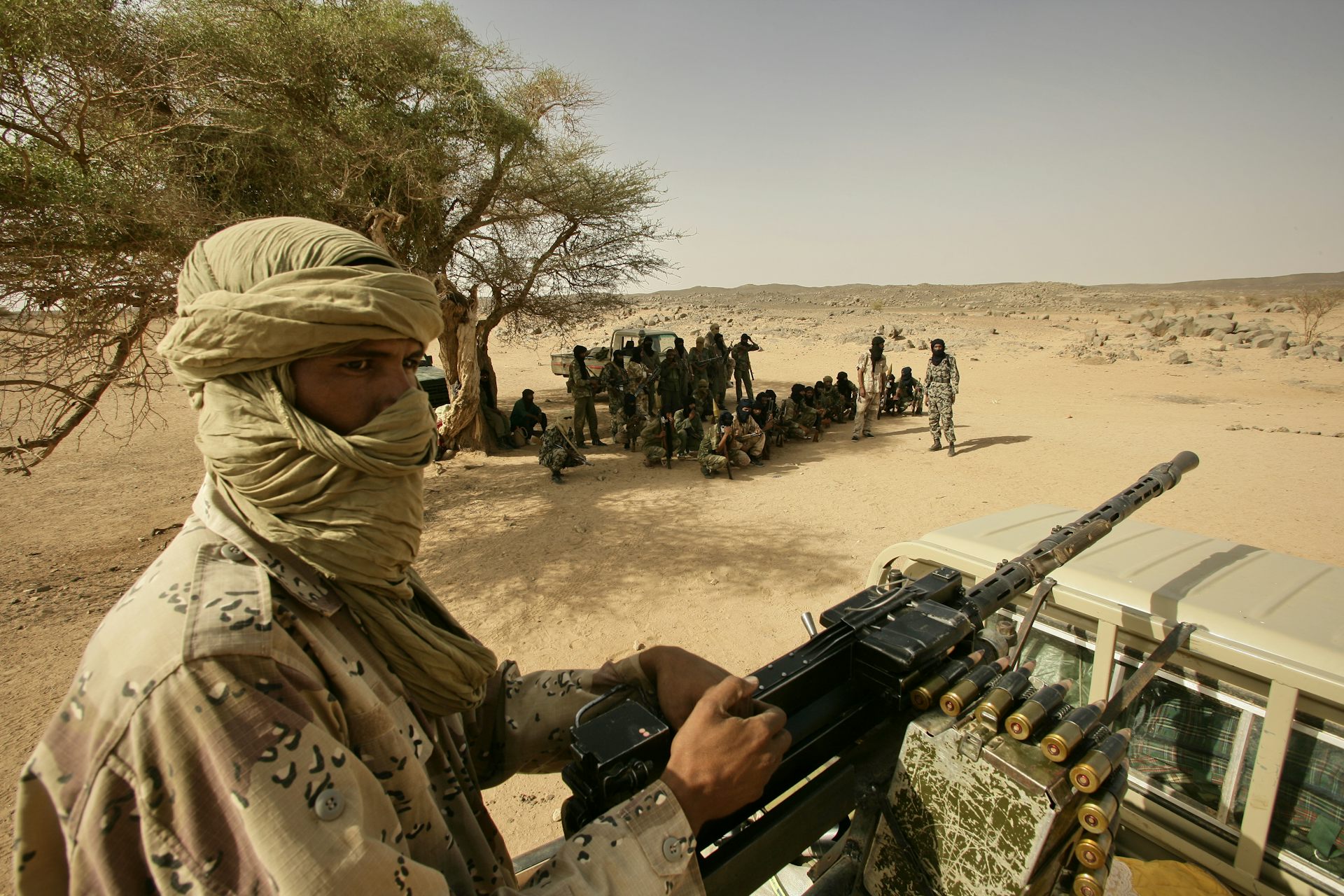
Most scholars, too, have concluded that targeted killings or assassinations, often referred to as leadership decapitation, can disrupt operations and degrade organizational effectiveness. Under some conditions, they can even force the targeted side to capitulate. But they rarely lead to collapse.
大多数学者也得出结论,定点清除或暗杀,通常被称为“领导层斩首”,可以扰乱行动并削弱组织效力。在某些条件下,它们甚至可以迫使目标方投降。但它们很少导致彻底崩溃。
The work of Jenna Jordan, a scholar of international relations at Georgia Tech, remains one of the clearest warnings against inflated expectations about anticipated effect of such strikes. Across a large body of cases of targeting killings of non-state militant groups, she found that older, larger, more institutionalized organizations are harder to break down through leadership removal than small, young, weakly structured ones.
乔治亚理工学院国际关系学者詹娜·乔丹(Jenna Jordan)的研究,仍然是关于此类打击预期效果过高的一种最清晰的警告。通过大量针对非国家武装团体的定点清除案例,她发现,相较于小型、年轻、结构薄弱的组织,那些更老、更大、更制度化的组织,通过移除领导层更难瓦解。
Patrick Johnston, a former director of the Counterterrorism Center at West Point who has studied counterinsurgency campaigns, found more evidence that decapitation can help end conflicts than Jordan did. Other research has backed-up Johnston’s conclusion that some terrorist groups are vulnerable to leadership targeting.
帕特里克·约翰斯顿(Patrick Johnston)曾是西点反恐中心的主任,他研究过反叛乱战役,他发现的关于“斩首行动”有助于结束冲突的证据比乔丹的研究更多。其他研究也支持了约翰斯顿的结论,即一些恐怖组织容易受到领导层打击。
But even these more favorable studies point to only conditional gains; they do not treat decapitation as a path to automatic political success or as a substitute for broader strategy.
但即使这些更有利的(支持性的)研究,也只指出有条件的收益;它们并未将“斩首行动”视为通往自动政治成功的途径,也未将其视为更广泛战略的替代品。
Targeting heads of state is even more fraught
瞄准国家元首更加复杂
In counterterrorism efforts, disruption may be a good enough outcome for policymakers. Indeed, if the objective is to delay attacks or degrade operational effectiveness, leadership removal can have value. That was how the U.S. campaign against al-Qaeda was generally understood by American policymakers. Even Osama bin Laden’s death and repeated strikes against senior deputies were treated as major blows, not as proof that the organization had ceased to exist or no longer mattered as an operational threat.
在反恐努力中,造成混乱对政策制定者来说可能已经足够了。事实上,如果目标是延缓袭击或削弱作战效能,清除领导层是有价值的。美国政策制定者普遍认为,美国针对基地组织的行动就是如此。甚至奥萨马·本·拉登的死亡和对高级副手进行多次打击,都被视为重大打击,而不是证明该组织已经不复存在或不再构成操作威胁。
Yet when the target is a state, the political bar is even higher. Tactical disruption is, again, not the same as political collapse. It is also not the same as creating a more favorable bargaining environment for the country relying on assassinations.
然而,当目标是一个国家时,政治门槛就更高了。战术上的混乱,与政治上的崩溃是不同的。它也与依靠暗杀来创造更有利的谈判环境是不同的。
That distinction matters because recent scholarship has found that killing or capturing leaders may weaken an adversary on the battlefield but does not necessarily tell us how an adversary will respond politically — whether it becomes more willing to bargain, less able to negotiate, or more determined to keep fighting.
这种区别很重要,因为最近的研究发现,杀死或捕获领导人可能会削弱对手在战场上的力量,但并不能必然告诉我们对手在政治上将如何回应——它会更愿意谈判,还是更不具备谈判能力,抑或是更坚定地继续战斗。
Removing another country’s leaders may weaken it in the short term, while changing who is left to negotiate, compromise or escalate. A strike could therefore succeed operationally while narrowing the political options that follow.
移除另一个国家的领导人可能会在短期内削弱它,但同时也会改变留下来的、负责谈判、妥协或升级局势的人。因此,一次打击在操作层面可能成功,但却缩小了随后的政治选择范围。
Iran’s response to the initial killing of senior leaders in the opening days of the current conflict illustrates the point. Khamenei’s death staggered the government, but it did not break it. Within little more than a week, Iran’s Assembly of Experts appointed Mojtaba Khamenei, his son, as supreme leader.
伊朗对当前冲突初期高级领导人被杀的反应就说明了这一点。卡哈内的死让政府措手不及,但并未使其崩溃。在一周多一点的时间内,伊朗专家议会任命了他的儿子莫贾塔巴·卡哈内为最高领袖。
The government redistributed authority through institutions built to survive political shock: the clerical establishment, the Islamic Revolutionary Guard Corps, and the broader security bureaucracy.
政府通过建立的旨在抵御政治冲击的机构重新分配了权力:神职机构、伊斯兰革命卫队和更广泛的安全官僚体系。
The assassinations did not create a pathway for coercion, negotiation, or popular uprising. Indeed, as the ongoing lack of a long-term resolution to the conflict shows, the Trump administration is not now dealing with a more pliable Iran. Rather, it is facing a state steered by a successor leadership with an agenda even more hostile to U.S. policy in the Middle East, stronger incentives to prolong the conflict and a demonstrated willingness to absorb the pain of defiance.
这些暗杀并没有为胁迫、谈判或民众起义创造出一条道路。事实上,正如冲突缺乏长期解决方案所显示的那样,特朗普政府现在面对的不是一个更顺从的伊朗。相反,它面对的是一个由继任领导层掌舵的国家,该领导层在中东地区对美国政策抱有更敌对的议程,有更强的延长冲突的动机,并且展现出承受反抗痛苦的意愿。
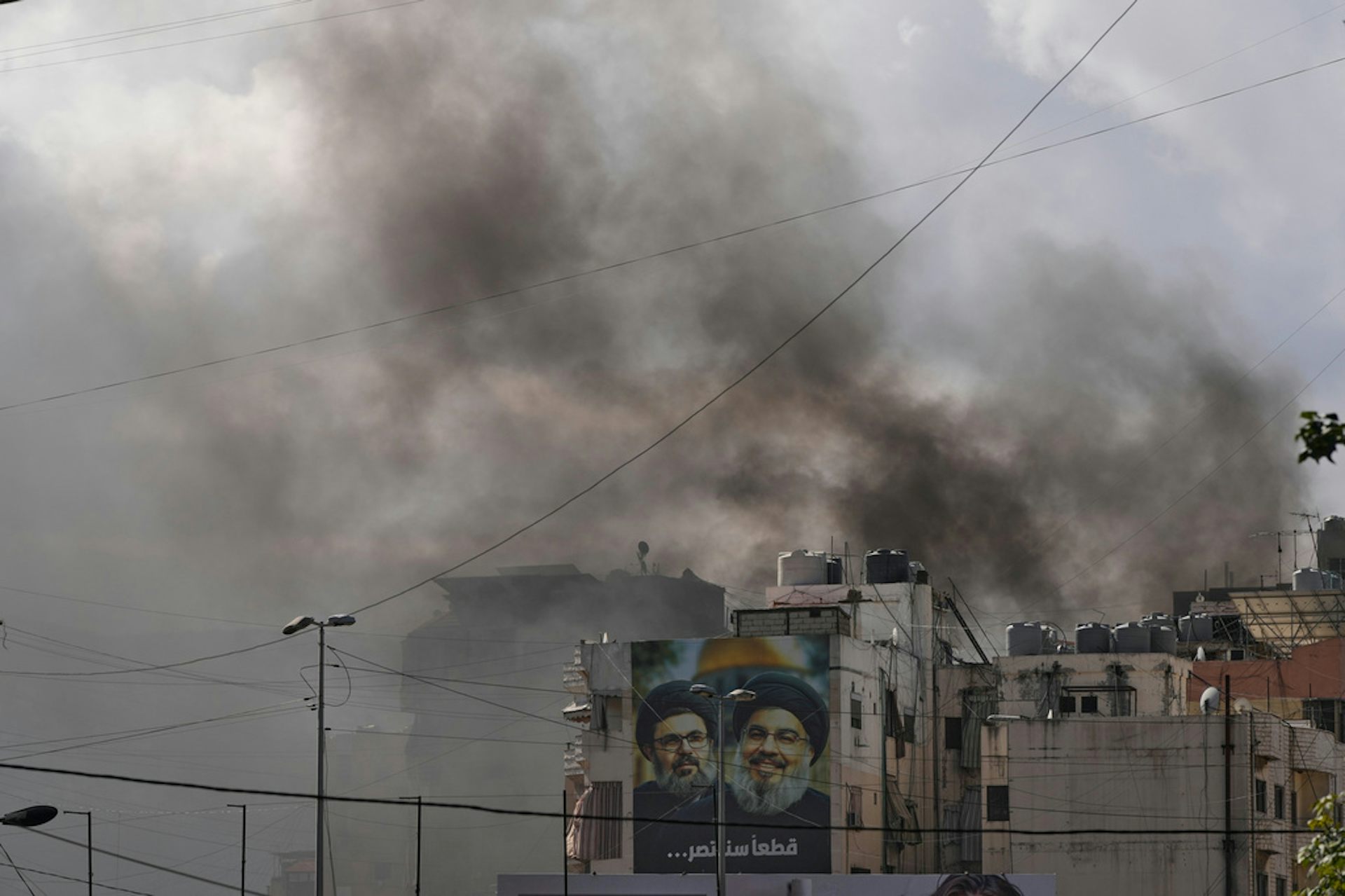
Israel has long used targeted killing to disrupt adversaries — most visibly in its recent campaigns against Hamas and Hezbollah — but the Iran case shows the danger of turning the tool into a theory of political transformation.
以色列长期以来一直利用定向清除来扰乱对手——最明显的是其近期针对哈马斯和真主党的行动——但伊朗的案例展示了将这种工具变成政治转型理论的危险性。
A broader phenomenon
更广泛的现象
That same gap between tactical achievement and strategic effect appears in other settings as well.
战术成就与战略效果之间的这种差距在其他环境中也存在。
Recent scholary work on criminal organizations in Latin America finds that state decapitation campaigns are often associated with short-term increases in violence, including clashes with state forces, even when they damage the targeted organization.
近期关于拉丁美洲犯罪组织的学术研究发现,国家“斩首行动”往往与短期内暴力增加有关,包括与国家武力发生冲突,即使这些行动损害了目标组织。
For example, in February 2026, Mexican forces killed Nemesio Oseguera Cervantes, better known as El Mencho, the head of the Jalisco New Generation Cartel. Yet, according to reporting, the organization continues to operate, with its core operations and networks largely intact. Meanwhile, reprisals followed quickly: 25 members of Mexico’s National Guard were killed and blockades and arson was seen across several states.
例如,2026年2月,墨西哥部队杀死了哈利斯科新一代贩毒集团的首领内梅西奥·奥塞格拉·塞万提斯(Nemesio Oseguera Cervantes),他更出名的是“小门乔”(El Mencho)。然而,根据报道,该组织仍在运作,其核心业务和网络基本完好无损。与此同时,报复行动迅速跟进:墨西哥国家卫队的25名成员被杀,多个州发生了封锁和纵火。
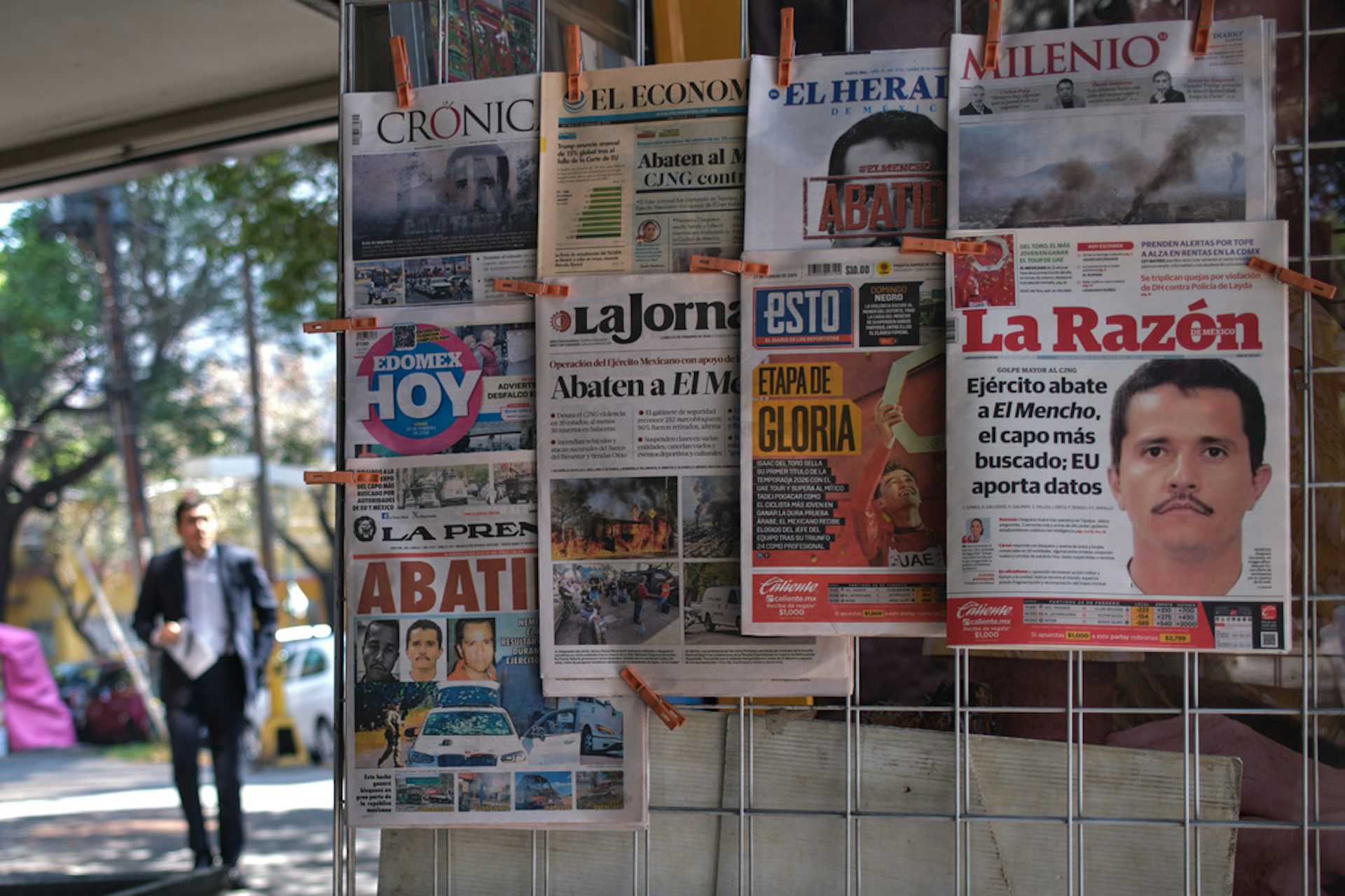
Leadership removal imposed a tactical cost, but it did not translate neatly into strategic collapse.
清除领导层造成了战术成本,但并未顺利转化为战略崩溃。
And yet the appeal persists
然而,这种吸引力依然存在
So why does decapitation remain so attractive? James Walsh, a scholar of political violence, intelligence and armed conflict at the University of North Carolina in Charlotte, suggests targeted killing gives policymakers a means to measure progress in a conflict where success is otherwise difficult to define. It produces a name and a result — often a photo and, in some cases, footage of the strike that can be shown at a press conference. It may not be less complex than diplomacy in operational terms, but it is often easier to explain politically: a strike can be presented as action, while negotiations require patience, trade-offs and the risk of appearing to compromise with an enemy.
那么,为什么斩首行动仍然如此具有吸引力?北卡罗来纳大学夏洛特分校政治暴力、情报和武装冲突学者詹姆斯·沃尔什指出,定点清除为政策制定者提供了一种衡量冲突进展的手段,而在其他方面,成功很难定义。它能产生一个名字和一个结果——通常是一张照片,在某些情况下甚至是打击的视频,可以在新闻发布会上展示。从操作层面来看,它可能并不比外交更复杂,但从政治上更容易解释:一次打击可以被呈现为行动,而谈判则需要耐心、权衡取舍,以及冒着与敌人妥协的风险。
In the case of El Mencho, his death gave Mexican President Claudia Sheinbaum a political trophy as well as a tactical victory. It allowed her to show action against cartel power at a moment of domestic strain over cartel violence and sustained U.S. pressure for Mexico to take a harder line. A named target and a confirmed death are easier to present as progress.
以埃尔·门乔(El Mencho)为例,他的死让墨西哥总统克劳迪娅·塞恩鲍姆获得了一项政治“战利品”,而不仅仅是战术胜利。在国内因贩毒集团暴力和美国持续施压要求墨西哥采取更强硬立场而处于紧张时刻,这使她能够展示打击贩毒集团实力的行动。一个有名字的目标和一次确认的死亡,更容易被呈现为进展。
A similar dynamic may be present in the Ukraine-Russian war. Russian President Vladimir Putin is reportedly hunkered down in fear of an assassination attempt, most plausibly from Ukraine. But Putin’s death would not, by itself, end Russia’s war or dissolve the Russian state.
乌克兰与俄罗斯的战争中可能存在类似的动态。据报道,俄罗斯总统弗拉基米尔·普京正因担心遭到刺杀而深居简出,最有可能的威胁来自乌克兰。但普京的死亡本身,并不能结束俄罗斯的战争或解体俄罗斯国家。
A successful strike against the man most identified with the invasion would, though, have an immeasurable rallying effect for Ukrainians after years of sacrifice. The reverse would also be true if a Russian operation killed Ukrainian President Volodymyr Zelenskyy. The political and symbolic shock would be enormous, but neither country’s war effort would necessarily crumble.
然而,成功打击与入侵关联最深的人,对乌克兰人来说,在多年的牺牲之后,将产生无法估量的凝聚力。反之亦然,如果俄罗斯的行动杀死了乌克兰总统弗拉基米尔·泽连斯基,也会产生同样的效果。政治和象征意义上的冲击将是巨大的,但两个国家的战争努力并不会必然崩溃。
High-level decapitations can impose costs, degrade an organization or state’s capacity and force adversaries to operate under sustained pressure. But they cannot, according to the evidence, translate tactical achievement into the political outcomes that leaders invoke to justify such targeted killings.
高层级的斩首行动可以施加成本,削弱一个组织或国家的能力,并迫使对手承受持续的压力。但根据现有证据,它们无法将战术上的成就转化为领导人用来为此类定点清除行为辩护的政治成果。
That is, I believe, the lesson the war in Iran should have reinforced. Whatever the arguments for or against assassination as a matter of state policy, decapitation is a tool of disruption not of transformation. It becomes a strategic error when leaders treat it as the latter.
我认为,这就是伊朗战争应该提供的教训。无论关于刺杀作为国家政策的论点是支持还是反对,斩首行动是一种破坏的工具,而非转型的工具。当领导人将其视为后者时,它就成了一种战略错误。
Brian O’Neill does not work for, consult, own shares in or receive funding from any company or organization that would benefit from this article, and has disclosed no relevant affiliations beyond their academic appointment.
布莱恩·奥尼尔(Brian O’Neill)不为任何受益于本文的公司或组织工作、咨询、持有股份或接受资金,并且除了其学术任命外,没有披露任何相关的任职关系。