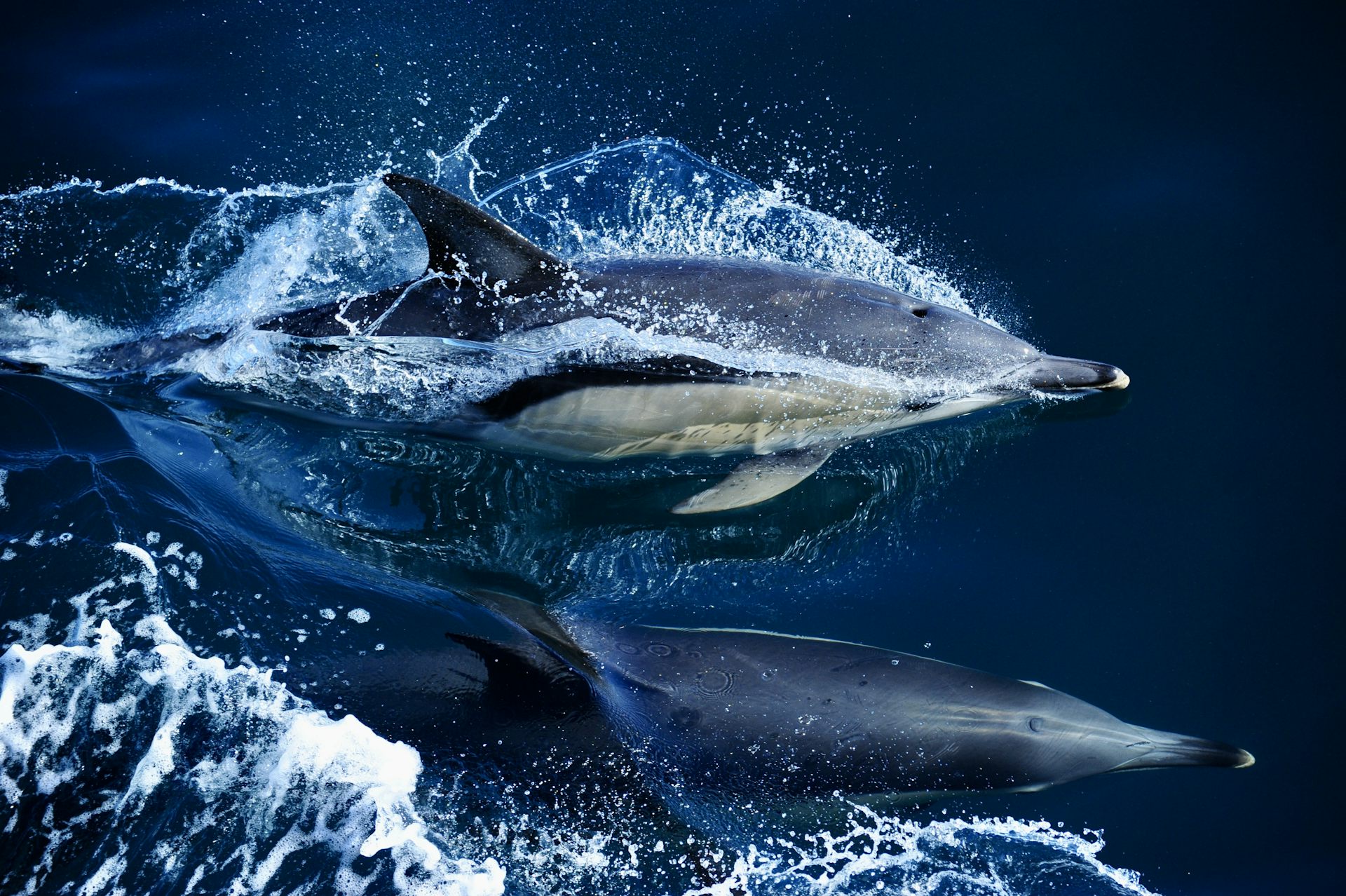
ترتفع مستويات “المواد الكيميائية الأبدية” في الدلافين والحيتان عالميًا
Levels of ‘forever chemicals’ in dolphins and whales are rising globally
Nowhere is safe from forever chemical pollution – not even the middle of the ocean. PFAS levels are on the rise in the world’s whales and dolphins.
لا مكان آمن من تلوث المواد الكيميائية الأبدية – ولا حتى وسط المحيط. كما أن مستويات مركبات PFAS ترتفع في حيتان ودلافين العالم.
Whales and dolphins inhabit some of the largest and seemingly most pristine environments on Earth, from tropical coastlines to Antarctic waters. Yet even they cannot escape PFAS – persistent “forever chemicals” that leak from our homes, factories and waterways into the sea.
تسكن الحيتان والدلافين بعضاً من أكبر البيئات وأكثرها نقاءً على وجه الأرض، بدءاً من السواحل الاستوائية وصولاً إلى مياه أنتاركتيكا. ومع ذلك، حتى هي لا يمكنها الهروب من مواد PFAS – وهي “المواد الكيميائية الأبدية” المستمرة التي تتسرب من منازلنا ومصانعنا ومجاري المياه إلى البحر.
Forever chemicals are the secret ingredients in our non-stick pans, waterproof jackets and stain-resistant carpets. These chemicals belong to a group of more than 1,400 compounds known as PFAS (per- and polyfluoroalkyl substances) . They enter the environment through manufacturing waste, industrial runoff, wastewater treatment plants and firefighting foams. But once these chemicals escape our homes and factories, they become almost impossible to get rid of. Washed into waterways, they make their way to the sea.
تُعد المواد الكيميائية الأبدية المكونات السرية في مقالي الطهي غير اللاصقة، والسترات المقاومة للماء، والسجاد المقاوم للبقع. تنتمي هذه المواد الكيميائية إلى مجموعة تضم أكثر من 1400 مركب يُعرف باسم PFAS (المواد البيرفلوروألكيلية والمتعددة الفلور) . تدخل البيئة عبر نفايات التصنيع، والجريان السطحي الصناعي، ومحطات معالجة مياه الصرف الصحي، ورغوات مكافحة الحرائق. ولكن بمجرد أن تهرب هذه المواد الكيميائية من منازلنا ومصانعنا، يصبح التخلص منها شبه مستحيل. وعندما تُغسل في المجاري المائية، تصل إلى البحر.
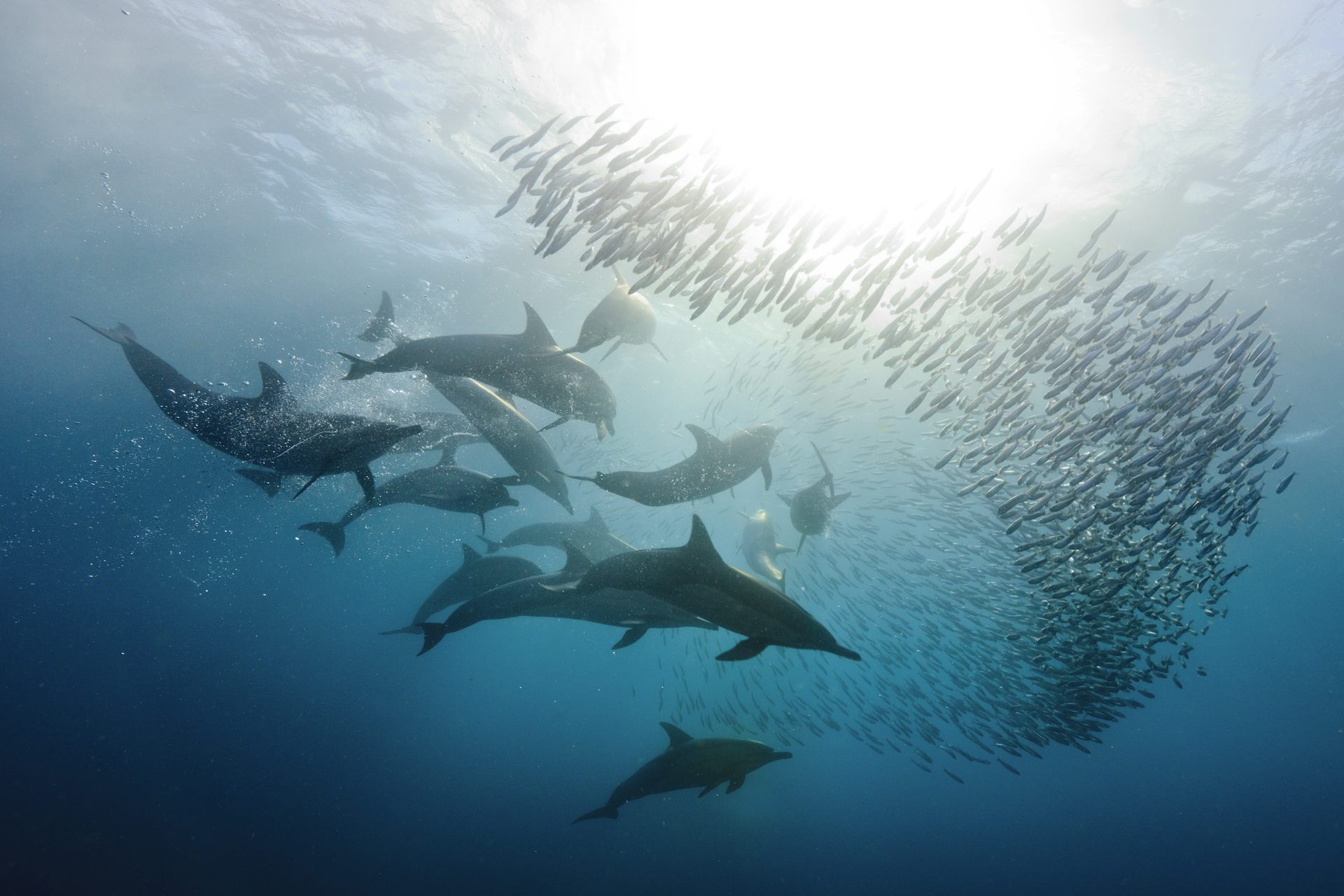
Small organisms absorb them from the water, fish eat those organisms and larger predators eat the fish. At each step, the chemical load increases. As top predators, whales and dolphins can end up with very high levels in their bodies. Not even deep-diving species living and feeding far from humans are safe.
تمتصها الكائنات الحية الصغيرة من الماء، وتأكل الأسماك تلك الكائنات، ثم تأكل الحيوانات المفترسة الأكبر السمك. وفي كل خطوة، يزداد الحمل الكيميائي. وبصفتها مفترسات عليا، يمكن أن يصل مستوى المواد الكيميائية في أجسام الحيتان والدلافين إلى مستويات عالية جداً. ولا حتى الأنواع الغاطسة بعمق التي تعيش وتتغذى بعيداً عن البشر آمنة.
In our new research, we found PFAS concentrations in cetaceans have increased globally since 2000. Animals in the Pacific Ocean were the most contaminated, with humpback dolphins showing the highest PFAS concentrations.
في بحثنا الجديد، وجدنا أن تركيزات PFAS في الحيتانيات قد زادت عالمياً منذ عام 2000. وكانت الحيوانات في المحيط الهادئ هي الأكثر تلوثاً، حيث أظهرت الدلافين الظهرية أعلى تركيزات من PFAS.
These mammals are sentinels of ocean health. They sit high in the food web, live for many years and are exposed to pollution across large areas of the ocean. When whales and dolphins show signs of chemical exposure, it tells us something is wrong in the wider marine ecosystem.
هذه الثدييات بمثابة حراس صحة المحيط. فهي تتواجد في مستويات عالية ضمن شبكة الغذاء، وتعيش لسنوات عديدة، وتتعرض للتلوث عبر مساحات شاسعة من المحيط. عندما تظهر الحيتان والدلافين علامات التعرض للمواد الكيميائية، فإن ذلك يخبرنا بأن هناك شيئاً خاطئاً في النظام البيئي البحري الأوسع نطاقاً.
Why are we worried about forever chemicals?
لماذا نقلق بشأن المواد الكيميائية الأبدية؟
Many of these chemicals have been in use for decades. Their sheer durability and ability to resist heat, oil and water make them very useful.
لقد استُخدم العديد من هذه المواد الكيميائية لعقود. إن متانتها الهائلة وقدرتها على مقاومة الحرارة والزيت والماء تجعلها مفيدة للغاية.
Scientists have grown increasingly concerned about them because they persist for decades and build up over time in our own bodies, as well as in wildlife and the broader environment.
أصبح العلماء قلقين بشكل متزايد بشأنها لأنها تستمر لعقود وتتراكم بمرور الوقت في أجسامنا، وكذلك في الحياة البرية والبيئة الأوسع.
The key concern is what these chemicals may be doing to the animals that accumulate them.
الشاغل الرئيسي هو ما قد تفعله هذه المواد الكيميائية بالحيوانات التي تتراكم فيها.
Research in humans and laboratory animals links PFAS to immune suppression, hormonal changes, reproductive problems and developmental effects. But we don’t yet have enough research to understand how different PFAS compounds and levels of exposure affect health.
تربط الأبحاث التي أجريت على البشر والحيوانات المخبرية مركبات PFAS بقمع المناعة، والتغيرات الهرمونية، ومشاكل التكاثر، والتأثيرات التنموية. لكننا لا نملك بعد ما يكفي من الأبحاث لفهم كيف تؤثر أنواع ودرجات التعرض المختلفة لمركبات PFAS على الصحة.
Understanding these impacts in whales and dolphins is harder still. Marine mammals are long-lived, highly mobile and exposed to many human-made problems at once, from climate change to noise pollution to other contaminants.
إن فهم هذه التأثيرات لدى الحيتان والدلافين أصعب من ذلك. فالثدييات البحرية تعيش طويلاً، ومتحركة للغاية، وتتعرض للعديد من المشاكل التي صنعها الإنسان دفعة واحدة، بدءاً من تغير المناخ وصولاً إلى التلوث الضوضائي والمواد الملوثة الأخرى.
Even so, there are warning signs. Some dolphin studies have reported changes in immune-related markers associated with PFAS exposure.
ومع ذلك، هناك علامات تحذيرية. فقد أبلغت بعض الدراسات التي أجريت على الدلافين عن تغيرات في المؤشرات المتعلقة بالمناعة المرتبطة بالتعرض لمركبات PFAS.
How do you test a whale for forever chemicals?
كيف تختبر الحيتان بحثاً عن المواد الكيميائية الأبدية؟
For humans, testing PFAS levels is usually done with a blood test. It is not as simple for whales and dolphins.
بالنسبة للبشر، يتم عادةً اختبار مستويات PFAS عن طريق فحص الدم. الأمر ليس بهذه البساطة بالنسبة للحيتان والدلافين.
It is extremely difficult to take blood samples from large marine mammals in the wild. Scientists often rely on tissue samples from dead animals, particularly from the liver and kidney where many PFAS compounds tend to accumulate. These samples are analysed in specialised laboratories capable of detecting tiny concentrations of individual PFAS compounds.
من الصعب للغاية أخذ عينات الدم من الثدييات البحرية الكبيرة في البرية. غالباً ما يعتمد العلماء على عينات الأنسجة المأخوذة من الحيوانات النافقة، وخاصةً من الكبد والكلى حيث تميل العديد من مركبات PFAS إلى التراكم. يتم تحليل هذه العينات في مختبرات متخصصة قادرة على الكشف عن تراكيز ضئيلة لمركبات PFAS الفردية.
This way, scientists have been measuring PFAS in whales and dolphins for decades. Each study added another piece to the puzzle, showing these chemicals were present in different species, populations and oceans.
بهذه الطريقة، قام العلماء بقياس مستويات PFAS في الحيتان والدلافين لعقود. أضافت كل دراسة قطعة أخرى إلى اللغز، مظهرةً أن هذه المواد الكيميائية كانت موجودة في أنواع ومجموعات سكانية ومحيطات مختلفة.
Our study took a step back and looked at the global picture.
دراستنا تراجعت خطوة ونظرت إلى الصورة العالمية.
We compiled PFAS data from cetaceans worldwide, focusing on liver samples because they are the most commonly available tissue type, allowing us to compare studies across species and regions.
قمنا بتجميع بيانات PFAS من الحيتانيات في جميع أنحاء العالم، مع التركيز على عينات الكبد لأنها النوع الأكثر شيوعاً وتوفراً من الأنسجة، مما سمح لنا بمقارنة الدراسات عبر الأنواع والمناطق.
What did we find?
ماذا وجدنا؟
We found PFAS contamination differed substantially across species, location, sex, age and time.
وجدنا أن تلوث PFAS اختلف اختلافاً جوهرياً عبر الأنواع والمواقع والجنس والعمر والوقت.
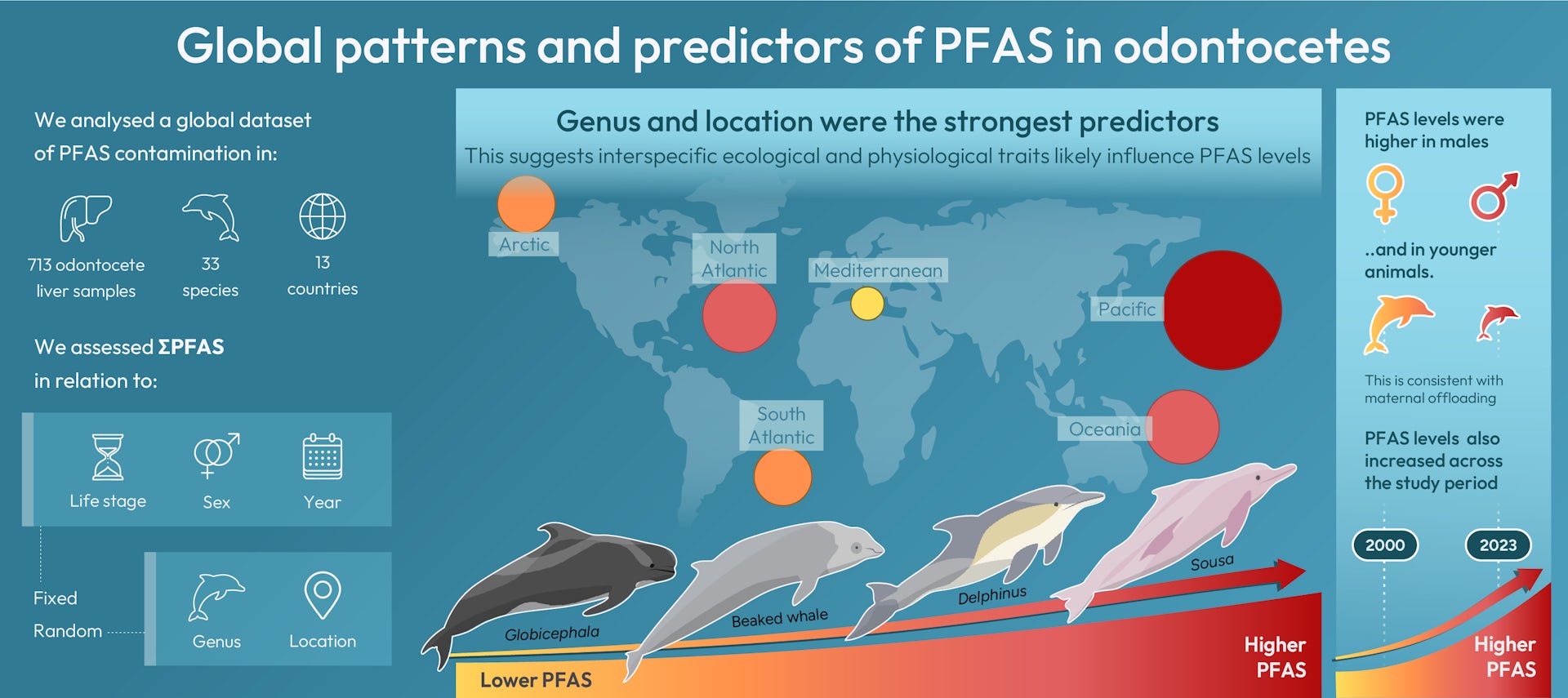
The highest concentrations tended to be found in coastal dolphins and porpoises, suggesting animals living near urban and industrial areas face greater exposure.
مالت أعلى التركيزات إلى العثور عليها في الدلافين والخنازير البحرية الساحلية، مما يشير إلى أن الحيوانات التي تعيش بالقرب من المناطق الحضرية والصناعية تتعرض لمخاطر أكبر.
Cetaceans in the Pacific had higher levels than other oceans. This is likely due to high industrial activity and the extent of historical PFAS production in coastal regions.
كان للحيتانيات في المحيط الهادئ مستويات أعلى من المحيطات الأخرى. ويُعزى ذلك على الأرجح إلى النشاط الصناعي المرتفع ومدى إنتاج PFAS التاريخي في المناطق الساحلية.
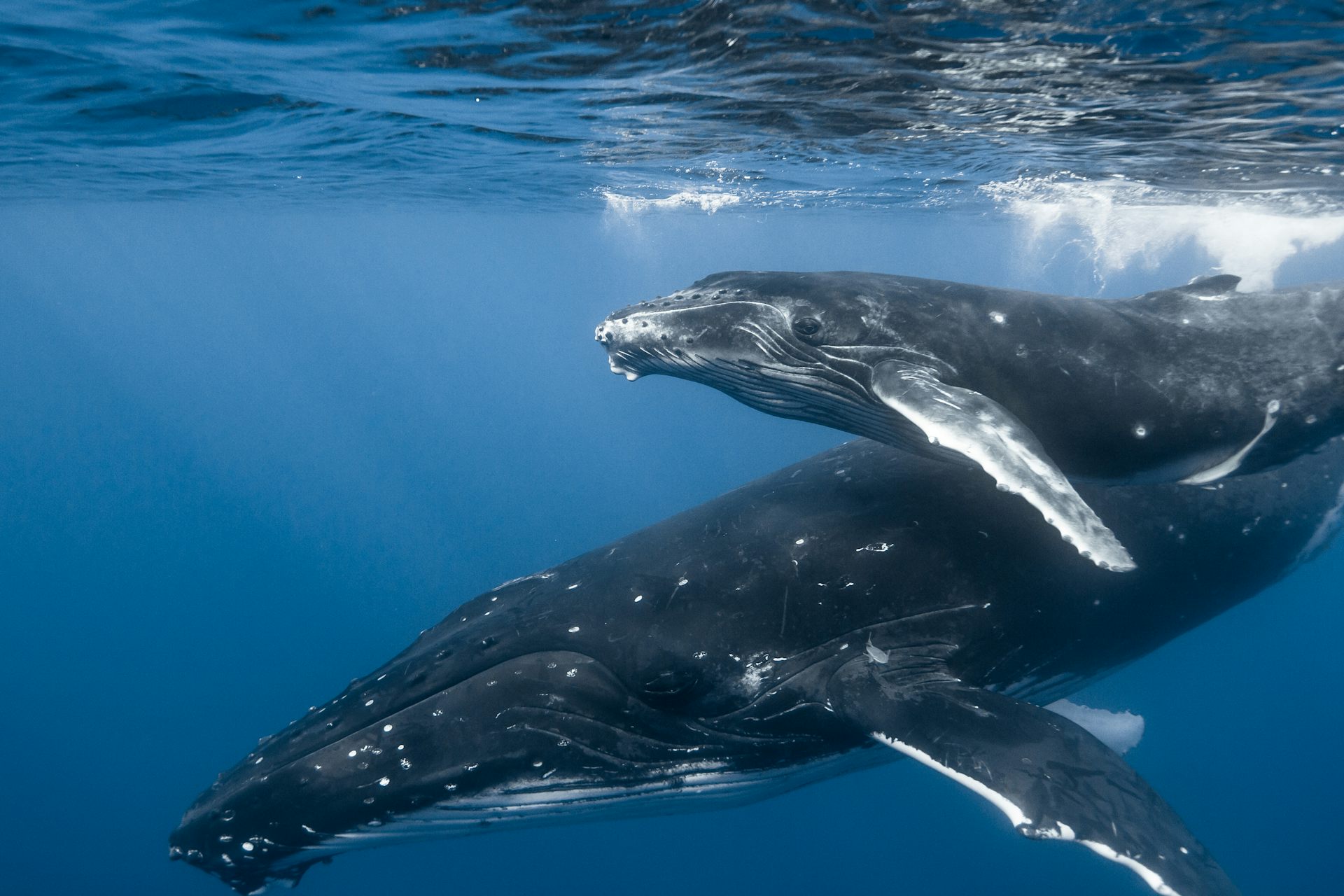
Female whales and dolphins can transfer forever chemicals during pregnancy and nursing. This means their calves can be exposed to concerning levels of PFAS at a very early age.
يمكن للحيتان والدلافين الإناث نقل المواد الكيميائية الأبدية أثناء الحمل والرضاعة. وهذا يعني أن صغارها يمكن أن تتعرض لمستويات مقلقة من PFAS في سن مبكرة جداً.
Males often end up with higher levels than females overall, as they cannot transfer these chemicals to their young.
غالباً ما تكون مستويات الذكور أعلى من الإناث بشكل عام، لأنهن لا يستطعن نقل هذه المواد الكيميائية إلى صغارهن.
There are some large gaps in the global dataset we collated, which means we don’t fully know the extent of PFAS contamination in cetaceans off India, Indonesia and parts of Africa.
هناك بعض الفجوات الكبيرة في مجموعة البيانات العالمية التي جمعناها، مما يعني أننا لا نعرف بالكامل مدى تلوث الحيتانيات بـ PFAS قبالة سواحل الهند وإندونيسيا وأجزاء من أفريقيا.
What should we do?
ماذا يجب أن نفعل؟
While important questions remain about the effects of forever chemicals on whales and dolphins, the widespread contamination we observed is a real concern. We need to continue monitoring while strengthening regulations and working to reduce PFAS flows into the environment.
على الرغم من بقاء تساؤلات مهمة حول تأثير المواد الكيميائية الأبدية على الحيتان والدلافين، فإن التلوث الواسع الذي لاحظناه يمثل مصدر قلق حقيقي. نحن بحاجة إلى مواصلة المراقبة مع تعزيز اللوائح والعمل على تقليل تدفقات مركبات PFAS إلى البيئة.
History shows global action on harmful chemicals works. After it became clear Earth’s protective ozone layer was being eaten away, nations agreed to phase out the chemicals responsible. The ozone layer is now recovering.
يُظهر التاريخ أن العمل العالمي بشأن المواد الكيميائية الضارة يؤتي ثماره. بعد أن أصبح من الواضح أن طبقة الأوزون الوقائية للأرض تتعرض للتآكل، اتفقت الدول على التخلص التدريجي من المواد الكيميائية المسؤولة عن ذلك. وتتعافى طبقة الأوزون الآن.
The European Union moved to ban some PFAS compounds 20 years ago. Our study found lower levels of some legacy PFAS compounds in the Mediterranean Sea, a pattern that may reflect the effects of regulation. This is positive, but not sufficient given overall PFAS levels in whales and dolphins have increased globally over time. The EU is now moving to better regulate this class of forever chemicals.
تحرك الاتحاد الأوروبي لحظر بعض مركبات PFAS قبل 20 عامًا. ووجدت دراستنا مستويات أقل لبعض مركبات PFAS القديمة في البحر الأبيض المتوسط، وهو نمط قد يعكس تأثير التنظيم. وهذا أمر إيجابي، ولكنه غير كافٍ بالنظر إلى أن مستويات PFAS الإجمالية في الحيتان والدلافين قد زادت عالميًا بمرور الوقت. ويتجه الاتحاد الأوروبي الآن نحو تنظيم هذه الفئة من المواد الكيميائية الأبدية بشكل أفضل.
Forever chemicals are one of the defining pollution challenges of our time. The more we understand how these chemicals accumulate in whales and dolphins, the better equipped we will be to reduce future contamination and protect marine ecosystems.
تُعدّ المواد الكيميائية الأبدية أحد تحديات التلوث الأساسية في عصرنا. وكلما فهمنا أكثر كيفية تراكم هذه المواد الكيميائية في الحيتان والدلافين، كنا مجهزين بشكل أفضل للحد من التلوث المستقبلي وحماية النظم البيئية البحرية.
What ends up in the ocean does not simply disappear. And neither do PFAS.
ما يصل إلى المحيط لا يختفي ببساطة. ولا تفعل مركبات PFAS ذلك أيضًا.
This article is based on collaborative research that also included Lavinia Stokes (University of Wollongong) , Jesuina de Araujo (National Measurement Institute) and Gavin Stevenson (National Measurement Institute) .
تستند هذه المقالة إلى بحث تعاوني شمل أيضًا لافينيا ستوكس (جامعة وولونغونج) ، ويزوينا دي أراوجو (المعهد الوطني للقياس) ، وغافين ستيفنسون (المعهد الوطني للقياس) .
Frédérik Saltré receives funding from the Australian Research Council.
يتلقى فريدريك سالتري تمويله من المجلس الأسترالي للبحوث.
Karen Stockin and Katharina J. Peters do not work for, consult, own shares in or receive funding from any company or organisation that would benefit from this article, and have disclosed no relevant affiliations beyond their academic appointment.
لا تعمل كارن ستوكين وكاثارينا جيه بيترز لدى، أو تستشير، أو تمتلك حصصًا في، أو تتلقى تمويلاً من أي شركة أو منظمة يمكن أن تستفيد من هذه المقالة، ولم يفصحن عن أي انتماءات ذات صلة بخلاف تعيينهن الأكاديمي.
Read more
-

الذاكرة الفوتوغرافية أسطورة – إليك ما يقوله البحث حقاً حول التذكر
Photographic memory is a myth – here’s what research really says about remembering
-
لقد حققت في تفشي فيروس الهانتا. إليك ما يمكنني إخبارك به عن مجموعة السفينة السياحية
I’ve investigated a hantavirus outbreak. Here’s what I can tell you about the cruise ship cluster