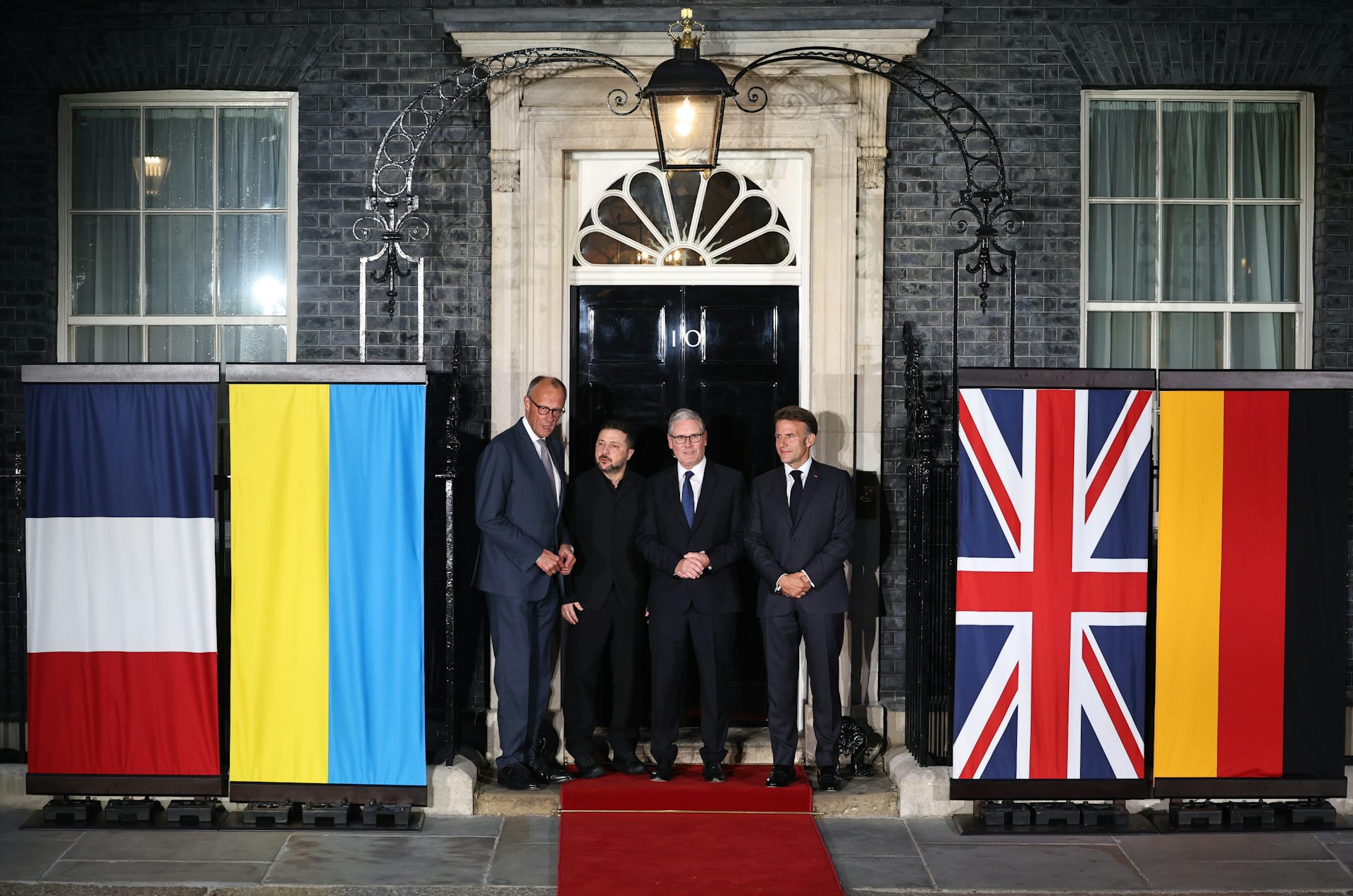
أراد بوتين أن يجعل روسيا عظيمة مرة أخرى. وبدلاً من ذلك، أصبحت أوكرانيا القوة الصاعدة الجديدة في أوروبا
Putin wanted to make Russia great again. Instead, Ukraine is the new rising power in Europe
Russia is losing on the battlefield – and on the global stage, as the US and China distance themselves from the war.
تخسر روسيا على أرض المعركة – وعلى الساحة العالمية، مع تباعد الولايات المتحدة والصين عن الحرب.
Russia’s ongoing war against Ukraine is often, and misleadingly, characterised as a great power conflict.
غالباً، وبشكل مضلل، يُوصف الحرب المستمرة التي تشنها روسيا على أوكرانيا بأنها صراع بين القوى العظمى.
The narrative goes like this: Russia went to war against Ukraine because it felt threatened by NATO’s enlargement into eastern Europe after 1991. The real enemy is the United States, which is, at the very least, “principally responsible” for the war.
تذهب الرواية إلى ما يلي: أن روسيا دخلت الحرب ضد أوكرانيا لأنها شعرت بالتهديد من توسع الناتو في أوروبا الشرقية بعد عام 1991. والعدو الحقيقي هو الولايات المتحدة، التي هي، على أقل تقدير، “المسؤولة بشكل أساسي” عن الحرب.
This interpretation follows Kremlin talking points. It takes the logic of the Cold War and drops it into a fundamentally different present-day world. It has been debunked both by political scientists and historians.
يتبع هذا التفسير نقاط الحديث الصادرة عن الكرملين. إنه يأخذ منطق الحرب الباردة ويُلقيه في عالم معاصر مختلف جوهرياً. وقد دحضته كل من علماء السياسة والمؤرخين.
In reality, Russia’s war is the opposite of a great power conflict. It is a confrontation between middle powers. The great powers – the United States and China – are acting from the sidelines.
في الواقع، حرب روسيا هي نقيض صراع القوى العظمى. إنها مواجهة بين قوى متوسطة الحجم. أما القوى العظمى – الولايات المتحدة والصين – فتتصرف من الهامش.
A great power no more
قوة عظمى لم تعد كذلك
Russia has not been a great power since the implosion of the Soviet Union in 1989–1991. As I discuss in my newly updated book, Russia’s War Against Ukraine, Russia is a middle power with a great power complex.
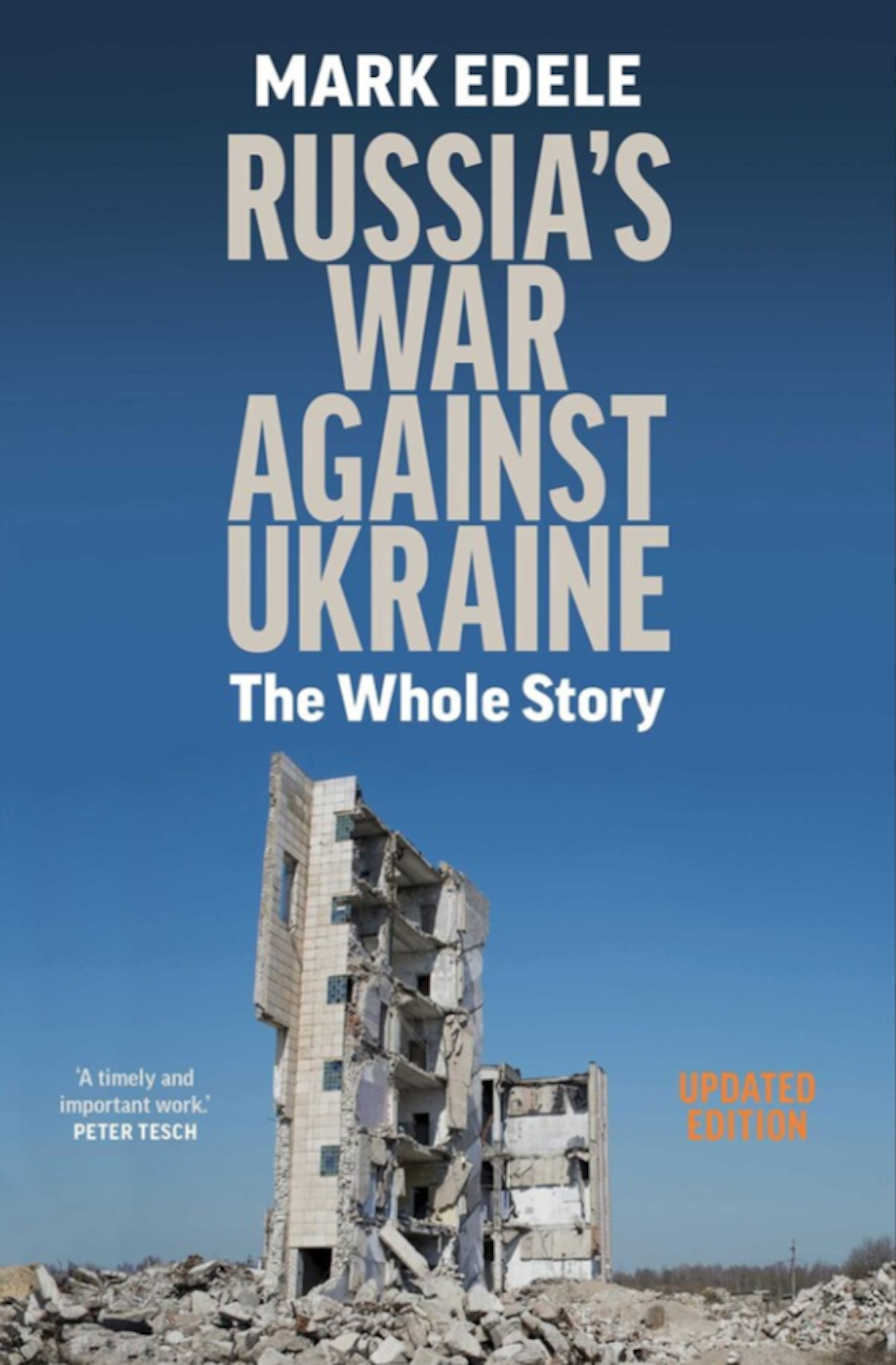
لم تكن روسيا قوة عظمى منذ تفكك الاتحاد السوفيتي في الفترة 1989-1991. وكما أناقش في كتابي المحدّث حديثاً، “حرب روسيا ضد أوكرانيا”، فإن روسيا هي قوة متوسطة لديها تعقيد القوة العظمى.
It has successfully usurped Soviet great-power legacies, including its permanent seat on the UN Security Council and one of the world’s largest nuclear arsenals. It has also projected a vision of itself as a world leader, which has gained some traction with conservatives in the global north and critics of US hegemony in the global south.
لقد نجحت في الاستيلاء على إرث القوة العظمى السوفيتية، بما في ذلك مقعدها الدائم في مجلس الأمن التابع للأمم المتحدة وأحد أكبر ترسانات الأسلحة النووية في العالم. كما عرضت رؤية لنفسها كقائد عالمي، وهو ما اكتسب بعض الجاذبية لدى المحافظين في الشمال العالمي ومنتقدي الهيمنة الأمريكية في الجنوب العالمي.
But it can no longer back up these claims. Russia’s gross domestic product (GDP) is only slightly bigger than South Korea’s, and smaller than Canada’s or Brazil’s.
لكنها لم تعد قادرة على دعم هذه الادعاءات. إن الناتج المحلي الإجمالي لروسيا أكبر بقليل فقط من كوريا الجنوبية، وأصغر من كندا أو البرازيل.
It still has one of the world’s largest militaries, with an estimated 1.1 million active-duty personnel. But in order to maintain it, Russia had to devote 7.5% of its economy – or US$190 billion – to military spending in 2025.
لا يزال لديها أحد أكبر الجيوش في العالم، بتقديرات تبلغ 1.1 مليون فرد في الخدمة النشطة. ولكن للحفاظ عليه، اضطرت روسيا لتخصيص 7.5% من اقتصادها – أو ما يعادل 190 مليار دولار أمريكي – للإنفاق العسكري في عام 2025.
Meanwhile, the oft-decried underspending of Europe’s NATO members, none of whom spend more than 4.5% of GDP, added up to nearly three times as much: US$559 billion.
وفي الوقت نفسه، بلغ الإنفاق المنخفض الذي غالباً ما يُنتقد لأعضاء الناتو الأوروبيين، الذين لا ينفق أي منهم أكثر من 4.5% من الناتج المحلي الإجمالي، ما يقرب من ثلاثة أضعاف ذلك: 559 مليار دولار أمريكي.
Russian President Vladimir Putin went to war to reverse this reality and make Russia great again. But Russia’s army failed to overwhelm Ukraine’s army in the war, even though Kyiv has just 880,000 active-duty personnel (other estimates vary) .
خاض الرئيس الروسي فلاديمير بوتين الحرب لعكس هذه الحقيقة وجعل روسيا عظيمة مرة أخرى. لكن جيش روسيا فشل في إرباك الجيش الأوكراني في الحرب، على الرغم من أن كييف لديها 880,000 فرد في الخدمة النشطة فقط (تختلف التقديرات الأخرى) .
Four and a half years after the full-scale invasion, Russia has suffered a functional defeat in Ukraine. About 80% of Ukraine remains in Ukrainian hands behind a largely static front line. Moscow has now been reduced to conducting an air assault against civilians, a criminal strategy of desperation with few historical examples of success.
بعد أربع سنوات ونصف من الغزو الشامل، تعرضت روسيا لهزيمة وظيفية في أوكرانيا. ولا يزال حوالي 80% من أوكرانيا في أيدي الأوكرانيين خلف خط جبهة ثابت إلى حد كبير. وقد اقتصرت موسكو الآن على شن هجمات جوية ضد المدنيين، وهي استراتيجية إجرامية يائسة مع قلة الأمثلة التاريخية للنجاح.
Its international influence is also waning. Since 2022, Russia has lost carefully cultivated allies in Syria, Venezuela and Hungary. Europe, once a lucrative market for Russian hydrocarbons, has turned hostile for the long term.
كما أن نفوذها الدولي آخذ في التضاؤل أيضاً. فمنذ عام 2022، فقدت روسيا حلفاءً تم تنميتهم بعناية في سوريا وفنزويلا والمجر. وقد تحولت أوروبا، التي كانت يوماً سوقاً مربحة للهيدروكربونات الروسية، إلى بيئة معادية على المدى الطويل.
Meanwhile, Ukraine has risen from a minor power on the outskirts of Europe to a diplomatic and military middle power at the continent’s heart.
وفي الوقت نفسه، صعدت أوكرانيا من قوة ثانوية على أطراف أوروبا إلى قوة متوسطة دبلوماسياً وعسكرياً في قلب القارة.
While still financially dependent on Europe, it is now a world leader in the production of drones. President Volodymyr Zelensky’s recent “drone diplomacy” in the Middle East – which culminated in ten-year deals with three countries – further demonstrated a country punching well above its weight.
وفي حين لا تزال تعتمد مالياً على أوروبا، فهي الآن رائدة عالمية في إنتاج الطائرات المسيرة. كما أظهرت “الدبلوماسية بالطائرات المسيرة” الأخيرة للرئيس فولوديمير زيلينسكي في الشرق الأوسط – والتي بلغت ذروتها في صفقات لعشر سنوات مع ثلاث دول – أن البلاد تتجاوز قدراتها بكثير.
Ukraine is also playing a central role in Europe’s ongoing self-assertion – and this week, took an important step forward in joining the European Union.
كما تلعب أوكرانيا دوراً محورياً في تأكيد أوروبا المستمر لذاتها – وأخذت هذا الأسبوع خطوة مهمة نحو الانضمام إلى الاتحاد الأوروبي.
Why the great powers have distanced themselves
لماذا ابتعدت القوى العظمى
This war, then, is a war between middle powers, not a proxy conflict between great powers. It cannot be construed as some great game over “Eurasia”.
إذًا، هذه الحرب هي حرب بين القوى المتوسطة، وليست صراعاً بالوكالة بين القوى العظمى. ولا يمكن تفسيرها على أنها لعبة كبرى تدور أحداثها حول “أوراسيا.”
Neither China nor the US wanted a war in Europe this century. China remains focused on Taiwan, while the US has been trying to come to terms with a disastrous withdrawal from Afghanistan and its concerns over China’s rise in the Indo-Pacific. Throughout the escalating crisis Russia manufactured in the second half of 2021, the Biden administration tried to deescalate, create diplomatic off-ramps, and spoil Russian war plans by making them public.
لم ترغب الصين ولا الولايات المتحدة في حرب في أوروبا هذا القرن. لا تزال الصين تركز على تايوان، بينما حاولت الولايات المتحدة التوصل إلى تسوية مع الانسحاب الكارثي من أفغانستان ومخاوفها بشأن صعود الصين في منطقة المحيطين الهندي والهادئ. طوال الأزمة المتصاعدة التي صنعتها روسيا في النصف الثاني من عام 2021، سعت إدارة بايدن إلى خفض التصعيد، وخلق مسارات دبلوماسية للانسحاب، وإفساد الخطط الحربية الروسية بجعلها علنية.
After the full-scale invasion in early 2022, China and the US remained wary of elevating Putin’s war to a great power conflict.
عقب الغزو واسع النطاق في أوائل عام 2022، ظلت الصين والولايات المتحدة حذرتين من تصعيد حرب بوتين إلى صراع القوى العظمى.
China took advantage of incredibly cheap Russian energy supplies and markets now deserted by European or US exports. It became “the decisive enabler” of Russia’s war, hoping to distract the US from Asia.
استغلت الصين إمدادات الطاقة الروسية زهيدة الثمن بشكل لا يصدق والأسواق التي أصبحت مهجورة الآن بالصادرات الأوروبية أو الأمريكية. وأصبحت “المُمكِّن الحاسم” لحرب روسيا، على أمل تشتيت انتباه الولايات المتحدة عن آسيا.
But Beijing was careful not to deliver weapons to Russia. It also took a public stance against nuclear escalation and affirmed “the sovereignty and territorial integrity” of all countries involved.
لكن بكين كانت حذرة من تسليم الأسلحة إلى روسيا. كما اتخذت موقفاً علنياً ضد التصعيد النووي وأكدت “سيادة وسلامة أراضي” جميع الدول المعنية.
More importantly, China never sanctioned Ukraine, which is dependent on Chinese-produced parts and materials for its growing drone industry.
والأهم من ذلك، أن الصين لم تفرض عقوبات على أوكرانيا، التي تعتمد في صناعة الطائرات المسيرة المتنامية الخاصة بها على الأجزاء والمواد المنتجة في الصين.
The United States, meanwhile, has hesitated in its support of Ukraine.
أما الولايات المتحدة، فقد تَرَدَّدَت في دعم أوكرانيا.
Originally, US intelligence officials assumed Russia would win the war within days. As Ukraine survived, mostly because of its own arsenals, the Biden administration began supporting it, albeit with caveats. The weapons it sent came with strings attached and deliveries were often delayed for fear of crossing some Russian red line or other.
في الأصل، افترض مسؤولو الاستخبارات الأمريكية أن روسيا ستفوز بالحرب في غضون أيام. ومع بقاء أوكرانيا على قيد الحياة، ويرجع ذلك بشكل كبير إلى ترسانتها الخاصة، بدأت إدارة بايدن بدعمها، وإن كان ذلك مع تحفظات. وقد جاءت الأسلحة التي أرسلتها مصحوبة بشروط وقيود، وغالباً ما تأخرت عمليات التسليم خوفاً من تجاوز خط أحمر روسي أو أي شيء آخر.
This war was even more inconvenient for the United States than it was for China. This sentiment has only intensified under the Trump administration. As the US has pulled back, a flexible coalition of democratic middle powers has stepped up to help Ukraine.
كانت هذه الحرب أكثر صعوبة على الولايات المتحدة مما كانت عليه بالنسبة للصين. لم يزدد هذا الشعور إلا قوة في ظل إدارة ترامب. ومع تراجع الولايات المتحدة، برز تحالف مرن من القوى المتوسطة الديمقراطية للمساعدة في أوكرانيا.
What we see happening in Ukraine, then, is the realignment of the world system from a US-dominated global order after 1991 to a multi-polar world. In this world, middle powers are playing a much larger role than during either the Cold War or its aftermath.
ما نراه يحدث في أوكرانيا، إذن، هو إعادة تشكيل للنظام العالمي من نظام عالمي يهيمن عليه الولايات المتحدة بعد عام 1991 إلى عالم متعدد الأقطاب. وفي هذا العالم، تلعب القوى المتوسطة دوراً أكبر بكثير مما كانت عليه خلال الحرب الباردة أو ما تلاها.
The leaders of middle powers like Australia and Canada are in the process of waking up to this reality.
بدأ قادة القوى المتوسطة، مثل أستراليا وكندا، يدركون هذا الواقع.
US President Donald Trump, by contrast, has not yet understood this state of affairs. Even if he might now return his attention to this war, he will find he has fewer cards to play than he thought.
الرئيس الأمريكي دونالد ترامب، على النقيض من ذلك، لم يفهم بعد هذا الوضع. وحتى لو عاد الآن باهتمامه إلى هذه الحرب، فسيجد أن لديه أوراق لعب أقل مما ظنّ.
Mark Edele receives funding from the Australian Research Council.
يتلقى مارك إيديلي تمويلاً من المجلس الأسترالي للبحوث.
Read more
-
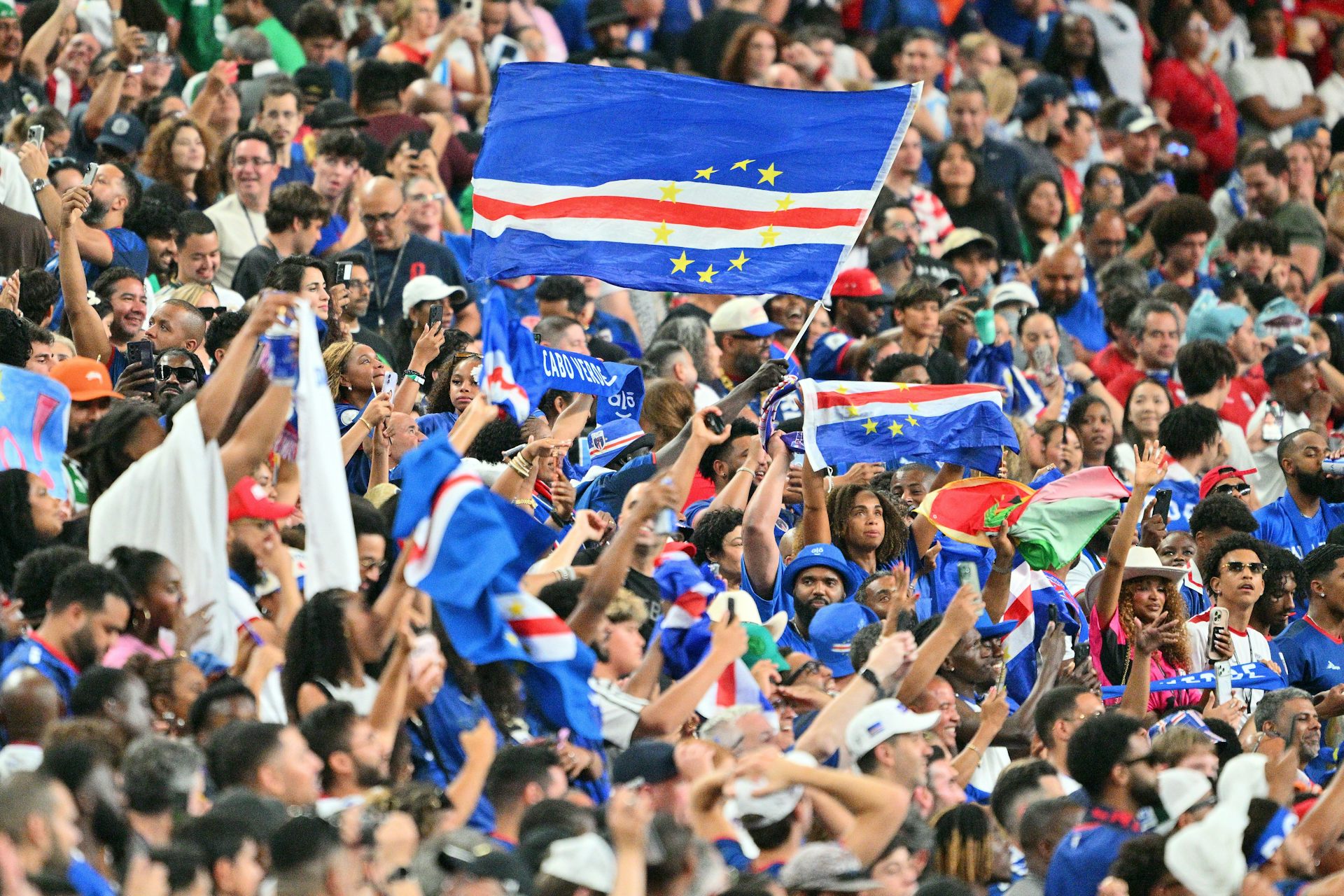
نجاح كيفي في كأس العالم يعكس أمة تحدّت فيها الصعاب مراراً وتكراراً.
Cape Verde’s World Cup success reflects a nation that has repeatedly defied the odds
-
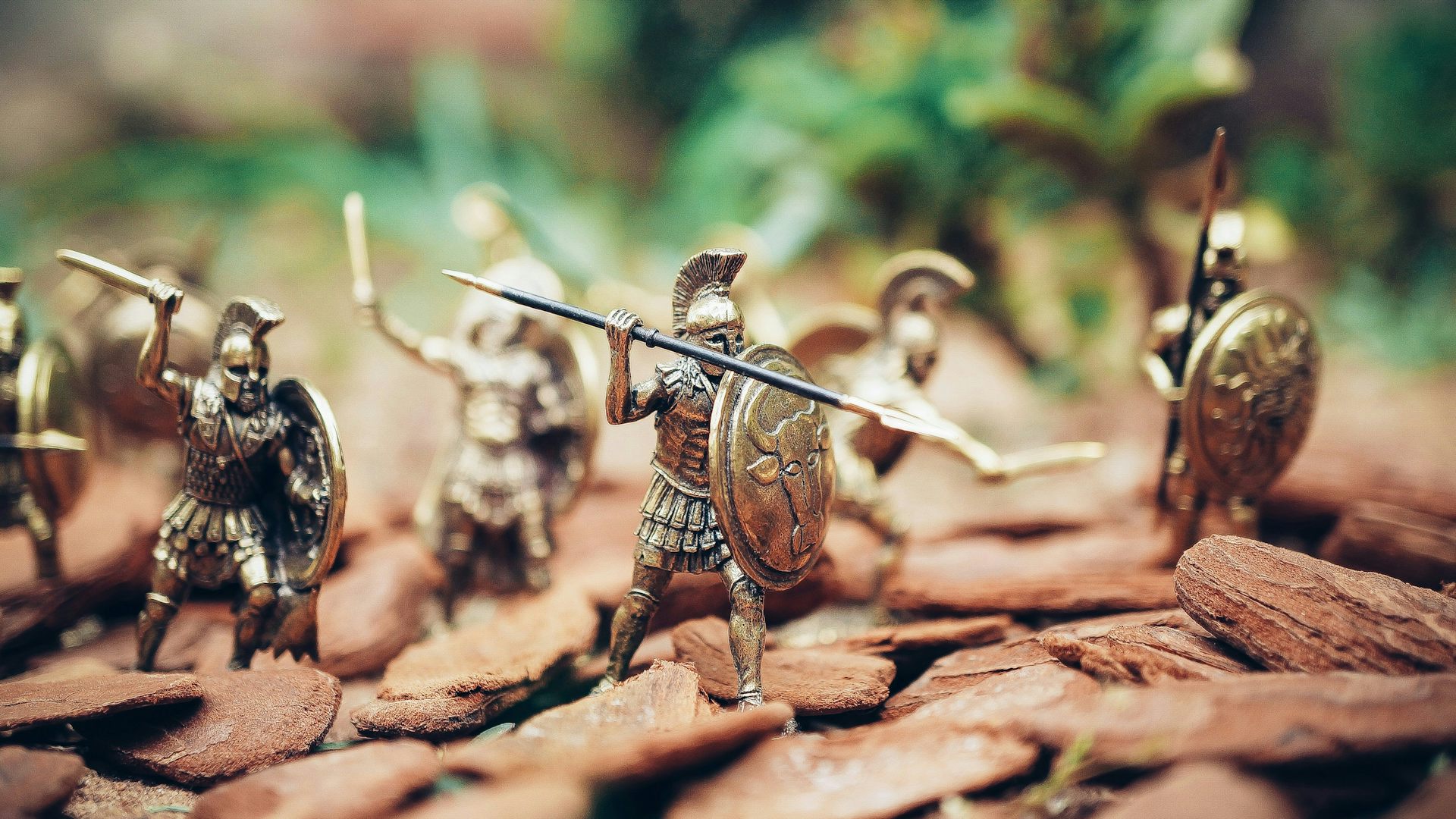
وحدة قتالية نخبوية من العشاق المثليين – الفرقة المقدسة الأثيبية في اليونان القديمة
An elite fighting unit of gay lovers – the Theban Sacred Band in ancient Greece