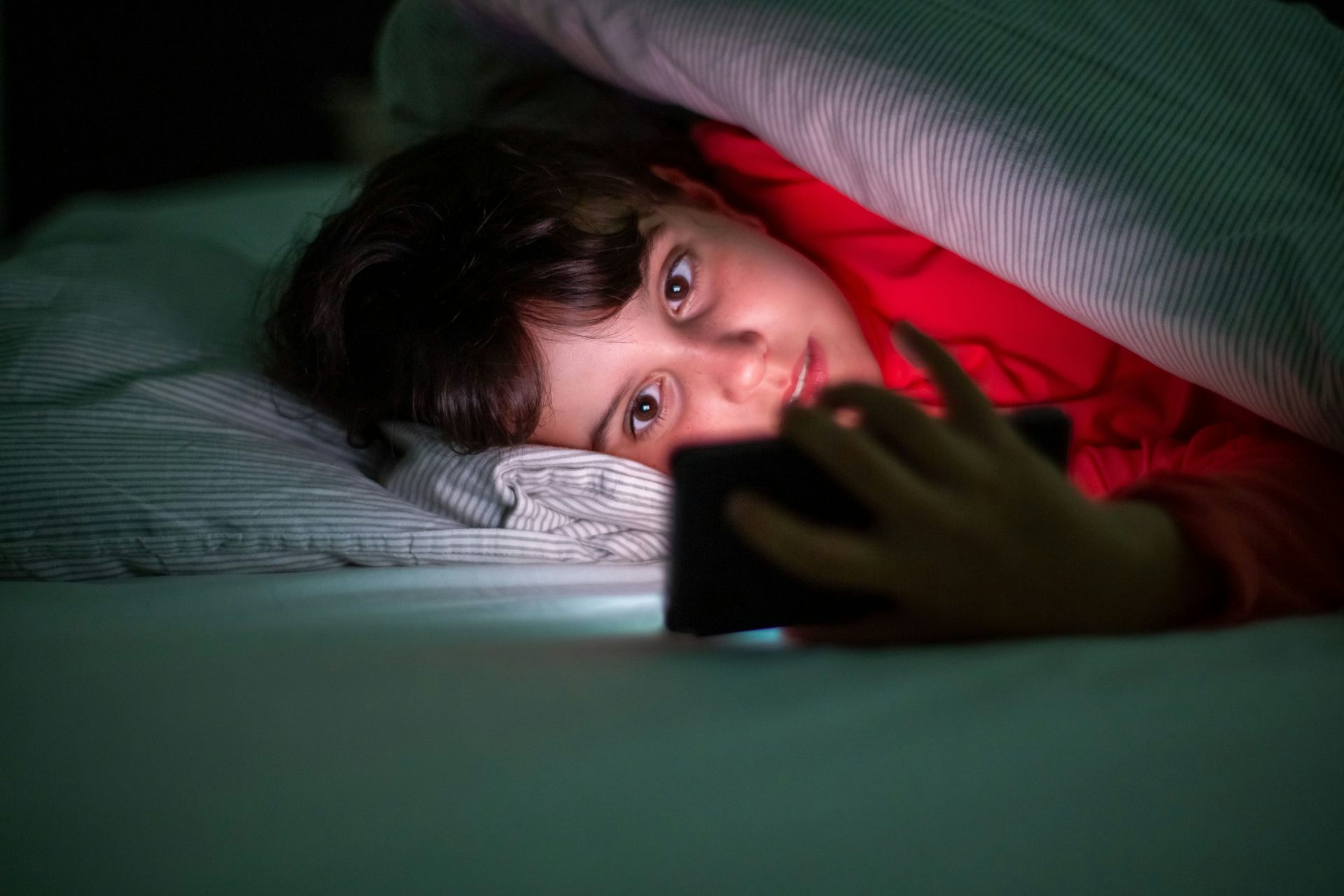
担心孩子睡眠?将屏幕留在卧室外,并限制睡前使用iPad。
Worried about your child’s sleep? Keep screens out of b…
Sleep can be one of the trickiest things for families. New research closely examines the relationship between sleep and screen-use in young children.
睡眠可能是家庭最棘手的问题之一。新的研究深入考察了幼儿的睡眠与屏幕使用之间的关系。
Sleep can be one of the trickiest things for families with little kids. It’s not just important for parental sanity or a child’s grumpiness levels the next day.
对有小孩的家庭来说,睡眠可能是最难的事情之一。它不仅对父母的精神状态或孩子第二天是否情绪低落很重要。
Sleep is crucial for brain development, especially in the early years. We also know getting enough sleep is important for learning and maintaining a healthy weight.
睡眠对大脑发育至关重要,尤其是在早期。我们也知道,充足的睡眠对于学习和维持健康的体重也很重要。
Screen use has been shown to impact the quality and quantity of sleep in adolescents and adults. Our new research closely examines the relationship between sleep and screen-use in young children.
已有研究表明,屏幕使用会影响青少年和成年人的睡眠质量和数量。我们的新研究仔细考察了幼儿的睡眠与屏幕使用之间的关系。
Here’s what we found and what it means for screens in your home.
以下是我们发现的内容,以及这对您家中的屏幕使用意味着什么。
Our research
我们的研究
We surveyed 3,324 families with children aged six months to six years from across Australia. Caregivers were recruited through social media, flyers and newsletters.
我们对来自澳大利亚各地的3,324个有六个月至六年儿童的家庭进行了调查。看护者是通过社交媒体、传单和通讯信函招募的。
This data is from the first year of a five-year longitudinal study by the Australian Centre of Excellence for the Digital Child.
这些数据来自澳大利亚数字儿童卓越中心进行的一项为期五年的纵向研究的第一年。
Caregivers told us about children’s typical sleep patterns (their bed time, how long they slept, and naps) and any problems.
看护者向我们介绍了孩子典型的睡眠模式(包括他们的就寝时间、睡眠时长和午睡)以及任何问题。
They also reported on how much time their children spent on screens and on what type of devices (were they handheld like a phone or tablet? Or static like a TV?) , and if screens were used in the bedroom. We also asked how often children used screens in the two hours before bed.
他们还报告了孩子使用屏幕的时间,以及使用的设备类型(是像手机或平板电脑这样的手持设备?还是像电视机这样的固定设备?),以及是否在卧室中使用屏幕。我们还询问了孩子在睡前两小时内使用屏幕的频率。
What we found
我们发现
The children in our study were exposed to digital technologies early and often.
我们研究的儿童很早就经常接触数字技术。
Our findings suggest there may be different effects on their sleep, depending on their age, the type of device they use, and when they use it.
我们的研究结果表明,这对他们的睡眠可能存在不同的影响,具体取决于他们的年龄、使用的设备类型以及使用的时间。
For example, fewer than half (between 27% and 44%) of children aged two to five met the national guidelines of less than two hours of screens per day.
例如,两到五岁的儿童中,不到一半(在27%至44%之间)符合国家指南规定的每天屏幕使用时间少于两小时。
This is similar to other studies, showing many parents struggle to limit screen use in everyday family life.
这与其他研究相似,表明许多父母在日常家庭生活中难以限制屏幕使用。
We found use of devices in bedrooms, particularly handheld devices, was occurring from infancy and increased across each age. By age five, almost 40% of children were using handheld devices in their bedrooms.
我们发现,在卧室使用设备的情况(尤其是手持设备)从婴儿期就开始发生,并且随着年龄的增长而增加。到五岁时,近40%的儿童在其卧室中使用手持设备。
What about sleep?
睡眠方面呢?
For infants (6-12 months) , we did not find any significant associations between screen use and sleep. This means screen use may not have as strong of an influence on infant sleep, as other social or biological factors.
对于婴儿(6-12个月),我们没有发现屏幕使用与睡眠之间存在显著关联。这意味着屏幕使用对婴儿的睡眠影响,可能不如其他社会或生物学因素那么强烈。
However, we suspect passive exposure may be going unmeasured in this age group. For example, if a screen is being used around them by a parent or older sibling.
然而,我们怀疑在这个年龄组中存在被动接触的暴露量可能没有被测量到。例如,如果屏幕是由父母或年长的兄弟姐妹在他们周围使用的。
But things change as children get older:
但随着孩子长大,情况发生了变化:
for every hour of handheld device use per day, two-year-olds went to bed almost 30 minutes later.
每天每使用一小时手持设备,两岁儿童入睡时间就会推迟近30分钟。
for every hour of handheld device use per day, three-year-olds not only went to bed later but then slept less overall and showed greater difficulties functioning the following day.
每天每使用一小时手持设备,三岁儿童不仅入睡时间推迟了,而且整体睡眠时间更短,并在第二天表现出更大的功能障碍。
We also found static screens had similar patterns of effects. However, handheld device use was typically stronger and more consistent across each of the ages. But this means both handheld (phones, tablet) and static (TV) devices were associated with less sleep and later sleep timing across most ages.
我们还发现静态屏幕具有相似的影响模式。然而,手持设备的使用通常在各个年龄段都更强、更一致。但这表明无论是手持设备(手机、平板)还是静态设备(电视),在大多数年龄组中都与睡眠不足和入睡时间推迟有关。
Evening screen use told a similar story. Children who more frequently used any type of screen in the two hours before bed had shorter sleep, later bedtimes, and more sleep problems across most age groups from one to five years. This is compared with children who had limited or no screen use in the two hours before bed.
晚间使用屏幕的情况也讲述了类似的故事。在睡前两小时内更频繁地使用任何类型屏幕的儿童,在从一岁到五岁的大多数年龄组中,睡眠时间更短、入睡时间更晚,且睡眠问题更多。这与睡前两小时内限制或没有使用屏幕的儿童相比。
What does this tell us?
这告诉我们什么?
This study provides unique insights into screen use and sleep in a large sample of Australian children. However, this is what researchers call “cross-sectional” data. It’s only taken at one time-point. So this means we can’t be sure about the cause of these relationships.
这项研究为分析澳大利亚儿童群体的大样本屏幕使用和睡眠情况提供了独特的见解。然而,这属于研究人员所称的“横截面”数据。它只在一个时间点采集。因此,这意味着我们不能确定这些关系的原因。
For example, this data shows screen use is associated with poor sleep, but it could also be that children who are awake longer have more opportunity to use screens than those who sleep longer.
例如,这些数据显示屏幕使用与睡眠不足有关,但也可能是那些清醒时间更长的孩子比那些睡眠时间更长的孩子有更多机会使用屏幕。
We will continue to look at this as part of a broader, long-term study of this group. This will help us understand these relationships more clearly across time.
我们将作为该群体更广泛的、长期的研究的一部分继续关注这一点。这将帮助我们更好地理解这些关系随时间的演变。
What this means for your family
这对您的家庭意味着什么
The good news is these findings point to specific, achievable changes for families that may help their kids’ sleep.
好消息是,这些研究结果指出了为家庭提供的具体、可实现的改变,这些改变可能有助于改善孩子的睡眠。
Current screen-use guidelines focus on how much screen time children have. Our findings suggest that where, when, and on what device may also matter. So here are some concrete steps you can take.
目前的屏幕使用指南侧重于儿童有多少屏幕时间。我们的研究结果表明,在哪里用、何时用以及使用何种设备也可能很重要。因此,这里有一些您可以采取的实际步骤。
Remove screens from bedrooms as much as possible. Having screens in bedrooms may lead to longer use times and using screens closer to bedtime. If there are no screens in bedrooms, this may reduce children thinking of their bedrooms as a place for exciting activities. It can also potentially reduce points of friction (for example, taking a device away) in the lead up to bedtime.
尽可能将屏幕移出卧室。卧室里有屏幕可能会导致使用时间更长,并且让孩子在临睡前使用屏幕。如果卧室没有屏幕,这可能会减少孩子将卧室视为进行刺激活动的地方。它还可能在临睡前减少摩擦点(例如收走设备)。
Create a relaxing pre-bed routine. If you think screens may be interfering with your child’s sleep, consider reducing or replacing screens before bed with activities like play, movement, reading and bath time. Families and children are all different and needs change. But when possible, having a predictable nighttime routine for young children is great for getting children ready to sleep.
建立放松的睡前习惯。如果您认为屏幕可能会干扰孩子的睡眠,请考虑用玩耍、运动、阅读和泡澡等活动来减少或取代睡前的屏幕使用。每个家庭和孩子都是不同的,需求也会变化。但如果可能的话,为年幼的孩子建立可预测的夜间作息习惯,对帮助他们准备入睡是非常有益的。
Limit bright, handheld screens, held close to the face, especially before bed. Light emitted from screens and even our environment can interfere with our sleep promoting hormone, melatonin.
限制明亮的手持屏幕,尤其是临睡前靠近脸部使用的屏幕。屏幕发出的光线甚至我们周围的环境都会干扰我们的睡眠促进激素——褪黑素。
Young children’s sleep is important – for kids and parents. The screens in our homes are not going away, but with some simple adjustments to where and when they are used, families can protect the sleep their children need.
幼儿的睡眠非常重要——对孩子和父母都一样。家里的屏幕不会消失,但通过调整它们的使用时间和地点,家庭可以保护孩子所需的睡眠。
Cassandra Pattinson receives funding from the Australian Research Council Discovery Early Career Award.
Cassandra Pattinson 获得澳大利亚研究理事会发现早期职业奖(Australian Research Council Discovery Early Career Award)资助。