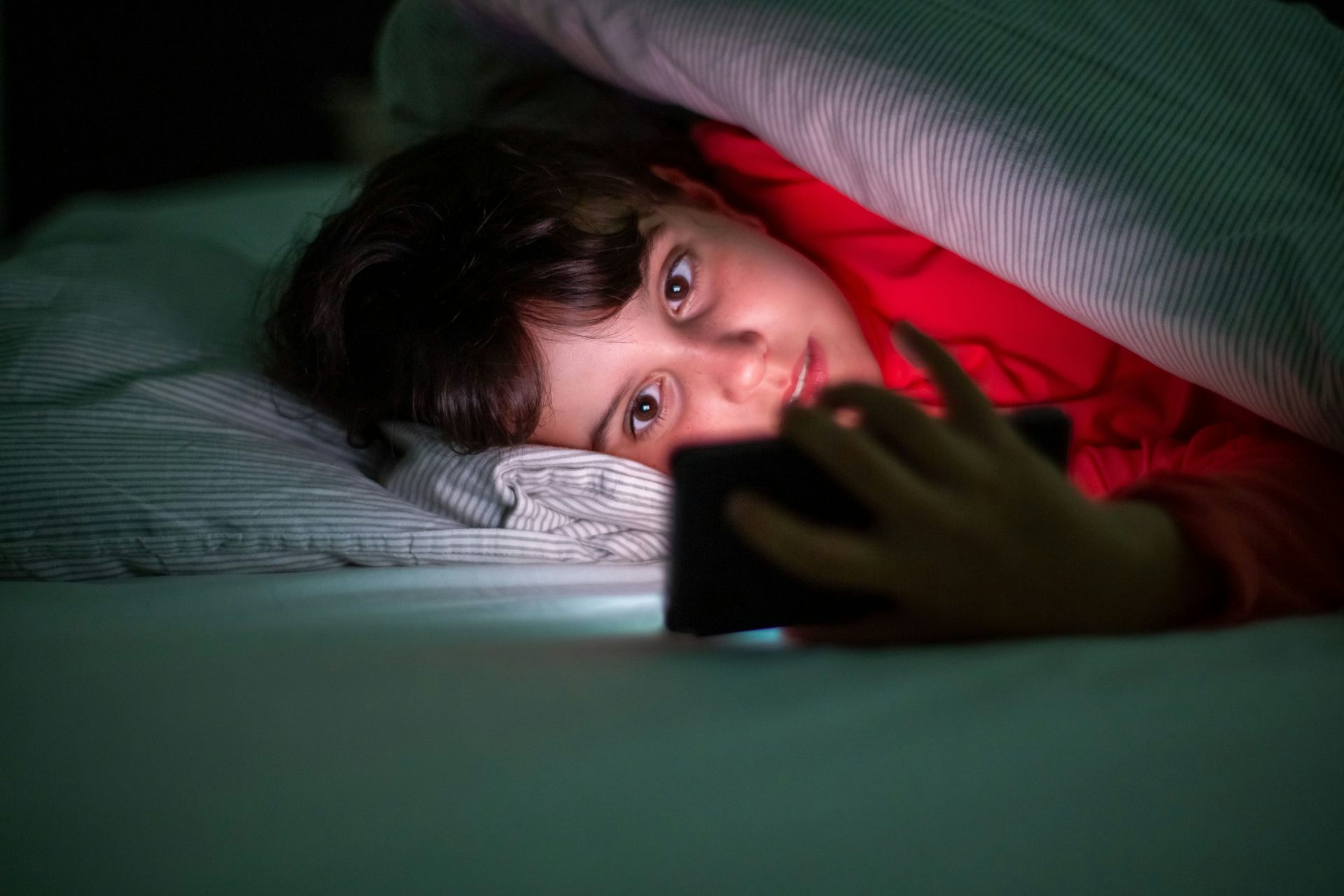
هل تقلق بشأن نوم طفلك؟ أبقِ الشاشات خارج غرف النوم وقلل استخدام الأجهزة اللوحية قبل النوم.
Worried about your child’s sleep? Keep screens out of bedrooms and limit iPads before bed
Sleep can be one of the trickiest things for families. New research closely examines the relationship between sleep and screen-use in young children.
يمكن أن يكون النوم من أصعب الأمور بالنسبة للعائلات. يدرس البحث الجديد عن كثب العلاقة بين النوم واستخدام الشاشات لدى الأطفال الصغار.
Sleep can be one of the trickiest things for families with little kids. It’s not just important for parental sanity or a child’s grumpiness levels the next day.
يمكن أن يكون النوم من أصعب الأمور للعائلات التي لديها أطفال صغار. فهو ليس مهمًا فقط لسلامة عقل الوالدين أو لمستويات عبوس الطفل في اليوم التالي.
Sleep is crucial for brain development, especially in the early years. We also know getting enough sleep is important for learning and maintaining a healthy weight.
النوم حيوي لتطور الدماغ، خاصة في السنوات المبكرة. ونعلم أيضًا أن الحصول على قسط كافٍ من النوم مهم للتعلم والحفاظ على وزن صحي.
Screen use has been shown to impact the quality and quantity of sleep in adolescents and adults. Our new research closely examines the relationship between sleep and screen-use in young children.
لقد ثبت أن استخدام الشاشات يؤثر على جودة وكمية النوم لدى المراهقين والبالغين. يدرس بحثنا الجديد العلاقة بين النوم واستخدام الشاشات لدى الأطفال الصغار عن كثب.
Here’s what we found and what it means for screens in your home.
إليك ما توصلنا إليه وما يعنيه ذلك بالنسبة للشاشات في منزلك.
Our research
أبحاثنا
We surveyed 3,324 families with children aged six months to six years from across Australia. Caregivers were recruited through social media, flyers and newsletters.
لقد أجرينا مسحاً على 3,324 عائلة لديها أطفال تتراوح أعمارهم بين ستة أشهر وست سنوات من جميع أنحاء أستراليا. تم تجنيد مقدمي الرعاية عبر وسائل التواصل الاجتماعي والمنشورات والنشرات الإخبارية.
This data is from the first year of a five-year longitudinal study by the Australian Centre of Excellence for the Digital Child.
تأتي هذه البيانات من العام الأول لدراسة طولية مدتها خمس سنوات أجراها المركز الأسترالي للتميز للطفل الرقمي.
Caregivers told us about children’s typical sleep patterns (their bed time, how long they slept, and naps) and any problems.
أخبرنا مقدمو الرعاية عن أنماط النوم المعتادة للأطفال (موعد نومهم، ومدة نومهم، والقيلولة) وأي مشاكل.
They also reported on how much time their children spent on screens and on what type of devices (were they handheld like a phone or tablet? Or static like a TV?) , and if screens were used in the bedroom. We also asked how often children used screens in the two hours before bed.
كما أبلغوا عن مقدار الوقت الذي يقضيه أطفالهم أمام الشاشات ونوع الأجهزة المستخدمة (هل كانت محمولة مثل الهاتف أو الجهاز اللوحي؟ أم ثابتة مثل التلفزيون؟) ، وما إذا كانت الشاشات تُستخدم في غرفة النوم. وسألنا أيضاً عن عدد المرات التي يستخدم فيها الأطفال الشاشات خلال الساعتين قبل النوم.
What we found
ما وجدناه
The children in our study were exposed to digital technologies early and often.
تعرّض الأطفال في دراستنا للتقنيات الرقمية منذ سن مبكرة وبشكل متكرر.
Our findings suggest there may be different effects on their sleep, depending on their age, the type of device they use, and when they use it.
تشير نتائجنا إلى أنه قد تكون هناك تأثيرات مختلفة على نومهم، اعتماداً على أعمارهم ونوع الجهاز الذي يستخدمونه ومتى يستخدمونه.
For example, fewer than half (between 27% and 44%) of children aged two to five met the national guidelines of less than two hours of screens per day.
على سبيل المثال، أن أقل من نصف الأطفال (بين 27% و44%) الذين تتراوح أعمارهم بين سنتين وخمس سنوات استوفوا الإرشادات الوطنية التي تنص على أقل من ساعتين من وقت الشاشات يومياً.
This is similar to other studies, showing many parents struggle to limit screen use in everyday family life.
وهذا يشبه دراسات أخرى، تظهر فيها العديد من الأسر صعوبة في الحد من استخدام الشاشات في الحياة الأسرية اليومية.
We found use of devices in bedrooms, particularly handheld devices, was occurring from infancy and increased across each age. By age five, almost 40% of children were using handheld devices in their bedrooms.
وجدنا أن استخدام الأجهزة في غرف النوم، وخاصة الأجهزة المحمولة باليد، كان يحدث منذ مرحلة الرضاعة وزاد مع كل عمر. وبحلول سن الخامسة، كان ما يقرب من 40% من الأطفال يستخدمون الأجهزة المحمولة في غرف نومهم.
What about sleep?
ماذا عن النوم؟
For infants (6-12 months) , we did not find any significant associations between screen use and sleep. This means screen use may not have as strong of an influence on infant sleep, as other social or biological factors.
بالنسبة للرضع (من 6 إلى 12 شهرًا) ، لم نجد أي ارتباطات ذات دلالة بين استخدام الشاشات والنوم. هذا يعني أن استخدام الشاشة قد لا يكون له تأثير قوي على نوم الرضيع، مقارنة بالعوامل الاجتماعية أو البيولوجية الأخرى.
However, we suspect passive exposure may be going unmeasured in this age group. For example, if a screen is being used around them by a parent or older sibling.
ومع ذلك، نشك في أن التعرض السلبي قد يظل غير مقاس في هذه الفئة العمرية. على سبيل المثال، إذا كان أحد الوالدين أو الأخ الأكبر يستخدم الشاشة حولهم.
But things change as children get older:
لكن الأمور تتغير مع تقدم الأطفال في العمر:
for every hour of handheld device use per day, two-year-olds went to bed almost 30 minutes later.
مقابل كل ساعة من استخدام الجهاز المحمول يوميًا، ذهب الأطفال البالغون عامين إلى السرير متأخرين بنحو 30 دقيقة.
for every hour of handheld device use per day, three-year-olds not only went to bed later but then slept less overall and showed greater difficulties functioning the following day.
مقابل كل ساعة من استخدام الجهاز المحمول يوميًا، لم يذهب الأطفال البالغون ثلاث سنوات إلى السرير متأخرين فحسب، بل ناموا أيضًا لفترة أقل بشكل عام وأظهروا صعوبات أكبر في أداء وظائفهم في اليوم التالي.
We also found static screens had similar patterns of effects. However, handheld device use was typically stronger and more consistent across each of the ages. But this means both handheld (phones, tablet) and static (TV) devices were associated with less sleep and later sleep timing across most ages.
وجدنا أيضًا أن الشاشات الثابتة كان لها أنماط تأثير مماثلة. ومع ذلك، كان استخدام الأجهزة المحمولة أقوى وأكثر اتساقًا عبر كل فئة عمرية. لكن هذا يعني أن كلا من الأجهزة المحمولة (الهواتف والأجهزة اللوحية) والثابتة (التلفزيون) ارتبطت بنوم أقل وتوقيت نوم متأخر عبر معظم الأعمار.
Evening screen use told a similar story. Children who more frequently used any type of screen in the two hours before bed had shorter sleep, later bedtimes, and more sleep problems across most age groups from one to five years. This is compared with children who had limited or no screen use in the two hours before bed.
كما روت استخدام الشاشات في المساء قصة مماثلة. الأطفال الذين استخدموا أي نوع من الشاشات بشكل أكثر تكرارًا خلال الساعتين قبل النوم كان لديهم نوم أقصر، ومواعيد نوم متأخرة، والمزيد من مشاكل النوم عبر معظم الفئات العمرية من سنة إلى خمس سنوات. ويُقارن هذا بالأطفال الذين قلّ استخدامهم للشاشة أو لم يستخدموها على الإطلاق في الساعتين قبل النوم.
What does this tell us?
ماذا يخبرنا هذا؟
This study provides unique insights into screen use and sleep in a large sample of Australian children. However, this is what researchers call “cross-sectional” data. It’s only taken at one time-point. So this means we can’t be sure about the cause of these relationships.
تقدم هذه الدراسة رؤى فريدة حول استخدام الشاشات والنوم في عينة كبيرة من الأطفال الأستراليين. ومع ذلك، فهذه ما يسميه الباحثون بيانات “مقطعية.” لقد تم جمعها في نقطة زمنية واحدة فقط. وهذا يعني أننا لا نستطيع التأكد من سبب هذه العلاقات.
For example, this data shows screen use is associated with poor sleep, but it could also be that children who are awake longer have more opportunity to use screens than those who sleep longer.
على سبيل المثال، تُظهر هذه البيانات أن استخدام الشاشات يرتبط بنوم سيئ، ولكن قد يكون الأمر كذلك أيضاً أن الأطفال الذين يستيقظون لفترة أطول لديهم فرصة أكبر لاستخدام الشاشات مقارنة بأولئك الذين ينامون لفترة أطول.
We will continue to look at this as part of a broader, long-term study of this group. This will help us understand these relationships more clearly across time.
سنستمر في النظر إلى هذا كجزء من دراسة أوسع وطويلة الأجل لهذه المجموعة. سيساعدنا هذا على فهم هذه العلاقات بوضوح أكبر عبر الزمن.
What this means for your family
ماذا يعني هذا لعائلتك
The good news is these findings point to specific, achievable changes for families that may help their kids’ sleep.
الخبر السار هو أن هذه النتائج تشير إلى تغييرات محددة وقابلة للتحقيق للعائلات قد تساعد في نوم أطفالها.
Current screen-use guidelines focus on how much screen time children have. Our findings suggest that where, when, and on what device may also matter. So here are some concrete steps you can take.
تركز الإرشادات الحالية لاستخدام الشاشات على مقدار وقت الشاشة الذي يقضيه الأطفال. تشير نتائجنا إلى أن المكان والزمان والجهاز المستخدم قد يكون لها أهمية أيضاً. لذا، إليك بعض الخطوات الملموسة التي يمكنك اتخاذها.
Remove screens from bedrooms as much as possible. Having screens in bedrooms may lead to longer use times and using screens closer to bedtime. If there are no screens in bedrooms, this may reduce children thinking of their bedrooms as a place for exciting activities. It can also potentially reduce points of friction (for example, taking a device away) in the lead up to bedtime.
أزيل الشاشات من غرف النوم قدر الإمكان. قد يؤدي وجود الشاشات في غرف النوم إلى زيادة وقت الاستخدام واستخدامها بالقرب من وقت النوم. إذا لم تكن هناك شاشات في غرف النوم، فقد يقلل ذلك من ميل الأطفال لاعتبار غرفهم أماكن للأنشطة المثيرة. كما يمكن أن يقلل أيضاً بشكل محتمل من نقاط الاحتكاك (على سبيل المثال، سحب جهاز) قبل وقت النوم.
Create a relaxing pre-bed routine. If you think screens may be interfering with your child’s sleep, consider reducing or replacing screens before bed with activities like play, movement, reading and bath time. Families and children are all different and needs change. But when possible, having a predictable nighttime routine for young children is great for getting children ready to sleep.
أنشئوا روتيناً مريحاً قبل النوم. إذا كنتم تعتقدون أن الشاشات قد تتداخل مع نوم طفلكم، ففكروا في تقليل أو استبدال الشاشات قبل النوم بأنشطة مثل اللعب والحركة والقراءة وأوقات الاستحمام. العائلات والأطفال مختلفون والاحتياجات تتغير. ولكن عندما يكون ذلك ممكناً، فإن وجود روتين ليلي يمكن التنبؤ به للأطفال الصغار أمر عظيم لإعداد الأطفال للنوم.
Limit bright, handheld screens, held close to the face, especially before bed. Light emitted from screens and even our environment can interfere with our sleep promoting hormone, melatonin.
الحد من الشاشات الساطعة والمحمولة، والتي تُمسك بالقرب من الوجه، خاصة قبل النوم. يمكن للضوء المنبعث من الشاشات وحتى بيئتنا أن يتداخل مع هرموننا المعزز للنوم، الميلاتونين.
Young children’s sleep is important – for kids and parents. The screens in our homes are not going away, but with some simple adjustments to where and when they are used, families can protect the sleep their children need.
نوم الأطفال الصغار مهم – للأطفال والآباء على حد سواء. الشاشات في منازلنا لن تختفي، ولكن ببعض التعديلات البسيطة على مكان وزمان استخدامها، يمكن للعائلات حماية النوم الذي يحتاجه أطفالهم.
Cassandra Pattinson receives funding from the Australian Research Council Discovery Early Career Award.
تتلقى كاساندرا باتينسون التمويل من جائزة المجلس الأسترالي للبحوث للمسيرة المهنية المبكرة (Australian Research Council Discovery Early Career Award) .
Read more
-
100 مليون طفل أفريقي لا يذهبون إلى المدرسة. ما الذي يدفع هذا الاتجاه وكيف يمكن عكسه؟
100 million African children are not in school. What’s driving the trend and how to reverse it