科学家称,干旱可能加剧抗生素耐药性。
Drought could be making antibiotic resistance worse, sc…
New research suggests drought-parched soil turbocharges antibiotic resistance in nature, and with UK summers getting drier, that’s a growing problem.
新研究表明,干涸的土壤会极大地促进自然界中的抗生素耐药性,而随着英国夏季越来越干燥,这正成为一个日益严重的问题。
Antibiotic resistance is often associated with hospitals and the overuse of antibiotics in agriculture. Both are genuine problems, but new research suggests another potential culprit that many people haven’t considered – droughts caused by climate change.
抗生素耐药性通常与医院和农业中抗生素的过度使用相关。这两者都是真实存在的问题,但新的研究提出了另一个许多人尚未考虑的潜在罪魁祸首——气候变化引起的干旱。
A recent study published in the journal Nature Microbiology found that when soil dries out, it can speed up the natural processes that create and spread antibiotic resistance. This doesn’t mean drought directly creates superbugs in hospitals, but it suggests climate change could make the problem worse.
最近发表在《自然微生物学》杂志上的一项研究发现,当土壤干燥时,它可以加速产生和传播抗生素耐药性的自然过程。这并不意味着干旱会直接在医院制造超级细菌,但它表明气候变化可能会使问题恶化。
This matters a lot for the UK. The Met Office predicts that summers will get hotter and drier, with longer droughts if emissions stay high. Meanwhile, the NHS is already struggling with antibiotic-resistant infections, which are harder to treat and keep patients in hospital longer. When standard antibiotics stop working, doctors are sometimes forced to use powerful alternatives that are kept in reserve precisely because overusing them risks making those resistant too. These are known as “drugs of last resort”.
这对英国来说意义重大。气象局预测,如果排放量保持高位,夏季将变得更热、更干燥,干旱也会更长。与此同时,英国国民医疗服务体系(NHS)已经在努力应对抗生素耐药性感染,这类感染更难治疗,并会使患者住院时间更长。当标准抗生素失效时,医生有时被迫使用强大的替代药物,这些药物之所以被保留,正是因为过度使用它们有使这些药物产生耐药性的风险。这些被称为“最后的选择药物”。
So what’s actually happening in the soil? Soil is teeming with bacteria, and many of them naturally produce antibiotics to kill off rivals. Other bacteria carry genes that make them resistant to those attacks.
那么,土壤中实际发生了什么呢?土壤中充满了细菌,其中许多细菌自然地产生抗生素来杀死竞争对手。其他细菌则携带了使其能够抵抗这些攻击的基因。
An arms race in the soil
土壤中的一场军备竞赛
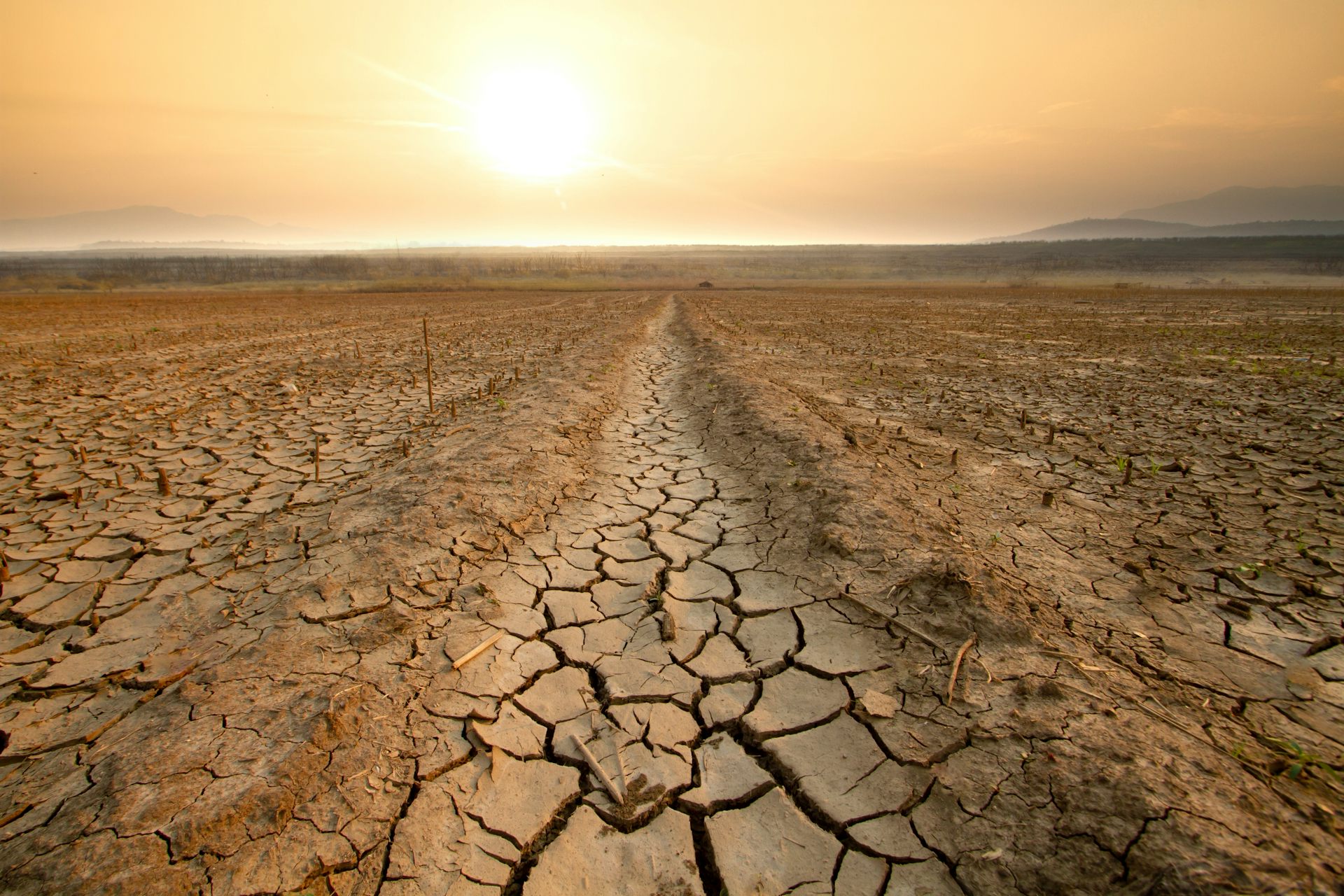
In normal, moist soil, bacteria live in a relatively stable environment. But when soil dries out, water gets squeezed into tiny, isolated pockets. Bacteria get crowded together, nutrients become scarce and competition turns brutal. In these conditions, bacteria produce more antibiotics to attack each other, and more resistance genes emerge to help them survive. It’s an arms race fuelled by drought.
在正常、潮湿的土壤中,细菌生活在一个相对稳定的环境中。但当土壤干燥时,水被挤压成微小、孤立的口袋。细菌们聚集在一起,营养物质变得稀缺,竞争也变得残酷。在这些条件下,细菌会产生更多的抗生素互相攻击,并且更多的耐药基因出现,帮助它们生存。这是一场由干旱助燃的军备竞赛。
Here’s why that’s relevant to human health: bacteria can swap genes with each other through a process called horizontal gene transfer – think of it like sharing a video game cheat code. This means resistance genes from soil bacteria can be picked up by bacteria that infect humans. In fact, some resistance genes found in soil bacteria have already been spotted in bacteria that infect people, hinting at a long evolutionary connection between the two.
这与人类健康相关的原因是:细菌可以通过一种称为水平基因转移的过程互相交换基因——可以把它想象成分享一个电子游戏作弊码。这意味着来自土壤细菌的耐药基因可以被感染人类的细菌捕获。事实上,一些在土壤细菌中发现的耐药基因,已经在感染人类的细菌中被发现,暗示着两者之间存在着长期的进化联系。
Some large studies have found that drier regions of the world tend to report higher levels of antibiotic-resistant infections in hospitals, even when taking differences in wealth and healthcare quality into account. However, these studies show correlation, not direct cause and effect. Other factors like how infections are tracked or how easy it is to access healthcare could also explain this pattern.
一些大型研究发现,即使考虑到财富和医疗护理质量的差异,世界上更干燥的地区在医院报告的抗生素耐药感染水平也往往更高。然而,这些研究显示的是相关性,而非直接的因果关系。其他因素,例如感染的监测方式或获取医疗服务的便利程度,也可能解释这种模式。
Some of the soil bacteria linked to this problem are close relatives of hospital pathogens like Klebsiella pneumoniae and Pseudomonas aeruginosa, which belong to a group called Eskape, responsible for many of the world’s hardest-to-treat infections. Again, this doesn’t mean these bugs come from soil, but it does show how connected environmental and clinical bacteria really are.
一些与此问题相关的土壤细菌,与医院病原体如肺炎克雷伯菌和铜绿假单胞菌非常接近,这些病原体属于一个被称为“逃逸者”(Eskape)的群体,负责许多世界上最难治疗的感染。再次强调,这并不意味着这些细菌来自土壤,但这确实展示了环境细菌和临床细菌之间是多么紧密地联系在一起。
Antibiotic resistance already causes millions of infections every year worldwide. Most efforts to tackle it have focused on cutting unnecessary antibiotic use in medicine and farming, which is still vital. But this research suggests the environment itself, and how climate change is reshaping it, also plays a role we can’t afford to ignore.
抗生素耐药性每年在全球范围内都会导致数百万例感染。目前,大多数努力都集中在减少医学和农业中不必要的抗生素使用,这一点仍然至关重要。但这项研究表明,环境本身,以及气候变化正在如何重塑环境,也扮演着我们不能忽视的角色。
This is where the idea of One Health comes in. One Health is the idea that human, animal and environmental health are all closely linked. Antibiotic resistance, seen through this lens, isn’t just a medical problem, it’s an ecological one too.
这就是“全健康”(One Health)理念发挥作用的地方。全健康理念认为,人类、动物和环境的健康是紧密关联的。从这个角度看,抗生素耐药性不仅仅是一个医学问题,它也是一个生态学问题。
As droughts become more common in the UK and around the world, scientists will need to keep a much closer eye on what’s happening beneath our feet.
随着干旱在英国和世界各地变得越来越普遍,科学家们需要对脚下发生的一切保持更密切的关注。
Manal Mohammed does not work for, consult, own shares in or receive funding from any company or organisation that would benefit from this article, and has disclosed no relevant affiliations beyond their academic appointment.
Manal Mohammed 不受任何从本文中受益的公司或组织雇佣、咨询、拥有股份或获得资金支持,并且除了其学术任命外,未披露任何相关隶属关系。