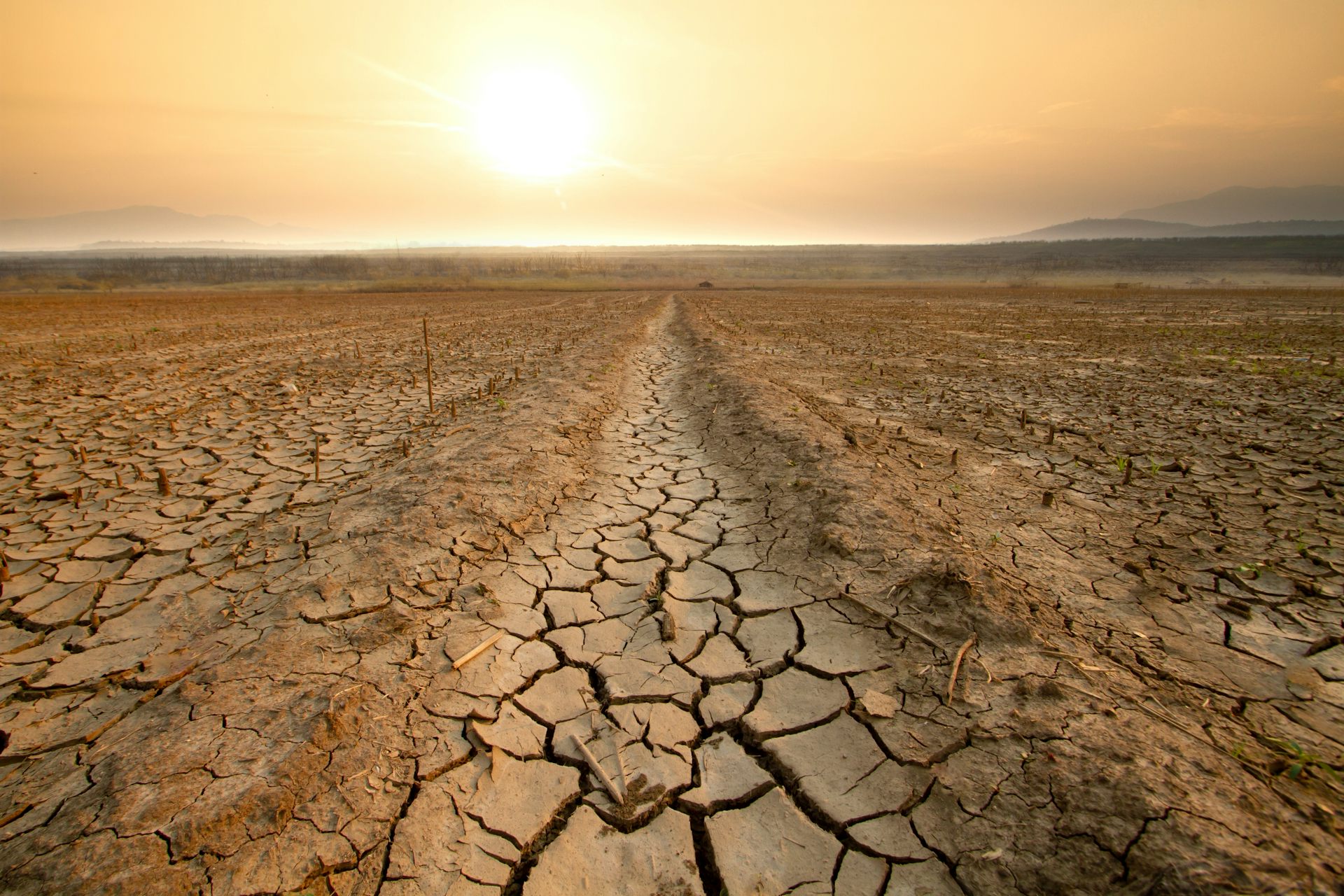
يقول العلماء إن الجفاف قد يزيد من تفاقم مقاومة المضادات الحيوية
Drought could be making antibiotic resistance worse, scientists say
New research suggests drought-parched soil turbocharges antibiotic resistance in nature, and with UK summers getting drier, that’s a growing problem.
تشير أبحاث جديدة إلى أن التربة الجافة بفعل الجفاف تعزز بشكل كبير مقاومة المضادات الحيوية في الطبيعة، ومع جفاف صيف المملكة المتحدة، أصبحت هذه مشكلة متنامية.
Antibiotic resistance is often associated with hospitals and the overuse of antibiotics in agriculture. Both are genuine problems, but new research suggests another potential culprit that many people haven’t considered – droughts caused by climate change.
غالباً ما يرتبط مقاومة المضادات الحيوية بالمستشفيات والإفراط في استخدام المضادات الحيوية في الزراعة. كلاهما مشكلتان حقيقيتان، لكن أبحاثاً جديدة تشير إلى وجود مسبب محتمل آخر لم يأخذ به الكثير من الناس في الحسبان – وهو الجفاف الناجم عن تغير المناخ.
A recent study published in the journal Nature Microbiology found that when soil dries out, it can speed up the natural processes that create and spread antibiotic resistance. This doesn’t mean drought directly creates superbugs in hospitals, but it suggests climate change could make the problem worse.
وجدت دراسة حديثة نُشرت في مجلة “Nature Microbiology” أنه عندما يجف التربة، يمكن أن يسرّع العمليات الطبيعية التي تُنشئ وتُنشر مقاومة المضادات الحيوية. هذا لا يعني أن الجفاف يُنشئ البكتيريا الخارقة مباشرة في المستشفيات، ولكنه يشير إلى أن تغير المناخ يمكن أن يزيد المشكلة سوءاً.
This matters a lot for the UK. The Met Office predicts that summers will get hotter and drier, with longer droughts if emissions stay high. Meanwhile, the NHS is already struggling with antibiotic-resistant infections, which are harder to treat and keep patients in hospital longer. When standard antibiotics stop working, doctors are sometimes forced to use powerful alternatives that are kept in reserve precisely because overusing them risks making those resistant too. These are known as “drugs of last resort”.
وهذا أمر بالغ الأهمية للمملكة المتحدة. يتوقع مكتب الأرصاد الجوية أن تصبح الصيف أكثر حرارة وجفافاً، مع فترات جفاف أطول إذا ظلت الانبعاثات مرتفعة. وفي الوقت نفسه، تكافح هيئة الخدمات الصحية الوطنية (NHS) بالفعل من حالات العدوى المقاومة للمضادات الحيوية، والتي يصعب علاجها وتجعل المرضى مقيمين في المستشفى لفترة أطول. عندما تتوقف المضادات الحيوية القياسية عن العمل، يُضطر الأطباء أحياناً إلى استخدام بدائل قوية تُحفظ احتياطياً تحديداً لأن الإفراط في استخدامها يهدد بجعلها مقاومة أيضاً. وتُعرف هذه باسم “أدوية الملاذ الأخير.”
So what’s actually happening in the soil? Soil is teeming with bacteria, and many of them naturally produce antibiotics to kill off rivals. Other bacteria carry genes that make them resistant to those attacks.
إذن، ما الذي يحدث بالفعل في التربة؟ التربة تعج بالبكتيريا، والكثير منها ينتج المضادات الحيوية بشكل طبيعي لقتل المنافسين. وتحمل بكتيريا أخرى جينات تجعلها مقاومة لتلك الهجمات.
An arms race in the soil
سباق التسلح في التربة
In normal, moist soil, bacteria live in a relatively stable environment. But when soil dries out, water gets squeezed into tiny, isolated pockets. Bacteria get crowded together, nutrients become scarce and competition turns brutal. In these conditions, bacteria produce more antibiotics to attack each other, and more resistance genes emerge to help them survive. It’s an arms race fuelled by drought.
في التربة العادية والرطبة، تعيش البكتيريا في بيئة مستقرة نسبيًا. ولكن عندما تجف التربة، ينضغط الماء في جيوب صغيرة ومعزولة. تتزاحم البكتيريا معًا، وتصبح المغذيات نادرة، ويتحول التنافس إلى وحشي. في ظل هذه الظروف، تنتج البكتيريا المزيد من المضادات الحيوية لمهاجمة بعضها البعض، وتظهر المزيد من جينات المقاومة لمساعدتها على البقاء. إنه سباق تسلح تغذيه الجفاف.
Here’s why that’s relevant to human health: bacteria can swap genes with each other through a process called horizontal gene transfer – think of it like sharing a video game cheat code. This means resistance genes from soil bacteria can be picked up by bacteria that infect humans. In fact, some resistance genes found in soil bacteria have already been spotted in bacteria that infect people, hinting at a long evolutionary connection between the two.
وهذا هو سبب أهميته للصحة البشرية: يمكن للبكتيريا تبادل الجينات فيما بينها من خلال عملية تسمى النقل الجيني الأفقي – فكر في الأمر وكأنه مشاركة رمز غش في لعبة فيديو. وهذا يعني أن جينات المقاومة من بكتيريا التربة يمكن أن تلتقطها البكتيريا التي تسبب عدوى للبشر. في الواقع، تم رصد بعض جينات المقاومة الموجودة في بكتيريا التربة بالفعل في بكتيريا تسبب عدوى للناس، مما يشير إلى وجود صلة تطورية طويلة بين الاثنين.
Some large studies have found that drier regions of the world tend to report higher levels of antibiotic-resistant infections in hospitals, even when taking differences in wealth and healthcare quality into account. However, these studies show correlation, not direct cause and effect. Other factors like how infections are tracked or how easy it is to access healthcare could also explain this pattern.
وجدت بعض الدراسات الكبرى أن المناطق الأكثر جفافاً في العالم تميل إلى الإبلاغ عن مستويات أعلى من العدوى المقاومة للمضادات الحيوية في المستشفيات، حتى عند أخذ الاختلافات في الثروة وجودة الرعاية الصحية في الاعتبار. ومع ذلك، تُظهر هذه الدراسات ارتباطًا، وليس سببًا ونتيجة مباشرة. يمكن لعوامل أخرى، مثل كيفية تتبع العدوى أو مدى سهولة الحصول على الرعاية الصحية، أن تفسر أيضًا هذا النمط.
Some of the soil bacteria linked to this problem are close relatives of hospital pathogens like Klebsiella pneumoniae and Pseudomonas aeruginosa, which belong to a group called Eskape, responsible for many of the world’s hardest-to-treat infections. Again, this doesn’t mean these bugs come from soil, but it does show how connected environmental and clinical bacteria really are.
بعض بكتيريا التربة المرتبطة بهذه المشكلة هي أقارب مقربون لمسببات الأمراض في المستشفيات مثل الكليبسيلا الرئوية (Klebsiella pneumoniae) والمكورات الزائفة (Pseudomonas aeruginosa) ، والتي تنتمي إلى مجموعة تسمى “إسكيب” (Eskape) ، وهي المسؤولة عن العديد من أصعب أنواع العدوى في العالم التي يصعب علاجها. مرة أخرى، هذا لا يعني أن هذه الكائنات الحية الدقيقة تأتي من التربة، ولكنه يوضح مدى ترابط البكتيريا البيئية والسريرية حقًا.
Antibiotic resistance already causes millions of infections every year worldwide. Most efforts to tackle it have focused on cutting unnecessary antibiotic use in medicine and farming, which is still vital. But this research suggests the environment itself, and how climate change is reshaping it, also plays a role we can’t afford to ignore.
تسبب مقاومة المضادات الحيوية بالفعل ملايين العدوى كل عام على مستوى العالم. وقد ركزت معظم الجهود المبذولة لمكافحتها على خفض استخدام المضادات الحيوية غير الضروري في الطب والزراعة، وهو أمر لا يزال حيويًا. لكن هذا البحث يشير إلى أن البيئة نفسها، وكيف يعيد تغير المناخ تشكيلها، تلعب أيضًا دورًا لا يمكننا تجاهله.
This is where the idea of One Health comes in. One Health is the idea that human, animal and environmental health are all closely linked. Antibiotic resistance, seen through this lens, isn’t just a medical problem, it’s an ecological one too.
وهنا يأتي مفهوم “الصحة الواحدة” (One Health) . الصحة الواحدة هي الفكرة القائلة بأن صحة الإنسان والحيوان والبيئة جميعها مرتبطة ارتباطًا وثيقًا. ومقاومة المضادات الحيوية، عند النظر إليها من هذا المنظور، ليست مجرد مشكلة طبية، بل هي مشكلة بيئية أيضًا.
As droughts become more common in the UK and around the world, scientists will need to keep a much closer eye on what’s happening beneath our feet.
مع تزايد شيوع فترات الجفاف في المملكة المتحدة وحول العالم، سيحتاج العلماء إلى مراقبة ما يحدث تحت أقدامنا عن كثب.
Manal Mohammed does not work for, consult, own shares in or receive funding from any company or organisation that would benefit from this article, and has disclosed no relevant affiliations beyond their academic appointment.
لا تعمل منال محمد أو تستشير أو تمتلك حصصًا أو تتلقى تمويلاً من أي شركة أو منظمة يمكن أن تستفيد من هذه المقالة، ولم تكشف عن أي انتماءات ذات صلة تتجاوز منصبها الأكاديمي.
Read more
-
في ظل حرب إيران، تخاطر حملة إسرائيل المتجددة في لبنان بتكرار الدروس – والاحتلالات – الفاشلة للماضي.
In Iran war’s shadow, Israel’s renewed Lebanon campaign risks repeating failed lessons – and occupations – of the past
-

عودة آندي بورنهام إلى وستمنستر: ما يشير إليه ذلك حول النظام السياسي البريطاني المتغير
Andy Burnham is back at Westminster: what this says about Britain’s changing political system